What’s in Today’s Article?
- Why in News?
- About the State of India’s Birds (SoIB) Report
- Highlights of the SoIB 2023 Report
- Major Threats to Bird Species
- Way Ahead – Need for More Actions, Research
Why in News?
- According to the State of India’s Birds 2023 Report, there is a general decline in numbers in most bird species in the country.
- While the raptors, migratory shorebirds and ducks have declined the most, several bird species such as the Indian Peafowl, Rock Pigeon, Asian Koel and House Crow are showing an “increasing trend”


About the State of India’s Birds (SoIB) 2023 Report:
- The SoIB report was created to assess the conservation status of the majority of species that regularly occur in the country.
- SoIB is published by the State of India’s Birds Partnership, a group of 13 government (including SACON, WII, ZSI) and non-governmental organisations.
- Worldwide, common and widespread species are declining. But in India, lack of information has meant that conservation attention has been focussed on only a few species (usually large, charismatic and threatened).
- The 2023 Report, in its second iteration (1st in 2020), fills this gap by using over 30 million observations uploaded to the eBird platform by more than 30,000 birdwatchers.
- This helped in evaluating the distribution range size of 942 Indian birds, and their trends in abundance in both the long term (over 25+ years) and currently (since 2015).
- Using these three measures, plus information from the IUCN Red List of global threat status, this report places Indian species into Low, Moderate and High categories of Conservation Priority for India.
- A large number of species that are thought to be common and widespread find themselves as of High Conservation Priority in the SoIB 2023 Report.
Highlights of the SoIB 2023 Report:

- Decline, overall:
- Of the 338 species that had enough data to assess for long-term trends, 60% of the species showed long-term declines. Of the 359 species analysed for current annual trends, 40% are declining.
- Birds that feed on vertebrates and carrion (including raptors and vultures) have declined greatly, suggesting harmful pollutants in their food resources, a decline in prey availability, or both.
- Birds endemic to the Western Ghats and Sri Lanka biodiversity hotspot have rapidly declined in India over the past few decades.
- Some increases:
- A few generalist bird species such as the national bird – the Indian peafowl, are doing extremely well in the country.
- There has been a 150% increase in the abundance of peafowl across the country over the past decades.
- The good news of the increase is tempered by a recognition of increased reports of crop damage in different parts of the country, and the negative impacts on snakes and other reptiles.
- Therefore, it is important to investigate the impacts of this peafowl boom on both people and ecosystems.
- Species of high conservation priority:
- Out of the all 942 species, 178 species are classified as High Priority, 323 as Moderate Priority, and 441 as Low Priority.
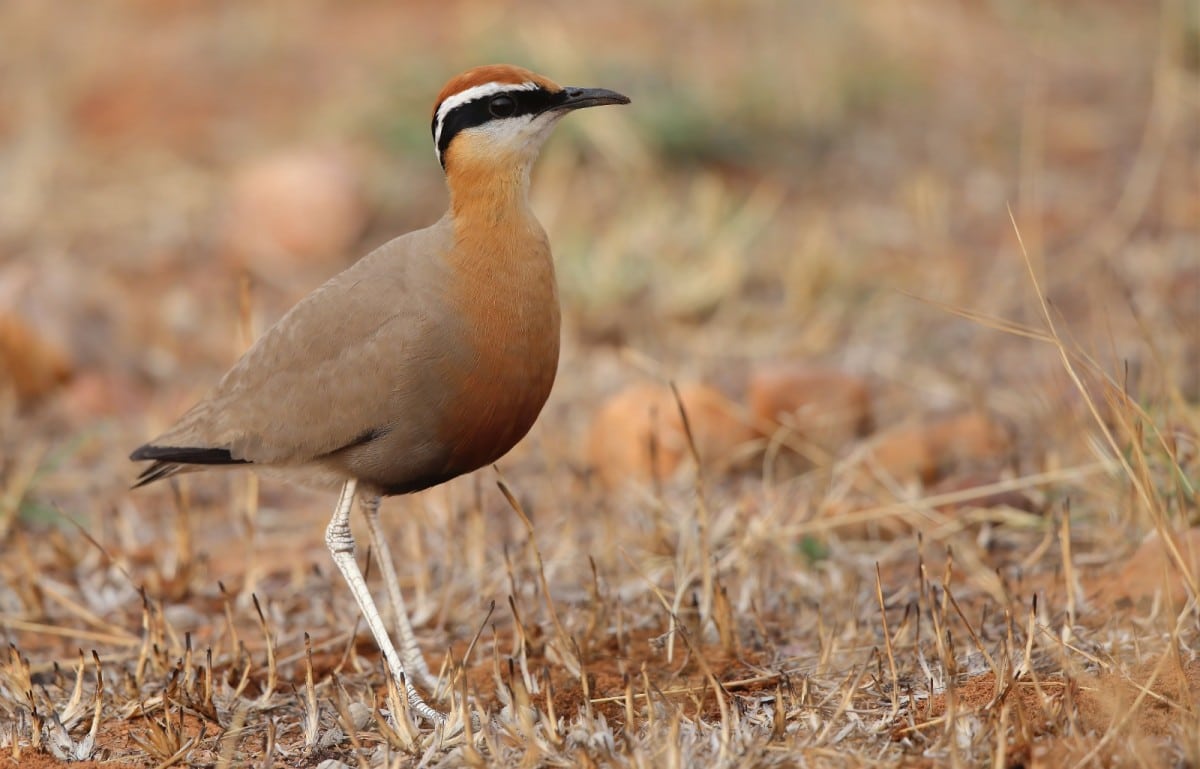
- The High Priority species include migratory wetland birds like the Ruddy shelduck, resident species such as the Indian courser, endemics such as the Narcondam hornbill and the Nicobar megapode on Nicobar Island.
Major Threats to Bird Species:
- The report also highlighted major threats including – forest degradation, urbanisation and energy infrastructure – that bird species face across the country.
- Environmental pollutants including veterinary drugs such as nimesulide still threaten vulture populations in India.
- Other concerns include the impacts of climate change (such as on migratory species), avian disease and illegal hunting and trade.
Way Ahead – Need for More Actions, Research:
- The report points to the need to conserve specific groups of birds.
- For instance, the grassland specialists have declined by more than 50% – indicating the importance of protecting and maintaining grassland ecosystems.
- Systematic monitoring of bird populations over long periods of time are critical to understand small-scale changes in bird populations.
- More research is needed to understand the reasons behind the declines or increases.
- As the abundant, widespread species provides several ecosystem services, river, water, or wasteland development policies must also converge, rather than act in opposition to each other.
- An action plan for conservation of bird populations and habitats must include citizen participation, which is an important contributor towards biodiversity conservation.
Q1) What is the IUCN Red List?
The International Union for Conservation of Nature (IUCN) Red List of Threatened Species, also known as the Red Data Book, founded in 1964, is an inventory of the global conservation status and extinction risk of biological species.
Q2) What is the SACON?
Salim Ali Centre for Ornithology and Natural History’s (SACON) mission is to help conserve India’s biodiversity and its sustainable use through research, education and peoples’ participation, with birds at the centre stage.
Source: State of birds: Most species show dip, Indian Peafowl among those flourishing | HT | The Wire

 Last updated on August, 2026
→ UPSC Mains 2026 commenced on 21st August 2026 and will continue through 30th August 2026, as per the official examination schedule.
→ UPSC Mains Question Paper 2026 is out now for Essay & GS Paper 1, 2, 3 & 4.
→ UPSC Mains GS Paper 1 2026 is out now.
→ UPSC Mains GS Paper 2 2026 is out now.
→ Check out the latest UPSC Syllabus 2026 here.
→ UPSC Mains Admit Card 2026 is now out.
→ Enroll in Vajiram & Ravi’s UPSC Mains Test Series 2027 for structured answer writing practice, expert evaluation, and exam-oriented feedback.
→ Join Vajiram & Ravi’s UPSC Mentorship Program 2027 for personalized guidance, strategy planning, and one-to-one support from experienced mentors.
→ Go through the UPSC Mains Previous Year Papers to enhance your preparation.
→ Download UPSC Mains Essay Paper 2025, UPSC Mains GS Paper-I 2025, UPSC Mains GS Paper-II 2025, UPSC Mains GS Paper-III 2025, UPSC Mains GS Paper-IV 2025, UPSC Mains English (Compulsory) Paper 2025, UPSC Mains Hindi (Qualifying) Paper 2025 here.
→ UPSC has released UPSC Toppers List 2025 with the Civil Services final result on its official website.
→ UPSC Calendar 2027 has been released.
→ Also check Best UPSC Coaching in India