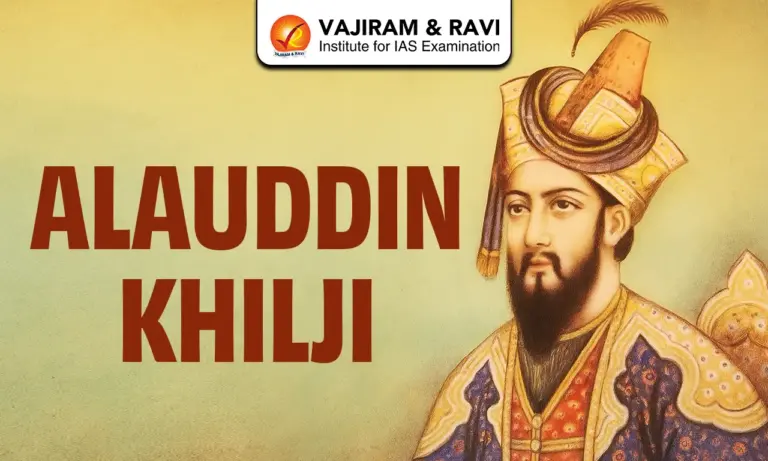
Alauddin Khilji (1296-1316 AD) was one of the most powerful rulers of the Delhi Sultanate. He belonged to the Khalji Dynasty and ruled for 20 years. His original name was Ali Gurshasp. He is remembered for expanding his empire, defeating Mongol attacks, and introducing strong administrative and market reforms. He came to power by killing his uncle and father-in-law, Jalal-ud-din Firoz Khilji. After becoming Sultan, he removed all possible rivals to secure his throne.
Alauddin Khilji Background
- Alauddin Khilji was a ruler of the Khalji Dynasty under the Delhi Sultanate.
- He was the nephew and son-in-law of Jalal-ud-din Firoz Khilji.
- Before becoming Sultan, he served as the Governor of Kara and Awadh.
In 1296 AD, he attacked Devagiri and collected huge wealth. - Using this wealth, he killed Jalaluddin Khilji and became Sultan in 1296 AD.
- After taking the throne, he removed rivals to secure his power.
- He adopted grand titles like Sikander-e-Sani (Second Alexander).
- His main aim was to expand the empire and strengthen administration.
- He ruled from 1296 to 1316 AD and became one of the most powerful rulers of the Delhi Sultanate.
Major Expeditions of Alauddin Khilji
- Alauddin Khilji adopted an aggressive imperial policy to expand the territory of the Delhi Sultanate.
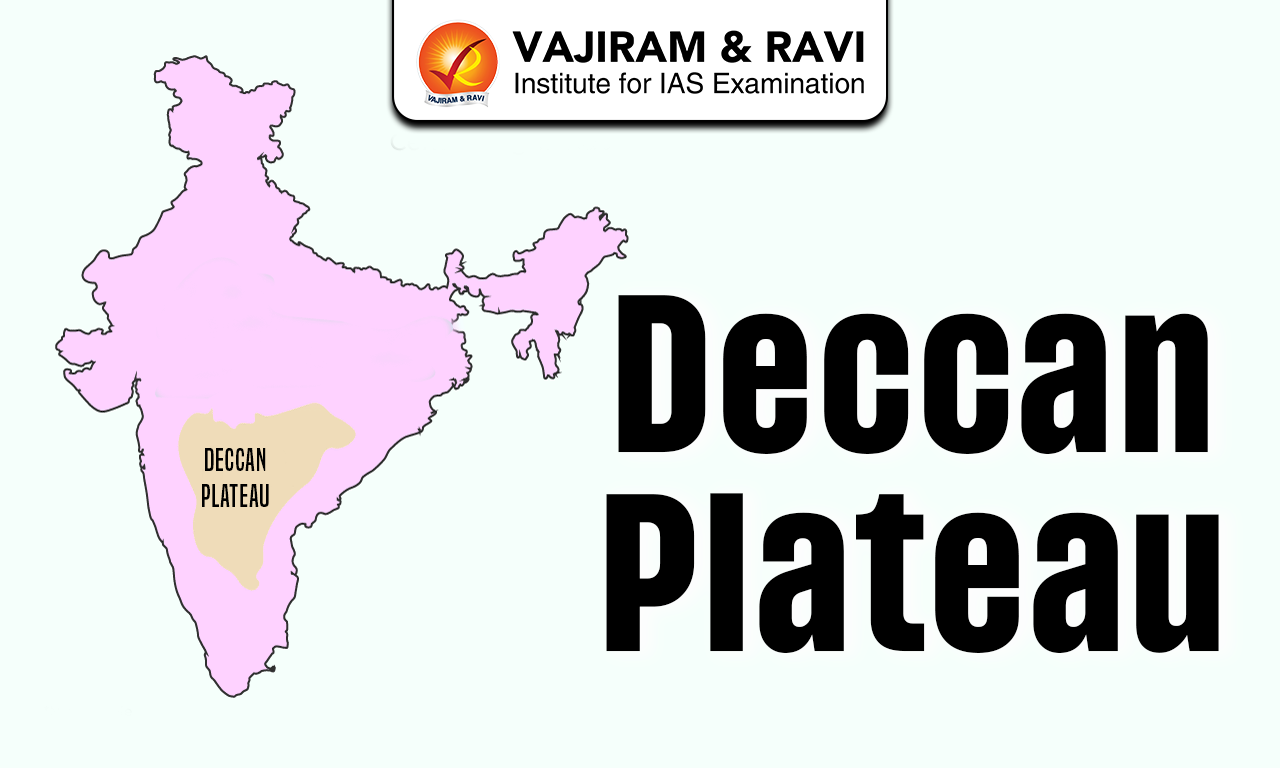
- His campaigns covered Rajasthan, Gujarat, Central India, and the Deccan region.
- Most southern expeditions were led by his trusted general Malik Kafur.
- His victories brought enormous wealth, strengthened administration, and enhanced military power.
1. Gujarat Expedition (1299 AD)
- Alauddin sent his generals Ulugh Khan and Nusrat Khan to conquer Gujarat, which was ruled by Rai Karan Baghela.
- The Gujarat army was defeated, and large quantities of gold, silver, and precious items were looted.
- Kamla Devi, the queen of Gujarat, was captured and brought to Delhi.
- During this campaign, Malik Kafur was captured and later became Alauddin’s most trusted commander.
- The conquest helped control important trade ports and increased state revenue.
2. Ranthambore Expedition (1301 AD)
- The target was Rajput ruler Hamir Dev of Ranthambore, who had given shelter to Alauddin’s enemies.
- The initial campaign faced resistance, and Nusrat Khan was killed.
- Alauddin personally led the final assault and captured the fort after a long siege.
- Rajput women committed Jauhar to avoid capture.
- Ranthambore was annexed, strengthening Sultanate control in Rajasthan.
3. Chittor Expedition (1303 AD)
- Chittor was ruled by Rana Ratan Singh of Mewar.
- The siege lasted nearly seven months due to strong Rajput resistance.
- After defeat, Rajput women performed Jauhar.
- Alauddin captured the fort and renamed it Khizrabad after his son Khizr Khan.
- The victory secured Delhi’s dominance in Rajasthan.
4. Malwa Expedition (1305 AD)
- Alauddin’s forces attacked the Malwa region in Central India.
- Important cities such as Ujjain, Mandu, and Dhar were captured.
- The region was placed under Sultanate administration.
- This conquest increased political influence in Central India.
5. Devagiri Campaigns (1307–1313 AD)
- Devagiri was ruled by Ramchandra Deva of the Yadava dynasty.
- Malik Kafur led the campaign and defeated Ramchandra.
- Ramchandra accepted Delhi’s authority and agreed to pay tribute.
- After his death, his son Shankar Deva revolted but was defeated and killed.
- This brought the Deccan region firmly under Delhi’s control.
6. Warangal (Telangana) Expedition (1309–1310 AD)
- Malik Kafur attacked Warangal ruled by Pratap Rudra Deva of the Kakatiya dynasty.
- After resistance, the ruler agreed to pay heavy tribute and accept Delhi’s supremacy.
- Large amounts of wealth, including diamonds and precious stones, were brought to Delhi.
- This campaign increased the economic strength of the Sultanate.
7. Dwarasamudra and Madurai Expeditions (1310–1311 AD)
- Malik Kafur attacked the Hoysala kingdom of Dwarasamudra.
- The Hoysala ruler accepted Sultanate authority and paid tribute.
- The army then marched towards Madurai in South India.
- Southern rulers agreed to pay annual tribute without direct annexation.
- These campaigns extended Delhi’s influence to far South India.
8. Mongol Invasions (1297–1306 AD)
- During his reign, several Mongol invasions threatened North India.
- Alauddin strengthened his army and border defenses.
- In 1306 AD, Mongols were decisively defeated near the Ravi River.
- After this victory, Mongol attacks significantly declined.
- His military reforms ensured long-term security of the northern frontiers.





Major Reforms Under Alauddin Khilji
Alauddin Khilji introduced strict and practical reforms to strengthen the administration and prevent rebellions in the Delhi Sultanate. His reforms mainly focused on administration, market control, military organization, and revenue system to maintain a strong central authority.
1. Administrative Reforms
Alauddin aimed to centralize power and reduce the influence of nobles and religious leaders.
- Confiscated jagirs (land grants) from nobles to weaken their financial power.
- Cancelled pensions, waqf (religious endowments), and inam lands.
- Banned social gatherings, feasts, and matrimonial alliances among nobles to prevent conspiracies.
- Established a strong spy (intelligence) system to monitor nobles and officials.
- Prohibited consumption and sale of alcohol and intoxicants in Delhi.
- Kept religion separate from politics and did not allow Ulema to interfere in administration.
2. Market Reforms
To maintain a large army with low salaries, Alauddin introduced a strict price control system.
- Fixed prices of essential goods like wheat, rice, sugar, cloth, and horses.
- Established special markets in Delhi for different commodities.
- Appointed an officer called Shahana-i-Mandi to supervise markets.
- Created a department to check hoarding and black marketing.
- Imposed strict punishments on traders who violated price rules.
- Maintained government storehouses to control grain supply during famine.
3. Military Reforms
Alauddin strengthened the army to defend against Mongol invasions and expand the empire.
- Maintained a large standing army directly under the Sultan.
- Introduced the Dagh system (branding of horses) to prevent fraud.
- Maintained detailed descriptive rolls (Chehra system) of soldiers.
- Paid soldiers in cash salary instead of land grants.
- Strengthened border defenses against Mongols.
- Appointed Ariz-i-Mumalik as head of the military department.
4. Revenue Reforms
Revenue reforms increased state income and reduced the power of local landlords.
- Established a separate revenue department called Diwan-i-Mustakhraj.
- Measured agricultural land to assess tax scientifically.
- Collected land revenue directly from peasants.
- Increased land tax up to 50% of the produce in fertile areas.
- Imposed Jaziya tax on non-Muslims.
- Reduced the privileges of local chiefs and intermediaries.

 Last updated on March, 2026
→ UPSC Final Result 2025 is now out.
→ UPSC has released UPSC Toppers List 2025 with the Civil Services final result on its official website.
→ Anuj Agnihotri secured AIR 1 in the UPSC Civil Services Examination 2025.
→ UPSC Marksheet 2025 is now out.
→ UPSC Notification 2026 & UPSC IFoS Notification 2026 is now out on the official website at upsconline.nic.in.
→ UPSC Calendar 2026 has been released.
→ Check out the latest UPSC Syllabus 2026 here.
→ UPSC Prelims 2026 will be conducted on 24th May, 2026 & UPSC Mains 2026 will be conducted on 21st August 2026.
→ The UPSC Selection Process is of 3 stages-Prelims, Mains and Interview.
→ Prepare effectively with Vajiram & Ravi’s UPSC Prelims Test Series 2026 featuring full-length mock tests, detailed solutions, and performance analysis.
→ Enroll in Vajiram & Ravi’s UPSC Mains Test Series 2026 for structured answer writing practice, expert evaluation, and exam-oriented feedback.
→ Join Vajiram & Ravi’s Best UPSC Mentorship Program for personalized guidance, strategy planning, and one-to-one support from experienced mentors.
→ Shakti Dubey secures AIR 1 in UPSC CSE Exam 2024.
→ Also check Best UPSC Coaching in India
Alauddin Khilji FAQs
Q1. Who was Alauddin Khilji?+
Q2. What was the original name of Alauddin Khilji?+
Q3. How did Alauddin Khilji become Sultan?+
Q4. Why is Alauddin Khilji famous?+
Q5. What were Alauddin Khilji’s major reforms?+
Tags: alauddin khilji history