About Biomarkers
- Biomarkers, short for ‘Biological Markers’ are a physical, chemical, or biological characteristic that is present in the human body, and measurable too.
- The WHO defines a biomarker as “any measurement reflecting an interaction between a biological system and a potential hazard, which may be chemical, physical, or biological. The measured response may be functional and physiological, biochemical at the cellular level, or a molecular interaction”.
- Experts also call them molecular markers and signature molecules.
- They are indispensable in diagnosing disease, prescribing the right medication, right dosage, and even while designing new drugs.
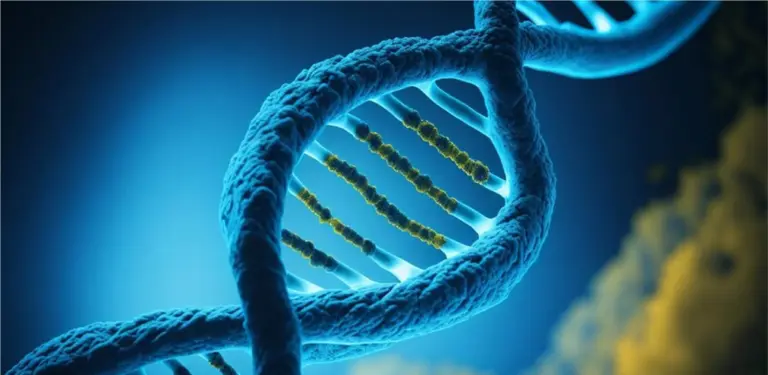
- Biomarkers include biomolecules like carbohydrates, proteins, lipids, genes, DNA, RNA, platelets, enzymes, hormones, etc.
- Classification of Biomarkers:
- Based on their source or location:
- Molecular – have biophysical properties, which allow their measurements in biological samples such as blood plasma, serum, cerebrospinal fluid, bronchoalveolar lavage, biopsy, urinalysis, and faecal analysis
- Radiographic – obtained from imaging studies, for example, bone mineral density
- Histologic – reflect biochemical or molecular alteration in cells, tissues, or fluids; for example, the staging and grading of cancers
- Physiologic – measures of body processes, for example, blood pressure, pulse rate, and heart rate
- Based on roles/functions:
- Susceptibility/Risk Biomarkers: Indicate the person’s likelihood of developing a particular disease or condition in the near or distant future.
- Diagnostic Biomarkers: These are used to detect or confirm a particular disease or condition.
- Prognostic Biomarkers: In people who already are confirmed to have a disease, prognostic biomarkers can predict the likelihood of disease progression or relapse.
- Monitoring Biomarkers: These biomarkers are used for one or all of these reasons: to assess the stage or condition of the disease, to measure the exposure to a particular drug, and to measure exposure to an environmental agent.
- Predictive Biomarkers: These are used to identify individuals who have a higher likelihood of experiencing a strong outcome when exposed to a particular drug. This will help decide the treatment options.
Pharmacodynamic/Response Biomarkers: These reveal that a biological response has happened in patients exposed to a particular drug or environmental agent.
Q1: What are lipids?
Lipids are fatty compounds that perform a variety of functions in your body. They’re part of your cell membranes and help control what goes in and out of your cells. They help with moving and storing energy, absorbing vitamins and making hormones. Having too much of some lipids is harmful.
Source: Detecting cancer in minutes possible with just a drop of dried blood and new test, study hints






 Last updated on March, 2026
→ UPSC Final Result 2025 is now out.
→ UPSC has released UPSC Toppers List 2025 with the Civil Services final result on its official website.
→ Anuj Agnihotri secured AIR 1 in the UPSC Civil Services Examination 2025.
→ UPSC Marksheet 2025 is now out.
→ UPSC Notification 2026 & UPSC IFoS Notification 2026 is now out on the official website at upsconline.nic.in.
→ UPSC Calendar 2026 has been released.
→ Check out the latest UPSC Syllabus 2026 here.
→ UPSC Prelims 2026 will be conducted on 24th May, 2026 & UPSC Mains 2026 will be conducted on 21st August 2026.
→ The UPSC Selection Process is of 3 stages-Prelims, Mains and Interview.
→ Prepare effectively with Vajiram & Ravi’s UPSC Prelims Test Series 2026 featuring full-length mock tests, detailed solutions, and performance analysis.
→ Enroll in Vajiram & Ravi’s UPSC Mains Test Series 2026 for structured answer writing practice, expert evaluation, and exam-oriented feedback.
→ Join Vajiram & Ravi’s Best UPSC Mentorship Program for personalized guidance, strategy planning, and one-to-one support from experienced mentors.
→ Shakti Dubey secures AIR 1 in UPSC CSE Exam 2024.
→ Also check Best UPSC Coaching in India