About Bubble Baby Syndrome
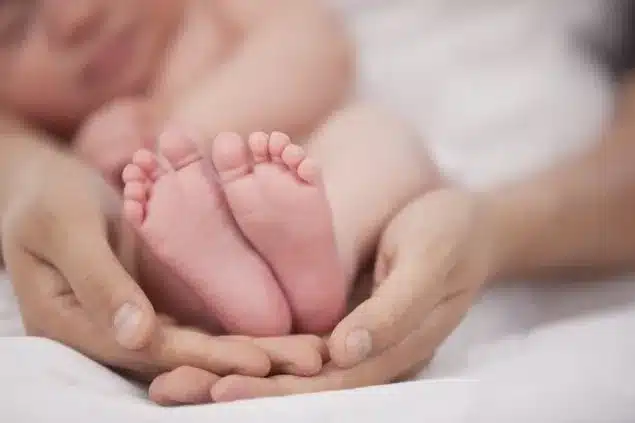
- ‘Bubble baby syndrome,’ known medically as Severe Combined Immunodeficiency (SCID) is very rare genetic disorder that causes life-threatening problems with the immune system.
- It is a type of primary immune deficiency.
- The disease is known as “living in the bubble” syndrome because living in a normal environment can be fatal to a child who has it.
- What happens in SCID?
- In a developing baby, the immune system starts in the bone marrow. Stem cells can become any of three different types of blood cells.
- red blood cells
- white blood cells
- platelets
- White blood cells (WBCs) protect the body from infections and foreign invaders. There are different kinds of WBCs, including lymphocytes.
- Lymphocytes come in two main types: B-cells and T-cells. These cells are key to fighting infections.
- T cells identify, attack, and kill “invaders.”
- B cells make antibodies that “remember” an infection and are ready in case the body is exposed to it again.
- SCID is a “combined” immunodeficiency because it affects both of these infection-fighting white blood cells.
- In SCID, the child’s body has too few lymphocytes or lymphocytes that don’t work properly.
- Because the immune system doesn’t work as it should, it can be difficult or impossible for it to battle the germs—viruses, bacteria, and fungi—that cause infections.
- In a developing baby, the immune system starts in the bone marrow. Stem cells can become any of three different types of blood cells.
- Causes:
- Inherited mutations in more than a different genes cause SCID.
- This means one or both birth parents pass down the disease to their child.
- Symptoms: Babies with SCID may appear healthy at birth, but problems can start soon after, such as:
- failure to thrive
- chronic diarrhea
- frequent, often serious respiratory infections
- oral thrush (a type of yeast infection in the mouth)
- other bacterial, viral, or fungal infections that can be serious and hard to treat.
- Treatment:
- SCID is a pediatric emergency. Without treatment, babies are not likely to survive past their first birthday.
- The most common treatment is a stem cell transplant (also called a bone marrow transplant). This means the child receives stem cells from a donor. The hope is that these new cells will rebuild the child’s immune system.
Q1) What is bone marrow?
Bone marrow is the soft, fatty tissue inside of the bones in your body. Bone marrow contains cells that produce blood cells and platelets and it is responsible for making billions of new blood cells each day.
Source: Two-month-old becomes the youngest to get bone marrow transplant in Mumbai






 Last updated on March, 2026
→ UPSC Final Result 2025 is now out.
→ UPSC has released UPSC Toppers List 2025 with the Civil Services final result on its official website.
→ Anuj Agnihotri secured AIR 1 in the UPSC Civil Services Examination 2025.
→ UPSC Marksheet 2025 is now out.
→ UPSC Notification 2026 & UPSC IFoS Notification 2026 is now out on the official website at upsconline.nic.in.
→ UPSC Calendar 2026 has been released.
→ Check out the latest UPSC Syllabus 2026 here.
→ UPSC Prelims 2026 will be conducted on 24th May, 2026 & UPSC Mains 2026 will be conducted on 21st August 2026.
→ The UPSC Selection Process is of 3 stages-Prelims, Mains and Interview.
→ Prepare effectively with Vajiram & Ravi’s UPSC Prelims Test Series 2026 featuring full-length mock tests, detailed solutions, and performance analysis.
→ Enroll in Vajiram & Ravi’s UPSC Mains Test Series 2026 for structured answer writing practice, expert evaluation, and exam-oriented feedback.
→ Join Vajiram & Ravi’s Best UPSC Mentorship Program for personalized guidance, strategy planning, and one-to-one support from experienced mentors.
→ Shakti Dubey secures AIR 1 in UPSC CSE Exam 2024.
→ Also check Best UPSC Coaching in India