About Cognitive Computing
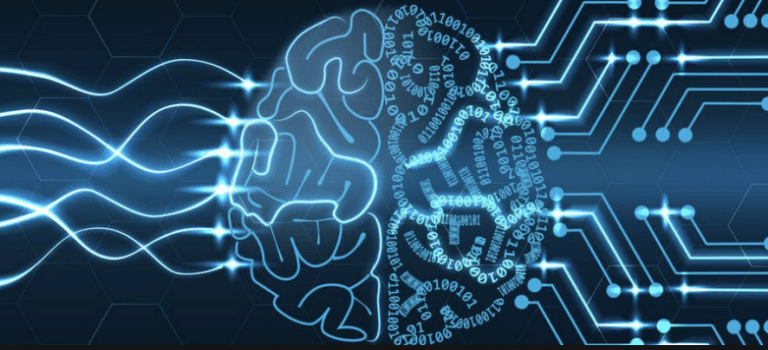
- Cognitive computing is the use of computerized models to simulate the human thought process in complex situations where the answers might be ambiguous and uncertain.
- It is an attempt to have computers mimic the way the human brain works.
- The goal is to create intelligent systems that can adapt and make decisions similar to the way humans would.
- To accomplish this, cognitive computing uses artificial intelligence (AI) and other underlying technologies, including the following:
- Expert systems.
- Neural networks.
- Machine learning.
- Deep learning.
- Natural language processing (NLP).
- Speech recognition.
- Object recognition.
- Robotics.
- It uses these processes in conjunction with self-learning algorithms, data analysis, and pattern recognition to teach computing systems.
- Cognitive computing applications analyze patterns and apply machine learning to replicate human capabilities such as deduction, learning, perception, and reasoning.
- Unlike traditional programmed systems, cognitive computing solutions can analyze large amounts of unstructured data from various sources and identify patterns and insights.
- They can interpret text, images, speech and make connections across data. Over time, these systems continue to learn from their interactions and experiences.
- The learning technology can be used for sentiment analysis, risk assessments, and face detection.
- In addition, cognitive computing is particularly useful in fields such as healthcare, banking, finance, and retail.
Q1) What is Machine Learning?
Machine learning is a branch of artificial intelligence (AI) and computer science which focuses on the use of data and algorithms to imitate the way that humans learn, gradually improving its accuracy.
Source: Cognitive Computing Market Share, Size, Trends Analysis, Report 2023-2028






 Last updated on March, 2026
→ UPSC Final Result 2025 is now out.
→ UPSC has released UPSC Toppers List 2025 with the Civil Services final result on its official website.
→ Anuj Agnihotri secured AIR 1 in the UPSC Civil Services Examination 2025.
→ UPSC Marksheet 2025 is now out.
→ UPSC Notification 2026 & UPSC IFoS Notification 2026 is now out on the official website at upsconline.nic.in.
→ UPSC Calendar 2026 has been released.
→ Check out the latest UPSC Syllabus 2026 here.
→ UPSC Prelims 2026 will be conducted on 24th May, 2026 & UPSC Mains 2026 will be conducted on 21st August 2026.
→ The UPSC Selection Process is of 3 stages-Prelims, Mains and Interview.
→ Prepare effectively with Vajiram & Ravi’s UPSC Prelims Test Series 2026 featuring full-length mock tests, detailed solutions, and performance analysis.
→ Enroll in Vajiram & Ravi’s UPSC Mains Test Series 2026 for structured answer writing practice, expert evaluation, and exam-oriented feedback.
→ Join Vajiram & Ravi’s Best UPSC Mentorship Program for personalized guidance, strategy planning, and one-to-one support from experienced mentors.
→ Shakti Dubey secures AIR 1 in UPSC CSE Exam 2024.
→ Also check Best UPSC Coaching in India