Electoral Roll Latest News
- Concerns have emerged over the alleged misuse of Form 7 applications during the ongoing Special Intensive Revision of electoral rolls, leading to large-scale deletion of voters’ names across several States.
Electoral Rolls and Their Importance in Indian Democracy
- Electoral rolls form the foundation of India’s democratic process, ensuring that every eligible citizen has the right to vote.
- Prepared and updated under the Representation of the People Act, 1950, these rolls are periodically revised to include new voters and remove ineligible entries.
- The credibility of elections depends heavily on the accuracy, transparency, and fairness of this process.
- Any large-scale error or manipulation can directly impact political representation and voter confidence in the electoral system.





Form 7 and Its Legal Framework
- Form 7 is a statutory mechanism used to object to the inclusion of a person’s name in the electoral roll.
- Under the Registration of Electors Rules, 1960, objections can be raised on specific grounds such as death, duplication of entries, shifting of residence, ineligibility due to age, or lack of citizenship.
- Earlier, objections could be raised only by voters from the same polling booth.
- However, a 2022 amendment expanded the scope, allowing any voter within a constituency to file objections.
- While intended to improve roll accuracy, this change also increased the risk of misuse.
- To prevent abuse, rules mandate verification by the Electoral Registration Officer (ERO), especially when an individual files more than five objections.
Special Intensive Revision of Electoral Rolls
- The Special Intensive Revision (SIR) is a comprehensive exercise undertaken by the Election Commission of India (ECI) to update electoral rolls in select States and Union Territories.
- Phase II of the ongoing SIR has covered nearly 51 crore voters across multiple regions, including Uttar Pradesh, Gujarat, Tamil Nadu, West Bengal, and others.
- The revision follows a compressed timeline, involving enumeration forms, objections, verification by Booth Level Officers (BLOs), and hearings before final publication of the rolls.
Nature of the Form 7 Controversy
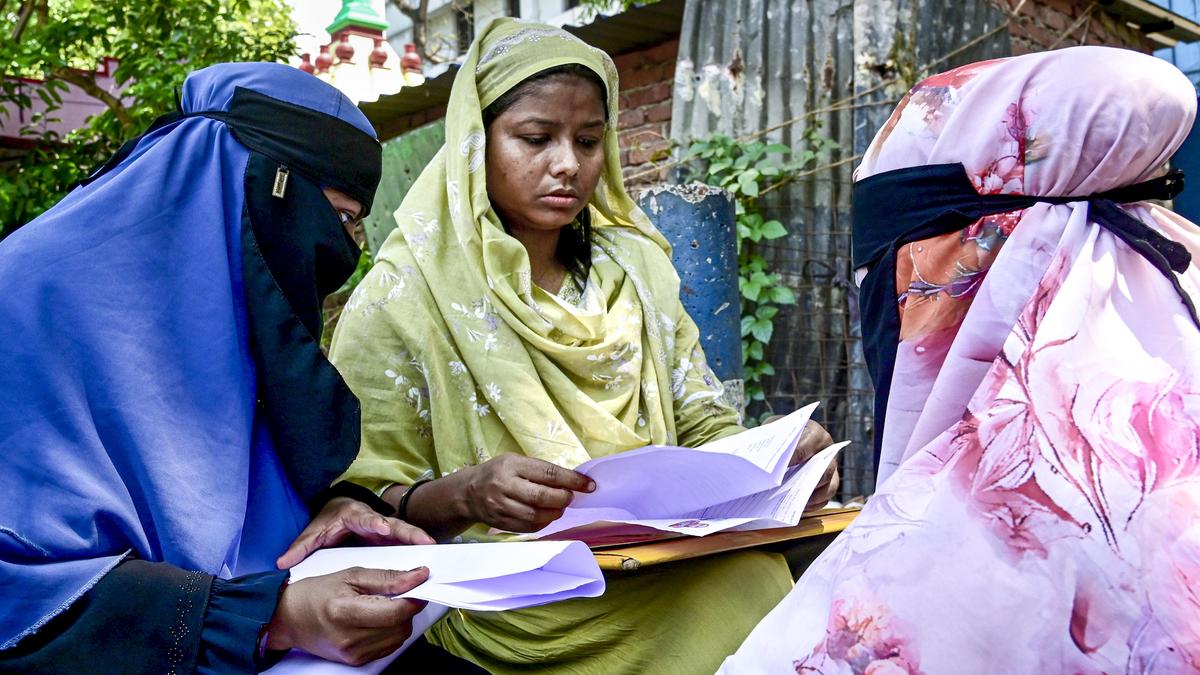
- The controversy centres on the bulk filing of Form 7 applications, allegedly without the knowledge or consent of the voters concerned.
- Opposition parties have accused organised actors of misusing Form 7 to systematically delete the names of eligible voters, thereby distorting the electoral process.
- Reports from States such as Rajasthan and Gujarat have highlighted cases where individuals claimed that Form 7 applications were submitted in their names without their involvement.
- This has raised serious concerns about impersonation, procedural lapses, and administrative oversight.
Scale of Voter Deletions
- According to draft electoral rolls released during the SIR, around 6.5 crore voters were removed from the rolls across nine States and three Union Territories.
- These deletions reduced the total electorate from about 51 crore to 44.4 crore in the affected regions. The removed voters were categorised as ASD (Absent, Shifted, Dead/Duplicate).
- The highest number of deletions was reported from Uttar Pradesh, followed by Tamil Nadu and Gujarat.
- Critics argue that the sheer scale of deletions, combined with a tight revision schedule, raises questions about the adequacy of verification and grievance redressal mechanisms.
Verification Process and Safeguards
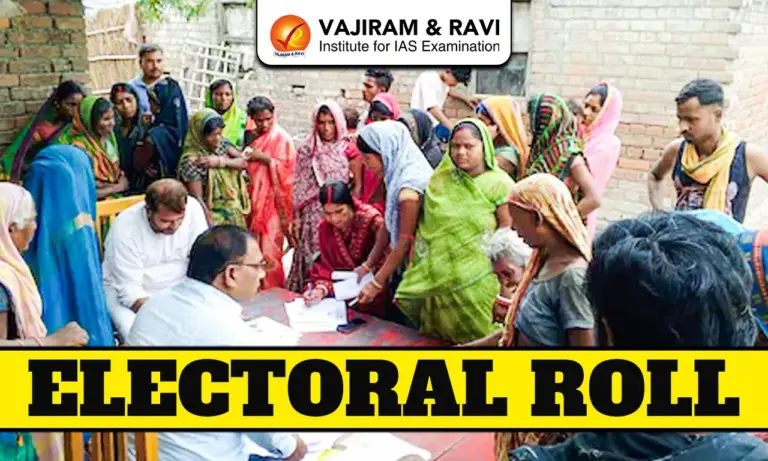
- Once a Form 7 application is submitted, Booth Level Officers are required to conduct physical verification.
- In cases of alleged death, confirmation from neighbours and a death certificate are necessary.
- If a voter is reported absent, BLOs must conduct multiple visits to confirm relocation.
- Affected voters are entitled to receive notice and attend hearings before final deletion.
- Appeals against ERO decisions can be filed with the district magistrate within 15 days of the roll publication.
- Despite these safeguards, concerns persist about their effective implementation under time pressure.
Concerns and the Way Forward
- At the core of the controversy lies the risk of voter disenfranchisement, particularly among marginalised and economically weaker sections.
- Filing a false declaration under Form 7 is a punishable offence under Section 32 of the Representation of the People Act, 1950.
- Experts suggest stricter scrutiny of bulk applications, improved digital tracking, longer verification timelines, and enhanced transparency to restore trust in the electoral revision process.
- Ensuring balance between roll accuracy and voter protection remains crucial.
Source: TH

 Last updated on April, 2026
→ UPSC Final Result 2025 is now out.
→ UPSC has released UPSC Toppers List 2025 with the Civil Services final result on its official website.
→ Anuj Agnihotri secured AIR 1 in the UPSC Civil Services Examination 2025.
→ UPSC Marksheet 2025 is now out.
→ UPSC Notification 2026 & UPSC IFoS Notification 2026 is now out on the official website at upsconline.nic.in.
→ UPSC Calendar 2026 has been released.
→ Check out the latest UPSC Syllabus 2026 here.
→ UPSC Prelims 2026 will be conducted on 24th May, 2026 & UPSC Mains 2026 will be conducted on 21st August 2026.
→ The UPSC Selection Process is of 3 stages-Prelims, Mains and Interview.
→ Prepare effectively with Vajiram & Ravi’s UPSC Prelims Test Series 2026 featuring full-length mock tests, detailed solutions, and performance analysis.
→ Enroll in Vajiram & Ravi’s UPSC Mains Test Series 2026 for structured answer writing practice, expert evaluation, and exam-oriented feedback.
→ Join Vajiram & Ravi’s Best UPSC Mentorship Program for personalized guidance, strategy planning, and one-to-one support from experienced mentors.
→ Shakti Dubey secures AIR 1 in UPSC CSE Exam 2024.
→ Also check Best UPSC Coaching in India
Electoral Roll FAQs
Q1. What is Form 7 used for?+
Q2. What triggered the current Form 7 controversy?+
Q3. What is the Special Intensive Revision (SIR)?+
Q4. How many voters were reportedly deleted during the SIR?+
Q5. What legal action applies to false Form 7 declarations?+
Tags: electoral roll mains articles upsc current affairs upsc mains current affairs