About Nilgiri Biosphere Reserve (NBR)
- Location:
- It is located in the Nilgiri Mountains of the Western Ghats.
- It encompasses parts of Tamil Nadu, Kerala, and Karnataka.
- It was the first biosphere reserve in India, established in 1986.
- The total area of the reserve is 5,520 sq. km. It is the largest protected forest area in India.
- The Mudumalai Wildlife Sanctuary, Wyanaad Wildlife Sanctuary, Bandipur National Park, Nagarhole National Park, Mukurthi National Park, and Silent Valley are the protected areas present within this reserve.
- Vegetation: It harbours a wide spectrum of ecosystem types, such as tropical evergreen forests, Montane sholas and grasslands, semi-evergreen forests, moist deciduous forests, dry deciduous forests, and thorn forests.
- Climate: The annual rainfall of the reserve ranges from 500 mm to 7000 mm, with temperatures ranging from 0°C during the winter to 41°C during the summer.
- Tribal Population: Tribal groups like the Todas, Kotas, Irullas, Kurumbas, Paniyas, Adiyans, Edanadan Chettis, Cholanaickens, Allar, Malayan, etc., are native to the reserve.
- It is India’s first biosphere reserve under UNESCO’s Man and the Biosphere Programme.
- Flora:
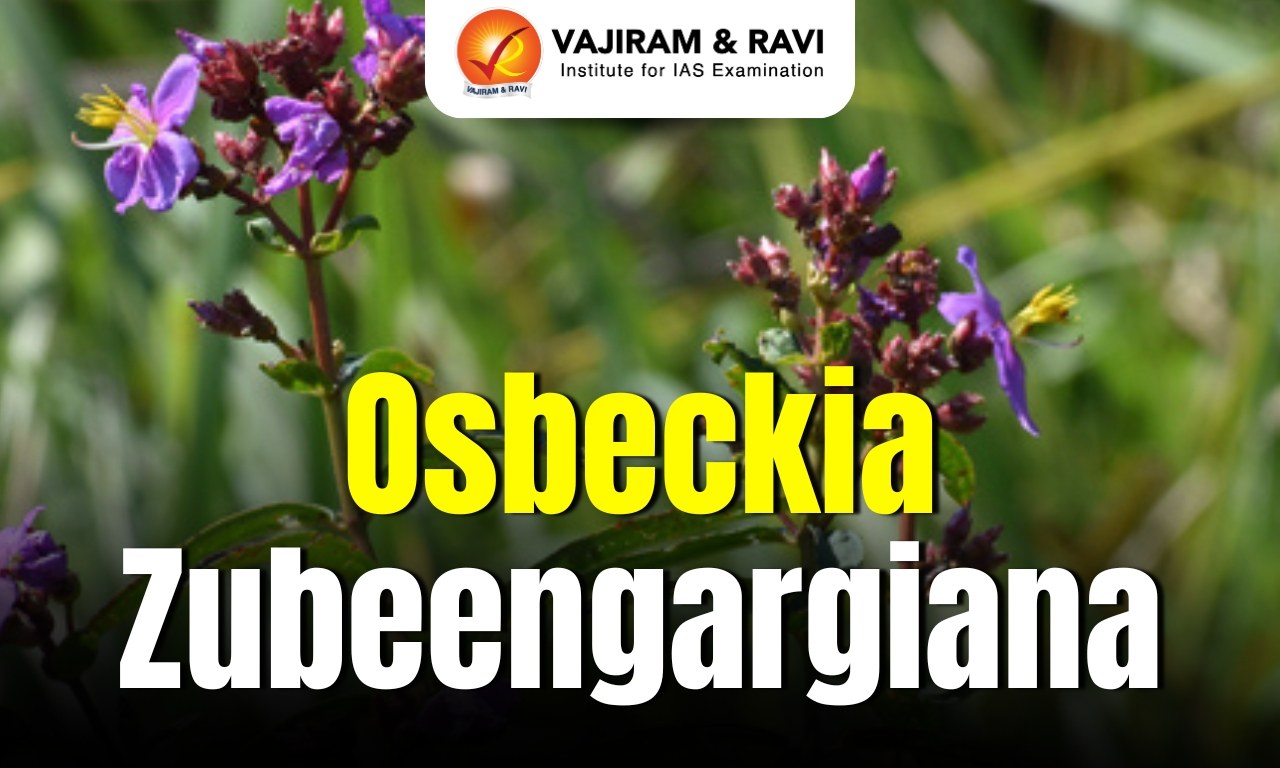
- About 3,300 species of flowering plants can be seen here. Of the 3,300 species, 132 are endemic to the NBR.
- Some of the plants entirely restricted to the NBR include species of Adenoon, Calacanthus, Baeolepis, Frerea, Jarodina, Wagatea, Poeciloneuron, etc.
- Fauna:
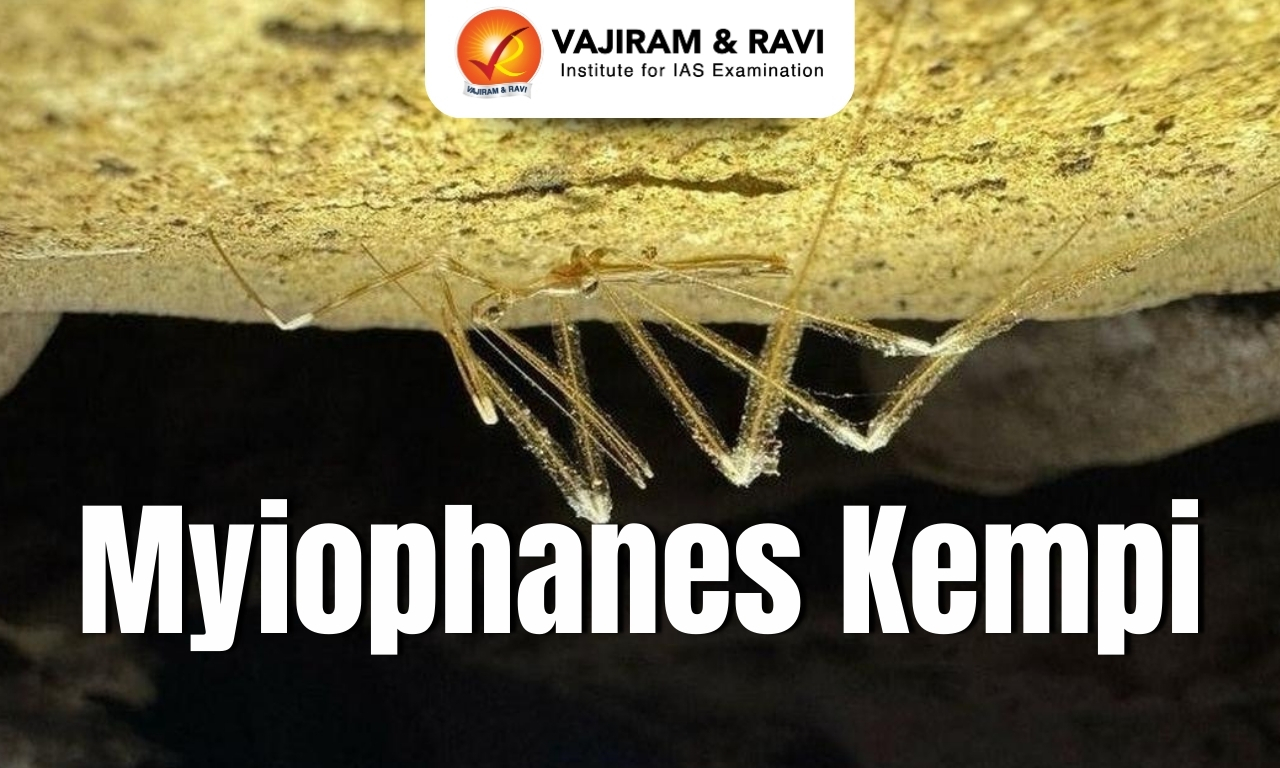
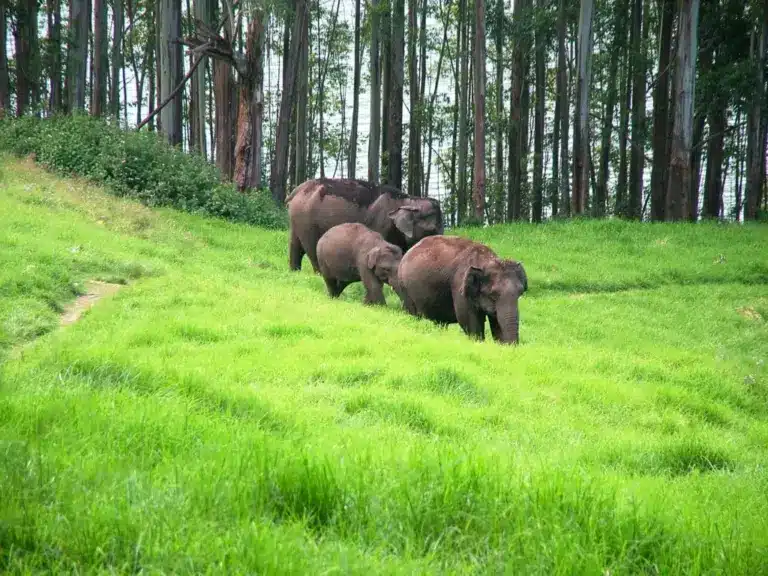
- It includes the largest known population of two endangered animal species, namely the Nilgiri Tahr and the Lion-tailed macaque and the largest South Indian population of elephant, tiger, gaur, sambar, and chital.
Q1) What is the Nilgiri Tahr?
Nilgiri Tahr is the only Caprinae species found in the tropical mountains of southern.They are endemic to the Western Ghats and used to inhabit a large part of the Western Ghats between Kerala and Tamil Nadu. They are classified as Endangered under the IUCN Red List.
Source: India’s southernmost vulture population stands at 320 individuals





 Last updated on March, 2026
→ UPSC Final Result 2025 is now out.
→ UPSC has released UPSC Toppers List 2025 with the Civil Services final result on its official website.
→ Anuj Agnihotri secured AIR 1 in the UPSC Civil Services Examination 2025.
→ UPSC Marksheet 2025 is now out.
→ UPSC Notification 2026 & UPSC IFoS Notification 2026 is now out on the official website at upsconline.nic.in.
→ UPSC Calendar 2026 has been released.
→ Check out the latest UPSC Syllabus 2026 here.
→ UPSC Prelims 2026 will be conducted on 24th May, 2026 & UPSC Mains 2026 will be conducted on 21st August 2026.
→ The UPSC Selection Process is of 3 stages-Prelims, Mains and Interview.
→ Prepare effectively with Vajiram & Ravi’s UPSC Prelims Test Series 2026 featuring full-length mock tests, detailed solutions, and performance analysis.
→ Enroll in Vajiram & Ravi’s UPSC Mains Test Series 2026 for structured answer writing practice, expert evaluation, and exam-oriented feedback.
→ Join Vajiram & Ravi’s Best UPSC Mentorship Program for personalized guidance, strategy planning, and one-to-one support from experienced mentors.
→ Shakti Dubey secures AIR 1 in UPSC CSE Exam 2024.
→ Also check Best UPSC Coaching in India