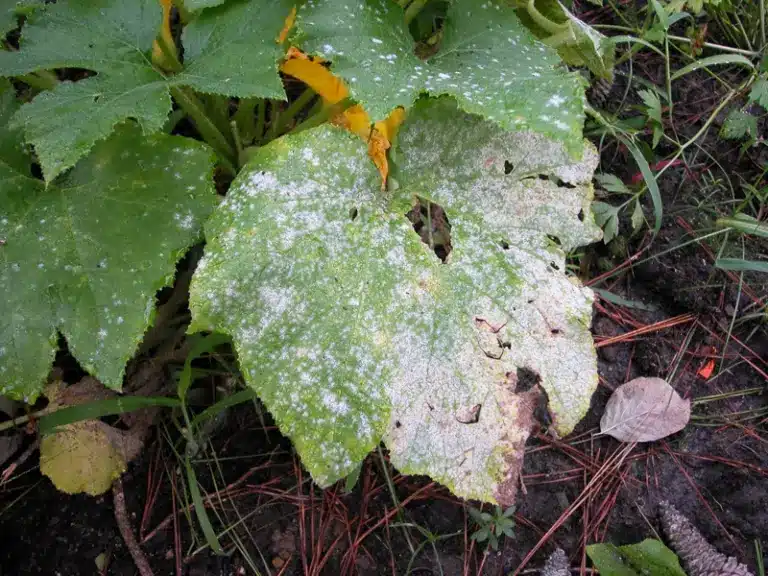
About Paramyrothecium indicum
- It is a new species of phytopathogenic fungus.
- Phytopathogens are parasites surviving on a plant host.
- Most of Paramyrothecium are phytopathogens.
- They are responsible for “serious plant diseases which might negatively affect crop productivity.
- Paramyrothecium leaf spots are a type of fungal disease that can affect a variety of plants.
- Some species of Paramyrothecium produce secondary metabolites with bio-herbicidal potentials” and, therefore, may find application in controlling weeds.
Key Facts about Fungi
- Fungi, along with Animalia (animals), Plantae (plants), Protista, Archaea/Archaebacteria, and Bacteria or Eubacteria, form the six ‘kingdoms’ of biology.
- Fungi includes the yeasts, rusts, smuts, mildews, molds, and mushrooms.
- They are eukaryotic organisms, i.e., their cells contain membrane-bound organelles and clearly defined nuclei.
- Reproduction: Fungi usually reproduce both sexually and asexually.
- Distribution:
- Fungi are either terrestrial or aquatic, the latter living in freshwater or marine environments.
- They are found in all temperate and tropical regions of the world where there is sufficient moisture to enable them to grow.
- A group called the decomposers grows in the soil or on dead plant matter, where they play an important role in the cycling of carbon and other elements.
- Some are parasites of plants causing diseases such as mildews, rusts, scabs, or canker. In crops, fungal diseases can lead to significant monetary losses for the farmer.
- A very small number of fungi cause diseases in animals. In humans, these include skin diseases such as athletes’ foot, ringworm, and thrush.
- Fungi are essential to many household and industrial processes, notably the making of bread, wine, beer, and certain cheeses.
Q1) What is Protista?
Protists are a group of all the eukaryotes that are not fungi, animals, or plants. As a result, it is a very diverse group of organisms. The eukaryotes that make up this kingdom, Kingdom Protista, do not have much in common besides a relatively simple organization. Protists can look very different from each other. Some are tiny and unicellular, like an amoeba, and some are large and multicellular, like seaweed.
Source: Scientists from KFRI, BHU and BSI discover new species of fungus in Kerala





 Last updated on March, 2026
→ UPSC Final Result 2025 is now out.
→ UPSC has released UPSC Toppers List 2025 with the Civil Services final result on its official website.
→ Anuj Agnihotri secured AIR 1 in the UPSC Civil Services Examination 2025.
→ UPSC Marksheet 2025 is now out.
→ UPSC Notification 2026 & UPSC IFoS Notification 2026 is now out on the official website at upsconline.nic.in.
→ UPSC Calendar 2026 has been released.
→ Check out the latest UPSC Syllabus 2026 here.
→ UPSC Prelims 2026 will be conducted on 24th May, 2026 & UPSC Mains 2026 will be conducted on 21st August 2026.
→ The UPSC Selection Process is of 3 stages-Prelims, Mains and Interview.
→ Prepare effectively with Vajiram & Ravi’s UPSC Prelims Test Series 2026 featuring full-length mock tests, detailed solutions, and performance analysis.
→ Enroll in Vajiram & Ravi’s UPSC Mains Test Series 2026 for structured answer writing practice, expert evaluation, and exam-oriented feedback.
→ Join Vajiram & Ravi’s Best UPSC Mentorship Program for personalized guidance, strategy planning, and one-to-one support from experienced mentors.
→ Shakti Dubey secures AIR 1 in UPSC CSE Exam 2024.
→ Also check Best UPSC Coaching in India