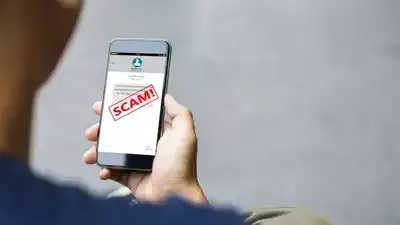
About Smishing
- It is a form of phishing that targets individuals through text messages or SMS.
- It is just like phishing emails, smishing messages aim to trick you into divulging personal information or downloading malware onto your device.
- It is done in through following ways
- Fake alerts and warnings: Scammers send texts pretending to be from legitimate institutions like banks, government agencies, or delivery services. They’ll claim there’s a problem with your account or a package delivery, prompting you to click on a link for more information.
- Urgent requests: Smishers play on your emotions by creating a sense of urgency. They might promise prizes, warn of impending legal action, or claim your account is compromised, pressuring you to act quickly without thinking.
- Exploiting current events: During tax season, scammers might pose as the IRS, offering tax refunds or threatening penalties if you don’t respond immediately. Similarly, they might capitalise on natural disasters or health crises to solicit donations or spread misinformation.
- How to identify and stay safe from smishing?
- Poor grammar and spelling: Many smishing messages contain grammatical errors or spelling mistakes, indicating that they may not be from a legitimate source.
- Unsolicited requests for personal information: Be wary of messages that request sensitive information like passwords, Social Security numbers, or banking details. Legitimate organisations typically won’t ask for this information via text message.
- Suspicious links: Hover over any links in the message (without clicking them) to see the URL. If it looks suspicious or doesn’t match the purported sender, it’s likely a smishing attempt.
- Verify the sender: Before clicking on any links or providing sensitive information, verify the sender’s identity. Contact the institution directly using official contact information to confirm the legitimacy of the message.
- Keep software updated: Ensure your smartphone’s operating system and security software are up to date to protect against malware and other threats. Consider installing reputable antivirus apps for an added layer of protection.
Q1) What is Phishing?
It refers to an attempt to steal sensitive information, typically in the form of usernames, passwords, credit card numbers, bank account information or other important data in order to utilize or sell the stolen information.
Source: The rise of smishing: How scammers are targeting your smartphone with deceptive texts






 Last updated on March, 2026
→ UPSC Final Result 2025 is now out.
→ UPSC has released UPSC Toppers List 2025 with the Civil Services final result on its official website.
→ Anuj Agnihotri secured AIR 1 in the UPSC Civil Services Examination 2025.
→ UPSC Marksheet 2025 is now out.
→ UPSC Notification 2026 & UPSC IFoS Notification 2026 is now out on the official website at upsconline.nic.in.
→ UPSC Calendar 2026 has been released.
→ Check out the latest UPSC Syllabus 2026 here.
→ UPSC Prelims 2026 will be conducted on 24th May, 2026 & UPSC Mains 2026 will be conducted on 21st August 2026.
→ The UPSC Selection Process is of 3 stages-Prelims, Mains and Interview.
→ Prepare effectively with Vajiram & Ravi’s UPSC Prelims Test Series 2026 featuring full-length mock tests, detailed solutions, and performance analysis.
→ Enroll in Vajiram & Ravi’s UPSC Mains Test Series 2026 for structured answer writing practice, expert evaluation, and exam-oriented feedback.
→ Join Vajiram & Ravi’s Best UPSC Mentorship Program for personalized guidance, strategy planning, and one-to-one support from experienced mentors.
→ Shakti Dubey secures AIR 1 in UPSC CSE Exam 2024.
→ Also check Best UPSC Coaching in India