What’s in today’s article?
- Introduction
- What is Recognition of Prior Learning (RPL)?
- Alignment with NEP 2020
- Key Objectives of the Guidelines
- Benefits of RPL
- Implementation Focus
- Impact
- Conclusion
Introduction
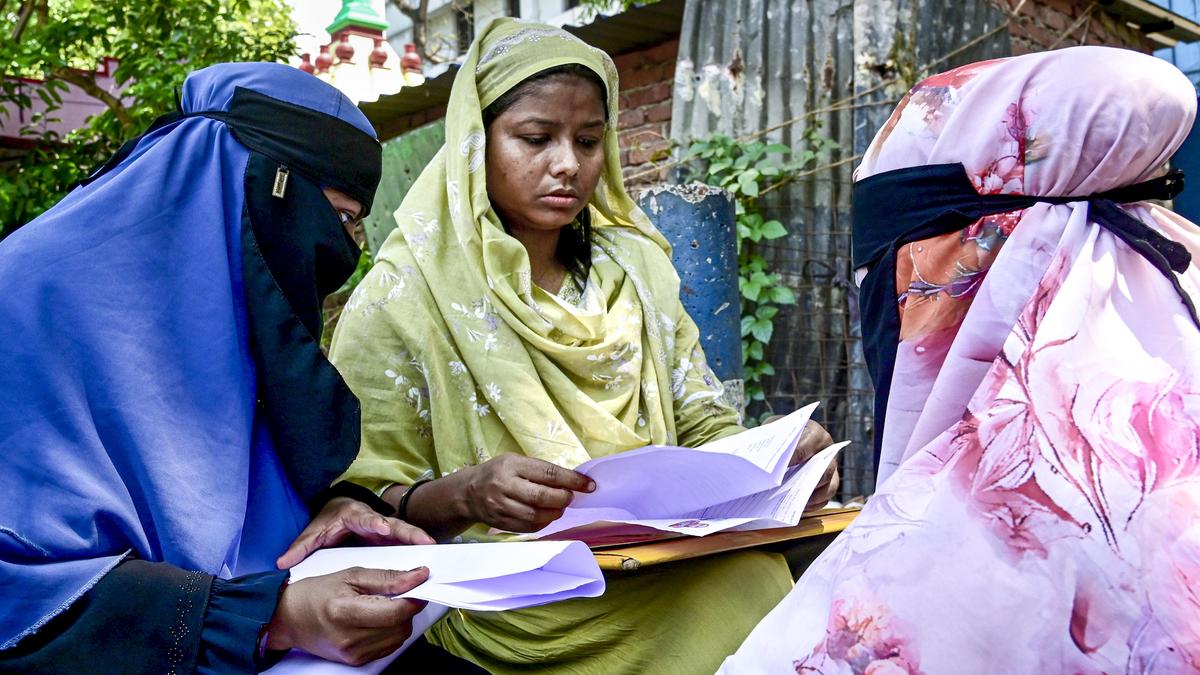
- The University Grants Commission (UGC) has introduced a new set of guidelines titled “Recognition of Prior Learning (RPL) in Higher Education” aimed at making education more accessible and promoting the concept of lifelong learning.
- This initiative addresses the needs of India’s large informal workforce and helps bridge the gap between real-world experience and formal education.




What is Recognition of Prior Learning (RPL)?
- RPL is a formal system designed to evaluate and recognize the skills, knowledge, and experience individuals have gained through informal, non-formal, or experiential learning.
- It allows individuals to gain formal recognition and qualifications, improving their career prospects and employability.
Alignment with NEP 2020
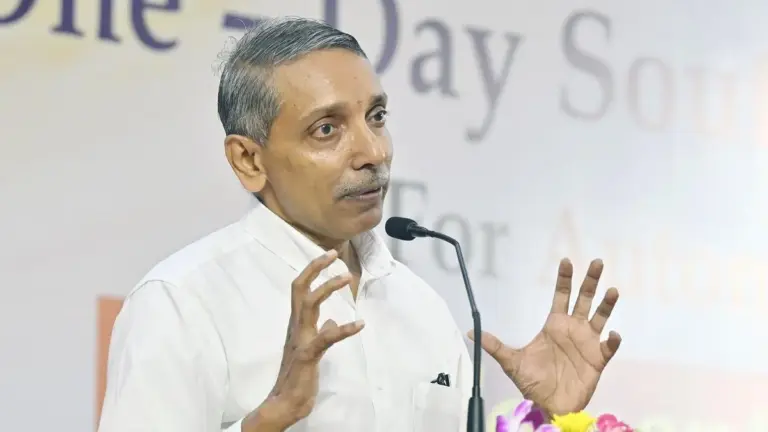
- UGC Chairman M. Jagadesh Kumar highlighted that RPL aligns with the goals of the National Education Policy (NEP) 2020, which emphasizes inclusivity and skill-based education.
- RPL is also supported by the National Credit Framework (NCrF), enabling individuals to convert their skills into qualifications by crediting all forms of learning, whether academic, vocational, or experiential.
Key Objectives of the Guidelines
- Enhancing Accessibility:
- Enable individuals with competencies acquired through informal learning to access higher education programs.
- Provide flexible pathways for learners with diverse educational and professional backgrounds.
- Promoting Lifelong Learning:
- Equip individuals with updated skills to adapt to evolving career demands and changing labor markets.
- Foster continuous learning for a more skilled and adaptable workforce.
- Encouraging Social Inclusion:
- Recognize experiential learning to help marginalized and disadvantaged groups improve their socio-economic status by obtaining recognized qualifications.
- Promote equity and inclusivity in higher education.
Benefits of RPL
- Economic Growth: By creating a more skilled workforce, RPL contributes to the nation’s economic development.
- Career Progression: Individuals can access higher education, earn formal qualifications, and improve employability.
- Bridging Gaps: It connects real-world experiences with formal education, helping individuals integrate more effectively into the professional world.
Implementation Focus
- The guidelines emphasize:
- Robust Governance: Collaboration among policymakers, educational institutions, employers, and assessment bodies to ensure fairness and consistency.
- Quality Assurance: Establishing reliable systems to uphold the integrity of RPL.
- Inclusion: Providing opportunities for marginalized groups and disadvantaged communities.
Impact
- The initiative aims to create a competent workforce capable of meeting the challenges of a rapidly changing job market.
- By valuing prior knowledge and experience, RPL paves the way for lifelong learning, career mobility, and social equity.
Conclusion
- The UGC’s new RPL guidelines represent a progressive step toward an inclusive and skill-oriented education system in India.
- By valuing diverse learning experiences and promoting lifelong education, the initiative addresses both societal and economic challenges, fostering a more equitable and capable workforce.
Q1. What is the purpose of the UGC NET examination?
UGC-NET is a test to determine the eligibility of Indian nationals for ‘ Assistant Professor’ and ‘Junior Research Fellowship and Assistant Professor ‘ in Indian universities and colleges.
Q2. When was UGC established?
The University Grants Commission (UGC) came into existence on 28th December, 1953 and became a statutory Organization of the Government of India by an Act of Parliament in 1956, for the coordination,determination and maintenance of standards of teaching, examination and research in university education.
News: New UGC guidelines to promote ‘life-long’ learning

 Last updated on April, 2026
→ UPSC Final Result 2025 is now out.
→ UPSC has released UPSC Toppers List 2025 with the Civil Services final result on its official website.
→ Anuj Agnihotri secured AIR 1 in the UPSC Civil Services Examination 2025.
→ UPSC Marksheet 2025 is now out.
→ UPSC Notification 2026 & UPSC IFoS Notification 2026 is now out on the official website at upsconline.nic.in.
→ UPSC Calendar 2026 has been released.
→ Check out the latest UPSC Syllabus 2026 here.
→ UPSC Prelims 2026 will be conducted on 24th May, 2026 & UPSC Mains 2026 will be conducted on 21st August 2026.
→ The UPSC Selection Process is of 3 stages-Prelims, Mains and Interview.
→ Prepare effectively with Vajiram & Ravi’s UPSC Prelims Test Series 2026 featuring full-length mock tests, detailed solutions, and performance analysis.
→ Enroll in Vajiram & Ravi’s UPSC Mains Test Series 2026 for structured answer writing practice, expert evaluation, and exam-oriented feedback.
→ Join Vajiram & Ravi’s Best UPSC Mentorship Program for personalized guidance, strategy planning, and one-to-one support from experienced mentors.
→ Shakti Dubey secures AIR 1 in UPSC CSE Exam 2024.
→ Also check Best UPSC Coaching in India