Fiscal Risks Latest News
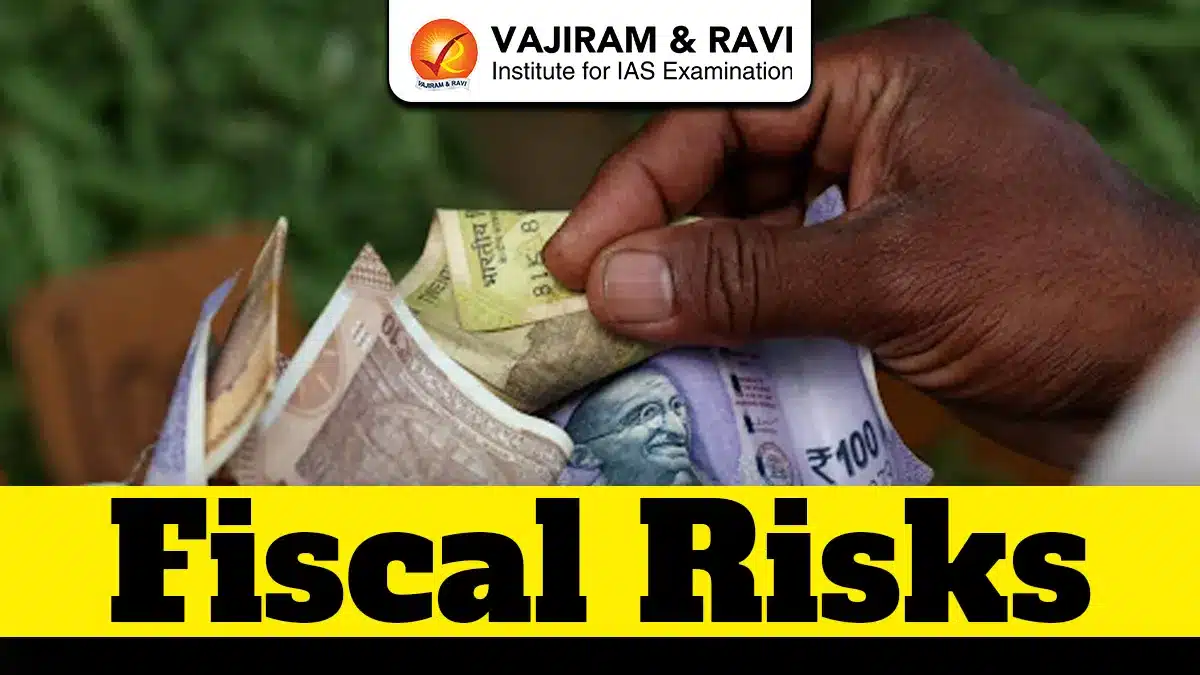
- The 16th Finance Commission has cautioned states against the rapid expansion of large, unconditional cash transfer schemes, which now account for over 20% of total state subsidy spending.
Understanding Cash Transfers in India
- Cash transfers have increasingly become a preferred welfare instrument in India’s public finance framework.
- These transfers involve direct monetary payments to beneficiaries, usually deposited into bank accounts using the Jan Dhan-Aadhaar-Mobile (JAM) trinity.
- They are broadly classified into conditional and unconditional transfers. While conditional transfers are linked to outcomes such as education or health, unconditional cash transfers impose no performance or usage conditions.
- Historically, unconditional transfers in India were limited to social security pensions and farmer income support schemes.
- However, over the past decade, especially after improvements in digital delivery systems, states have expanded cash-based welfare to wider population groups.
- This shift has altered the composition of state subsidies, raising questions about long-term fiscal sustainability.
Trends in State Subsidies and Cash Transfers
- According to the 16th Finance Commission, large-group unconditional cash transfer schemes now constitute 20.2% of total state subsidy expenditure in the 2025-26 Budget Estimates, a sharp rise from just 3% in 2018–19.
- This indicates a structural shift in how states allocate welfare spending.
- The Commission notes that while pensions and farmer support accounted for nearly 84% of unconditional cash transfers in 2018-19, their share has fallen significantly.
- By 2025-26, large-group schemes alone account for 47.4% of all unconditional transfers, overtaking traditional categories.
- This reflects a growing preference for politically visible, broad-based cash schemes over targeted or merit-based subsidies.
State-Level Patterns and Key Schemes
- The Commission highlighted Maharashtra, Odisha, and Jharkhand as states that have witnessed the steepest rise in such spending over the past two years.
- Major schemes include:
- Majhi Ladki Bahin Yojana (Maharashtra): Rs. 1,500 per month to eligible women.
- Gruha Lakshmi (Karnataka): Rs. 2,000 per month to women heads of households.
- Lakshmir Bhandar (West Bengal): Monthly transfers to women beneficiaries across social categories.
- In Maharashtra, spending on large-group cash transfers rose from 0.6% of total revenue expenditure in 2023-24 to 6.2% in 2025-26, while Jharkhand saw an increase from 0.8% to 13% over the same period.
- Odisha recorded a jump from nil to 5.1%. These sharp increases indicate a rapid fiscal expansion rather than a gradual policy transition.
Fiscal Concerns Raised by the 16th Finance Commission
- The Finance Commission has warned that the unchecked expansion of unconditional cash transfers can destabilise state finances in the long run.
- Such schemes impose a recurring fiscal burden and reduce flexibility in budgetary allocations.
- The Commission observed that many of these transfers are poorly targeted, expanding into large beneficiary bases that dilute their redistributive effectiveness.
- A major concern is the crowding out of capital expenditure. Rising revenue spending on cash transfers limits states’ ability to invest in infrastructure, education, and health, which are critical for long-term growth.
- The Commission also cautioned against financing these schemes through off-budget borrowings, guarantees, or revenue assignments, calling such practices fiscally imprudent due to reduced transparency in public accounts.
Recommendations for Reform
- To address these risks, the 16th Finance Commission has recommended:
- Periodic and rigorous review of subsidy schemes.
- Rationalisation of beneficiary bases to ensure support reaches the most vulnerable.
- Introduction of sunset or exit clauses, especially for non-merit and general unconditional transfers.
- Discontinuation of off-budget financing mechanisms for welfare schemes.
- The Commission emphasised that welfare policies must align with fiscal responsibility and deficit reduction goals, rather than becoming permanent entitlements without review.
Source: IE
Fiscal Risks FAQs
Q1: What share of state subsidies is now accounted for by cash transfers?
Ans: Cash transfers constitute about 20.2% of total state subsidy spending in 2025–26.
Q2: What type of cash transfers has grown the fastest?
Ans: Large-group unconditional cash transfer schemes have expanded the most.
Q3: Which states saw the sharpest rise in such spending?
Ans: Maharashtra, Jharkhand, and Odisha recorded the steepest increases.
Q4: Why does the Finance Commission oppose off-budget financing of cash schemes?
Ans: It creates fiscal opacity and undermines budgetary transparency.
Q5: What key reform does the Commission suggest for cash transfer schemes?
Ans: Introducing sunset clauses and periodic reviews to ensure fiscal sustainability.