Trump’s Global Tariff Surcharge – Implications for India and World Trade

Trump’s Global Tariff Surcharge - Implications for India and World Trade

Trump’s Global Tariff Surcharge Latest News

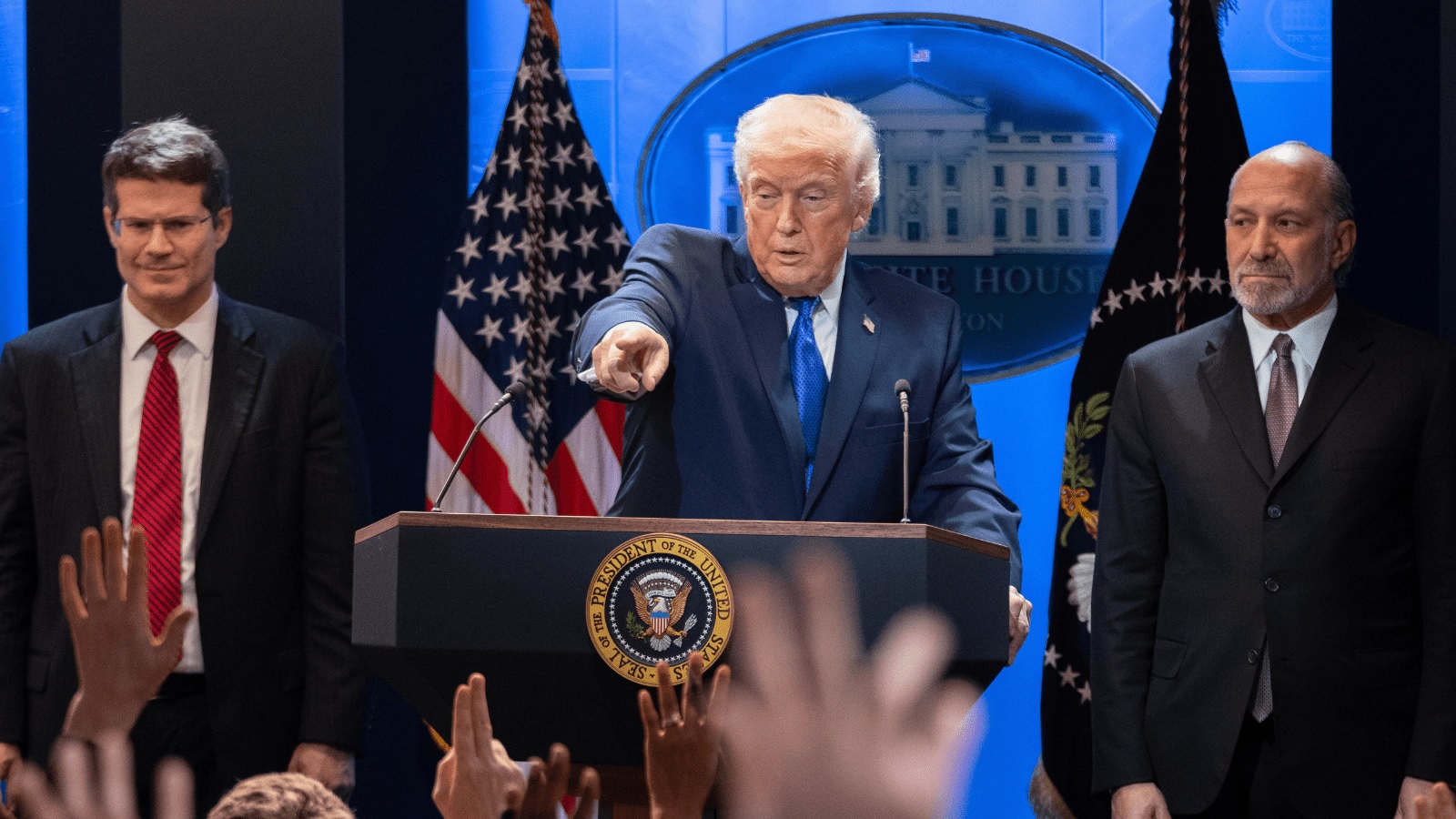
  • Following the judicial setback to his tariff policy, U.S. President Donald Trump announced a temporary blanket tariff surcharge of 15% (from 10% earlier) on global imports for 150 days, invoking powers under the Trade Act of 1974. 
  • The move came a day after the Supreme Court of the United States invalidated his sweeping reciprocal tariffs imposed under the International Emergency Economic Powers Act (IEEPA).
  • The decision has significant implications for India–U.S. trade relations, global trade flows, and the ongoing negotiations for a bilateral trade agreement.

Background

  • Supreme Court verdict:
    • The U.S. Supreme Court struck down the administration’s reciprocal tariff regime under IEEPA, ruling that the legal basis for broad tariff imposition was inadequate.
    • The verdict would have reduced the average U.S. tariff rate from 15.3% to 8.3%.
    • To circumvent the ruling, the U.S. administration invoked Section 122 of the Trade Act, 1974, which allows temporary import surcharges to address international payments imbalances.
  • New tariff regime:
    • 15% ad valorem surcharge on imports, to be effective from February 24, and valid for 150 days.
    • It applies uniformly to all countries, including India.

Legal Basis and Exemptions

  • Section 122 of the Trade Act, 1974:
    • It empowers the U.S. President to impose temporary import surcharges, restrict imports, and address balance-of-payments problems.
    • The proclamation justified the tariffs as necessary to correct global trade imbalances.
  • Goods exempted from tariffs: 
    • Certain sectors were excluded due to domestic economic needs, For example,
      • Strategic, industrial, and technology goods
      • Critical minerals and metals
      • Energy and energy products
      • Natural resources and fertilizers
      • Aerospace products
      • Certain electronics
      • Pharmaceuticals and ingredients
      • Vehicles and vehicle components
      • Agricultural products
      • Beef, Tomatoes, Oranges
    • These exemptions reflect U.S. supply-chain dependencies and industrial priorities.

Impact on India

  • Tariff changes:
    • The new tariff rate (15%) is lower as compared to the previous rate (18%).
    • Earlier effective tariff under IEEPA (~22.3%).
    • Potential tariff after court verdict (without surcharge) - ~8.2%.
    • Thus, India benefits compared to earlier tariffs, but loses potential gains from the court ruling.
  • Government response: India’s Commerce Ministry stated that it is studying implications, assessing impact on exports and trade negotiations.
  • Implications for India–U.S. trade deal:
    • Changing negotiation dynamics: India and the U.S. are negotiating an interim trade agreement. The Supreme Court ruling has altered tariff expectations. The U.S. administration has signalled -
      • India will continue to pay tariffs
      • The U.S. expects market access concessions
    • Strategic significance: The tariff policy may influence market access negotiations, rules of origin, supply-chain diversification, and strategic economic alignment.

Global Trade Implications

  • Major exporters such as China, India, Brazil, Indonesia, and Vietnam would have seen double-digit reductions in tariff burden.
  • Smaller economies like Myanmar, Laos, Serbia, and Tunisia would have experienced over 20 percentage point reductions.
  • The surcharge therefore preserves higher U.S. tariff protection levels.

Challenges

  • Trade uncertainty: Frequent policy changes increase unpredictability for exporters. Temporary tariffs complicate long-term contracts.
  • Protectionism: Expansion of tariff tools indicates rising economic nationalism. Risks fragmentation of global trade.
  • Impact on Indian exporters: Affected sectors may include engineering goods, textiles, chemicals, and auto components.
  • Legal and institutional concerns: Tension between executive power and judicial oversight in U.S. trade policy.
  • Negotiation pressure: Tariffs may be used as leverage in India–U.S. trade negotiations.

Way Forward

  • For India: Accelerate conclusion of India–U.S. trade agreement. Diversify export markets (EU, ASEAN, Africa). Strengthen domestic manufacturing competitiveness. Use WTO-compatible trade diplomacy.
  • For global trade: Strengthen rules-based trade order. Reduce unilateral tariff actions. Enhance multilateral cooperation through WTO reform.

Conclusion

  • The U.S. administration’s decision to impose a temporary 15% global tariff surcharge after the Supreme Court verdict reflects the growing use of domestic legal tools to pursue protectionist trade policies. 
  • While India faces a lower tariff rate than before, it loses the opportunity for significantly reduced duties. 
  • The development underscores the increasing role of geopolitics and economic nationalism in shaping global trade, making strategic trade diplomacy essential for India’s economic interests.

Source: IE

Trump’s Global Tariff Surcharge FAQs

Q1: What legal mechanisms are available to the U.S. President for imposing tariffs?

Ans: Temporary tariffs can be imposed under Section 122 of the Trade Act of 1974, reflecting growing unilateralism and uncertainty in global trade.

Q2: What are the implications of the recent U.S. tariff surcharge for India–U.S. trade relations?

Ans: The 15% U.S. tariff surcharge maintains market access barriers for Indian exports while influencing ongoing India–U.S. trade negotiations.

Q3: How do protectionist trade measures by major economies affect developing countries like India?

Ans: Protectionist tariffs increase export costs, reduce competitiveness, and create uncertainty for developing-country exporters.

Q4: Why was the U.S. Supreme Court verdict on tariffs significant for global trade dynamics?

Ans: The verdict invalidating reciprocal tariffs highlighted limits on executive trade powers and could have significantly reduced global tariff burdens.

Q5: What is the strategic importance of tariff exemptions in modern trade policy?

Ans: Tariff exemptions for critical sectors like energy, pharmaceuticals, and electronics reflect supply-chain dependencies and national economic priorities.
Eastern Nagaland Autonomy: Frontier Nagaland Territorial Authority Explained

Eastern Nagaland Autonomy Explained

Eastern Nagaland Autonomy Latest News

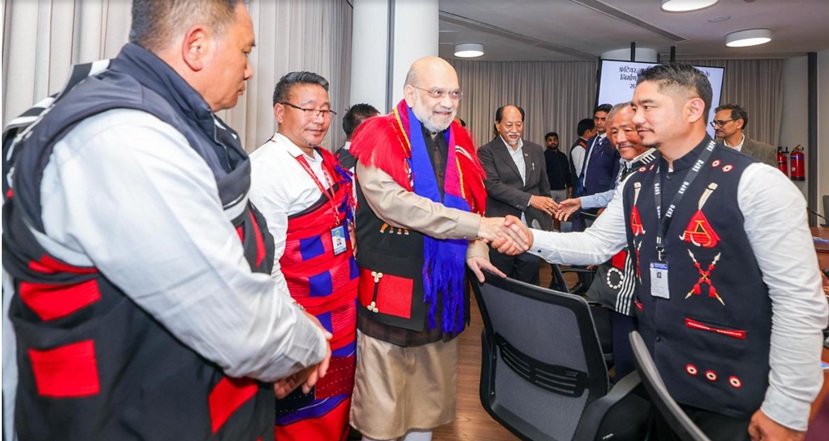
  • Recently, the Centre signed a tripartite agreement with the Nagaland Government and the Eastern Nagaland Peoples’ Organisation (ENPO) to establish the Frontier Nagaland Territorial Authority (FNTA).
  • The FNTA is designed as a model of “devolutionary autonomy”, granting substantial administrative and financial powers to six relatively underdeveloped eastern districts — Kiphire, Longleng, Mon, Noklak, Shamator, and Tuensang. 
  • The aim of this devolution is to address long-standing demands for greater self-governance and focused development.

ENPO’s Demand for a Separate Frontier Nagaland

  • ENPO has long demanded the creation of a separate State called Frontier Nagaland, carved out of existing Nagaland. 
  • First formally conveyed to the Centre in 2010, the demand stems from historical neglect dating back to British-era policies that left the eastern hills largely unadministered.
  • After Nagaland became a State in 1963, eight Naga tribes in the eastern districts felt politically and economically marginalised compared to western tribes. 
  • This perceived developmental and administrative imbalance gradually intensified into a sustained movement for greater autonomy and, ultimately, statehood.

Why the Centre Accepted the Eastern Nagaland Autonomy Demand

  • The Centre’s move to grant autonomy through the Frontier Nagaland Territorial Authority (FNTA) was shaped by both political pressure and strategic concerns. 
  • Earlier measures, including a ₹500-crore package and standard operating procedures, failed to address the deeper political aspirations of the ENPO region.
  • Tensions peaked in 2024 when ENPO leaders called for a Lok Sabha election boycott, highlighting their significant political leverage. 
  • Additionally, eastern Nagaland’s location along the sensitive Myanmar border made prolonged unrest a security risk, given the presence of armed groups across the porous frontier.
  • The FNTA is thus viewed as a stabilising measure — a way to address regional grievances while safeguarding a strategically vital border region.

Frontier Nagaland Territorial Authority (FNTA): Powers and Provisions

  • Semi-Autonomous Governance Structure - The FNTA grants semi-autonomous status to six eastern Nagaland districts. A mini-Secretariat, headed by a senior officer, will function within the region to decentralise administration and reduce reliance on Kohima.
  • Financial and Administrative Devolution - Development funds will be allocated proportionately based on population and area, with the Ministry of Home Affairs supporting initial establishment costs. This ensures direct financial empowerment of the region.
  • Legislative and Executive Authority - The FNTA will exercise powers over 46 subjects, enabling local decision-making in areas such as land use, agriculture, rural development, and infrastructure, tailored to local needs.
  • Safeguarding Constitutional Protections - Importantly, the arrangement does not alter Article 371(A), preserving Nagaland’s special constitutional safeguards related to customary laws and social practices.

Can the FNTA Model Address the Kuki-Zo Demand in Manipur

  • The FNTA demonstrates that the Centre can create territorial authorities as a compromise between full statehood and regular district administration. 
  • Structurally, it resembles Manipur’s Hill Areas Committee under Article 371(C), designed to protect tribal interests.
  • The model suggests that constitutional innovation can grant autonomy without redrawing State boundaries. 
  • This raises the possibility that a similar territorial arrangement could address the Kuki-Zo demand for a separate administrative setup.
  • However, conditions differ sharply. In Nagaland, negotiations occurred without violent conflict and had the cooperation of Chief Minister. In Manipur, deep ethnic tensions persist, and the Meitei-dominated state government strongly opposes administrative separation.
  • The presence of other groups, including the Tangkhul Naga-influenced NSCN, with overlapping claims in hill districts complicates any clean administrative restructuring, making replication of the FNTA model far more challenging.

Source: TH

Eastern Nagaland Autonomy FAQs

Q1: What is Eastern Nagaland Autonomy?

Ans: Eastern Nagaland Autonomy refers to the semi-autonomous governance framework under the Frontier Nagaland Territorial Authority for six eastern districts of Nagaland.

Q2: Why was Eastern Nagaland Autonomy demanded?

Ans: Eastern Nagaland Autonomy was demanded due to perceived political marginalisation and developmental neglect of eight Naga tribes in eastern districts after Nagaland’s formation in 1963.

Q3: Why did the Centre agree to Eastern Nagaland Autonomy?

Ans: The Centre agreed to Eastern Nagaland Autonomy due to political pressure, election boycott threats, and strategic concerns over instability along the sensitive Myanmar border.

Q4: What powers does Eastern Nagaland Autonomy provide?

Ans: Eastern Nagaland Autonomy grants legislative and executive powers over 46 subjects, along with financial devolution and a mini-Secretariat to decentralise governance.

Q5: Can Eastern Nagaland Autonomy be replicated in Manipur?

Ans: While Eastern Nagaland Autonomy offers a constitutional middle path, replicating it in Manipur is complicated by ongoing ethnic conflict and overlapping territorial claims.

Delhi AI Declaration: 88 Nations Back Democratic and Inclusive AI Governance

India’s Vision for Artificial Intelligence - Global Good and Inclusive Growth

Delhi Declaration on AI Latest News

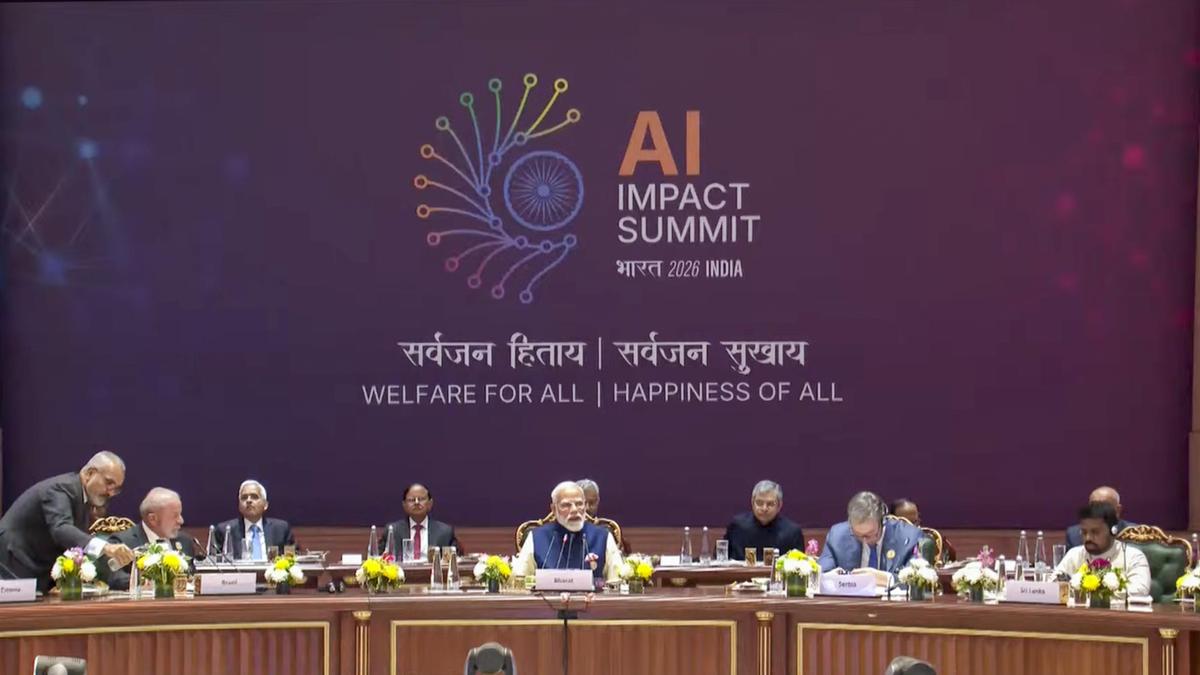
  • The AI Impact Summit, held in New Delhi from February 16–20, drew massive participation, including leading AI executives and heads of state. 
  • At the end of the summit, 88 countries and international organisations adopted the New Delhi Declaration on AI, emphasising that artificial intelligence must be democratised and made widely accessible to ensure it delivers meaningful global impact.

Evolution of Global AI Summits Since 2023

  • Global AI summits began in 2023 with a safety-focused dialogue at Bletchley Park in the UK. These gatherings are not convened by any formal international organisation; instead, host countries pass the responsibility to the next venue.
  • The 2024 summit was held in Seoul, followed by the AI Action Summit in Paris in February 2025, co-chaired by PM Modi and French President Emmanuel Macron. 
  • The Paris edition marked a shift in tone, as US Vice-President J.D. Vance rejected a safety-first approach, advocating instead for rapid innovation and unrestricted investment in AI research and commercialisation.

India’s Priorities at the AI Impact Summit

  • Democratising AI Access - India emphasised that artificial intelligence must be widely accessible, ensuring its benefits reach as many people as possible. 
    • A key focus was expanding AI relevance for the Global South, particularly by improving language representation in large language models.
  • Safe and Trusted Technology - The summit underscored the need for AI systems that are “safe and trusted”, balancing innovation with responsible development and risk mitigation.
  • Boosting Domestic AI Ecosystem - On the home front, India aimed to position itself as a global hub for AI infrastructure and research. The government sought to attract investment and promote AI adoption in sectors such as healthcare, agriculture, and education.
  • Thematic Working Groups - Dedicated working groups reflected these goals, covering areas such as human capital, inclusion and social empowerment, resilience, innovation and efficiency, democratising AI resources, and AI for economic development and social good.

AI Impact Summit 2026: Key Outcomes and Controversies

  • The government reported over five lakh attendees, surpassing G20 2023 participation. 
  • Eighty-eight countries and international organisations — including the US, China, France, Australia, and the UK — signed the New Delhi Declaration on AI Impact, marking a major diplomatic success for India. 
    • Unlike the Paris AI Summit, where the US and UK declined to sign, this time a wide spectrum of nations endorsed the framework.
  • It announced $250 billion in overall investment commitments, including $20 billion for frontier deep-tech research, alongside more than 500 global discussions.

Strategic and Diplomatic Gains

  • India joined the US-led Pax Silica initiative to diversify electronics and critical minerals supply chains. 
  • The summit also secured consensus among 88 countries for the New Delhi Declaration on AI, with major powers like the US, China, and France signing on.

Indigenous AI Milestone

  • Bengaluru-based Sarvam AI launched India’s first domestically trained multi-billion parameter large language models (LLMs). 
  • Supported under the IndiaAI Mission, the firm announced open-source models and introduced a beta chatbot interface.

Logistical and Political Setbacks

  • The summit faced operational challenges, including crowd mismanagement and traffic delays. 
  • Controversy arose when an exhibitor misrepresented a Chinese-made robodog as an indigenous creation. 
  • The event also witnessed a protest by Indian Youth Congress members, leading to police action.

Major Investment Announcements at the AI Impact Summit

  • Big-Ticket Domestic Commitments - Reliance Industries pledged ₹10 lakh crore towards domestic AI infrastructure and development, closely matched by a similar-scale commitment from the Adani Group.
  • Global Tech Investments - Google elaborated on its existing $15 billion investment in India’s AI and data centre ecosystem, including plans for a subsea cable directly linking India and the United States.
  • Strategic AI Partnerships - OpenAI entered into a partnership with the Tata Group, leasing 100 megawatts of data centre capacity from Tata’s HyperVault and offering its advanced models to Tata employees. 
    • Anthropic also signed an agreement with Infosys, marking a significant collaboration in AI deployment.
  • Expanding Data Centre Capacity - Yotta Data Services announced a $2 billion expansion of data centre infrastructure, powered by Nvidia GPUs, reinforcing India’s growing AI compute ecosystem.

New Delhi Declaration on AI: Key Provisions

  • The New Delhi Declaration aligns with India’s multilateral priorities, with commitments described as voluntary and non-binding to encourage broad global participation.
  • A central feature is a charter promoting the “democratic diffusion” of AI, ensuring wider access and preventing concentration of technological power.

Institutional and Knowledge Platforms

  • The declaration proposes several collaborative mechanisms, including:
    • Global AI Impact Commons – a shared database of AI use cases.
    • Trusted AI Commons – a repository of tools, benchmarks, and best practices for secure and trustworthy AI.
    • International Network of AI for Science Institutions – linking technical institutes worldwide.

Social and Workforce Focus

  • It also introduces:
    • AI for Social Empowerment Platform
    • AI Workforce Development Playbook and Reskilling Principles
    • Guiding Principles on Resilient and Efficient AI
  • The declaration underscores broad global consensus on leveraging AI for economic growth and social good, aiming to catalyse long-term international partnerships.

Source: TH | IE

Delhi Declaration on AI FAQs

Q1: What is the New Delhi Declaration on AI?

Ans: The New Delhi Declaration on AI is a voluntary multilateral framework signed by 88 nations to promote democratic diffusion, trusted AI systems, and inclusive global cooperation in AI development.

Q2: Why is the New Delhi Declaration on AI significant?

Ans: The New Delhi Declaration on AI marks a diplomatic success for India, bringing together major powers like the US, China, and France under a shared governance framework.

Q3: What are the key provisions of the New Delhi Declaration on AI?

Ans: The New Delhi Declaration on AI proposes platforms like the Global AI Impact Commons, Trusted AI Commons, and International AI Science Network to promote shared resources and innovation.

Q4: Is the New Delhi Declaration on AI legally binding?

Ans: No, the New Delhi Declaration on AI is voluntary and non-binding, encouraging participation while leaving implementation to individual countries’ political commitment.

Q5: How does the New Delhi Declaration on AI differ from earlier AI summits?

Ans: Unlike previous summits where some major countries abstained, the New Delhi Declaration on AI achieved broader consensus, reflecting India’s push for democratised and inclusive AI governance.

India-Brazil Partnership Deepens with Rare Earth and Mining Agreements

India-Brazil Partnership Deepens with Rare Earth and Mining Agreements

Rare Earth Mining Latest News

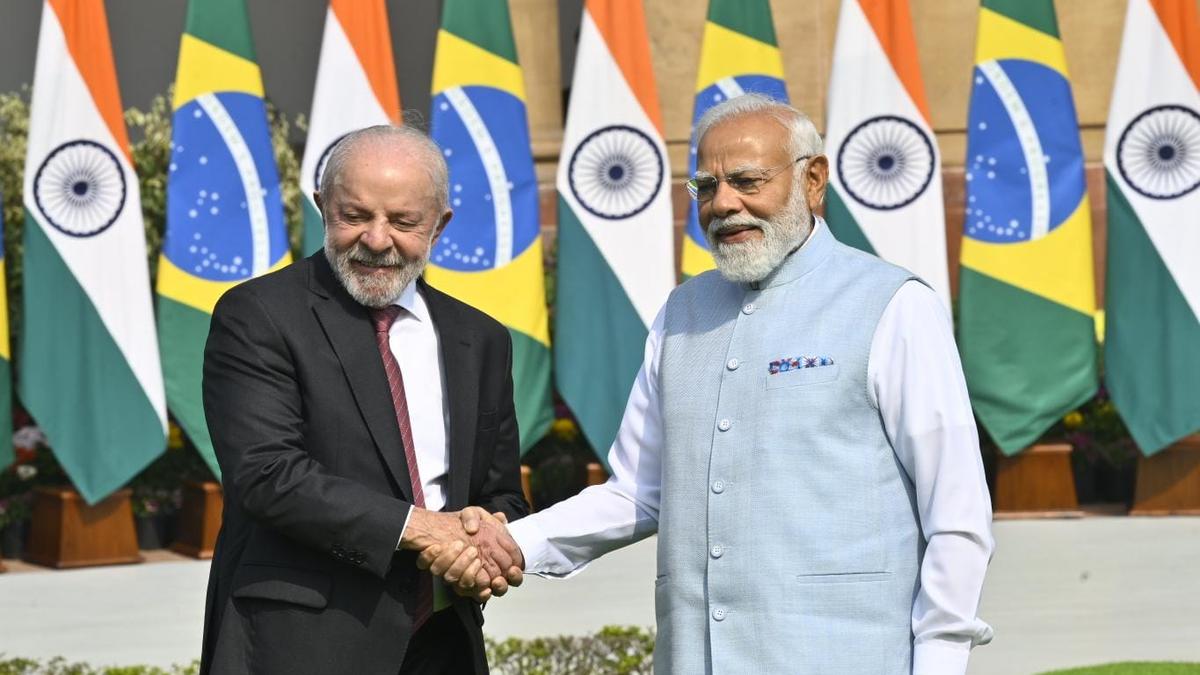
  • India and Brazil signed multiple agreements, including a rare earth cooperation pact, during President Luiz Inácio Lula da Silva’s visit to New Delhi. 

India-Brazil Bilateral Relationship

  • India and Brazil share a long-standing partnership based on democratic values, South-South cooperation, and multilateral engagement. 
  • Diplomatic relations were established in 1948, and the relationship has evolved into a strategic partnership covering trade, defence, energy, and global governance.
  • Both countries are key members of major multilateral groupings such as BRICS, G20, IBSA (India-Brazil-South Africa Dialogue Forum), and BASIC (climate negotiations grouping). 
  • They advocate reform of global institutions, including the United Nations Security Council (UNSC), and support a multipolar world order.

Trade and Economic Relations

  • Brazil is India’s largest trading partner in Latin America. Bilateral trade has fluctuated between $12-15 billion in recent years. 
    • India’s exports to Brazil: Organic Chemicals, Diesel oil, pharmaceuticals and chemicals, engineering goods including auto components and mechanical and electrical equipment, apparel and textile products, Iron and Steel (and products), Plastic, Ceramic, etc.
    • India’s imports from Brazil: Crude oil, soya oil, Gold, raw sugar, Asbestos, copper ores, iron ores, Manganese, Kidney beans, Cowpeas, valves, motor pumps, etc.

Defence and Strategic Cooperation

  • India and Brazil cooperate in defence production, technology sharing, and maritime security. 
  • Both nations support peaceful dispute resolution and multilateralism. As large democracies of the Global South, they often coordinate positions at the UN, WTO, and G20.

Energy and Climate Cooperation

  • Brazil is a global leader in renewable energy, particularly biofuels, while India has expanded solar and green energy initiatives. 
  • Both countries have cooperated in the Global Biofuels Alliance, announced in 2023. Renewable energy and clean technology remain central pillars of bilateral ties.

News Summary

  • During President Lula’s visit, India and Brazil signed nine agreements covering critical minerals, steel mining, defence, and digital cooperation.
  • Rare Earth and Critical Minerals Agreement
    • India signed a rare earth cooperation agreement with Brazil to secure access to critical minerals. 
    • This agreement is strategically significant because China currently dominates global processing supply chains for rare earth elements.
    • Brazil possesses substantial rare earth reserves, of which only about 30% have been explored. The partnership could enable India to diversify supply sources for minerals essential to:
    • Electronics manufacturing, Clean energy technologies, Electric vehicles, Defence systems
    • The agreement strengthens supply chain resilience and reduces overdependence on a single country.
    • The India-MERCOSUR Preferential Trade Agreement (PTA) forms the foundation of trade engagement. Both sides have agreed to expand this framework to unlock greater market access.
  • Steel and Mining Cooperation
    • The two countries signed agreements on steel mining and mineral supply chains. 
    • Brazil is one of the world’s largest iron ore producers, and enhanced cooperation could benefit India’s expanding infrastructure and manufacturing sectors.
  • Digital Partnership for the Future
    • India and Brazil launched a joint declaration and action plan on a digital partnership. Cooperation is expected in emerging technologies such as:
      • Artificial Intelligence, Semiconductors, Blockchain, Supercomputing 
    • This reflects India’s growing status as a digital technology hub and Brazil’s interest in leveraging digital transformation.
  • Trade Expansion and Visa Facilitation
    • Both countries are committed to significantly increasing bilateral trade, with Brazil proposing a target of $30 billion annually by 2030.
    • Brazil also announced the extension of business visas for Indian ordinary passport holders to 10 years, facilitating long-term business collaboration.
  • Response to Global Trade Uncertainty
    • The discussions occurred amid global trade disruptions following developments in U.S. tariff policies. Both leaders agreed to study the implications of recent tariff decisions and adopt a “wait and watch” approach.
    • This underscores the shared interest of India and Brazil in protecting trade autonomy and strengthening South-South economic cooperation.
  • Strategic Significance
    • Supply Chain Diversification: Reducing dependence on China for critical minerals.
    • Strengthening the Global South: Coordinating positions in multilateral forums.
    • Technological and Energy Transition: Promoting renewable energy and advanced digital technologies.

Source: FP | TH

Rare Earth Mining FAQs

Q1: Why is the rare earth agreement between India and Brazil significant?

Ans: It helps India diversify critical mineral supplies and reduce dependence on China.

Q2: What trade targets have India and Brazil set?

Ans: Both countries aim to expand bilateral trade to $30 billion annually by 2030.

Q3: Which multilateral groupings include both India and Brazil?

Ans: Both are members of BRICS, G20, IBSA, and BASIC.

Q4: What sectors are covered under the new agreements?

Ans: Rare earths, steel mining, digital technologies, defence, and renewable energy.

Q5: How does the partnership strengthen the Global South?

Ans: By coordinating positions in global forums and promoting South-South cooperation.

Enquire Now