
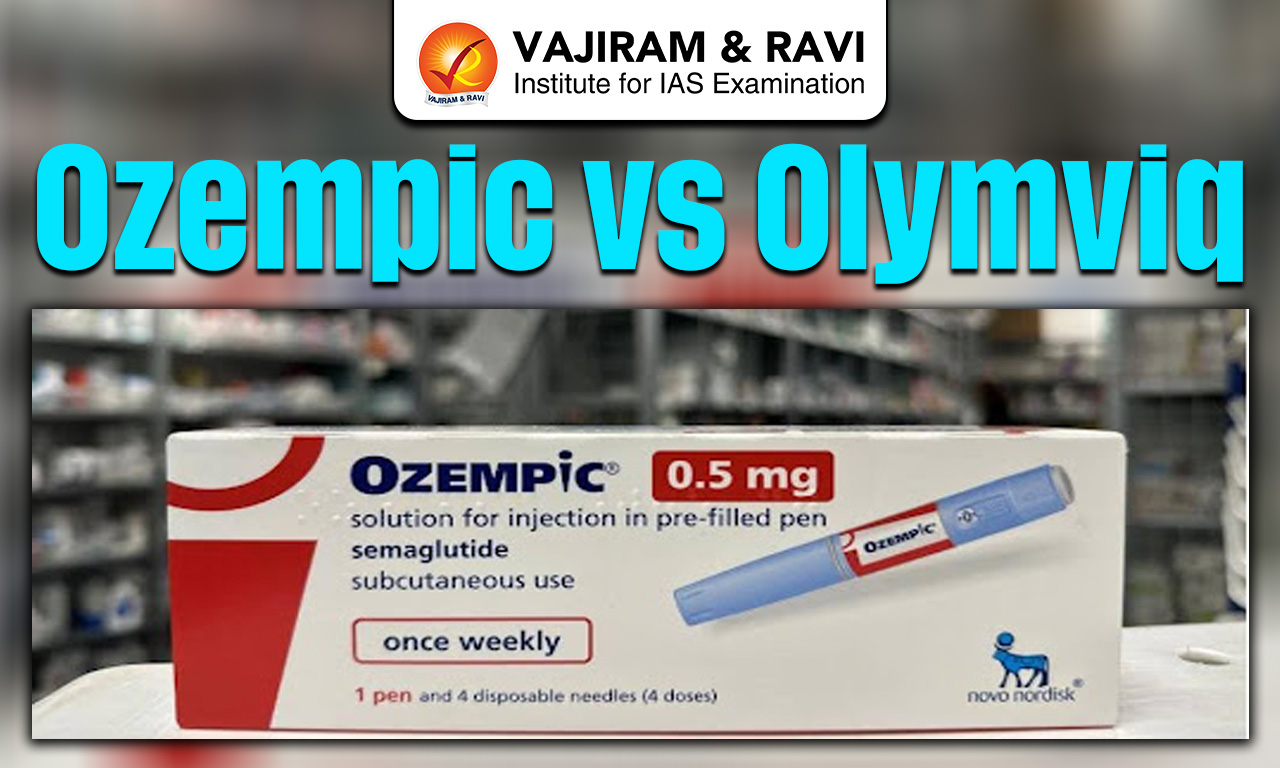
Ozempic vs Olymviq: Trademark Dispute Between Novo Nordisk and Dr Reddy’s

Ozempic vs Olymviq

Ozempic vs Olymviq Latest News

  • Novo Nordisk, the Danish pharma company behind the popular drug Ozempic (used for weight loss and diabetes), has been trying to protect its product from competition. 
  • After failing to win patent infringement cases against Indian generic companies, it filed a trademark case in the Delhi High Court against Dr Reddy’s Laboratories.
  • Novo Nordisk argued that Dr Reddy’s drug name “Olymviq” was too similar to “Ozempic” and could cause confusion. 
  • Following this, Dr Reddy’s agreed in court to stop further manufacturing and selling the drug under the name “Olymviq” for now.

Dr Reddy’s Semaglutide Launch and Branding Strategy

  • Dr Reddy’s Laboratories (DRL) launched its semaglutide drug under the brand name ‘Obeda’ on March 21, specifically for treating type-2 diabetes.
    • Semaglutide is a medicine used to treat type 2 diabetes and is also prescribed for long-term weight management in people with obesity.
  • DRL had plans to market the same drug under two other names: Olymviq; Mashlo. 
    • These were not disclosed during the initial announcement.

Trademark Applications and Legal Developments

  • DRL had first applied for the ‘Olymviq’ trademark in July last year, but it faced objections. 
  • Later, it filed fresh trademark applications recently and also applied for the logo earlier in March 2026, indicating continued efforts to secure the brand name.

Unclear Positioning of Olymviq

  • While Novo Nordisk markets Ozempic specifically for weight loss, DRL has not clearly disclosed the intended use of its Olymviq brand — whether for diabetes, weight loss, or another condition. 
  • The company has only stated that Olymviq is part of its broader semaglutide portfolio without further details.

Novo Nordisk’s Trademark Argument Against Dr Reddy’s

  • Novo Nordisk told the Delhi High Court that Dr Reddy’s use of the name “Olymviq” infringes its “Ozempic” trademark. 
  • It argued that “Ozempic” is a unique, invented word, and “Olymviq” is deceptively similar in sound, potentially causing confusion and unfairly leveraging its brand.

Deceptively Similar Trademarks in Pharmaceuticals

  • The Supreme Court laid down key principles to assess “deceptive similarity” in drug trademarks in the 2001 Cadila Healthcare case (Falcigo vs Falcitab). 
  • It rejected the argument that prescription-only drugs are less likely to cause confusion, noting that even small mistakes in medicines can have serious health consequences.

Stricter Standards for Drug Trademarks

  • Recognising that “drugs are poisons, not sweets,” the Court set a lower threshold for confusion in pharmaceutical trademarks compared to other goods. 
  • It highlighted India’s varied healthcare infrastructure and the risk of human error, making strict safeguards necessary.
  • The Court established criteria such as phonetic similarity, visual resemblance, and similarity in the nature and use of drugs to assess whether trademarks could cause confusion among consumers or healthcare providers.

Continued Judicial Application

  • Courts have consistently followed the Cadila ruling. In 2023, the Bombay High Court reiterated that even the slightest chance of confusion in medicinal products is sufficient to restrict the use of a similar trademark.

What is Permissible in Drug Trademarks

  • Under Section 13 of the Trademarks Act, International Non-Proprietary Names (INNs)—standard global names for drug ingredients—cannot be monopolised, as they are generic and non-proprietary in nature.
  • Use of INN-Derived Names - Pharmaceutical companies are allowed to derive brand names from INNs, provided the names are clearly distinguishable and not deceptively similar to existing trademarks.
  • Judicial Interpretation and Example - In a 2022 Delhi High Court case (Letroz vs Letero), both derived from the INN “Letrozole,” the court ruled there was no deceptive similarity. It noted that specialised doctors, like oncologists, are unlikely to confuse such drugs despite similar prefixes.

Novo Nordisk’s Fight to Protect Its Semaglutide Portfolio

  • Novo Nordisk’s drugs Ozempic and Wegovy have driven strong global sales, but the company now faces declining growth due to the expiry of patent protections in several countries, including India.
  • The company has filed multiple cases in India accusing generic manufacturers, including Dr Reddy’s Laboratories (DRL), of patent infringement. 
  • However, it has seen limited success. Courts allowed DRL to manufacture and export generic semaglutide, and this decision was upheld by the Delhi High Court shortly before the patent expired.
  • Novo Nordisk is also facing legal challenges to the validity of its now-expired patent for injectable semaglutide, further weakening its position in India.
    • With injectable patent protection expired, Novo Nordisk is now focusing on protecting its oral semaglutide drug, Rybelsus, launched in India in December 2025 just months before patent expiry.
  • In a related case, DRL assured the Delhi High Court that its tablet formulation does not fall within the patented range of Rybelsus, as the composition differs in terms of salts used, potentially avoiding infringement.

Source: IE

Ozempic vs Olymviq FAQs

Q1: What is the Ozempic vs Olymviq dispute about?

Ans: Ozempic vs Olymviq dispute involves Novo Nordisk alleging that Dr Reddy’s drug name is deceptively similar, potentially causing confusion among patients and healthcare providers.

Q2: What is semaglutide used for?

Ans: Ozempic vs Olymviq case revolves around semaglutide, a drug used to treat type 2 diabetes and increasingly prescribed for weight management and obesity treatment.

Q3: What is deceptive similarity in trademarks?

Ans: Ozempic vs Olymviq dispute involves deceptive similarity, where trademarks appear similar in sound or appearance, potentially misleading consumers, especially critical in pharmaceutical products.

Q4: What did the Cadila case establish?

Ans: Ozempic vs Olymviq dispute draws from Cadila case principles, which set strict standards for drug trademarks due to risks of confusion affecting patient safety.

Q5: Can pharmaceutical companies use similar drug names?

Ans: Ozempic vs Olymviq case shows companies can use INN-based names, but trademarks must be clearly distinguishable and not deceptively similar to existing drugs.
Gender Wage Gap in India – Insights from PLFS 2025

Gender Wage Gap

Gender Wage Gap Latest News

Gender Wage Gap in India

  • The Gender Wage Gap refers to the difference in earnings between men and women for similar work or across sectors. 
  • In India, this gap reflects structural inequalities in employment opportunities, skill access, and labour market participation.
  • Nature of the Wage Gap
    • Women earn less than men across all job categories.
    • The gap varies by type of employment, such as salaried jobs, casual labour, and self-employment. 
    • Informal sector dominance and occupational segregation worsen the disparity. 
  • Causes of Wage Inequality
    • Lower female labour force participation. 
    • Concentration of women in low-paying and informal jobs. 
    • Limited access to education, skills, and capital. 
    • Social norms and unpaid care responsibilities. 
  • Significance
    • Reducing the gender wage gap is essential for inclusive economic growth.
    • It enhances household incomes, boosts productivity, and improves gender equality outcomes.

News Summary

  • The PLFS 2025 data presents a mixed picture of progress and challenges in India’s labour market, particularly with respect to gender-based wage disparities.
  • Employment Levels
    • About 61.6 crore people were employed in India in 2025.
    • Male workers: 41.6 crore. 
    • Female workers: 20.0 crore. 
    • This indicates a significant gender gap in overall employment levels.
  • Higher Wage Growth for Women
    • According to the data, women’s wages grew faster than men’s across all job categories in 2025.
    • Salaried jobs: Women’s wages grew by 7.2% compared to 5.8% for men. 
    • Self-employment: Women’s earnings rose by 8.8%, slightly higher than men’s 8%. 
    • Casual labour: Women’s wages increased by 5.4%, while men’s wages declined marginally by 0.2%. 
    • This indicates a positive trend in wage growth for women, suggesting gradual improvements in labour market conditions.
  • Persistent Wage Inequality
    • Despite faster growth, the wage gap remains substantial.
    • In salaried jobs, women earned only 76% of male earnings. 
    • In casual labour, women earned 69% of male wages. 
    • In self-employment, women earned just 36% of what men earned. 
    • This highlights that higher growth rates are not sufficient to bridge the existing disparity.
  • Changes in Employment Structure
    • The survey also shows improvements in the nature of employment.
    • The share of women in salaried jobs increased to 18.2% in 2025 from 16.6% in 2024. 
    • Self-employment among women declined, indicating a shift toward better-quality jobs. 
    • Casual labour participation also increased slightly. 
    • Salaried jobs are considered more secure as they provide social security benefits and a stable income.
  • Overall Labour Market Trends
    • The broader labour market indicators also show gradual improvement.
    • Rural unemployment declined to 2.4% from 2.5%. 
    • Urban unemployment fell to 4.8% from 5%. 
    • Youth unemployment declined to 9.9% from 10.3%. 
    • However, female youth unemployment increased slightly, indicating persistent gender-specific challenges.
  • Labour Force Participation
    • Labour force participation trends present a mixed picture.
    • Rural LFPR declined slightly to 62.8%. 
    • Urban LFPR remained stable at 52.2%. 
    • A decline in LFPR suggests that fewer individuals, especially in rural areas, are actively seeking employment.
  • Informal Sector Concerns
    • The data also reflects slowing momentum in the informal sector.
    • Wage growth in the informal sector was only 3.9% in 2025. 
    • Job creation slowed significantly, with fewer establishments being added. 
    • Since a large proportion of women are employed in the informal sector, this has important implications for gender equality in earnings.

Source: IE

Gender Wage Gap FAQs

Q1: What is the gender wage gap?

Ans: It refers to the difference in average earnings between men and women.

Q2: What does PLFS 2025 say about women’s wages?

Ans: Women’s wages grew faster than men’s across all job categories.

Q3: Do women earn equal wages as men in India?

Ans: No, women still earn significantly less than men across all employment types.

Q4: Which sector shows the highest wage inequality?

Ans: Self-employment shows the highest gap, with women earning only 36% of men’s income.

Q5: What is the trend in women’s employment?

Ans: There is a gradual shift towards more salaried jobs among women.

Olympics Transgender Policy: Ban, Debate and Global Impact Explained

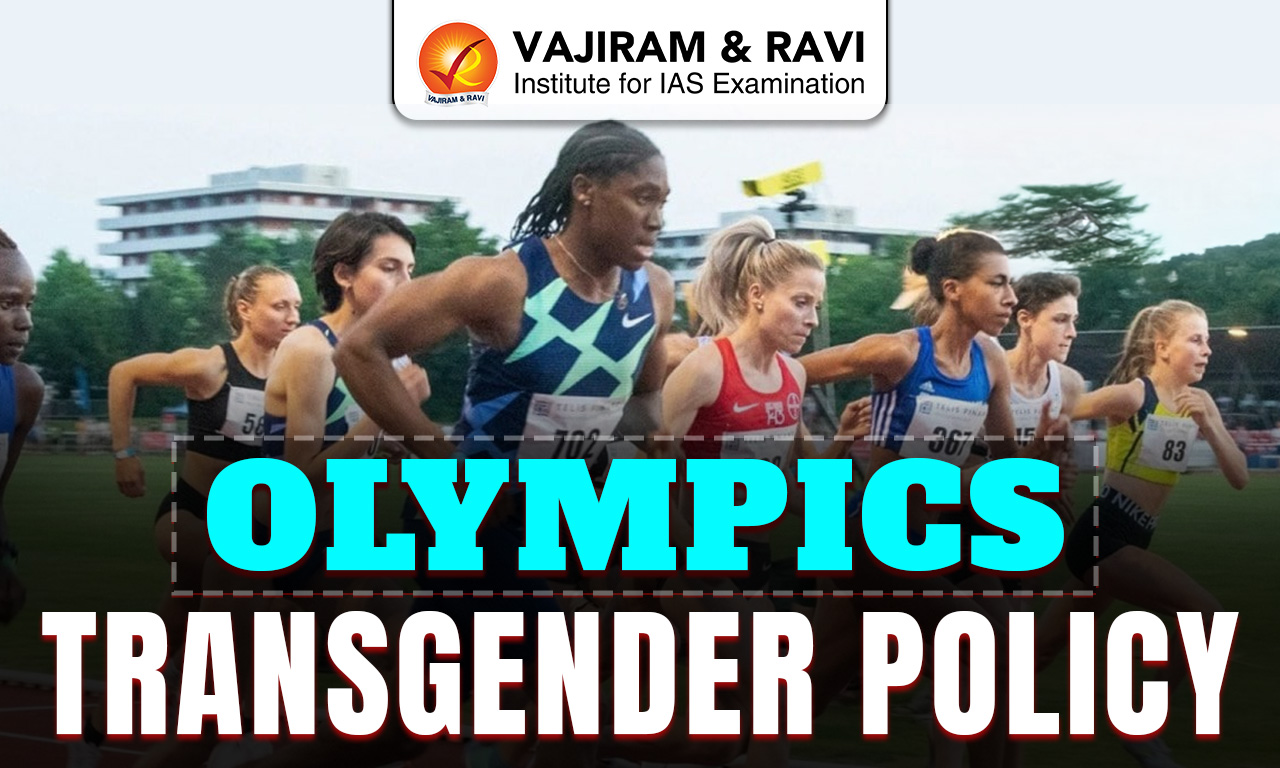
Olympics Transgender Policy

Olympics Transgender Policy Latest News

  • The RBI has stated that India’s forex reserves remain adequate to cushion external shocks, even as heavy foreign investor outflows ($12.1 billion in March) have weakened the rupee to record lows. 
  • Although reserves stand at a robust $710 billion—close to the recent peak of $728 billion—the headline figure needs closer examination to assess true strength.

Dr Reddy’s Semaglutide Launch and Branding Strategy

  • Dr Reddy’s Laboratories (DRL) launched its semaglutide drug under the brand name ‘Obeda’ on March 21, specifically for treating type-2 diabetes.
    • Semaglutide is a medicine used to treat type 2 diabetes and is also prescribed for long-term weight management in people with obesity.
  • DRL had plans to market the same drug under two other names: Olymviq; Mashlo. 
    • These were not disclosed during the initial announcement.

Trademark Applications and Legal Developments

  • DRL had first applied for the ‘Olymviq’ trademark in July last year, but it faced objections. 
  • Later, it filed fresh trademark applications recently and also applied for the logo earlier in March 2026, indicating continued efforts to secure the brand name.

Unclear Positioning of Olymviq

  • While Novo Nordisk markets Ozempic specifically for weight loss, DRL has not clearly disclosed the intended use of its Olymviq brand — whether for diabetes, weight loss, or another condition. 
  • The company has only stated that Olymviq is part of its broader semaglutide portfolio without further details.

Novo Nordisk’s Trademark Argument Against Dr Reddy’s

  • Novo Nordisk told the Delhi High Court that Dr Reddy’s use of the name “Olymviq” infringes its “Ozempic” trademark. 
  • It argued that “Ozempic” is a unique, invented word, and “Olymviq” is deceptively similar in sound, potentially causing confusion and unfairly leveraging its brand.

Deceptively Similar Trademarks in Pharmaceuticals

  • The Supreme Court laid down key principles to assess “deceptive similarity” in drug trademarks in the 2001 Cadila Healthcare case (Falcigo vs Falcitab). 
  • It rejected the argument that prescription-only drugs are less likely to cause confusion, noting that even small mistakes in medicines can have serious health consequences.

Stricter Standards for Drug Trademarks

  • Recognising that “drugs are poisons, not sweets,” the Court set a lower threshold for confusion in pharmaceutical trademarks compared to other goods. 
  • It highlighted India’s varied healthcare infrastructure and the risk of human error, making strict safeguards necessary.
  • The Court established criteria such as phonetic similarity, visual resemblance, and similarity in the nature and use of drugs to assess whether trademarks could cause confusion among consumers or healthcare providers.

Continued Judicial Application

  • Courts have consistently followed the Cadila ruling. In 2023, the Bombay High Court reiterated that even the slightest chance of confusion in medicinal products is sufficient to restrict the use of a similar trademark.

What is Permissible in Drug Trademarks

  • Under Section 13 of the Trademarks Act, International Non-Proprietary Names (INNs)—standard global names for drug ingredients—cannot be monopolised, as they are generic and non-proprietary in nature.
  • Use of INN-Derived Names - Pharmaceutical companies are allowed to derive brand names from INNs, provided the names are clearly distinguishable and not deceptively similar to existing trademarks.
  • Judicial Interpretation and Example - In a 2022 Delhi High Court case (Letroz vs Letero), both derived from the INN “Letrozole,” the court ruled there was no deceptive similarity. It noted that specialised doctors, like oncologists, are unlikely to confuse such drugs despite similar prefixes.

Novo Nordisk’s Fight to Protect Its Semaglutide Portfolio

  • Novo Nordisk’s drugs Ozempic and Wegovy have driven strong global sales, but the company now faces declining growth due to the expiry of patent protections in several countries, including India.
  • The company has filed multiple cases in India accusing generic manufacturers, including Dr Reddy’s Laboratories (DRL), of patent infringement. 
  • However, it has seen limited success. Courts allowed DRL to manufacture and export generic semaglutide, and this decision was upheld by the Delhi High Court shortly before the patent expired.
  • Novo Nordisk is also facing legal challenges to the validity of its now-expired patent for injectable semaglutide, further weakening its position in India.
    • With injectable patent protection expired, Novo Nordisk is now focusing on protecting its oral semaglutide drug, Rybelsus, launched in India in December 2025 just months before patent expiry.
  • In a related case, DRL assured the Delhi High Court that its tablet formulation does not fall within the patented range of Rybelsus, as the composition differs in terms of salts used, potentially avoiding infringement.

Source: IE

Olympics Transgender Policy FAQs

Q1: What is the Olympics transgender policy?

Ans: Olympics transgender policy restricts participation in women’s events to biological females, aiming to ensure fairness and safety while excluding transgender and some intersex athletes.

Q2: Why is the Olympics transgender policy controversial?

Ans: Olympics transgender policy is controversial due to the conflict between fairness in competition and inclusion of transgender athletes, raising ethical, scientific, and human rights concerns.

Q3: How does testosterone affect sports performance?

Ans: Olympics transgender policy debates highlight testosterone’s role in muscle strength, endurance, and performance, often cited as a key factor behind male physiological advantage in sports.

Q4: What is the difference between sex and gender?

Ans: Olympics transgender policy distinguishes sex as biological traits like chromosomes, while gender is a social identity, forming the core of the eligibility debate in sports.

Q5: What are the global implications of the Olympics transgender policy?

Ans: Olympics transgender policy may influence international sports bodies, standardise stricter rules, and intensify debates on inclusion, fairness, and gender identity across global sporting systems.

Enquire Now

