Duty-Free Tariff Preference (DFTP) Scheme Latest News
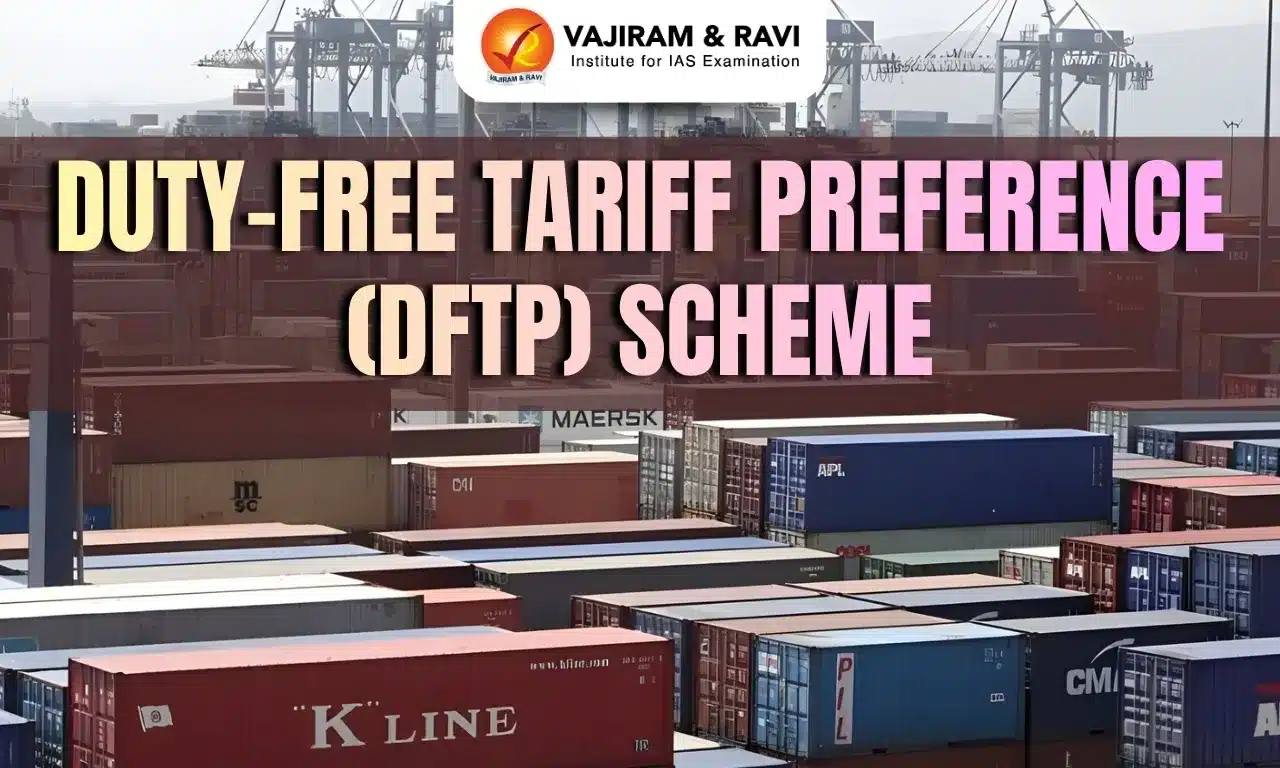
Recently, the World Trade Organization credits India’s Duty-Free Tariff Preference (DFTP) scheme for boosting exports from the poorest nation.
About Duty-Free Tariff Preference (DFTP) Scheme
- It was initiated in 2008 and offers Least Developed Countries (LDCs) preferential access to the Indian market.
- The DFTP scheme aims to boost LDCs' economic growth, diversify exports, and strengthen trade relations.
- Objective: The objective of the scheme for LDCs is grant of tariff preferences on the exports of the Least Developed Countries on imports to India.
Key Features of India’s DFTP Scheme
- Duty-Free Access to Indian Market: Under the DFTP scheme, products from LDCs are eligible for duty-free access to the Indian market.
- Eligible Countries: It is available to all LDCs recognized by the United Nations. India offers this preferential access to around 48 countries classified as LDCs, including countries in Africa, Asia, and the Pacific.
- Eligible Products: A wide range of products from LDCs can benefit from the DFTP scheme. These include:
- Agricultural products: Fruits, vegetables, spices, and grains.
- Textiles and garments: Clothing, fabrics, and textiles made in LDCs.
- Handicrafts and traditional goods: Handwoven textiles, jewelry, and locally produced crafts.
- Leather goods: Leather garments, bags, and accessories.
- Minerals and metals: Products like gold, diamonds, and other raw materials.
Source: LM
Duty-Free Tariff Preference (DFTP) Scheme FAQs
Q1: When was the DFTP Scheme introduced by India?
Ans: 2008
Q2: What is the primary objective of the Duty-Free Tariff Preference (DFTP) Scheme?
Ans: To provide duty-free access to products from Least Developed Countries (LDCs).