‘CHAKRA’ – Centre of Excellence (CoE)

‘CHAKRA’ – Centre of Excellence (CoE)

‘CHAKRA’ – Centre of Excellence (CoE) Latest News

State Bank of India (SBI) recently announced the launch of ‘CHAKRA’ – Centre of Excellence (CoE) for financing sunrise sectors that are critical to India’s economic development.

About ‘CHAKRA’ – Centre of Excellence (CoE)

  • It was launched by the State Bank of India (SBI) aimed at financing sunrise sectors critical to India’s economic transformation.
  • The Centre will function as a knowledge-driven platform to facilitate funding for next-generation, technology-led and sustainability-focused industries. 
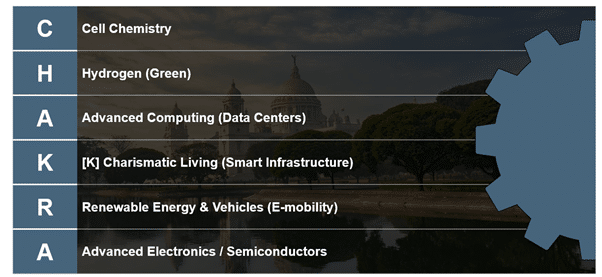
  • CHAKRA will focus on eight sunrise sectors:
    • Renewables
    • Data Centres
    • E-Mobility & Charging Infra
    • Advanced Cell Chemistry / Battery
    • Semiconductors
    • Green Hydrogen and Ammonia
    • Decarbonization
    • Smart Infrastructure.
  • By 2030, these eight sunrise sectors are expected to unlock cumulative capital expenditure of over INR 100 lakh crore. 
  • The CoE will work towards enabling this investment, enhancing India’s integration into the global value chain, and accelerating progress toward the country’s sustainability and Net Zero goals.
  • Additionally, the CoE will drive technology & AI innovation and play an advisory role, supporting not only the SBI’s Project Finance & Structuring team but also the broader financial ecosystem in India. 
  • It will engage actively with external stakeholders - with policymakers and regulatory bodies, to shape a robust manufacturing ecosystem that supports investment, innovation, and sustainability.
  • The Centre will facilitate structured engagement with development finance institutions, multilateral agencies, banks, NBFCs, industry bodies, corporates, start-ups, academia, and policy think tanks.

Source: TH


‘CHAKRA’ – Centre of Excellence (CoE) FAQs

Q1: What is ‘CHAKRA’ – Centre of Excellence (CoE)?

Ans: CHAKRA is a Centre of Excellence launched by the State Bank of India (SBI) to finance sunrise sectors critical to India’s economic transformation.

Q2: What is the primary objective of ‘CHAKRA’ – Centre of Excellence (CoE)?

Ans: Its objective is to facilitate funding for next-generation, technology-led and sustainability-focused industries.

Q3: How does ‘CHAKRA’ – Centre of Excellence (CoE) function in the financial ecosystem?

Ans: It functions as a knowledge-driven platform supporting project finance, structuring, and advisory services.

Q4: How many sunrise sectors are covered under CHAKRA’ – Centre of Excellence (CoE)?

Ans: CHAKRA focuses on eight sunrise sectors.
Open Acreage Licensing Policy (OALP)

What is the Open Acreage Licensing Policy (OALP)

Open Acreage Licensing Policy (OALP) Latest News

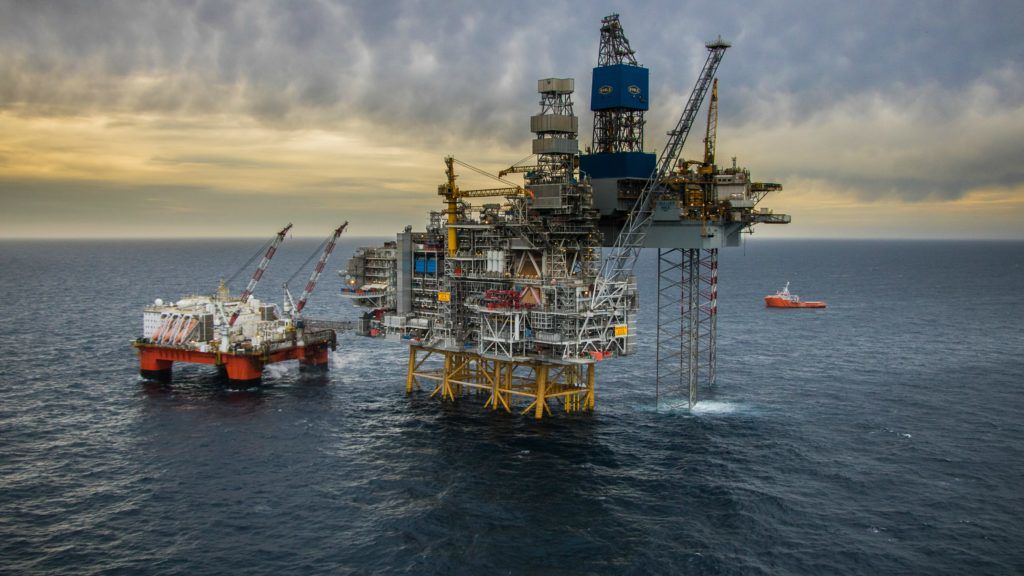
Oil India undertook a seismic study of the blocks it was awarded during the ninth round of the Open Acreage Licensing Policy (OALP) to chart a bidding strategy for the tenth round.

About Open Acreage Licensing Policy (OALP)

  • It was introduced by the Government of India (GoI) as a part of the Hydrocarbon Exploration and Licensing Policy (“HELP”) on March 30, 2016.
    • HELP replaced the New Exploration and Licensing Policy (NELP) regime, which was in existence for over 18 years. 
  • OALP is a major reform that changed how companies can apply for oil & gas exploration blocks in India.
  • Under the OALP, the company has the option to undertake prospecting for fuels in areas which are not notified by the GoI. 
    • Prospecting refers to drilling the selected area to check availability of hydrocarbon fuels. 
  • The OLAP gives a company the opportunity to prospect for fuels in any area where the technical feasibility study indicates the presence of hydrocarbons. 
    • The technical feasibility study is an analysis which indicates the likelihood of availability of hydrocarbons in an area. 
  • Once the feasibility study shows the presence of hydrocarbons, the company can proceed with the exploration after obtaining permission from the Directorate General of Hydrocarbons (DGH). 
  • If multiple requests for sanction are received for the same area, the DGH will make an allotment by conducting an auction. 
  • Until the OALP was introduced, exploration for hydrocarbons was allowed only in the case of areas covered by the tenders issued by the GoI. 
  • Under the OALP the exploration can be made without waiting for an announcement from the GoI that an area is available for exploration. 
  • The OALP regime also allows companies access to seismic data at the National Data Repository (NDR).
    • NDR is an online data library containing:
      • Seismic surveys
      • Geological maps
      • Well logs
      • Exploration history
    • Companies can study the data and propose new blocks.

Source: TH


Open Acreage Licensing Policy (OALP) FAQs

Q1: What is the Open Acreage Licensing Policy (OALP)?

Ans: OALP is a policy framework that allows companies to select and apply for oil and gas.

Q2: Under which broader policy was Open Acreage Licensing Policy (OALP) introduced?

Ans: OALP was introduced as part of the Hydrocarbon Exploration and Licensing Policy (HELP).

Q3: What major reform did Open Acreage Licensing Policy (OALP) bring to hydrocarbon exploration in India?

Ans: It allowed companies to apply for exploration blocks without waiting for government-issued tenders.

Q4: What is the National Data Repository (NDR)?

Ans: NDR is an online data library containing hydrocarbon-related exploration data.

Grain ATM

Grain ATM

Grain ATM Latest News

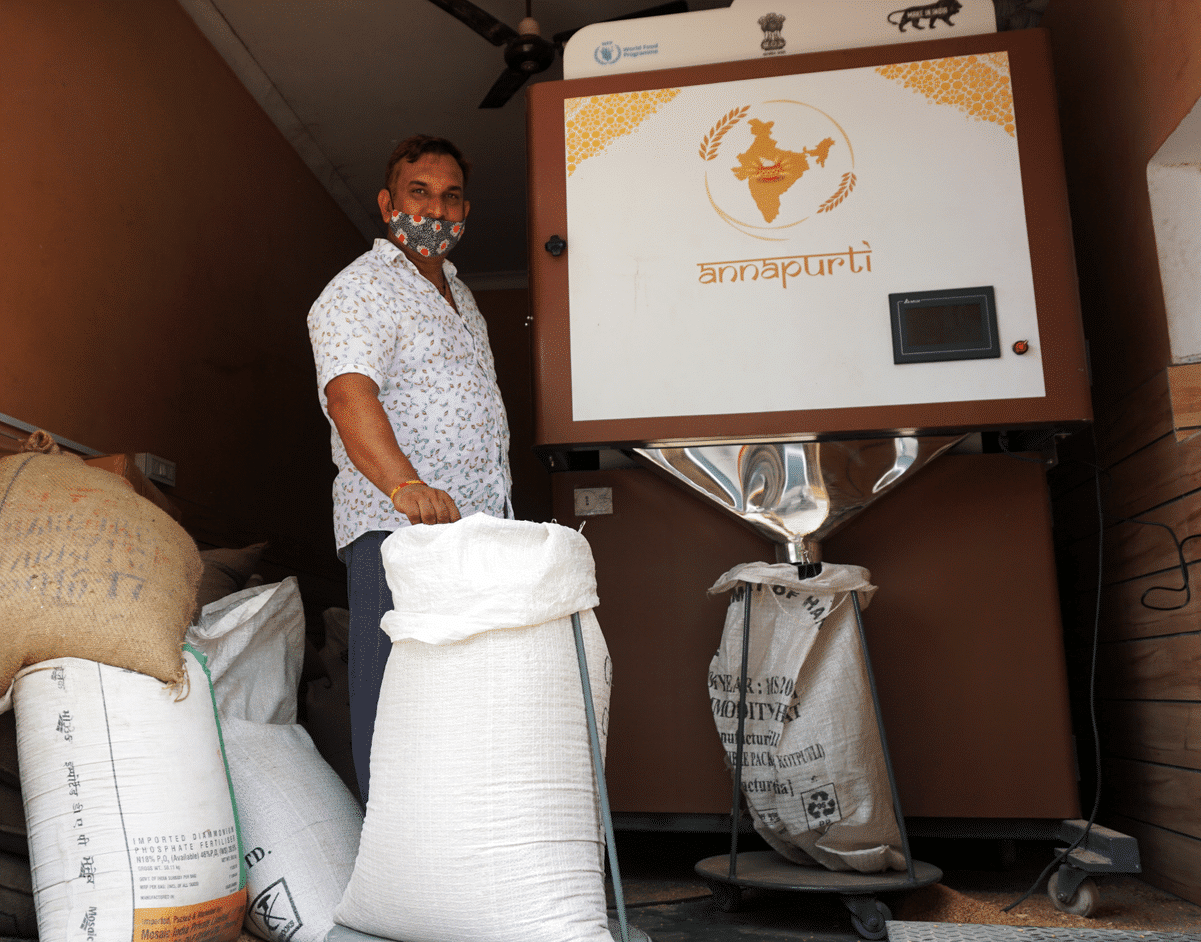
Recently, the Bihar state government approved the installation of the first set of three grain ATM machines in Patna as a pilot project.

About Grain ATM

  • A grain ATM or Annapurti (meaning “provider of grain”) is an automated machine that dispenses food grains (wheat and/or rice).
  • The World Food Programme (WFP) developed the technology behind the machine and has worked in collaboration with the Food Corporation of India and various state governments.

Key Features of Grain ATM

  • It can release 50 kg of grain in five minutes.
  • The machines can work 24×7 like ATMs, and can be powered through solar energy.
  • They also require internet connectivity to access the PDS database and the individual profile of a Below Poverty Line (BPL) cardholder.

Working of Grain ATM

  • Once a PDS beneficiary swipes their beneficiary or grain ATM card on a PoS machine, linked to the ration card or to their Aadhar card, the beneficiary is asked to select the grain option and its quantity.
  • They must also undergo Aadhar-based biometric authentication.
  • The maximum limit of grain disbursement is also specified.
  • Once the grain is dispensed, the beneficiary’s PDS data is updated, and a slip is also issued for confirmation and as a physical record.

Source: IE

Grain ATM FAQs

Q1: What is the primary purpose of a Grain ATM?

Ans: To provide food grains to beneficiaries

Q2: What is a key benefit of Grain ATMs?

Ans: Ensures timely access to food grains

United Nations Commission for Social Development

United Nations Commission for Social Development

United Nations Commission for Social Development Latest News

The Minister of State for Women and Child development to lead the Indian delegation at the 64th Session of the United Nations Commission for Social Development (CSocD).

About United Nations Commission for Social Development

  • It is a functional commission of the UN Economic and Social Council (ECOSOC).
  • It was formerly known as the Social Commission.
  • It focuses on advancing international cooperation on social development issues, including social inclusion, equity, and welfare-oriented policies.
  • It has been in existence since the very inception of the United Nations, advising ECOSOC and governments on a wide range of social policy issues and from the social perspective of development.
  • Purpose:
    • Its primary purpose is to advance social development and formulate policies and recommendations to address global social issues.
    • It focuses on topics such as poverty eradication, social inclusion, and the promotion of equitable and sustainable development.
    • Since the 1995 World Summit for Social Development in Copenhagen , the CSocD has been the key UN body in charge of the follow-up and implementation of the Copenhagen Declaration and Programme of Action.

Membership of United Nations Commission for Social Development

  • Originally 18, membership has been increased several times, most recently in 1996, and now stands at 46.
  • Members are elected by ECOSOC based on equitable geographical distribution for four-year terms. 
  • Meetings: The CSocD meets every year at the United Nations Headquarters in New York, typically in February.

Source: PIB

United Nations Commission for Social Development FAQs

Q1: How often does the United Nations Commission for Social Development meet?

Ans: Annually.

Q2: What is the primary objective of the United Nations Commission for Social Development?

Ans: Advance social development and eradicate poverty.

Molybdenum Disulfide

What is Molybdenum Disulfide

 Molybdenum Disulfide Latest News

Scientists recently developed an electronic system using molybdenum disulphide only a few atoms thick; high-energy particles pass through it without causing damage.

About Molybdenum Disulfide

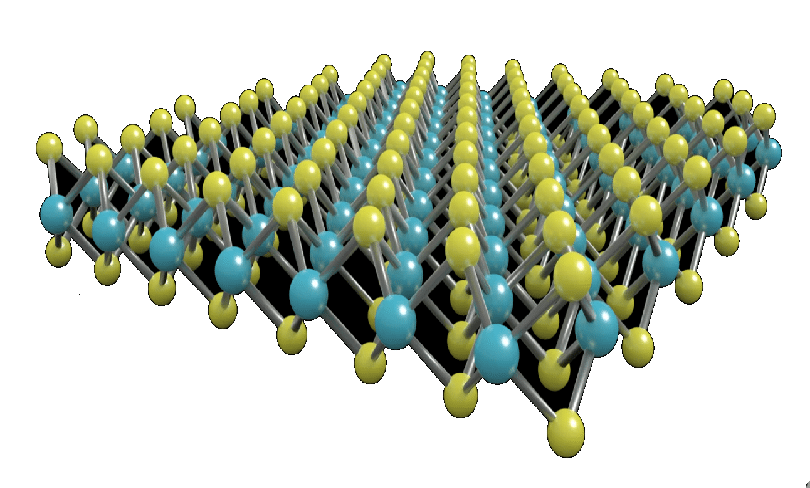
  • Molybdenum disulfide (MoS2) is an inorganic compound made up of sulfur and molybdenum.
  • It exists in nature in the mineral molybdenite. 
  • In its bulk form, it appears as a dark, shiny solid.
  • It belongs to a class of materials called 'transition metal dichalcogenides' (TMDCs). 
    • Materials in this class have the chemical formula MX₂, where M is a transition metal atom (groups 4-12 in the periodic table) and X is a chalcogen (group 16). 
  • Its crystals have a hexagonal layered structure that is similar to graphite.
  • Like most mineral salts, MoS2 has a high melting point, but it begins to sublime at a relatively low 450 ºC. This property is useful for purifying the compound.
  • Because of its layered structure, hexagonal MoS2, like graphite, is an excellent solid lubricant. 
    • It can be used as surface coatings on machine parts (e.g., in the aerospace industry), in two-stroke engines (the type used for motorcycles), and in gun barrels (to reduce friction between the bullet and the barrel).
    • Unlike graphite, MoS2 does not depend on adsorbed water or other vapors for its lubricant properties. 
    • It can be used at temperatures as high as 350 ºC in oxidizing environments and up to 1100 ºC in nonoxidizing environments. 
    • Its stability makes it useful in high-temperature applications in which oils and greases are not practical.
    • MoS2 is highly resistant to oxidation and corrosion, making it an effective lubricant for high-humidity and saltwater environments.
  • In addition to its lubricating properties, MoS2 is a semiconductor.

Source: TH


Molybdenum Disulfide FAQs

Q1: What is molybdenum disulfide (MoS₂)?

Ans: Molybdenum disulfide is an inorganic compound composed of molybdenum and sulfur.

Q2: In which mineral form does molybdenum disulfide (MoS₂) occur naturally?

Ans: It occurs naturally as the mineral molybdenite.

Q3: To which class of materials does molybdenum disulfide (MoS₂) belong?

Ans: MoS₂ belongs to the transition metal dichalcogenides (TMDCs) class.

Q4: What is the crystal structure of molybdenum disulfide?

Ans: MoS₂ has a hexagonal layered crystal structure, similar to graphite.

Q5: Why is molybdenum disulfide (MoS₂) an effective solid lubricant?

Ans: Its layered structure allows easy sliding of layers, reducing friction.

What is the Arab League?

What is the Arab League?

Arab League Latest News

Recently, the External affairs minister met the foreign ministers of five Arab League member states and held discussions on ways to develop ties with West Asia and the situation in the region.

About Arab League

  • The Arab League, or League of Arab States, is a voluntary association of countries whose peoples are mainly Arabic-speaking or where Arabic is an official language.
  • It is a regional organization of Arab states in the Middle East and parts of Africa.
  • Its stated aims are to strengthen ties among member states, coordinate their policies and direct them towards a common good.
  • Formation: It was formed in Cairo on 22 March 1945 with six members: Egypt, Iraq, Transjordan (later renamed Jordan), Lebanon, Saudi Arabia, and Syria, with Yemen joining on 5 May 1945.
  • Members: It currently has 22 member states: Algeria, Bahrain, Comoros, Djibouti, Egypt, Iraq, Jordan, Kuwait, Lebanon, Libya, Mauritania, Morocco, Oman, Palestinian Authority, Qatar, Saudi Arabia, Somalia, Sudan, Syria, Tunisia, United Arab Emirates, and Yemen.
    • Observer Members: Brazil, Eritrea, India, and Venezuela.
  • Headquarters: Cairo, Egypt.

Governance of Arab League

  • The highest body of the League is the Council, which is composed of representatives of each state. 
  • The League makes decisions on a majority basis. The decisions are binding only on states that voted for them. 
  • The General Secretariat, the administrative and executive body of the League, runs the League on a daily basis. 
  • It is headed by a Secretary-General appointed by the Arab League Council every five years.

Source: HT

Arab League FAQs

Q1: Where is the Arab League headquartered?

Ans: Cairo, Egypt

Q2: What is one of the primary objectives of the Arab League?

Ans: Promote economic cooperation among member states

Indian Coast Guard

Indian Coast Guard Latest News

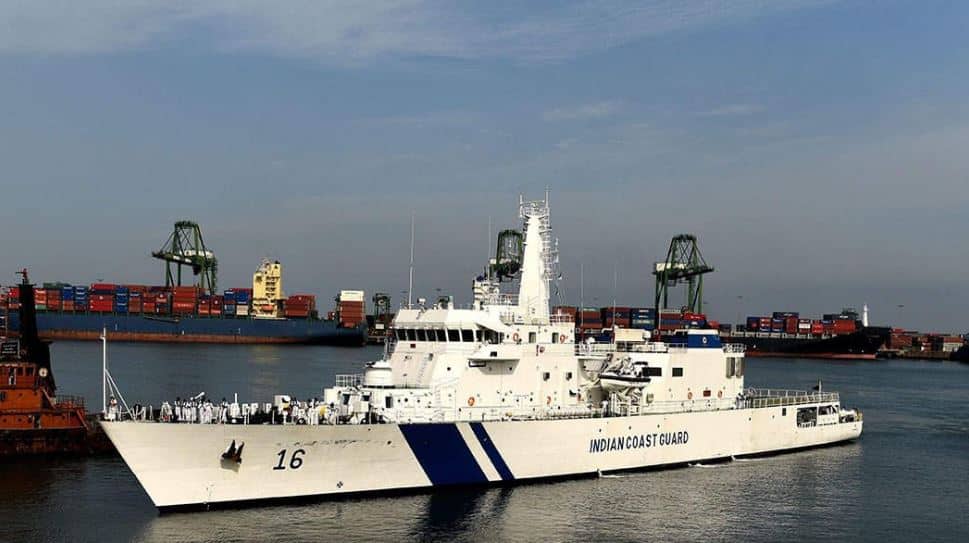
Prime Minister Narendra Modi recently extended greetings to the Indian Coast Guard (ICG) on its 50th Raising Day.

About Indian Coast Guard

  • It is a maritime armed force operating under the Ministry of Defence, Government of India. 
  • It is a multi-mission organization, conducting round-the-year real-life operations at sea. 
  • Raised on February 1, 1977, the ICG was envisioned to address emerging maritime challenges and safeguard India’s expanding marine interests.
  • It was formally established in 1978 by the Coast Guard Act, 1978 as an independent Armed force of India.
  • The Headquarters of the ICG is located in New Delhi, and is under the command of the Director General Indian Coast Guard.
  • Moto: "VAYAM RAKSHAMAH" - WE PROTECT
  • Mission:
    • To protect our ocean and offshore wealth, including oil, fish, and minerals.
    • To assist mariners in distress and safeguard life and property at sea.
    • To enforce maritime laws with respect to the sea, poaching, smuggling, and narcotics.
    • To preserve the marine environment and ecology and protect rare species.
    • To collect scientific data and back up the Navy during war.
  • From its humble beginnings in 1977 with just seven surface platforms, the ICG has evolved into a formidable maritime force comprising 155 ships and 80 aircrafts today.

Source: NEWS18


Indian Coast Guard (ICG) FAQs

Q1: What is the Indian Coast Guard (ICG)?

Ans: The Indian Coast Guard is a maritime armed force operating under the Ministry of Defence, Government of India.

Q2: When was the Indian Coast Guard raised?

Ans: The Indian Coast Guard was raised on 1 February 1977.

Q3: Under which law was the Indian Coast Guard formally established?

Ans: It was formally established under the Coast Guard Act, 1978.

Q4: What is the motto of the Indian Coast Guard?

Ans: The motto of the Indian Coast Guard is “Vayam Rakshamah” (We Protect).

New Ramsar Sites

New Ramsar Sites

New Ramsar Sites Latest News

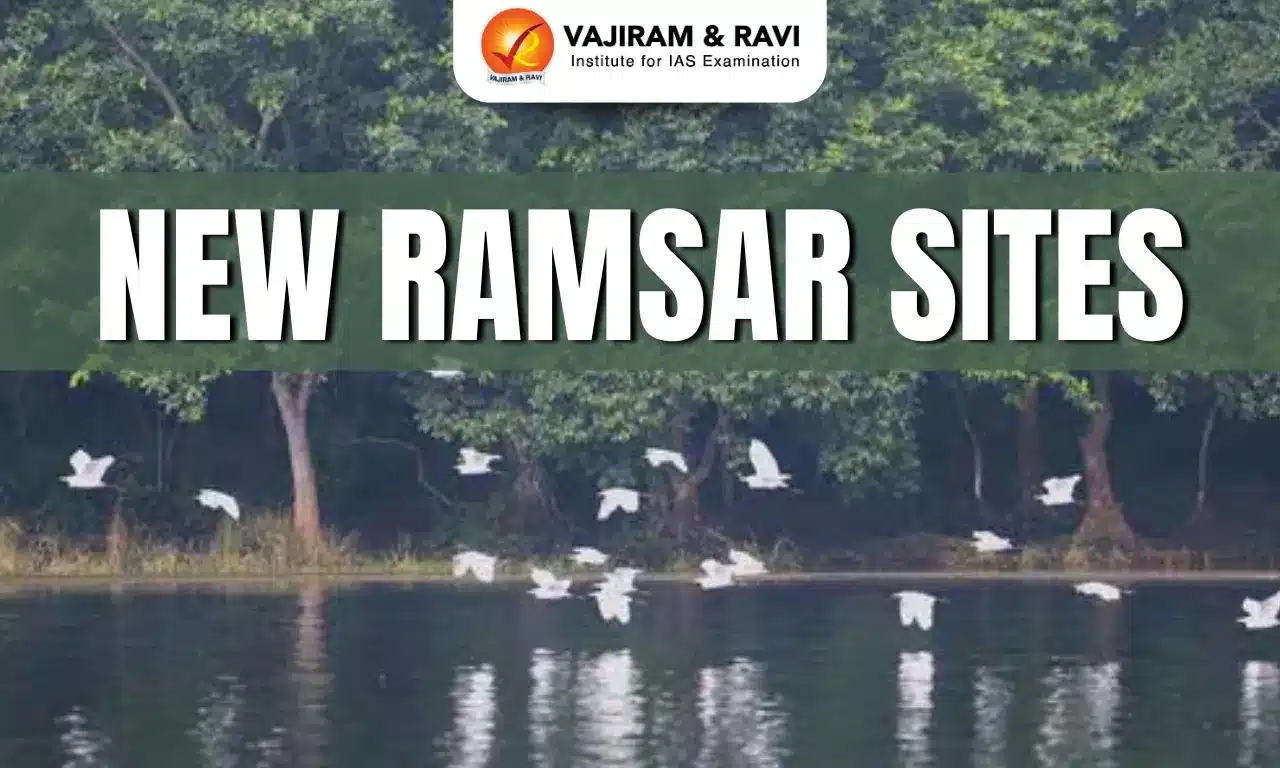
Recently, the union Minister for Environment, Forest and Climate Change has announced the addition of two new wetlands to India’s Ramsar network, ahead of World Wetlands Day.

About New Ramsar Sites

Patna Bird Sanctuary

  • Location: It is located in the state of Uttar Pradesh.
  • It consists of freshwater marshes, woodlands and grasslands, and is surrounded by agricultural landscapes.
  • Together, these different landscapes create a wide range of habitats and support a high level of biodiversity.
  • It has been designated an Important Bird and Biodiversity Area (IBA) by Birdlife International.
  • Flora and Fauna: It consists of 178 bird species and 252 plant species.

About Chhari-Dhand Wetland

  • Location: It is located in Kutch, Gujarat.
  • It is a seasonal saline wetland situated between the famous Banni grasslands and salt flats of Kutch.
  • It is an important wintering site for waterfowl.
  • Fauna: It supports species such as critically endangered sociable lapwing, the vulnerable common pochard, and, notably, common cranes (Grus grus) annually.

Source: PIB

New Ramsar Sites FAQs

Q1: In which state is the Patna Bird Sanctuary located?

Ans: Uttar Pradesh

Q2: What is one of the key criteria for a site to be designated as an IBA?

Ans: Presence of globally threatened bird species

El Niño-La Niña Weather Patterns

What is El Nino

El Nino Latest News

There is a chance that the El Nino phenomenon may occur after July this year, but clarity will only emerge in April, according to the director-general of the India Meteorological Department (IMD).

Normal Climatic Conditions

  • In "neutral" conditions, surface water in the Pacific Ocean is cooler in the east and warmer in the west.
  • The "trade winds" tend to blow east-to-west, taking warm water from South America towards Asia. 
  • To replace that warm water, cold water rises from the depths — a process called upwelling

What is El Niño-Southern Oscillation (ENSO)? 

  • El Niño and La Niña are two opposing climate patterns that break normal climatic conditions. 
  • Scientists call these phenomena the El Niño-Southern Oscillation (ENSO) cycle. 
  • El Niño and La Niña can both have global impacts on weather, wildfires, ecosystems, and economies.
  • Episodes of El Niño and La Niña typically last nine to 12 months but can sometimes last for years. 
  • El Niño and La Niña events occur every two to seven years, on average, but they don’t occur on a regular schedule. 
  • Generally, El Niño occurs more frequently than La Niña.

What is El Nino?

  • El Niño is a climate pattern that describes the unusual warming of surface waters in the eastern tropical Pacific Ocean. 
  • El Niño is the “warm phase” of the ENSO. 
  • During El Niño, surface temperatures in the equatorial Pacific rise, and trade winds — east-west winds that blow near the Equator — weaken.
  • They falter and change direction to turn into westerlies, bringing warm water from the western Pacific towards the Americas.
  • The phenomena of upwelling is reduced under El Niño.
    • This in turn reduces phytoplankton. Thus, fish that eat phytoplankton are affected, followed by other organisms higher up the food chain.
  • Warm waters also carry tropical species towards colder areas, disrupting multiple ecosystems.
  • Since the Pacific covers almost one-third of the earth, changes in its temperature and subsequent alteration of wind patterns disrupt global weather patterns.
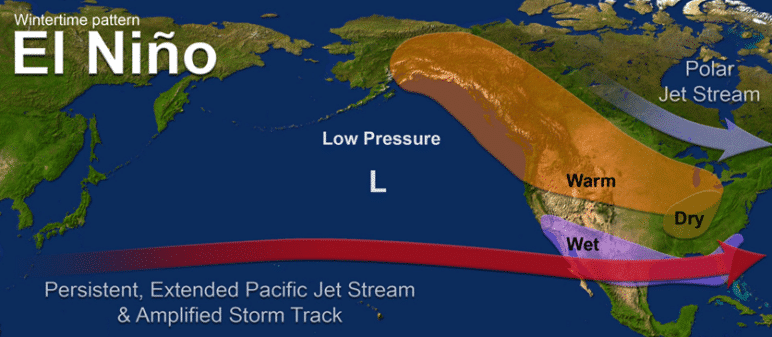
    • El Niño causes dry, warm winters in the Northern U.S. and Canada and increases the risk of flooding in the U.S. gulf coast and south-eastern U.S. 
    • It also brings drought to Indonesia and Australia.

What is La Nina?

  • La Niña, the “cool phase” of ENSO, sees cooler than average sea surface temperature (SST) in the equatorial Pacific region.
  • Trade winds are stronger than usual, pushing warmer water towards Asia.
  • On the American west coast, upwelling increases, bringing nutrient-rich water to the surface.
  • Pacific cold waters close to the Americas push jet streams — narrow bands of strong winds in the upper atmosphere — northwards.
  • Impacts:
    • This leads to drier conditions in the Southern U.S., and heavy rainfall in Canada.
    • La Niña has also been associated with heavy floods in Australia.

Impact on India’s monsoons

In India, El Niño causes weak rainfall and more heat, while La Niña intensifies rainfall across South Asia, particularly in India’s northwest and Bangladesh during the monsoon.

Source: TH


El Nino FAQs

Q1: What is El Niño?

Ans: El Niño is a climate pattern marked by the unusual warming of surface waters in the eastern tropical Pacific Ocean.

Q2: El Niño represents which phase of El Niño-Southern Oscillation (ENSO)?

Ans: El Niño is the warm phase of the El Niño–Southern Oscillation (ENSO).

Q3: How do trade winds behave during an El Niño event?

Ans: Trade winds weaken, falter, and may reverse direction to become westerlies.

Q4: What is the effect of weakened trade winds on ocean water movement during El Niño event?

Ans: Warm water from the western Pacific moves eastward towards the Americas.

Q5: How does El Niño affect upwelling in the eastern Pacific?

Ans: Upwelling is reduced, limiting the rise of nutrient-rich cold water.

PM-POSHAN Scheme

PM-POSHAN Scheme

PM-POSHAN Scheme Latest News

Recently, a total of 22 states and Union Territories that responded to the Education Ministry’s call for suggestions on the PM-POSHAN scheme have asked the centre to hike the honorarium for PM-POSHAN scheme cooks and helpers.

About PM-POSHAN Scheme

  • It was formerly known as the Mid-Day Meal Scheme, is a Centrally Sponsored Scheme.
  • It is implemented by the Ministry of Education.
  • The Scheme is implemented across the country covering all the eligible children without any discrimination of gender and social class.
  • It aims to provide one hot cooked meal per school day to children studying in Balvatikas (pre-primary), and Classes 1 to 8 across government and government-aided schools.
  • Objectives:
    • Enhancing nutritional status of school-going children
    • Improving enrollment, retention, and attendance in schools, especially among disadvantaged children
  • Nutritional norms under PM-POSHAN
    • For Balvatika and Primary classes: 20g pulses, 50g vegetables, and 5g oil
    • For Upper Primary classes: 30g pulses, 75g vegetables, and 7.5g oil
      • The Labour Bureau collects monthly price data from 600 villages in 20 states to calculate inflation for the PM POSHAN basket, using the Consumer Price Index for Rural Labourers (CPI-RL). 
  • Funding Pattern under POSHAN Abhiyan:
    • 60:40 between Centre and States/UTs with legislature
    • 90:10 for the Northeastern and Himalayan States
    • 100% central funding for UTs without legislature

Source: IE

PM-POSHAN Scheme FAQs

Q1: What is the primary objective of the PM-POSHAN (Pradhan Mantri Poshan Kaurvi Abhiyan) Scheme?

Ans: To provide mid-day meals to school-going children

Q2: What is the old name of the PM-POSHAN Scheme ?

Ans: Mid-Day Meal Scheme

Enquire Now