SCALP Missile

SCALP Missile

SCALP Missile Latest News

India and France are in discussions to finalise a major deal for the procurement of SCALP cruise missiles, following their successful use by the IAF in precision strikes against terrorist infrastructure in Pakistan during Operation Sindoor last year.

About SCALP Missile

  • The SCALP missile, also known as Storm Shadow, is a long-range, air-launched cruise missile.
  • It was developed together by France and the United Kingdom.
  • It is in service with multiple NATO and allied air forces.

SCALP Missile Features

  • The missile has a launch weight of around 1,300 kg and a length of approximately 5.10 m. 
  • It is powered by turbojet engines and has a range of 250 km.
  •  The missile has a tandem warhead configuration, comprising a shaped charge for initial penetration and a secondary high-explosive charge for enhanced lethality.
  • Its stealth design and advanced navigation system (INS, GPS, and terrain referencing) allow it to fly low, evade detection, and strike deep into enemy territory.
  • On approaching the target, its onboard infrared seeker matches the target image with the stored picture to ensure a precision strike and minimal collateral damage.
  • Capable of night and all-weather operations, SCALP is particularly effective for penetrating hardened bunkers and ammunition stores.

Source: MC

SCALP Missile FAQs

Q1: What is the SCALP missile?

Ans: SCALP, also known as Storm Shadow, is a long-range, air-launched cruise missile.

Q2: Which countries jointly developed the SCALP (Storm Shadow) missile?

Ans: It was jointly developed by France and the United Kingdom.

Q3: What is the operational range of the SCALP missile?

Ans: The SCALP missile has a range of about 250 kilometres.

Q4: What kind of warhead configuration does the SCALP missile carry?

Ans: It carries a tandem warhead with a shaped charge for penetration and a secondary high-explosive charge.
Dragon Hole

Dragon Hole

Dragon Hole Latest News

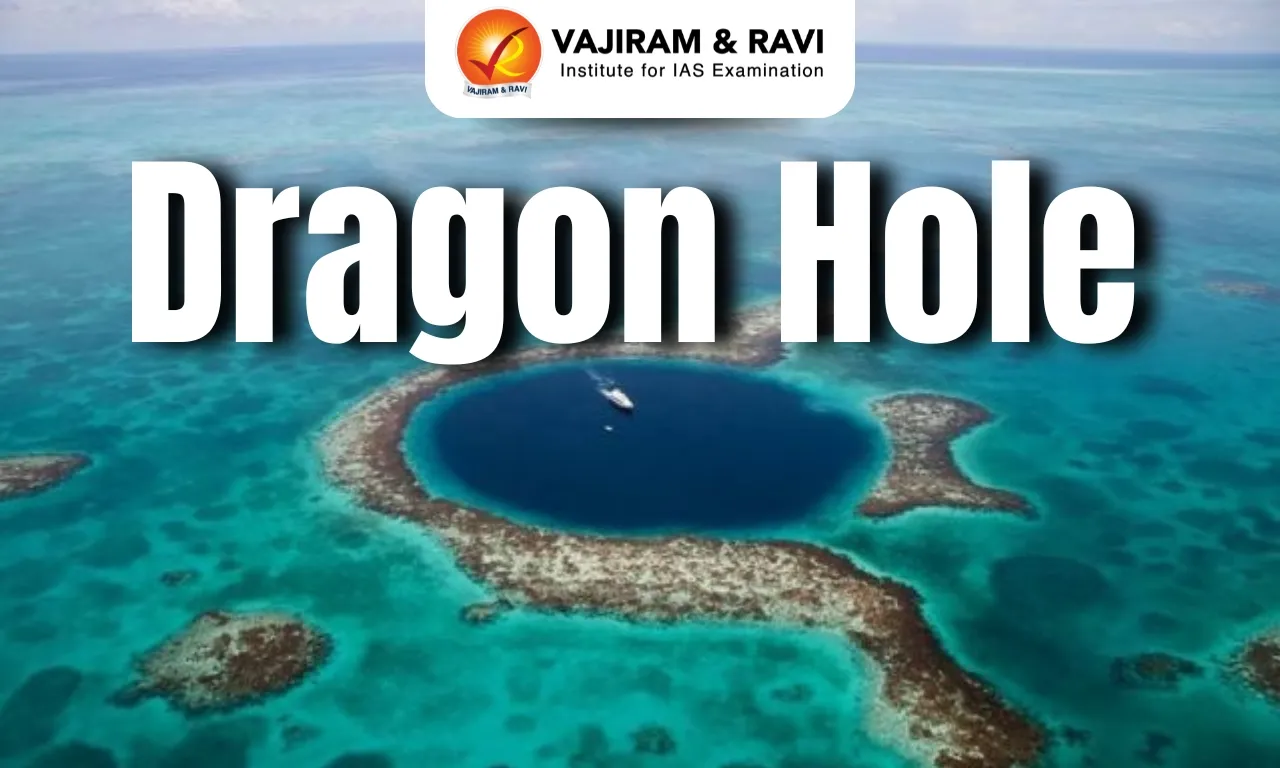
The Sansha Yongle Blue Hole, also known as the Dragon Hole, sits in the South China Sea and has drawn scientific attention for more than a decade.

About Dragon Hole

  • The Dragon Hole is the popular name for the Sansha Yongle Blue Hole, a massive marine sinkhole in the South China Sea. 
    • Blue holes are steep-sided underwater cavities, often formed in limestone landscapes, that later flooded as sea levels rose.
  • It is the deepest known underwater sinkhole in the world. 
  • It is about 25 kilometers from the Discovery Reef in the South China Sea.
  • The local fishermen call it the‘eye’of the South China Sea.
  • It is believed to be 301.19 meters deep, beating Dean's Blue Hole in the Bahamas by almost 100 meters.
  • The almost vertical blue hole measures 130 meters in diameter at its surface entrance and 36 meters at its very bottom, where there is literally no water flow or exchange with the rest of the ocean.
  • Water in the lower part of a deep blue hole like Dragon Hole is stagnant and anoxic with nearly no water circulation and thus unfavorable for most sea life, but nonetheless can support large colonies of bacteria.
  • However, at least 20 ocean species thrive in the upper section of the hole, where there is a unique ecosystem characterized by ample oxygen and nutrients.

Source: TOI

Dragon Hole FAQs

Q1: What is the Dragon Hole?

Ans: The Dragon Hole is the popular name for the Sansha Yongle Blue Hole, a massive marine sinkhole.

Q2: Where is the Dragon Hole located?

Ans: It is located in the South China Sea.

Q3: Why is the Dragon Hole significant globally?

Ans: It is the deepest known underwater sinkhole in the world.

Q4: What is the estimated depth of the Dragon Hole?

Ans: It is believed to be about 301.19 metres deep.

World Pulses Day 2026, Theme, Significance, Cultivation

World Pulses Day 2026

World Pulses Day is celebrated every year on 10th February. The day is celebrated as a day of recognition of pulses and their role in human nutrition, environmental well-being and sustainable agriculture. The day was declared as World Pulses Day under the United Nations General Assembly in 2016. The year was also marked as the International Year of Pulses. Due to the huge success of this celebration, the potential of the crops were recognised and added as a goal to be achieved under the 2030 Agenda for sustainable development

World Pulses Day 2026 Theme

  • The theme of the World Pulses Day 2026 is “Pulses of the world: from modesty to excellence” was selected to highlight the required transformation-from humble origins to global recognition for their flavours, nutritional attributes and culinary diversity.
  • The day focuses on raising awareness about the importance of pulses and their nutritional benefits. For farmers, pulses serve a dual purpose as they can be consumed to ensure household food security or sold to create economic stability. Additionally, the nitrogen-fixing properties of pulses enhance soil fertility, boosting the productivity and longevity of farmland. By incorporating pulses into intercropping and cover cropping practices, farmers can promote biodiversity in both farms and soils.

World Pulses Day 2026 Significance

  • Nutritional and environmental importance: Pulses are rich in protein, fibre and micronutrients, and their cultivation improves soil fertility and reduces the need for chemical fertilizers, making them important for sustainable agriculture and food security.
  • Declining consumption despite benefits: Even with their high value, per capita consumption of pulses has fallen in many countries due to changing food habits, urban lifestyles and the mistaken belief that pulses are only low-cost or traditional foods.
  • Relevance of World Pulses Day 2026: World Pulses Day 2026 highlights the need to change these perceptions, promote pulses as modern, healthy and climate-friendly foods, and encourage their inclusion in diets worldwide to ensure affordable and nutritious food for all.

All About Pulses

  • Pulses are nutrient-dense foods rich in protein, fibre, vitamins and minerals. They are an important plant-based protein source, especially for vegetarian and vegan diets, and when eaten with cereals, they provide better quality protein.
  • Pulses support environmentally sustainable agriculture as they require less water, reduce dependence on chemical fertilizers through nitrogen fixation, and improve soil fertility and soil organic carbon, resulting in a low environmental footprint.
  • Pulses contribute to both human health and farming systems. They are a sub-group of legumes such as chickpeas, peas, lentils and beans, and are widely used for human consumption, animal fodder and soil improvement, with peas, lentils and dried beans being the most commonly consumed.

Pulse Cultivation in India

  • India produces the largest pulses(25%), followed by Canada(9%), China(6%) and European Union(5%). 
  • India has the largest production(25%), consumption (27%) and importer(14%) of pulses in the world. 
  • 75% of pulses are produced in the states of Madhya Pradesh (29.67%), Maharashtra (14.66%) and Rajasthan (13.75%).
  • The maximum pulses produced in India are Chickpeas(48%), Pigeon Pea(14%), Black Gram (12%), Green Gram (8%) and lentil (7%).

Significance of Pulses

  • Health Benefits: Pulses are rich in essential vitamins and minerals, making them a vital part of a healthy diet. They promote heart health, aid in weight management, and help prevent chronic diseases.
  • Reducing Food Wastage: Unlike meat, which has a short shelf life, pulses have a long shelf life and enhance dietary diversity.
  • Soil Fertility: Pulses naturally fix atmospheric nitrogen into the soil, improving soil biodiversity and fertility.
  • Crop Rotation: Pulses are widely used in crop rotation, enhancing the efficiency of chemical fertilizers and supporting sustainable farming.
  • Rural Employment: Pulses cultivation creates employment and entrepreneurial opportunities, especially for rural women and youth.
  • Genetic Diversity: Pulses exhibit broad genetic diversity, enabling the development of climate-resilient varieties.
  • Agroforestry: Growing pulses alongside other crops improves food security and boosts farmers’ income.
  • Animal Husbandry: Pulse crop residues serve as high-quality feed for livestock.

Environmental Benefits: Pulses have a low carbon footprint and require minimal water, making them an environmentally sustainable protein source.

World Pulses Day 2026 FAQs

Q1: What is the theme of the World Pulses Day 2026?

Ans: The theme of the World Pulses Day 2026 is “Pulses of the world: from modesty to excellence”.

Q2: What is World Pulses Day and when is it observed?

Ans: World Pulses Day is observed every year on 10 February to recognise the role of pulses in nutrition, environmental sustainability and food security.

Q3: Who declared World Pulses Day and when?

Ans: It was declared by the United Nations General Assembly in 2016, the same year which was celebrated as the International Year of Pulses.

Q4: Why is World Pulses Day 2026 significant?

Ans: It addresses the decline in pulse consumption despite their benefits and aims to promote pulses as modern, healthy and climate-friendly foods.

Q5: Which Country is the leading producer of pulses?

Ans: India is the leading producer of pulses, accounting for about 27% of global production.

Mons Mouton

Mons Mouton

Mons Mouton Latest News

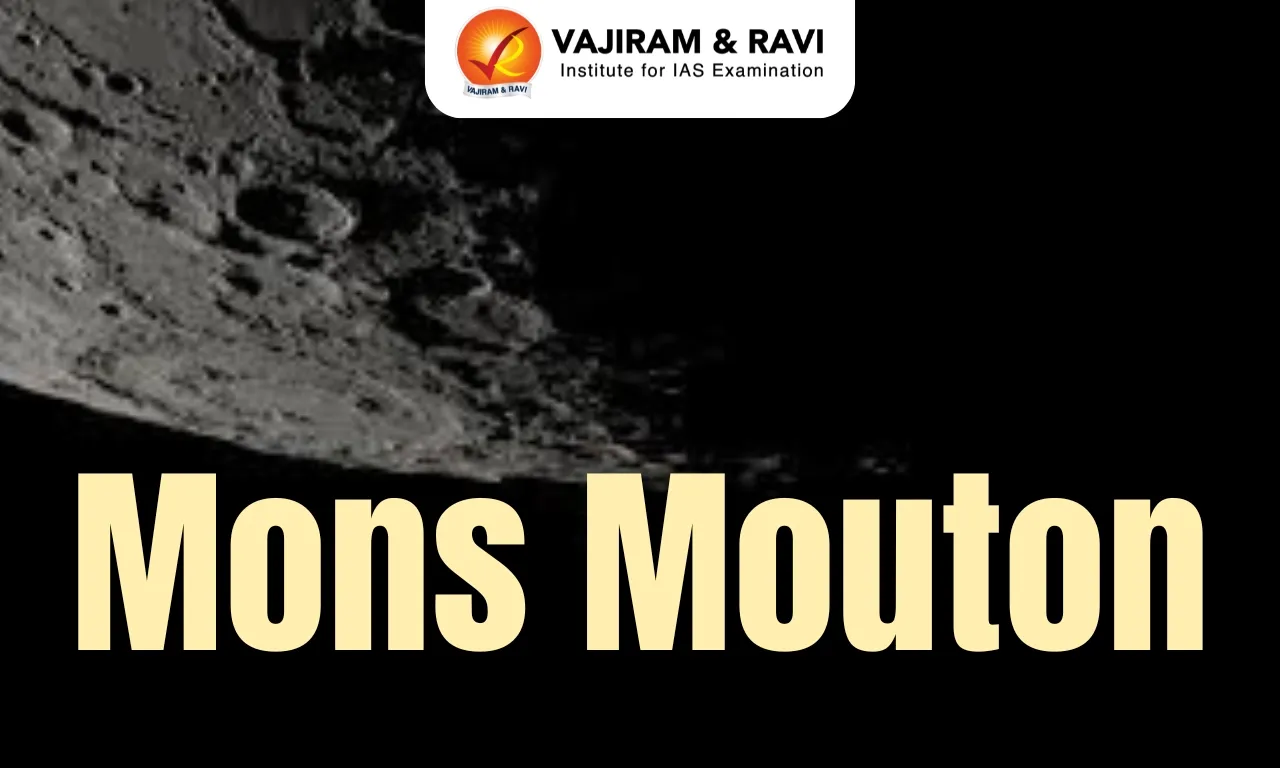
Scientists from ISRO’s Space Applications Centre (SAC) have identified a landing zone in the rugged south polar region of the Moon called Mons Mouton for India’s first lunar sample return mission, Chandrayaan-4.

About Mons Mouton

  • Mons Mouton is a mountain about 6,000 meters high located near the South Pole of the Moon.
  • Its peak is largely flat, which is favorable for landing.
  • It is situated in the South Circumpolar Region (SCR) of the Moon. 
  • It is officially named Mons Mouton after NASA mathematician and computer programmer Melba Roy Mouton. 
  • It is believed to be positioned on the rim of the South-Pole-Aitken basin. (the largest and most ancient impact basin on the Moon)
  • According to scientists, this area is also important because it receives sunlight for a long time.

Importance of Mons Mouton Area

  • The Mons Mouton area is of particular scientific interest because it lies near permanently shadowed craters believed to contain water-ice deposits.
  • Studying samples from this region could help scientists better understand the Moon’s geological history and the distribution of lunar resources.
  • Radio communication with Earth also remains clear from this region, which prevents any major contact issues during the mission.

Source: TH

Mons Mouton FAQs

Q1: Where is Mons Mouton located?

Ans: On the Moon

Q2: Why is Mons Mouton significant?

Ans: It's a potential landing site for future lunar missions

Swavalambini Scheme

Swavalambini Scheme

Swavalambini Scheme Latest News

Recently, the Minister of State (Independent Charge), Ministry of Skill Development and Entrepreneurship informed the Lok Sabha about the Swavalambini Scheme.

About Swavalambini Scheme

  • It is a woman Entrepreneurship Programme which empowers young women with the skills and confidence needed to establish their own businesses. 
  • It introduces a structured, multi-stage training approach to help young women transition from ideation to successful enterprise creation.
  • It aims to cultivate an entrepreneurial mindset among female students, equipping them with awareness of available support mechanisms, schemes, resources and networks essential for pursuing entrepreneurship as a career.
  • It is implemented through National Institute for Entrepreneurship and Small Business Development (NIESBUD), Noida and Indian Institute of Entrepreneurship (IIE), Guwahati.
  • Programme Structure
    • Target group: 1200 female students from Higher Educational Institutes (HEIs) and Universities
    • Entrepreneurship Awareness Programme (EAP): The female students undergo an introductory programme on entrepreneurial awareness through an entrepreneurial awareness programme.
    • Entrepreneurship Development Programme (EDP): Out of these 1200, 600 undergo this programme which covers business aspects like skilling, finance, market linkages, compliance, and networking
    • This is followed by 21 weeks of mentorship and handholding support to help participants translate their ideas into sustainable enterprises.
  • Support: MSDE will oversee the execution, supervision, and monitoring of the programme. NITI Aayog will provide mentoring support, facilitate seed funding, and recognize successful entrepreneurs through the Award To Reward (ATR) initiative.

Source: PIB

Swavalambini Scheme FAQs

Q1: Who launched the Swavalambini Women Entrepreneurship Programme?

Ans: Ministry of Skill Development and Entrepreneurship (MSDE)

Q2: What is the primary goal of Swavalambini Scheme?

Ans: To empower young women with entrepreneurial skills

Mangrove Clam

Mangrove Clam

Mangrove Clam Latest News

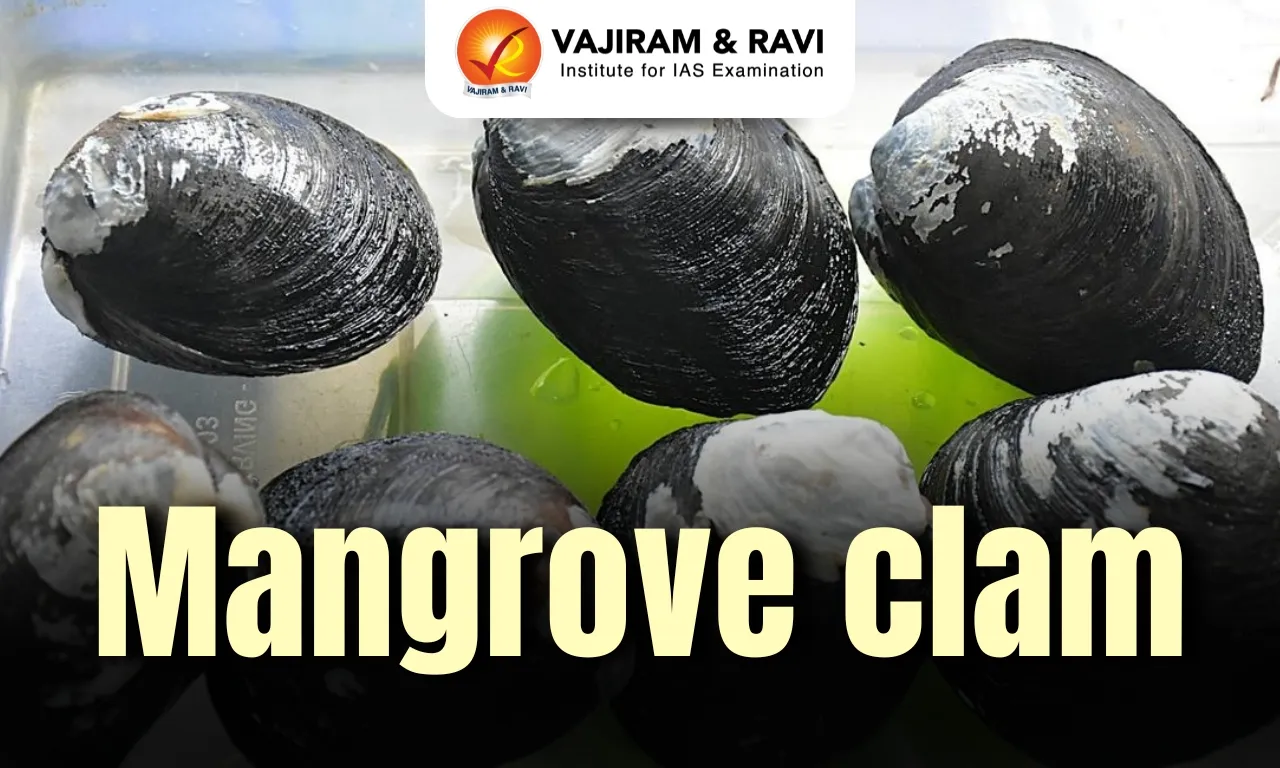
Recently, the ICAR–Central Marine Fisheries Research Institute (CMFRI) has successfully achieved captive breeding of the mangrove clam (Geloina erosa). 

About Mangrove Clam

  • Mangrove clams, commonly known as mud clams, locally called 'Kandal Kakka' in northern Kerala.
  • It belongs to the genus Polymesoda or Geloina.
  • Habitat: They are found in muddy, brackish, and even nearly freshwater regions within mangrove swamps.
  • Distribution: These are widely distributed in the Indo-Pacific region.

Characteristics of Mangrove Clam

  • It is a burrowing bivalve inhabiting organic-rich muddy substrates in intertidal mangrove ecosystems. 
  • This species displays remarkable tolerance, enabling them to thrive across a broad spectrum of salinity levels.
  • Life cycle: The life cycle of the clam consists of four distinct phases: larval stage, spat, juvenile and adult clam.
  • Feeding behavior: It is a filter-feeding species, primarily active during low-tide immersion stages characterized by frequent inundation.
  • Ecological Role: It plays a crucial ecological role by recycling nutrients, stabilising sediments and strengthening mangrove ecosystems,
  • It provides food security and livelihoods in coastal regions.
  • Threats: In India, particularly along the east coast and in island regions, wild stocks have been steadily declining due to indiscriminate harvesting, habitat degradation, pollution and coastal development.

 Source: Business Line

Mangrove clam FAQs

Q1: Where are Mangrove Clams typically found?

Ans: Mangrove forests

Q2: What is a clam's primary food source?

Ans: Organic particles in the correct size range are either plankton, detritus (decaying plant material), or bacteria.

Key Facts about Eritrea

Key Facts about Eritrea

Eritrea Latest News

Recently, Ethiopia ordered neighbouring Eritrea to "immediately withdraw its troops" from Ethiopian territory.

About Eritrea

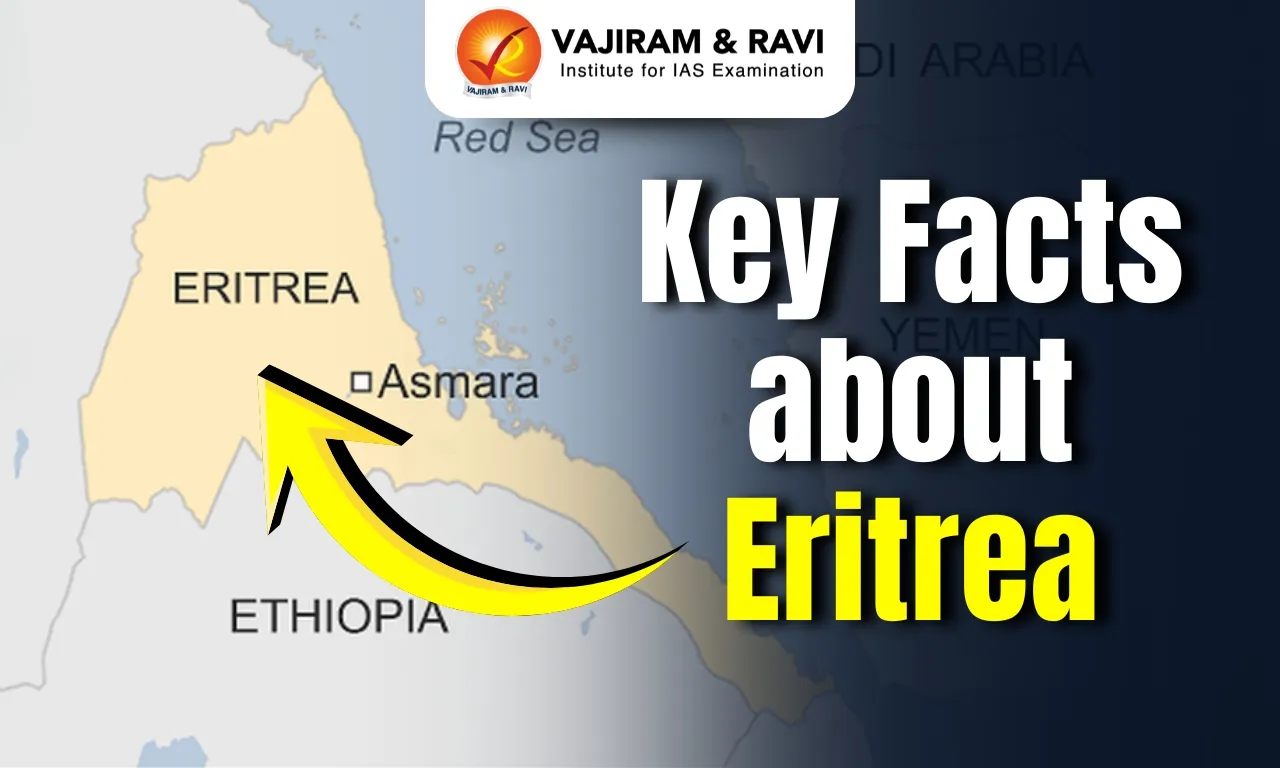
  • Location: It is located in the Horn of Africa.
  • Bordering Countries: It is bordered with Ethiopia, Sudan and Djibouti to the south, west, and southeast respectively.
  • Bordering Seas: It has an extensive coastline on the Red Sea to the north and east. 
  • It is a member country of the African Union, COMESA (Common Market for Eastern and Southern Africa).
  • Capital City:  Asmara

Geographical Features of Eritrea

  • Climate: The climate of Eritrea is tropical desert on the coast and the eastern plain, mild semiarid in the mountainous belt and tropical semiarid in the south-west.
  • Highest Peak: Mount Emba Soira is Eritrea's highest point, reaching an elevation of 3,018 meters (9,902 feet).
  • Major Rivers: Notable rivers in Eritrea include the Tekezé, Mereb, and Barka
  • Islands: It includes the Dahlak Archipelago and several of the Hanish Islands.
  • Natural Resources:  It mainly consists of copper, potash, zinc, oil, natural gas, cement, gypsum, granite, marble, ceramics, limestone, and iron ore.

Source: TH

Eritrea FAQs

Q1: Where is Eritrea located?

Ans: East Africa

Q2: What is the capital of Eritrea?

Ans: Asmara

HbA1c Test

HbA1c Test

HbA1c Test Latest News

A new study has found that glycated hemoglobin (HbA1c), a laboratory test commonly used in India for detecting type-2 diabetes, may not accurately reflect blood glucose levels.

About HbA1c Test

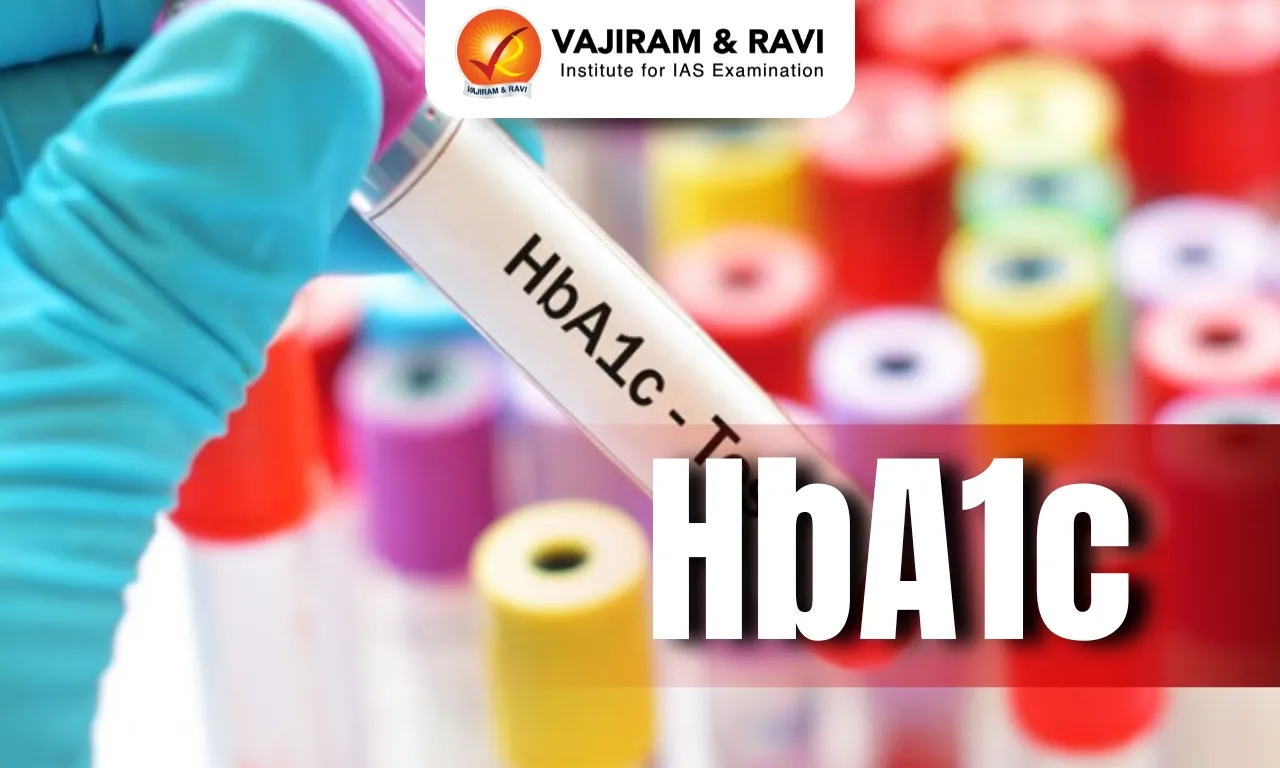
  • A hemoglobin A1C (HbA1C) test is a blood test that shows your average level of blood glucose, also called blood sugar, over the past two to three months.
    • Glucose is a type of sugar in your blood that comes from the foods you eat. Your cells use glucose for energy. 
    • A hormone called insulin helps glucose get into your cells. 
    • If you have diabetes, your body doesn't make enough insulin, or your cells don't use it well. 
    • As a result, glucose can't get into your cells, so your blood glucose levels increase.
    • Glucose in your blood sticks to hemoglobin, a protein in your red blood cells (RBCs). 
    • As your blood glucose levels increase, more of your hemoglobin will be coated with glucose. 
  • An A1C test measures the percentage of your RBCs that have glucose-coated hemoglobin.
  • An A1C test can show your average glucose level for the past three months because:
    • Glucose sticks to hemoglobin for as long as the RBCs are alive.
    • RBCs live about three months.
  • High A1C levels are a sign of high blood glucose from diabetes
  • Diabetes can cause serious health problems, including heart disease, kidney disease, and nerve damage
  • But with treatment and lifestyle changes, you can control your blood glucose levels.

Source: ET

HbA1c Test FAQs

Q1: What is the HbA1c test?

Ans: The HbA1c test is a blood test that shows the average blood glucose level over the past two to three months.

Q2: What does HbA1c stand for?

Ans: HbA1c stands for Hemoglobin A1c.

Q3: What does the HbA1c test measure?

Ans: It measures the percentage of hemoglobin in red blood cells that is coated with glucose.

Q4: What happens to HbA1c levels when blood glucose increases?

Ans: Higher blood glucose leads to higher HbA1c levels.

Kimberly Process

Kimberly Process

Kimberley Process Latest News

India has assumed the chair of the Kimberley Process (KP) for the year 2026.

About Kimberley Process 

  • It is a coalition of governments, civil society and the diamond industry to eliminate the trade in so-called conflict diamonds. 
  • Conflict diamonds are defined by the relevant United Nations Security Council resolution (UNSC resolution 1459) as “rough diamonds used by rebel movements or their allies to finance conflict aimed at undermining legitimate governments”.
  • Based on a mandate from the United Nations, the Kimberley Process regulates the international trade in rough diamonds. 
  • Participants in the scheme are required to:
    • Satisfy ‘minimum requirements’ and establish national legislation, institutions and import/export controls;
    • Commit to transparent practices and to the exchange of critical statistical data;
    • Trade only with other participants in the Scheme;
    • Certify shipments as conflict-free.
  • Currently it has 60 participants, representing 86 countries (with the EU as a single participant) which account for more than 99% of the global rough diamond production and trade. 
  • The KP meets twice a year at the Intersessional and Plenary meetings. It is chaired by a participating country on an annual, rotating basis. 
  • As a consensus-based body, the KP relies on the constructive engagement from all participants of the tripartite structure.

What is the Kimberley Process Certification Scheme (KPCS)?

  • It is the mechanism the KP uses to prevent the trade of conflict diamonds.
  • Under this scheme, the Government implements safeguards on shipments of rough diamonds and certifies the diamond as conflict-free.
  • According to this Scheme, each rough diamond shipment must be accompanied by the Kimberley Process certificate and transported in a tamper-resistant container. 
  • The KP certificate states the authenticity of the rough diamond.
  • Since 2003, India has been actively participating in the KPCS process. 
    • The Department of Commerce is the nodal Department.
    • Gem & Jewellery Export Promotion Council (GJEPC) is designated as the KPCS Importing and Exporting Authority in India.
    • GJEPC is responsible for issuing KP Certificates and is also the custodian of KP Certificates received in the country.

Source: TH

Kimberley Process FAQs

Q1: What is the Kimberley Process (KP)?

Ans: It is a coalition of governments, civil society, and the diamond industry aimed at eliminating the trade in conflict diamonds.

Q2: What does the Kimberley Process regulate?

Ans: It regulates the international trade in rough diamonds.

Q3: How many participants are currently part of the Kimberley Process?

Ans: There are 60 participants representing 86 countries, with the European Union as a single participant.

Q4: What is the Kimberley Process Certification Scheme (KPCS)?

Ans: It is the mechanism used by the KP to prevent the trade in conflict diamonds.

Himalayan Griffon

Himalayan Griffon

Himalayan Griffon Latest News

The Himalayan Griffon Vulture- which is usually found in the high-altitude region and migrates to Indian states —  was recently spotted in Melghat in the Amravati district of Maharashtra due to the presence of recently released captive-bred vultures.

About Himalayan Griffon

  • It is one of the nine species of vultures found in India.
  • It is a type of Old World Vulture.
  • Scientific Name: Gyps himalayensis 

Himalayan Griffon Distribution

  • It is found along the Himalayas and the adjoining Tibetan region and is also found in the Central Asian mountains.
  • Occasionally it migrates to northern India, but migration usually only occurs altitudinally.

Himalayan Griffon Features

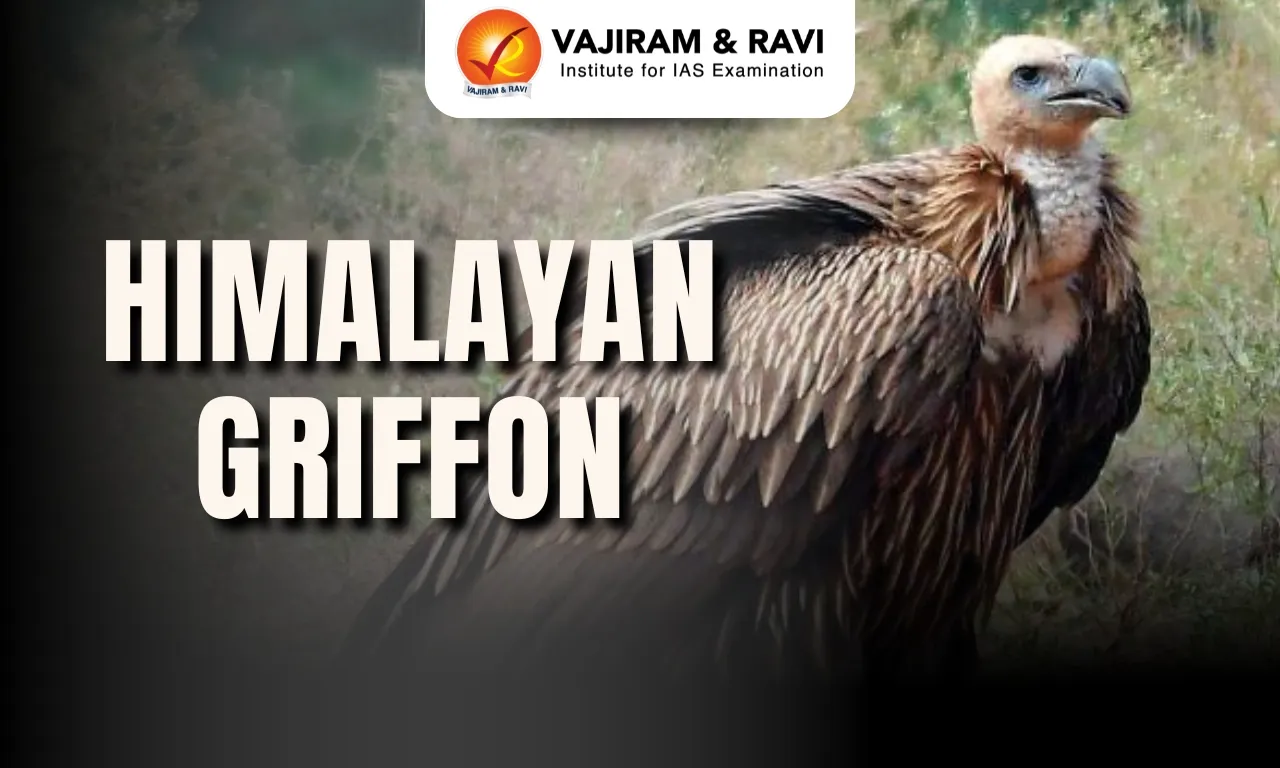
  • Himalayan vultures are huge, bulky vultures with stout bills, loosely feathered ruff, long wings, and a short tail. 
  • They can weigh up to 12 kg with a body length of 95 to 130 cm and a wingspan of 270 to 300 cm.
  • Due to sheer size and weight, these birds are incapable of sustained flapping flight and are thus often seen soaring on wind thermals.
  • Juveniles generally experience a gradual change of body covering from white down to dark brown feathers, with the head remaining a whitish color. 
  • Adults strongly contrast between cream and blackish, while the juveniles are dark.
  • These are monogamous, and pairs return to the same nesting and roosting sites from year to year.
  • Nests are built on ledges or in small caves 100 to 200 m up cliffs.
  • These are diurnal and mostly solitary species.

Himalayan Griffon Conservation Status

It is classified as 'Near Threatened' under the IUCN Red List.

Source: DH

Himalayan Griffon FAQs

Q1: What is the Himalayan Griffon?

Ans: It is a species of vulture found in the Himalayan region and is one of the nine vulture species recorded in India.

Q2: What is the scientific name of the Himalayan Griffon?

Ans: Gyps himalayensis.

Q3: Where is the Himalayan Griffon primarily distributed?

Ans: It is found along the Himalayas, the adjoining Tibetan region, and the Central Asian mountains.

Q4: What are the key physical features of the Himalayan Griffon?

Ans: It has a bulky body, stout bill, loosely feathered ruff, long wings, and a short tail.

Q5: What is the conservation status of the Himalayan Griffon according to the IUCN Red List?

Ans: It is classified as Near Threatened.

Enquire Now