SAHI and BODH Initiative

SAHI and BODH Initiative

SAHI and BODH Initiative Latest News

The Union Minister of Health and Family Welfare will launch two key national initiatives namely SAHI and BODH at the India AI Summit at Bharat Mandapam. 

About SAHI and BODH Initiative

About SAHI

  • The Strategy for Artificial Intelligence in Healthcare for India (SAHI) is a national guidance framework to enable the safe, ethical, evidence-based, and inclusive adoption of Artificial Intelligence across India’s healthcare system.
  • It aims to provide strategic direction on governance, data stewardship, validation, deployment, and monitoring of AI solutions, while supporting States and institutions in responsible adoption aligned with public health priorities.

About BODH

  • The Benchmarking Open Data Platform for Health AI (BODH) developed by the Indian Institute of Technology Kanpur in collaboration with the National Health Authority,
  • It is a privacy-preserving benchmarking platform that enables rigorous evaluation of AI models using diverse, real-world health data without sharing underlying datasets.
  • It is a digital public good under the Ayushman Bharat Digital Mission,
  • Significance: It is designed to strengthen trust, transparency, and quality assurance in Health AI deployment.

Source: PIB

SAHI and BODH Initiative FAQs

Q1: What is BODH (Benchmarking Open Data Platform for Health AI) designed for?

Ans: To evaluate AI models on diverse, real-world health data without sharing patient information.

Q2: What is the primary goal of SAHI?

Ans: To provide a national guidance framework for safe and ethical AI adoption in healthcare.
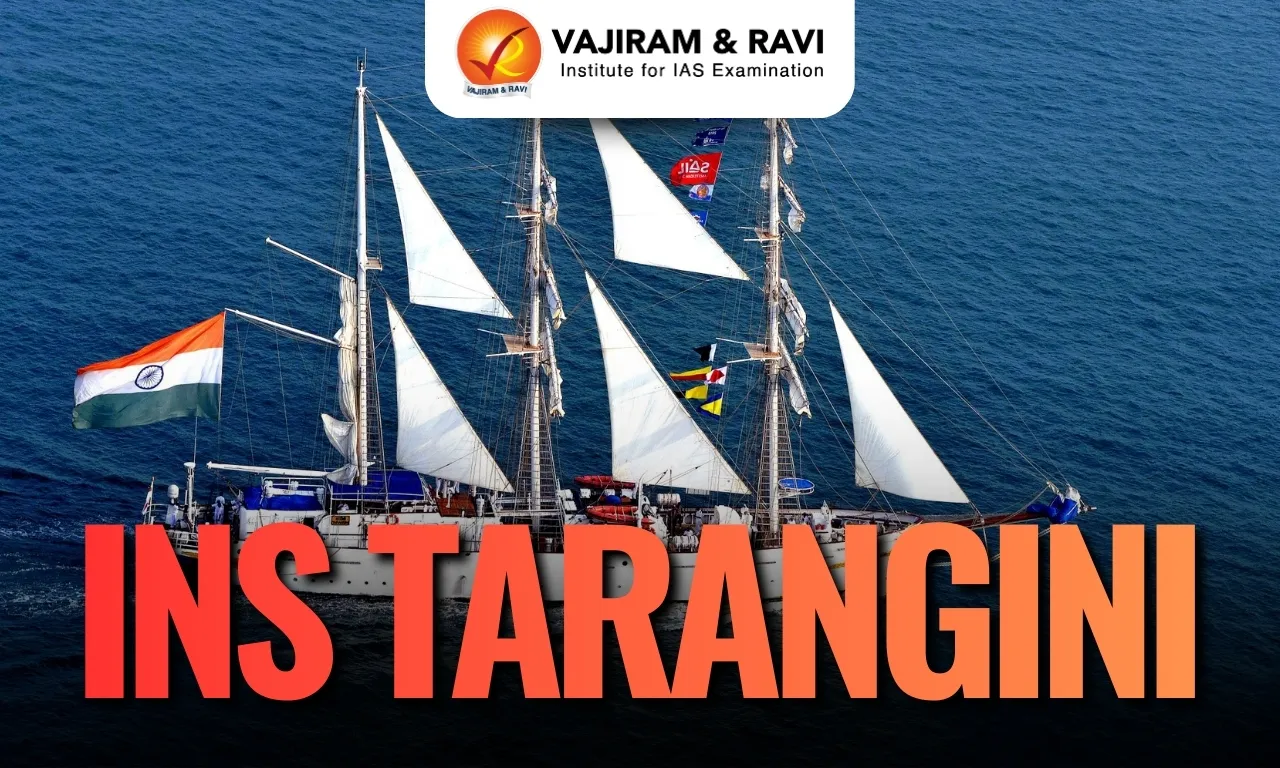
INS Tarangini

INS Tarangini

INS Tarangini Latest News

The sail training ship INS Tarangini is among several Indian and foreign naval vessels that arrived in Visakhapatnam for the international fleet review and MILAN exercise beginning February 18.

About INS Tarangini

  • It is the Indian Navy’s first Sail Training Ship (STS).
  • It was built by Goa Shipyard Limited and was commissioned on 11 November 1997. 
  • It became the first Indian naval ship to navigate the globe in 2003-2004.
  • The ship is a ‘three-masted barque’ signifying that she is square-rigged on the fore and mainmast and fore-and-aft-rigged on the Mizzen mast. 
  • The ship has excellent endurance and can remain at sea continuously for a period of over 20 days. 
  • It has a complement of eight officers and thirty eight sailors as permanent crew and can accommodate and impart sail training to 30 cadets.
  • The primary role of the ship is to foster time-honored virtues of courage, camaraderie, and endurance in officer cadets embarking on a naval career.
  • It provides an ideal setting for firsthand experience of the natural elements by imparting training which includes sailing, setting and furling of sails, watch-keeping, and sail manoeuvres.

Source: DC

INS Tarangini FAQs

Q1: What is INS Tarangini?

Ans: It is the Indian Navy’s first Sail Training Ship (STS).

Q2: Which shipyard built INS Tarangini?

Ans: It was built by Goa Shipyard Limited.

Q3: When was INS Tarangini commissioned?

Ans: It was commissioned on 11 November 1997.

Q4: What historic achievement did INS Tarangini accomplish in 2003–2004?

Ans: It became the first Indian naval ship to navigate the globe.

Nitric Oxide

Nitric Oxide

Nitric Oxide Latest News

In a study published in Science Translational Medicine, researchers found that a high dose of inhaled nitric oxide reduced drug-resistant Pseudomonas in a large-animal ICU model.

About Nitric Oxide

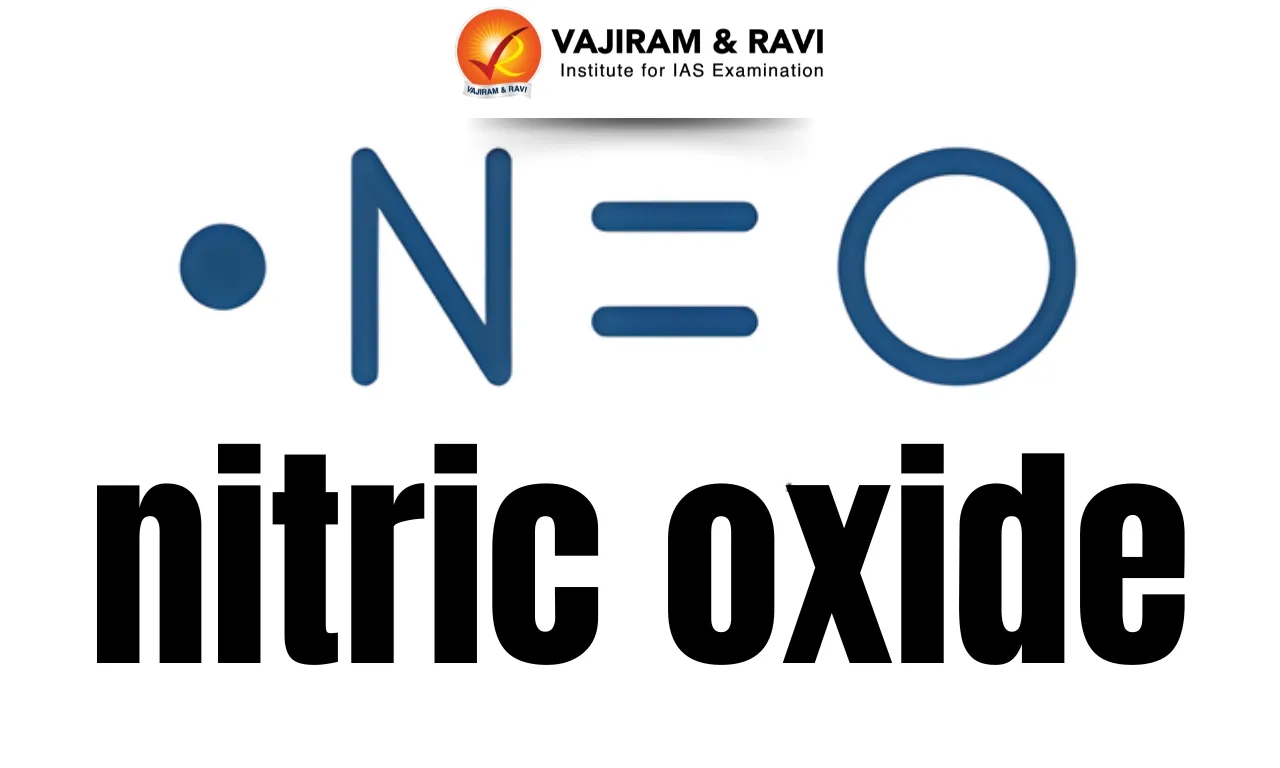
  • It exists in a gaseous state and is composed of  one nitrogen and one oxygen atom.
  • It was first prepared around 1620 by Jan Baptista van Helmont, and studied in 1772 by Joseph Priestley.
  • Formation: It is formed through nitrogen oxidation.
  • It can be created when lightning occurs, uniting nitrogen and oxygen in the air, or commercially by burning ammonia.

Properties of Nitric Oxide

  • It is a colorless, toxic gas.
  • It is noncombustible but accelerates the burning of combustible material.
  • It can be found in the natural environment and within parts of the human body.

Roles of Nitric Oxide

  • It plays important chemical signaling roles in humans and animals, plus some medical uses.
  • In animals, nitric oxide transmits signals to cells in the cardiovascular, nervous, and immune systems.
  • The body synthesizes it from the amino acid L-arginine with the help of nitric oxide synthase.
  • It helps regulate blood pressure by dilating blood vessels and acts as a neurotransmitter. 
  • Impact on Environment: Nitric oxide is generated by automotive engines and thermal power plants, making it a serious air pollutant.

Source: TH

Nitric Oxide FAQs

Q1: Who first prepared Nitric Oxide around 1620?

Ans: Jan Baptista van Helmont

Q2: What is a significant role of Nitric Oxide in humans?

Ans: Chemical signaling

Lepidocampa Sikkimensis

Lepidocampa Sikkimensis

Lepidocampa Sikkimensis Latest News

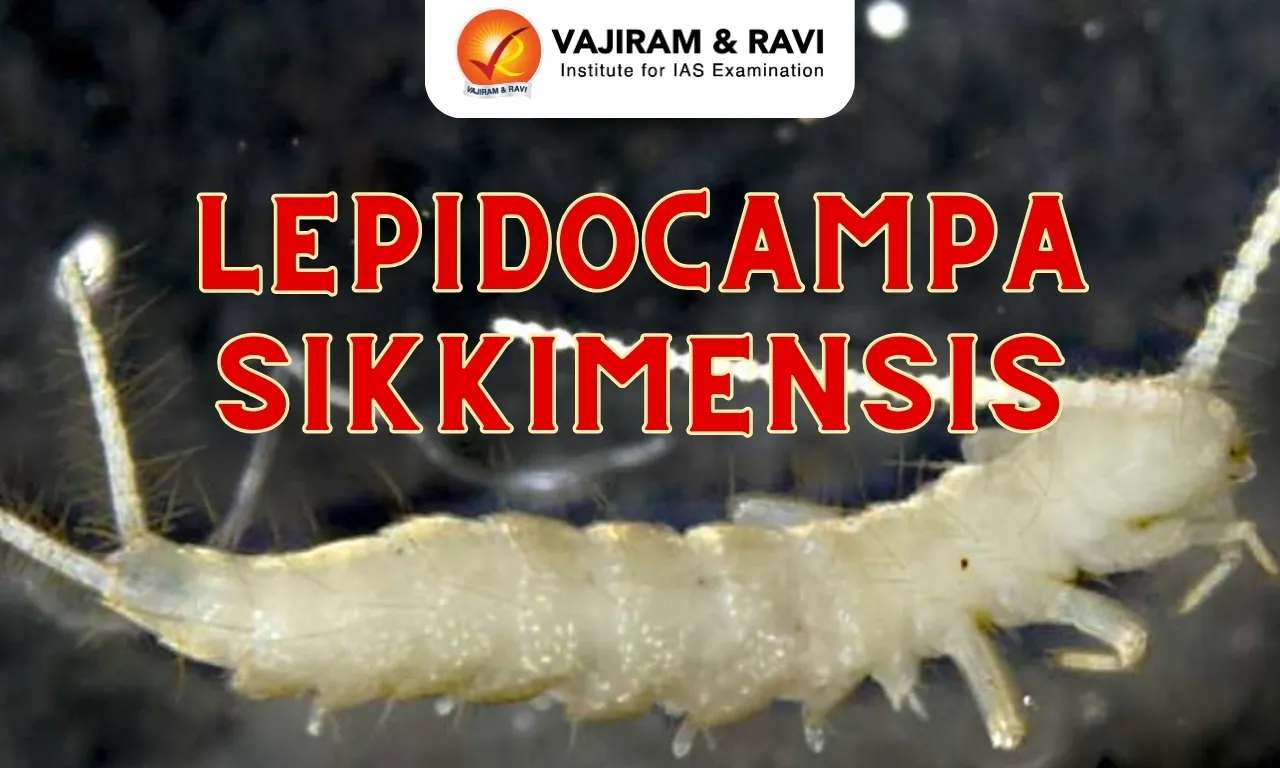
Scientists from the Zoological Survey of India (ZSI) recently discovered a new species of Diplura named  Lepidocampa sikkimensis in the eastern Himalayas.

About Lepidocampa Sikkimensis

  • It is a new species of Diplura discovered in Ravangla, Sikkim.
  • Diplura are small, wingless, soil-dwelling arthropods.
  • It represents the first time a species within this primitive hexapod group has been described by an Indian research team. 
  • While 17 species had been previously documented within the country, all were historically described by foreign researchers.
  • Morphological Distinctiveness: The species is distinguished by its unique arrangement of body scales, specific chaetotaxy (bristle patterns), and specialized appendage structures.
  • Ecological Role: As primitive, blind hexapods, Diplurans (two-pronged bristletails) are fundamental to soil health, playing a critical role in nutrient cycling and the maintenance of soil structure.
  • Beyond the description of a new species, the study provides a comprehensive update to Indian soil fauna records:
    • Rediscovery: The team successfully relocated a rare Indian Diplura subspecies, Lepidocampa juradii bengalensis, which had not been recorded in nearly 50 years.
    • Molecular Breakthrough: The study provides the first-ever DNA barcode data globally for an Indian Lepidocampa species, bridging a significant gap between traditional morphology and modern molecular phylogenetics.

Source: TS

Lepidocampa sikkimensis FAQs

Q1: What is Lepidocampa sikkimensis?

Ans: It is a new species of Diplura.

Q2: Where was Lepidocampa sikkimensis discovered?

Ans: It was discovered in Ravangla, Sikkim.

Q3: What are Diplura?

Ans: Diplura are small, wingless, soil-dwelling arthropods.

Q4: What morphological features distinguish Lepidocampa sikkimensis?

Ans: It is distinguished by its unique arrangement of body scales, specific chaetotaxy (bristle patterns), and specialized appendage structures.

Tulbul Navigation Barrage Project

Tulbul Navigation Barrage Project

Tulbul Navigation Barrage Project Latest News

The Jammu & Kashmir government is mulling to take advantage of the suspended Indus Waters Treaty (IWT) by diverting, for the first time, water from the Ravi river in Punjab to the Jammu region, and pushing for the revival of the Tulbul Navigation Barrage project.

About Tulbul Navigation Barrage Project

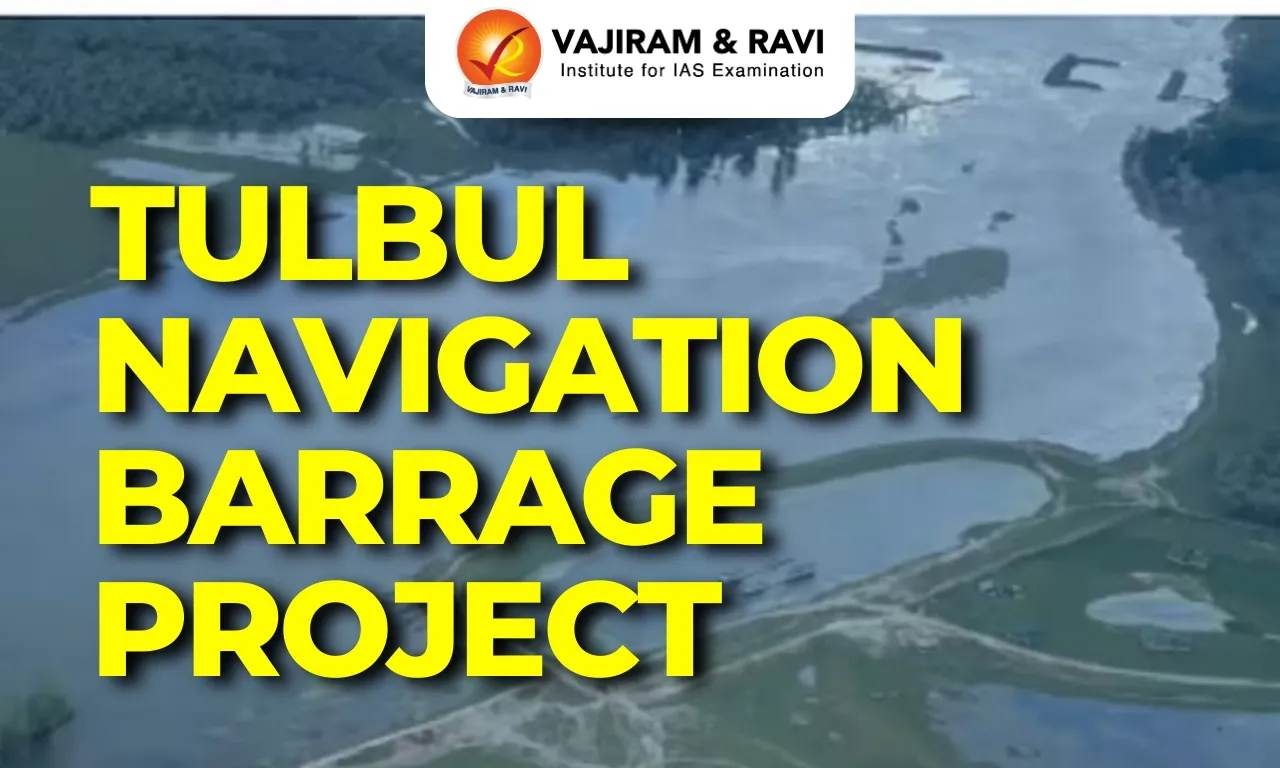
  • The Tulbul Navigation Barrage Project, also known as the Wullar Barrage, is a navigation lock-cum-control structure located at the outlet of Wullar Lake, in J&K.
  • It was designed to facilitate navigation on the Jhelum River during lean winter months (Oct-Feb).
  • The work on the project had started in 1984 but had to be stopped due to objections by Pakistan under IWT.
  • It was originally designed as a 439-ft-long and 40-ft-wide structure with a storage capacity of 0.30 million acre-feet.
  • The barrage, once completed, would have regulated the water of the Wular Lake to maintain a minimum draft of 4.4 ft in the river up to Baramulla during the winter season. 
  • This minimum draft would have ensured round-the-year navigation over a 20-km stretch between Baramulla and Sopore.
  • Besides, the project would have provided water and helped in firming up power generation in downstream hydroelectric plants such as the Uri I and II hydro projects.

Key Facts about Wular Lake

  • It is the largest freshwater lake in India and the second largest freshwater lake in Asia.
  • It is located in the Bandipore district of Jammu and Kashmir.
  • It is fed by the Jhelum River.
  • The lake lies at an altitude of 1,580 m on the foothills of Haramuk Mountain.
  • It is spread over a total area of 200 sq.km., covering almost 24 km in length and 10 km in breadth.
  • The lake basin was formed as a result of tectonic activity.
  • In 1990, it was designated as a Wetland of International Importance under the Ramsar Convention.

Source: TH

Tulbul Navigation Barrage Project FAQs

Q1: What is the Tulbul Navigation Barrage Project?

Ans: It is a navigation lock-cum-control structure located at the outlet of Wullar Lake, in J&K.

Q2: What is the Tulbul Navigation Barrage Project also known as?

Ans: It is also known as the Wullar Barrage.

Q3: When did work on the Tulbul Navigation Barrage Project begin?

Ans: The work on the project had started in 1984 but had to be stopped due to objections by Pakistan under Indus Waters Treaty (IWT).

Q4: What is the objective of Tulbul Navigation Barrage Project?

Ans: It was designed to facilitate navigation on the Jhelum River during lean winter months (Oct-Feb).

Khorramshahr-4 Missile

Khorramshahr-4 Missile

Khorramshahr-4 Missile Latest News

Iran recently released dramatic footage of its Khorramshahr‑4 ballistic missile — one of Tehran’s most powerful medium‑range missiles — as tensions with the United States continue to rise.

About Khorramshahr-4 Missile

  • Also known as the Kheibar missile, it is a medium-range ballistic missile developed by Iranian state-owned defence company Aerospace Industries Organization (AIO).
  • Iran first test-fired the missile in January 2017 and first publicly displayed it at a September 2017 military parade in Tehran. 

Khorramshahr-4 Missile Features

  • It stands 13 metres tall along with a 1.5-metre diameter weighing up to 20 tonnes.
  • It is liquid-fuelled and has an operational range of approximately 2,000 kilometers.
  • It has the capability of carrying multiple warheads of up to 1,800 kg. 
  • It is capable of striking 80 targets upon reaching the target area.
  • Its launch preparation time is less than 15 minutes.
  • The missile travels 16 times the speed of sound in the outer atmosphere and eight times within the atmosphere.

Source: ONE

Khorramshahr-4 Missile FAQs

Q1: What type of missile is the Khorramshahr-4?

Ans: It is a medium-range ballistic missile.

Q2: Which country developed the Khorramshahr-4 Missile?

Ans: It was developed by Iran.

Q3: What is the operational range of the Khorramshahr-4 Missile?

Ans: Its operational range is approximately 2,000 kilometers.

Q4: What is the maximum payload capacity of the Khorramshahr-4 Missile?

Ans: It can carry multiple warheads weighing up to 1,800 kg.

Lake Michigan

Lake Michigan

Lake Michigan Latest News

More than 150 years after it sank in a powerful storm, the remains of the luxury steamer Lac La Belle have finally been found at the bottom of Lake Michigan.

About Lake Michigan

  • It is the third largest of the five Great Lakes of North America and the only one lying wholly within the United States.
  • It is the fourth largest freshwater lake and the fifth largest lake in the world, ranked by surface area.
  • Surface Area: 57,757 sq.km.
  • The lake is 517 km long (north to south); it has a maximum width of 190 km.
  • It is connected directly to Lake Huron, into which it drains, through the broad Straits of Mackinac.
  • This hydrologic connection through the Straits keeps the water levels of the two lakes in equilibrium, causing them to behave in many ways as though they are one lake.
  • Water flows into Lake Michigan from several rivers, including the Fox-Wolf, the Grand, the St. Joseph, and the Kalamazoo rivers, among others. 
  • The northern end of the lake contains all of the islands, the largest of which is Beaver Island, Michigan.
  • The lake boasts a variety of natural habitats, including tallgrass prairies, wide savannas, and the world’s largest freshwater sand dunes.
  • The land adjacent to Lake Michigan is low and gently rolling, but wave-cut bluffs of rock occur in many places. 
  • It hosts a wealth of plant and animal species, many of which are rare or endangered (such as the Hine’s Emerald Dragonfly and the Dwarf Lake Iris).

Source: NDTV

Lake Michigan FAQs

Q1: Lake Michigan is located in which country?

Ans: It is located in the United States

Q2: Which position does Lake Michigan hold among the five Great Lakes of North America?

Ans: It is the third largest of the five Great Lakes.

Q3: What is the surface area of Lake Michigan?

Ans: Its surface area is 57,757 square kilometers.

Q4: Through which water body is Lake Michigan directly connected to Lake Huron?

Ans: It is connected through the Straits of Mackinac.

Q5: Which is the largest island in Lake Michigan?

Ans: The largest island is Beaver Island, Michigan.

Key Facts about South Korea

Key Facts about South Korea

South Korea Latest News

Recently, India and South Korea held the 6th foreign policy and security dialogue in Seoul.

About South Korea

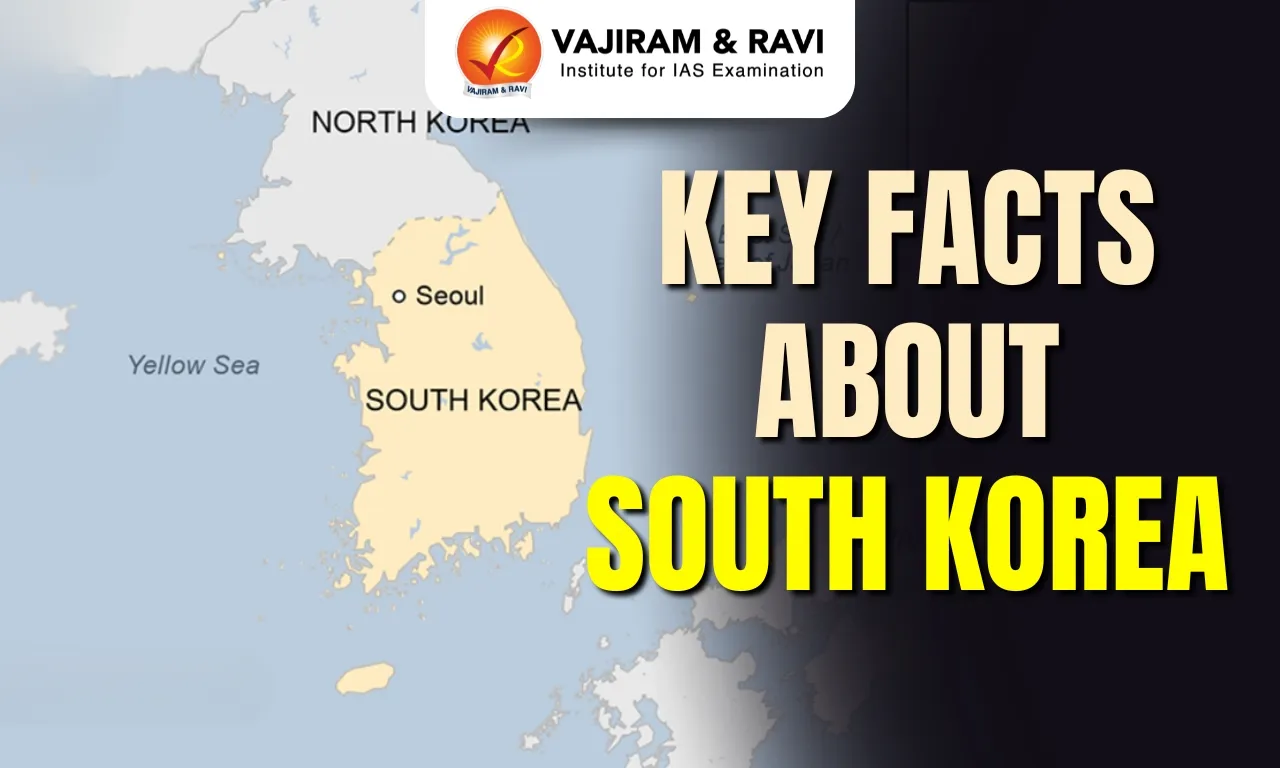
  • Location: It occupies the southern half of the Korean Peninsula.
  • Bordering Country: North Korea
  • Maritime Borders: To the east by the East Sea (Sea of Japan), to the south by the East China Sea, and to the west by the Yellow Sea.
  • To the southeast it is separated from the Japanese island of Tsushima by the Korea Strait.
  • Capital: Seoul.

Geographical Features of South Korea

  • Climate: South Korea has a continental climate, with hot, rainy summers and cold winters. 
  • Major Rivers: Han River, Nakdong River.
  • Major Islands: Jeju Island in the Korea Strait is the largest island.
  • Mountains: The country is dominated by the Taebaek Mountain range along the eastern coast.
  • Highest Peak: Mount Halla on Jeju Island (1,950 meters), an extinct volcano.
  • Natural Resources: The most important reserves are anthracite coal, iron ore, graphite, gold, silver, tungsten, lead, and zinc.

Source: DD News

South Korea FAQs

Q1: Which currency is used in South Korea?

Ans: Won

Q2: What is the capital of South Korea?

Ans: Seoul

Food Safety and Standards Authority of India

Food Safety and Standards Authority of India

Food Safety and Standards Authority of India Latest News

The Supreme Court has asked the Food Safety and Standards Authority of India (FSSAI) to consider introducing mandatory front-of-package warning labels (FOPL) on packaged food products high in sugar, salt and saturated fat.

About Food Safety and Standards Authority of India

  • It has been established under the Food Safety and Standards Act, 2006.
  • It was established under the Ministry of Health and Family Welfare, Government of India.
  • FSSAI is responsible for setting food standards, regulating the manufacture, storage, distribution, sale, and import of food, and ensuring the availability of safe and wholesome food for human consumption. 
  • Functions
    • Standards Development: It formulates standards for various food products, ensuring they are safe for consumption.
    • Food Safety Management Systems: It provides guidelines for businesses to implement effective food safety management practices.
    • Licensing and Registration: FSSAI manages the licensing process for food businesses, ensuring they comply with food safety regulations.
    • Surveillance and Monitoring: Regular inspections and audits are conducted to assess compliance with food safety standards.
    • Consumer Awareness: Initiatives to educate the public about food safety, hygiene, and nutrition are a key focus area.
  • Those who are selling or importing food in India needs a
  • FSSAI also directly monitors compliance of food regulations and food licence issued by FSSAI., especially in the area of food imports to India. 
  • The FSSAI is also responsible for the accreditation of food testing laboratories throughout India.
  • It has notified 14 referral labs, 72 State/UT labs across India, and 112 NABL approved commercial labs, all of which are situated throughout the country.

Source: TH

Food Safety and Standards Authority of India FAQ's

Q1: Under which ministry does FSSAI operate?

Ans: Ministry of Health and Family Welfare

Q2: What is the FSSAI's role in food regulation?

Ans: Set food standards and regulate

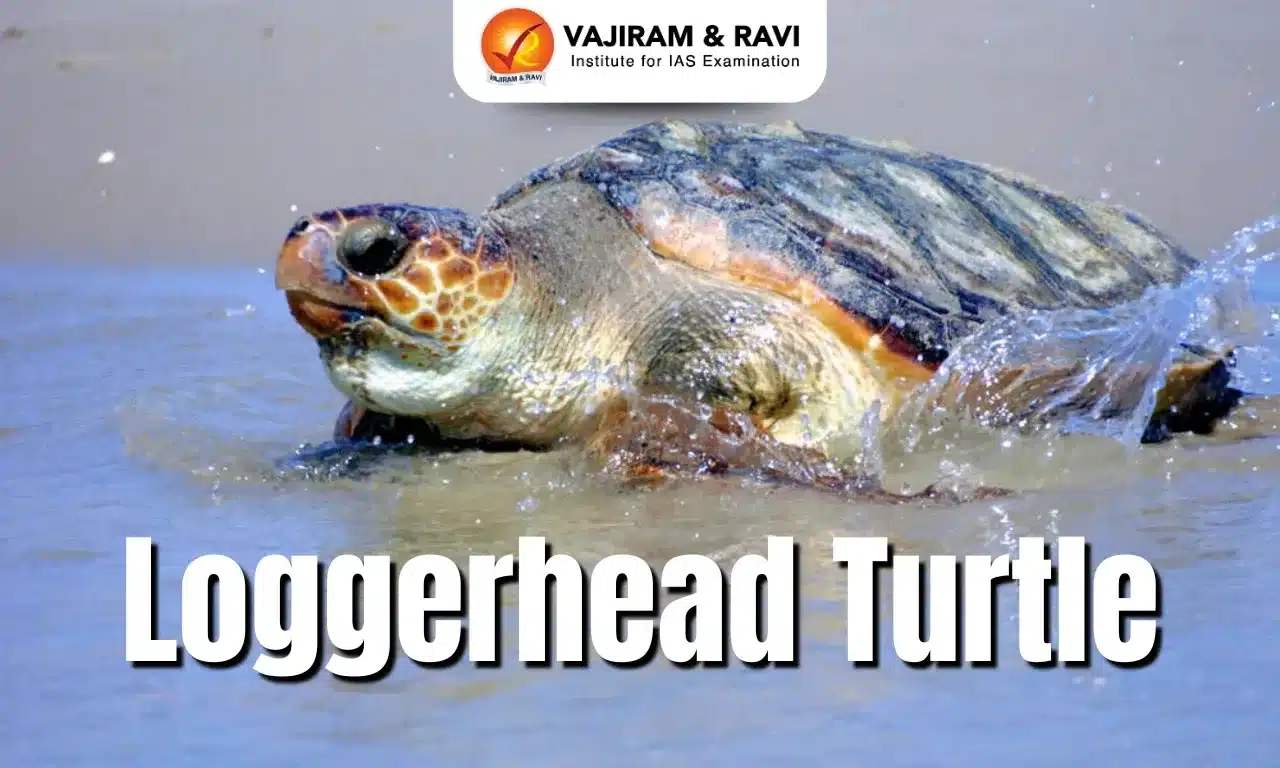
Loggerhead Turtle

Loggerhead Turtle

Loggerhead Turtle Latest News

Recently, it is observed that warmer oceans and depleting food have affected the ubiquitous marine Loggerhead turtle’s reproductive and migratory patterns, and even its size

About Loggerhead Turtle

  • It is a species of oceanic turtle belonging to the family Cheloniidae.
  • It is named Loggerhead for their large heads that support powerful jaw muscles.
  • It is the world’s largest hard-shelled turtle, slightly larger at average and maximum mature weights than the green sea turtle and the Galapagos tortoise.
  • It is also the world’s second largest extant turtle after the leatherback sea turtle. 
  • It uses the geomagnetic field as a map when navigating large distances.
  • Habitat: They may be found hundreds of miles out to sea, as well as in inshore areas such as bays, lagoons, salt marshes, creeks.
  • Distribution: It inhabits the Atlantic, Indian, and Pacific Oceans and the Mediterranean Sea.
  • Diet: It is omnivorous, feeding mainly on bottom-dwelling invertebrates, such as gastropods, bivalves, and decapods.
  • Lifespan: Loggerheads can live up to 80 years or more. 
  • Conservation status: IUCN: Vulnerable.
  • Threats: Climate change, direct harvest of turtles and eggs, Loss and degradation of nesting habitat, Ocean pollution/marine debris and bycatch in fishing gear.

Source: TH

Loggerhead Turtle FAQs

Q1: What is the primary diet of Loggerhead Turtles?

Ans: Crustaceans and mollusks

Q2: Where do Loggerhead Turtles typically nest?

Ans: Sandy beaches

Enquire Now