About Dengue:
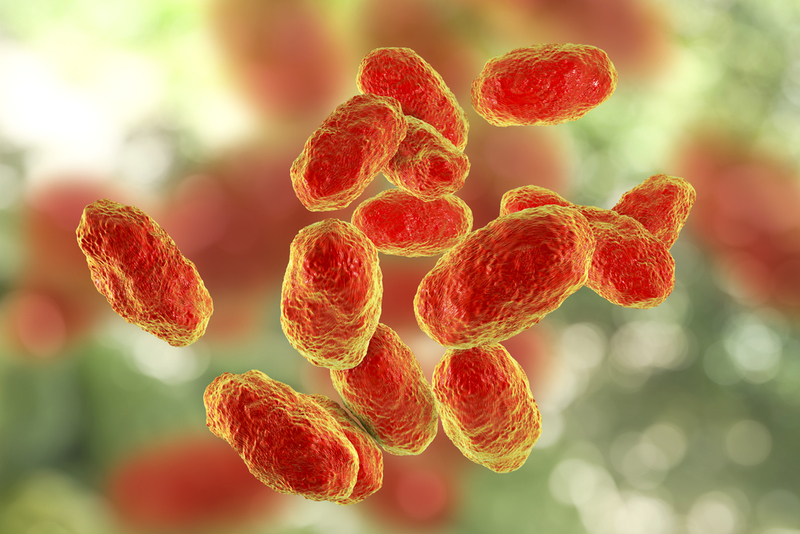
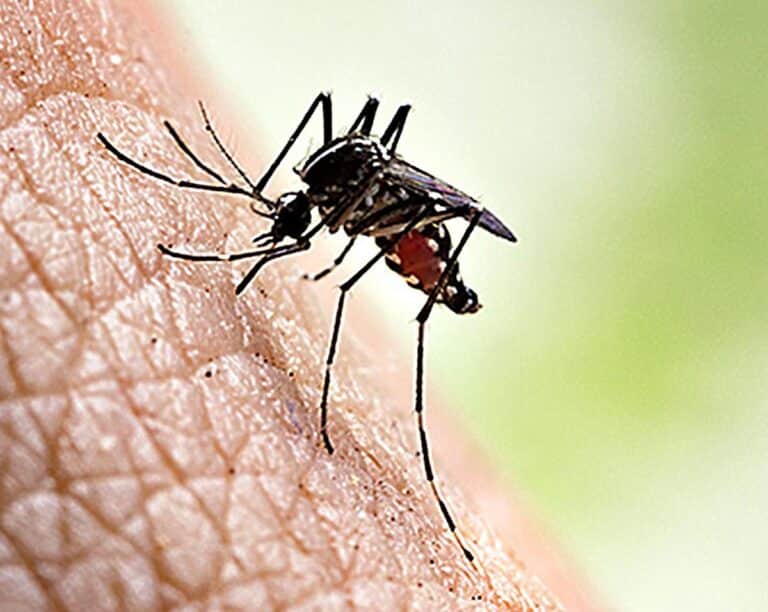
- Dengue (break-bone fever) is a mosquito-borne viral infection.
- It is more common in tropical and subtropical climates, mostly in urban and semi-urban areas.
- While many dengue infections are asymptomatic or produce only mild illness, the virus can occasionally cause more severe cases, and even death.
- Transmission:
- It is transmitted to humans through the bite of infected Aedes mosquitoes carrying one of four types of dengue virus (DENV).
- Dengue isn’t contagious from person to person except when passed from a pregnant person to their child.
- An estimated 400 million dengue infections occur worldwide each year, with about 96 million resulting in illness.
- A person can be infected with dengue multiple times in their life.
- Symptoms:
- The most common symptoms are high fever, headache, body aches, nausea, and rash. Most will get better in 1–2 weeks.
- A very small portion of people with dengue fever get a severe case. It’s called dengue hemorrhagic fever.
- Symptoms show up as the fever begins to ease. These may include vomiting that does not go away, rapid breathing, blood in vomit, and bleeding gums.
- Individuals who are infected for the second time are at greater risk of severe dengue. In severe cases, dengue can be fatal.
- Treatment:
- There is no specific medicine to treat dengue. The focus is on treating pain symptoms.
- It is generally treated with supportive care such as pain relievers, bed rest, and fluids.
Q1: What is a Virus?
A virus is an infectious microbe consisting of a segment of nucleic acid (either DNA or RNA) surrounded by a protein coat. A virus cannot replicate alone; instead, it must infect cells and use components of the host cell to make copies of itself. Often, a virus ends up killing the host cell in the process, causing damage to the host organism. Well-known examples of viruses causing human disease include AIDS, COVID-19, measles and smallpox.






 Last updated on April, 2026
→ UPSC Final Result 2025 is now out.
→ UPSC has released UPSC Toppers List 2025 with the Civil Services final result on its official website.
→ Anuj Agnihotri secured AIR 1 in the UPSC Civil Services Examination 2025.
→ UPSC Marksheet 2025 is now out.
→ UPSC Notification 2026 & UPSC IFoS Notification 2026 is now out on the official website at upsconline.nic.in.
→ UPSC Calendar 2026 has been released.
→ Check out the latest UPSC Syllabus 2026 here.
→ UPSC Prelims 2026 will be conducted on 24th May, 2026 & UPSC Mains 2026 will be conducted on 21st August 2026.
→ The UPSC Selection Process is of 3 stages-Prelims, Mains and Interview.
→ Prepare effectively with Vajiram & Ravi’s UPSC Prelims Test Series 2026 featuring full-length mock tests, detailed solutions, and performance analysis.
→ Enroll in Vajiram & Ravi’s UPSC Mains Test Series 2026 for structured answer writing practice, expert evaluation, and exam-oriented feedback.
→ Join Vajiram & Ravi’s Best UPSC Mentorship Program for personalized guidance, strategy planning, and one-to-one support from experienced mentors.
→ Shakti Dubey secures AIR 1 in UPSC CSE Exam 2024.
→ Also check Best UPSC Coaching in India