About Coal Mines (Nationalisation) Act, 1973:
- It was enacted by the Indian Parliament, providing for the acquisition and transfer of the right, title and interest of the owners in respect of coal mines specified in the Schedule.
- The Schedule to the Act contained a list of about 711 coal mines located in different parts of the country.
- Objective: To ensure the rational, coordinated and scientific development and utilisation of coal resources consistent with the growing requirements of the country.
- Under the Act, coal mining is exclusively reserved for the public sector.
- By an amendment to the Act in 1976, two exceptions to this policy were introduced, viz.
- captive mining by private companies engaged in the production of iron and steel;
- sub-lease for coal mining to private parties in isolated small pockets not amenable to economic development and not requiring rail transport;
- It was amended e.f. 9.6.1993 to allow private sector participation in captive coal mining for generation of power, for washing of coal obtained from a mine or for other end uses to be notified by Government from time to time in addition to the existing provision for the production of iron and steel.
- Under the Act, the allotment of coal mines for captive use was based on the recommendation of a high-powered committee chaired by the Secretary, Ministry of Coal.
- Mining of Coal for captive use for the production of cement has also been permitted by the Government notification.
What are Captive Mines?
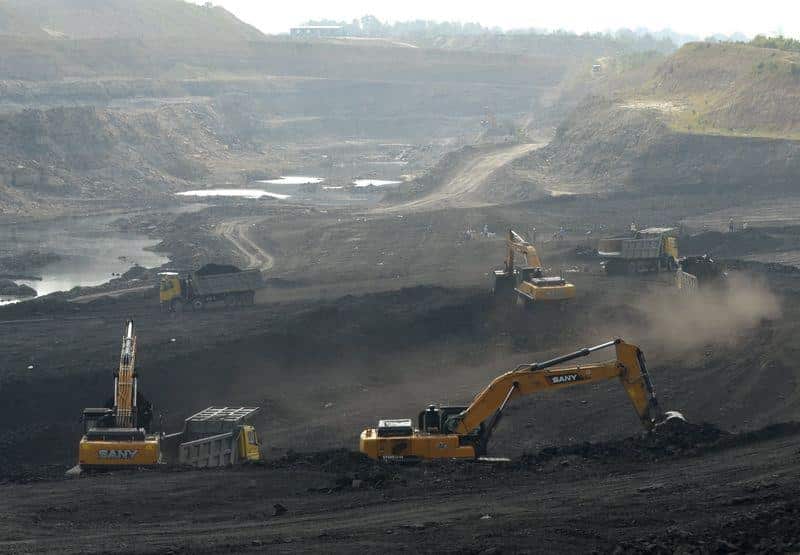
- Captive mines are the mines that are owned by companies.
- The coal or mineral produced from these mines is for the exclusive use of the owner company of the mines.
- The company cannot sell coal or mineral outside.
Q1) What is the Competition Commission of India (CCI)?
CCI is a statutory body established under the Competition Act, 2002, tasked with ensuring a fair and healthy competition in economic activities of the country. It is to act as an antitrust watchdog and ensure that there is no abuse of dominant position by a company in the market.
Source: Coal India cannot take refuge under 1973 Act: CCI in SC


 Last updated on Oct, 2026
→ UPSC 2027 Notification will be released on 13 January 2027 at upsconline.nic.in.
→ Asian Games 2026 are being held in Aichi-Nagoya, Japan, from 19 September to 4 October.
→ Check Nobel Prize 2026 Winners List here.
→ Download PIB PRiSM Monthly Magazine 2026 here.
→ Check UPSC Monthly Current Affairs Magazine The Recitals here.
→ Check out the latest UPSC Syllabus here.
→ Download UPSC Model Answers for Mains 2026
→ UPSC Mains Question Paper 2026 is out now for Essay & GS Paper 1, 2, 3 & 4.
→ UPSC Calendar 2027 has been released.
→ Enroll in Vajiram & Ravi’s UPSC Mains Test Series 2027 for structured answer writing practice, expert evaluation, and exam-oriented feedback.
→ Join Vajiram & Ravi’s UPSC Mentorship Program 2027 for personalized guidance, strategy planning, and one-to-one support from experienced mentors.
→ Go through the UPSC Mains Previous Year Papers to enhance your preparation.
→ UPSC has released UPSC Toppers List 2025 with the Civil Services final result on its official website.
→ Also check Best UPSC Coaching in India