




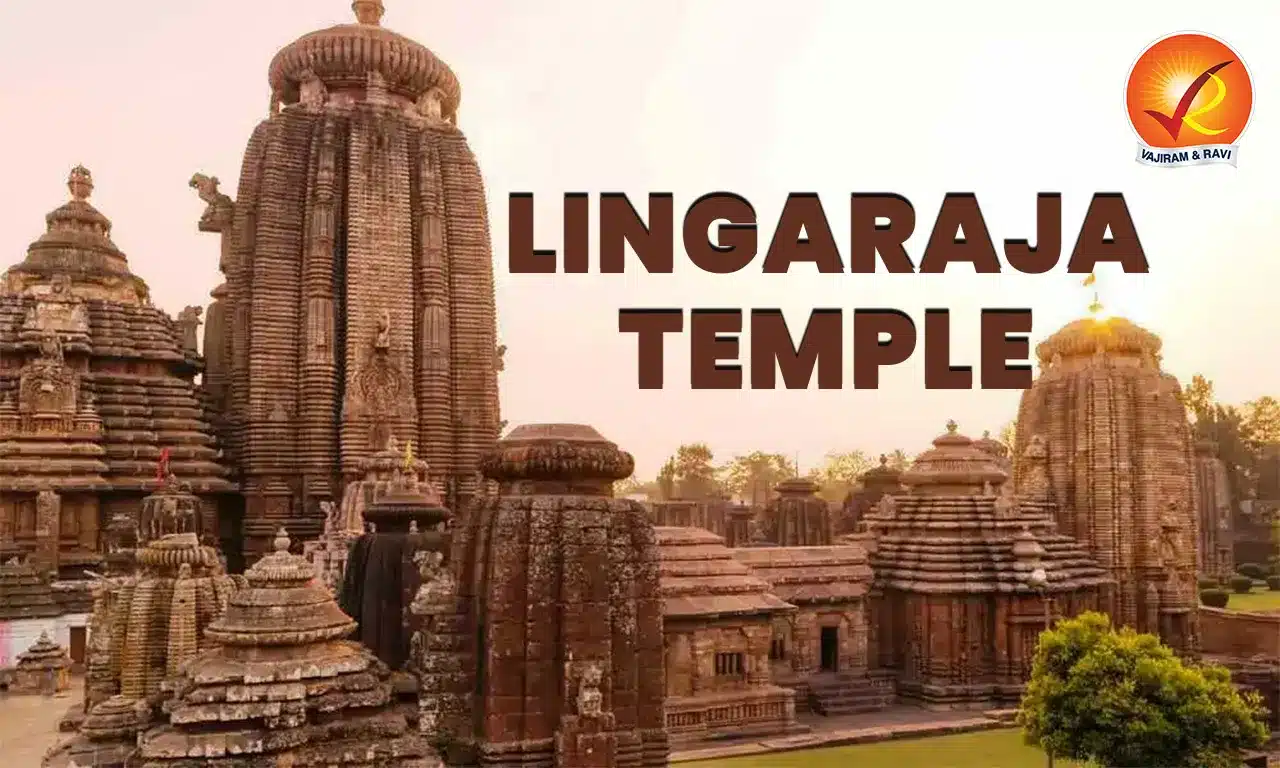
The Lingaraja Temple in Bhubaneswar, Odisha, is a monumental shrine dedicated to Lord Shiva as Harihara, a fusion of Shiva and Vishnu. Built in the 11th century AD under King Jajati Keshari, the temple showcases Kalinga architecture, with its towering vimana (55 meters) and intricate carvings. It holds profound religious significance, housing the Svayambhu Linga, a self-manifested Shiva idol believed to grant moksha.
The temple is also a symbol of Shaivism and Vaishnavism coexistence, located in Ekamra Kshetra. Major festivals like Maha Shivaratri and Ashokashtami draw thousands of devotees.
Lingaraja Temple History
The Lingaraja Temple, located in Bhubaneswar, Odisha, is a monumental shrine dedicated to Lord Shiva, revered as Harihara, a combined form of Shiva and Vishnu. This iconic temple is a masterpiece of ancient Indian architecture and stands as a significant landmark in Odisha's cultural and spiritual history.
- Origins of the Temple: The temple's origins can be traced back to the 7th century AD, with references in ancient texts such as the Brahma Purana indicating that the worship of Lord Shiva in the region predates the formal construction of the temple.
- Construction and Patronage: The existing structure of the temple was constructed during the 11th century AD under the reign of King Jajati Keshari of the Somavamsi dynasty.
- King Jajati Keshari, after shifting his capital from Jajpur to Bhubaneswar, initiated the construction of the Lingaraja temple.
Lingaraja Temple Architecture
The Lingaraja Temple (Bhubaneswar) is one of the most significant examples of Kalinga architecture, the temple showcases exceptional craftsmanship, structural ingenuity, and religious significance. The temple is a towering example of the Deula style of Kalinga architecture, which is distinguished by its distinctive structural components and artistic adornments.
- Deula Style of Kalinga Architecture: The Lingaraja Temple is a quintessential example of the Deula style, characteristic of Orissa School / Kalinga architecture (Sub-school of Nagara School of Architecture), featuring four key structural components.
- Vimana (Garbhagriha): The sanctum sanctorum, where Lord Shiva is enshrined, rises to a height of 55 meters (180 feet), making it one of the tallest structures of its era.
- Jagamohana: The assembly hall, located in front of the sanctum, is slightly shorter but equally ornate, serving as a gathering space for devotees.
- Nata Mandira: The festival hall is used for cultural rituals and dance performances, highlighting the role of art in temple traditions.
- Bhoga Mandapa: The hall for offerings, forming the entrance part of the temple complex, contributing to the overall design and significance.
- Locally Sourced Materials: The temple is primarily constructed using sandstone and laterite, typical of the region's ancient architectural traditions.
- Massive Boundary Wall: The temple complex is enclosed by a boundary wall measuring 520 feet (160 meters) by 465 feet (142 meters), with a thickness of 7.5 feet (2.3 meters), serving as both a protective barrier and a defining feature.
- Sandalwood Entrance Gate: The grand entrance gate made of sandalwood enhances the temple's aesthetic appeal, welcoming devotees into the sacred space.
- Intricate Carvings: The entire structure, from the shikhara to the base, is adorned with detailed carvings depicting Hindu mythology, religious iconography, and divine narratives.
- Sculptural Details: The walls of the Lingaraja Temple are adorned with sculpted female figures in various postures, reflecting themes of beauty and grace, while intricate floral patterns further embellish the temple.
- Advanced Construction Techniques: The ability to transport and position large stones without modern machinery reflects the engineering ingenuity of ancient Indian builders.
- Stability Over Time: Despite its age, the Lingaraja Temple has withstood natural wear and tear, including earthquakes and climatic conditions, highlighting the structural integrity and quality of construction techniques used.





Lingaraja Temple Significance
The Lingaraja Temple is a monumental structure with profound religious, cultural, and historical significance, serving as a major spiritual landmark in India. Some of the religious, cultural and spiritual significance of festivals are as follows:
- Dedication to Lord Shiva: The temple is dedicated to Lord Shiva as Harihara, a fusion of Shiva and Vishnu, symbolizing the coexistence of Shaivism and Vaishnavism.
- Svayambhu Linga: At the temple's core lies the Svayambhu Linga, a self-manifested Shiva idol believed to lead to moksha (spiritual liberation).
- Architectural Marvel: The temple showcases Kalinga architecture, with a towering vimana (sanctum) rising 55 meters (180 feet) and over 150 smaller shrines adorned with intricate carvings.
- Historical Landmark: Built in the 11th century AD under King Jajati Keshari of the Somavamsi dynasty, it symbolizes Bhubaneswar's rich architectural heritage as the "City of Temples."
- Symbol of Syncretism: The temple represents the peaceful coexistence of Shaivism and Vaishnavism, blending architectural styles, rituals, and beliefs harmoniously.
- Ekamra Kshetra: Located in Ekamra Kshetra ("land of mango trees"), the site is believed to be where Lord Shiva was originally worshipped under a sacred mango tree.
- Healing Waters: The Bindusagar Tank, fed by an underground river from the temple, is considered holy and healing for both physical and spiritual rejuvenation.
- Maha Shivaratri: One of the most significant festivals dedicated to Lord Shiva, celebrated with night-long vigils, chanting, and offerings.
- Ashokashtami: Known for its grand processions and the deity's chariot, this festival attracts a large number of devotees.
- Chandan Yatra: A ceremonial festival involving the bathing of deities with sandalwood paste, showcasing elaborate rituals and drawing large crowds for worship and devotion.
Lingaraja Temple UPSC PYQs
Question 1: With reference to the art and archaeological history of India, which one
among the following was made earliest? (UPSC Prelims 2015)
(a) Lingaraja Temple at Bhubaneswar
(b) Rock-cut Elephant at Dhauli
(c) Rock-cut Monuments at Mahabalipuram
(d) Varaha Image at Udayagiri Caves.
Answer: (b)

 Last updated on March, 2026
→ UPSC Final Result 2025 is now out.
→ UPSC has released UPSC Toppers List 2025 with the Civil Services final result on its official website.
→ Anuj Agnihotri secured AIR 1 in the UPSC Civil Services Examination 2025.
→ UPSC Marksheet 2025 is now out.
→ UPSC Notification 2026 & UPSC IFoS Notification 2026 is now out on the official website at upsconline.nic.in.
→ UPSC Calendar 2026 has been released.
→ Check out the latest UPSC Syllabus 2026 here.
→ UPSC Prelims 2026 will be conducted on 24th May, 2026 & UPSC Mains 2026 will be conducted on 21st August 2026.
→ The UPSC Selection Process is of 3 stages-Prelims, Mains and Interview.
→ Prepare effectively with Vajiram & Ravi’s UPSC Prelims Test Series 2026 featuring full-length mock tests, detailed solutions, and performance analysis.
→ Enroll in Vajiram & Ravi’s UPSC Mains Test Series 2026 for structured answer writing practice, expert evaluation, and exam-oriented feedback.
→ Join Vajiram & Ravi’s Best UPSC Mentorship Program for personalized guidance, strategy planning, and one-to-one support from experienced mentors.
→ Shakti Dubey secures AIR 1 in UPSC CSE Exam 2024.
→ Also check Best UPSC Coaching in India
Lingaraja Temple FAQs
Q1. Who built Lingaraja Temple?+
Q2. Who is the presiding deity of Lingaraj Temple?+
Q3. What is an example of Kalinga architecture?+
Q4. Which dynasty made Lingaraj Temple?+
Q5. What is the inscription on the Lingaraj Temple?+
Tags: lingaraja temple quest