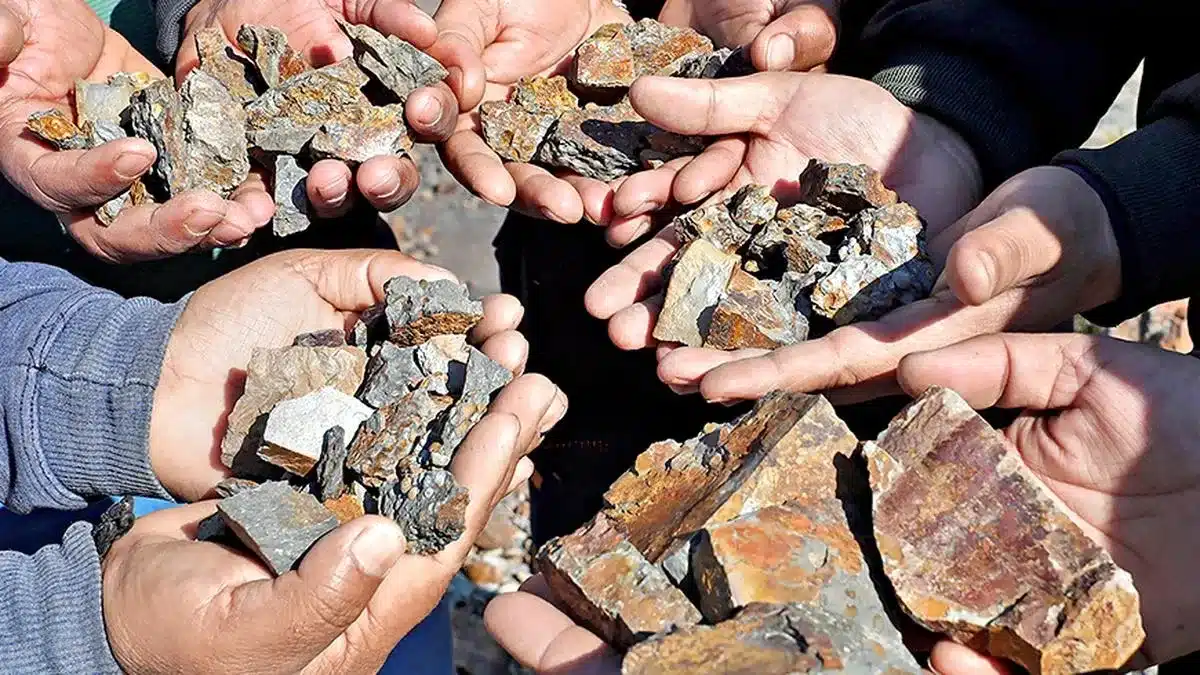
India’s Reliance on China for Critical Minerals: Challenges and Opportunities

India’s Reliance on China for Critical Minerals: Challenges and Opportunities

What’s in today’s article?

  • Overview
  • What are Critical Minerals?
  • China’s Dominance in Critical Minerals
  • China's Export Strategy
  • India's Dependency on China
  • Why India Relies on Imports?
  • Strategic Way Forward
  • Conclusion

Overview

  • In 2023, the Ministry of Mines identified 30 critical minerals essential for India's economic development and national security.
  • The report highlighted a complete import dependency for 10 critical minerals but fell short of addressing India's reliance on China—a dominant player in the global critical minerals ecosystem.
  • This reliance raises strategic vulnerabilities and the need for alternative strategies.

What are Critical Minerals?

  • Critical minerals are raw materials essential for economic and national security, often used in high-tech industries and renewable energy technologies.
  • They are typically rare, difficult to mine and substitute, and often vulnerable to supply chain disruptions due to limited global production and geopolitical factors.
  • The growing demand for these minerals, driven by technological advancements and the global transition to green energy, underscores their critical importance.
  • Securing a stable supply of critical minerals is thus a strategic priority for many countries to ensure economic stability and technological progress.

China’s Dominance in Critical Minerals

  • Vast Resources: China has discovered 173 types of minerals, including:
    • 13 energy minerals
    • 59 metallic minerals
    • 95 non-metallic minerals
  • Strategic Investments: With $19.4 billion invested in exploration in 2023, China discovered 132 new mineral deposits, including 34 large ones.
  • Processing Capabilities: Dominates processing and refining:
    • Rare earths: 87%
    • Lithium: 58%
    • Silicon: 68%
  • Global Investments: Strategic stakes in overseas mining projects amplify its control over supply chains.

China's Export Strategy

  • China strategically controls critical mineral exports, particularly targeting those crucial for semiconductors, batteries, and high-tech manufacturing. Key examples include:
    • 2010 Rare Earth Embargo: Against Japan
    • Restrictions on Gallium, Germanium, and Antimony: Recent targeted actions
    • Ban on Rare Earth Technologies (2023): To protect domestic interests
  • China avoids actions that might:
    • Disrupt its export-dependent industries
    • Undermine its reliance on Western-imported raw materials

India's Dependency on China

  • India’s import data (2019-2024) reveals high dependency on Chinese supplies for six critical minerals:
    • Bismuth (85.6%): Vital for pharmaceuticals and chemicals
    • Lithium (82%): Core to EV batteries and energy storage
    • Silicon (76%): Crucial for semiconductors and solar panels
    • Titanium (50.6%): Key for aerospace and defense
    • Tellurium (48.8%): Used in solar and thermoelectric devices
    • Graphite (42.4%): Indispensable for EV batteries and steel production
  • China's dominant global production shares in these minerals underscore India's supply chain vulnerabilities.

Why India Relies on Imports?

  • Despite abundant mineral resources, structural challenges hinder India’s mining and processing ecosystem:
  • Technological Barriers:
    • Limited ability to extract minerals like lithium from clay deposits in Jammu & Kashmir, despite having 5.9 million tonnes of resources.
  • Investment Gaps:
    • High-risk investments in exploration deter private sector participation.
  • Policy Shortcomings:
    • Lack of incentives and advanced mining technologies limit domestic production capabilities.

Strategic Way Forward

  • Securing Overseas Assets:
    • The government established KABIL (Khanij Bidesh India Limited) to acquire overseas mineral resources.
  • International Collaborations:
    • Partnerships through the Minerals Security Partnership and Critical Raw Materials Club aim to diversify supply sources.
  • Research and Development:
    • Institutions like the Geological Survey of India and CSIR are advancing technologies for exploration and processing.
  • Promoting Recycling:
    • Circular economy initiatives and production-linked incentives focus on recycling critical minerals to reduce dependency.
  • Policy Reforms:
    • Introducing incentives to attract private investment and updating mining regulations to encourage domestic exploration.

Conclusion

  • India’s transition from dependence on China requires sustained investment, technological advancements, and global partnerships.
  • While government initiatives show promise, long-term commitment and proactive policies will be critical for securing a self-reliant future in critical minerals.

Q1. What is an Ore in Mining?

Ore is natural rock or sediment that contains one or more valuable minerals concentrated above background levels, typically containing metals that can be mined, treated and sold at a profit. The grade of ore refers to the concentration of the desired material it contains.

Q2. What do you mean by rare earth elements?

The rare earth elements are a set of seventeen metallic elements. These include the fifteen lanthanides on the periodic table plus scandium and yttrium. Rare earth elements are an essential part of many high-tech devices.

News: India’s reliance on China for critical minerals

What is a Green Deposit?

Green Deposit

What Are Green Deposits?

  • Green deposits are interest-bearing fixed-term deposits where proceeds are allocated specifically towards green finance projects. These deposits are denominated only in Indian Rupees as per the Reserve Bank of India (RBI) framework.
  • Purpose: Funds raised through green deposits are directed towards sustainable and environmentally friendly projects such as:
    • Renewable energy projects (solar, wind, biomass, and hydropower).
    • Energy efficiency and clean transportation.
    • Climate change adaptation and sustainable water/waste management.
    • Development of green buildings and coastal/marine environment projects.
    • Support for certified organic farming.
  • Key features: Like regular fixed deposits, green deposits offer interest and fixed tenure.
    • Fund allocation is subject to an annual third-party audit to ensure compliance with green finance norms.
    • Deposits are insured under the Deposit Insurance and Credit Guarantee Corporation (DICGC) framework.
  • Priority Sector Lending (PSL): If the green activities/projects financed align with PSL guidelines, they can be classified under the priority sector.

Q1: What is the role of DICGC?

The DICGC is a wholly-owned subsidiary of the Reserve Bank of India (RBI) that provides insurance coverage to depositors in case of bank failure. It ensures that depositors receive up to ₹5 lakh per depositor per bank across all types of deposits, including savings, current, recurring, and fixed deposits.

News: BL

Kashmiri Papier-mâché

Kashmiri Papier-mâché

About Kashmiri Papier-mâché

  • Kashmiri Papier-mâché is a traditional handicraft of the Kashmir Valley.
  • It was introduced in the 14th century by Muslim saint Mir Sayyid Ali Hamadani from Persia.
  • This craft is known for its intricate designs and use of paper pulp to create colourful, richly decorated items.

Features of Kashmiri Papier-mâché

  • Materials and process: Made primarily from paper pulp. Items are handcrafted in homes and workshops, mainly in Srinagar and other parts of the Kashmir Valley.
  • Common products: Vases, bowls, cups (with or without metal rims), boxes, trays, and lamp bases.
    • Recently, products like papier-mâché models of extinct birds (e.g., dodos) have also gained attention.
  • Artistic elements: The designs feature floral motifs, forest prints, and other intricate patterns symbolizing cultural and ecological themes.
  • Market: While the products have a significant domestic market, they are also highly demanded internationally in Europe, Mauritius, and other regions.

Legal and Cultural Recognition

  • Protected under the Geographical Indication (GI) Act, 1999, ensuring authenticity and cultural preservation.
  • Registered by the Controller General of Patents, Designs, and Trademarks.

The Dodo Connection

  • Christmas exports: Over 50,000 papier-mâché dodo models were shipped to markets in Europe and Mauritius for Christmas.
    • Dodos, extinct since 1681, are the national emblem of Mauritius, making these items culturally significant.

Q1: What is a GI Tag?

A Geographical Indication (GI) tag is a certification granted to products that are uniquely associated with a specific geographical location, region, or community. It signifies the product's origin, quality, or reputation, which is intrinsically linked to its place of origin. Examples include Darjeeling Tea and Pashmina Shawls.

News: 343 years after its extinction, Kashmir artisans give wings to the dodo in papier mache - The Hindu.

U.N. Internal Justice Council

U.N. Internal Justice Council

About U.N. Internal Justice Council:

  • It was established by the UN General Assembly as part of the new internal justice system in order to help ensure independence, professionalism and accountability in the administration of the justice system of the United Nations.
  • The IJC members are appointed by the Secretary General.
  • It is composed of five members consisting of
    • A staff representative
    • A management representative
    • Two distinguished external jurists, one nominated by the staff and one by management, and
    • Chaired by a distinguished jurist chosen by consensus by the four other members.
  • Functions
    • It is tasked to undertake the search for suitable candidates for the positions of judges when there is a vacancy on the UN Dispute Tribunal (UNDT) and the UN Appeals Tribunal (UNAT)
    • To recommend General Assembly two or three candidates for each vacancy with due regard to geographical distribution.
    • To provide its views on the implementation of the system of administration of justice to the General Assembly.
    • The judges of the UN Dispute Tribunal and the UN Appeals Tribunal are appointed by the General Assembly on the recommendation of suitable candidates by the IJC.

Q1: What is the United Nations Dispute Tribunal (UNDT)?

It is “first instance tribunal” of the UN’s internal justice system, is the tribunal UN system staff members apply to when they decide to challenge an administrative decision made by an entity over which the UNDT has Jurisdiction, and which the Applicant believes violates their rights as a staff member due to non-compliance with the terms of their appointment or contract of employment.

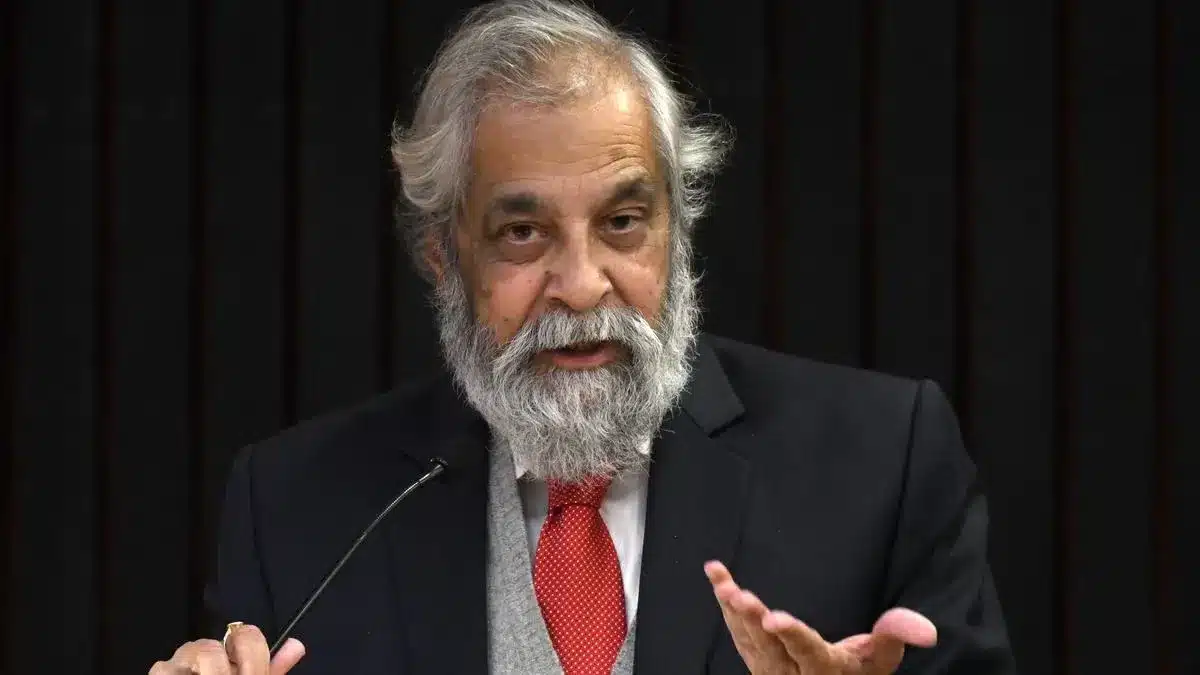
News: Former Supreme Court judge Justice Madan Lokur appointed chairperson of U.N. Internal Justice Council

Farmers Producer Organisations (FPOs)

Farmers Producer Organisations (FPOs)

What is a Farmers Producer Organisation (FPO)?

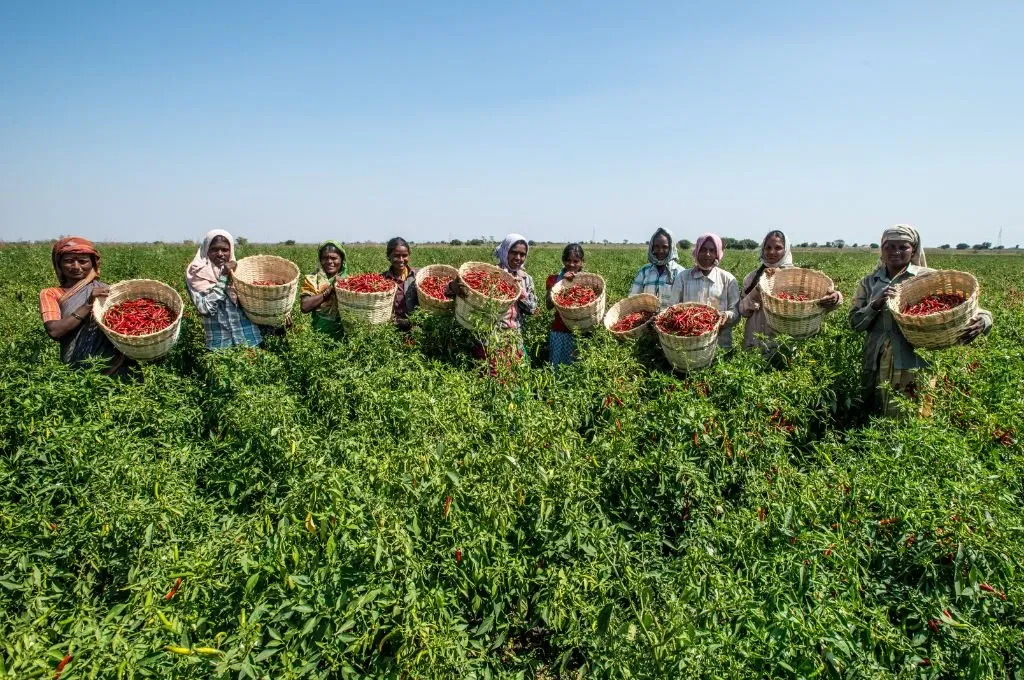
  • Definition: An FPO is a type of Producer Organisation (PO) formed by farmers. It operates as an organisation of the producers, by the producers, and for the producers.
  • Supporting institution: The Small Farmers’ Agribusiness Consortium (SFAC) plays a vital role in promoting FPOs across India.
  • Purpose: A PO represents producers of various goods, including agricultural products, non-farm items, and artisan goods.
    • It can adopt legal forms such as producer companies, cooperative societies, or other entities that allow members to share profits and benefits.
  • Ownership: The ownership of an FPO lies entirely with its member farmers.It operates on the principle of shared decision-making and benefits.

Legal Framework for FPOs

  • Registration under Legal Acts: FPOs can be registered under the following:
    • Companies Act, 1956 or Companies Act, 2013.
    • Societies Registration Act, 1860.
    • Public Trusts Act, 1882.

Q1: What is ICRIER?

ICRIER (Indian Council for Research on International Economic Relations) is an autonomous, policy-oriented, not-for-profit think tank based in India. Established in 1981, it researches various economic policy issues to inform and influence policymaking in India, particularly in areas such as trade, investment, macroeconomics, and technology.

News: Placing Indian agriculture on the global map - Opinion News | The Financial Express

Bitumen

Bitumen

About Bio-bitumen:

  • It is a petroleum-free alternative to bitumen, or asphalt.
  • It is a sustainable alternative to traditional asphalt and it’s designed to lower the carbon footprint of road construction. 
  • It’s made using non-petroleum-based renewable resources and can be made from vegetable oils, synthetic polymers, or both, making it a more sustainable model long term.
  • Advantages
    • Sustainable: It is generated from renewable materials. This makes it a more environmentally friendly alternative to petroleum-based bitumen, which is derived from limited resources.
    • Low Carbon Footprint: As it is derived from organic materials that have absorbed carbon dioxide during their development, it often has a lower environmental impact than standard bitumen.
    • Improved environmental performance: It is less toxic and detrimental to the environment than regular bitumen. It contains fewer heavy metals and other hazardous pollutants.
  • Applications: It isversatile and may be utilised in a variety of applications, including road paving, roofing, and waterproofing.

What is Bitumen?

  • It is a dense, highly viscous, petroleum-based hydrocarbon.
  • It is found in deposits such as oil sands and pitch lakes (natural bitumen) or is obtained as a residue of the distillation of crude oil. 

Q1:What Is a Hydrocarbon?

The term hydrocarbon refers to an organic chemical compound that is composed exclusively of hydrogen and carbon atoms. Hydrocarbons are naturally-occurring and form the basis of crude oil, natural gas, coal, and other important energy sources.

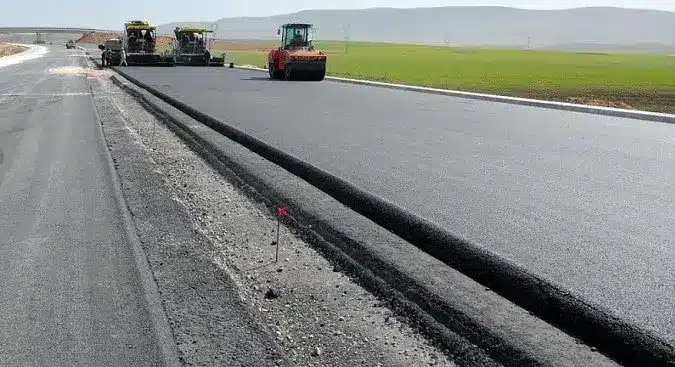
News: Inauguration of Asia's first highway with bio-bitumen surface: Giant leap towards sustainable road infra

Youth Co:Lab

Youth Co:Lab

About Youth Co:Lab:

  • It was co-created in 2017 by UNDP and Citi Foundation, aims to empower and invest in youth to accelerate the implementation of the Sustainable Development Goals (SDGs) through leadership, social innovation and entrepreneurship.
  • In India, Youth Co: Lab was launched in 2019 in collaboration with Atal Innovation Mission, NITI Aayog.
  • As of the end of 2024, Youth Co:Lab has conducted six national theme-specific youth social innovation and entrepreneurship dialogues in India through this collaboration.
  • This year, the Youth Co: Lab National Innovation Challenge 2024-2025, held in collaboration with AssisTech Foundation (ATF).
    • It will focus on empowering young entrepreneurs and entrepreneurs with disabilities innovating for solutions that “Enhance access to opportunities and well-being of Persons with Disabilities”, across the following sub-categories: Inclusive and Accessible Assistive Technology (AT), Inclusive Educational Technology and Skilling Solutions and Accessible and Inclusive Care Models.

Key facts about Atal Innovation Mission(AIM)

  • It is a flagship initiative set up by the NITI Aayog in 2016.
  • Objective: To create and encourage an environment of innovation and entrepreneurship across schools, educational organisations, research institutes, and industries, including MSMEs.
  • Functions
    • Promote entrepreneurship by encouraging innovators to become entrepreneurs through financial support as well as mentorship.
    • Promote innovation by creating a platform where ideas are generated through like-minded individuals.
  • AIM has created four programs to support these functions: Atal Tinkering Labs, Atal Incubation Centres, Atal New India Challenges and Atal Grand Challenges.
  • All the initiatives of AIM are currently monitored and managed systematically using real-time MIS systems and dynamic dashboards.
  • AIM is also currently having its programs reviewed by third party agencies for ensuring continuous improvements.

Q1: What is NITI Aayog?

 The National Institution for Transforming India, established on January 1, 2015, is the policy think tank of the Indian government, replacing the Planning Commission. It focuses on inclusive development, cooperative federalism, and sustainable growth. The organization is led by the Prime Minister and members include state representatives and experts. 

News: AIM & UNDP unveil Youth Co:Lab 2025, inviting innovators to foster social entrepreneurship with focus on disability-inclusive innovation

Sagar Island

Sagar Island

About Sagar Island:

  • It is also known as Ganga Sagar or Sagardwip is located in the Ganges delta, lying on the continental shelf of Bay of Bengal.
  • It consists of 43 villages. Sagar and Mahisani Islands are separated by River Muriganga Batala.
  • This island along with the Mahisani and Ghoramara islands are classified under the sand group category.
  • This Island is a religious place for Hindus, where pilgrims celebrate Makar Sankranti festival in honour of the Sun.
  • The Kapil Muni temple on the island is a popular pilgrim centre.

Who is Kapil Muni?

  • Kapila or Maharishi Kapila is a Vedic sage traditionally considered to be the original proponent of the Samkhya system of Indian philosophy.
  • He is said to have lived in the Indian subcontinent, around the sixth or seventh century B.C.E. 
  • He is known for teaching a process of liberation known as bhakti yoga.

Q1: What are Deltas?

These are areas near the mouth of a river or estuary, where these moving bodies of water deposit large amounts of sediment.

News: DTE Exclusive: Rising Bay of Bengal now within 450 metres of iconic Kapil Muni Temple on Sagar Island

Why Growth of India’s Green Cover Raises Environmental Concerns

Why Growth of India’s Green Cover Raises Environmental Concerns

What’s in today’s article?

  • Why in News?
  • Trends in Forest and Tree Cover Growth
  • Forests within forest
  • Forest Balance Sheet: Insights from ISFR-2023
  • Implications of Forest Cover Trends

Why in News?

The 18th biennial State of Forest Report (ISFR-2023) highlights a marginal gain of 156 sq km in forest cover and a significant increase of 1,289 sq km in tree cover since 2021. 

For the first time, India’s green cover has surpassed the 25% threshold, with 8,27,357 sq km (25.17%) of the country under forest (21.76%) and tree (3.41%) cover. Dense forests constitute 4,10,175 sq km of the total.

Trends in Forest and Tree Cover Growth

  • Calculation
    • Since 2001, tree patches smaller than 1 hectare have been measured separately as tree cover
  • Trend
    • The latest ISFR-2023 report shows the sharpest growth in tree cover, rising from 2.91% in 2021 to 3.41% in 2023, marking a 0.5 percentage point increase in two years
    • In contrast, forest cover growth has slowed, increasing by only 0.05 percentage points since 2021. 
  • Implication
    • This aligns with the diminishing growth trend since forest cover surpassed the 20% threshold in the early 2000s. 
    • Between 2003 and 2013, forest cover grew by 0.61 percentage points (from 20.62% to 21.23%).
    • On the other hand, the next decade saw only a 0.53 percentage point increase to 21.76%.

Forests within forest

  • Classification of Forest Types in India
    • In India, tree patches measuring 1 hectare or more with a minimum canopy cover of 10% are classified as forests, irrespective of land use or ownership. 
    • Forests are categorized based on canopy density:
      • Very Dense Forests (VDF): Canopy density ≥ 70% (classified since 2003).
      • Dense Forests: Canopy density ≥ 40%.
      • Open Forests (OF): Canopy density between 10-40%.
      • Non-Forest (NF): Areas with < 10% canopy density, including shrubs.
  • Dynamic Changes in Forest Density
    • Forests undergo transitions across density categories due to factors like climate and biotic pressure. For example:
      • A VDF may thin to a Moderately Dense Forest (MDF).
      • An OF may improve to an MDF.
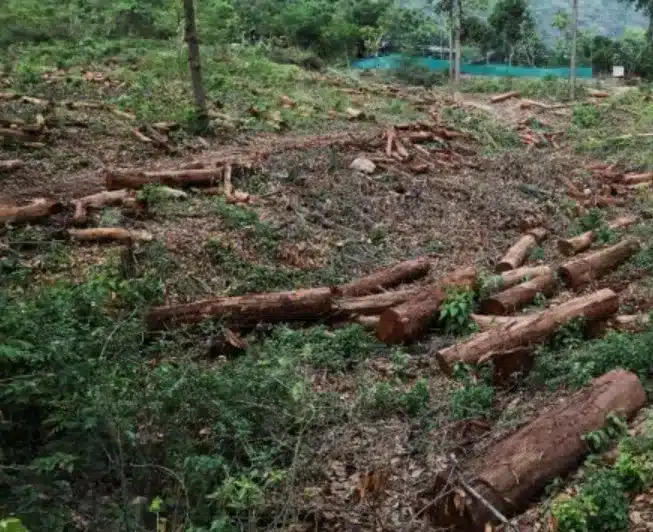
      • Forests may degrade to NF or shrub areas, indicating deforestation.
  • Limitations of Aggregated Data
    • While aggregated data reflects the quantum of different forest types, it fails to capture the dynamic transformation of forests, where natural forests degrade, disappear, or are replaced by plantations
    • Plantations often grow faster but do not replicate the ecological richness of natural forests.
  • Tracking Forest Change
    • Since 2003, ISFR reports include a “change matrix”, detailing forest transitions across categories. 
    • This data highlights broad trends over two decades, reflecting the dynamic nature of forest ecosystems.

Forest Balance Sheet: Insights from ISFR-2023

Changes in dense forest cover 2003-2023.webp
  • Dense Forest Losses (2003-2023)
    • India has lost 24,651 sq km (6.3%) of its dense forests since 2003, equivalent to nearly half the size of Punjab. 
    • Key trends:
      • 2021-2023: 3,913 sq km lost (larger than Goa).
      • 2013-2023: 17,500 sq km lost.
      • 2003-2013: 7,151 sq km lost.
  • Plantation Gains Offset Dense Forest Losses
    • Rapid transformation of 15,530 sq km of non-forested or scantly forested land to dense forests over the past two decades has offset these losses. 
    • Experts suggest these gains are predominantly plantations, as natural forests do not grow this quickly.
      • 2021-2023: 1,420 sq km of plantations became dense forests.
  • Management and Density Improvements
    • Better management practices have allowed Open Forests (OFs) to improve into Moderately Dense Forests (MDFs) over the last decade. 
    • Combined with plantation gains, this has kept the dense forest cover largely stable.
    • The “change matrix” records a net increase of 1,370 sq km of dense forest between 2003-2023.
    • 716 sq km of gains were recorded in the 2021-2023 cycle alone.
  • Data Revisions and Paper Gains
    • India’s dense forest cover officially grew by 21,601 sq km (6%) between 2003-2023. 
    • However, this figure includes 20,232 sq km of revisions made in previous ISFR reports (2005, 2009, 2015, and 2021), raising questions about the accuracy of these gains.
  • Key Observation
    • While plantations and management practices stabilize dense forest cover on paper, the ongoing disappearance of natural dense forests highlights the need for improved conservation measures.

Implications of Forest Cover Trends

  • Criticism of Plantation-Based Forest Growth
    • The apparent growth in forest cover through the replacement of natural dense forests with plantations has drawn criticism from experts. 
    • Key issues include:
      • Uniformity and Vulnerability: Plantations typically consist of trees of the same age and species, making them susceptible to fire, pests, and epidemics.
      • Barrier to Natural Regeneration: Plantations hinder the regrowth of biodiverse natural forests, which provide a broader range of ecological benefits.
  • Ecological Superiority of Natural Forests
    • Natural forests outperform plantations in several ways:
      • Biodiversity: Natural forests support more species and complex ecosystems.
      • Carbon Stock: They store significantly more carbon, both in trees and soil, compared to plantations.
  • Climate Challenges of Plantation Forests
    • Rapid Growth Assumption: In 2018, the UNFCCC flagged India’s assumption that plantations reach the carbon stock level of natural forests in just eight years, which is unrealistic.
    • Short-Term Gains, Long-Term Risks: Plantations grow quickly and are promoted to meet carbon targets. However, they are often harvested prematurely, undermining long-term climate goals.
  • Conclusion
    • While plantations may stabilize forest cover on paper and provide short-term carbon benefits, they fail to replicate the ecological and climate advantages of old natural forests, emphasizing the need for better conservation strategies.

Q.1. Why is the growth in India’s green cover concerning despite the increase?

The rise in green cover largely comes from plantations, which lack the biodiversity and carbon-storing capacity of natural forests. This trend poses ecological risks and undermines long-term climate goals.

Q.2. What are the ecological disadvantages of plantations replacing natural forests?

Plantations are often uniform, vulnerable to pests and fires, and hinder natural forest regeneration. They store less carbon than natural forests and fail to support diverse ecosystems.

News: Why growth of India’s overall green cover is not all good news | Times of India

Centre Scraps No-Detention Policy for Classes 5 and 8

Centre Scraps No-Detention Policy for Classes 5 and 8

What’s in today’s article?

  • Why in News?
  • Overview of the No-Detention Policy
  • Reasons for Scrapping the No-Detention Policy
  • Key Provisions of the New Policy
  • Reactions Towards the New Policy
  • Recommendations to Implement the New Policy
  • Conclusion

Why in News?

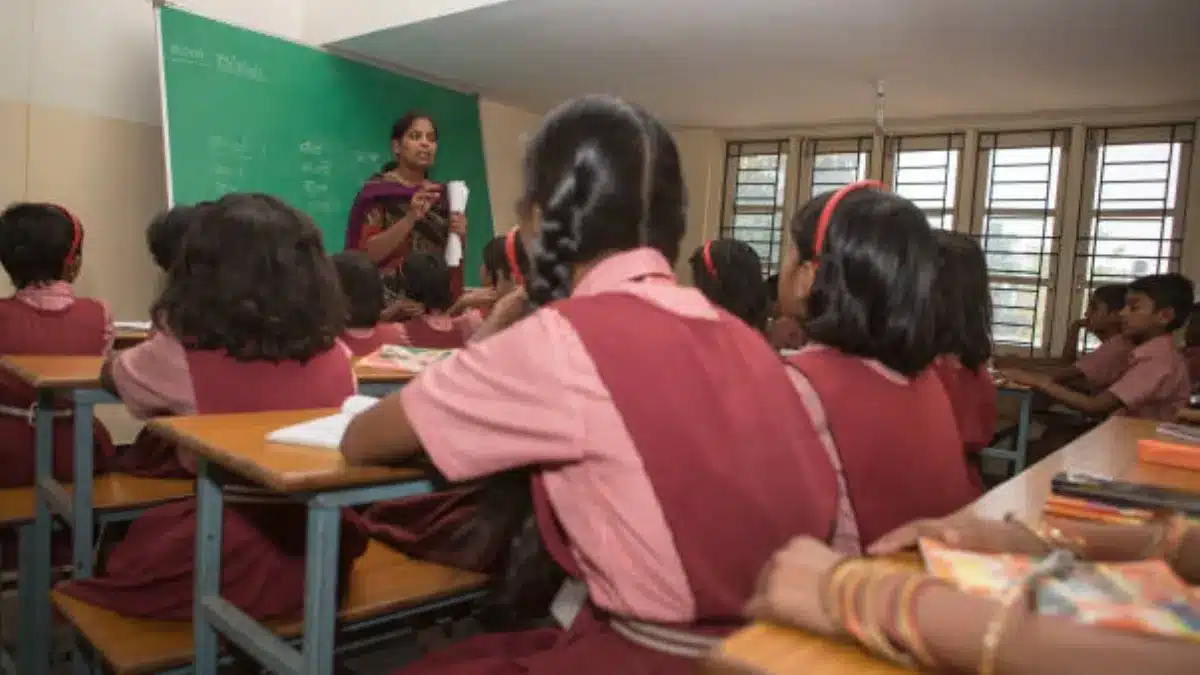
  • The Indian government has abolished the no-detention policy for Classes 5 and 8 across schools under its jurisdiction.
  • This includes over 3,000 central schools, including Kendriya Vidyalayas, Jawahar Navodaya Vidyalayas, Sainik Schools, and Eklavya Model Residential Schools (under the Ministry of Tribal Affairs).
  • This significant policy change aims to improve learning outcomes and accountability while balancing the rights of students with academic standards.

Overview of the No-Detention Policy:

  • Adopted the change: 18 states and UTs, including Delhi, Rajasthan, and Tamil Nadu.
  • Pending decision: Haryana and Puducherry.
  • Continuing No-detention policy: Andhra Pradesh, Kerala, Maharashtra, etc.

Reasons for Scrapping the No-Detention Policy:

  • Criticism of academic dilution:
    • Experts argued that the policy led to a decline in academic standards and student accountability.
    • It was believed to have transformed schools into mid-day meal hubs rather than centers of learning.
  • State and expert advocacy:
    • By 2016, most states supported scrapping the policy during a Central Advisory Board of Education (CABE) meeting.
    • The National Education Policy (NEP) 2020 emphasised improving learning outcomes while retaining educational access.
  • Balancing accountability with equity: The policy change aims to instill seriousness in studies while providing remedial measures for underperforming students.

Key Provisions of the New Policy:

  • Promotion and re-examination:
    • Students failing the annual exams in Classes 5 or 8 will receive remedial instruction and an opportunity for a re-examination within two months.
    • Failure in the re-examination may lead to detention.
  • Competency-based assessments: Examinations will focus on holistic development rather than rote memorisation or procedural skills.
  • Support for struggling students: Teachers and school heads will provide targeted support, identify learning gaps, and closely monitor students' progress.
  • Safeguards for student rights:
    • No child can be expelled before completing Class 8.
    • Detailed records of detained students and their progress will be maintained.

Reactions Towards the New Policy:

  • Supporters:
    • Educators: Applaud the move as a step toward restoring academic rigor and preparing students for real-world challenges.
    • Parents: See the policy as a means to encourage better academic preparation and outcomes.
  • Critics:
    • Educationists argue that detentions may increase dropout rates and undermine the RTE's goal of inclusive education.
    • They highlight the need for integrating Continuous and Comprehensive Evaluation (CCE) with the policy.

Recommendations to Implement the New Policy:

  • Preventive measures:
    • Early identification of at-risk students to reduce failures.
    • Focus on addressing learning gaps throughout the academic year.
  • Implementation oversight: School heads to monitor progress and ensure adequate support for detained students.
  • Holistic view: Policies should integrate CCE to track progress and avoid stigma associated with failure.

Conclusion:

  • The abolition of the no-detention policy marks a shift in India’s educational approach, aiming to balance accountability with inclusivity.
  • While it seeks to improve learning outcomes, its success will depend on careful implementation and continued support for underperforming students.

Q.1. What is the National Curriculum Framework (NCF) for School Education?

The NCF enables the federal structure of school education, with States ultimately setting their State or regional curricula, easily incorporating local elements. The NCF incorporates and enables the major paradigm shifts as recommended by the NEP 2020, including holistic and multidisciplinary education.

Q.2. What is the Central Advisory Board of Education (CABE)?

The CABE is a committee of the Government of India that advises the Ministry of Education on education and educational policy. It is the oldest and most important advisory body of the Government of India in education.

News: Government ends no-detention policy in KVs and JNVs, five years after diluting RTE Act | HT | ToI

Bangladesh’s Extradition Request for Sheikh Hasina: Implications and Challenges

Bangladesh’s Extradition Request for Sheikh Hasina: Implications and Challenges

What’s in today’s article?

  • Why in News?
  • Extradition treaty between India and Bangladesh
  • Extradition Request by Bangladesh
  • Can Hasina be extradited by Bangladesh?

Why in News?

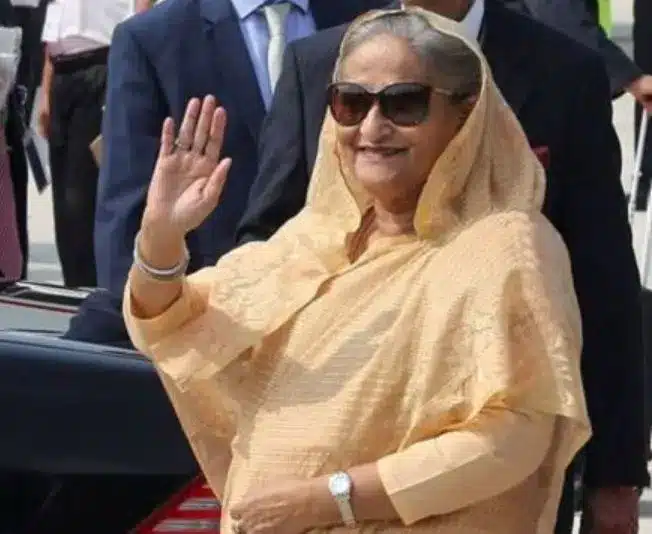
Bangladesh has formally requested India to extradite former Prime Minister Sheikh Hasina, who fled to India on August 5 following massive protests that ended her 16-year rule.

Dhaka sent a diplomatic note to New Delhi, citing the need for Hasina to face judicial processes for alleged crimes against humanity and genocide. The International Crimes Tribunal (ICT) in Dhaka has issued arrest warrants against Hasina and several of her former ministers and officials.

Extradition treaty between India and Bangladesh

  • Treaty signed in 2013
    • It was signed to address fugitives operating across borders in both countries.
      • It was established due to concerns over Indian insurgents, particularly from the North East, hiding in Bangladesh, and Bangladeshi militants.
      • Many Bangladeshi militants such as those from Jamaat-ul-Mujahideen Bangladesh (JMB), sought refuge in Indian states like West Bengal and Assam.
    • It provides the legal framework for extradition but does not mandate compliance in all cases.
  • Key provisions of the treaty
    • The extradition treaty between India and Bangladesh mandates that both countries extradite individuals who: 
      • have been charged with, found guilty of, or 
      • are wanted for committing an extraditable offence by a court in the requesting country. 
    • An extraditable offence, as defined by the treaty, is one that carries a minimum punishment of one year imprisonment, including financial crimes. 
    • For an offence to be considered extraditable, the principle of dual criminality must apply, meaning the offence must be punishable in both countries. 
    • The treaty also allows for extradition in cases involving attempts to commit, aiding, abetting, inciting, or participating as an accomplice in an extraditable offence.
  • Provisions for Refusal
    • Extradition may be refused if the offence is of a “political nature.”
    • Some crimes, such as murder, enforced disappearance, and torture, are excluded from being categorized as political offences under the treaty.
    • Grounds for refusal also include accusations not made “in good faith in the interests of justice” or military offences not considered general criminal law violations.
  • Amendment in 2016 to Simplify Extradition Process 
    • Requirement to provide evidence of the offence was removed; only an arrest warrant from a competent court is now required.
    • Sheikh Hasina faces multiple arrest warrants issued in Bangladesh, making her case eligible under the amended treaty.

Extradition Request by Bangladesh

  • About the news
    • Bangladesh has sent a diplomatic note asking New Delhi to send back its former PM Sheikh Hasina.
  • India’s Response and Treaty Provisions
    • Ministry of External Affairs confirmed receiving the request but has not yet commented on the matter.
    • Indian officials have stated they will examine the legal grounds before making a decision.
  • Strained Bilateral Relations
    • Hasina’s presence in India and her public statements have strained relations between the two countries.
      • In her public address from India, Hasina accused the interim government of genocide and persecution of minorities, including Hindus, Buddhists, and Christians.
      • She alleged that during the protests, minority places of worship were attacked, and leaders of minority communities were persecuted.
      • Hasina called for justice, demanding investigations into the killings and acts of violence.
    • Bangladesh’s interim government, led by Chief Advisor Prof Muhammad Yunus, has expressed concerns over Hasina’s statements made from India, which they believe create tension.
    • Yunus has urged India to help “clear the clouds” over the bilateral relationship.
  • Impact on Regional Dynamics
    • The extradition request and the political developments surrounding Hasina’s asylum in India have the potential to influence India-Bangladesh relations significantly, requiring deft diplomatic handling by both nations.

Can Hasina be extradited by Bangladesh?

  • India can refuse extradition, citing lack of “good faith” or justice-related concerns, though this could further strain bilateral ties.
    • Article 8 lists out multiple grounds for refusal including cases in which: 
      • an accusation has not been made in good faith in the interests of justice or 
      • in case of military offences which are not an offence under the general criminal law.
  • Experts highlight that the decision to extradite Hasina is ultimately political rather than legal.
  • But this has the potential to adversely impact New Delhi’s relations with Dhaka’s new ruling dispensation.

Q.1. What is the basis of Bangladesh's extradition request for Sheikh Hasina?

Bangladesh cites the 2013 extradition treaty with India, along with arrest warrants issued by the International Crimes Tribunal, accusing Hasina of crimes against humanity and genocide.

Q.2. What challenges does India face in extraditing Sheikh Hasina?

India can refuse extradition citing political nature, lack of good faith, or justice-related concerns. Such a move, however, risks straining bilateral relations and affecting regional dynamics.

Source: Bangladesh tells India to send back Sheikh Hasina for ‘judicial process’ | Indian Express

Kerala’s Thrissur Pooram

Kerala’s Thrissur Pooram

About Thrissur Pooram

  • Cultural significance: Thrissur Pooram is a grand festival showcasing Kerala’s cultural and spiritual essence.
    • It is celebrated annually in the Malayalam month of Medam (April-May) at the Thekkinkadu Maidanam in Thrissur.
    • Often referred to as the “mother of all Poorams”, it is one of the largest temple festivals in Kerala.
  • Historical origin: Initiated by Raja Rama Varma, famously known as Sakthan Thampuran, the Maharaja of Cochin (1790–1805).
    • Features the participation of 10 different temples, replacing the earlier Arattupuzha Pooram, which was Kerala’s largest festival before Thrissur Pooram.
  • Key highlights:
    • Majestic elephants, adorned in traditional attire, are a central attraction.
    • Traditional orchestra music (Panchavadyam) adds vibrancy to the festival.

Kerala High Court Directives

  • The High Court issued guidelines aimed at ensuring the safety of elephants, the public, and artists during the festival.
  • Key directives included:
    • Minimum distance requirements are 3 metres between two elephants, 8 metres between elephants and the public or percussion displays, and a 100 metres buffer zone near areas of fireworks usage.
    • Rest period:  Elephants must have a minimum of three days’ rest between public appearances.

Q1: Who was Raja Rama Varma?

Raja Rama Varma, also known as Shakthan Thampuran, was a notable ruler of the Kingdom of Cochin (reigned 1790–1805). He is remembered for his administrative reforms, promotion of trade and commerce, and efforts to modernize the state. He played a key role in strengthening Cochin's economy and ensuring political stability during his rule.

News: SC stays Kerala HC’s ‘impractical’ guidelines on using elephants in temple festivals | Latest News India - Hindustan Times

Ethiopian Wolf

Ethiopian Wolf

Key Features of the Ethiopian Wolf

  • Specialized habitat and role: The Ethiopian wolf is a specialized rodent hunter in Afroalpine ecosystems and unique African high-altitude regions.
    • These ecosystems, located mainly in the Ethiopian Highlands, exist at altitudes of 3,200 meters above sea level and are characterized by cold and harsh climates.
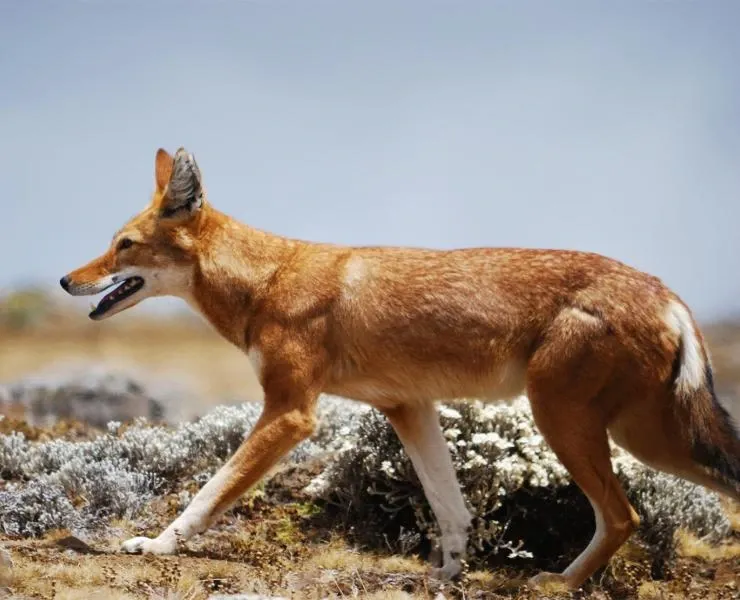
  • Physical characteristics: The wolf is about the size of a large dog, with a reddish coat, white throat and chest markings, and a bushy black tail.
  • Population status: With fewer than 500 individuals remaining, the Ethiopian wolf is Africa's most endangered carnivore.
  • Habitat specificity: It resides in isolated “sky islands”, high-altitude regions above tropical forests, surrounded by drastically different lowland environments.

Ethiopian Wolf’s Role as a Pollinator

  • Interaction with Ethiopian red hot poker flower: The wolf feeds on the nectar of the red and yellow Ethiopian red hot poker flower, a plant that produces sweet nectar attracting multiple pollinators.
    • As the wolf moves between flowers, pollen dusts its muzzle, potentially aiding in pollination.
  • Behavioural observations: Researchers observed wolves spending significant time in flower fields, with one wolf visiting 30 flower heads in 1.5 hours.
    • This behaviour indicates that the wolf actively seeks nectar, a rare trait for large carnivores.

Q1: What is pollination?

Pollination is the transfer of pollen grains from the male part (anther) of a flower to the female part (stigma) of the same or another flower, enabling fertilization and the production of seeds. It is essential for plant reproduction, biodiversity, and the production of fruits, vegetables, and seeds that sustain ecosystems and agriculture.

Wolves with a taste for nectar? How we discovered the first large carnivore that pollinates flowers

Enquire Now