UPSC Daily Quiz 25 June 2025

UPSC Daily Quiz

The Daily UPSC Quiz by Vajiram & Ravi is a thoughtfully curated initiative designed to support UPSC aspirants in strengthening their current affairs knowledge and core conceptual understanding. Aligned with the UPSC Syllabus 2025, this daily quiz serves as a revision resource, helping candidates assess their preparation, revise key topics, and stay updated with relevant issues. Whether you are preparing for Prelims or sharpening your revision for Mains, consistent practice with these Daily UPSC Quiz can significantly enhance accuracy, speed, and confidence in solving exam-level questions.

[WpProQuiz 8]

UPSC Daily Quiz FAQs

Q1: What is the Daily UPSC Quiz?

Ans: The Daily UPSC Quiz is a set of practice questions based on current affairs, static subjects, and PYQs that help aspirants enhance retention and test conceptual clarity regularly.

Q2: How is the Daily Quiz useful for UPSC preparation?

Ans: Daily quizzes support learning, help in revision, improve time management, and boost accuracy for both UPSC Prelims and Mains through consistent practice.

Q3: Are the quiz questions based on the UPSC syllabus?

Ans: Yes, all questions are aligned with the UPSC Syllabus 2025, covering key areas like Polity, Economy, Environment, History, Geography, and Current Affairs.

Q4: Are solutions and explanations provided with the quiz?

Ans: Yes, each quiz includes detailed explanations and source references to enhance conceptual understanding and enable self-assessment.

Q5: Is the Daily UPSC Quiz suitable for both Prelims and Mains?

Ans: Primarily focused on Prelims (MCQ format), but it also indirectly helps in Mains by strengthening subject knowledge and factual clarity.

Daily Editorial Analysis 25 June 2025

Daily Editorial Analysis

The Need for Gender Equity in Urban Bureaucracy

Context

  • By 2050, over 800 million people, nearly half the population, are projected to reside in cities, positioning India as the largest contributor to global urban growth.
  • As urban spaces swell in size and influence, they are not merely changing skylines, but redefining the very fabric of democracy and development.
  • Central to this transformation is the question of who shapes and benefits from urban growth.
  • In this context, gender equity is not just a social ideal but a structural necessity.

The Rise of Women in Local Politics and Persistent Gaps

  • The Rise of Women in Local Politics
    • In the last three decades, India has made significant strides in enhancing women’s political representation.
    • The 73rd and 74th Constitutional Amendments introduced a mandatory 33% reservation for women in Panchayati Raj Institutions and Urban Local Governments (ULGs).
    • Several states have gone further, increasing this quota to 50%. As a result, women today account for over 46% of elected local representatives.
    • This political inclusion is historic and transformative, creating a pipeline of women leaders at the grassroots.
  • Persistent Gaps in Bureaucracy and Administration
    • However, this political progress starkly contrasts with the reality of gender imbalance in urban administration.
    • Women constitute just 20% of the Indian Administrative Service, and their numbers are even lower in urban planning, municipal engineering, and transport authorities.
    • In policing, a critical pillar for urban safety, only 11.7% of personnel are women, often confined to desk jobs.
    • This structural gap is not just numerical; it profoundly affects urban policy outcomes.
    • Women engage with cities differently than men.
    • They rely more on public transport, make complex, multi-stop journeys, and are more dependent on neighbourhood-level infrastructure.
    • Yet, urban planning continues to favour large-scale projects over the local needs that define women’s everyday lives.
    • Studies show that a lack of women in decision-making roles results in public spaces that are poorly lit, unsafe, and inadequately serviced for their needs.

Gender-Responsive Budgeting: A Missed Opportunity

  • An important tool for institutionalising gender equity is Gender-Responsive Budgeting (GRB).
  • Recognised globally since the 1990s, GRB integrates gender considerations into public financial planning.
  • India formally adopted GRB in 2005–06, and states like Delhi, Tamil Nadu, and Kerala have pioneered its implementation in urban contexts.
  • Despite these efforts, most cities continue to treat GRB as a token gesture rather than a transformational tool.
  • Weak monitoring, limited technical capacity, and a narrow understanding of gender needs have rendered these initiatives ineffective in many urban local bodies.
  • For example, vital aspects such as pedestrian safety, street lighting, and childcare are frequently ignored.
  • In contrast, countries like Rwanda, Mexico, and South Korea have embedded GRB into national and urban governance with strong oversight, participatory frameworks, and results-based budgeting.

The Way Ahead

  • Learning from Global and Local Examples
    • Rwanda’s gender-balanced policies have led to increased investments in maternal health and education.
    • Brazil has redirected funding to improve sanitation and primary healthcare, and South Korea has reshaped transit systems through gender impact assessments.
    • The Philippines funds gender-based violence shelters via gender-tagged budgeting. These are not just policy tweaks; they are paradigmatic shifts toward citizen-centric, inclusive governance.
    • India also has successful homegrown models.
    • The Kudumbashree programme in Kerala has empowered women through participatory planning and community development, offering a replicable model for other cities.
    • These examples show that gender equity is achievable with political will, institutional support, and community engagement.
  • Towards Truly Inclusive Urban Governance
    • To build truly inclusive cities, India must go beyond political quotas and address the deep-rooted gender gap in urban governance.
    • This means systemic reforms in recruitment, retention, and promotion of women across bureaucratic and technical roles.
    • Affirmative action, such as scholarships and reserved positions in urban planning and engineering, is vital to dismantle structural barriers.
    • Moreover, tools like GRB must be mainstreamed, audited, and tied to performance metrics.
    • Capacity-building in smaller cities is essential, as is the establishment of local gender equity councils to ensure accountability and participatory oversight.
    • When women not only hold office but also wield real power in administration, planning, and budgeting, cities become safer, more equitable, and better governed.

Conclusion

  • As India charts its course toward becoming a $5 trillion economy, its cities must evolve into more than engines of economic growth.
  • They must be spaces of equity, safety, and dignity for all citizens, especially women.
  • Building cities for women begins with building them with women: in council chambers, on planning boards, behind policing desks, and across budgeting tables.
  • Only then can urban India truly fulfil its promise of inclusive, democratic development.

The Need for Gender Equity in Urban Bureaucracy FAQs

Q1. What percentage of India’s population is expected to live in cities by 2050?
Ans. By 2050, over 800 million people, or about 50% of India’s population, are expected to live in cities.

Q2. What is the current female representation in local elected bodies in India?
Ans. Currently, women make up over 46% of elected representatives in local government bodies in India.

Q3. Which sectors show low female representation in urban governance?
Ans. Sectors such as urban planning, municipal engineering, and policing show low female representation in India’s urban governance.

Q4. What is Gender-Responsive Budgeting (GRB)?
Ans. Gender-Responsive Budgeting (GRB) is a public finance approach that incorporates gender considerations into budgeting to address inequalities and promote inclusive development.

Q5. Name one successful Indian model promoting women’s participation in urban governance.
Ans. The Kudumbashree programme in Kerala is a successful Indian model that promotes women’s participation in urban governance through community-based planning and development.


A Reset in West Asia, A ‘De-Escalation’ for the World

Context

  • The geopolitical landscape of West Asia has undergone a seismic shift following the bombing of Iran by Israel and the United States.
  • It effectively dismantles Iran’s strategic influence, leaving Israel as the unchallenged military hegemon in the region.
  • The silence of traditional allies like Russia and China, despite their strategic agreements with Iran, signifies a calculated withdrawal rather than helplessness.
  • These global powers made a conscious choice to let Iran be isolated, a development that recasts alliances, power balances, and future conflict trajectories across West Asia.

The Trajectory of West Asia Post Israel-Iran Conflict

  • The Uncontested Dominance of Israel
    • With Iran’s nuclear capabilities neutralised, Israel now stands as the sole dominant nuclear power in West Asia.
    • This new order is reinforced by the presence of 40,000 U.S. troops and an expansive network of American military assets throughout the region.
    • The aim is clear: prevent any resurgence of military threats to Israel, thereby sealing a new regional architecture.
    • Initially, Iran’s assertive ideological and military posturing had alarmed both Israel and the Gulf countries.
    • The latter, in response, often compromised on broader regional issues, such as the Palestinian cause, while quietly strengthening ties with both Israel and the U.S.
    • The Abraham Accords, facilitating normalisation between Israel and Gulf states, were a byproduct of this tactical alignment.
  • Iran’s Existential Crisis and Dangerous Escalation
    • The airstrikes on Iran have pushed its leadership to the brink.
    • The response, targeting U.S. military bases in Qatar and Iraq, represents not just a retaliatory act, but a desperate signal of resilience.
    • Iran claims it acted proportionately, mirroring the number of bombs used by the U.S. on its nuclear sites.
    • However, this response also involved violating the territorial sovereignty of a ‘brotherly’ Gulf nation, Qatar, thereby heightening regional instability.
    • For Iran, the stakes are existential. Its leadership believes that the ultimate goal of the U.S.-Israel alliance is regime change, an end to its theological system of governance and the suppression of its ideological influence in the region.
    • Unlike past interventions, however, there is no obvious ‘alternative regime’ waiting in the wings.
    • The vacuum that could emerge from an Iranian collapse threatens to mirror the chaos of Iraq and Libya, spawning terrorism, civil wars, and global insecurity.
    • The Gulf countries, now partly complicit in isolating Iran, must act decisively to prevent a wider regional breakdown that could spiral into another wave of extremism and instability.

The Illusion of Stability and Next Brewing Conflict

  • A Ceasefire and the Illusion of Stability
    • In a surprising turn, the U.S. called for a ceasefire between Iran and Israel, a move seen by many as a rare moment of strategic restraint.
    • This pause allows Iran to de-escalate without appearing weak, and also reveals that even American and Israeli assets are not invincible.
    • The Iranian strike on American bases likely triggered U.S. pressure on Israel to pause its offensive.
    • It is a timely reminder to Gulf states that proximity to power does not translate to immunity.
    • This temporary cessation in hostilities also revives focus on the Iran nuclear deal. Both Tehran and Washington may now be willing to re-engage diplomatically.
    • Gulf countries, who have long marginalised Iran, must now support any diplomatic revival, not as a gesture of goodwill, but as a critical strategy for regional survival.
  • The Next Crisis: Palestine and the ‘Eretz Israel’ Vision
    • Even as the Iran-Israel conflict cools, a new flashpoint is emerging.
    • Israeli Prime Minister Benjamin Netanyahu, empowered by the defeat of Iran’s regional network and emboldened by unwavering U.S. support, is on course to realise his vision of ‘Eretz Israel’ a Greater Israel extending from the Jordan River to the Mediterranean Sea.
    • This dream includes the annexation of Gaza and the West Bank, as evident from maps Netanyahu has brandished before the UN General Assembly.
    • The annexation, expected before the 2026 U.S. elections, is supported by Netanyahu’s ultra-right allies like Itamar Ben-Gvir and Bezalel Smotrich.
    • With no effective resistance left among Palestinians or their supporters, Israel now faces a crucial choice: become an apartheid state, denying equal rights to Palestinians, or embrace a binational democracy that upholds equal citizenship.
    • Historical patterns suggest the former is more likely, institutionalised inequality for the sake of preserving Israel’s Jewish identity.

Gulf States’ Dilemma and India’s Diplomacy

  • Gulf States: Between Normalisation and Moral Abdication
    • The Gulf countries, despite their rhetorical posturing, have largely abandoned the Palestinian cause.
    • Their muted opposition to Israeli actions, whether in Gaza or the West Bank, has become the price for peace, stability, and access to Western markets.
    • While they may believe annexation will bring lasting peace, the humanitarian catastrophe unfolding in Palestinian territories, with over 56,000 killed in Gaza, countless displaced, and a growing settler encroachment in the West Bank, signals otherwise.
    • Their strategy of disengagement may soon backfire, threatening their own legitimacy and stability.
  • India’s Quiet Diplomacy
    • India, as expected, has adopted a cautious and non-interventionist stance and It has refrained from condemning Israel’s strikes or siding with Iran.
    • While India shares deep ties with Israel, including during India’s own Operation Sindoor, it also has vital interests in Iran, particularly the Chabahar port project.
    • India's measured call for ‘de-escalation’ mirrors the advice it often receives during its own border conflicts. It reflects a diplomatic realism where neutrality and pragmatism trump moral clarity.
    • This policy underscores a broader international trend: a world order where legality, morality, or sovereignty matter less than stability and transactional alliances.
    • For India, navigating these contradictions will be crucial to maintaining its strategic autonomy in an increasingly polarised West Asia.

Conclusion

  • With Iran weakened, Israel ascendant, and the U.S. deeply entrenched, the region may enter a prolonged phase of imbalance.
  • While military victories may offer temporary calm, political exclusion and demographic suppression, especially of Palestinians, promise future conflagrations.
  • The Gulf states, having traded agency for survival, now face the burden of consequences.
  • Only a reinvigoration of diplomacy, restraint, and inclusive politics can salvage West Asia from becoming a perpetually unstable frontier in global geopolitics.

A Reset in West Asia, A ‘De-Escalation’ for the World FAQs

Q1. Who bombed Iran in the recent West Asia conflict?
Ans. Iran was bombed by Israel and the United States.

Q2. What major threat has been neutralised in West Asia?
Ans, Iran's nuclear programme has been rendered ineffective.

Q3. Which country now holds uncontested military dominance in the region?
Ans. Israel now holds uncontested military dominance in West Asia.

Q4. What is India’s stance on the Iran-Israel conflict?
Ans. India has taken a neutral stance and has called for de-escalation from both sides.

Q5. What future action is Israel expected to take regarding Palestine?
Ans. Israel is expected to annex Gaza and the West Bank, further advancing its "Eretz Israel" vision.


Safeguarding Legal Counsel - The ED Summons and Its Implications for Rule of Law

Context:

  • In June 2025, the Enforcement Directorate (ED) issued summons to senior advocates, including Arvind Datar and Pratap Venugopal, in connection with legal advice rendered in a corporate matter involving employee stock ownership plans (ESOP).
    • ESOP is an employee benefit that gives workers ownership interest in the company in the form of shares of stock.
  • The incident triggered alarm within India’s legal fraternity, raising deep concerns over the independence of legal professionals, the sanctity of advocate-client privilege, and the overreach of investigative agencies.

The ED Summons - A Flashpoint:

  • Summons to senior advocates:
    • The ED summoned senior advocates over opinions given in their professional capacity to Care Health Insurance regarding the ESOPs issued by Religare.
    • Arvind Datar’s summons was later withdrawn after widespread protest; another followed for Pratap Venugopal.
  • Legal fraternity's reaction:
    • Strong condemnation from bar associations, viewing it as executive overreach.
    • Seen not as a one-off event, but as a broader threat to professional autonomy and legal integrity.

The Legal Core - Advocate-Client Privilege:

  • Bharatiya Sakshya Adhiniyam (BSA), 2023:
    • It replaces the Indian Evidence Act, 1872.
    • Section 132 of the BSA: Protects communications between lawyers and clients unless consent is given.
    • In the above case, there is no evidence of lawyer complicity or inducement, rendering the summons baseless.
  • Advocates Act, 1961 – Professional duty:
    • Bar Council Rules (under the Act) mandate impartial, fearless legal advice.
    • Legal privilege ensures that lawyers can fulfil their duty without coercion.

Implications for Rule of Law and Constitutional Democracy:

  • Undermining legal independence:
    • Legal counsel summoned without allegation of wrongdoing disrupts the institutional balance between Bar, Bench, and Executive.
    • Sets a dangerous precedent — today senior advocates in a corporate context are targeted, tomorrow criminal defence or constitutional litigation lawyers can be targeted.
  • Impact on legal practice:
    • Psychological impact: Lawyers may fear advising on sensitive cases.
    • Self-censorship: Risk-averse behaviour and decline in candid legal opinions.
    • Erosion of public interest litigation and constitutional advocacy.
  • Chilling effect:
    • A move from independent legal counsel to a silenced or pliant
    • The damage to democratic institutions may be long-term and structural.

Urgent Need for Institutional Safeguards:

  • Judicial clarification: The judiciary must issue a declaratory ruling asserting that -
    • Lawyers cannot be summoned merely for professional advice, without evidence of unlawful complicity.
    • Legal counsel is a protected expression and its downstream use does not make the adviser an accomplice. This is implicit in the constitutional architecture.
  • Role of Bar Councils: Must proactively -
    • Defend professional privilege.
    • Engage with investigative bodies to set boundaries.
  • Parliamentary reform:
    • Enact statutory protections reinforcing the inviolability of legal counsel.
    • Prevent the misuse of laws like the Prevention of Money Laundering Act (PMLA, 2002) against lawyers.

Conclusion - Drawing the Constitutional Line:

  • The ED’s actions, though partially retracted, reflect a troubling tendency toward executive encroachment on legal independence.
  • If lawyers fear their own words may be weaponized against them, the entire justice system is at risk.
  • clear, constitutional, and unambiguous reaffirmation of legal privilege and professional autonomy is necessary — not just to protect lawyers, but to safeguard the rule of law itself.

Safeguarding Legal Counsel - The ED Summons and Its Implications for Rule of Law FAQs

Q1. What is the significance of advocate-client privilege under the Bharatiya Sakshya Adhiniyam, 2023, and how does it relate to the independence of the legal profession?

Ans. It protects confidential legal communication, serving as a cornerstone for ensuring the independence and fear-free functioning of the legal profession in a constitutional democracy.

Q2. How do the recent ED summons to senior advocates raise concerns about the rule of law and institutional balance?

Ans. The ED's actions reflect executive overreach that threatens the equilibrium between the Bar, the Bench, and the executive, undermining the constitutional principle of rule of law and the professional autonomy of legal counsel.

Q3. What are the potential consequences of investigative scrutiny into legal advice on the functioning of India’s judicial and democratic systems?

Ans. Such scrutiny induces a chilling effect that deters candid legal advice, weakens legal advocacy in sensitive matters, and ultimately erodes trust in the legal system and democratic governance.

Q4. What reforms are necessary to prevent the misuse of statutory powers against advocates in the discharge of their professional duties?

Ans. Judicial clarification, institutional engagement by Bar Councils, and parliamentary reinforcement of legal privilege are essential to ensure that lawyers are not unfairly targeted under coercive statutes like the PMLA.

Q5. Why is the independence of the legal profession vital in a constitutional democracy like India?

Ans. The independence of lawyers enables them to offer unbiased and fearless advice, a prerequisite for upholding constitutional rights, delivering justice, and maintaining democratic accountability.

Daily Editorial Analysis 25 June 2025 FAQs

Q1: What is editorial analysis?

Ans: Editorial analysis is the critical examination and interpretation of newspaper editorials to extract key insights, arguments, and perspectives relevant to UPSC preparation.

Q2: What is an editorial analyst?

Ans: An editorial analyst is someone who studies and breaks down editorials to highlight their relevance, structure, and usefulness for competitive exams like the UPSC.

Q3: What is an editorial for UPSC?

Ans: For UPSC, an editorial refers to opinion-based articles in reputed newspapers that provide analysis on current affairs, governance, policy, and socio-economic issues.

Q4: What are the sources of UPSC Editorial Analysis?

Ans: Key sources include editorials from The Hindu and Indian Express.

Q5: Can Editorial Analysis help in Mains Answer Writing?

Ans: Yes, editorial analysis enhances content quality, analytical depth, and structure in Mains answer writing.

Haemophilia A

Haemophilia A

Haemophilia A Latest News

A simple and affordable point-of-care test kit has been indigenously developed by the National Institute of Immunohaematology for early diagnosis of genetic bleeding disorders haemophilia A and Von Willebrand Disease.

About Haemophilia A

  • It is a hereditary bleeding disorder that happens when your blood doesn’t clot as well as it should.

Haemophilia A Causes

  • When you bleed, a series of reactions take place in the body that help blood clots form. This process is called the coagulation cascade. 
  • It involves as many as 20 different special proteins called coagulation, or clotting, factors. 
  • You may have a higher chance of excess bleeding if one or more of these factors are missing or are not functioning like they should.
  • Factor VIII (eight) is one such coagulation factor. Hemophilia A is the result of the body not making enough factor VIII.

How is Haemophilia A Passed On?

  • It is usually caused by an altered gene being passed on to a child by their parents (inherited).
  • Men with the altered gene will have symptoms.
  • Women with the altered gene (carriers) can have symptoms, but this is less common, and the symptoms are less severe than in men.

Haemophilia A Symptoms

  • The severity of symptoms varies. Prolonged bleeding is the main symptom. It is often first seen when an infant is circumcised. 
  • Other bleeding problems usually show up when the infant starts crawling and walking.
  • Mild cases may go unnoticed until later in life. 
  • Symptoms may first occur after surgery or injury. Internal bleeding may occur anywhere.
  • Symptoms may include:
    • Bleeding into joints with associated pain and swelling
    • Blood in the urine or stool
    • Bruising
    • Gastrointestinal tract and urinary tract bleeding
    • Nosebleeds
    • Prolonged bleeding from cuts, tooth extraction, and surgery
    • Bleeding that starts without cause

Haemophilia A Treatment

  • Healthcare providers typically treat hemophilia A with factor replacement therapy. 
  • Healthcare providers will inject concentrated factor VIII into your bloodstream.
  • Factor VIII replaces the missing blood protein, or factor, that helps blood to clot

Key Facts about Von Willebrand Disease (VWD)

  • VWD is a blood disorder in which the blood does not clot properly. 
  • Cause: People with the disease have low levels of von Willebrand factor, a protein that helps blood clot, or the protein doesn't perform as it should.
  • Most people with the disease are born with it, having inherited it from one or both parents. 

Von Willebrand Disease Symptoms

  • VWD does not always cause symptoms unless you have an injury
  • Sometimes it's found when you have more bleeding than usual after surgery or giving birth.
  • Symptoms of VWD can include:
    • bruising easily
    • frequent nosebleeds
    • bleeding gums
    • bleeding more than usual after an injury or cut
    • heavy periods
  • Some people also have more severe symptoms, such as:
    • heavy bleeding that's difficult to stop, for example, after an injury or procedure
    • blood in your poo
    • blood in your pee (urine)
    • pain, swelling and stiffness in a joint

Von Willebrand Disease Treatment

  • VWD can't be cured. 
  • But with treatment and self-care, most people with this disease can lead active lives.

Source: ET

Haemophilia A FAQs

Q1: What is the hemophilia A?

Ans: Hemophilia A is a genetic bleeding disorder caused by a deficiency or absence of clotting factor VIII.

Q2: What is the mainstay of treatment for Haemophilia A?

Ans: Factor VIII replacement therapy.

Q3: Which organ systems may show bleeding symptoms in a person with Haemophilia A?

Ans: Gastrointestinal and urinary tracts.

Organization of Islamic Cooperation (OIC)

Organisation of Islamic Cooperation

Organisation of Islamic Cooperation Latest News

Recently, India slammed the Organisation of Islamic Cooperation (OIC) for “unwarranted” and “factually incorrect” remarks that were made under the influence of Pakistan, a state that has turned terrorism into “statecraft.”

About Organisation of Islamic Cooperation

  • It is the second largest intergovernmental organisation after the United Nations, with the membership of 57 states, covering four continents.
  • It was established upon a decision of the historical summit, which took place in Rabat, Kingdom of Morocco on 25 September 1969.
  • It aims to preserve Islamic values, safeguard and defend the national sovereignty and independence of member states, and contribute to international peace and security. 
  • The OIC is the collective voice of the Muslim world to ensure and safeguard their interest in economic, social, and political areas. 
  • Its official languages are Arabic, English, and French.
  • The OIC is composed of the following main bodies:
    • Islamic Summit Conference (ISC): It is the supreme authority of the OIC, which meets every three years to lay down the Organization’s policy.
    • Council of Foreign Ministers (CFM): It  meets once a year to examine the implementation of its decisions taken within the framework of the policy defined by the Summit
    • General Secretariat: It is the executive organ of the OIC entrusted with the implementation of the decisions of the two preceding bodies
  • The OIC partners with international mechanisms (including every specialized UN agency), governments, and civil society organizations (CSOs) to address issues of concern to its member states and Muslims worldwide.
  • Headquarters: Jeddah, Saudi Arabia.

Source: TH

Organisation of Islamic Cooperation FAQs

Q1: What is the organization of Islamic cooperation?

Ans: The Organisation of Islamic Cooperation (OIC) is the second largest inter-governmental organisation after the United Nations

Q2: Is India a member of the Organization of Islamic Cooperation?

Ans: No, India is not a member of the Organisation of Islamic Cooperation (OIC)

Middle East Countries, List, Map, Capitals and Importance

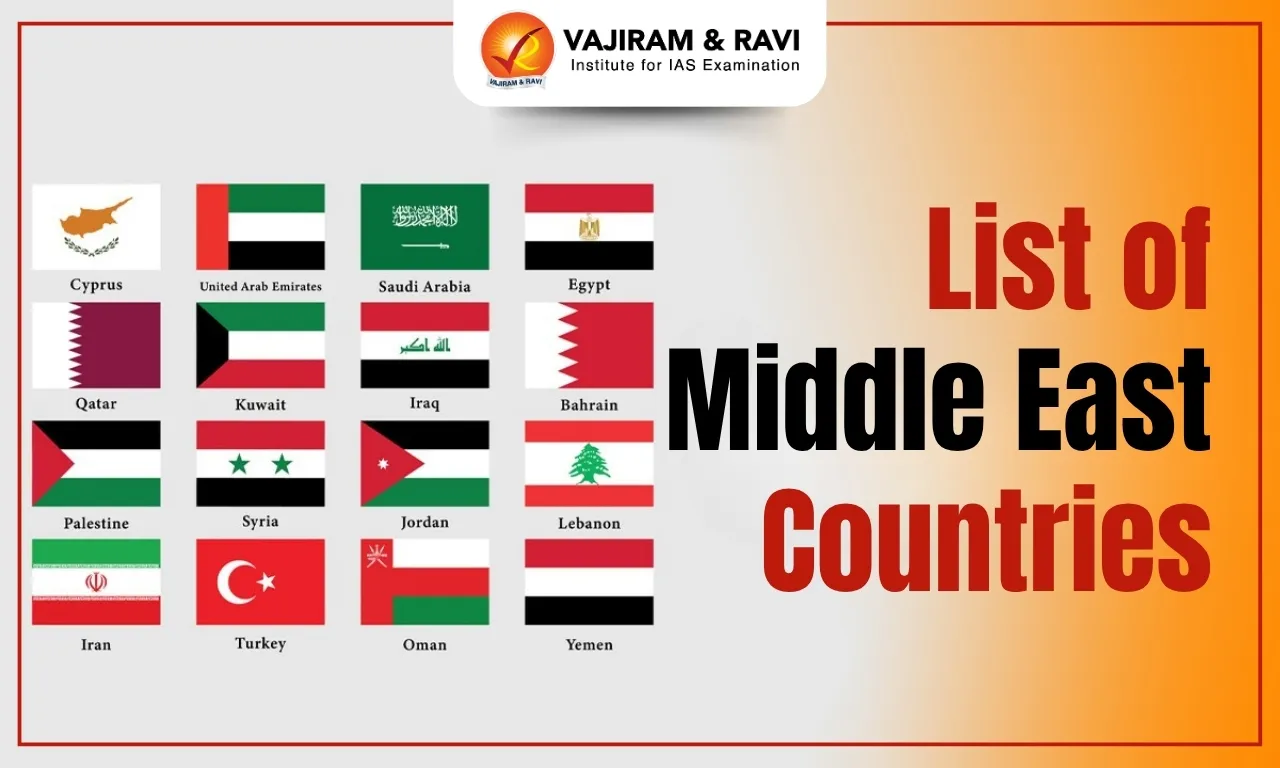
List of Middle East Countries

The List of Middle East Countries includes the region around Western Asia as well as Northern Africa. This region has been the hub of international affairs over many years. It is known for its ancient civilizations, rich culture, and strategic location. The region is especially important because of its large oil reserves, major trade routes, and religious sites. For UPSC aspirants, understanding the Middle East is important because it affects India’s foreign policy, energy needs, and relationships with other countries. 

Middle East Countries List and their Capitals

The List of Middle East Countries includes about 25 countries including Israel, Iran and Iraq. All Middle East Countries have capital cities which act as an important centre of government. Some of these countries and their capitals are Tehran in Iran, Baghdad in Iraq, Jerusalem in Israel. Following below is the list of Middle East Countries along with their capitals: 

S.No Country Capital

1

United Arab Emirates

Abu Dhabi

2

Algeria

Algiers

3

Jordan

Amman

4

Turkey

Ankara

5

Greece

Athens

6

Iraq

Baghdad

7

Azerbaijan

Baku

8

Lebanon

Beirut

9

Egypt

Cairo

10

Syria

Damascus

11

Qatar

Doha

12

Pakistan

Islamabad

13

Afghanistan

Kabul

14

Sudan

Khartoum

15

Kuwait

Kuwait City

16

Bahrain

Manama

17

Oman

Muscat

18

Cyprus

Nicosia

19

Saudi Arabia

Riyadh

20

Morocco

Rabat

21

Yemen

Sanaa

22

Georgia

Tbilisi

23

Iran

Tehran

24

Libya

Tripoli

25

Tunisia

Tunis

Middle East Countries Geopolitical and Economic Importance

The Middle East Countries play an important economic and geopolitical role in international affairs across the globe. The Middle East Countries are important because: 

  • Location is Strategic: The Middle East regions cover major sea choke points including Suez Canal, Strait of Hormuz and Bab-el-Mandeb.
  • Energy Sources: 48% of the oil reserves of the world are held by the Middle East Nations, providing them a central role in energy security. 
  • Religious Importance: Mecca, Medina, Jerusalem and Bethlehem are some of the important places in the Middle East Countries. 

Middle East Countries Map

The Middle East Countries Map includes: 

  • Eastern Mediterranean coastlines (Syria, Israel, Lebanon)
  • Arabian Peninsula (Oman, UAE, Yemen, Saudi Arabia)
  • Gulf States (Bahrain, Qatar, Kuwait)
  • The Red Sea, Persian Gulf, and Strait of Hormuz are vital for international trade routes and the supply of energy.

India-Middle East-Europe Economic Corridor 

The India-Middle East-Europe Economic Corridor (IMEE EC) is an ambitious initiative aimed at creating a seamless and secure transportation network that connects India with the Middle East and Europe. The corridor holds significant geopolitical and economic value, especially in strengthening India’s strategic positioning and integrating it more deeply into global value chains.

Key Components of the IMEE EC:

  • Railway Infrastructure: Establishing a modern rail network to link India and the Arabian Gulf with Europe, reducing both shipping costs and transit time.
  • Digital Connectivity: Laying high-speed internet cables to improve digital infrastructure and communication across the corridor.
  • Energy Infrastructure: Developing clean energy channels, such as green hydrogen pipelines, to support a sustainable energy exchange.
  • Sustainability Measures: Prioritising renewable energy usage and eco-friendly logistics to reduce carbon emissions and promote green trade practices.

Benefits of the IMEE EC 

The benefits of India- Middle East Economic Corridor includes: 

  • Better Global Supply Chain: The corridor will help link India, Middle East and Europe through rail and sea links, enabling better movement of products. This will also bring down the dependency on ocean routes, for both energy and basic goods. 
  • Strategic Position: India having a central location, gets the benefit of connecting with Europe and West Asia, decreasing its dependency on China-predominant routes like the Belt and Road Initiative. 
  • Economic Growth: The convenience in movement will lead to more job opportunities in industries like infrastructure, energy, logistics and digital connectivity. 
  • Food Security: For developing nations, especially in Africa and Asia, the corridor offers a reliable and efficient logistics framework for transporting agricultural produce and essential goods—thereby strengthening food security and supply chain resilience.

Green Energy and Sustainability: The inclusion of clean hydrogen pipelines reflects a strong commitment to green energy. This focus on sustainability aligns with global climate action efforts, promoting environmentally responsible infrastructure and reducing carbon emissions across the corridor.

List of Middle East Countries FAQs

Q1: Are Indians considered Middle Eastern?

Ans: No, Indians are not considered Middle Eastern; India is part of South Asia.

Q2: What is the difference between the international and Middle East version?

Ans: The term "international version" often refers to a global standard, while the "Middle East version" may be tailored to regional preferences, laws, or cultural norms.

Q3: What countries are under the Middle East?

Ans: The Middle East typically includes countries like Saudi Arabia, Iran, Iraq, UAE, Israel, Jordan, Syria, Lebanon, Qatar, Oman, Yemen, Bahrain, Kuwait, Egypt, and Turkey.

Q4: Is India a Middle East country?

Ans: No, India is geographically and culturally part of South Asia, not the Middle East.

Q5: Who is classified as Middle Eastern?

Ans: People from countries located in Western Asia and parts of North Africa—such as Arabs, Persians, Turks, Kurds, and others—are generally classified as Middle Eastern.

Training of Trainers (ToT) Programme

Training of Trainers (ToT) Programme

Training of Trainers (ToT) Programme Latest News

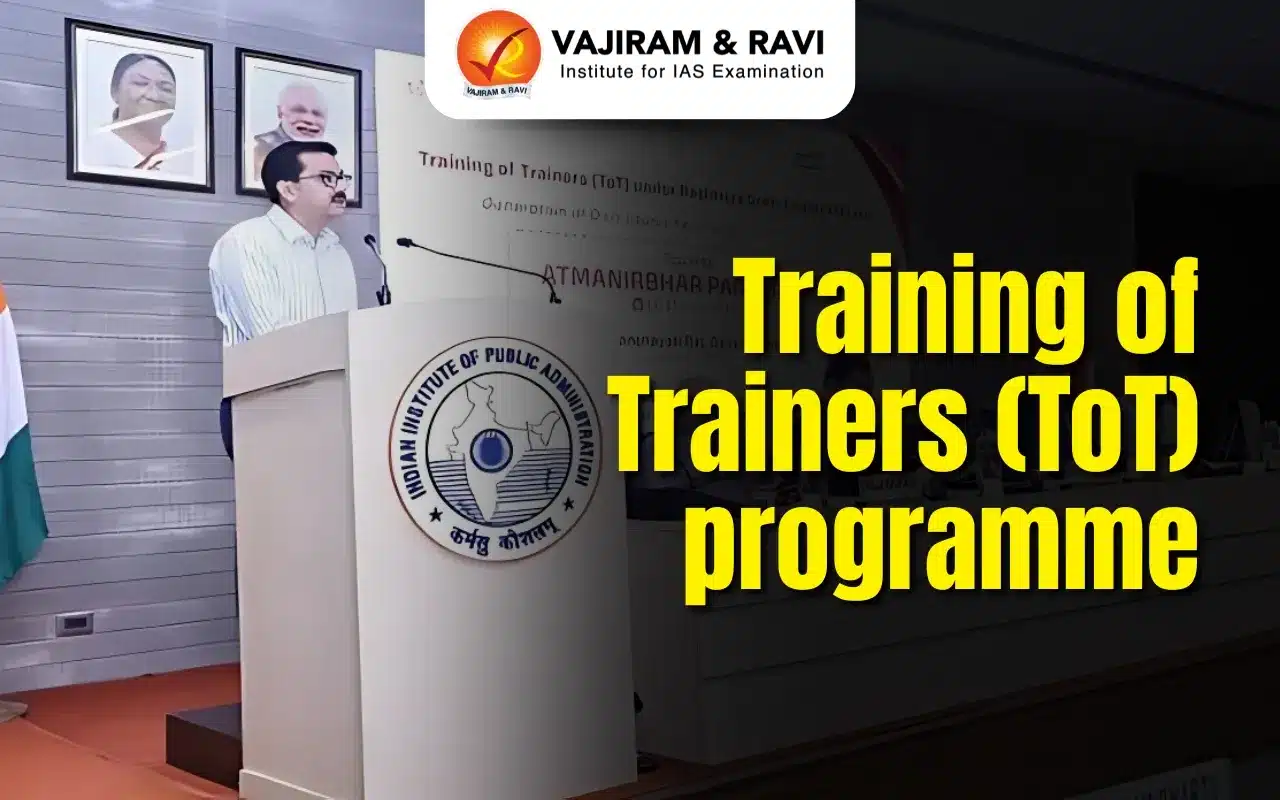
Recently, the Ministry of Panchayati Raj (MoPR), under the banner of Azadi Ka Amrit Mahotsav, has launched a comprehensive Training of Trainers (ToT) programme.

About Training of Trainers (ToT) Programme

  • It is aimed at strengthening the financial autonomy of Panchayats.
  • It focuses on enhancing the capacity of Panchayats to generate their Own Source Revenue (OSR).
  • This initiative is being implemented under the Rashtriya Gram Swaraj Abhiyan (RGSA) in collaboration with the Indian Institute of Management (IIM) Ahmedabad.
  • This Training of Trainers on OSR marks a structured and forward-looking initiative to build robust, responsive, and financially capable Panchayats across the country.  

Key Facts about Rashtriya Gram Swaraj Abhiyan

  • It was launched on 24th April 2018 as an umbrella scheme of the Ministry of Panchayati Raj, Govt. of India.
  • It is a unique scheme proposed to develop and strengthen the Panchayati Raj System across India in the rural areas implemented during 2018-19 to 2021-22. 
  • The scheme was revamped and the Centrally Sponsored Scheme of Revamped Rashtriya Gram Swaraj Abhiyan (RGSA) was approved for the implementation from financial year 2022-23 to 2025-26 for capacity building of elected representative of Panchayati Raj Institutions (PRIs).
  • The primary objective of Revamped RGSA is to develop the governance capabilities of the Panchayats to deliver on Sustainable Development Goals (SDGs) which are covered within the purview of Panchayats.
  • The Revamped RGSA extends to all States and Union Territories (UTs) of the country including institutions of rural local government in non-Part IX areas, where Panchayats do not exist.

Source: DD News

Training of Trainers (ToT) Programme FAQs

Q1: Who is the father of Panchayati Raj institutions in India?

Ans: Balwant Rai Mehta

Q2: What is the 3 tier Panchayati Raj system?

Ans: It consists of Gram Panchayat at the village level, Panchayat Samiti at the intermediate level, and Zila Parishad at the district level.

Enhanced Rock Weathering

Enhanced Rock Weathering (1)

Enhanced Rock Weathering Latest News

Recently, big business with tech giants, airlines and fast fashion firms lining up to buy carbon credits from enhanced rock weathering (ERW) projects.  

About Enhanced Rock Weathering

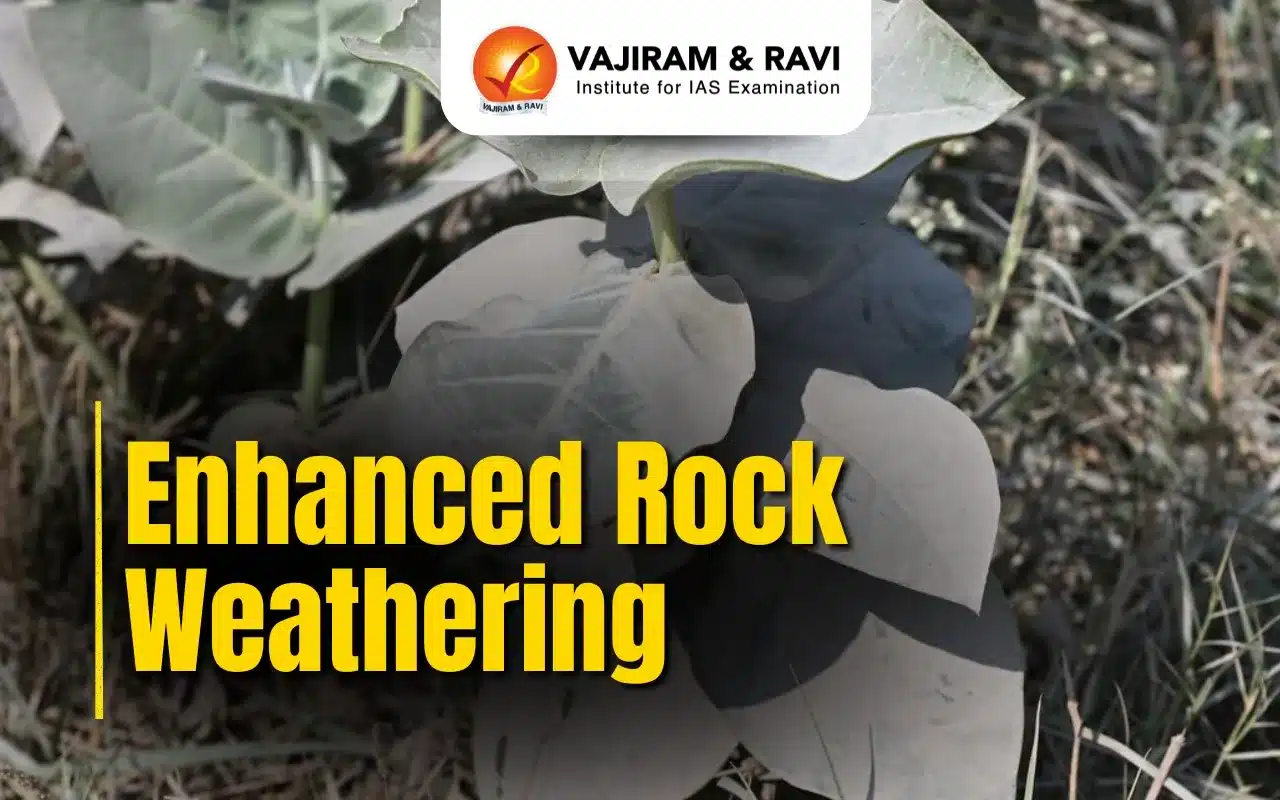
  • It aims to speed up the natural capture and storage of carbon dioxide -- a planet-warming greenhouse gas -- and also to turbocharge a natural geological process called weathering.
  • Weathering is the breakdown of rocks by carbonic acid, which forms when carbon dioxide in the air or soil dissolves into water.
  • Weathering occurs naturally when rain falls on rocks, and the process can lock away carbon dioxide from the air or soil as bicarbonate, and eventually limestone.
  • ERW speeds the process up by using quick-weathering rocks like basalt that are ground finely to increase their surface area.
  • Projects are happening in most parts of the world, including Europe, North America, Latin America and Asia.

Effectiveness of Enhanced Rock Weathering

  • Its rates depend on variables including rock type and size, how wet and hot the climate is, soil type and land management.
  • The added rock increases soil alkalinity, which can boost crop growth, soil nutrients and soil formation.
  • Basalt is both naturally abundant and often available as a byproduct of quarrying, lowering the costs of the process.
  • Experts note that even if the rock reacts with other acids in the soil, failing to lock away carbon dioxide at that stage, it can still have planetary benefits.
  • That is because acids in the soil would otherwise eventually wash into rivers and the sea, where acidification leads to the release of carbon dioxide.
  • It prevents carbon dioxide being released from the water into the atmosphere downstream.
  • Issue with ERW: Some quick-weathering rocks have high levels of potentially poisonous heavy metals.

Source: TH

Enhanced Rock Weathering FAQs

Q1: What is the enhanced rock weathering protocol?

Ans: It is a process that aims to accelerate natural rock weathering during which carbon dioxide reacts with rocks. CO2 is removed from the atmosphere and converted to bicarbonates and/or carbonates.

Q2: What are the benefits of enhanced rock weathering?

Ans: It accelerates natural weathering - results in significantly higher first year crop yields, improved soil pH, and higher nutrient uptake.

Digital Payment Intelligence Platform

Digital Payment Intelligence Platform

Digital Payment Intelligence Platform Latest News

Recently, the Reserve Bank Of India has roped in major public and private sector banks to develop the Digital Payment Intelligence Platform (DPIP) as a Digital Public Infrastructure (DPI).

About Digital Payment Intelligence Platform

  • It seeks to bolster fraud risk management by facilitating real-time intelligence sharing and gathering, thereby preventing fraudulent digital transactions.
  • The institutional structure of the proposed entity would be created with the help of both public sector and private sector lenders.
  • It will collect and analyse data from various sources to identify potential threats and prevent fraudulent activities.
  • By enabling real-time data sharing, the platform will help prevent scams and ensure secure transactions.
  • The Reserve Bank Innovation Hub (RBIH) has been assigned to build a prototype of DPIP in consultation with 5-10 banks.
  • It is going to leverage advanced technologies to curb payment-related frauds.
  • RBI formed a committee, chaired by AP Hota to examine various aspects of establishing this digital public infrastructure. 

Why is the Digital Payment Intelligence Platform needed?

  • The volume of frauds also rose to 15.51 lakh during the March 2024 period from 11.5 lakh in the previous six-month period.
  • The alarming increase coincides with India’s rapid transformation into a digital payments powerhouse, fuelled by the widespread adoption of the unified payments interface (UPI) since its launch in 2016.

Source: ET

Digital Payment Intelligence Platform FAQs

Q1: What is meant by digital intelligence?

Ans: Digital intelligence encompasses safe online behaviors, understanding digital tools, and adapting to the unique challenges of the digital space, such as cyberbullying and online privacy.

Q2: What do you mean by digital public infrastructure?

Ans: Digital Public Infrastructure (DPI) is a set of foundational digital systems that forms the backbone of modern societies.

State of the Climate in Asia 2024 Report

State of the Climate in Asia 2024 Report

State of the Climate in Asia 2024 Report Latest News

The State of the Climate in Asia 2024 report stated that the year 2024 was the warmest year on record in Asia, with widespread and prolonged heatwaves.

About State of the Climate in Asia 2024 Report

  • It is published by the World Meteorological Organisation (WMO).
  • It is the fifth edition of climate reports published annually for this region and has involved National Meteorological and Hydrological Services (NMHSs), WMO Regional Climate Centres (RCCs), and several research institutions, as well as United Nations agencies, international and regional organizations.
  • The report provides the status of key climate indicators and latest data and information on impacts, risks and policy from United Nations agencies.

Key Findings of the Report  

  • The global mean temperature in 2024 was the highest on record for the period 1850-2024,
  • Each of the years from 2015 to 2024 was one of the 10 warmest years on record.
  • Sea surface temperatures were the highest on record, with Asia’s sea surface decadal warming rate nearly double the global average.
  • Sea level rise on the Pacific and Indian Ocean sides of Asia exceeded the global average, heightening risks for low-lying coastal areas, according to the report.
  • It also highlighted changes in key climate indicators such as surface temperature, glacier mass and sea level, which will have major repercussions for societies, economies and ecosystems in the region.
  • In 2024, most of the ocean areas of Asia were affected by marine heatwaves of strong, severe, or extreme intensity — the largest extent since records began in 1993.
  • The northern Indian Ocean and in the ocean area adjacent to Japan, the Yellow Sea, and East China Sea were especially affected.
  • Three out of four cyclones formed over the Bay of Bengal (Remal, Dana, Fengal), and one formed over the Arabian Sea (Asna). 
  • Extreme high temperatures affected the Makkah region of Saudi Arabia in mid-June with temperatures reaching 49 °C. 

Source: TH

State of the Climate in Asia 2024 Report FAQs

Q1: Where is the headquarter of World Meteorological Organisation?

Ans: Geneva, Switzerland

Q2: Is India a member of World Meteorological Organisation?

Ans: India is a founding Member of WMO since 1950.

Candida Tropicalis

Candida tropicalis

Candida Tropicalis Latest News

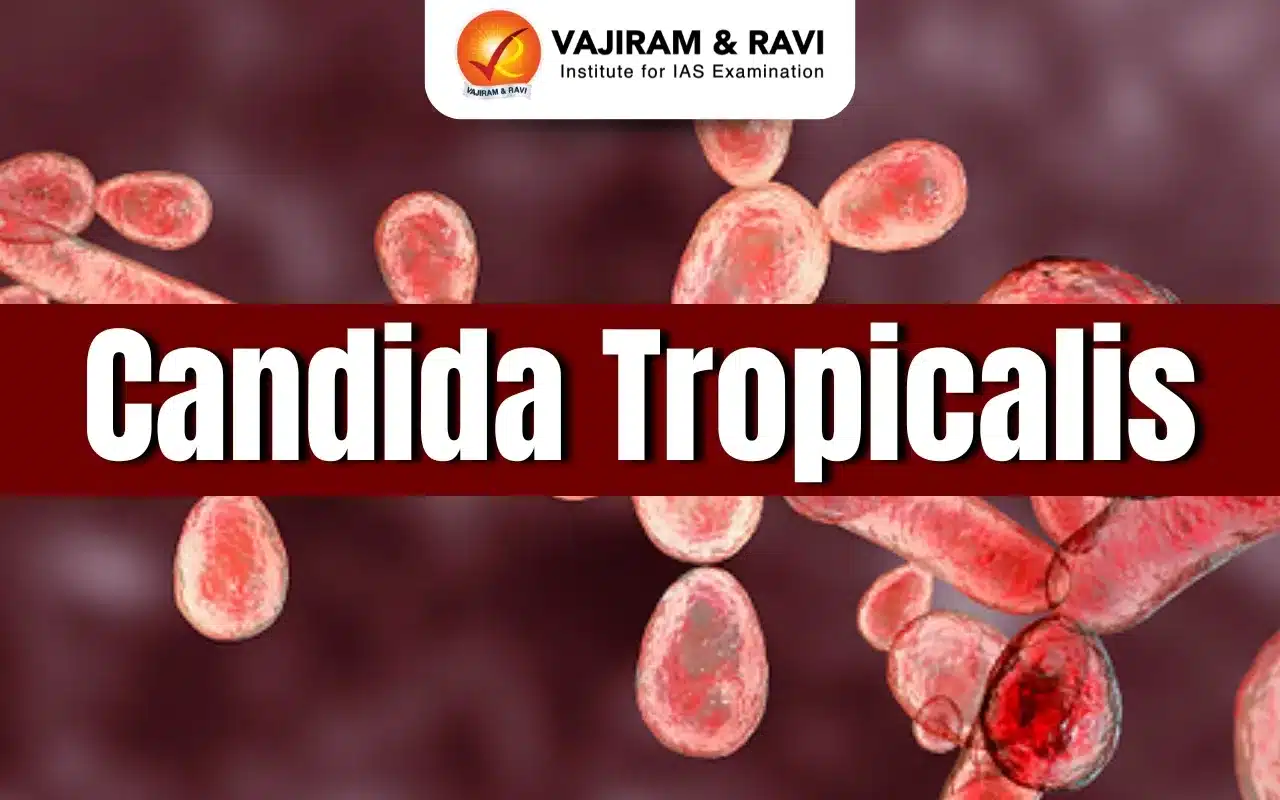
‘Candida tropicalis’, an important fungal pathogen in India and in many other parts of the world, has been found using chromosome alterations to resist common antifungal drugs such as fluconazole and voriconazole.

About Candida tropicalis

  • It is a species of yeast (fungus) that is part of the Candida genus.
  • It is a human pathogen associated with high mortality rates.
  • Habitat
    • It is one of the fungal species that has been obtained from seawater, sea sediments, mudflats, marine fish intestine, mangrove plants, marine algae, and shrimps.
    • Therefore, they are widely distributed in the tropical and subtropical marine environments.
    • It is also dominantly found in the human gut, fruit surfaces, a variety of foods, and soil.
  • It is a common systemic fungus, affecting persons with immune-compromised and immune-suppressed systems.
  • It is known to be pathogenic in neutropenic hosts and disseminating through the bloodstream to peripheral organs.
    • A neutropenic host refers to a person with neutropenia, a condition characterized by an abnormally low count of neutrophils, a type of white blood cell essential for fighting off infections, especially bacterial and fungal infections.
  • It is also known to cause infections when the normal microbiota in the human host has been compromised by intake of antimicrobial agents such as antibiotics or when the sugar levels are high in the system.
  • It causes infections on human skin, in the gastrointestinal tract, and also in the female genitourinary tract.
  • Its infections are associated with a mortality rate of 55-60%.
  • The most common mode of transmission is the nosocomial transmission between health-care workers and patients.
  • Treatment: Antifungal drugs are typically utilized to treat C. tropicalis infections.

Source: TH

Candida tropicalis FAQs

Q1: Candida tropicalis belongs to which of the following groups of organisms?

Ans: Fungus

Q2: Candida tropicalis is widely distributed in which types of environments?

Ans: Tropical and subtropical marine environments

Q3: What is the estimated mortality rate associated with Candida tropicalis infections?

Ans: 55-60%

Q4: What is the treatment option used for Candida tropicalis infections?

Ans: Antifungal drugs

Sree Narayana Guru

Sree Narayana Guru

Sree Narayana Guru Latest News

The Prime Minister recently attended the centenary celebration of the historic 1925 conversation between Mahatma Gandhi and Sree Narayana Guru at Vigyan Bhawan, New Delhi.

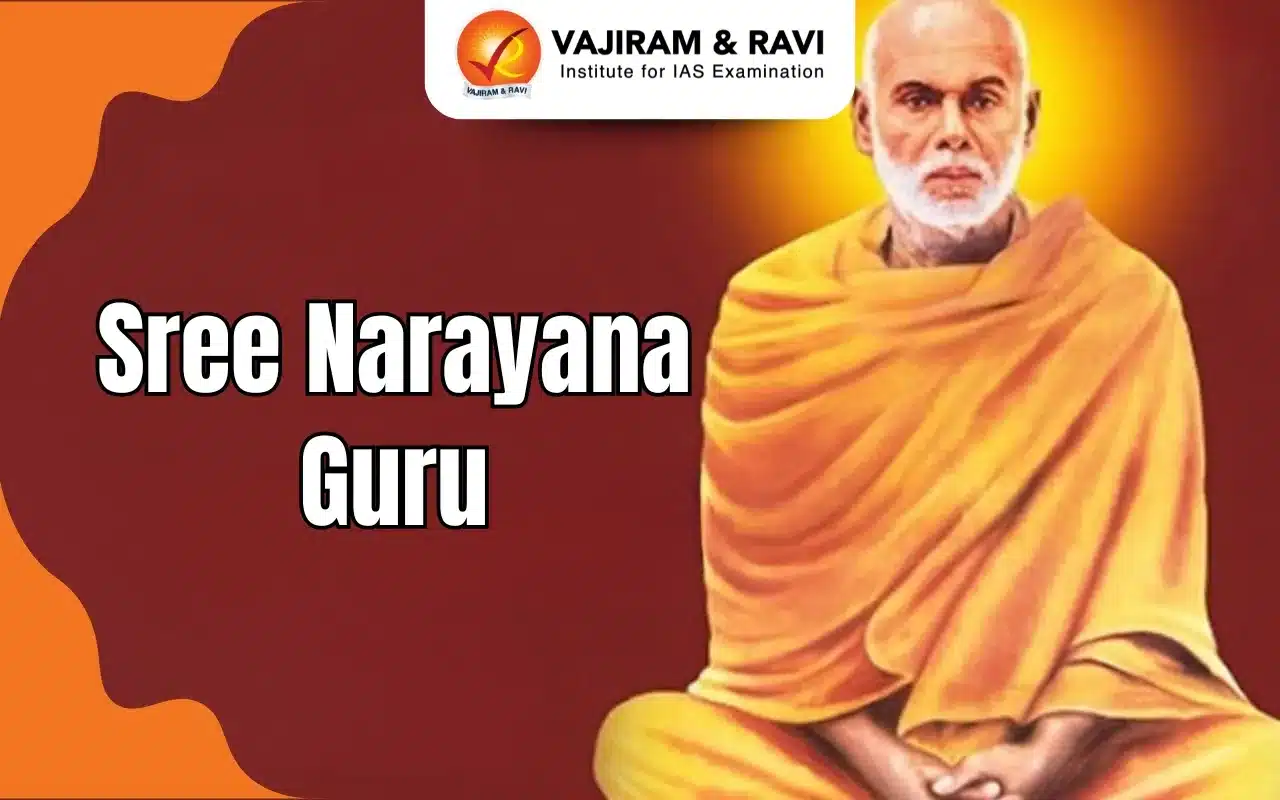
About Sree Narayana Guru

  • Sree Narayana Guru (20 August 1856 – 20 September 1928) was a saint, philosopher, spiritual leader, and social reformer from Kerala.
  • The Guru was born into an Ezhava family in an era when people from backward communities like the Ezhavas faced social injustice in the caste-ridden Kerala society. 
  • Sree Narayan Guru, under the guidance of Ayyavu Swamikal, learned yoga and meditation. This led to him becoming a hermit for eight years, during which he practised yoga and meditation to attain spirituality. 
  • Gurudevan, as he was known among his followers, led a reform movement in Kerala, revolted against the caste system, and worked on propagating new values of freedom in spirituality and social equality, which transformed Kerala society.
  • He is revered for his Vedic knowledge, poetic proficiency, openness to the views of others, non-violent philosophy, and unrelenting resolve to set right social wrongs.
  • He was one of the most successful social reformers to revolt against the caste system in India. 
  • He demonstrated a path to social emancipation without invoking the dualism of the oppressed and the oppressor.
  • Philosophy: “Oru Jathi, Oru Matham, Oru Daivam, Manushyanu” translates to “One Caste, One Religion, One God for Mankind” and is a core message advocated by Shri Narayana Guru.
  • Aruvippuram Movement (1888): Sree Narayana Guru consecrated a Shiva idol at Aruvippuram, a village in present-day Thiruvananthapuram district of Kerala, symbolising resistance against social injustice, particularly the caste-based restrictions that barred lower castes from temple entry. 
  • The Guru went on to establish more than 40 temples across the state of Kerala, to enable everyone, including the lower caste and oppressed segments of society, to practise their faith. 
  • He opened several ashrams, schools, etc., for children and others from underprivileged societies. Here, free education was provided to everyone, irrespective of their caste. 
  • He founded an ashram, or religious retreat, on Sivagiri hill, near Varkkallai, in 1904. The ashram is now called Sivagiri Matha (or Sivagiri Mutt).
  • Established SNDP: 
    • Under the Indian Companies Act, the Sri Narayana Guru Dharma Paripalana Yogam (SNDP) was established in 1903
    • Narayana Guru served as its permanent chairman, while Kumaran Asan, a renowned poet and disciple of Guru, became its general secretary.
    • The Ezhava’s right to attend public schools, access to government services, and political representation were all addressed by the SNDP.
  • The Guru also led the ‘Vaikom Satyagraha’ protest movement against caste discrimination, untouchability, and inequality. 
  • The Sivagiri foundation was established in 1924 by the Guru to promote virtues of cleanliness, education, devotion, agriculture, handicrafts, and trade.
  • The Sivagiri pilgrimage (Sivagiri Theerthadanam), initiated by his followers, promotes values of purity, education, and organization.
  • Literary Contributions: He authored several important works, including Advaitha Deepika, Atmavilasam, Daiva Dasakam, and Brahmavidya Panchakam.
  • After his death, Guru’s birth anniversary was established as “Sri Narayana Jayanthi,” and both his birth and death days are observed as public holidays in Kerala and other states.

Source: NIE

Sree Narayana Guru FAQs

Q1: Which philosophical message is most closely associated with Sree Narayana Guru?

Ans: “One Caste, One Religion, One God for Mankind”

Q2: What was the significance of the Aruvippuram Movement (1888) led by Sree Narayana Guru?

Ans: Consecration of a Shiva idol by a non-Brahmin.

Q3: What does SNDP Yogam stand for?

Ans: Sree Narayana Dharma Paripalana Yogam

Q4: In which year was Sivagiri Mutt, the spiritual center established by Guru, founded?

Ans: 1904

Sabka Vishwas – (Legacy Dispute Resolution) Scheme, 2019 (SVLDRS)

Sabka Vishwas - (Legacy Dispute Resolution) Scheme

Sabka Vishwas -(Legacy Dispute Resolution) Scheme, 2019 Latest News

The New Delhi Bench of Customs, Excise, and Service Tax Appellate Tribunal (CESTAT) recently stated that revenue proceedings are not possible after the issuance of discharge certificate under SVLDRS [Sabka Vishwas (Legacy Dispute Resolution) Scheme, 2019] Scheme.

About Sabka Vishwas -(Legacy Dispute Resolution) Scheme, 2019

  • It was a one-time amnesty scheme proposed in the Union Budget, 2019, and introduced to resolve all disputes relating to the erstwhile Service Tax and Central Excise Acts, which are now subsumed under GST, as well as 26 other Indirect Tax enactments.
  • It was introduced for taxpayers who wish to close their pending disputes, with substantial relief provided by the government.
  • Operational Period: September 1, 2019 – December 31, 2019
  • Objectives:
    • To encourage voluntary disclosure of past disputes of Central Excise, Service Tax, and 26 other Indirect Tax Enactments. 
    • To facilitate an eligible person to declare the unpaid tax dues and pay the same in accordance with the provisions of this scheme.
    • To provide certain immunities, including penalty, interest or any other proceedings, including prosecution, to eligible persons who pay the declared tax due.
  • This scheme provided for a substantial relief margin on all duty demands, ranging from 40% to 70% of the demand, except in the case of voluntary disclosure.

Source: TAXS

Sabka Vishwas - (Legacy Dispute Resolution) Scheme, 2019 FAQs

Q1: The Sabka Vishwas – (Legacy Dispute Resolution) Scheme, 2019 was introduced to resolve disputes related to?

Ans: Service Tax and Central Excise

Q2: which Union Budget was the SVLDRS Scheme proposed?

Ans: 2019–20

Q3: What was the operational period of the SVLDRS scheme?

Ans: September 1, 2019 – December 31, 2019

Q4: What kind of relief did the SVLDRS scheme offer to taxpayers?

Ans: Immunity from penalty, interest, and prosecution

Price Support Scheme (PSS)

Price Support Scheme

Price Support Scheme Latest News

The Union Agriculture minister recently approved a move to procure moong and urad in Madhya Pradesh and urad in Uttar Pradesh under the Price Support Scheme (PSS).

About Price Support Scheme 

  • It is implemented by the Government of India under India’s umbrella scheme “PM-AASHA” (Pradhan Mantri Annadata Aay Sanrakshan Abhiyan), launched in 2018.
  • Implemented by: 
    • The Department of Agriculture & Cooperation implements this scheme for procurement of oilseeds, pulses, and cotton, through the National Agricultural Cooperative Marketing Federation of India (NAFED), which is the Central nodal agency, at the MSP (minimum support price) declared by the government.
    • In addition to the NAFED, the Food Corporation of India (FCI) will take up PSS operations in states/districts.
  • What are the Benefits?
    • When the price of commodities falls below the MSP, State and central notified procurement nodal agencies purchase commodities directly from the farmers at MSP under FAQ (Fair Average Quality).
    • By this way prices of the main commodities are procured and protect the farmers against the economical loss in farming.
    • Procurement under PSS is continued till prices stabilize at or above the MSP.
    • The procurement expenditure and losses due to procurement will be borne by the Central Government as per norms.

Key Facts about Pradhan Mantri Annadata Aay SanraksHan Abhiyan

  • It is an umbrella scheme aimed at ensuring remunerative prices to the farmers for their produce.
  • PM AASHA has three components, and states can choose whichever one they wish to implement. The three components are
  • Price Support Scheme (PSS)
  • Price Deficiency Payment Scheme (PDPS): 
    • Under PDPS, it is proposed to cover all oilseeds for which MSP is notified.
    • Direct payment of the difference between the MSP and the selling/model price will be made to pre-registered farmers selling his produce in the notified market yard through a transparent auction process.
    • All payments will be done directly into the registered bank account of the farmer.
    • This scheme does not involve any physical procurement of crops, as farmers are paid the difference between the MSP price and the Sale/model price on disposal in the notified market.
    • The support of the central government for PDPS will be given as per norms.
  • Pilot of Private Procurement and Stockist Schemes (PPPS):
    • In addition to PDPS, for oilseeds, states have the option to roll out PPSS on a pilot basis in selected districts/Agricultural Produce Market Committee (APMCs) of districts involving the participation of private stockists. 
    • This scheme will allow private players to participate in the procurement of crops.
    • The pilot district/selected APMC(s) of the district will cover one or more crops of oilseeds for which MSP is notified.
  • Only one scheme, i.e., PSS or PDPS, may be made operational in one State with respect to one commodity.

Source: LMINT

Price Support Scheme FAQs

Q1: The Price Support Scheme (PSS) is part of which umbrella scheme launched in 2018?

Ans: PM-AASHA (Pradhan Mantri Annadata Aay Sanrakshan Abhiyan)

Q2: What is the primary purpose of the Price Support Scheme (PSS)?

Ans: Procure crops from farmers when prices fall below MSP.

Q3: Which is the central nodal agency responsible for implementing the Price Support Scheme (PSS)?

Ans: National Agricultural Cooperative Marketing Federation of India (NAFED)

Q4: What happens when the market price of a commodity falls below the MSP under PSS?

Ans: Government agencies procure at MSP.

Q5: In addition to NAFED, which agency may also take up PSS operations in states/districts?

Ans: Food Corporation of India (FCI)

India Breaks Into Top 100 in Global SDG Index for the First Time

India SDG Index 2025

India’s Rise in the Global SDG Rankings

  • India has made a significant breakthrough by ranking 99th in the 2025 edition of the Sustainable Development Goals (SDG) Index, marking its first-ever entry into the top 100 nations globally. 
  • This leap forward underscores India’s growing focus on sustainable development and its ongoing efforts to improve across the 17 SDGs adopted by United Nations member states in 2015.
  • The SDG Index is part of the annual Sustainable Development Report (SDR) released by the UN Sustainable Development Solutions Network
  • It evaluates countries on a scale of 0 to 100, where 100 represents complete achievement of all SDGs. India scored 67, a significant improvement from its 109th position in 2024.

Comparative Regional Rankings and Progress

  • India's improved rank places it ahead of several South Asian peers. Bhutan secured 74th place (70.5), Nepal 85th (68.6), Bangladesh 114th (63.9), and Pakistan 140th (57). 
  • Meanwhile, India’s maritime neighbours Maldives and Sri Lanka, ranked 53rd and 93rd, respectively.
  • Since 2015, India has steadily improved its position in the index, from 116th in 2017 to 109th in 2024.
  • This steady climb reflects ongoing efforts to meet national and international development benchmarks, with emphasis on key indicators such as health, education, access to energy, and digital infrastructure.

Global Trends and Regional Bright Spots

  • Despite India's positive momentum, the 2025 SDR warns that global SDG progress is stagnating. 
  • Only 17% of the 169 targets across 17 goals are on track for achievement by 2030. The report attributes the slowdown to conflicts, structural vulnerabilities, and fiscal limitations, particularly in low-income and fragile states.
  • European countries dominate the upper echelons of the index, with Finland, Sweden, and Denmark occupying the top three ranks. Of the top 20 countries, 19 are in Europe. 
    • However, even these countries face challenges in achieving climate and biodiversity-related goals due to unsustainable consumption patterns.
  • East and South Asia emerged as the regions with the fastest SDG progress since 2015, driven by socioeconomic development. Notable improvers include:
    • Nepal (+11.1, Cambodia (+10), The Philippines (+8.6), Bangladesh (+8.3), Mongolia (+7.7)
  • Other standout performers globally include Benin (+14.5), Uzbekistan (+12.1), the UAE (+9.9), Saudi Arabia (+8.1), and Peru (+8.7).

Areas of Advancement and Reversal

  • While India and many developing countries show progress on critical development indicators, global performance presents a mixed picture. Areas of notable advancement include:
    • Access to electricity (SDG 7)
    • Internet and mobile broadband use (SDG 9)
    • Reduction in under-five and neonatal mortality (SDG 3)
  • Conversely, the report highlights significant setbacks in:
    • Obesity (SDG 2)
    • Press freedom (SDG 16)
    • Sustainable nitrogen management (SDG 2)
    • Biodiversity loss (measured via the Red List Index - SDG 15)
    • Corruption perceptions (SDG 16)
  • These reversals underscore the complex and sometimes contradictory nature of development, where progress in one area may coincide with backsliding in another.

Multilateralism and Financial Reform in Focus

  • A unique aspect of the report is its assessment of countries’ commitment to multilateralism. Barbados, Jamaica, and Trinidad and Tobago top the list of most committed countries. 
  • Among G20 nations, Brazil ranks highest at 25th, and Chile leads the OECD countries at 7th.
  • In stark contrast, the United States ranks last (193rd) for the second consecutive year, reflecting its policy stance against the SDGs and its withdrawal from key international frameworks such as the Paris Agreement and the World Health Organisation.
  • The SDR also lays emphasis on the need to reform the global financial architecture. Ahead of the Fourth International Conference on Financing for Development (FfD4) in Seville (June 30-July 3), the report criticises the current system for facilitating capital flows toward rich nations while underfunding emerging and developing economies (EMDEs) that possess greater growth potential.

Conclusion

  • India’s entry into the top 100 of the SDG Index is a commendable achievement and a reflection of its sustained commitment to inclusive and sustainable development. 
  • Despite challenges at the global level, India’s performance demonstrates the impact of focused policy efforts and developmental prioritisation. 
  • Moving forward, continued attention to pressing issues such as biodiversity, governance, and sustainable consumption will be critical to maintaining and accelerating this momentum.

India SDG Index 2025

Q1: What is India’s rank in the 2025 Global SDG Index?

Ans: India ranks 99th in the 2025 Global Sustainable Development Goals (SDG) Index.

Q2: How has India’s SDG ranking changed over the years?

Ans: India improved from 109th in 2024 to 99th in 2025, marking its first entry into the top 100.

Q3: What are the key areas where India and others have shown SDG progress?

Ans: Major gains have been seen in access to electricity, mobile broadband, and child health outcomes.

Q4: Which countries are leading the 2025 SDG Index globally?

Ans: Finland, Sweden, and Denmark top the index, continuing Europe’s dominance.

Q5: What are the biggest challenges highlighted in the 2025 SDR?

Ans: The report points to conflicts, fiscal limitations, and structural vulnerabilities as barriers to SDG progress.

50 Years of Emergency in India and Lasting Lessons

Emergency in India

Emergency in India Latest News

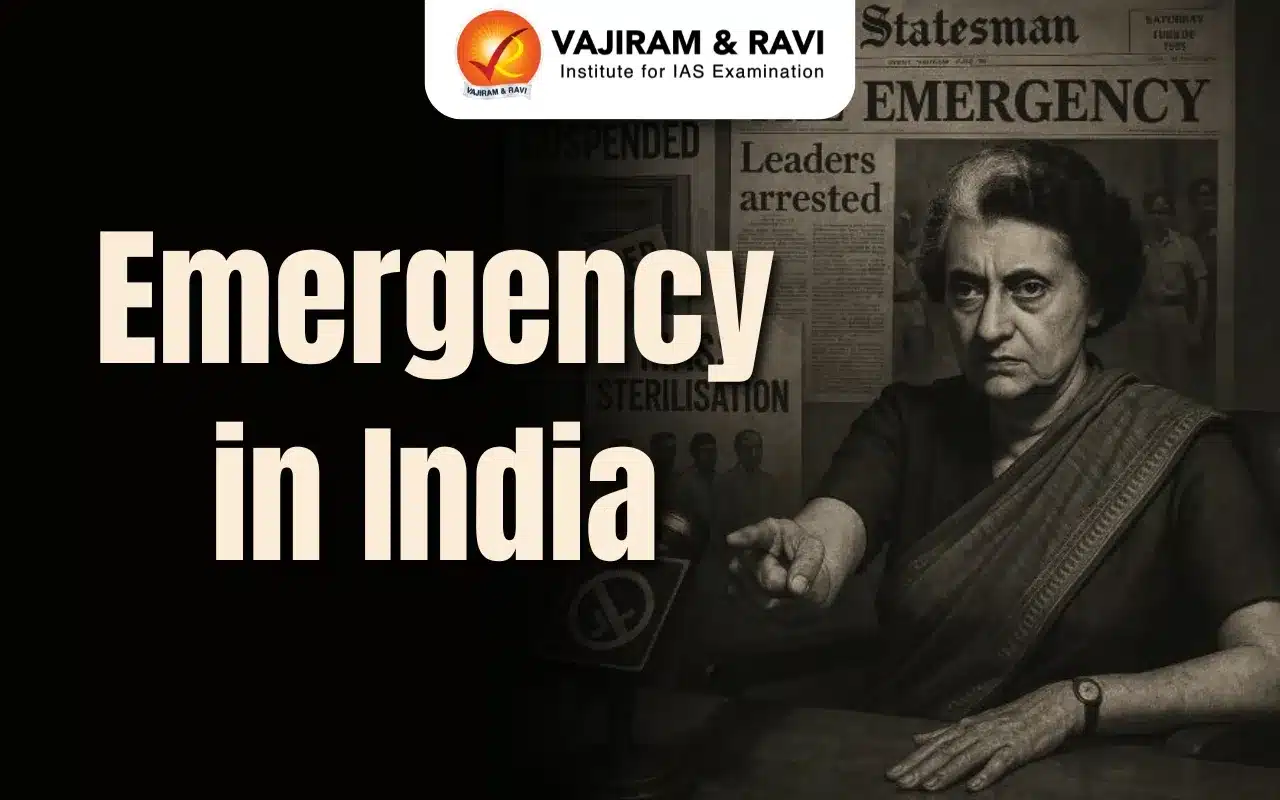
  • On June 25, 1975, exactly 50 years ago, Emergency was imposed in India — marking a 21-month period widely considered one of the darkest chapters in the country's democratic history. 
  • During this time: Civil liberties were suspended; Press freedom was curtailed; Mass arrests of opposition leaders occurred; Elections were cancelled.
  • The country was governed by rule through decrees, bypassing democratic institutions. This period remains a stark reminder of the fragility of democratic freedoms.

Backdrop to the Emergency

  • Indira Gandhi won a landslide victory in 1971, but her government soon faced multiple crises:
    • Economic strain from the 1971 India-Pak war, droughts, and the 1973 oil crisis
    • Rising corruption, misgovernance, and state excesses
  • These factors triggered widespread public dissatisfaction.

The Rise of Student Movements and Jayaprakash Narayan

  • In February 1974, Gujarat’s Navnirman Movement led to the resignation of CM Chimanbhai Patel over corruption. 
  • This inspired a student-led protest in Bihar, uniting socialist and right-wing groups under the Chhatra Sangharsh Samiti.
  • Jayaprakash Narayan (JP), a Gandhian and Quit India Movement veteran, took charge of the movement.
  • On June 5, 1974, from Patna’s Gandhi Maidan, JP gave the iconic call for “Sampoorna Kranti” (Total Revolution), mobilising mass support across Bihar and beyond.

Nationwide Agitation and the Call for Change

  • In May 1974, George Fernandes led a railway workers’ strike, paralysing Indian Railways.
  • Through 1974 and early 1975, the JP Movement gained national momentum.

Trigger: Court Verdict Against Indira Gandhi

  • On June 12, 1975, the Allahabad High Court convicted Indira Gandhi of electoral malpractice, invalidating her Lok Sabha election from Rae Bareli. 
  • This intensified calls for her resignation.

Declaration of Emergency: June 25, 1975

As dissent peaked, President Fakhruddin Ali Ahmed signed the Emergency proclamation late on June 25, 1975.

Emergency Rule by Decree (1975–1977)

From June 25, 1975, to March 21, 1977, Indira Gandhi's government exercised extraordinary constitutional powers, drastically altering India’s democratic structure.

Centre Tightens Control: Federalism Undermined

  • India’s federal structure became de facto unitary.
  • State governments remained in place but were effectively controlled by the Centre.
  • Parliament legislated on State List subjects, and constitutional provisions on Union-State financial allocation were altered with parliamentary approval.

Mass Arrests and Suppression of Dissent

  • Over 1.12 lakh people were detained under harsh laws:
    • MISA (Maintenance of Internal Security Act)
    • Conservation of Foreign Exchange and Prevention of Smuggling Activities Act (COFEPOSA)
    • Defence of India Act and Rules (DISIR)

42nd Constitutional Amendment: Judicial Powers Curtailed

  • Passed in 1976, the 42nd Amendment:
    • Stripped the judiciary of the power to hear election petitions
    • Expanded Union powers to override state matters
    • Gave Parliament absolute authority to amend the Constitution
    • Made laws implementing Directive Principles immune to judicial review

Censorship and Attack on the Press

  • Article 19(1)(a) — the right to freedom of speech — was curtailed.
  • Newspapers were placed under pre-censorship.

Extension of Lok Sabha Tenure

In 1976, when elections were due, Parliament extended its term by one year, delaying democratic restoration.

The Emergency Module

  • Though legally framed, these actions led to a dark phase in Indian democracy, marked by the erosion of rights and constitutional norms. 
  • This decline stemmed from the weaponisation of laws, judicial subversion, and disregard for the rule of law—elements now recognized by scholars as early warning signs of democratic collapse.

Weaponisation of Laws: Targeting Dissent

  • The 39th Constitutional Amendment:
    • Placed MISA in the Ninth Schedule, shielding it from judicial review.
    • Made elections of key constitutional posts non-justiciable, preempting the SC verdict on Indira’s disqualification.

Subversion of Judicial Independence

  • The Emergency era witnessed manipulation of judicial appointments to ensure a “committed judiciary”.
  • In 1977, Justice M H Beg was appointed Chief Justice, superseding Justice H R Khanna, the senior-most judge.
    • Justice Khanna had dissented in the infamous habeas corpus case, opposing the suspension of civil liberties.
  • This politicisation of the judiciary severely undermined judicial autonomy and public trust.

Erosion of the Rule of Law

  • Courts often sided with the state, offering legal impunity for Emergency excesses.
  • Detained citizens were denied due process or the benefit of legal protections.
  • Constitutional amendments were passed while Opposition leaders were jailed, making a mockery of democratic lawmaking.

Key Takeaway: Vigilance is the Price of Liberty

  • The lessons of the Emergency highlight the need to:
    • Recognize early signs of authoritarianism
    • Strengthen institutional checks
    • Safeguard civil liberties
    • Promote constitutional values
  • Repeating these lessons is essential to prevent democratic backsliding in any era.

Source: IE | IE

Emergency in India FAQs

Q1: What triggered the 1975 Emergency in India?

Ans: Indira Gandhi was disqualified by the court; unrest and political dissent led to the imposition of Emergency.

Q2: How did Emergency impact civil liberties?

Ans: Civil liberties were suspended; dissent silenced through arrests, press censorship, and harsh preventive detention laws like MISA.

Q3: What was the 42nd Amendment’s role during Emergency?

Ans: It curtailed judicial power, strengthened Parliament, and shielded laws from review, centralizing authority dangerously.

Q4: Who resisted Emergency among journalists and leaders?

Ans: Leaders like JP Narayan and journalists like Kuldip Nayar resisted; The Indian Express famously protested censorship with blank pages.

Q5: What is the key lesson from the Emergency?

Ans: Democratic freedoms require constant vigilance; misuse of legal provisions can rapidly erode constitutional norms and public accountability.

EC’s Special Voter Roll Revision in Bihar: Proof of Birth Now Mandatory

Voter Roll Revision Bihar

Voter Roll Revision Bihar Latest News

  • The Election Commission has launched a special intensive revision of the electoral roll in poll-bound Bihar, requiring all voters not listed in the 2003 rolls to submit fresh documents proving their eligibility—marking the beginning of a likely nationwide exercise.

Electoral Roll (ER): A Constitutional Responsibility of the ECI

  • The Election Commission of India (ECI) regards the creation, maintenance, and purification of the Electoral Roll (ER) as a core constitutional duty.
  • This duty is rooted in Article 324, the Representation of the People Act, 1950, and the Registration of Electors Rules, 1960 (RER).
  • The ER’s credibility is anchored in continuous updates and decades of revisions, carried out through a rule-based, transparent statutory process.

Special Summary Revision (SSR)

  • SSR involves reviewing the voter list and unveiling a draft electoral roll. It is often held prior to elections.
  • As per Rule 25(1) of RER 1960, there are three types of revisions:
    • Intensive Revision
    • Summary Revision
    • Partly Intensive and Partly Summary

EC Begins Special Revision of Electoral Rolls in Bihar

  • The Election Commission (EC) has ordered a special intensive revision of electoral rolls in Bihar ahead of the upcoming Assembly elections. 
  • Voters not listed in the 2003 rolls must now submit fresh proof of eligibility.
    • The last intensive revision in Bihar was in 2003, with the qualifying date of January 1, 2003.

Proof of Birth and Parental Origin Now Mandatory

  • Born Before July 1, 1987: Must provide proof of their own date and/or place of birth.
  • Born Between July 1, 1987 – December 2, 2004: Must furnish proof of date/place of birth of either parent.
  • Born After December 2, 2004: Must provide date/place of birth proof of both parents.
    These categories align with the Citizenship Act, 1955, according to EC sources.

Legal Basis and Historical Context

  • This revision is being conducted under powers granted by the Representation of the People Act, 1950 (Section 21), which allows the EC to prepare electoral rolls afresh. 
  • The Commission has invoked this power 13 times before, between 1952 and 2004.

Process

  • Booth Level Officers (BLOs) will conduct house-to-house surveys, distribute pre-filled enumeration forms, and collect them with supporting documents. 
  • Forms can also be submitted via the ECINET app or ECI website.
  • Electoral Registration Officers (EROs) verify voter eligibility under Section 23 of the Representation of the People Act, 1950
    • If any claims or objections arise, the AERO will investigate before final approval. 
  • Under Section 24, appeals against ERO decisions can be made to the District Magistrate or Chief Electoral Officer.

Need for intensive revision

  • The last intensive revision in Bihar was done in 2003. 
  • Due to rapid urbanisation, migration, new eligible voters, unreported deaths, and inclusion of foreign illegal immigrants, the EC has now ordered a fresh revision to ensure accurate and error-free electoral rolls.

EC Revises Protocol for Handling EVMs and VVPATs with Mock Poll Data

  • Earlier, EVMs and VVPATs where mock poll data wasn’t deleted or slips weren’t removed were set aside and not counted—but only if the margin of victory exceeded the number of such votes. 
  • This led to discrepancies between total votes polled and counted.

New Instructions: Count All Machines Separately

  • The Election Commission has now directed that such machines must be counted on a separate table, not discarded.
    • Mock poll votes will be subtracted using the mock poll certificate.
    • This ensures a more accurate final count and greater transparency.

Accountability Measures for Poll Officials

  • Strict action will be taken against the Presiding Officer and Polling Officer if:
    • Mock poll data is not erased from the EVM control unit, or
    • VVPAT slips from the mock poll are not removed.
  • These officials will face disciplinary action, reinforcing the need for compliance and care during polling procedures.

Source: IE | PIB | ECI

Voter Roll Revision Bihar FAQs

Q1: Why is Bihar undergoing voter roll revision?

Ans: To update rolls due to urbanisation, migration, new voters, and ensure accuracy before upcoming Assembly elections.

Q2: Who needs to submit birth proof in Bihar?

Ans: Voters not listed in 2003 roll must submit birth or parental proof as per their date of birth.

Q3: What is Special Summary Revision (SSR)?

Ans: A pre-election voter roll update involving house surveys, document verification, and publication of draft and final rolls.

Q4: How is voter eligibility verified?

Ans: Electoral officers verify documents; objections can be raised and appeals made to District Magistrate or Chief Electoral Officer.

Q5: What are the new EVM/VVPAT rules?

Ans: Machines with undeleted mock poll data will be counted separately, and responsible poll officers face strict action.

Enquire Now