UPSC Daily Quiz 2 July 2025

UPSC Daily Quiz

The Daily UPSC Quiz by Vajiram & Ravi is a thoughtfully curated initiative designed to support UPSC aspirants in strengthening their current affairs knowledge and core conceptual understanding. Aligned with the UPSC Syllabus 2025, this daily quiz serves as a revision resource, helping candidates assess their preparation, revise key topics, and stay updated with relevant issues. Whether you are preparing for Prelims or sharpening your revision for Mains, consistent practice with these Daily UPSC Quiz can significantly enhance accuracy, speed, and confidence in solving exam-level questions.

[WpProQuiz 8]

UPSC Daily Quiz FAQs

Q1: What is the Daily UPSC Quiz?

Ans: The Daily UPSC Quiz is a set of practice questions based on current affairs, static subjects, and PYQs that help aspirants enhance retention and test conceptual clarity regularly.

Q2: How is the Daily Quiz useful for UPSC preparation?

Ans: Daily quizzes support learning, help in revision, improve time management, and boost accuracy for both UPSC Prelims and Mains through consistent practice.

Q3: Are the quiz questions based on the UPSC syllabus?

Ans: Yes, all questions are aligned with the UPSC Syllabus 2025, covering key areas like Polity, Economy, Environment, History, Geography, and Current Affairs.

Q4: Are solutions and explanations provided with the quiz?

Ans: Yes, each quiz includes detailed explanations and source references to enhance conceptual understanding and enable self-assessment.

Q5: Is the Daily UPSC Quiz suitable for both Prelims and Mains?

Ans: Primarily focused on Prelims (MCQ format), but it also indirectly helps in Mains by strengthening subject knowledge and factual clarity.
Daily Editorial Analysis 2 July 2025

Daily Editorial Analysis

Empowering Governance with Outcome-Driven Data: A Path to Viksit Bharat

Context:

India is shifting toward outcome-driven monitoring to enhance governance effectiveness, with several states piloting innovative data use frameworks to improve public service delivery.

Introduction: Shaping Viksit Bharat through Better Data Use

  • In the journey toward a "Viksit Bharat" (Developed India), public service delivery must transcend traditional bureaucratic frameworks to become outcome-oriented, citizen-centric, and transparent.
  • This transformation hinges on the effective use of data, not as a tool for inspection, but as a catalyst for improvement.
  • While India generates extensive data across sectors, nutrition, education, health, and livelihoods, the current system often focuses on inputs rather than results.
  • The call is clear: move from data fatigue to meaningful, informed action that supports better decision-making, empowers frontline workers, and addresses local needs dynamically.

India’s Expansive but Fragmented Data Ecosystem

  • India’s governance ecosystem is replete with data sources:
    • Unified District Information System for Education (UDISE+)
    • Health Management Information System (HMIS)
    • National Family Health Survey (NFHS)
    • National Sample Survey (NSS)
  • Despite these efforts, the emphasis largely remains on input tracking, school enrolments, food distribution, or health supplies, while outcome measures (like literacy, nutrition, or treatment success) receive less attention.
  • Furthermore, national surveys are often too broad, infrequent, and disconnected from local programs.
  • This results in frontline workers feeding data upwards without clarity on its practical relevance.

The 4As Framework: Making Data Actionable

  • To reimagine monitoring, a 4As framework is proposed:
    • Ascertain - Identify the few critical outcomes that matter most.
    • Assess - Embed regular, low-burden assessments to track progress.
    • Assist - Support field workers through mentoring, training, and feedback.
    • Adapt - Modify strategies based on real-time feedback and citizen needs.
  • This shift reorients monitoring from quantity to quality, creating feedback loops that not only track progress but also drive it.

Learning from State-Level Innovations

  • States like Uttar PradeshAndhra PradeshTelangana, and Odisha are already experimenting with outcome-oriented data systems.
  • Uttar Pradesh launched the NIPUN Bharat Mission, starting with the fundamental question, “What should a child learn by the end of each grade?”
  • Weekly learning goals, termed Lakshyas, were integrated into teacher training and review meetings. No new structures were created, existing ones were streamlined to work in coherence.
  • Andhra Pradesh, under a pilot programme, integrated real-time dashboards with mentoring and field visits. This approach led to a 20% improvement in foundational learning in just one year.
  • Telangana uses its Human Development and Livelihood Survey (HDLS) to track annual citizen outcomes. This has enabled dynamic resource allocation and rapid course correction.
    • Similarly, self-reporting, managerial oversight, and citizen feedback in the rural development department have built a culture of accountability without blame.
  • Odisha’s schools now conduct quarterly block-level teacher meetings, not just for data reporting but for collaborative problem-solving based on that data.

Embedding Analytics for Institutional Capacity

  • To move from episodic to systemic improvements, the authors propose setting up Data Analytics Units (DAUs) within planning departments.
  • These units can synthesise data from multiple sources, routine programme records, citizen feedback, and real-time surveys, to offer integrated insights that inform policy.
  • This shift enables departments to not only measure impact but also evolve based on what the data reveals. Rather than being passive collectors, these DAUs can become active agents in improving governance outcomes.

Reserved Faculty Posts are Still Vacant and Out of Reach

Context

  • India’s constitutional commitment to social justice is more than a moral or ideological framework, it is a legal and ethical obligation aimed at correcting deep-rooted historical injustices.
  • With quotas of 15%, 7.5%, 27%, and 10% respectively, these policies are particularly critical in higher education, where representation shapes not just access, but also the production and dissemination of knowledge.
  • However, a persistent and troubling trend has emerged: premier institutions consistently fail to fill reserved faculty positions.
  • This shortfall raises urgent questions about the systemic barriers thwarting India’s social justice agenda.

A Persistent Gap in Representation

  • Despite the clear constitutional mandate, the data reveals an alarming shortfall.
  • According to figures presented by Union Education Minister in April 2021, out of 45 central universities, there were 2,389 vacant SC faculty positions, 1,199 for STs, and 4,251 for OBCs.
  • While targeted recruitment drives at institutions like Jawaharlal Nehru University (JNU) and the University of Delhi have made marginal progress, the broader picture remains bleak.
  • The 2023 University Grants Commission (UGC) report confirmed that nearly 30% of reserved teaching posts remain unfilled, particularly at senior levels such as associate professor and professor.
  • This deficit contrasts sharply with other public sectors, such as railways and banking, where reserved posts in lower-level jobs (Groups C and D) are routinely filled.

Systemic Barriers to Inclusion

  • Institutional Autonomy and Accountability Gaps
    • Central universities and institutes of national importance operate with significant autonomy.
    • While the UGC mandates reservation compliance, enforcement is weak and inconsistent.
    • Selection committees and Vice-Chancellors, often composed of members from dominant social groups, exhibit insufficient urgency in advancing social justice goals.
    • The lack of oversight mechanisms allows these institutions to circumvent constitutional obligations with impunity.
  • The 13-Point Roster System
    • The 2018 introduction of the 13-point roster system marked a significant regression.
    • Unlike the previous 200-point system that calculated reservations across the entire institution, the new system considers departments as individual units.
    • This change disproportionately affects smaller departments, which often do not reach the critical threshold for mandatory reserved posts, especially for STs and SCs.
    • Legal challenges and nationwide protests reflect the backlash this system has generated for undermining representation.
  • Discretionary Rejection and Institutional Bias
    • A less visible but equally damaging barrier is the prevalence of discretionary rejections.
    • Candidates from SC, ST, and OBC backgrounds, even when qualified, are often denied positions on ambiguous grounds such as not found suitable.
    • According to a 2022 study by the Ambedkar University Faculty Association, over 60% of vacancies in reserved categories were attributed to such arbitrary assessments.
    • These practices develop a culture of exclusion and disillusionment, discouraging potential candidates from pursuing academic careers.

Recommendation of Policy and Practice Toward a More Inclusive Academia

  • Strengthen Enforcement Mechanisms
    • UGC guidelines on reservation must be stringently enforced through regular audits and publicly accessible compliance reports.
    • Institutions should be held accountable for lapses in fulfilling reservation quotas, with penalties for non-compliance.
  • Reform the Roster System
    • The 13-point roster must be revisited and restructured to align with the spirit of constitutional equality.
    • The Supreme Court’s ongoing hearings may offer legal clarity, but proactive legislative or regulatory amendments can pre-empt further delays and disruptions.
  • Institutionalise Fair and Transparent Recruitment
    • Diversity in selection committees and clearly defined evaluation criteria can reduce subjective biases.
    • Moreover, training programmes for academic administrators on social justice principles can shift institutional culture toward greater inclusivity.
  • Political Will and Ethical Commitment
    • Ultimately, bridging this gap requires genuine political commitment.
    • Social justice must move beyond rhetoric and be embedded as a core value in policy implementation.
    • The ruling establishment that often frames itself as a proponent of inclusive nationalism, must demonstrate through action its commitment to pluralism and equity in higher education.

Conclusion

  • The chronic underrepresentation of marginalised communities in university faculties is not just a policy failure, it is a moral and democratic crisis.
  • Universities are not mere centres of professional training but are spaces of social transformation.
  • They must reflect the diversity of the society they serve, and their governance must be informed by the principles of justice, equity, and inclusion.
  • Only through decisive reform, greater institutional accountability, and visionary leadership can India hope to realise its foundational promise of social justice and build a truly inclusive knowledge society.

A Triangular Dynamic in South Asia’s Power Politics

Context

  • In the intricate matrix of South Asian geopolitics, the triangular relationship between the United States, India, and Pakistan presents a complex narrative, one shaped by strategic necessity, ideological contests, national interests, and deep-rooted historical legacies.
  • Recent developments, particularly during Donald Trump’s return to power, have cast new light on longstanding alliances, emerging fractures, and evolving national doctrines.
  • Against this volatile backdrop, each actor navigates the treacherous waters of diplomacy, security, and influence, recalibrating old partnerships while striving to redefine their place in a rapidly changing world order.

The Triangular Dynamic in South Asian Geopolitics

  • The U.S. Pivot
    • The Trump administration’s foreign policy approach represents a stark departure from traditional diplomacy.
    • Eschewing long-term doctrines in favour of short-term strategic gains, Trump's transactional style has developed a renewed engagement with Pakistan.
    • His overtures, notably a symbolic lunch with Pakistan’s Army Chief Field Marshal Asim Munir and his repeated claims of brokering peace between India and Pakistan, have evoked memories of Cold War-era realpolitik.
    • These gestures underscore an American willingness to employ shortcut diplomacy, even at the cost of previous strategic alignments.
  • Revival of US Pakistan Relations
    • The revival of U.S.-Pakistan ties under Trump’s second term, particularly the authorisation of $397 million to sustain Islamabad’s F-16 fleet and public commendation of Pakistan as a phenomenal partner, signals a notable recalibration.
    • Pakistan’s military, portrayed as a knowledgeable interlocutor on Iran, is being positioned as a potential regional asset, especially amid tensions involving Iran and Israel.
    • This strategic shift threatens to erode decades of U.S.-India cooperation built on shared counterterrorism interests and converging concerns about China's regional ambitions.
  • India’s Disillusionment and Doctrinal Shift
    • India’s initial synergy with Trump, rooted in a shared condemnation of Pakistan's double-dealing on terrorism, has begun to fray in light of Washington’s overtures toward Islamabad.
    • India’s security doctrine has evolved in response. The devastating terror attack in Pahalgam catalysed Operation Sindooran assertive military response that marked a clear break from India’s traditional policy of strategic restraint.
    • India’s declaration of a new normal exemplifies a doctrinal shift: one that combines hard military retaliation with global diplomatic campaigns aimed at isolating Pakistan.
    • This assertiveness coincides with growing fears of a two-front conflict, given Pakistan’s deepening ties with Beijing, whose adversarial posture towards New Delhi adds a dangerous layer of complexity to the region’s security calculus.

Pakistan’s Strategic Recalibration and Diplomatic Offensives

  • Amidst internal political turmoil and external pressures, Pakistan is pursuing a multi-pronged strategy that blends military strength with diplomatic manoeuvring.
  • The promotion of Asim Munir to field marshal signifies the formal consolidation of military dominance in Pakistan’s national security framework.
  • This entrenchment of a hard state approach, resistant to civilian oversight, reflects Rawalpindi’s determination to assert control at home and abroad.
  • Simultaneously, Pakistan is leveraging its geographical centrality, straddling South Asia, West Asia, and Central Asia, to position itself as indispensable to U.S. strategic interests.
  • Economic negotiations, rare earth mineral deals, and personal diplomacy have become tools in a charm offensive designed to restore Pakistan’s relevance and gain economic lifelines.
  • While Pakistan lacks the economic and demographic heft of India, it compensates through its geographic utility and agility in diplomatic corridors. 

America’s Balancing Act and Pakistan’s Enduring Relevance

  • America’s Balancing Act and Strategic Ambivalence
    • The United States now finds itself in a position of strategic ambivalence. On one hand, India’s role in the Indo-Pacific and its participation in frameworks like the Quad should anchor it firmly within American strategic priorities.
    • Yet, Trump’s America appears increasingly preoccupied with trade deals and personal diplomacy, often at the expense of broader ideological or institutional commitments.
    • Any American move to equate the two rivals, the so-called hyphenation, undermines India’s global aspirations and risks alienating one of its most natural democratic partners in the region.
  • Pakistan’s Enduring Relevance
    • Pakistan’s continued relevance in American foreign policy rests not only on its location but also on the military’s sophisticated use of personal diplomacy.
    • Proximity to flashpoints like Iran, Afghanistan, and China makes Pakistan a geographically strategic player.
    • This, combined with its intelligence and logistical capabilities, ensures that some factions in Washington view Pakistan as a vital cog in their regional machinery.
    • This perception fuels Pakistan’s confidence in counterbalancing India, even as the latter boasts superior economic and demographic indicators.

Conclusion

  • The triangular dynamic among the United States, India, and Pakistan is marked by shifting allegiances, strategic opportunism, and competing visions for regional order.
  • For the U.S., the challenge lies in balancing short-term strategic imperatives with long-term values and partnerships.
  • For India, it means navigating a recalibrated regional order without compromising its sovereign stance or strategic autonomy.

Daily Editorial Analysis 2 July 2025 FAQs

Q1: What is editorial analysis?

Ans: Editorial analysis is the critical examination and interpretation of newspaper editorials to extract key insights, arguments, and perspectives relevant to UPSC preparation.

Q2: What is an editorial analyst?

Ans: An editorial analyst is someone who studies and breaks down editorials to highlight their relevance, structure, and usefulness for competitive exams like the UPSC.

Q3: What is an editorial for UPSC?

Ans: For UPSC, an editorial refers to opinion-based articles in reputed newspapers that provide analysis on current affairs, governance, policy, and socio-economic issues.

Q4: What are the sources of UPSC Editorial Analysis?

Ans: Key sources include editorials from The Hindu and Indian Express.

Q5: Can Editorial Analysis help in Mains Answer Writing?

Ans: Yes, editorial analysis enhances content quality, analytical depth, and structure in Mains answer writing.

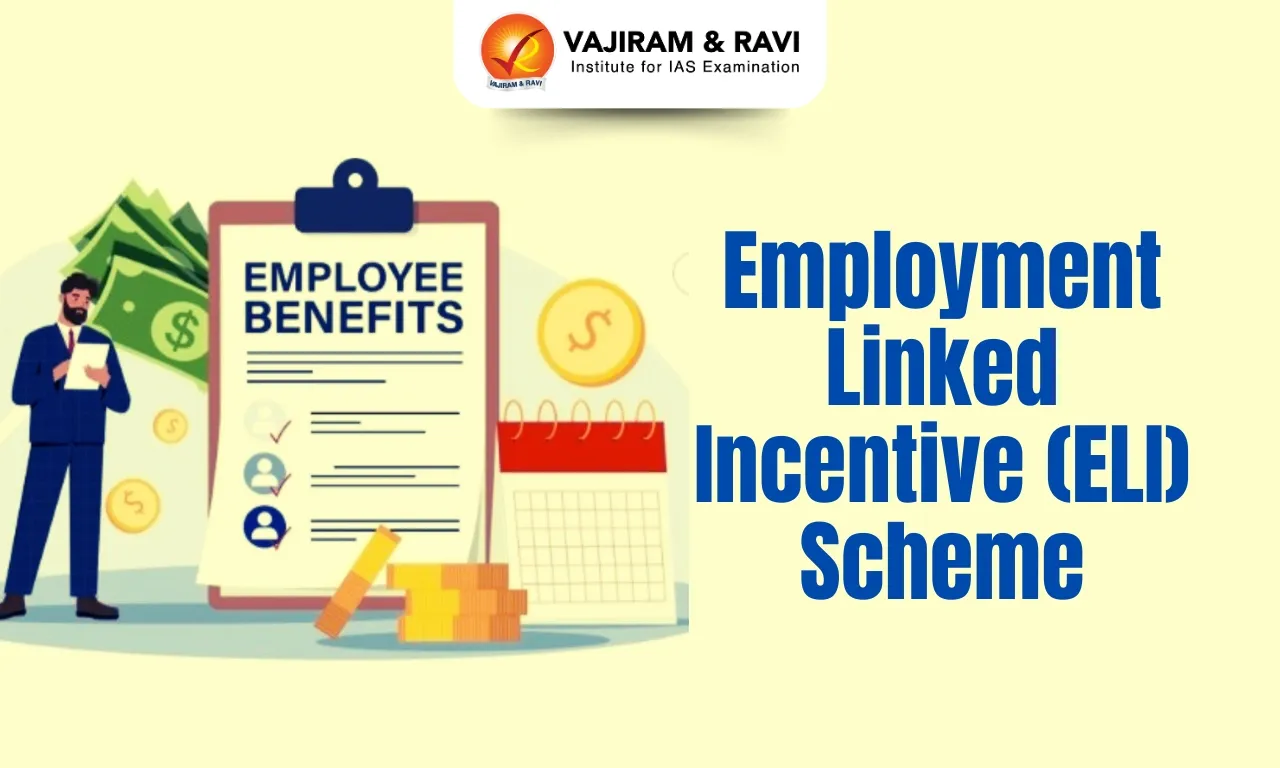
Employment Linked Incentive (ELI) Scheme

Employment Linked Incentive (ELI) Scheme

Employment Linked Incentive (ELI) Scheme Latest News

Recently, the Union Cabinet chaired by the Prime Minister of India has approved the Employment Linked Incentive (ELI) Scheme.

About Employment Linked Incentive (ELI) Scheme

  • It will support employment generation, enhance employability and social security across all sectors, with special focus on the manufacturing sector. 
  • The ELI Scheme was announced in the Union Budget 2024-25 as part of PM’s package of five schemes to facilitate employment, skilling and other opportunities for 4.1 Crore youth with a total budget outlay of Rs 2 Lakh Crore. 
  • It aims to incentivize the creation of more than 3.5 Crore jobs in the country, over a period of 2 years.  Out of these, 1.92 Crore beneficiaries will be first timers, entering the workforce. 
  • Under the Scheme, while the first-time employees will get one month’s wage (up to Rs 15,000/-), the employers will be given incentives for a period to two years for generating additional employment, with extended benefits for another two years for the manufacturing sector. 
  • The benefits of the Scheme would be applicable to jobs created between 01st August 2025 and 31st July, 2027.
  • The Scheme consists of two parts with Par A focused on first timers and Part B focused on employers:
  • Part A: Incentive to First Time Employees
    • Targeting first-time employees registered with EPFO, this Part will offer one-month EPF wage up to Rs 15,000 in two installments.  Employees with salaries up to Rs 1 lakh will be eligible. 
  • Part B: Support to Employers
    • This part will cover the generation of additional employment in all sectors, with a special focus on the manufacturing sector. 
    • The employers will get incentives in respect of employees with salaries up to Rs 1 lakh. 
    • The Government will incentivize employers, up to Rs 3000 per month, for two years, for each additional employee with sustained employment for at least six months. 
    • For the manufacturing sector, incentives will be extended to the 3rd and 4th years as well.
  • All payments to the First Time Employees under Part A of the Scheme will be made through DBT (Direct Benefit Transfer) mode using Aadhar Bridge Payment System (ABPS). 
  • Payments to the Employers under Part B will be made directly into their PAN-linked Accounts.

Source: PIB

Employment Linked Incentive (ELI) Scheme FAQs

Q1: What is the key purpose of the employment LinkedIn incentive scheme?

Ans: The Employee Linked Incentive (ELI) scheme introduced in the Union Budget 2024, is a government initiative designed to boost employment by providing financial incentives to employees entering the formal sector and employers that generate new jobs.

Q2: What is Employees Provident Fund Organisation (EPFO)?

Ans: It is a statutory body under the Employees’ Provident Funds and Miscellaneous Act, 1952. It is under the administrative control of the Union Ministry of Labor and Employment.

Central Adoption Resource Authority (CARA)

Central Adoption Resource Authority

Central Adoption Resource Authority Latest News

The Central Adoption Resource Authority (CARA) recently clarified that adoptive parents do not need hard copies of adoption orders, as digitally certified versions sent via e-mail are legally valid and sufficient under the current rules.

About Central Adoption Resource Authority

  • It is a statutory body of the Ministry of Women & Child Development, Government of India.
  • It was established in 1990 as an autonomous body. 
  • Through Section 68 of the Juvenile Justice (Care and Protection of Children) Act, 2015 (JJ Act 2015), CARA attained the status of a statutory body.
  • It functions as the nodal body for adoption of Indian children and is mandated to monitor and regulate in-country and inter-country adoptions. 
  • CARA is designated as the Central Authority to deal with intercountry adoptions in accordance with the provisions of the Hague Convention on Intercountry Adoption, 1993, ratified by the Government of India in 2003.
  • CARA primarily deals with the adoption of orphan, abandoned, and surrendered children through its associated/recognised adoption agencies.
  • In India, a child can be placed with a family under the Hindu Adoption and Maintenance Act 1956, Guardians and Wards Act, 1890 and Juvenile Justice Act, 2000.
  • The mandatory registration of Child Care Institutions (CCIs) and linking to CARA has been provided in the JJ Act 2015.

Functions of Central Adoption Resource Authority

  • Monitor and regulate the procedure for in-country adoption;
  • Receive applications of an Non-Resident Indian (NRI) or Overseas Citizen of India (OCI) or a foreigner living abroad through authorised adoption agency or Central Authority or the Government department or the Indian diplomatic mission concerned and process the same;
  • Receive and process applications received from a foreigner or an OCI residing in India for one year or more, and who is interested in adopting a child from India;
  • Issue No Objection Certificate in all cases of intercountry adoptions;
  • Issue Conformity Certificate in the inter-country adoption cases under Article 23 of the Hague Adoption Convention in respect of intercountry adoption;
  • Intimate the immigration authorities of India and the receiving country of the child about the inter-country adoption cases;
  • Provide support and guidance to State Adoption Resource Agencies, District Child Protection Units, Specialised Adoption Agencies, and other stakeholders of adoption in related matters, through trainings, workshops, exposure visits, consultations, conferences, seminars, and other capacity-building programmes;
  • Coordinate with State Governments or the State Adoption Resource Agencies and advise them in adoption related matters;
  • Establish uniform standards and indicators;
  • Conduct research, documentation, and publication on adoption and related matters;
  • Maintain a comprehensive centralised database relating to children and prospective adoptive parents for the purpose of adoption in the Child Adoption Resource Information and Guidance System;
  • Maintain a confidential centralised database relating to children placed in adoption and adoptive parents;
  • Carry out advocacy, awareness and information, education, and communication activities for promoting adoption and other non-institutional child care services;
  • Enter into bilateral agreements with foreign Central Authorities as prescribed under the Hague Adoption Convention, wherever necessary;
  • Authorise foreign adoption agencies to sponsor applications of NRI or OCI or foreign prospective adoptive parents for intercountry adoption of Indian children;
  • Set up counselling Centre in its headquarters and support State Adoption Resource Agencies for setting up of counseling centre at the State and District levels;
  • It monitors and regulates bodies such as the State Adoption Resource Agency (SARA), Specialised Adoption Agency (SAA), Authorised Foreign Adoption Agency (AFAA), Child Welfare Committees (CWCs), and District Child Protective Units (DPUs).

Source: TH

Central Adoption Resource Authority FAQs

Q1: What is the Central Adoption Resource Authority?

Ans: It is a statutory body of Ministry of Women & Child Development, Government of India.

Q2: What is the primary role of Central Adoption Resource Authority (CARA)?

Ans: Monitoring and regulating in-country and inter-country adoptions

Q3: Which international convention guides CARA in inter-country adoptions?

Ans: Hague Convention on Intercountry Adoption, 1993

Q4: CARA issues which certificate in inter-country adoptions under the Hague Convention?

Ans: Conformity Certificate

Q5: Which section of the Juvenile Justice (Care and Protection of Children) Act, 2015, confers statutory status to CARA?

Ans: Section 68

Ghana

Ghana

Ghana Latest News

The Prime Minister will undertake a significant multi-nation tour from July 2 to July 9,  visiting Ghana, Trinidad & Tobago, Argentina, Brazil, and Namibia to strengthen India’s bilateral ties and global partnerships.           

About Ghana

  • Location: It is located in West Africa and is sandwiched between Cote d’Ivoire (Ivory Coast) and Togo.
  • Bordering Countries: The country shares its borders with three countries: Côte d'Ivoire to the west, Burkina Faso to the north, and Togo to the east.
  • It is situated on the Gulf of Guinea and the Atlantic Ocean in the subregion of West Africa. 
  • Mountains: Mount Afadjato , Mount Djebobo, Mount Torogbani , all situated east of the Volta River near the Togo border. 
  • In Ghana Kwahu Plateau and Gambaga Scarp form major uplands and escarpments.
  • Lakes: Lake Volta which is created by the Akosombo Dam and considered as one of the largest artificial lakes globally
  • Drainage System: The drainage system is dominated by the Volta River basin, which includes Lake Volta and the Black Volta, White Volta, and Oti rivers. 
  • Economy: Gold, cocoa and more recently oil form the cornerstone of Ghana's economy and have helped fuel an economic boom.
  • Capital: Accra.

Source: DDNews

Ghana FAQs

Q1: What is Ghana mostly known for?

Ans: Ghana is one of the leading exporters of cocoa in the world.

Q2: Why is Ghana called the center of the world?

Ans: Ghana is pretty much at the centre of the world, being both close to the equator and on the Greenwich Meridian, which represents 0° longitude.

GOSAT-GW Satellite

GOSAT-GW Satellite

GOSAT-GW Satellite Latest News

Recently, Japan launched the GOSAT-GW Satellite from the Tanegashima Space Centre.

About GOSAT-GW Satellite

  • The Global Observing SATellite for Greenhouse gases and Water cycle (GOSAT-GW) is a Japanese Earth observation satellite .
  • It was launched by the Japanese Aerospace Exploration Agency (JAXA).
  • It is carrying two instruments onboard: the Total Anthropogenic and Natural emissions mapping SpectrOmeter-3 (TANSO-3), and the Advanced Microwave Scanning Radiometer 3 (AMSR3). 
  • It was launched by using an H-2A rocket.
  • The satellite will be in a sun-synchronous orbit at an altitude of 666 km with a repeat cycle of three days. 

Objectives of GOSAT-GW Satellite

  • Monitoring atmospheric global-mean concentrations of greenhouse gasses (GHGs),
  • Verifying national anthropogenic GHG emissions inventories,
  • Detecting GHG emissions from large sources, such as megacities and power plants.

Source: SPACE

GOSAT-GW Satellite FAQs

Q1: What do you mean by sun synchronous orbit?

Ans: This means they pass over the same spot on Earth at the same local time every day.

Q2: What is meant by geosynchronous orbit?

Ans: A geosynchronous orbit (sometimes abbreviated GSO) is an Earth-centered orbit with an orbital period that matches Earth's rotation on its axis, 23 hours, 56 minutes, and 4 seconds (one sidereal day).

Microcrystalline Cellulose (MCC)

Microcrystalline Cellulose

Microcrystalline Cellulose Latest News

The pharma unit of Sigachi Industries in Hyderabad, which makes microcrystalline cellulose (MCC), was the scene of a lethal accident recently, with the toll rising to 36.

About Microcrystalline Cellulose

  • It is a free-flowing powdery substance extracted as a pulp from fibrous plant material called refined wood pulp.
  • It is a purified, partially depolymerized cellulose having the formula (C6H10O5)n
  • Chemically, it is an inert substance, is not degraded during digestion, and has no appreciable absorption.
  • As a natural, fiber-rich component, it’s nontoxic and chewable. 
  • Wood is the most common source of pharmaceutical MCC, in which cellulose chains are closely packed in layered form and are held together by a cross-linking polymer and strong hydrogen bonds. 
  • Its crystalline structure is due to its microfibres having a high degree of three-dimensional internal bonding. 
  • During compression, MCC plastically deforms, and therefore, interparticle bonding increases. The plasticity of the MCC is the main reason for its exceptional binding property.

Microcrystalline Cellulose Applications

  • It is used as a texturizer, extender, emulsifier, and binder in the pharmaceutical industry and as a bulking agent in food production. 
  • Its vital use is in the making of vitamin supplements and tablets.
  • MCC can add weight to a drug and facilitate the active ingredients to function effectively while making the drug conform to weight specifications.

Source: TH

Microcrystalline Cellulose FAQs

Q1: What is the chemical formula of Microcrystalline Cellulose (MCC)?

Ans: (C6H10O5)n

Q2: What is the primary source material used to extract Microcrystalline Cellulose (MCC)?

Ans: Refined wood pulp.

Q3: What feature of Microcrystalline Cellulose (MCC) contributes most to its crystalline nature?

Ans: Cross-linking polymers and hydrogen bonding.

Q4: What physical form does Microcrystalline Cellulose (MCC) typically have?

Ans: Fine, free-flowing powder.

RailOne App

Railone App

RailOne App Latest News

The Union Railway Minister recently launched a new app, RailOne, in New Delhi.

About RailOne App

  • It is a new super app designed to serve as a one-stop platform for all railway-related queries and passenger needs. 
  • The app has been conceived by the Railways’ public sector undertaking (PSU), the Centre for Railway Information Systems (CRIS). 
  • RailOne is designed to bring every railway service—ticket booking, real-time tracking, food ordering, PNR status, refunds, porter booking, and last-mile taxi—into one seamless, user-friendly platform. 
  • It eliminates the need for multiple apps by integrating functionalities from IRCTC Rail Connect, UTSonMobile, Rail Madad, NTES, and Food on Track.
  • Reserved tickets will continue to be offered on IRCTC. The RailOne app has also been authorised by IRCTC, just like many other commercial apps who have partnered with IRCTC.

Key Features of RailOne App

  • Book reserved and unreserved tickets: Easily plan journeys and book tickets using the “Plan My Journey” tool with support for multiple classes and quotas.
  • My Bookings: Check your entire booking history—both reserved and unreserved—with filtering options for duration and type.
  • Live train tracking and PNR updates: Get real-time updates on train status, platform numbers, and expected delays.
  • Coach Position Finder: View your coach location on the platform to ease boarding.
  • Food ordering on the go: Order meals from partner vendors directly from your seat.
  • Rail Madad integration: Lodge complaints or share feedback directly with Indian Railways and track resolution status.
  • Refund management: Initiate and track refunds for canceled or missed trains through a simplified interface.
  • Multilingual support: Use the app in multiple Indian languages for easier access across regions.
  • Single sign-on: Users can log in using their IRCTC or UTS credentials without remembering multiple passwords.
  • Secure R-Wallet payments: Pay securely using Indian Railways’ own digital wallet with biometric or mPIN authentication.

Source: TH

RailOne App FAQs

Q1: Who has developed the RailOne app?

Ans: Centre for Railway Information Systems (CRIS)

Q2: What is the primary purpose of the RailOne app?

Ans: To serve as a one-stop platform for all railway-related services.

Q3: What type of language support is offered by RailOne?

Ans: Multiple Indian languages.

Q4: What is a unique payment feature of RailOne?

Ans: R-Wallet with biometric or mPIN authentication.

Agriculture Output Report, Fruits Surge, Cereals Decline in India

Agriculture Output Report

Agriculture Output Report Latest News

  • New data from the Ministry of Statistics and Programme Implementation (MoSPI) reveals shifting food habits and consumption patterns, as farmers adapt by producing more high-value crops. 
  • Over the past decade, the Gross Value of Output (GVO) has seen the highest rise in fruits like strawberries and pomegranates, and vegetables like parwal and mushrooms. 
    • Gross Value of Output, or GVO, is a measure of production that refers to the total value of the items produced before subtracting the value of inputs used in production.

Agriculture Output Report

  • The National Statistics Office (NSO), under the Ministry of Statistics and Programme Implementation (MoSPI), has released the annual “Statistical Report on Value of Output from Agriculture and Allied Sectors (2011-12 to 2023-24)”. 
  • The report provides comprehensive data on the value of output from crops, livestock, forestry & logging, and fishing & aquaculture, at both current and constant (2011–12) prices.

Key Highlights of the Agriculture Output Report

  • Reflecting evolving food habits, farmers are increasingly shifting from traditional staples to high-value crops. 
  • New data highlights a significant transformation in agricultural output trends over the past decade.

Robust Growth in Agriculture GVA at Current Prices

  • The Gross Value Added (GVA) of agriculture and allied sectors at current prices grew by approximately 225%, rising from ₹1,502 thousand crore in 2011–12 to ₹4,878 thousand crore in 2023–24.

Steady Rise in GVO at Constant Prices

  • The GVO at constant (2011–12) prices increased by about 54.6%, from ₹1,908 thousand crore in 2011–12 to ₹2,949 thousand crore in 2023–24, indicating consistent real growth in the sector.

Sharp Rise in High-Value Fruits and Vegetables

  • Between 2011–12 and 2023–24, the Gross Value of Output (GVO) of certain fruits and vegetables surged dramatically:
    • Strawberries: GVO rose over 40 times to ₹55.4 crore (constant prices), and nearly 80 times to ₹103.27 crore (current prices).
    • Parmal (Parwal): Increased 17-fold to ₹789 crore.
    • Pumpkin: Rose nearly 10 times to ₹2,449 crore.
    • Pomegranate: Grew over 4 times to ₹9,231 crore.
    • Mushrooms: Jumped 3.5 times to ₹1,704 crore.

Meat Gains, Cereals Lose Share in Agri Output

  • Meat: Its share in the GVO of agriculture and allied sectors rose from 5% in 2011–12 to 7.5% in 2023–24.
  • Cereals: Declined from 17.6% to 14.5% over the same period, indicating a diversification away from staple grains.

Spices Also on the Rise

  • Improved processing and growing demand boosted the GVO of spices, especially dry ginger, which surged by 285% to ₹11,004 crore.

Rising Incomes Drive Shift Toward Animal and Fruit-Based Diets

  • As incomes increased, the share of meat in agriculture GVO rose from 5% to 7.5% between 2011–12 and 2023–24. 
  • However, the 131% growth in meat GVO was still lower than that of strawberries and other high-value crops.

Modest Rise in Fruit Consumption Despite Output Growth

  • Despite production growth, fruit consumption as a share of Monthly Per Capita Consumption Expenditure (MPCE) remained low:
    • Rural MPCE: Rose from 2.25% to 2.66%
    • Urban MPCE: Slight dip from 2.64% to 2.61%
  • Yet, more rural households are now consuming fruits: From 63.8% in 2011–12 to 90.3% in 2022–23, especially among the bottom 20% income group.

Cereals See Decline in Consumption and Output Share

  • Reflecting changing dietary patterns:
    • Urban MPCE on cereals fell from 6.61% to 3.74%
    • Rural MPCE on cereals fell from 10.69% to 4.97%
    • GVO share of cereals dropped from 17.6% to 14.5%

Agriculture Output Report - Analysis

  • MoSPI data indicates a shift from cereals to fruits, vegetables, spices, and meat, driven by:
    • Technological advancements
    • Changing consumer preferences
    • Policy focus on nutrition and exports
    • Expanding market opportunities
  • Consistent with Engel’s Law, food’s share in MPCE declined as incomes rose:
    • Rural areas: From 52.90% (2011–12) to 47.04% (2023–24)
    • Urban areas: From 42.62% to 39.68%
      • Engel's Law states that as a household's income increases, the proportion of income spent on food decreases, while the proportion spent on other goods and services, like luxury items, increases. 

Source: IEPIB

Agriculture Output Report FAQs

Q1: Which crops saw highest GVO growth?

Ans: Strawberries, parwal, pumpkin, pomegranate, and mushrooms saw major GVO rise from 2011–12 to 2023–24.

Q2: What is Gross Value of Output (GVO)?

Ans: GVO is the total value of production before subtracting input costs, reflecting agriculture sector output trends.

Q3: How did cereal share in GVO change?

Ans: Cereals' GVO share declined from 17.6% to 14.5%, indicating diversification toward high-value crops.

Q4: Has meat output increased in India?

Ans: Yes, meat's GVO share rose from 5% to 7.5%, showing changing dietary preferences with rising incomes.

Q5: What consumer trend does the report show?

Ans: Shift toward fruits, vegetables, meat and spices with decreasing share of food in monthly expenditure, especially in urban areas.

Factors Behind Monsoon’s Early Nationwide Arrival in 2025

Early Monsoon 2025

Early Monsoon 2025 Latest News

  • The southwest monsoon covered the entire country by June 29, nine days earlier than its usual date of July 8. 
  • This is only the tenth time since 1960 that the monsoon achieved nationwide coverage in June.

Early Onset in Kerala Set the Pace

  • The monsoon arrived in Kerala on May 24, eight days earlier than usual, driven by an active Madden-Julian Oscillation (MJO) phase in mid-May. 
  • This early onset laid the foundation for the monsoon’s rapid progress.
  • Monsoon Progress: Mostly Ahead of Schedule
    • South, East, and Northeast India saw early arrival.
    • Northwest India was near normal.
    • Central India witnessed slight delays.
  •  

Key Drivers of the Monsoon’s Rapid Advance

  • The southwest monsoon covered the entire country by June 29, nine days ahead of its normal schedule of July 8. 
  • This marks only the tenth instance since 1960 that nationwide monsoon coverage occurred in June.

Low Pressure Systems

  • India experienced five low-pressure systems in June. 
  • These act as moisture magnets, drawing in rain-bearing winds and accelerating monsoon movement inland.

Active Madden-Julian Oscillation (MJO)

  • MJO is a moving system of clouds, rainfall, winds, and pressure near the equator that travels eastward. 
  • When active near India, it enhances monsoon by increasing cloud cover and moisture, leading to stronger rainfall. 
  • An active MJO phase significantly boosts monsoon onset and progression.
  • June continued to see an active MJO, enhancing cloud formation and pushing rainfall northwards, aiding monsoon spread.

Favourable Monsoon Trough Position

  • The monsoon trough is an elongated low-pressure area extending from northwest India to the Bay of Bengal. 
  • It plays a key role in determining rainfall distribution during the monsoon. 
  • A favourable monsoon trough position, especially when it shifts south of its normal, helps draw in moisture-laden winds from the oceans, intensifying rainfall over central and northern India. 
  • Its position influences the strength, spread, and duration of monsoon rains.
  • The monsoon trough remained south of its normal position, facilitating increased moisture inflow and early rainfall across regions.

Neutral ENSO (El Niño-Southern Oscillation) Condition

  • ENSO is a climate pattern involving temperature fluctuations in the central and eastern tropical Pacific Ocean, with three phases: El Niño, La Niña, and Neutral.
  • A neutral ENSO phase means sea surface temperatures are close to average. 
  • This phase neither suppresses nor excessively enhances rainfall, allowing the Indian monsoon to progress normally, supporting stable and widespread rainfall patterns.
  • ENSO was in a neutral phase, supporting normal monsoon rainfall.

Neutral IOD (Indian Ocean Dipole) Conditions

  • An is a climate phenomenon marked by differences in sea surface temperatures between the western and eastern Indian Ocean. 
  • It has positive, negative, and neutral phases.
  • A neutral IOD phase means there is little to no temperature difference between the two regions, resulting in minimal influence on the Indian monsoon
  • This allows monsoon rainfall to be primarily driven by other favorable factors like MJO and ENSO.
  • This year, IOD also remained neutral, having minimal impact—neither enhancing nor suppressing rains.

Conclusion

  • This year’s monsoon has been marked by early onset, rapid progression, sudden pauses, and localised weather disasters. 
  • With much of the season still ahead, it remains uncertain whether the pattern will stabilise or intensify further.

Source: IEDTE | IE

Early Monsoon 2025 FAQs

Q1: What caused early monsoon in 2025?

Ans: Active MJO, multiple low-pressure systems, and favorable monsoon trough helped the monsoon advance rapidly across India.

Q2: What is the role of MJO in monsoon?

Ans: MJO brings increased moisture and cloud cover, enhancing monsoon strength and rainfall across India during its active phase.

Q3: How does ENSO affect Indian monsoon?

Ans: Neutral ENSO conditions help maintain stable rainfall, unlike El Niño, which suppresses monsoon activity across India.

Q4: Why is monsoon trough important?

Ans: Its southward position helps pull moisture-laden winds inland, boosting rainfall in central and northern India.

Q5: Did IOD play a role in the 2025 monsoon?

Ans: IOD remained neutral, having minimal influence, allowing MJO and low-pressure systems to dominate monsoon dynamics.

Outcome-Driven Data for Empowering Governance: A Path to Viksit Bharat

Outcome-Driven Data for Empowering Governance

Governance Latest News

  • India is shifting toward outcome-driven monitoring to enhance governance effectiveness, with several states piloting innovative data use frameworks to improve public service delivery.

Introduction: Shaping Viksit Bharat through Better Data Use

  • In the journey toward a "Viksit Bharat" (Developed India), public service delivery must transcend traditional bureaucratic frameworks to become outcome-oriented, citizen-centric, and transparent. 
  • This transformation hinges on the effective use of data, not as a tool for inspection, but as a catalyst for improvement. 
  • While India generates extensive data across sectors, nutrition, education, health, and livelihoods, the current system often focuses on inputs rather than results
  • The call is clear: move from data fatigue to meaningful, informed action that supports better decision-making, empowers frontline workers, and addresses local needs dynamically.

India’s Expansive but Fragmented Data Ecosystem

  • India’s governance ecosystem is replete with data sources:
    • Unified District Information System for Education (UDISE+)
    • Health Management Information System (HMIS)
    • National Family Health Survey (NFHS)
    • National Sample Survey (NSS)
  • Despite these efforts, the emphasis largely remains on input tracking, school enrolments, food distribution, or health supplies, while outcome measures (like literacy, nutrition, or treatment success) receive less attention. 
  • Furthermore, national surveys are often too broad, infrequent, and disconnected from local programs
  • This results in frontline workers feeding data upwards without clarity on its practical relevance.

The 4As Framework: Making Data Actionable

  • To reimagine monitoring, a 4As framework is proposed:
    • Ascertain - Identify the few critical outcomes that matter most.
    • Assess - Embed regular, low-burden assessments to track progress.
    • Assist - Support field workers through mentoring, training, and feedback.
    • Adapt - Modify strategies based on real-time feedback and citizen needs.
  • This shift reorients monitoring from quantity to quality, creating feedback loops that not only track progress but also drive it.

Learning from State-Level Innovations

  • States like Uttar Pradesh, Andhra Pradesh, Telangana, and Odisha are already experimenting with outcome-oriented data systems.
  • Uttar Pradesh launched the NIPUN Bharat Mission, starting with the fundamental question, “What should a child learn by the end of each grade?” Weekly learning goals, termed Lakshyas, were integrated into teacher training and review meetings. No new structures were created, existing ones were streamlined to work in coherence.
  • Andhra Pradesh, under a pilot programme, integrated real-time dashboards with mentoring and field visits. This approach led to a 20% improvement in foundational learning in just one year.
  • Telangana uses its Human Development and Livelihood Survey (HDLS) to track annual citizen outcomes. This has enabled dynamic resource allocation and rapid course correction. Similarly, self-reporting, managerial oversight, and citizen feedback in the rural development department have built a culture of accountability without blame.
  • Odisha’s schools now conduct quarterly block-level teacher meetings, not just for data reporting but for collaborative problem-solving based on that data.

Embedding Analytics for Institutional Capacity

  • To move from episodic to systemic improvements, the authors propose setting up Data Analytics Units (DAUs) within planning departments. 
  • These units can synthesise data from multiple sources, routine programme records, citizen feedback, and real-time surveys, to offer integrated insights that inform policy.
  • This shift enables departments to not only measure impact but also evolve based on what the data reveals. Rather than being passive collectors, these DAUs can become active agents in improving governance outcomes.

Source: IE

Outcome-Driven Data for Empowering Governance FAQs

Q1: What is outcome-driven monitoring?

Ans: Outcome-driven monitoring is a governance approach that uses data to assess and improve citizen-centric results, not just track inputs.

Q2: What is the 4As framework proposed in the article?

Ans: The 4As stand for Ascertain, Assess, Assist, and Adapt—key steps to make data purposeful and actionable.

Q3: How has Uttar Pradesh implemented outcome monitoring in schools?

Ans: Uttar Pradesh’s NIPUN Bharat Mission uses weekly learning goals and training to improve foundational learning through better alignment.

Q4: What role do Data Analytics Units (DAUs) play in public systems?

Ans: DAUs help synthesize diverse data sources to generate actionable insights for better programme design and monitoring.

Q5: How is Telangana using outcome data for citizen benefit?

Ans: Telangana’s HDLS and rural development feedback systems are helping departments identify delivery gaps and act swiftly to improve services.

Employment Linked Incentive Scheme: India’s Bold Push for Jobs in Manufacturing

Employment Linked Incentive Scheme

Employment Linked Incentive Latest News

  • The Union Cabinet on 1st July 2025 approved an Employment-Linked Incentive (ELI) scheme with an allocation of Rs. 99,446 crore to support employment generation.

India Launches ELI Scheme to Boost Job Creation and Formal Workforce

  • The Union Cabinet, chaired by Prime Minister Narendra Modi, has approved the landmark Employment Linked Incentive (ELI) Scheme with a financial outlay of Rs. 99,446 crore. 
  • The scheme is part of the government’s larger vision to generate over 3.5 crore jobs over two years, with special emphasis on integrating first-time employees and promoting employment in the manufacturing sector.
  • This ambitious scheme was announced in the Union Budget 2024-25 as part of a Rs. 2 lakh crore employment and skilling package aimed at supporting 4.1 crore youth through a combination of direct incentives, skilling initiatives, and social security expansion.

Objectives and Scope of the ELI Scheme

  • The Employment Linked Incentive (ELI) Scheme aims to tackle key challenges in India’s labour market, namely low formalisation, slow job growth in manufacturing, and limited incentives for youth entering the workforce. 
  • The dual focus of the scheme, supporting first-time employees and incentivising employers, is structured to make hiring both appealing and sustainable.
  • The scheme is applicable to jobs created between August 1, 2025, and July 31, 2027. It has two core components:
  • Part A: Incentives for First-Time Employees
    • Part A of the scheme is designed for first-time employees registering with the Employees’ Provident Fund Organisation (EPFO). Under this component:
    • Employees with monthly salaries up to Rs. 1 lakh will be eligible.
    • Each eligible employee will receive one month’s EPF wage (up to Rs. 15,000) in two instalments:
      • The first instalment will be disbursed after six months of continuous service.
      • The second instalment will be released after 12 months and the completion of a mandatory financial literacy programme.
    • A portion of the incentive will be held in a savings instrument or deposit account to encourage long-term financial planning.
    • This part of the scheme is expected to benefit 1.92 crore first-time workers, helping them integrate into the formal economy while providing a safety net through social security.
  • Part B: Incentives for Employers to Generate Jobs
    • The second component of the scheme targets employers to boost job creation across sectors, with a significant thrust on manufacturing. 
    • Incentives will be disbursed to employers who create additional employment and retain those employees for at least six months.
    • Key highlights include:
      • Employers will receive monthly incentives for every new employee hired:
        • Rs. 1,000 for salaries up to Rs. 10,000
        • Rs. 2,000 for salaries between Rs. 10,001 and Rs. 20,000
        • Rs. 3,000 for salaries above Rs. 20,000 (up to Rs. 1 lakh)
      • To qualify, employers must add:
        • At least 2 new employees (if total staff <50)
        • At least 5 new employees (if total staff ≥50)
    • Incentives will be provided for 2 years across all sectors, and up to 4 years for the manufacturing sector.
    • This part is projected to support the creation of around 2.60 crore new jobs.

Implementation and Payment Mechanism

  • All disbursements under the ELI Scheme will follow a Direct Benefit Transfer (DBT) model for transparency and efficiency:
    • Payments to employees (Part A) will be routed through the Aadhaar Bridge Payment System (ABPS).
    • Employer incentives (Part B) will be credited directly into PAN-linked accounts.
  • The incentive-linked model encourages sustained employment and minimises misuse, as both employer and employee benefits are tied to continuity and compliance.

Broader Implications for Labour and Industry

  • The scheme is not just a wage-support mechanism but also a labour formalisation and skill-building initiative. 
  • By mandating EPFO registration and financial literacy, the ELI scheme aims to bring informal workers into the social security net and empower them for long-term financial inclusion.
  • Industry bodies have largely welcomed the initiative. Experts from EY India noted that the ELI scheme represents a “milestone” in fostering an inclusive labour market. 
  • However, some trade unions like the Centre of Indian Trade Unions (CITU) have criticised the scheme, alleging it diverts public funds to the employer class without sufficient accountability mechanisms.
  • Despite divergent opinions, the scheme’s design indicates a move toward a more structured, incentive-driven employment landscape, especially in a post-pandemic economy that demands resilience and adaptability in labour markets.

Source: TH | PMO

Employment Linked Incentive Scheme FAQs

Q1: What is the ELI Scheme approved by the Indian government?

Ans: The ELI Scheme is a ₹99,446 crore employment-generation programme focusing on first-time employees and the manufacturing sector.

Q2: Who qualifies as a first-time employee under the ELI Scheme?

Ans: Employees registering with EPFO for the first time with salaries up to ₹1 lakh qualify as first-timers.

Q3: How will employers benefit under the ELI Scheme?

Ans: Employers will receive incentives of up to ₹3,000 per month per additional employee hired and retained for at least six months.

Q4: What is the duration of the ELI Scheme’s benefits?

Ans: The scheme covers jobs created from August 1, 2025, to July 31, 2027, with employer incentives lasting 2 years (4 years for manufacturing).

Q5: How will payments be made under the ELI Scheme?

Ans: Payments to employees will be made via ABPS, while employer benefits will be deposited in PAN-linked accounts through DBT.

Bond Yield

Bond Yield

Bond Yield Latest News

Yield on India’s benchmark 10-year bonds will stay soft in July, according to Bank of Baroda (BoB) Research.

What is a Bond?

  • A bond is a loan made by an investor to a borrower for a set period of time in return for regular interest payments.
  • The time from when the bond is issued to when the borrower has agreed to pay the loan back is called its ‘term to maturity’. 
  • The bond issuer uses the money raised from bonds to undertake various activities such as funding expansion projects, refinancing existing debt, undertaking welfare activities, etc. 

What is Bond Yield?  

  • It is the return an investor expects to receive each year over its term to maturity.
  • It partially depends on coupon payments, which refer to the periodic interest income obtained as a reward for holding bonds.
  • The bondholders receive the bond’s face value at the end of the bond’s life. However, one may buy bonds at par value, discount (at a price lower than par value), or premium (at a price higher than par value) as they trade in the secondary market. 
  • Therefore, the prevailing market price of bonds also affects the bond yield.
  • It is calculated by using the following formula:
  • Bond Yield = Coupon Amount/Price

Bond Yield vs. Bond Price

  • The prices at which investors buy and sell bonds in the secondary market move in the opposite direction to the yields they expect to receive . 
  • Once a bond is issued, it offers fixed interest payments to its owner over its term to maturity, which does not change. 
  • However, interest rates in financial markets change all the time, and, as a result, new bonds that are issued will offer different interest payments to investors than existing bonds.
  • For example, suppose interest rates fall. New bonds that are issued will now offer lower interest payments. 
  • This makes existing bonds that were issued before the fall in interest rates more valuable to investors, because they offer higher interest payments compared to new bonds. 
  • As a result, the price of existing bonds will increase
  • Bond yield is the earning of an investor from a bond over a specific tenure, expressed in a percentage. It is dependent on the interest rate and bond price. 
  • As a result, when the interest rate falls, and the bond price is higher than the face value of the bond, your bond yield will be lower than the coupon rate. 
  • Similarly, when interest rates rise and bond prices are lower than the face value, your bond yield will be higher than the coupon rate.

Source: TH

Bond Yield FAQs

Q1: What is a bond?

Ans: A loan made by an investor to a borrower for a fixed period with regular interest payments.

Q2: What is the formula for calculating Bond Yield?

Ans: Bond Yield = Coupon Amount / Price

Q3: When interest rates rise in the market, what happens to bond yields and prices respectively?

Ans: Yields rise, prices fall.

Q4: What makes existing bonds more attractive when market interest rates fall?

Ans: They offer higher interest payments than new bonds.

Q5: If the market price of a bond is higher than face value, how does this affect bond yield compared to the coupon rate?

Ans: Bond yield is lower than the coupon rate.

Darknet

Darknet

Darknet Latest News

The Narcotics Control Bureau (NCB) recently said its Kochi zonal unit busted “India’s most prolific darknet drug syndicate” operating under the name “Ketamelon”.

About Darknet

  • Darknet refers to a segment of the internet that is accessible only through advanced protocols designed to provide user anonymity and security. 
  • Unlike the surface web, which can be easily accessed using standard search engines and web browsers, darknet content is not indexed and requires specialized tools, such as privacy-focused browsers like Tor, to access. 
    • Tor (The Onion Router) is free and open-source software for enabling anonymous communication.
    • Tor utilizes a method known as onion routing, which anonymizes users by routing their connections through multiple volunteer-operated servers, making it difficult to trace their actual IP addresses.
  • The concept of the darknet is closely related to the dark web, but the terms are not entirely interchangeable. 
  • The dark web is the content found on darknet networks. 
  • “Darknet” and “dark web” are also often incorrectly used interchangeably with “deep web.”
    • The deep web encompasses everything not indexed by conventional search engines but may still be accessed through regular web browsers if the URL is known. 
    • The darknet represents a deeper layer of the web, hosting content that is intentionally hidden and only reachable by a select group of users
  • Darknet also includes friend-to-friend (F2F) networks that allow secure, private communications among known individuals.
  • While darknet technologies can provide a means for users to bypass censorship and maintain privacy in their online activities, they are also associated with illegal activities such as the trade of illicit goods and services.

Source: IE

Darknet FAQs

Q1: What is the Darknet primarily designed for?

Ans: User anonymity and secure communication

Q2: How is the Darknet different from the Surface Web?

Ans: Darknet content is not indexed and requires specialized tools, such as privacy-focused browsers to access.

Q3: What is the relationship between the Darknet and the Dark Web?

Ans: The Dark Web is the content that exists on Darknet networks.

Q4: Is it illegal to use darknet?

Ans: While using darknet browsers like Tor isn't illegal in many countries, the intent behind their use can raise legal concerns.

Q5: Friend-to-Friend (F2F) networks in the Darknet are designed for:

Ans: Secure communications among known individuals

Enquire Now