C-FLOOD Platform

C-FLOOD Platform

C-FLOOD Platform Latest News

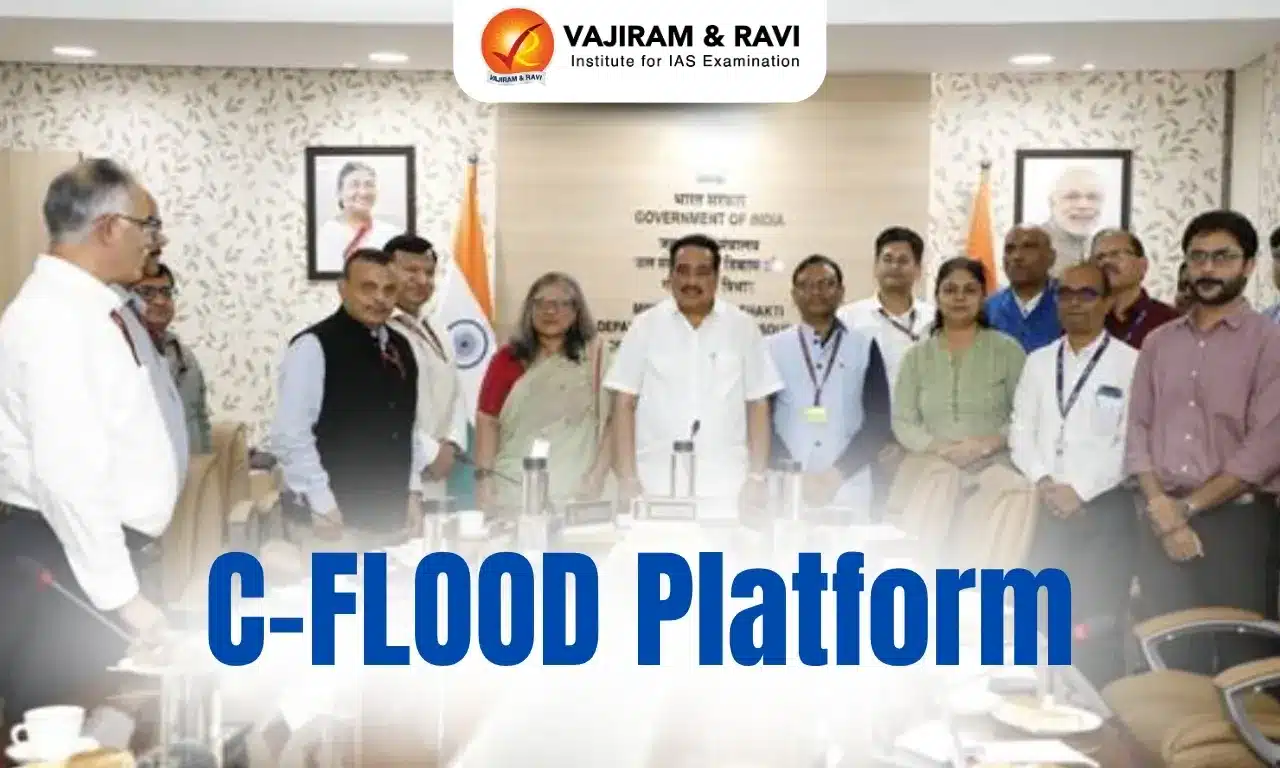
Recently, the Union Minister of Jal Shakti inaugurated the C-FLOOD platform.

About C-FLOOD Platform

  • It is a Unified Inundation Forecasting System.
  • It is collaboratively developed by the Centre for Development of Advanced Computing (C-DAC), Pune and Central Water Commission (CWC), Department of Water Resources, River Development & Ganga Rejuvenation (DoWR, RD & GR), Ministry of Jal Shakti.
  • This initiative, executed under the National Supercomputing Mission (NSM) jointly steered by the Ministry of Electronics and Information Technology (MeitY) and Department of Science and Technology (DST), marks a transformative step towards strengthening India’s flood management and disaster response framework.

Features of C-FLOOD

  • It is a web-based platform that provides two-days advance inundation forecasts up to village level in the form of flood inundation maps and water level predictions.
  • The platform will act as a unified system integrating flood modelling outputs from national and regional agencies, offering a comprehensive decision-support tool for disaster management authorities.
  • At present, the system covers the Mahanadi, Godavari, and Tapi river basins, with more river basins to be incorporated in the future.
  • The C-FLOOD platform uses advanced 2-D hydrodynamic modelling to simulate flood scenarios.
  • The simulations for Mahanadi Basin are run on High Performance Computing (HPC) infrastructure under NSM at C-DAC Pune, with integration of outputs for Godavari and Tapi Basins, which have been developed by National Remote Sensing Centre (NRSC) under the National Hydrology Project (NHP).

Source: PIB

C-FLOOD Platform FAQs

Q1: What is the motto of the Central Water Commission?

Ans: The mission statement of CWC aims to promote integrated and sustainable development and management of India's water resources by using state-of-the-art technology and competency and by coordinating all stakeholders.

Q2: What is the definition of a hydrodynamic model?

Ans: A hydrodynamic model is defined as a model that describes the kinetic process of spreading in systems with a large dependence on fluid viscosity, where the equilibrium contact angle is eventually reached.

Daily Editorial Analysis 3 July 2025

Daily Editorial Analysis

Integrating Compassion, Prioritising Palliative Care

Context

  • In India, millions of individuals endure unnecessary physical and emotional suffering, often in the final stages of life, due to limited access to palliative care.
  • Despite its essential role in alleviating pain and enhancing the quality of life for patients with terminal or chronic conditions, palliative care remains critically underfunded and underutilised.
  • As India’s burden of non-communicable diseases rises and health-care systems are increasingly strained, integrating palliative care into mainstream health policy and practice has become not only necessary but urgent.

The Significance of Palliative Care

  • Palliative care is a specialised medical approach that addresses the physical, emotional, social, and spiritual needs of individuals facing serious illnesses.
  • Unlike curative treatments that aim to eradicate disease, palliative care focuses on improving patient comfort, reducing suffering, and ensuring dignity at every stage of illness, including at the end of life.
  • According to the World Health Organization (WHO), around 40 million people worldwide require palliative care annually, with 78% residing in low- and middle-income countries.
  • However, only 14% of those in need receive such support.
  • In India, where between seven to ten million people require palliative care each year, only 1%–2% actually have access to it, a stark indicator of the system’s limitations.

Systemic Challenges in India

  • Implementation Challenges
    • The growing incidence of non-communicable diseases such as cancer, diabetes, and chronic respiratory conditions further accentuates the demand for palliative care.
    • However, India’s health-care infrastructure faces multiple challenges in meeting this need.
    • While the National Health Policy of 2017 acknowledged the importance of palliative care, actual implementation has remained patchy and uneven, especially in rural and economically disadvantaged regions.
  • Lack of Trained Professionals.
    • Though India boasts a doctor-population ratio of 1:834, better than the WHO norm of 1:1000, the number of medical professionals trained specifically in palliative care is disproportionately low.
    • Most medical practitioners receive minimal training in pain management or end-of-life care, resulting in inconsistent service delivery.
  • Funding Constraints
    • Furthermore, inadequate funding and infrastructural gaps impede the expansion of palliative care services.
    • While palliative care has found limited inclusion in primary health care, it remains largely absent from tertiary care systems.
  • Public Awareness: Misconceptions persist, and many patients seek palliative care only in the terminal stages of illness, by which time meaningful intervention is often no longer possible.

The Way Forward to Overcome These Challenges

  • Enhancing the Role of Medical Education and Allied Health Workers
    • To bridge these systemic gaps, a foundational shift in medical education is needed.
    • Integrating palliative care into the MBBS curriculum would equip future doctors with both the clinical skills and the compassionate mindset necessary for delivering high-quality end-of-life care.
    • Institutions such as the Indian Council of Medical Research and the All-India Institute of Medical Sciences have initiated projects aimed at promoting pain and palliative care, indicating slow but steady progress in this direction.
    • Additionally, task-shifting, the delegation of certain responsibilities to trained non-physician health workers, offers a viable solution to India’s shortage of palliative care specialists.
    • With a sizable workforce comprising over 34 lakh registered nurses and 13 lakh allied health professionals, India has the human resource potential to significantly expand access to palliative services.
    • Targeted training and empowerment of this workforce can play a crucial role in delivering holistic, community-based care.
  • Policy Reforms and Financial Accessibility
    • For sustainable impact, policymakers must prioritise long-term investments in palliative care infrastructure and training.
    • Insurance schemes like Ayushman Bharat should expand their coverage to include palliative services, making them more financially accessible.
    • Dedicated funding for public and private facilities to build palliative care units is equally important.
    • Partnerships with non-governmental organisations and private institutions can accelerate the reach and quality of care.
    • Learning from global best practices, such as the United States' well-funded and insurance-backed hospice care system, India can design cost-effective models that ensure both dignity and efficiency, tailored to its socio-economic context.
  • The Need for Public Awareness
    • Many people remain unaware that palliative care is not limited to end-of-life scenarios but includes pain relief, psychological support, and enhanced quality of life at all stages of a serious illness.
    • Public education campaigns can help dispel myths, encourage early intervention, and foster community support for patients and caregivers.

Conclusion

  • The integration of palliative care into India’s health-care framework is no longer optional, it is a moral, medical, and social imperative.
  • A multi-pronged approach involving policy reforms, curriculum redesign, task-shifting, infrastructure investment, and public education is essential to ensuring equitable access to palliative care for all.
  • Such efforts will not only improve patient outcomes but also reduce the broader economic and emotional burdens on families and the health-care system.

Rephasing Global Development Finance

Context

  • India’s engagement with the Global South has witnessed a dynamic transformation over the past decade.
  • The country has not only increased its financial commitment but has also diversified its modalities of development cooperation.
  • However, the changing contours of global finance, worsened by a mounting debt crisis in the Global South and shrinking traditional aid flows, necessitate a strategic recalibration.
  • Within this evolving framework, Triangular Cooperation (TrC) has emerged as a potent mechanism to augment and redefine India’s development outreach.

Rising Trends of India’s Development Cooperation and Shifting Financial Realities

  • Rising Trends in Development Cooperation
    • India's development partnership with the Global South has grown both in scope and volume.
    • Between 2010-11 and 2023-24, India nearly doubled its development outflows from $3 billion to $7 billion.
    • These flows have been channelled through a variety of modalities, including capacity building programmes, technology transfer, and duty-free access to Indian markets.
    • However, the cornerstone of this engagement has been the Lines of Credit (LoCs) extended under the Indian Development and Economic Assistance Scheme (IDEAS).
    • LoCs have allowed India to support infrastructure and development projects in partner countries at concessional rates.
    • India borrowed from international capital markets and lent to partner nations at softer terms, absorbing the difference through state subsidies.
    • While effective in the past, this model is facing headwinds in the current global context of fiscal uncertainty and rising debt burdens.
  • Shifting Financial Realities and the Debt Conundrum
    • The budgetary provisions for 2025-26 hint at a significant rethink.
    • The Finance Ministry has raised concerns about the continued viability of LoCs.
    • At multilateral forums such as the G-20, India has voiced apprehension over the ballooning sovereign debt across the Global South, signalling a cautious turn in its financial strategy.
    • This prudence is justified. The global financial environment has become increasingly volatile, making capital market borrowing less predictable and raising the risk of default among recipient countries.
    • Furthermore, traditional sources of development finance, especially Official Development Assistance (ODA), are witnessing a dramatic decline.
    • The total ODA is projected to fall from $214 billion in 2023 to $97 billion, a staggering 45% reduction.

India’s Proposal Towards a Balanced Modality Framework and Emergence of Triangular Cooperation

  • India’s Proposal Towards a Balanced Modality Framework
    • In response, India is advocating for a more balanced and nuanced engagement
    • During the third Voice of Global South Summit (VoGS) in 2024, Prime Minister Narendra Modi proposed a Global Development Compact (GDC).
    • GDC is an integrated framework that harmonises five key modalities: capacity building, technology transfer, market access, grants, and concessional finance.
    • This reflects a strategic shift from over-reliance on LoCs toward a diversified model rooted in long-term sustainability, mutual growth, and risk-sharing.
    • To strengthen this approach, India is also focusing on forming wider and deeper partnerships, particularly those that can operate effectively in third countries.
  • The Emergence of Triangular Cooperation (TrC)
    • One of the most promising frameworks in this new paradigm is Triangular Cooperation (TrC).
    • This model brings together a traditional donor from the Global North, a pivotal partner from the Global South (like India), and a recipient developing country.
    • The purpose is to co-create development solutions that are context-specific, cost-effective, and mutually beneficial.
    • TrC offers a distinct advantage by pooling resources, expertise, and best practices. While comprehensive data is still emerging, preliminary estimates suggest TrC projects are valued between $670 million and $1.1 billion.
    • Countries like Brazil, Indonesia, Japan, and Germany have already built a portfolio of successful TrC engagements, working collaboratively in regions such as Southeast Asia, Africa, and Latin America.

India’s Strategic Use of TrC

  • India has actively embraced TrC as a vehicle for expanding its development diplomacy.
  • landmark moment came in 2022 with the signing of a Joint Declaration of Intent with Germany, aiming to implement TrC projects across Africa, Asia, and Latin America.
  • Projects are now underway in countries such as Cameroon, Ghana, Malawi, and Peru, focusing on sectors like energy, education, and healthcare.
  • These initiatives showcase how infrastructure investment can create ripple effects on social outcomes.
  • Improved energy grids, for instance, boost digital connectivity and access to online education and health services.

Conclusion

  • While LoCs have historically underpinned its engagement, changing financial realities, sovereign debt pressures, and a shifting aid landscape necessitate a strategic reset.
  • The Global Development Compact and the embrace of Triangular Cooperation represent forward-looking solutions.
  • By leveraging its diplomatic capital, technical know-how, and a collaborative ethos, India is well positioned to co-create a resilient and equitable development architecture, one that balances ambition with realism, and partnership with pragmatism.

Daily Editorial Analysis 3 July 2025 FAQs

Q1: What is editorial analysis?

Ans: Editorial analysis is the critical examination and interpretation of newspaper editorials to extract key insights, arguments, and perspectives relevant to UPSC preparation.

Q2: What is an editorial analyst?

Ans: An editorial analyst is someone who studies and breaks down editorials to highlight their relevance, structure, and usefulness for competitive exams like the UPSC.

Q3: What is an editorial for UPSC?

Ans: For UPSC, an editorial refers to opinion-based articles in reputed newspapers that provide analysis on current affairs, governance, policy, and socio-economic issues.

Q4: What are the sources of UPSC Editorial Analysis?

Ans: Key sources include editorials from The Hindu and Indian Express.

Q5: Can Editorial Analysis help in Mains Answer Writing?

Ans: Yes, editorial analysis enhances content quality, analytical depth, and structure in Mains answer writing.

Financial Fraud Risk Indicator (FRI)

Financial Fraud Risk Indicator

Financial Fraud Risk Indicator (FRI)Latest News

Recently, the Reserve Bank of India’s (RBI) directed all Scheduled Commercial Banks, Small Finance Banks, Payments Banks, and Co-operative Banks to integrate the Financial Fraud Risk Indicator (FRI) developed by the Department of Telecommunications (DoT) into their systems.      

About Financial Fraud Risk Indicator

  • It was launched by DoT’s Digital Intelligence Unit (DIU).
  • It is a risk-based metric that classifies a mobile number to have been associated with Medium, High, or Very High risk of financial fraud.
  • This classification is an outcome of inputs obtained from various stakeholders including reporting on Indian Cyber Crime Coordination Centre (I4C’s) National Cybercrime Reporting Portal (NCRP), DoT’s Chakshu platform, and Intelligence shared by banks and financial institutions.
  • It empowers stakeholders-especially banks, NBFCs, and UPI service providers- to prioritize enforcement and take additional customer protection measures in case a mobile number have high risk.
  • The Digital Intelligence Unit (DIU) of DoT regularly shares the Mobile Number Revocation List (MNRL) with stakeholders, detailing numbers disconnected due to cybercrime links, failed re-verification, or misuse—many of which are tied to financial frauds.
  • Banks and financial institutions can use FRI in real time to take preventive measures such as declining suspicious transactions, issuing alerts or warnings to customers, and delaying transactions flagged as high risk.
  • The system’s utility has already been demonstrated with leading institutions such as PhonePe, Punjab National Bank, HDFC Bank, ICICI Bank, Paytm, and India Post Payments Bank actively using the platform.
  • Significance: The FRI allows for swift, targeted, and collaborative action against suspected frauds in both telecom and financial domains.

Source: PIB

Financial Fraud Risk Indicator (FRI) FAQs

Q1: What is a financial fraud risk indicator?

Ans: The FRI is a risk-based metric that classifies mobile numbers into three categories Medium, High, and Very High based on their likelihood of involvement in financial fraud.

Q2: What is meant by digital intelligence?

Ans: Digital intelligence is the sum of social, emotional, and cognitive abilities that enable individuals to face the challenges and adapt to the demands of life in the digital world.

RECLAIM Framework

RECLAIM Framework

RECLAIM Framework Latest News

The Coal Ministry is set to launch the RECLAIM framework on 4th July, 2025.

About RECLAIM Framework

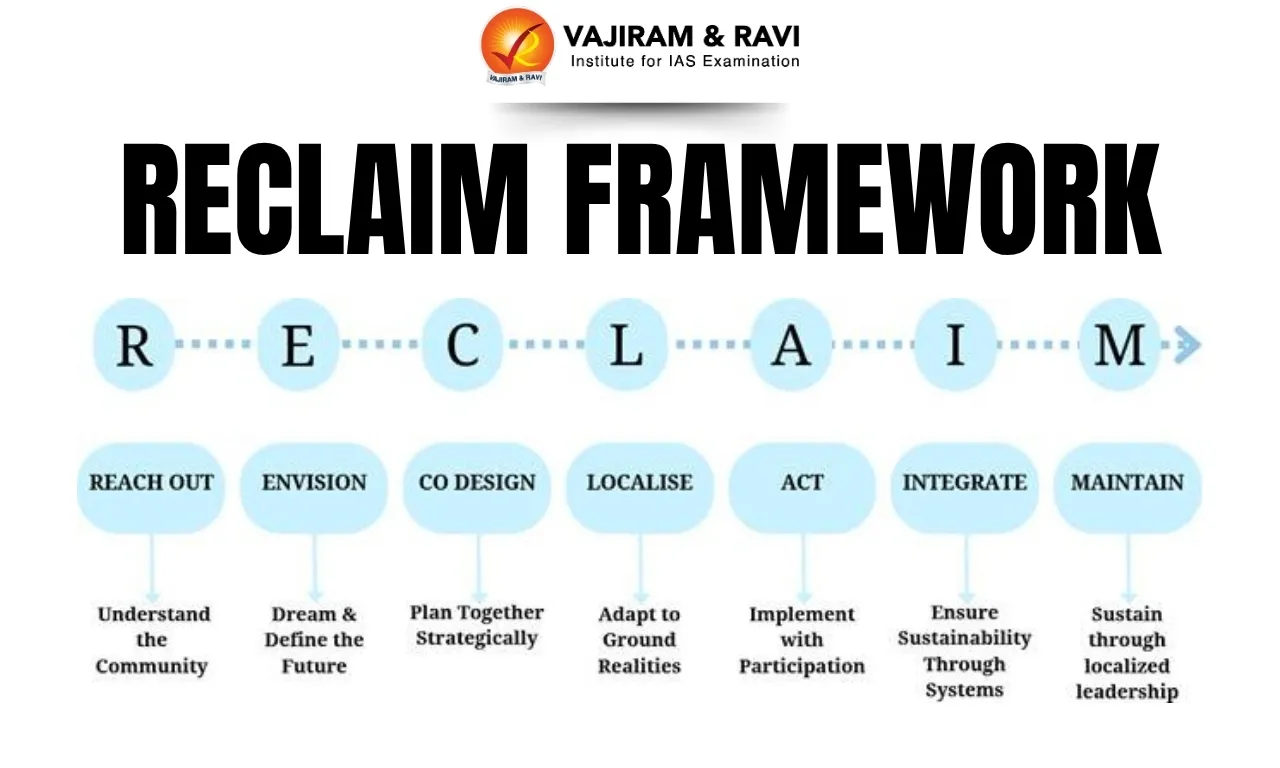
  • It is a community engagement and development framework designed specifically for mine closures.  
  • The Coal Controller Organisation, under the Ministry of Coal, in partnership with the Heartfulness Institute, has developed this comprehensive Community Development Framework.
  • It recognizes that mine closures significantly impact both landscapes and local livelihoods; this framework is a key step toward ensuring a just and sustainable transition for communities that have developed alongside mining operations over decades.

Features of the RECLAIM Framework

  • The framework—referred to as the RECLAIM—serves as a structured guide for inclusive community engagement and development throughout the mine closure and post-closure phases.
  • It offers a practical, step-by-step approach to institutionalizing community participation in the transition process.
  • It is supported by a suite of actionable tools, templates, and field-tested methodologies tailored to the Indian context. Special emphasis is placed on gender inclusivity, the representation of vulnerable groups, and alignment with Panchayati Raj Institutions, ensuring that the transition is equitable and locally relevant.
  • Ultimately, the RECLAIM Framework aspires to facilitate a seamless and resilient transition for mining communities—grounded in trust, ecological restoration, and long-term socio- economic well-being.

Source: PIB

RECLAIM Framework FAQs

Q1: What is the role of the coal controller organization?

Ans: It collects and maintains coal production data of all private and public sector coal mines in the country. The information is collected monthly. It has been made the statistical authority concerning coal and lignite statistics.

Q2: Is coal controller organization a statutory body?

Ans: Coal Controller's Organization is a subordinate statutory organization under the administrative control of Ministry of Coal.

Genome

Genome

Genome Latest News

Researchers recently sequenced the first whole ancient Egyptian genome from an individual who lived 4,500 to 4,800 years ago — the oldest DNA sample from Egypt to date.

About Genome

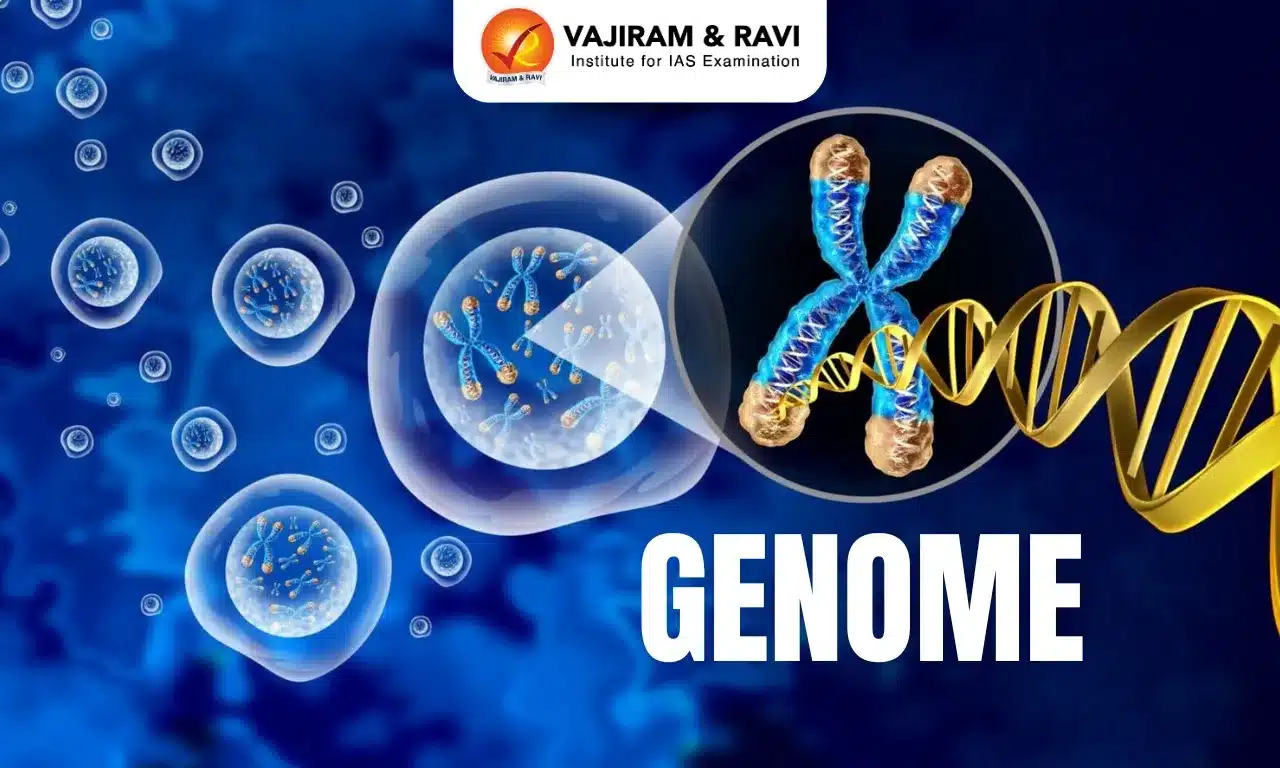
  • A genome is an organism’s complete set of genetic information. 
  • A genome includes all of the hereditary instructions for creating and maintaining life, as well as instructions for reproduction. 
  • The human genome, like all other cellular life forms, consists of DNA (deoxyribonucleic acid) and includes both the nuclear and mitochondrial DNA. This is in contrast to ribonucleic acid (RNA) viruses, whose genome is composed of RNA.
  • From Genome to Genes:
    • The instructions in our genome are made up of DNA.
    • Within DNA is a unique chemical code that guides an organism’s growth, development and health.
    • This code is determined by the order of the four nucleotide bases that make up DNA: adenine, thymine, cytosine, and guanine.
    • DNA has a twisted structure in the shape of a double helix.
    • Single strands of DNA are coiled up into structures called chromosomes.
    • Within chromosomes, sections of DNA are organised into genes.
    • Genes control different characteristics such as eye colour and height.
    • All living things have a unique genome.
  • There are 23 pairs of chromosomes in the human genome
  • Between 1990 and 2003, all twenty-three pairs were fully sequenced through an international research undertaking known as the Human Genome Project. 
  • The study and analysis of genomes is called genomics.

Where is the Genome Found?

  • In organisms known as eukaryotes (which includes humans, other mammals, plants and fungi), most of the genome is contained within a membrane-bound structure called the nucleus
  • In humans and other complex multicellular organisms, a copy of the genome is found in nearly every cell in the body. 
  • The exception to this is mammalian red blood cells, which do not contain a genome as they do not have a nucleus or mitochondria.
  • Furthermore, human reproductive cells (eggs and sperm) each contain half the DNA from that person’s genome, which then combines to form a whole genome at fertilisation.
  • Organisms known as Prokaryotes, which contain no inner membranes, store their genome in a region of the cytoplasm called the nucleoid. 

How long is a genome?

  • The length of the genome varies between species and doesn’t necessarily reflect the size of the organism from which it came.
  • The human genome is approximately 3 billion base pairs (3.2 to be exact) in length.
  • While 3 billion is a big number, the rare Japanese flower called Paris japonica has a genome size of roughly 150 billion nucleotides, making it 50 times the size of the human genome.

Source: TH

Genome FAQs

Q1: What do you mean by genome?

Ans: A genome is an organism’s complete set of genetic information.

Q2: What is a genome vs. gene?

Ans: Genes are the fundamental units of heredity, and the genome is the organism's ensemble of genes.

Q3: What are the four nucleotide bases that make up DNA?

Ans: Adenine, Thymine, Cytosine, Guanine

Q4: In eukaryotic cells, where is most of the genome located?

Ans: Nucleus

Q5: How many base pairs are in the human genome (approx.)?

Ans: 3 billion

Santhal Rebellion

Santhal Rebellion

Santhal Rebellion Latest News

June 30 marked the 170th anniversary of the Santhal rebellion, or ‘Hul’ – literally, revolution – one of the earliest tribal uprisings against the British.

About Santhal Rebellion

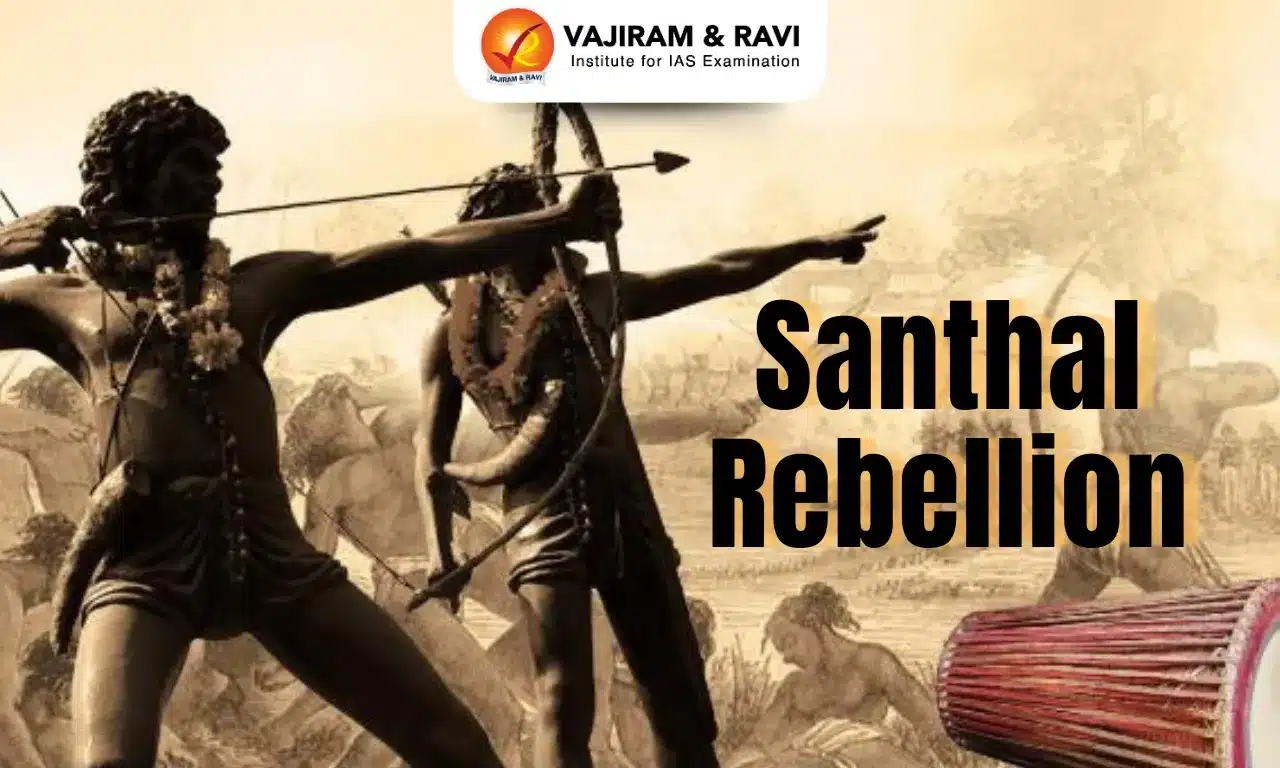
  • The Santhal rebellion, or ‘Hul’–literally, revolution–began in 1855, two years before the uprising of 1857, often referred to as “the first war for Indian independence”.
  • The Santhal rebellion occurred in the Rajmahal hills of the Santhal region in Jharkhand. 
  • It was an “organised war against colonialism” led by the Santhals, standing against the myriad forms of oppression–economic and otherwise–they were subjected to by the British and their collaborator zamindars and corrupt moneylenders.
  • The seeds of the Santhal rebellion, however, were sown in 1832 when the East India Company created the Damin-i-Koh region in the forested belt of the Rajmahal hills. 
    • The area was allocated to the Santhals displaced from Birbhum, Murshidabad, Bhagalpur, Barabhum, Manbhum, Palamau, and Chhotanagpur, all areas of the Bengal Presidency.
    • While the Santhals were promised settlement and agriculture in Damin-i-Koh, what followed was the repressive practice of land-grabbing and begari (bonded labour) of two types: kamioti and harwahi. 
    • Over the years, Santhals found themselves at the receiving end of exploitative practices aided by the British.
  • Led by two brothers, Sidhu and Kanhu, the Santhal Rebellion saw the participation of as many as 32 castes and communities rallying behind them.
    • The brothers spread word about their plan through uniquely folded sal leaves, a communication system called Dharwak, and mobilised 10,000 people and declared a rebellion. 
    • Their brothers, Chand and Bairab, and sisters Phulo and Jhano Murmu, joined forces. 
    • With Phulo and Jhano joining the rebellion, more women took up arms against the British.
  • After the rebellion broke out in 1855, both sides continued clashing till the uprising was crushed in 1856. 
  • The British defeated the Santhals using modern firearms and war elephants in a decisive action in which both Sidho and Kanho died.

Who were the Santhal Tribes?

  • The Santhals were one of the largest tribal communities in India, predominantly residing in the states of Jharkhand, Bihar, West Bengal, and Odisha. 
  • They were known for their rich cultural heritage, distinct language (Santhali), and deep connection to the land they inhabited.
  • Traditionally, the Santhals had been agriculturists, depending on the land for their livelihood. 
  • Their spiritual practices were closely linked to their agricultural lifestyle.
  • The Santhal community had a strong social structure, with their society being organised into various clans known as ‘parhas.’
  • They followed animism, a belief system deeply rooted in nature worship. They honoured spirits associated with the earth, water, and forests.

Source: IE

Santhal Rebellion FAQs

Q1: In which year did the Santhal Rebellion begin?

Ans: 1855

Q2: The Santhal Rebellion took place in which present-day Indian state?

Ans: Jharkhand

Q3: Who were the main leaders of the Santhal Rebellion?

Ans: Sidhu and Kanhu

Q4: What was Damin-i-Koh, mentioned in the context of the Santhal Rebellion?

Ans: A forested region allocated to Santhals for settlement

Namdapha National Park and Tiger Reserve

Namdapha Tiger Reserve

Namdapha National Park and Tiger Reserve Latest News

The elusive and endangered white-eared night heron has been camera-trapped in Namdapha National Park and Tiger Reserve in Arunachal Pradesh recently.

About Namdapha National Park and Tiger Reserve

  • Namdapha, a national park and tiger reserve,  lies on the international border between India and Myanmar within Changlang District in the state of Arunachal Pradesh.
  • It covers an area of 1985.23 sq.km.
  • It is located at the junction of the Indian subcontinent and Indo-China biogeographic Regions.
  • It is nestled between the Dapha Bum ridge of the Mishmi Hills of the northeastern Himalayas and the Patkai Ranges.
  • It has a common boundary with Kamlang Wildlife Sanctuary (Arunachal Pradesh).
  • River: The Namdapha River (a tributary of Noa-Dihing River) flows right across in a north-south direction of this reserve, and hence the name Namdapha has been given.
  • Vegetation: It consists of Northern Tropical Evergreen Forest, North Indian Tropical Moist Deciduous Forests, East Himalayan Moist Temperate Forests, Moist Alpine Scrub Forests.
  • Flora:
    • It consists of species like Pinus Merkusi and Abies Delavavi being exclusive to the park.
    • It is home to the Blue Vanda, which is a rare and endangered orchard.
    • It also consists of medicinal plants like Mishimi Teeta (Copti teeta), which is used by the local tribes to treat different types of diseases.
  • Fauna: 
    • Elephants, Himalayan Black Bear, Himalayan Sun Bear, Hoolock Gibbon (only ape in India), Slow Loris, etc.
    • It is the only park in the world to have the four feline species of big cats, namely the Tiger (Panthera Tigris), Leopard (Panthera Pardus), Snow Leopard (Panthera Uncia), and Clouded Leopard (Neofelis Nebulosa) and numbers of Lesser cats. 

Key Facts about White-Eared Night Heron

  • It is a medium brown heron with a brown-streaked breast and a white patch on the side of the head.
  • Scientific Name: Oroanassa magnifica
  • It is primarily found in southern China and northern Vietnam and has an estimated global population of fewer than 1,000 individuals.
  • Known for being extremely secretive and nocturnal, the white-eared night heron is rarely observed in the wild.
  • It is listed as Endangered on the IUCN Red List.

Source: DH

Namdapha National Park and Tiger Reserve FAQs

Q1: Namdapha National Park is located in which Indian state?

Ans: Arunachal Pradesh

Q2: Namdapha National Park shares its international border with which country?

Ans: Myanmar

Q3: What is the total area covered by Namdapha National Park?

Ans: 1985.23 sq. km

Q4: Which river flows through Namdapha National Park?

Ans: Namdapha River (a tributary of Noa-Dihing River)

Volume Weighted Average Price (VWAP)

Volume Weighted Average Price

Volume Weighted Average Price Latest News

To make trading easier for institutional investors and market participants, SEBI recently made it mandatory to issue a Common Contract Note with a single volume weighted average price.

About Volume Weighted Average Price

  • The Volume Weighted Average Price (VWAP) is, as the name suggests, is the average price of a stock weighted by the total trading volume. 
  • The VWAP is used to calculate the average price of a stock over a period of time.
  • It helps compare the current price of the stock to a benchmark, making it easier for investors to decide when to enter and exit the market. 
  • Also, the VWAP can assist investors in determining their approach towards a stock (active or passive) and make the right trade at the right time.

How to Calculate Volume Weighted Average Price ?

  • The VWAP is calculated for each day. 
  • It starts when the markets open and ends when the markets close for the day. Since it is done every day, the calculation uses intraday data. 
  • The formula for calculating VWAP is as follows:
    • VWAP = Typical Price*Volume / Cumulative Volume
  • Here, the numerator indicates the total value of all the trades for any specific period, and the denominator indicates the total trading volume for the same duration. 
  • The typical price is the average of the high price, the low price, and the closing price of the stock for that day. 
  • The VWAP ratio is then presented on a chart as a line. 
  • It has been likened to a moving average, in that when the price is above the VWAP line, the market is seen as in an uptrend, and when the price is below the VWAP, the market is in a downtrend.

Pros of Volume Weighted Average Price

  • VWAP ratios are used in algorithmic trading to help traders and investors to determine the best price at which to buy or sell, in line with the volume of the market. 
  • By ensuring high liquidity, traders can usually expect lower transaction costs and best execution.
  • VWAP is particularly useful when trading large numbers of shares. Attempting to buy a large volume of a single stock on the market could artificially increase its price — by using VWAP, traders can ensure that they aren't overinflating the trading volume for the asset they want to buy.

Cons of Volume Weighted Average Price

  • Most of the problems stem from the fact that a VWAP is a culminative indicator, meaning it relies on a vast amount of data points that will only increase in quantity throughout the day. 
  • Having such a large data set can cause lags in the VWAP line, in a similar way to moving average lags, which is why most traders and investors only use one-minute and five-minute timeframes.

Source: NDTV

Volume Weighted Average Price FAQs

Q1: What type of data is used to calculate Volume Weighted Average Price (VWAP)?

Ans: Intraday trading data

Q2: What is the formula for calculating Volume Weighted Average Price (VWAP)?

Ans: VWAP = Typical Price*Volume / Cumulative Volume

Q3: When the stock price is above the VWAP line, it is generally interpreted as:

Ans: An uptrend

Q4: What is a major limitation of VWAP?

Ans: It can lag behind real-time prices due to accumulation of data.

Q5: VWAP is most commonly used in which kind of trading?

Ans: Algorithmic and intraday trading.

Facciolella Smithi

Facciolella Smithi

Facciolella Smithi Latest News

Indian scientists recently discovered a new deep-sea eel species, Facciolella smithi (Smith’s witch eel), in the Arabian Sea.

About Facciolella Smithi

  • Facciolella smithi (Smith’s witch eel) is a new species of deep-sea eel.
  • It was discovered by the scientists at the ICAR–National Bureau of Fish Genetic Resources, Lucknow.
  • The specimen was collected at a depth ranging from 260 to 460 meters off the Kerala coast in the Arabian Sea.
  • It belongs to the family Nettastomatidae.
  • The eel likely inhabits the seafloor or burrows into soft sediments, navigating the pitch-black waters with the help of its sensory adaptations rather than sight.
  • The species has been named in honour of eminent ichthyologist Dr. David G. Smith for his significant contributions to eel taxonomy.

Facciolella Smithi Anatomical Characteristics

  • Body Structure: The eel has an elongate, ribbon-like body that reaches just over two feet in length. This slender shape allows it to glide smoothly through deep-sea waters.
  • Coloration: One of the most striking visual features is its two-tone body. The upper half is a rich brown, while the underside is described as “milky white.” This contrast may aid in camouflage in the dim oceanic depths.
  • Head and Snout: The eel has a notably large head with a duckbill-like snout, giving it a peculiar, almost prehistoric look.
  • Eyes and Vision: Despite its large head, the eyes of Facciolella smithi are relatively small, an adaptation to the low-light environment of the deep sea where visual cues are limited.
  • Teeth: The mouth contains cone-shaped teeth, likely used to grasp slippery or soft-bodied prey.
  • Gills: The gill openings are crescent-shaped, positioned behind the head, consistent with many species of the eel family.
  • Tail Regeneration: Remarkably, most of the specimens showed evidence of regrown or regenerated tails, indicating either predator encounters or natural loss due to environmental factors. This regenerative trait is crucial for survival in the harsh and competitive deep-sea ecosystem.

Source: KRISHI

Facciolella smithi FAQ's

Q1: What is Facciolella smithi?

Ans: A deep-sea eel species.

Q2: Where was Facciolella smithi discovered?

Ans: Off the Kerala coast in the Arabian Sea.

Q3: To which family does Facciolella smithi belong?

Ans: Nettastomatidae

Q4: Which institution discovered Facciolella smithi?

Ans: ICAR–National Bureau of Fish Genetic Resources, Lucknow

Q5: Who was Facciolella smithi named after?

Ans: Dr. David G. Smith, an ichthyologist

Gig Workers in India: Data Gaps and the Need for Inclusive Labour Statistics

Gig Workers in India

Gig Economy Latest News

  • India’s key labour survey, the PLFS, has come under scrutiny for failing to adequately capture the growing gig and platform workforce despite policy-level recognition and welfare initiatives.

Recognising the Growing Gig Workforce

  • India’s workforce has undergone a structural transformation in recent years with the rise of gig and platform-based employment. 
  • From food delivery and ride-hailing to digital freelancing and home services, a new generation of workers is operating outside traditional employment frameworks. 
  • According to a 2022 NITI Aayog report, India’s gig workforce is projected to grow to 23.5 million by 2029-30
  • Recognising this shift, the 2025 Union Budget extended key social protection measures to gig workers. 
  • However, the country’s primary labour statistics source, the Periodic Labour Force Survey (PLFS), still fails to appropriately reflect this emerging segment.

Legal Definitions and Policy Intentions

  • The legal groundwork for recognising gig and platform workers was laid through the Code on Social Security, 2020
  • It defines gig workers as those engaged in income-generating work outside a traditional employer-employee relationship. Platform work, specifically, involves using digital platforms to access clients or services in exchange for payment.
  • Chapter I, Section 2(35) of the Code offers this broad definition but does not sufficiently distinguish gig workers from categories like the self-employed or casual labourers. 
  • Clause 141 of the same Code mandates the creation of a Social Security Fund for gig and unorganised workers. 
  • The National Social Security Board, under Section 6, is entrusted with designing and monitoring welfare schemes. 
  • However, for these welfare mechanisms to function effectively, they rely on robust labour statistics, which are currently lacking in granularity for gig roles.

Limitations of the Periodic Labour Force Survey (PLFS)

  • Inclusion Without Visibility
    • The Ministry of Statistics and Programme Implementation recently clarified in Parliament that while all economic activities, defined as activities performed for pay or profit, are included in PLFS, no specific changes have been made to identify gig workers separately. 
    • This means that gig workers are captured under broad and vague classifications like ‘self-employed’, ‘own-account workers’, or ‘casual labour’.
    • As a result, key aspects of gig work, such as multiple app-based employment, dependence on platform algorithms, income volatility, and absence of employment contracts, remain unreported. 
    • This “statistical invisibility” not only underrepresents the scale of gig work but also hinders equitable access to welfare and social protection.
  • Misclassification and Misrepresentation
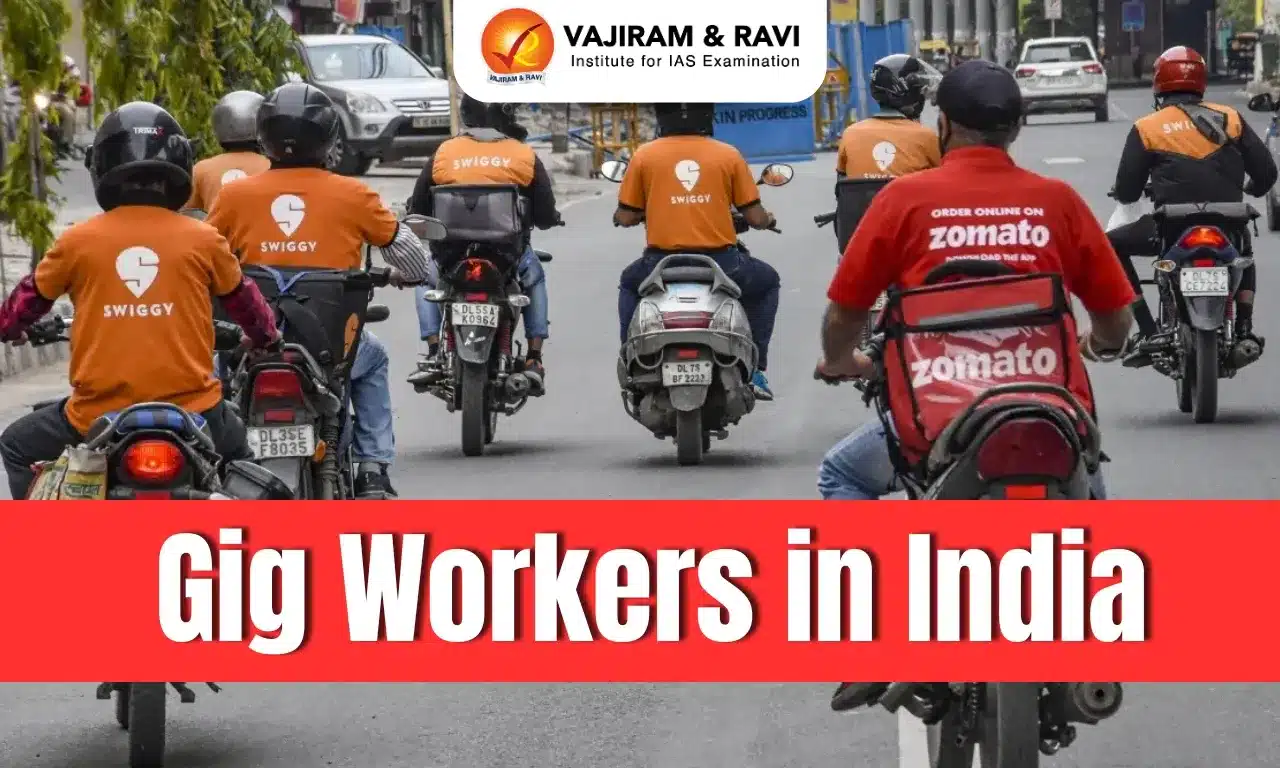
    • The existing PLFS design does not differentiate between a traditional shopkeeper and a food delivery worker operating across multiple platforms like Zomato or Swiggy. 
    • Both may be classified under the “self-employed” category, even though their work conditions, income sources, and risk exposures vary significantly.
  • Gig work often involves:
    • Lack of written job contracts
    • No employer-provided safety nets
    • Dependency on digital platforms and customer ratings
    • Flexible but precarious task-based arrangements
      These nuances go unnoticed in PLFS coding, undermining the precision of labour data used in policymaking.

Current Measures: Recognition Without Representation

  • In recent years, government initiatives such as e-Shram registration, digital ID issuance, and inclusion under Ayushman Bharat PM-JAY have aimed to bring gig workers into the formal safety net. 
  • However, without parallel updates in labour statistics, it becomes difficult to measure the impact, monitor delivery, or identify excluded beneficiaries.
  • The 2025 PLFS revision introduced some improvements, like a larger sample size, monthly estimates, and expanded rural coverage. 
  • But it still fails to address the core issue, the lack of a dedicated category for gig and platform-based work.

Towards Inclusive Labour Statistics

  • India's labour statistics framework must evolve to support the realities of a changing workforce. This means:
    • Updating PLFS classification codes to identify gig and platform workers distinctly.
    • Introducing special survey modules or time-use surveys to capture task-based work.
    • Leveraging digital trace data (e.g., from platforms like Uber, Urban Company) to supplement official statistics.
    • Ensuring that beneficiary data from welfare schemes feeds into national employment databases.
  • Inclusive labour data is not just about representation; it is crucial for delivering effective and equitable welfare.

Source: TH

Gig Workers in India FAQs

Q1: Who is legally defined as a gig worker in India?

Ans: A gig worker is defined under the Code on Social Security, 2020, as someone earning through work arrangements outside traditional employment contracts.

Q2: Does India’s PLFS separately identify gig workers?

Ans: No, gig workers are included under broad categories like self-employed or casual labour, without dedicated classification.

Q3: Why is the current PLFS classification problematic for gig workers?

Ans: It fails to reflect the unique conditions of digital labour such as algorithmic management, task-based work, and absence of job contracts.

Q4: What are the policy steps taken to support gig workers?

Ans: Measures like e-Shram registration, digital ID cards, and Ayushman Bharat health coverage have been extended to gig workers.

Q5: What changes are needed in labour statistics to better represent gig workers?

Ans: PLFS codes need to be updated or supplemented with special survey modules to capture gig and platform-based employment distinctly.

Madras High Court Quashes Unlawful Phone Tapping

Right to Privacy under Article 21

Reasserting Right to Privacy under Article 21 Latest News

  • In a landmark judgment with deep constitutional implications, the Madras High Court quashed a 2011 phone-tapping order issued by the Union Ministry of Home Affairs (MHA). 
  • The Court held that such surveillance, absent the conditions of "public emergency" or "public safety," violated the fundamental right to privacy under Article 21 of the Constitution. 
  • The judgment reinforces jurisprudence established in the PUCL (1997) and Puttaswamy (2017) cases, reasserting right to privacy under Article 21.

Key Highlights of the Judgement

  • Violation of Article 21 – Right to Privacy:
    • The Court ruled that phone tapping constitutes a breach of privacy unless it adheres to the procedure established by law.
    • The Court observed that covert surveillance for crime detection does not qualify under exceptions like public emergency or public safety.
    • The Court cited the K.S. Puttaswamy v. Union of India (2017) decision, which elevated the right to privacy to a fundamental right.
  • Key observation by the Madras HC: “The impugned order does not meet the thresholds of 'public emergency' or 'public safety'... It is a secretive operation which falls outside the legal framework laid down by the Supreme Court.”
  • Case background:
    • Surveillance was authorised in 2011 under [Section 5(2)] of the Indian Telegraph Act, 1885 and (Rule 419-A) of the Indian Telegraph Rules, 1951, on the allegation of a bribe of ₹50 lakh to an Income Tax officer.
    • CBI argued interception was necessary to detect and prevent corruption.
    • A writ petition (under Article 226 of the Constitution) was filed in 2018 against the surveillance order.

Legal Framework and Judicial Interpretation

  • Indian Telegraph Act and Rules:
    • Section 5(2) allows interception only in case of a public emergency or in the interest of public safety.
    • Rule 419-A mandates the interception to be reviewed by a Review Committee, which was not done in this case.
  • Supreme Court precedents:
    • PUCL v. Union of India (1997): Established that phone tapping is permissible only under stringent conditions.
    • K.S. Puttaswamy (2017): Recognised privacy as a fundamental right under Article 21.
    • Maneka Gandhi v. Union of India (1978): Any law or procedure impacting fundamental rights must be just, fair, and reasonable.

CBI’s Contention and Court’s Rebuttal

  • CBI's arguments:
    • Claimed tapping was necessary to uncover a bribe.
    • Emphasized public interest in preventing corruption.
    • Claimed Rs 50 lakh cash was recovered from a car associated with the first accused (tax officer).
  • Court’s response:
    • The petitioner was not present at the scene of seizure.
    • Scope of Section 5(2) cannot be expanded to accommodate secret crime detection.

Broader Constitutional Implications

  • Evolution of the Right to Privacy: The court order detailed the evolution of the right to privacy, 
    • Tracing its journey from early British common law to landmark US Supreme Court cases like Katz v. United States, and 
    • Culminating in the Indian apex court’s interpretation in Puttaswamy.
  • Emphasis: Executive overreach without legal sanction threatens democratic values.
  • Reaffirmation: Procedure affecting fundamental rights must follow due process, aligning with natural justice and civilised norms.

Conclusion

  • This verdict is a milestone in upholding individual liberties against unlawful state surveillance. 
  • It clarifies the constitutional limitations on executive powers, particularly in the context of modern surveillance technologies, reinforcing the judiciary's role in safeguarding democratic freedoms in India, and reasserting right to privacy under Article 21.

Source: THIE

Reasserting Right to Privacy under Article 21 FAQs

Q1: Which Supreme Court judgment was cited by the Madras High Court to reaffirm that phone tapping without legal backing violates the right to privacy under Article 21?

Ans: The Madras High Court cited K.S. Puttaswamy v. Union of India (2017) to reaffirm that privacy is a fundamental right under Article 21.

Q2: Under what conditions does Section 5(2) of the Indian Telegraph Act, 1885, legally permit phone interception?

Ans: Section 5(2) permits interception only during a public emergency or in the interest of public safety, as interpreted in PUCL v. Union of India (1997).

Q3: Why was the phone tapping order in the case of P. Kishore declared unconstitutional by the Madras High Court?

Ans: Because the interception was not justified under public emergency or public safety and violated procedural safeguards under Rule 419-A.

Q4: What procedural lapse did the Madras High Court identify in the 2011 surveillance order issued by the Union Ministry of Home Affairs?

Ans: The tapped conversations were not reviewed by the Review Committee, violating Rule 419-A of the Indian Telegraph Rules.

Q5: How was the judgment in Maneka Gandhi v. Union of India (1978) influence the reasoning in the Madras High Court's verdict?

Ans: It reinforced that any law affecting fundamental rights must be just, fair, and reasonable, supporting the court's view that covert surveillance lacked due process.

AI and Copyright Law: US Courts Back Fair Use in AI Training

AI and Copyright Law

AI and Copyright Law Latest News

  • Recently, in two significant rulings, US courts sided with tech companies developing generative AI, addressing for the first time whether training AI models on copyrighted content constitutes “theft.”
  • Generative AI tools like ChatGPT and Gemini rely on massive datasets—including books, articles, and internet content—for training. 
  • While various lawsuits have been filed accusing tech firms of copyright infringement, the companies argue their use of content is “transformative” and qualifies as “fair use.”
  • Though the two court decisions arrived via different legal paths, both support the tech companies’ stance, potentially setting an important precedent for future cases. 
  • These rulings highlight the growing legal acceptance of using copyrighted material in AI training under fair use—provided the output serves a transformative, public-interest purpose.

Case 1: Writers vs Anthropic – Court Rules in Favour of AI Developer

  • In August 2024, writers Andrea Bartz, Charles Graeber, and Kirk Wallace Johnson filed a class action lawsuit against Anthropic, creator of the Claude LLMs. 
  • They alleged that Anthropic used pirated versions of their books without compensation, harming their livelihoods by enabling free or cheap content generation.

Court's Decision: Fair Use Applies

  • Judge of the Northern District of California ruled in favour of Anthropic, stating that the AI's training use was “fair use.” 
    • The doctrine of fair use in copyright law allows limited use of copyrighted material without permission from the copyright holder.
    • It allows use for purposes such as criticism, comment, news reporting, teaching, scholarship, or research.
  • He emphasized the transformative nature of the process, noting that the AI did not replicate or replace the original works but created something fundamentally new.
  • Key Quote - The judge wrote: “Like any reader aspiring to be a writer, Anthropic’s LLMs trained upon works… to create something different.”

Case 2: Writers vs Meta – Court Sides with Meta, But Flags Compensation Concerns

  • Thirteen authors filed a class action lawsuit against Meta, seeking damages and restitution for allegedly using their copyrighted works to train its LLaMA language models.
  • The plaintiffs argued Meta copied large portions of their texts, with the AI generating content derived directly from their work.

Court’s Decision: No Proven Market Harm

  • The Judge ruled in Meta’s favour, stating the plaintiffs failed to show that LLaMA’s use of their works harmed the market for original biographies or similar content.
  • While affirming the transformative potential of AI, the Judge noted that companies profiting from the AI boom should find ways to compensate original content creators, even if current use qualifies as fair use.

Ongoing and Escalating Legal Battles

  • Anthropic faces a separate lawsuit from music publishers over copyrighted song lyrics. 
  • Meta and other tech companies remain entangled in numerous other copyright disputes.
  • Twelve copyright lawsuits—including one from The New York Times—have been consolidated into a single case against OpenAI and Microsoft. 
    • Publishing giant Ziff Davis is also suing OpenAI separately.
  • Visual creators have sued platforms like Stability AI, Runway AI, Deviant Art, and Midjourney for unauthorized use of their work. Getty Images is suing Stability AI for copying over 12 million images.

Indian Media’s Legal Challenge

  • In 2024, ANI filed a case against OpenAI for misusing Indian copyrighted content. 
  • Major Indian media houses like The Indian Express, Hindustan Times, and NDTV have joined through the Digital News Publishers Association (DNPA), hinting at rising domestic litigation.

Significance of the Rulings: A Win, But Not the Final Word

  • The court rulings favour Anthropic and Meta by upholding their use of copyrighted material under the “fair use” doctrine. 
  • However, both companies still face unresolved legal challenges—particularly for sourcing training data from pirated databases like Books3.
  • While courts may allow AI’s current training practices, unresolved concerns remain: How will creators be protected? What happens to livelihoods and creativity as AI output grows?

Conclusion

  • These rulings mark a significant moment in the evolving legal landscape of AI, but they don’t resolve the fundamental copyright and ethical dilemmas surrounding AI-generated content.

Source: IEipleaders

AI and Copyright Law FAQs

Q1: What did US courts rule on AI and copyright law?

Ans: They ruled AI training on copyrighted content is fair use if the output is transformative and doesn't replicate original works.

Q2: Why were Anthropic and Meta sued by writers?

Ans: Writers claimed their copyrighted content was used without permission to train AI models, harming their earnings and creative work.

Q3: What was the court’s reasoning in Anthropic’s case?

Ans: The court said Anthropic’s use was transformative and comparable to a reader learning to write, qualifying as fair use.

Q4: What did the Meta judgment emphasize?

Ans: It emphasized no proven market harm, but noted tech firms should consider compensating original creators in future.

Q5: Are more lawsuits expected in AI copyright space?

Ans: Yes, multiple ongoing cases in the US and India indicate this legal debate is far from over.

PM Modi’s Five-Nation Visit: Strengthening India’s Global South Outreach

India’s Global South Outreach

India’s Global South Outreach Latest News

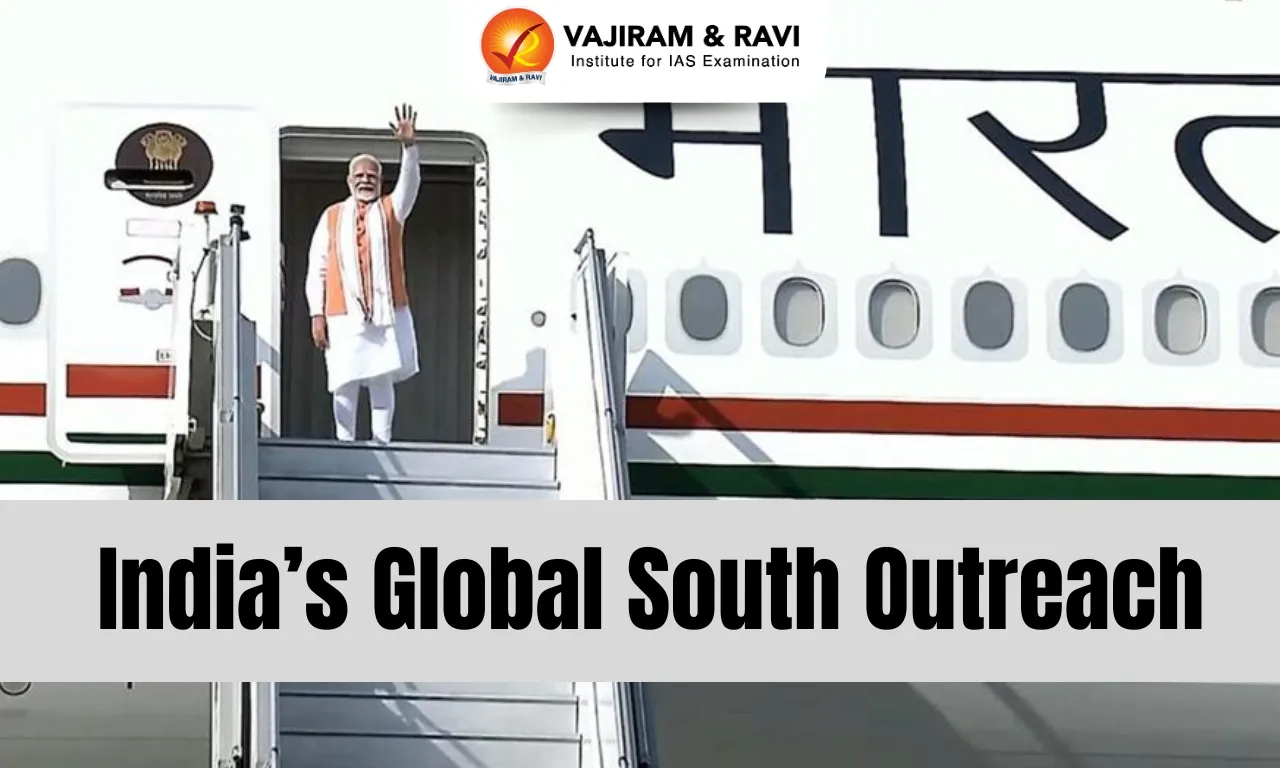
  • PM Modi began a five-nation tour from July 2 to 9, 2025, covering Ghana, Trinidad & Tobago, Argentina, Brazil, and Namibia.

Ghana Visit

  • Prime Minister Narendra Modi's visit marks the first bilateral trip by an Indian PM to Ghana in three decades. It is also his first visit to the country.
  • India is the largest destination for Ghanaian exports, with gold making up over 70% of India’s imports from Ghana. 
  • A proposal for a vaccine manufacturing hub and digital initiatives highlights India’s COVID-era goodwill, but the presence of China and the EU makes execution competitive and difficult.

Trinidad & Tobago (T&T) Visit

  • PM Modi’s visit marks his first to Trinidad & Tobago and the first bilateral visit by an Indian PM in over two decades.
  • Around 40–45% of the Indian diaspora in the Caribbean resides in T&T. 
    • Both PM Kamla Persad-Bissessar and President Christine Carla Kangaloo are of Indian origin. 
  • The visit also commemorates 180 years since the arrival of Indian immigrants in T&T.
  • India-T&T bilateral trade reached $341.61 million in FY 2024–25, indicating steady economic growth and deepening commercial relations.
  • This is PM Modi’s second visit to the Caribbean in eight months, following his trip to Guyana in November 2024, reflecting India’s strategic focus on the region.
  • Despite this, critics argue that diaspora engagement has yet to translate into meaningful economic or tech collaboration.

Argentina Visit

  • PM Modi’s visit is the first bilateral trip by an Indian PM to Argentina in 57 years. 
  • He will hold talks with President Javier Milei, following their earlier meeting at the G20 Summit in 2024.
  • India-Argentina ties have grown notably in the mineral resources sector, especially lithium—crucial for India’s green energy goals. Argentina also supplies soybean and sunflower oil to India.
  • India ranked as Argentina’s fifth-largest trading partner and export destination in 2024, underscoring the growing economic significance of the partnership.
  • However, political instability under President Javier Milei raises concerns about long-term consistency.

Brazil Visit

  • PM Modi will attend the BRICS Leaders’ Summit, where he will meet President Luiz Inacio Lula da Silva.
  • Following the summit, PM Modi will undertake a State Visit to Brasilia. He will hold detailed talks with President Lula to deepen the India-Brazil Strategic Partnership.
  • Brazil remains India’s largest trading partner in South America, underscoring the importance of the relationship.
  • Still, internal power imbalances—especially China’s assertiveness—pose limitations.

Namibia Visit

  • PM Modi’s trip marks his first visit to Namibia and only the third by an Indian Prime Minister.
  • Bilateral trade has surged from under $3 million in 2000 to nearly $600 million in 2025. Indian investments span mining, manufacturing, diamond processing, and services.
  • The visit recalls the historic 2022 translocation of eight Namibian cheetahs to India’s Kuno National Park—marking the world’s first intercontinental relocation of a major carnivore species.
  • The visit combines digital diplomacy (launching UPI) and environmental soft power (conservation discussions post-cheetah translocation). 
  • However, India enters a digital investment space already crowded by other global powers.

India’s Global South Outreach: Challenges

  • PM Modi has embarked on an eight-day, five-nation tour covering three continents.
  • This visit aims to strengthen India’s diplomatic and economic engagement with the Global South, reflecting India’s aspiration to lead among postcolonial, developing nations.

Championing the Global South: Aspirations vs. Execution

  • India has long positioned itself as a voice for the Global South, notably through the 2023 Voice of the Global South Summit. 
  • However, turning aspirational leadership into actionable, sustainable outcomes remains a significant challenge.

Modest Scale and Follow-Through Deficit

  • India’s developmental outreach, while ambitious, often lacks the institutional scale and execution strength seen in China’s Belt and Road Initiative (BRI). 
  • Initiatives announced frequently suffer from poor follow-through in infrastructure and trade facilitation.

Overreliance on Soft Power

  • Cultural and diaspora diplomacy are important tools but risk becoming hollow without accompanying economic programs. 

Conclusion

  • This tour lays the foundation for new partnerships in critical minerals, digital public goods, climate action, and vaccine production. 
  • It may also signal the emergence of “Modi Doctrine 3.0” – a foreign policy approach centered on Global South solidarity, technology-led diplomacy, and institutional reform.

Source: IE | TD | FP

India’s Global South Outreach FAQ

Q1: What is the objective of PM Modi’s Global South outreach?

Ans: To enhance India’s diplomatic, economic, and technological ties with underrepresented countries across Africa, Latin America, and the Caribbean.

Q2: Which countries are part of PM Modi’s 2025 five-nation tour?

Ans: Ghana, Trinidad & Tobago, Argentina, Brazil, and Namibia are part of the eight-day Global South engagement tour.

Q3: How is India engaging with Ghana during the visit?

Ans: India is proposing a vaccine manufacturing hub and digital cooperation, leveraging its COVID-era credibility and goodwill.

Q4: Why is Argentina strategically important for India?

Ans: Argentina has vast lithium reserves, key for India’s electric vehicle and green energy goals, making it a critical partner.

Q5: What is Modi Doctrine 3.0 in foreign policy?

Ans: It signifies India’s pivot to Global South solidarity, technology-led diplomacy, and calls for reforming global governance systems.

Terbium

Terbium

Terbium Latest News

Scientists from Indian Institute of Science (IISc) have developed a simple, glowing paper sensor that could help detect liver cancer early — using the green glow of a rare earth metal called terbium.

About Terbium

  • It is a rare-earth metal of the lanthanide series of the periodic table.
  • It occurs in many rare-earth minerals but is almost exclusively obtained from bastnasite and from laterite ion-exchange clays. It is also found in the products of nuclear fission. 

Properties of Terbium

  • It is a moderately hard, silvery white metal that is stable in air when in pure form.
  • The metal is relatively stable in air even at high temperatures, because of formation of a tight, dark oxide layer that can be represented as a mixed oxide composed of Tb2O3 and TbO2.
  • It readily reacts with diluted acids, but it is insoluble in hydrofluoric acid (HF) because the presence of the fluoride ion protects the metal from further reaction by forming a protective layer of TbF3.
  • It exhibits strong paramagnet above 230 K and antiferromagnetic between 220 K and 230 K, and it becomes ferromagnetic below 220 K.
  • Uses: Terbium compounds are used as green phosphors in fluorescent lamps, computer monitors, and TV screens that use cathode-ray tubes. Another major use is with dysprosium and iron in the magnetostrictive alloy.

Source: TOI

Terbium FAQs

Q1: What is terbium used for?

Ans: Terbium is used to dope calcium fluoride, calcium tungstate and strontium molybdate,

Q2: Where can I find terbium?

Ans: Terbium is one of the rarer "rare earth" metals; a minor component of major ores monazite and euxenite which are actively mined, especially in China

Kariyachalli Island

Kariyachali Island

Kariyachalli Island Latest News

Recently, the Tamil Nadu government has started an initiative to save the sinking Kariyachalli island.

About Kariyachalli Island

  • It is located in the Gulf Of Mannar region which is one of India’s most ecologically sensitive marine zones.
  • Kariyachalli is one of the 21 islands in the Gulf of Mannar Marine National Park region, located on the southeastern coast of India between Rameshwaram and Thhothukudi. The gulf is home to one of the four major coral reefs in India. 
  • Kariyachalli island possess beaches, sand dunes, spit and sandy plains.
  • The uninhabited island has sunk significantly over the past few decades due to rapid erosion, rising sea levels and degradation of the surrounding coral reef and seagrass meadows. 
  • According to a report by the Indian Institute of Technology Madras’s (IIT Madras), Department of Ocean Engineering island’s landmass shrank by over 70 per cent in 2024 compared to 1969.
  • About a third of the coral around the island has bleached on average and further degradation and disappearance of coral reefs would make the island more vulnerable to erosion, the report stated.
  • At the current rate of erosion, the island is expected to be submerged by 2036. With just a decade left, government authorities are now racing to save it from disappearing.
  • The Tamil Nadu Sustainably Harnessing Ocean Resources (TNSHORE) project, expected to start in August 2025, will try to restore the reefs with artificial modules, planting seagrass beds and reviving marine life. 

Source: DTE

Kariyachalli Island FAQs

Q1: Which Indian islands are called coral islands?

Ans: Lakshadweep

Q2: Where is the Gulf of Mannar Biosphere Reserve located?

Ans: The Gulf of Mannar Biosphere Reserve (GOMBR) is located in the southeastern tip of Tamil Nadu extending from Rameswaram in the North to Kanyakumari in the south.

UPSC Daily Quiz 3 July 2025

UPSC Daily Quiz

The Daily UPSC Quiz by Vajiram & Ravi is a thoughtfully curated initiative designed to support UPSC aspirants in strengthening their current affairs knowledge and core conceptual understanding. Aligned with the UPSC Syllabus 2025, this daily quiz serves as a revision resource, helping candidates assess their preparation, revise key topics, and stay updated with relevant issues. Whether you are preparing for Prelims or sharpening your revision for Mains, consistent practice with these Daily UPSC Quiz can significantly enhance accuracy, speed, and confidence in solving exam-level questions.

[WpProQuiz 13]

UPSC Daily Quiz FAQs

Q1: What is the Daily UPSC Quiz?

Ans: The Daily UPSC Quiz is a set of practice questions based on current affairs, static subjects, and PYQs that help aspirants enhance retention and test conceptual clarity regularly.

Q2: How is the Daily Quiz useful for UPSC preparation?

Ans: Daily quizzes support learning, help in revision, improve time management, and boost accuracy for both UPSC Prelims and Mains through consistent practice.

Q3: Are the quiz questions based on the UPSC syllabus?

Ans: Yes, all questions are aligned with the UPSC Syllabus 2025, covering key areas like Polity, Economy, Environment, History, Geography, and Current Affairs.

Q4: Are solutions and explanations provided with the quiz?

Ans: Yes, each quiz includes detailed explanations and source references to enhance conceptual understanding and enable self-assessment.

Q5: Is the Daily UPSC Quiz suitable for both Prelims and Mains?

Ans: Primarily focused on Prelims (MCQ format), but it also indirectly helps in Mains by strengthening subject knowledge and factual clarity.

Enquire Now