Engineering Export Promotion Council of India (EEPC India)

Engineering Export Promotion Council of India

Engineering Export Promotion Council of India (EEPC India) Latest News

The Engineering Export Promotion Council of India (EEPC) recently demanded lowering of income tax for non-corporate manufacturing MSMEs in the Union Budget and expediting payment of GST refunds.

About Engineering Export Promotion Council of India (EEPC India)

  • It is the premier trade and investment promotion organization in India, catering to the Indian engineering sector. 
  • Sponsored by the Ministry of Commerce & Industry, it actively contributes to the policies of the Government of India as an advisory body and acts as an interface between the engineering industry and the government. 
  • Set up in 1955, EEPC India now has a membership base of over 13,000, out of whom 60% are SMEs.
  • EEPC India facilitates sourcing from India and encourages MSMEs to raise their standard at par with international best practices. 
  • It also encourages MSMEs to integrate their business with the global value chain.
  • Motto: Engineering the Future
  • It serves as the reference point for the Indian engineering industry and the international business community in its efforts towards establishing India as a major engineering hub in the future.
  • EEPC India publishes several reports/studies to make its members aware of international trends and opportunities in order to enhance their global footprint.
  • EEPC India is regarded as the Model Export Promotion Council in India by the Ministry of Commerce and Industry.

Source: TH

Engineering Export Promotion Council of India (EEPC India) FAQs

Q1: What is the Engineering Export Promotion Council of India (EEPC India)?

Ans: EEPC India is the premier trade and investment promotion organisation for the Indian engineering sector.

Q2: Which Ministry sponsors Engineering Export Promotion Council of India (EEPC India)?

Ans: EEPC India is sponsored by the Ministry of Commerce & Industry.

Q3: What role does Engineering Export Promotion Council of India (EEPC India) play in government policymaking?

Ans: It contributes to government policies as an advisory body and acts as an interface between the engineering industry and the government.

Q4: When was Engineering Export Promotion Council of India (EEPC India) established?

Ans: Engineering Export Promotion Council of India (EEPC India)
Gangapur Dam

Gangapur Dam

Gangapur Dam Latest News

The air show, featuring the Indian Air Force’s Suryakiran aerobatic team, took place over the Gangapur dam in the Nashik district recently.

About Gangapur Dam

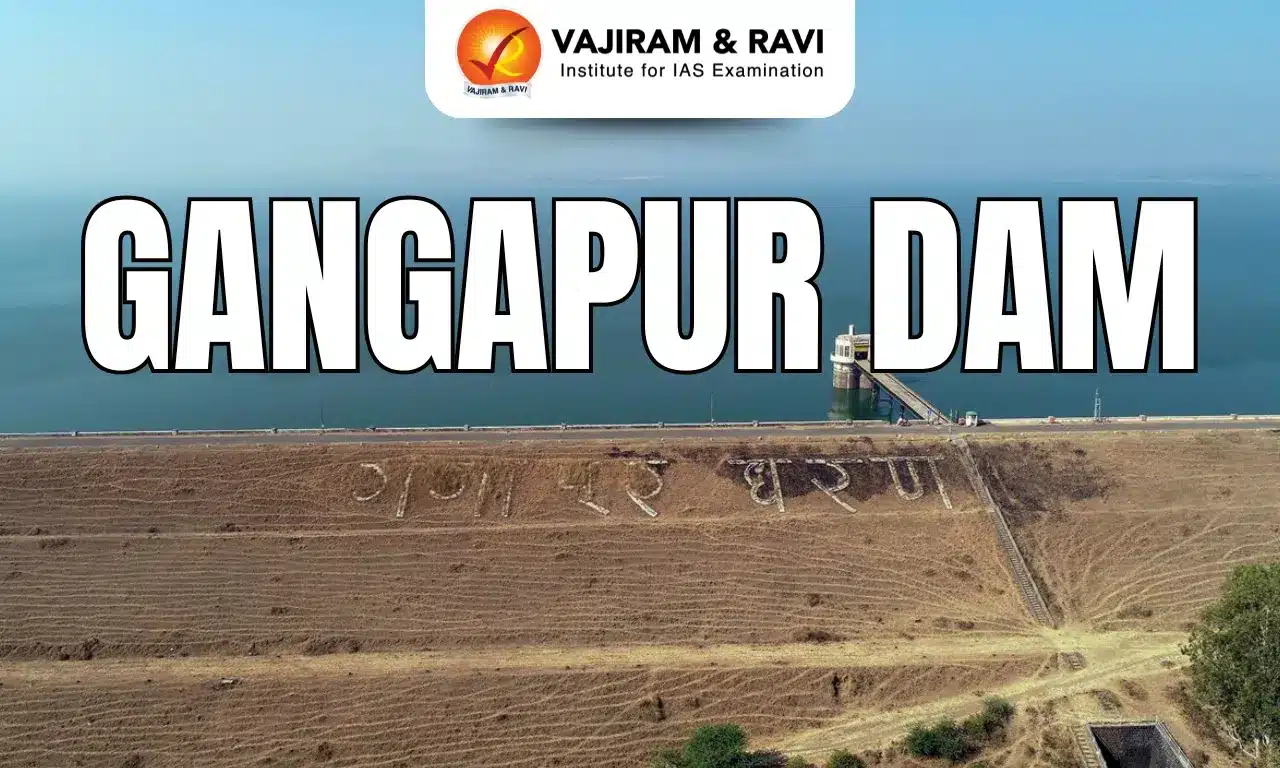
  • It is an earthfill dam on the River Godavari, near Nashik, Maharashtra.
  • It is the longest earthen reservoir of Asia, with a length of 9.8 kilometers and a height of 36.6 meters. 
  • The dam has a unique design, with a curved shape and a spillway in the middle. 
  • It was built in 1965 as part of the Godavari Marathwada Irrigation Development Project. 
  • The dam was constructed to provide irrigation and drinking water to the drought-prone areas of Nashik, Ahmednagar, and Aurangabad districts. 
  • The dam has a storage capacity of 215.88 million cubic meters and a catchment area of 2,122 sq.km. 
  • The dam also has an upstream dam called Kashypi Dam, which regulates the water flow and prevents flooding.
  • The dam also has two canals; the left bank canal is 64 km long, and the right bank canal is 30 km.
  • The area around the dam features beautiful gardens and is home to numerous migratory birds, adding to its scenic beauty.

Source: TH

Gangapur Dam FAQs

Q1: Gangapur Dam is located on which river?

Ans: Godavari

Q2: Gangapur Dam is situated which state?

Ans: It is located near Nashik, Maharashtra.

Q3: Gangapur Dam is best described as which type of dam?

Ans: It is an earthfill dam.

Q4: Gangapur Dam was constructed as part of which project?

Ans: Godavari Marathwada Irrigation Development Project

Phulkari

Phulkari

Phulkari Latest News

Over 40 rare pre-Partition textiles at an exhibition trace how phulkari functioned within women’s lives, and their everyday worlds.

About Phulkari

  • Phulkari, meaning "flower work," is a traditional embroidery from undivided Punjab, including present-day Pakistan and Haryana. 
  • The term first appeared in 18th-century Punjabi literature and may be linked to the Iranian art of gulkari.
  • Historically, phulkari chaddars were an essential part of a girl's marriage trousseau, crafted by mothers and grandmothers from the girl's birth. 
  • Girls learned to embroider early, with the number of phulkaris reflecting the family's status and marking cultural milestones.

Phulkari Features

  • It is a form of counted-thread embroidery recognised by its neat, regular patterns of geometric and natural motifs.
  • Phulkari embroidery uses khaddar, a handspun and handwoven cotton fabric, traditionally dyed in madder brown, rust red, indigo, or green.
  • Colourful silk threads are used to create flower patterns on the fabric.
  • The mix of colourful silk threads creates a beautiful and exciting design. 
  • The floral imagery used in phulkari includes marigolds, jasmines, lotuses, and Tree of Life motifs. 
  • Modern motifs such as trains, trucks, and cars have also found their way into phulkari patterns. 
  • Phulkari’s product range includes embroidered chaddars, dupattas, and stoles, traditionally worn by brides or for ceremonies.

Source: TH

Phulkari FAQs

Q1: What is Phulkari?

Ans: It is a traditional embroidery from undivided Punjab, including present-day Pakistan and Haryana.

Q2: What does the term “Phulkari” literally mean?

Ans: “Flower work”.

Q3: Which Iranian art form is Phulkari believed to be linked with?

Ans: Gulkari.

Q4: What role did Phulkari chaddars play in traditional Punjabi marriages?

Ans: They were an essential part of a girl’s marriage trousseau.

Ammonia

Ammonia

Ammonia Latest News

Officials explained that ammonia spikes in the Yamuna are a chronic winter issue, generally occurring between 15 and 22 times a year.

About Ammonia

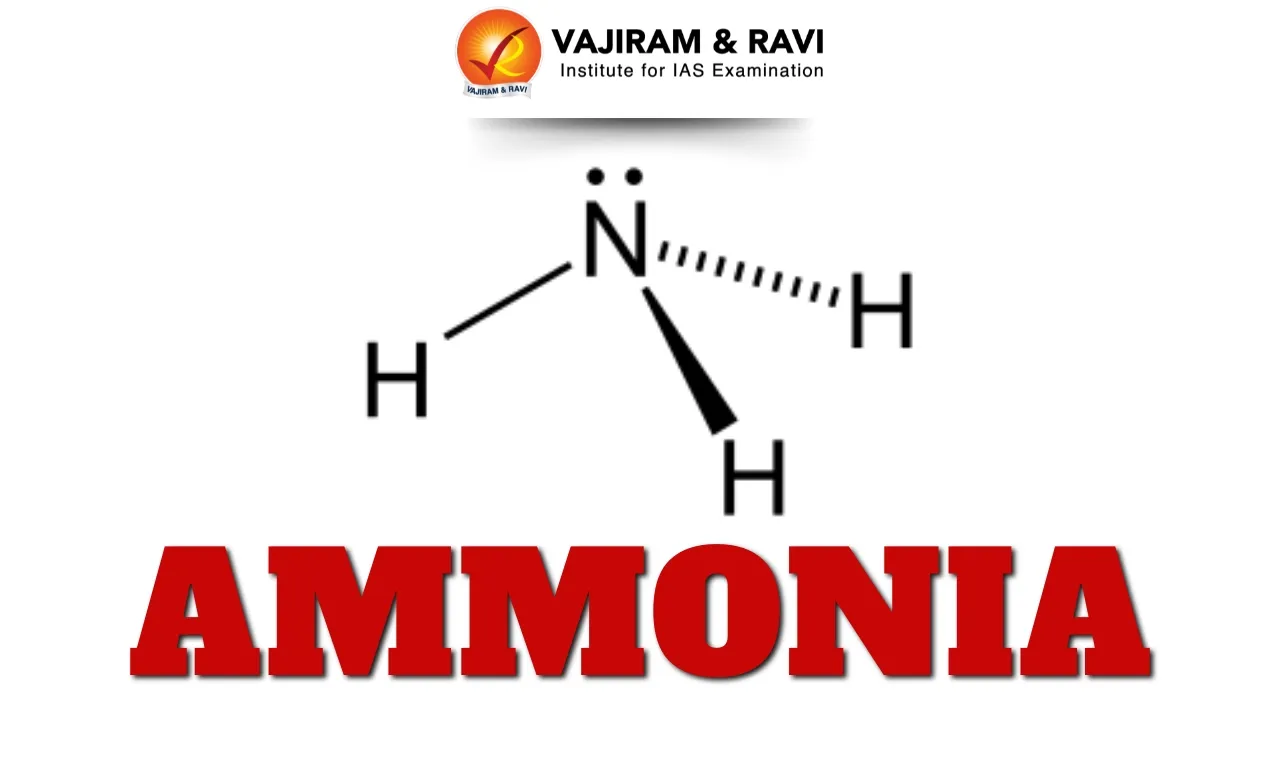
  • It is a colorless, pungent gas composed of nitrogen and hydrogen with the formula NH3.
  • It is the simplest stable compound of these elements and serves as a starting material for the production of many commercially important nitrogen compounds.
  • It exists naturally in humans and in the environment. 
    • In the environment, ammonia is part of the nitrogen cycle and is produced in soil from bacterial processes. 
    • Ammonia is also produced naturally from decomposition of organic matter, including plants and animals.
  • Industrial production: Manufactured mainly by the Haber–Bosch process (from nitrogen and hydrogen).
  • Ammonia gas can be dissolved in water. This kind of ammonia is called liquid ammonia or aqueous ammonia. Once exposed to open air, liquid ammonia quickly turns into a gas.
  • Uses:
    • The major use of ammonia is as a fertilizer
      • Ammonia is a basic building block for ammonium nitrate fertilizer, which releases nitrogen, an essential nutrient for growing plants.
      • About 90 percent of ammonia produced worldwide is used in fertilizer.
    • Additional uses include as a refrigerant, stabilizer, neutralizer, and purifier — particularly in food transport and water treatment applications. 
    • It can also be used in the manufacture of plastics, explosives, fabrics, dyes, and pharmaceuticals.
  • Exposure to high levels of ammonia in air may be irritating to a person’s skin, eyes, throat, and lungs and cause coughing and burns.
  • To prevent the release of toxic fumes, ammonia should not be mixed with other chemicals (especially chlorine bleach).

Source: HT

Ammonia FAQs

Q1: What is ammonia?

Ans: Ammonia is a colourless, pungent gas composed of nitrogen and hydrogen.

Q2: What is the chemical formula of ammonia?

Ans: The chemical formula of ammonia is NH₃.

Q3: Does ammonia occur naturally in the human body and environment?

Ans: Yes, ammonia exists naturally in humans and in the environment.

Q4: How is ammonia produced naturally in the environment?

Ans: It is produced through bacterial processes in soil and by the decomposition of organic matter from plants and animals.

Q5: Which industrial process is mainly used to manufacture ammonia?

Ans: Ammonia is mainly manufactured using the Haber–Bosch process.

Lambadi Tribe

Lambadi Tribe

Lambadi Tribe Latest News

The Supreme Court is once again being asked to rule on long-standing controversy of Parliament’s decision on Scheduled Tribe status to Lambadi community in Telangana.

About Lambadi Tribe

  • They are found in Telangana, Andhra Pradesh and Karnataka states in South India.
  • They are also known as Sugali or Banjara.
  • Language: They speak Gor Boli also called Lambadi which belongs to the Indo-Aryan Group of Languages. Lambadi has no script.
  • Belief System: The majority of Banjara in India are Hindu; some have combined Hindu practices with their own animistic beliefs.

Culture of Lambadi Tribe

  • Banjara people celebrate the festival of Teej during Shravanam (in the month of august).
  • In this festival young unmarried Banjara girls pray for a good groom.
  • Fire dance and Chari are the traditional dance forms of the banjara people.
  • Tattoos are very common in their community.
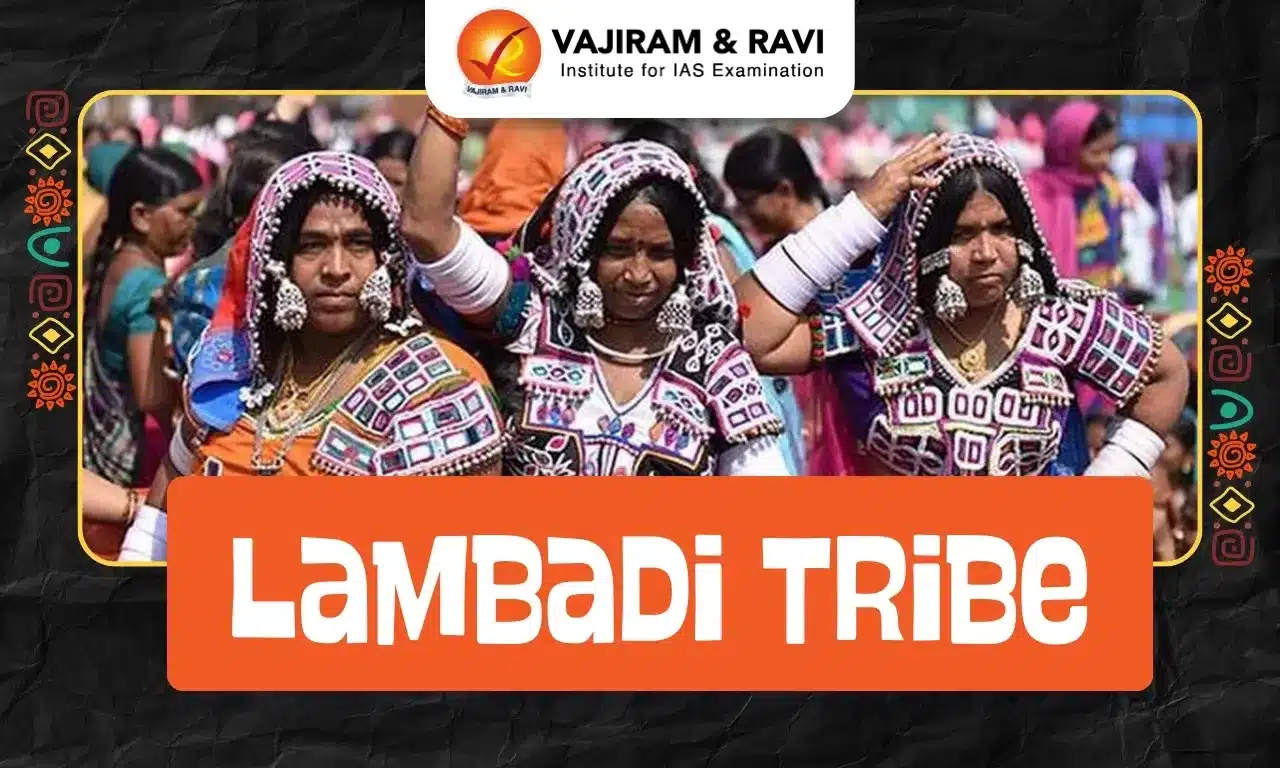
  • Women, Lambadi / Gor women (Thandri) wear a very colourful red style dress and lots of jewellery. The clothes they wear are decorated with pieces of mirror and cowl. we wear ivory bangles and ornaments.

Source: DTE

Lambadi Tribe FAQs

Q1: Where is the Lambadi tribe primarily found?

Ans: South India

Q2: What is another name for the Lambadi tribe?

Ans: Banjara

Liberalised Remittances Scheme (LRS)

Liberalised Remittances Scheme (LRS)

Liberalised Remittances Scheme (LRS) Latest News

Analysis of data on the outward remittances under the RBI’s Liberalised Remittances Scheme (LRS) shows that the amount of money sent or spent abroad by Indians fell to a two-year low of $1.94 billion in November 2025, pulled down in large part by a sharp dip in the amount spent on foreign studies.

About Liberalised Remittances Scheme (LRS)

  • It is part of the Foreign Exchange Management Act (FEMA) 1999, which lays down the guidelines for outward remittance from India. 
  • Under LRS, all resident individuals, including minors, are allowed to freely remit up to USD $250,000 per financial year (April–March). 
    • This can be for any permissible current or capital account transaction, or a combination of both.
    • Any remittance exceeding this limit requires prior permission from the RBI.
  • The scheme was introduced on February 4, 2004.
  • Who can remit funds under LRS?
    • Only individual Indian residents, including minors, are permitted to remit funds under LRS.
    • Corporates, partnership firms, Hindu Undivided Family (HUF), trusts, etc., are excluded from its ambit. 
  • Frequency of Remittances:
    • There is no restriction on the frequency or number of transactions during a financial year. 
    • However, the total amount of foreign exchange remitted through all sources in India under LRS during the current FY should be within the LRS limit as specified by the RBI, i.e., USD $250,000.
  • Types of transactions permitted:
    • Opening of a foreign currency account abroad with a bank;
    • Acquisition of immovable property abroad, overseas direct investment (ODI), and overseas portfolio investment (OPI);
    • Extending loans, including loans in Indian Rupees to non-resident Indians (NRIs) who are relatives as defined in the Companies Act, 2013;
    • Private visits abroad (excluding Nepal and Bhutan); 
    • Maintenance of relatives abroad;
    • Medical treatment abroad;
    • Pursuing studies abroad;
    • Any other current account transaction that does not fall under the definition of current account (FEMA 199);
  • Types of transactions not permitted: 
    • Remittance for purposes specifically prohibited, such as buying lottery tickets or restricted items.
    • Sending money from India for margins or margin calls to overseas exchanges or parties.
    • Remittance for buying Foreign Currency Convertible Bonds (FCCBs) issued by Indian companies in the overseas secondary market.
    • Sending money for trading in foreign exchange abroad.
    • Sending money to individuals and entities identified as posing a significant risk of terrorism.
    • Sending money to countries identified as “non-cooperative countries and territories” by the Financial Action Task Force (FATF).
  • Tax Imposed on LRS:
    • Tax Collected at Source (TCS) applies to LRS transactions exceeding INR 7 lakh in a financial year.
      • Current TCS rates are 20% for general remittances and may vary based on the purpose and the total amount remitted.
    • Any profit made from abroad investments under LRS is subject to tax in India depending on the holding period.

Source: TH

Liberalised Remittances Scheme (LRS) FAQs

Q1: What is the Liberalised Remittances Scheme (LRS)?

Ans: LRS is a scheme under the Foreign Exchange Management Act (FEMA), 1999 that provides guidelines for outward remittances from India.

Q2: When was the Liberalised Remittances Scheme introduced?

Ans: The scheme was introduced on February 4, 2004.

Q3: Who is eligible to remit funds under Liberalised Remittances Scheme (LRS)?

Ans: Only resident individual Indians, including minors, are eligible to remit funds under LRS.

Q4: Which entities are not permitted to remit funds under Liberalised Remittances Scheme (LRS)?

Ans: Corporates, partnership firms, Hindu Undivided Families (HUFs), trusts, and similar entities are excluded.

Q5: What is the maximum amount that can be remitted under Liberalised Remittances Scheme (LRS) in a financial year?

Ans: Up to USD 250,000 per financial year (April–March).

Indira Gandhi Peace Prize

Indira Gandhi Peace Prize

Indira Gandhi Peace Prize Latest News

Recently, Mozambican rights activist and humanitarian Graca Machel has been selected for the Indira Gandhi Prize for Peace, Disarmament and Development for 2025.

About Indira Gandhi Peace Prize

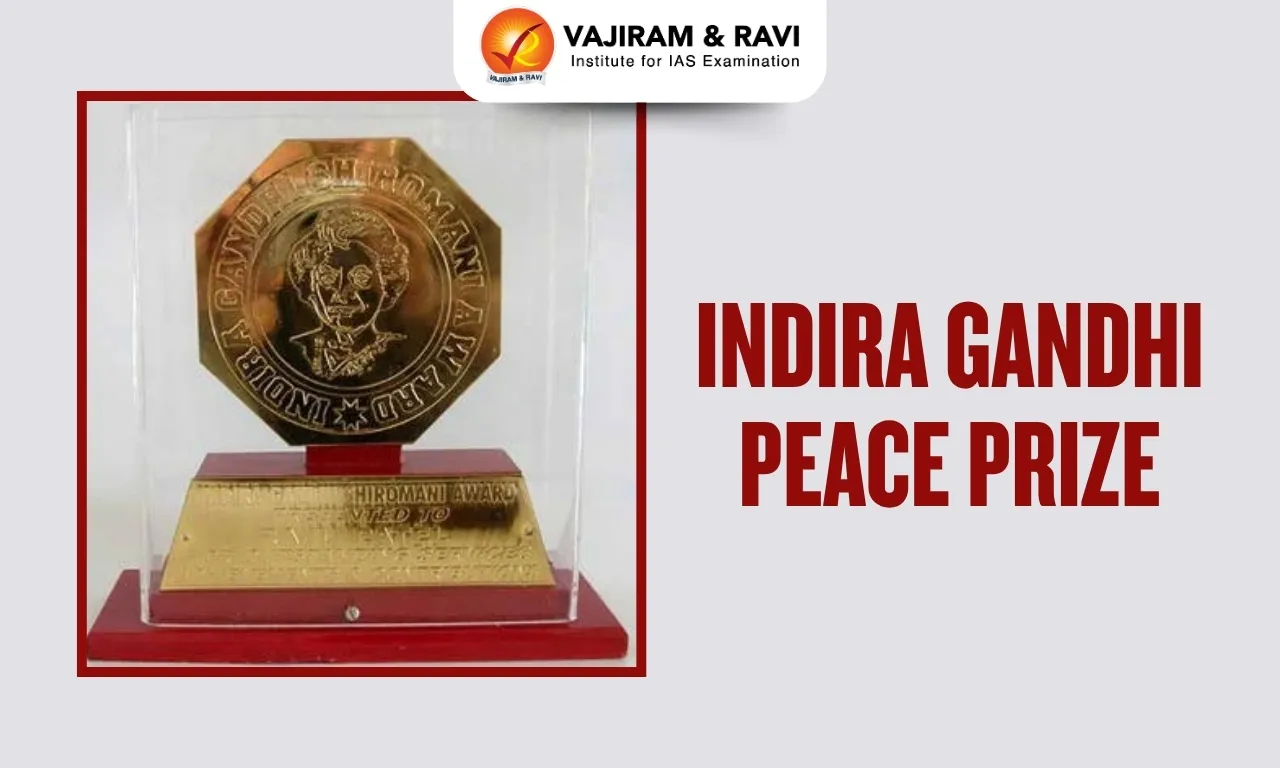
  • It was instituted in the memory of the former Prime Minister Indira Gandhi by a trust in her name in 1986.
  • It is also known as the Indira Gandhi Prize for Peace, Disarmament, and Development,
  • It consists of a monetary award of 25 lakh rupees along with a citation.
  • It is awarded annually by the Indira Gandhi Memorial Trust  to a person or organization without any distinction of nationality, race or religion, in recognition of creative efforts towards:
    • Promoting international peace and disarmament, racial equality, and goodwill and harmony among nations;
    • Securing economic co-operation and promoting a new international economic order;
    • Accelerating the all-round advancement of developing nations;
    • Ensuring that the discoveries of science and modern knowledge are used for the larger good of the human race; and
    • Enlarging the scope of freedom and enriching the human spirit.

Source:  TH

Indira Gandhi Peace Prize FAQs

Q1: Who was awarded the Indira Gandhi Peace Prize for 2025?

Ans: Graca Machel

Q2: What is the Indira Gandhi Peace Prize awarded for?

Ans: Promoting international peace, disarmament, and development

Draft National Electricity Policy 2026: Key Reforms for India’s Power Sector

Draft National Electricity Policy 2026

Draft NEP 2026 Latest News

  • The Ministry of Power has released the Draft National Electricity Policy (NEP) 2026, outlining a roadmap to overhaul India’s power sector in line with the vision of Viksit Bharat @2047. 
  • Once finalised, the new policy will replace the existing NEP 2005, reflecting two decades of changes in energy demand, technology, and climate priorities.

From Shortages to Scale: How the Power Sector Has Evolved

  • The first National Electricity Policy (NEP), notified in 2005, focused on core issues such as power shortages, limited electricity access, and weak infrastructure. 
  • Since then, India’s power sector has transformed significantly. 
  • Installed generation capacity has grown fourfold with strong private sector participation, universal electrification was achieved by March 2021, and a unified national grid became operational in 2013. 
  • Per capita electricity consumption rose to 1,460 kWh in 2024–25, while power markets and exchanges improved flexibility and efficiency in procurement.

Persistent Stress Points in Distribution and Tariffs

  • Despite these gains, structural problems persist, especially in the distribution segment. 
  • High accumulated losses, mounting debt of discoms, and non–cost-reflective tariffs continue to strain the system. 
  • Heavy cross-subsidisation has pushed up industrial power tariffs, hurting the global competitiveness of Indian industry.

Draft NEP 2026: Ambitious Consumption and Climate Goals

  • Against this backdrop, the Draft National Electricity Policy 2026 sets forward-looking targets. 
  • It aims to raise per capita electricity consumption to 2,000 kWh by 2030 and over 4,000 kWh by 2047. 
  • The policy also aligns the power sector with India’s climate commitments, including a 45% reduction in emissions intensity from 2005 levels by 2030 and net-zero emissions by 2070, signalling a decisive shift towards low-carbon energy pathways.

Draft National Electricity Policy 2026: Key Interventions at a Glance

  • The Draft NEP 2026 proposes wide-ranging reforms across planning, tariffs, markets, generation, grids, and technology to build a reliable, competitive, and low-carbon power system.

Resource Adequacy Planning

  • Decentralised advance planning: DISCOMs and State Load Despatch Centres (SLDCs) to prepare utility- and state-level Resource Adequacy (RA) plans under State Commission regulations.
  • National coordination: Central Electricity Authority (CEA) to prepare a national RA plan to ensure capacity adequacy at the country level.

Financial Viability and Economic Competitiveness

  • Automatic tariff revision: Linking tariffs to a suitable index for annual revision if State Commissions do not issue tariff orders.
  • Cost-reflective tariffs: Progressive recovery of fixed costs through demand charges to reduce cross-subsidisation across consumer categories.
  • Cross-subsidy exemptions: Removal of cross-subsidies and surcharges for manufacturing, railways and metro railways to lower logistics costs and improve industrial competitiveness.
  • Large consumers: Possible exemption of distribution licensees from Universal Service Obligation for consumers with contracted load of 1 MW and above.
  • Faster resolution: Strengthening dispute resolution mechanisms to reduce burden on regulators and lower costs for consumers.

Renewable Energy Generation and Storage

  • Market-based capacity addition: Greater reliance on markets and captive power plants for RE expansion.
  • Distributed Renewable Energy (DRE): DISCOM-led storage for small consumers to gain economies of scale; bulk consumers to install their own storage.
  • Energy trading: Peer-to-peer (P2P) trading of surplus DRE and stored energy, directly or via aggregators.
  • Scheduling parity: Equal treatment of renewable and conventional power in scheduling and deviation mechanisms by 2030.
  • Market deployment: Market-based rollout of storage, promotion of Battery Energy Storage Systems (BESS), domestic manufacturing of cells and components, and incentives such as Viability Gap Funding (VGF) for BESS and pumped storage.

Thermal Power: Supporting the Energy Transition

  • Grid support role: Integration of storage and repurposing of older thermal units to support grid stability and renewable integration.
  • Efficiency gains: Exploring direct use of steam from thermal plants for district cooling and industrial processes.

Nuclear Energy Expansion

  • Advanced technologies: In line with the SHANTI Act, 2025, adoption of advanced nuclear technologies, modular reactors and small reactors.
  • Long-term target: Scaling nuclear capacity to 100 GW by 2047, including use by commercial and industrial consumers.

Hydropower Development

  • Storage-based hydro: Fast-tracking storage hydro projects for flood moderation, irrigation, water security and energy security.

Power Markets and Competition

  • Market oversight: Strong regulatory framework for monitoring and surveillance to prevent collusion, gaming and market dominance.

Transmission Reforms

  • Right of Way (RoW): Use of advanced technologies and appropriate land-use compensation to address RoW challenges.
  • Tariff parity: Equal transmission tariff treatment for renewable and conventional power by 2030.
  • Efficient access: Utilisation-based allocation of transmission connectivity to prevent speculative hoarding.

Distribution System Reforms

  • Loss reduction: Targeting single-digit Aggregate Technical and Commercial (AT&C) losses.
  • Network sharing: Shared distribution networks to enhance competition and avoid duplication of infrastructure.
  • Distribution System Operator (DSO): Establishment of DSOs to enable network sharing and integrate distributed renewables, storage and Vehicle-to-Grid (V2G) systems.
  • Urban reliability: N-1 redundancy at distribution transformer level in cities with population above 10 lakh by 2032; undergrounding of networks in congested urban areas.

Grid Operations and Governance

  • Institutional reform: Functional unbundling of State Transmission Utilities and creation of independent entities for SLDC operations and transmission planning.
  • Regulatory alignment: Harmonising State Grid Codes with the Indian Electricity Grid Code issued by CERC.

Cybersecurity and Data Sovereignty

  • Cyber resilience: Establishment of a robust cybersecurity framework for the power sector.
  • Data localisation: Mandatory storage of power sector data within India to ensure sovereignty and system security.

Data Sharing and Visibility

  • Transparent data framework: Sharing of operational and market data under a central government-prescribed framework.
  • Real-time monitoring: Ensuring real-time visibility of Distributed Energy Resources for DISCOMs and SLDCs.

Technology and Skill Development

  • Indigenous systems: Transition to domestically developed SCADA systems by 2030.
  • Software self-reliance: Development of Indian software solutions for all critical power system applications.

Source: PIB | IE

Draft National Electricity Policy 2026 FAQs

Q1: What is the Draft National Electricity Policy 2026?

Ans: The Draft National Electricity Policy 2026 is India’s updated electricity policy framework aimed at transforming generation, distribution, markets and grids to support growth and climate goals.

Q2: Why is Draft National Electricity Policy 2026 needed?

Ans: Draft National Electricity Policy 2026 addresses rising electricity demand, discom losses, tariff distortions and the need for large-scale renewable integration after two decades of sectoral change.

Q3: What consumption targets does Draft National Electricity Policy 2026 set?

Ans: Draft National Electricity Policy 2026 targets per capita electricity consumption of 2,000 kWh by 2030 and over 4,000 kWh by 2047.

Q4: How does Draft National Electricity Policy 2026 support renewables?

Ans: Draft National Electricity Policy 2026 promotes market-based renewable expansion, energy storage, peer-to-peer trading, scheduling parity and domestic battery manufacturing.

Q5: What distribution reforms are proposed in Draft National Electricity Policy 2026?

Ans: Draft National Electricity Policy 2026 proposes reducing AT&C losses, shared distribution networks, Distribution System Operators and improved urban grid reliability.

Trump’s Board of Peace: Why India Is Taking a Cautious Stand

Board of Peace

Board of Peace Latest News

  • India has chosen to stay away, for now, from US President Donald Trump’s proposed Board of Peace, unveiled at Davos, opting for a cautious “wait and watch” approach despite an invitation to Prime Minister Narendra Modi.

About Trump’s Board of Peace

  • The Board of Peace is a US-led intergovernmental body established by Donald Trump to manage global conflict resolution and post-war reconstruction.
  • Origin and Purpose - Proposed in September 2025, the board was created to oversee “Phase Two” of the US-brokered ceasefire in Gaza following the 2023–2025 conflict.
  • Immediate Mandate - Its primary role is to supervise the National Committee for the Administration of Gaza (NCAG) — a Palestinian technocratic authority — while managing Gaza’s reconstruction and the disarmament of Hamas.
  • Leadership and Composition - Chaired by Donald Trump, the board includes prominent figures such as Jared Kushner, former UK Prime Minister Tony Blair, and US Secretary of State Marco Rubio.
  • Countries that have accepted the invitation include: Argentina, Saudi Arabia, Israel, UAE, Egypt, Turkey, Qatar, Pakistan, Indonesia, Vietnam, among others.
  • Notable absentees: Major European powers such as France, Germany, the UK and Italy. Permanent members of the UN Security Council — Russia, China, France and the UK.

India’s Immediate Response on Joining the Board of Peace

  • India neither accepted nor declined the invitation at Davos.
  • New Delhi is assessing strategic, political and diplomatic implications before taking a decision.

Why Trump’s Board of Peace Puts India in a Tight Spot

  • An Exclusive, Pay-to-Enter Peace Club - Permanent membership reportedly requires a $1-billion contribution to a reconstruction fund, effectively turning peace-making into a pay-to-enter arrangement.
  • Unclear Scope, Expanding Concerns: Uncertainty over the Board of Peace’s mandate deepens India’s unease. 
    • Though Gaza is the immediate focus, reports suggest the charter avoids explicit territorial limits, using broad phrases like “world peace,” raising fears of mission creep and expansion into other conflicts.
  • Fragmented Peace-Making, Outside the UN - The board’s design risks selective and fragmented conflict resolution. 
    • Unlike the UN General Assembly or Security Council, it excludes many stakeholders, raising concerns about arbitrariness in conferring “peace” through a restricted forum.
  • India’s Multilateral Principles at Stake - India has long defended multilateralism and the primacy of the United Nations, even while pushing for UN reform to reflect Global South realities. 
    • Joining a US-led body seen as bypassing the UN could undercut India’s credibility on this front.
  • The Cost of Staying Out - Avoiding the Board of Peace is not risk-free. India seeks a seat where global security, conflict resolution, and reconstruction are discussed. 
    • Opting out could mean ceding strategic space and appearing passive as new power structures take shape.
  • The Palestine–Israel Balancing Act - India has consistently supported a two-state solution and Palestinian rights while strengthening strategic ties with Israel. 
    • Joining a West-centric, Trump-driven Gaza platform risks upsetting this delicate balance and complicating India’s Global South positioning.
  • Sharing the Platform With Pakistan - Pakistan’s reported invitation creates a fresh dilemma. 
    • Sharing a high-profile forum with Islamabad could trigger domestic backlash, particularly as India maintains a firm stance against engaging with sponsors of terror.
    • At the same time, India fears that staying out could exclude it from future deliberations affecting India–Pakistan crises.
  • Security and Military Red Lines - Reports that Pakistan may offer troops for a Gaza stabilisation force further complicate matters. India has ruled out participation in non-UN military missions, reinforcing its preference for UN legitimacy.

A High-Stakes Strategic Choice

  • India is unlikely to ignore the platform entirely, yet joining carries reputational and political risks. 
  • The challenge lies in balancing engagement with caution—protecting India’s multilateral principles, domestic politics, and global credibility in a Trump-led forum.

Source: IE | IT | IE

Board of Peace FAQs

Q1: What is Trump’s Board of Peace?

Ans: The Board of Peace is a US-led intergovernmental body created to manage conflict resolution and reconstruction, starting with Gaza after the Israel-Hamas war.

Q2: Why is India cautious about the Board of Peace?

Ans: India is concerned about the Board of Peace bypassing the UN, unclear mandate, pay-to-enter structure, and implications for multilateral credibility.

Q3: How does the Board of Peace differ from the UN?

Ans: Unlike the UN, the Board of Peace is selective, contribution-based and lacks universal participation, raising concerns over legitimacy and inclusiveness.

Q4: Why is Pakistan’s presence in the Board of Peace sensitive for India?

Ans: Pakistan’s inclusion could force India to share diplomatic space despite no-talks policy, while staying out risks exclusion from future security discussions.

Q5: What is India’s likely approach to the Board of Peace?

Ans: India is expected to balance engagement with caution, prioritising UN-based multilateralism while avoiding isolation from emerging global security platforms.

Pangolakha Wildlife Sanctuary

Pangalokha Wildlife Sanctuary

Pangolakha Wildlife Sanctuary Latest News

Recently, a forest fire continued to rage inside Sikkim's Pangolakha Wildlife Sanctuary along the Indo-China border at an altitude of 13,000 feet.

About Pangolakha Wildlife Sanctuary

  • Location: It is located in the state of Sikkim.
  • It is connected to the forests of Bhutan and Neora Valley National Park in West Bengal.
  • The Pangolakha Range, extending below the Chola Range, separates Sikkim from Bhutan.
  • Vegetation: It has typical alpine-temperate-subtropic vegetation.
  • Lakes: It features high-altitude lakes, including Lake Tsongmo which is a biodiversity hotspot for migratory birds.
  • Rivers: Important Rivers like Rangpo and Jaldhaka originate from nearby lakes within the sanctuary.
  • Flora: Rhododendron, Silver Fir, Juniper forest and associated ground flora, moss-filled oak forests.
  • Fauna: Tiger, Leopard , Takin, Red Panda, Musk Deer etc.

Source: TH

Pangolakha Wildlife Sanctuary FAQs

Q1: Where is Pangolakha Wildlife Sanctuary located?

Ans: Sikkim

Q2: Which mountain pass is near Pangolakha Wildlife Sanctuary?

Ans: Nathula Pass

Household Finances in India – The Hidden Fault Line before Union Budget 2026

Household Finances in India

Household Finances in India Latest News

  • With Union Budget 2026 approaching, India’s macroeconomic indicators project stability and strong relative growth amid global uncertainty. 
  • However, a closer reading of RBI data (Financial Stability Report, Annual Report 2024–25) and recent Budget documents reveals a structural shift in India’s growth mode.
  • The Indian households saving less and borrowing more, thereby absorbing economic risks earlier shared by the State.

Aggregates Presenting a Partial Picture

  • Household debt: 41.3% of GDP (March 2025), lower than peers like China (60.1%), Malaysia (69.6%), Thailand (88%).
  • Trajectory: Gradual rise from about 36% (mid-2021) to 41% (2025), indicating no traditional household debt crisis.
  • Limitation: Debt-to-GDP ratios reveal how much debt exists, not why households are borrowing or their repayment capacity.

Uneven Incomes, Stable Consumption

  • RBI Annual Report (2024–25): It highlights uneven real income growth, especially outside formal and high-productivity sectors.
  • Borrowing as an adjustment mechanism: Despite this, consumption remains resilient, implying households are adjusting via borrowing, not income growth or savings.

Credit as a Cushion, Not Capital

  • Asset vs consumption credit: Borrowing is increasingly used to bridge income–expenditure gaps, not to create assets.
  • Household vulnerability: Even moderate debt becomes risky when it substitutes for income growth and savings.

Stock vs Flow - Where the Stress Lies

  • Balance sheet position:
    • Financial liabilities accounted for 41.3% of GDP (in March 2025), while gross household financial assets stood at 106.6% of GDP. 
    • There is no indication that liabilities have surpassed assets, and households continue to be net holders of financial wealth - meaning household finances remain sound.
  • Flow data (critical insight):
    • Net financial savings fell to 3–4% of GDP, later rebounding to 7.6% (Q4, 2024–25).
    • Volatility is driven by faster growth of liabilities than assets.
    • Inference: Financial wealth may rise, but the shock-absorbing buffer is eroding.

Why are Households Borrowing More (The Fiscal Angle)

  • At the State level (Quiet transfer of risk from State to households):
    • A Study of Budgets 2024–25 reveals that State governments have prioritised capital expenditure while limiting revenue expenditure.
    • Committed expenditures — interest payments, pensions, and salaries — now account for between 30 and 32% of State revenue receipts, leaving little space for income support or countercyclical transfers. 
    • States have actually become less responsive to household income stress while also becoming fiscally leaner.
  • At the Union level:
    • The Budget 2025-26 shows a continued emphasis on public investment, with capital expenditure budgeted at ₹11.2 lakh crore and effective capital expenditure at ₹15.5 lakh crore. 
    • This strategy is growth-enhancing, but it is not household-neutral. 
    • Infrastructure investment raises medium-term potential, yet does little to smooth short-term income volatility.

A Macro Risk Hiding in Plain Sight

  • Private consumption: Accounts for close to 60% of GDP, making household spending the economy’s primary stabiliser. 
  • Three interacting trends:
    • Uneven income growth (RBI Annual Report).
    • Rapid expansion of unsecured retail credit despite improved borrower profiles.
    • Volatile and compressed net financial savings.
  • Risk: Any shock—income slowdown, tighter financial conditions, unemployment—could force abrupt consumption retrenchment, destabilising growth.

Challenges and Policy Options for Budget 2026-27

  • Challenges:
    • Rising household leverage: Especially among vulnerable groups.
    • Debt-financing: Consumption-led growth.
    • Reduced fiscal cushioning: At State and Union levels.
    • Declining household capacity: To absorb economic shocks.
  • Policy options:
    • Enhance disposable incomes: Targeted income support, tax relief for middle and lower-income groups. 
    • Promote labour-intensive employment: To stabilise income flows.
    • Rebalance fiscal policy: Complement capital expenditure with selective revenue spending for income smoothing.
    • Strengthen household savings: Incentivise financial savings and reduce dependence on unsecured credit.
    • Align growth with resilience: Ensure that consumption growth is backed by incomes, not debt.

Conclusion

  • India’s macroeconomic stability ahead of Union Budget 2026 masks a fragile household finance dynamic. 
  • Growth sustained by debt-financed consumption is not self-sustaining. Restoring balance between income, savings, and borrowing must become a central fiscal priority. 
  • Without strengthening household shock-absorbing capacity, India risks an economy where growth persists on the surface while resilience steadily weakens beneath.

Source: TH

Household Finances in India FAQs

Q1: How does rising household debt challenge the sustainability of India’s consumption-led growth model?

Ans: Rising household debt sustains consumption in the short term but undermines long-term growth.

Q2: Why are debt-to-GDP ratios an inadequate indicator of household financial health in India?

Ans: Debt-to-GDP ratios show the scale of borrowing but fail to capture income stagnation, repayment capacity, etc.

Q3: How fiscal consolidation has led to a silent transfer of economic risk from the State to households in India?

Ans: By prioritising capital expenditure over income support, fiscal consolidation shifts the burden of managing income volatility.

Q4: What macroeconomic risks arise from the increasing use of unsecured retail credit in India?

Ans: This could heighten vulnerability to income shocks and can trigger abrupt consumption contraction during economic downturns.

Q5: Why is restoring household savings critical for maintaining macroeconomic stability in India?

Ans: Household savings act as the primary buffer for private consumption, which constitutes nearly 60% of GDP.

CAQM Report on Delhi Winter Air Pollution – Explained

Air Pollution

Air Pollution Latest News

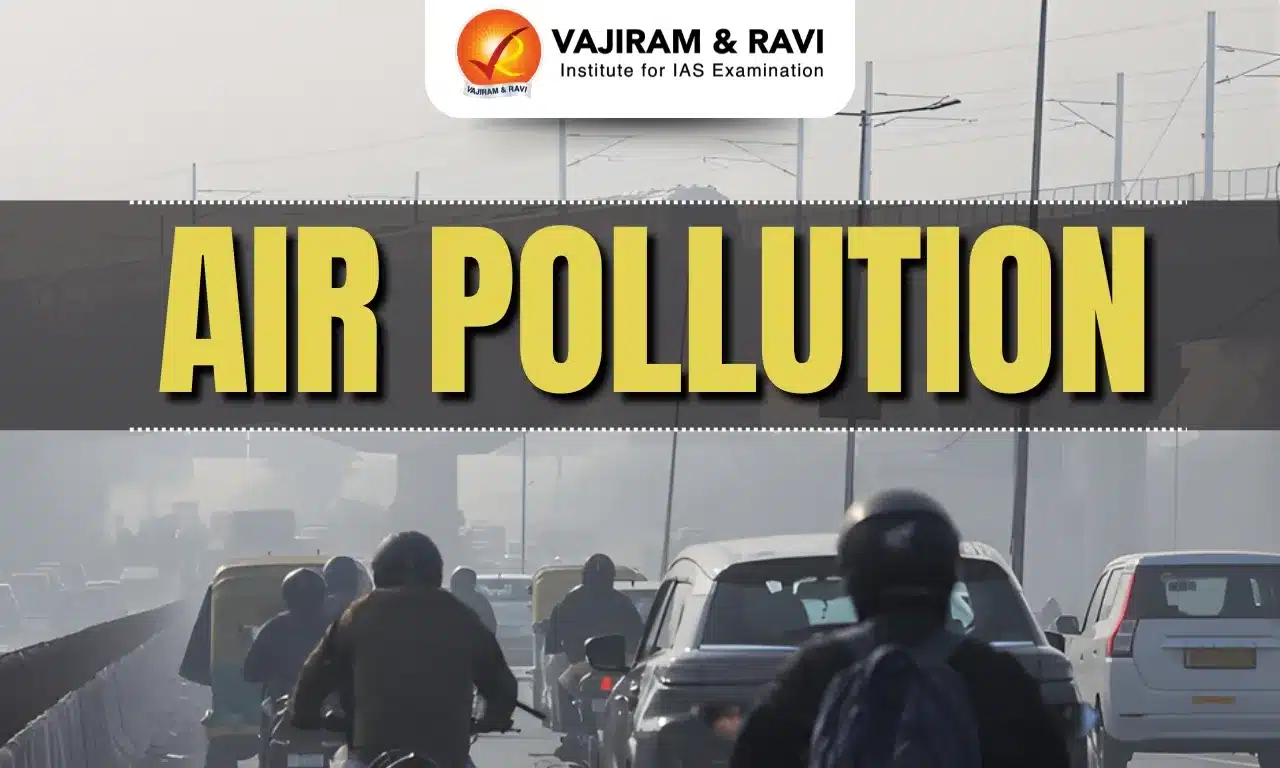
  • A recent synthesis report by the Commission for Air Quality Management has identified secondary particulate matter as the single largest contributor to Delhi’s winter air pollution. 

Background: Understanding Delhi’s Air Pollution Challenge

  • Delhi and the National Capital Region (NCR) experience severe air pollution every winter due to a combination of meteorological, geographical, and emission-related factors. 
  • Low wind speeds, temperature inversion, and high moisture levels trap pollutants close to the ground, leading to persistent smog episodes. 
  • Over the years, multiple studies have attempted to identify dominant pollution sources, but variations in methodology often led to conflicting conclusions, complicating policy responses.
  • To address this gap, the Commission for Air Quality Management (CAQM) undertook a meta-analysis of existing scientific studies to present a consolidated and evidence-based assessment of pollution sources affecting Delhi during the winter months.

Key Findings of the CAQM Meta-Analysis

  • The CAQM synthesis report presents a clear source-wise contribution to winter air pollution in Delhi:
    • Secondary particulate matter: 27%
    • Transport emissions: 23%
    • Biomass burning (including crop residue and municipal waste): 20%
    • Dust (road and construction): 15%
    • Industrial emissions: 9%
  • The report clarifies that no new pollution sources have been identified. 
  • Instead, it harmonises findings from earlier studies that used differing analytical techniques, thereby offering a unified scientific basis for policymaking. 

Secondary Particulate Matter as the Dominant Pollutant

  • Secondary particulate matter is not emitted directly from sources such as vehicles or factories. 
  • Instead, it forms in the atmosphere through chemical reactions involving primary pollutants like sulphur dioxide (SO₂), nitrogen oxides (NOx), and ammonia (NH₃).
  • These reactions lead to the formation of sulphates and nitrates, which together constitute nearly 25-60% of PM2.5 concentrations during winter. 
  • Fine particles of this nature are especially harmful as they penetrate deep into the lungs and bloodstream, aggravating respiratory, cardiovascular, and ophthalmic diseases.
  • The CAQM report emphasises that focusing solely on visible emission sources may be insufficient without addressing these secondary chemical processes.

Role of Ammonia in Pollution Formation

  • Ammonia plays a critical enabling role in the formation of secondary particulate matter. 
  • Studies cited in the report indicate that nearly 80% of ammonia emissions in India originate from agricultural activities, particularly fertiliser use and livestock excreta.
  • In the atmosphere, ammonia reacts with sulphuric and nitric acids, formed from SO₂ and NOx emissions, to produce ammonium sulphate and ammonium nitrate aerosols. 
  • These compounds significantly increase PM2.5 levels during winter, underscoring the rural-urban linkage in Delhi’s air pollution problem.

Transport, Biomass Burning, and Dust Contributions

  • Transport emissions remain the second-largest contributor, reflecting the high vehicle density, fossil fuel use, and congestion in Delhi-NCR. 
  • Biomass burning, including crop residue burning in neighbouring States and municipal waste burning, contributes one-fifth of winter pollution, particularly during peak burning periods.
  • Dust pollution arises from unpaved roads, construction activities, and resuspension of settled particles. 
  • Although often overlooked, dust contributes substantially to particulate load, especially under stagnant winter conditions.

Policy Implications and Future Studies

  • The CAQM report has important implications for air quality governance:
    • It highlights the need for multi-sectoral interventions, including agriculture, transport, energy, and waste management.
    • It calls for integrated emission inventories and updated source apportionment studies, with 2026 as the proposed base year.
    • The findings will support improved Air Quality Early Warning Systems and Decision Support Systems, which had earlier faced limitations in forecasting pollution spikes accurately.
  • A more science-driven approach is expected to improve both preventive and responsive policy measures.

Source: TH

Air Pollution FAQs

Q1: What is the largest contributor to Delhi’s winter air pollution?

Ans: Secondary particulate matter accounts for the highest share at 27%.

Q2: Why is secondary particulate matter harmful?

Ans: It forms fine PM2.5 particles that penetrate deep into the lungs and bloodstream.

Q3: What role does ammonia play in air pollution?

Ans: Ammonia reacts with SO₂ and NOx to form harmful secondary aerosols.

Q4: How much do transport emissions contribute to winter pollution?

Ans: Transport accounts for about 23% of Delhi’s winter air pollution.

Q5: What is the significance of the CAQM report?

Ans: It provides a unified scientific basis for air pollution control policies.

Indo-Pacific Oceans Initiative (IPOI)

Indo-Pacific Oceans Initiative (IPOI)

Indo Pacific Oceans Initiative Latest News

Recently, India has welcomed Spain joining the Indo-Pacific Oceans Initiative (IPOI).

About Indo Pacific Oceans Initiative

  • It was launched by India in November 2019 at the ASEAN-led East Asia Summit (EAS) in Bangkok.
  • Objective: To promote cooperation for a free and open Indo-Pacific and the rules-based regional order.
  • It is a non-treaty-based voluntary arrangement.
  • It aims to achieve greater cohesion and integration through common understanding and actions related to shared interests. 
  • It leans heavily on the EAS mechanism, which includes ASEAN member states and its eight dialogue partners.
  • It has outlined seven pillars, and it was indicated that one or two countries could take the lead for a pillar with others joining in voluntarily.
  • The seven IPOI pillars are:
    • Maritime Security: The United Kingdom (UK) and India
    • Maritime Ecology: Australia and Thailand
    • Maritime Resources: France and Indonesia
    • Capacity Building and Resource Sharing: Germany
    • Disaster Risk Reduction and Management: India and Bangladesh
    • Science, Technology, and Academic Cooperation: Italy and Singapore
    • Trade, Connectivity, and Maritime Transport: Japan and the United States (US).

Source: News On Air

Indo Pacific Oceans Initiative FAQs

Q1: Which country launched the Indo-Pacific Oceans Initiative?

Ans: India

Q2: What is one of the key areas of focus for IPOI?

Ans: Maritime security

Red-Eared Slider Turtle

Red-Eared Slider Turtle

Red-Eared Slider Turtle Latest News

Red-eared slider turtle, an invasive turtle species that got circulated across countries through pet trade poses a threat to water bodies in Coimbatore.

About Red-Eared Slider Turtle

  • It is one of the world’s most widely introduced freshwater turtles.
  • Habitat:   It is predominantly aquatic, becoming terrestrial only when expanding its range.
  • Distribution: It now has an established distribution across all continents except Antarctica.
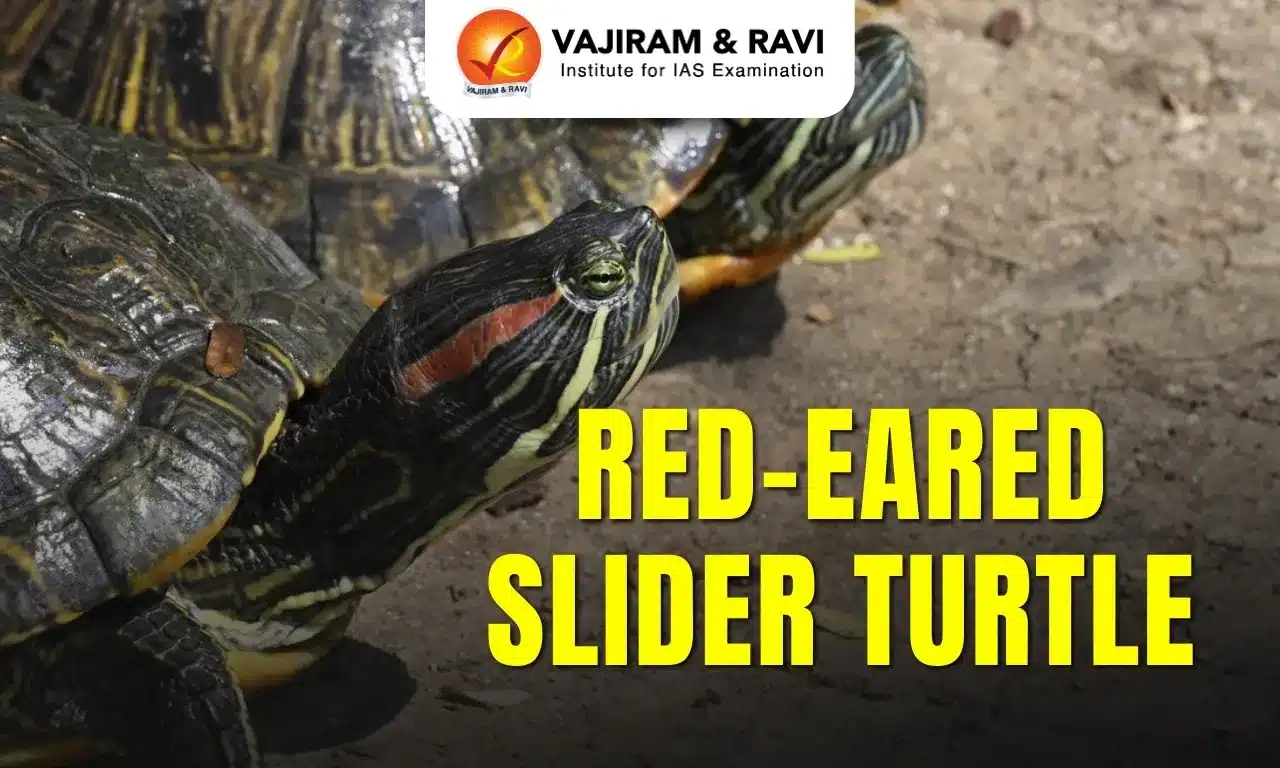
  • Appearance: It is known for its distinct red stripes behind each ear.

Characteristics of Red-Eared Slider Turtle

  • It is highly adaptable and can survive under sub-optimal temperature conditions.
  • Its flexibility allows it to thrive in non-native environments.
  • These species exhibit aggressive hunting behaviour during certain periods.
  • One such phase is during pregnancy, when the turtle requires excess food and easily preys on native aquatic species.
  • Life Span: In the wild, red sliders can live from 20 to 50 years.
  • Conservation Status: IUCN: Least Concerned

Issues of Red-Eared Sliders Turtle

  • They breed quickly and expand unchecked due to the absence of natural predators.
  • The species competes directly with India’s native turtles for basking sites, nesting grounds and food.
  • It shows aggressive behaviour and higher consumption patterns also affect fish population, disturbing freshwater ecosystems

Source: TH

Red-Eared Slider Turtle FAQs

Q1: What is the scientific name of the Red-Eared Slider Turtle?

Ans: Trachemys scripta elegans

Q2: Where is the Red-Eared Slider Turtle native to?

Ans: North America

Enquire Now