Oder River, Origin, Tributary, Length, Features, Biodiversity

Oder River

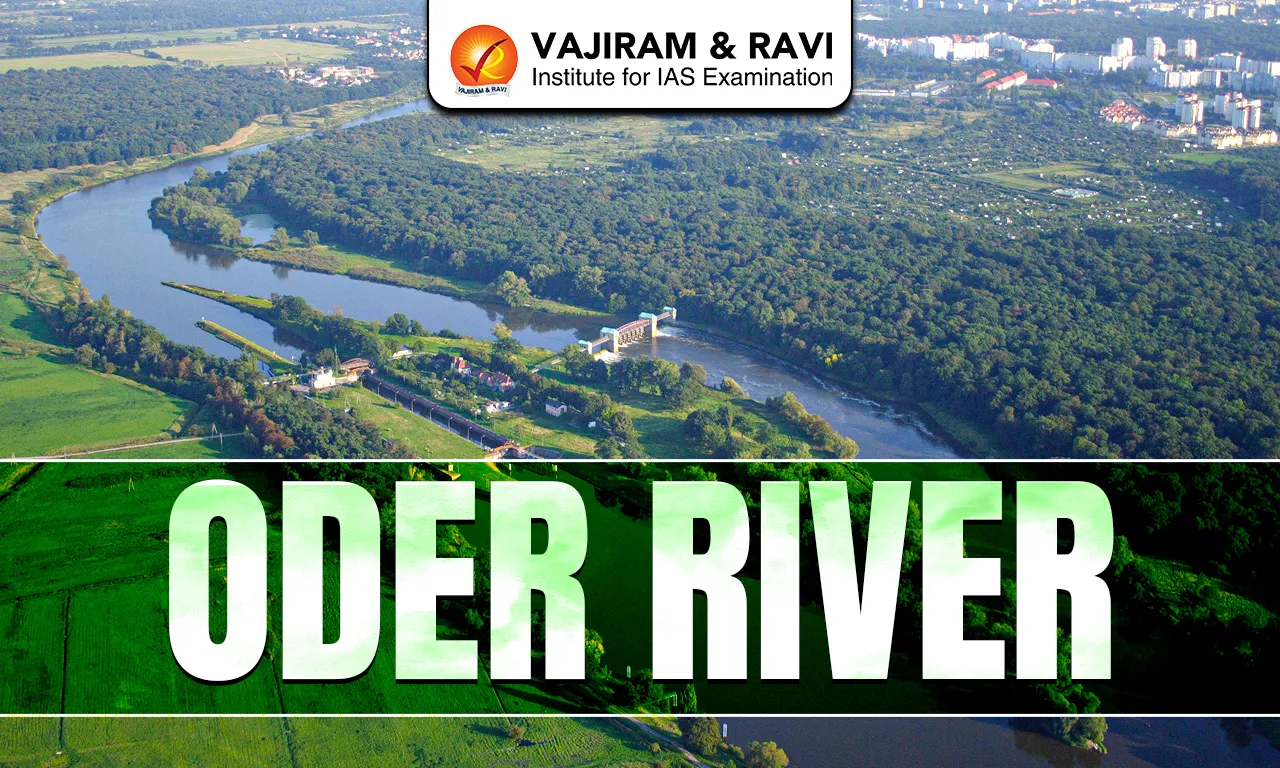
The Oder River is one of the most important transboundary rivers of Central Europe. It plays a major role in the geography, ecology and economy of the region. It flows through the Czech Republic, Poland and Germany and drains into the Baltic Sea system. It supports nearly 16 million people in its catchment. The river has shaped settlement, trade routes, political borders and environmental debates in Europe for centuries, while also facing modern ecological pressures.

Oder River

The Oder River, known as Odra in Polish and Czech. It flows northwest through western Poland, forming a 187 kilometre stretch of the Poland-Germany border, before entering the Szczecin Lagoon and finally the Baltic Sea via the Dziwna, Świna and Peene branches. It is the second longest river of Poland and a crucial inland waterway linking Central Europe to Baltic trade networks.

Also Read: Pearl River

Oder River Features

The Oder River is a long, navigable, international river with complex hydrology, major tributaries, canals and economic importance.

  • Origin: The river arises from Hrubý Jeseník Mountains of the Czech Republic at about 2,100 feet above sea level.
  • Length: The Oder is about 840 kilometres long, with 726 kilometres in Poland.
  • Basin: The basin is of roughly 119,074 square kilometres, nearly 89% within Polish territory.
  • Course: It flows southeast to northwest initially, then turns north after meeting the Lusatian Neisse, finally reaching the Baltic Sea through the Szczecin Lagoon.
  • Tributaries: Key tributaries include the Warta at 808 kilometres, Bóbr at 279 kilometres, Lusatian Neisse at 252 kilometres and Barycz at 139 kilometres.
  • Hydrology: Average discharge varies widely, with middle course flows around 18,820 cubic feet per second and extreme flood peaks exceeding 76,000 cubic feet per second during wet years.
  • Navigation: The river is navigable for about 475 miles annually, supported by canalisation, locks and canals such as the Gliwice Canal, Oder-Spree Canal and Oder-Havel Canal.
  • Cities: Important cities that are situated along the river include Ostrava, Racibórz, Opole, Wrocław, Frankfurt (Oder) and Szczecin, reflecting its role in urban and industrial development.
  • Economic Role: It carries nearly 10% of Szczecin port cargo and links industrial Silesia with Baltic Sea trade, easing pressure on road and rail transport.
  • Physiographic Zones: Upper reaches are mountainous with steep gradients, middle sections flow through wide glacial valleys and lower reaches form lowland channels with lagoons and branches.

Also Read: Kushiyara River

Oder River Biodiversity

The Oder River supports diverse wetlands, fish, birds and mammals, though biodiversity has fluctuated due to pollution and restoration efforts.

  • Wetland Diversity: The basin contains at least 42 wetlands and 15 forest community types, including peat bogs, reed beds, alder forests and floodplain meadows.
  • Fish Species: Common fish include bream, eel, catfish, carp, dace and tench, with habitat diversity supporting both freshwater and brackish water species.
  • Birdlife: Species recorded include red kite, golden oriole, marsh warbler, penduline tit, white tailed eagle, lesser spotted eagle and large breeding crane populations near Szczecin.
  • Mammals: Beavers and otters are increasing, alongside wild boar, roe deer, bats, forest mice, weasels and velvet shrews in riparian habitats.
  • Amphibians and Reptiles: Comb newts, grass frogs, water and grey toads and grass snakes indicate recovering aquatic and semi aquatic ecosystems.
  • Lower Oder Valley: This region hosts endemic flora and fauna, shaped by natural flooding after failed agricultural drainage attempts restored wetland conditions.
  • Protected Areas: Numerous Natura 2000 sites and the Lower Oder Valley International Park protect habitats jointly managed by Poland and Germany.
  • Ecological Recovery Efforts: Reduced nitrogen, phosphorus and organic pollution since the 1990s has improved oxygen levels, aiding gradual biodiversity restoration.

Also Read: Vamsadhara River

Oder River Challenges

The Oder River faces pollution, climate stress, hydrological alteration and cross border management challenges affecting ecosystems and human livelihoods.

  • Industrial and Agricultural Pollution: Centuries of sewage discharge, mining effluents and farm runoff increased nutrient loads, salinity and toxic substances in river waters.
  • 2022 Environmental Disaster: Over 360 tonnes of fish died along 500 kilometres due to toxic blooms of Prymnesium parvum, enabled by high salinity, heat and low flow.
  • Toxic Algal Blooms: Prymnesium parvum, a microscopic golden algae producing gill damaging toxins, thrives in brackish, nutrient rich waters between 10°C and 27°C.
  • Hydromorphological Changes: Canalisation, straightening and construction of about 23 dams disrupted natural flow, sediment transport and fish migration routes.
  • Climate Change Impacts: Rising temperatures, droughts, altered precipitation and sea level rise increase flood risks, storm surges and future algal bloom frequency.
  • 2024 Fish Mortality Event: Hundreds of dead fish reported again raised concerns over recurring toxic contamination and inadequate preventive monitoring systems.
  • Invasive Species Spread: Canals connecting the Oder to other European waterways facilitate movement of exotic flora and fauna, stressing native ecosystems.
  • Governance and Cooperation: The International Commission for the Protection of the Oder coordinates pollution control, flood prevention and ecosystem restoration across three countries.

Oder River FAQs

Q1: Where does the Oder River originate?

Ans: The Oder River originates in the Hrubý Jeseník Mountains of the Czech Republic at an elevation of about 2,100 feet above sea level.

Q2: Which countries does the Oder River flow through?

Ans: The Oder flows through the Czech Republic and Poland and forms a long natural border between Poland and Germany.

Q3: Into which sea does the Oder River drain?

Ans: The Oder River drains into the Baltic Sea through the Szczecin Lagoon and its three outlets: Dziwna, Świna and Peene.

Q4: Why is the Oder River important for transport?

Ans: It is navigable over most of its length and connects industrial regions of Central Europe with Baltic Sea trade routes via canals.

Q5: What caused the major fish deaths in the Oder River in 2022?

Ans: The deaths were caused by toxic algal blooms of Prymnesium parvum, triggered by high salinity, warm temperatures, low water levels and nutrient pollution.

Loire River, Source, Tributaries, Flora and Fauna, Challenges

Loire River

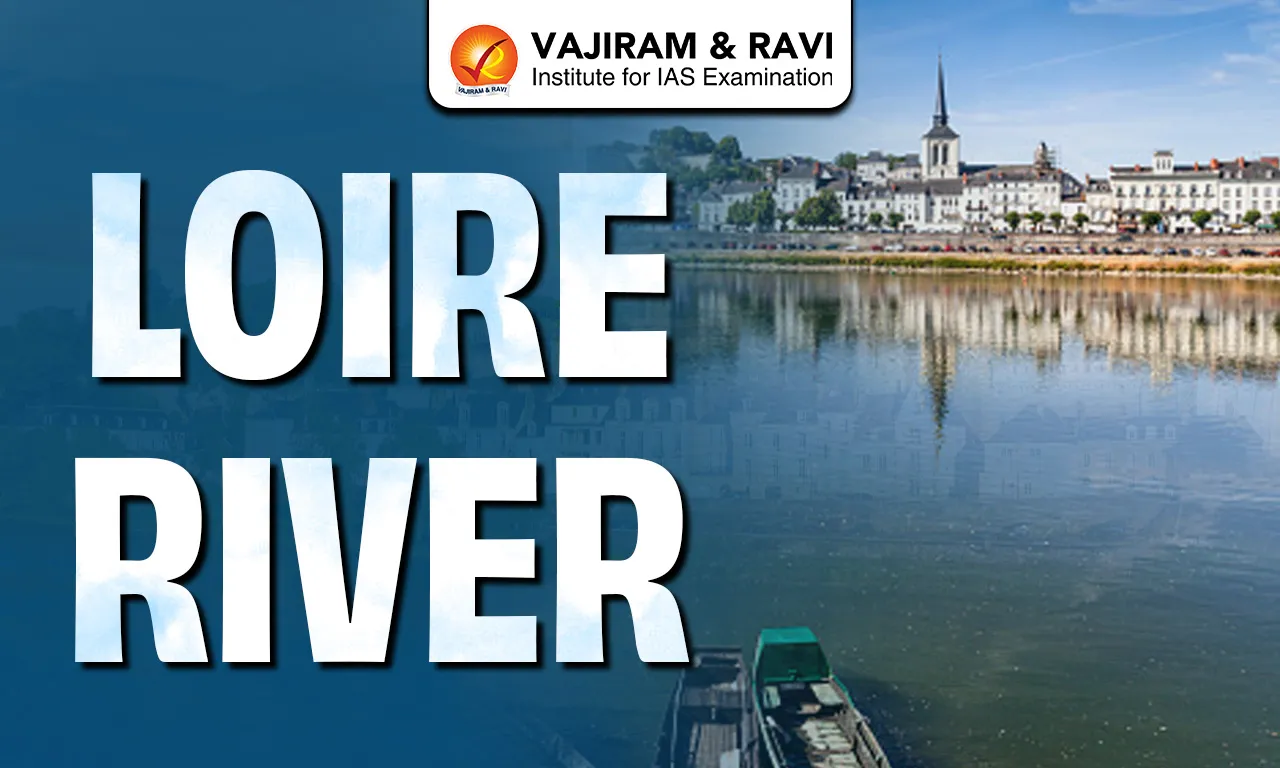
The Loire River is the longest river in France and one of the most geographically and ecologically significant river systems in Western Europe. Stretching across diverse landscapes, it has shaped human settlement, trade, biodiversity and culture for thousands of years. It flows entirely within France and links the Massif Central highlands to the Atlantic Ocean. The river supports agriculture, forests, wetlands and historic towns. Its largely free flowing nature makes it unique among major European rivers. The Loire basin covers more than one-fifth of France’s land area.

Loire River

The Loire River is 1,006 kilometres long, making it the longest river in France and the 171st longest river in the world. It originates at about 1,350 to 1,408 metres above sea level near Mont Gerbier de Jonc in the Cévennes range of the Massif Central. From there, it flows north through central France and then west, finally entering the Atlantic Ocean at the Bay of Biscay near Saint-Nazaire. The river drains an area of about 117,054 square kilometres, yet its average discharge of around 863 cubic metres per second is relatively modest compared to the Rhône.

Also Read: Danube River

Loire River Features

The Loire River displays remarkable physical diversity from source to sea, shaped by geology, climate, tributaries and human interaction.

  • Length: The Loire flows for 1,006 km and drains 117,054 km², covering over 20 percent of France’s land surface.
  • Source: It rises from multiple springs near Mont Gerbier de Jonc at over 1,350 m elevation, initially forming small converging streams.
  • Flow Direction: The river flows northward through Roanne and Nevers, then turns westward at Orléans toward Tours and Nantes.
  • River Zones: It is divided into Upper Loire, Middle Loire and Lower Loire, each with distinct valley width, flow speed and land use.
  • Tributaries: Major tributaries include the Allier at 410 km, Vienne at 372 km, Cher at 367 km and Indre at 287 km.
  • Alluvial Plains: The middle course features broad alluvial plains with sandbanks, islands and braided channels formed by sediment deposition.
  • Discharge: Average discharge is about 350 m³/s at Orléans and nearly 900 m³/s at the river mouth near Saint-Nazaire.
  • Dams: Only a few dams, including Villerest and Grangent, regulate flow, preserving much of the river’s natural dynamics.
  • Estuary Formation: Near Nantes, the river forms a 60 km long tidal estuary with wetlands, mudflats and saline influenced habitats.

Also Read: Bharathapuzha River

Loire River Biodiversity

The Loire River supports one of the richest freshwater ecosystems in France due to its free flowing character and habitat diversity.

  • Phytoplankton Diversity: Over 100 algae species occur, dominated by diatoms and green algae, with highest diversity near Orléans.
  • Fish Species Richness: Around 57 freshwater fish species from 20 families inhabit the basin, including migratory and resident species.
  • Migratory Fish: Atlantic salmon, sea trout, shad, sea lamprey and European eel migrate upstream for spawning.
  • Salmon Decline and Recovery: Atlantic salmon numbers dropped from about 100,000 in the 19th century to below 100 in the 1990s.
  • Restoration: Conservation efforts increased salmon populations to around 500 individuals by 2005 after dam removal and restocking.
  • Endangered Species: Threatened fish include European grayling, burbot and bitterling, sensitive to habitat loss and pollution.
  • Amphibian Habitat: Floodplains and oxbow lakes support frogs, toads, salamanders and newts such as Triturus marmoratus.
  • Bird Diversity: About 164 bird species, nearly 64 percent of France’s nesting birds, use Loire habitats for breeding or migration.
  • Wetland: Lower Loire wetlands provide critical stopover sites for migratory birds along Atlantic flyways.
  • Forest and Riparian Flora: Oak, beech, pine, willow and alder forests stabilize banks and support complex food webs.

Also Read: Tamraparni River

Loire River Challenges

Despite its ecological value, the Loire River faces multiple environmental and human induced pressures.

  • Flood Risk: Seasonal floods, especially in late winter, threaten towns despite historic dike systems built between the 12th and 19th centuries.
  • Low Summer Flows: Discharge can fall below 10 m³/s near Orléans in late summer, stressing aquatic life.
  • Climate Change: Increased drought frequency, as seen in 2022, has dried sections of the river, affecting navigation and ecosystems.
  • Industrial Pressure: Ports, oil refineries and nuclear power plants near the lower Loire impact water quality and thermal balance.
  • Habitat Fragmentation: Past dam construction reduced spawning grounds, especially for salmon and pike.
  • Pollution Sources: Agricultural runoff, urban wastewater and industrial effluents degrade water quality in some stretches.
  • Navigation Modifications: Groynes and embankments alter sediment transport and channel structure in navigable sections.
  • Wetland Loss: Drainage of oxbows and marshes has reduced natural flood buffers and biodiversity hotspots.
  • Conservation Conflicts: Proposals for large dams historically clashed with environmental protection goals.
  • Management Complexity: Balancing flood control, biodiversity conservation, navigation and regional development remains a major challenge.

Loire River FAQs

Q1: Where does the Loire River originate and end?

Ans: It originates near Mont Gerbier de Jonc in the Cévennes range and flows into the Atlantic Ocean at the Bay of Biscay near Saint-Nazaire.

Q2: What is the length of the Loire River?

Ans: The Loire River is 1,006 kilometres long, making it the longest river entirely within France.

Q3: What are the main environmental challenges of the Loire River?

Ans: Key challenges include floods, summer droughts, pollution, habitat loss and climate change impacts on flow and biodiversity.

Q4: Which major cities are located along the Loire River?

Ans: Major cities along the Loire include Orléans, Tours, Blois, Saumur, Angers and Nantes, which developed as trade, cultural and administrative centres.

Q5: Why was the Loire Valley designated as a UNESCO World Heritage Site?

Ans: The Loire Valley was designated a UNESCO World Heritage Site in 2000 for its historic towns, vineyards, châteaux and centuries old interaction between people and the river.

Nile River, Length, Origin, Source, Basin, Dams, Reservoirs

Nile River

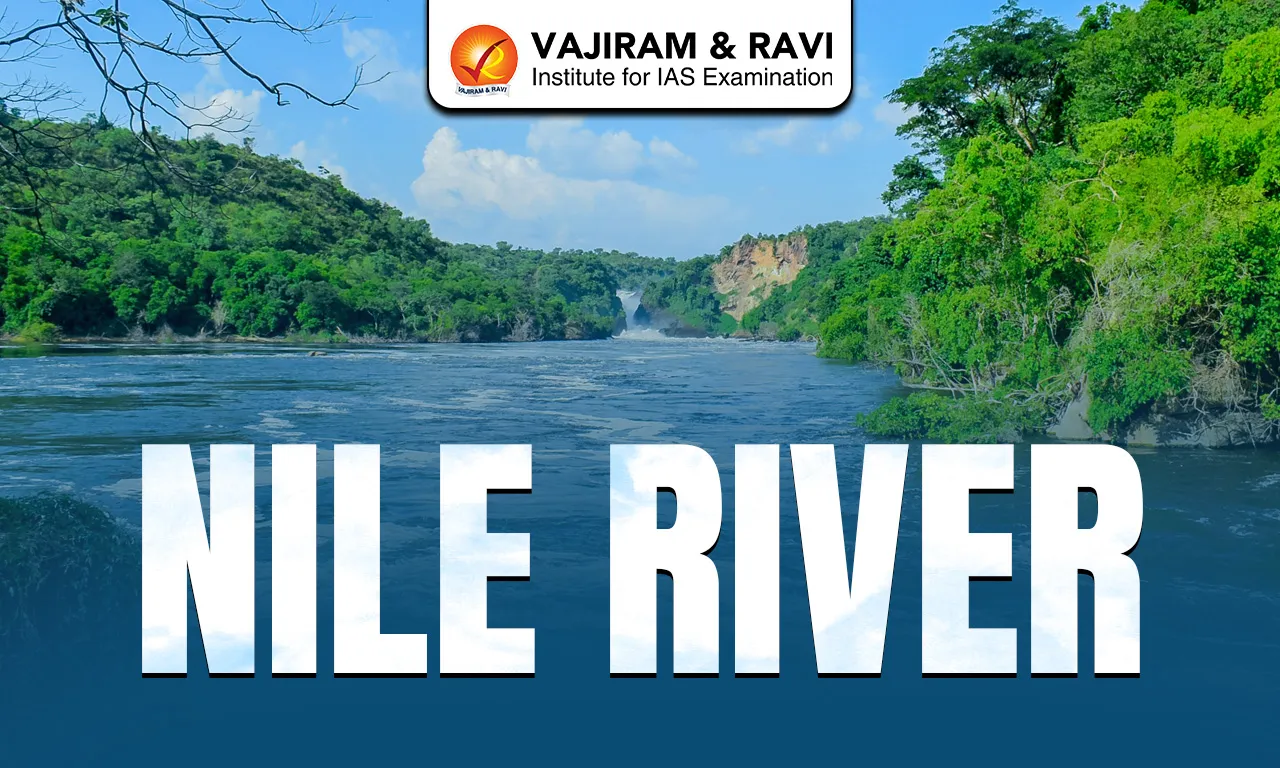
The Nile River is the longest river in the world, measuring roughly 6,650 kilometres in length. It flows from south to north through northeastern Africa and drains into the Mediterranean Sea near Alexandria. It has historically been called the “lifeline of Egypt” because it provides water, fertile soil, and resources that have supported agriculture, settlements, and the development of Egyptian civilization for thousands of years.

Nile River Origin and Source

  • The Nile River originates in Burundi, south of the equator, and flows northward through northeastern Africa. 
  • The Nile River does not originate from a single source. It is formed by the confluence of two major river systems, namely the White Nile and the Blue Nile. The White Nile and Blue Nile meet at Khartoum, Sudan, forming the main Nile that flows north through Sudan and Egypt. From there, the river forms a delta and spreads into multiple channels before reaching the Mediterranean Sea.

White Nile 

  • The White Nile is considered the primary source river of the Nile because it provides a continuous, year-round flow. Rainfall in the equatorial region ensures that the White Nile provides a steady supply of water even during the dry season. 
  • It originates from Lake Victoria, which lies within Tanzania, Uganda, and Kenya. 
  • Lake Victoria is fed by several rivers, the most important being the Kagera River, which is often regarded as the ultimate headstream of the White Nile. The Kagera River originates from the highlands of Rwanda and Burundi.
  • From Lake Victoria, the river emerges as the Victoria Nile, flowing through Uganda, passing through Lake Kyoga and Lake Albert, before entering South Sudan, where it is known as the White Nile.

Blue Nile

  • The Blue Nile originates from Lake Tana in Ethiopia and flows westward into Sudan where it joins the White Nile at Khartoum.
  • The river flows from Lake Tana through deep gorges in Ethiopia before entering Sudan.
  • Despite being shorter than the White Nile, the Blue Nile contributes nearly 60–70% of the Nile’s total water volume and most of its fertile silt.

The Atbara River, another important tributary, also originates in the Ethiopian Highlands. It is a seasonal river and contributes water mainly during the rainy season, enhancing the floodwaters of the Nile.

Read about: Tigris River

Nile River Basin 

  • The Nile River Basin is the area drained by the Nile and its tributaries.
  • The Nile Basin spans 11 countries: Burundi, Rwanda, Tanzania, Uganda, Kenya, Democratic Republic of the Congo, South Sudan, Sudan, Ethiopia, Eritrea, and Egypt.
  • The basin covers about 3.4 million km², making it one of the largest river basins in the world.
  • It includes diverse landscapes: lakes, swamps, floodplains, deserts, and highlands.
  • The basin supports agriculture, fishing, drinking water, hydroelectric power, and transportation.

The Nile River is not “owned” by any single country. It is an international river shared by 11 countries in its basin. 

Nile Delta 

  • The Nile River forms a large, fan-shaped arcuate delta in northern Egypt.
  • The delta was formed by the continuous deposition of fine alluvial sediments carried by the Nile, mainly from the Ethiopian Highlands and parts of the Central African plateau. As a result, it became one of the most fertile regions in the world and developed into the agricultural heartland of Egypt, producing crops such as wheat, rice, cotton, sugarcane, and vegetables, and earning the title of the “Granary of Egypt.”
  • The Nile Delta supports one of the highest population densities in Africa. About 95% of Egypt’s population lives on only 3–4% of its land area, mainly along the Nile. Major urban centers such as Alexandria, Mansoura, Tanta, and the outskirts of Cairo are located within or at the margins of the delta. 
  • Ecologically, the Nile Delta contains important wetlands and lagoons such as Lake Manzala and Lake Burullus, which support fisheries, migratory birds, and diverse aquatic ecosystems.

Read about: Phalgu River

Nile River Dams and Reservoirs

The Nile River has several major dams and reservoirs constructed mainly for flood control, irrigation, hydroelectric power generation etc. Major dams are listed below: 

  • Aswan High Dam, located near Aswan in Southern Egypt, is the most important dam. It created Lake Nasser, one of the largest artificial reservoirs in the world.
  • Aswan Low Dam in Egypt, located downstream of the High Dam. It is the first major dam constructed across the Nile.
  • Merowe Dam, located on the Nile in northern Sudan.
  • Roseires Dam, located on the Blue Nile near the Ethiopian border.
  • Sennar Dam in Sudan
  • Grand Ethiopian Renaissance Dam (GERD), located on Blue Nile in northwestern Ethiopia. It is Africa’s largest hydroelectric project. It has become a major source of water-sharing tensions among Ethiopia, Egypt, and Sudan.

Owen Falls Dam or Nalubaale Dam, located in Uganda, at the outlet of lake Victoria.

Nile River FAQs

Q1: Which is the longest river in the world?

Ans: The Nile River is traditionally considered the longest river in the world, with an approximate length of 6,650 km.

Q2: In which direction does the Nile flow?

Ans: The Nile flows from south to north, originating in equatorial and Ethiopian highlands and emptying into the Mediterranean Sea in northern Egypt.

Q3: Into which sea does the Nile drain?

Ans: The Nile drains into the Mediterranean Sea through a large delta in northern Egypt.

Q4: Which are the two main tributaries of the Nile?

Ans: The two major tributaries are: White Nile and Blue Line.

Q5: How many countries are part of the Nile Basin?

Ans: The Nile Basin spans 11 countries:Burundi, Rwanda, Tanzania, Uganda, Kenya, DR Congo, South Sudan, Sudan, Ethiopia, Eritrea, and Egypt.

UPSC Daily Quiz 10 February 2026

[WpProQuiz 88]

UPSC Daily Quiz FAQs

Q1: What is the Daily UPSC Quiz?

Ans: The Daily UPSC Quiz is a set of practice questions based on current affairs, static subjects, and PYQs that help aspirants enhance retention and test conceptual clarity regularly.

Q2: How is the Daily Quiz useful for UPSC preparation?

Ans: Daily quizzes support learning, help in revision, improve time management, and boost accuracy for both UPSC Prelims and Mains through consistent practice.

Q3: Are the quiz questions based on the UPSC syllabus?

Ans: Yes, all questions are aligned with the UPSC Syllabus 2025, covering key areas like Polity, Economy, Environment, History, Geography, and Current Affairs.

Q4: Are solutions and explanations provided with the quiz?

Ans: Yes, each quiz includes detailed explanations and source references to enhance conceptual understanding and enable self-assessment.

Q5: Is the Daily UPSC Quiz suitable for both Prelims and Mains?

Ans: Primarily focused on Prelims (MCQ format), but it also indirectly helps in Mains by strengthening subject knowledge and factual clarity.

Danube River, Origin, Length, Delta, Features, Biodiversity

Danube River

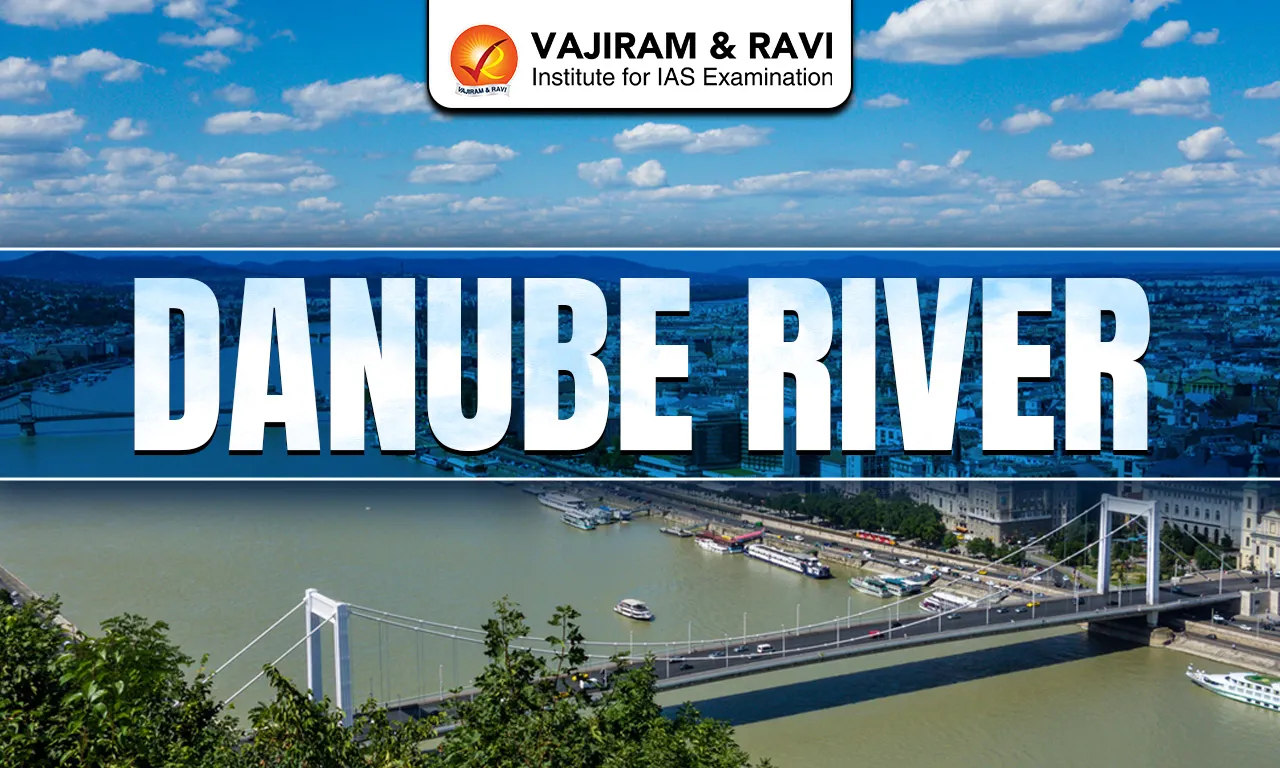
The Danube River is the second longest river of Europe after the Volga. It stretches about 2,850 km from the Black Forest of Germany to the Black Sea. It has shaped human settlement, trade routes and political boundaries of Central and Southeastern Europe for over two millennia. Once it  formed the northern frontier of the Roman Empire, the Danube today connects ten countries and supports nearly 83 million people across its vast drainage basin, making it one of the most internationally significant rivers.

Danube River

The Danube originates in Donaueschingen, Germany, at the confluence of the Brigach and Breg streams. The Breg is considered the longest headstream. It flows southeast through or along Germany, Austria, Slovakia, Hungary, Croatia, Serbia, Romania, Bulgaria, Moldova and Ukraine before forming the Danube Delta and entering the Black Sea. Four national capitals: Vienna, Bratislava, Budapest and Belgrade lie on its banks.

Also Read: Tigris River

Danube River Features

The Danube is a complex international river system with major geographical, economic and historical importance across Europe. The key features of the river has been highlighted below:

  • Length: The Danube flows approximately 2,850 km. 
  • Course: It begins in Germany’s Black Forest and ends in the Black Sea, crossing diverse landscapes including alpine foothills, plains, gorges and wetlands across Central and Eastern Europe.
  • Tributary: The Danube is fed by major tributaries like the Inn, Drava, Sava, Tisza, Prut and Siret. Many tributaries are navigable and drain large parts of Central and Eastern Europe, enhancing the river’s hydrological strength.
  • Danube Delta: At its mouth, the Danube splits into three main distributaries forming the Delta. This delta is the largest river delta in the European Union and among the best preserved in the world.
  • International River: The Danube passes through or forms borders of ten countries, more than any other river globally. Its drainage basin also extends into nine additional countries, highlighting its role as a shared transboundary water resource requiring international cooperation.
  • Drainage Basin: Covering about 801,463 to 817,000 km², the Danube basin supports around 83 million people. The basin’s highest point is Piz Bernina at 4,049 m, while its lowest point lies at sea level in the Danube Delta.
  • Navigability: Nearly 2,415 km of the Danube is navigable. 
  • Transport: Through the Rhine-Main-Danube Canal, it connects the North Sea at Rotterdam to the Black Sea at Sulina, forming a 3,500 km trans-European inland waterway.
  • Economic Importance: The Danube serves as a major route for transporting bulk goods, with cargo volumes reaching about 100 million tonnes annually in the late 20th century. It supports ports like Galați and Brăila and facilitates regional trade and tourism.
  • Hydropower: The river hosts major hydropower projects, including Iron Gate I and II between Serbia and Romania. It is also a crucial source of drinking water, directly or indirectly supplying about 20 million people along its course.
  • Historical Significance: Historically, the Danube marked the Roman Empire’s frontier and later became a contested boundary among empires such as the Ottoman, Habsburg and Russian. It has witnessed major events from Roman conquests to modern European integration.

Also Read: Pearl River

Danube River Biodiversity

The Danube supports one of Europe’s richest freshwater ecosystems, hosting diverse species across its river, floodplains and delta as highlighted below:

  • Fish Diversity: The Danube basin supports around 60 fish species in its upper stretches and nearly double in the lower basin. Species include pike, zander, huchen, wels catfish, tench, burbot, carp, trout and salmon.
  • Sturgeon Species: The river historically supported six sturgeon species, including beluga, sterlet and Russian sturgeon. These ancient fish, valued for caviar, are now critically threatened due to dams, pollution and disrupted migration routes.
  • Danube Delta Ecosystem: The Danube Delta covers about 4,152 km², expanding to over 5,165 km² including lagoon systems. It contains marshes, lakes and reed beds that support 45 freshwater fish species and vast aquatic life.
  • Avifauna Species: Over 300 bird species inhabit or migrate through the Danube Delta, including pelicans and the endangered pygmy cormorant. Its wetlands are among Europe’s most important migratory bird resting and breeding areas.
  • Wetland: Historically, the Danube featured extensive floodplains and wetlands. However, over 80% of the river has been regulated, leading to major habitat loss and decline in species like beavers and black poplar trees.
  • Euryhaline Species: In the lower Danube and delta, species tolerant to both freshwater and saltwater, such as European seabass, mullet and eel, thrive due to the river’s gradual mixing with Black Sea waters.
  • Protected Areas: Numerous protected zones exist along the Danube, including Iron Gates Natural Park and the Danube Delta Biosphere Reserve. These areas aim to conserve habitats while balancing navigation, energy production and human use.
  • Environmental Management: The International Commission for the Protection of the Danube River, established in 1998. It coordinates conservation across 14 countries and the European Union by promoting sustainable water management and biodiversity protection.
  • Ecological Challenges: Pollution, dam construction and river regulation have reduced natural sediment flow and fish migration. Ongoing restoration efforts focus on reconnecting floodplains, improving water quality and preserving remaining biodiversity hotspots.

Danube River FAQs

Q1: What is the origin of the Danube River?

Ans: The Danube originates in the Black Forest of Germany at Donaueschingen and flows into the Black Sea through the Danube Delta in Romania and Ukraine.

Q2: Which major capitals are located on the Danube River?

Ans: Four national capitals lie on the Danube: Vienna, Bratislava, Budapest and Belgrade, making it the river with the most capital cities in the world.

Q3: What is the length of the Danube River?

Ans: The Danube River is approximately 2,860 km long, making it the second longest river in Europe after the Volga.

Q4: How many countries does the Danube flow through or border?

Ans: The Danube flows through or forms borders of 10 countries: Germany, Austria, Slovakia, Hungary, Croatia, Serbia, Romania, Bulgaria, Moldova and Ukraine.

Q5: What is the international body managing the Danube River?

Ans: The International Commission for the Protection of the Danube River (ICPDR), established in 1998, coordinates sustainable water management and pollution control among Danube Basin countries.

Stockholm Convention, Provisions, POPs, Ratification, Recent Update

Stockholm Convention

The Stockholm Convention is a global treaty adopted in 2001 to protect both human health and the environment from harmful chemicals called Persistent Organic Pollutants (POPs). It aims to reduce or eliminate the production, use and release of these toxic substances worldwide.

The Stockholm Convention

  • The Stockholm Convention is an important international treaty aimed at protecting human health and the environment from harmful chemicals called Persistent Organic Pollutants (POPs)
  • These are chemicals that do not easily break down and can travel long distances and accumulate in the food chain, affecting humans, wildlife and nature. 
  • POPs are usually low in water but high in fat solubility and their presence can also contribute to climate change.
  • The convention was adopted in 2001 and came into force in 2004, with over 110 countries agreeing to follow its rules.
  • The main objectives of the Conventions are:
    • Control and reduce POPs as it regulates both intentional and accidental production, manage stockpiles and reduce waste containing POPs.
    • Safe introduction of new chemicals to ensure any new chemicals added are safe and monitored.
    • Restrict use to establish general rules to limit and control the use of POPs.
    • Support developing countries to provide financial and technical help to implement the treaty.
  • Agencies involved:

Stockholm Convention Provisions

  • The Stockholm Convention controls Persistent Organic Pollutants (POPs) through different rules, based on how these chemicals are produced and released into the environment. These rules are grouped into three Annexes:
  • Annex A-Elimination
    • Chemicals listed under Annex A must be completely stopped from being produced and used.
    • Countries are expected to phase out these POPs in a time-bound manner.
  • Annex B-Restriction
    • Chemicals under Annex B are not fully banned but their use is strictly limited.
    • They can be used only for specific purposes under strict control.
  • Annex C-Unintentional Production
    • This Annex deals with POPs that are released unintentionally, such as during industrial processes or waste burning.
    • Countries must take steps to reduce these releases, and eliminate them wherever possible.
  • Exemptions under the Convention
    • Countries can ask for temporary exemptions for some chemicals listed in Annex A and B.
    • These exemptions are allowed only for special needs and are valid for a maximum of five years.
    • Exemptions for chemicals like aldrin, chlordane, dieldrin, heptachlor, HCB and mirex have already ended and no new exemptions are permitted for them.
  • Responsibilities of Member Countries
    • Each country that is a party to the Convention must:
    • Reduce or stop the intentional production and use of POPs.
    • Control unintentional release of POPs from industries and other sources.
    • Ensure safe management of stockpiles and waste containing POPs.
    • Prepare and regularly update a National Implementation Plan (NIP) to show how the Convention will be implemented at the national level.

Persistent Organic Pollutants (POPs)

    • Persistent Organic Pollutants (POPs) are toxic chemical substances that remain in the environment for a very long time, do not break down easily and accumulate in the bodies of living organisms, especially in fatty tissues.
    • Persistent: They resist natural breakdown by sunlight, air and microorganisms.
    • Bioaccumulative: They collect in the fat tissues of plants, animals and humans and increase in concentration along the food chain.
    • Toxic: They cause serious health problems such as cancer, hormone imbalance, and damage to the immune system.
    • Long-range transport: They move through air, water and migratory animals, spreading far from their original source.
    • Global impact: POPs are found even in remote regions like the Arctic and oceans.
    • These chemicals are often detected in birds and aquatic species, making them useful indicators of environmental pollution.
  • Sources of POPs
    • POPs mainly come from human activities such as:
    • Industrial chemicals used in electrical equipment and flame retardants.
    • Agricultural pesticides used to control pests.
    • Unintentional by-products released during industrial processes and waste burning.

Stockholm Convention Ratification by India

  • India became a party to the Stockholm Convention in 2006 and used Article 25(4), which allows it to follow an opt-out approach. This means that any new chemicals added to the Convention do not automatically apply to India unless the government gives separate approval and informs the United Nations.
  • To implement the Convention within the country, the Ministry of Environment, Forest and Climate Change (MoEFCC) notified the Regulation of Persistent Organic Pollutants Rules, 2018 under the Environment (Protection) Act, 1986.
  • These rules prohibited the manufacture, use, import, export and trade of seven harmful POPs, including chlordecone, hexabromobiphenyl, commercial octa-BDE, commercial penta-BDE, pentachlorobenzene, hexabromocyclododecane and hexachlorobutadiene.
  • The Union Cabinet approved the ratification of these seven chemicals under the Stockholm Convention, showing India’s commitment to protect human health and the environment.
  • The Cabinet also delegated the power of future ratifications (for POPs already regulated in India) to the Ministers of External Affairs and Environment, making the procedure faster and simpler.
  • POPs are dangerous because they remain in the environment for long periods, spread across borders and can cause cancer, nervous system damage, immune disorders, reproductive problems and developmental issues in children.
  • India’s ratification helps in controlling hazardous chemicals, updating the National Implementation Plan (NIP) and accessing financial support from the Global Environment Facility (GEF).

Stockholm Convention Recent COP 2025

  • The 12th Conference of the Parties (COP-12) to the Stockholm Convention was held at the Geneva International Conference Centre, Switzerland in 2025.
  • The meeting was held together with the 17th COP of the Basel Convention and the 12th COP of the Rotterdam Convention, showing close cooperation among the three chemicals and waste conventions.
  • The main theme of the meetings was “Make visible the invisible: sound management of chemicals and wastes”, highlighting the hidden dangers of hazardous chemicals.
  • The Stockholm Convention COP-12 adopted 29 decisions, including joint decisions taken by all three conventions on common issues.
  • A major outcome was the addition of three new chemicals to Annex A (Elimination list) of the Stockholm Convention:
    • Chlorpyrifos (a pesticide)
    • Long-chain perfluorocarboxylic acids (LC-PFCAs)
    • Medium-chain chlorinated paraffins (MCCPs)
  • The funding requirements for implementing the Convention during 2026–2030 were sent to the Global Environment Facility (GEF) for financial support.
  • Financial assistance was provided to developing countries and economies in transition to attend the meetings, with support from countries such as Canada, Germany, Japan, Netherlands, Norway, Switzerland, China and Finland.
  • The three COPs jointly stressed the need for better coordination with other environmental agreements.
  • Under the Basel Convention, new technical guidelines were adopted for managing POPs waste, a strategic framework for 2025–2031 was approved and work on cross-border movement of textile waste was initiated.

Under the Rotterdam Convention, Carbosulfan and Fenthion were added to Annex III, and a new 2026-27 compliance work programme was adopted.

Stockholm Convention FAQs

Q1: What is the Stockholm Convention?

Ans: Stockholm Convention is an international treaty to eliminate or control Persistent Organic Pollutants (POPs).

Q2: What are Persistent Organic Pollutants (POPs)

Ans: Persistent Organic Pollutants (POPs) are toxic chemicals that persist, bioaccumulate, and travel long distances.

Q3: When did the Stockholm Convention come into force?

Ans: The convention was adopted in 2001 and came into force in 2004, with over 110 countries agreeing to follow its rules.

Q4: How does the Stockholm Convention regulate POPs?

Ans: The convention regulates POPs through Annex A (elimination), Annex B (restriction), and Annex C (unintentional release) and it is legally binding upon the agreeing parties.

Q5: When did India ratify the Convention?

Ans: India became a party to the Stockholm Convention in 2006 and used Article 25(4), which allows it to follow an opt-out approach.

National Deworming Day 2026, Theme, Features, Significance

National Deworming Day 2026

National Deworming Day is a nationwide public health initiative aimed at protecting children from harmful intestinal worm infections that silently affect growth, nutrition and learning ability. In India, a large number of children remain at risk of Soil Transmitted Helminths (STH) due to sanitation and hygiene challenges. These worms live in the intestines and consume essential nutrients required for physical and mental development. To address this hidden burden, the Government of India provides free and safe deworming tablets, ensuring preventive healthcare reaches even asymptomatic children.

National Deworming Day 2026

National Deworming Day 2026 will be observed on 10 February 2026 and on 10 August 2026, continuing India’s biannual fixed day approach to deworming children and adolescents. It was launched in 2015 by the Ministry of Health and Family Welfare. The programme targets all children aged 1 to 19 years, enrolled or non enrolled. Albendazole tablets are administered through schools, Anganwadi centres and outreach by ASHAs. By February 2019, over 22 crore children were covered in a single round, making it one of the world’s largest preventive public health campaigns focused on child nutrition and disease prevention.

Also Read: World Pulses Day

National Deworming Day 2026 Theme

The theme for National Deworming Day 2026 has not been officially announced yet by the Ministry of Health and Family Welfare.The 2026 theme is expected to align the following initiatives:

  • Krimi Mukt Bharat Vision: The programme consistently reflects India’s goal of eliminating intestinal worm burden to protect children’s nutrition, immunity and cognitive development nationwide.
  • Alignment with WHO Guidance: The initiative follows World Health Organization recommendations on regular mass deworming in high risk regions.
  • Preventive Healthcare: Themes strengthen the idea that deworming is preventive, even when children show no visible symptoms.
  • Community Participation: Messaging encourages parents, teachers and frontline workers to ensure maximum coverage on the fixed day.

Also Read: World Pulses Day 2026

National Deworming Day Feature

National Deworming Day includes structured planning, inter ministerial coordination and standardized drug administration to ensure nationwide coverage. The key features of the day are:

  • Fixed Day Biannual Programme: Conducted every year on 10 February and 10 August to maintain regular deworming cycles in high risk populations.
  • Target Age Group: Covers children and adolescents aged 1 to 19 years, including school going, Anganwadi enrolled and out of school children.
  • Free Albendazole Tablet Distribution: WHO approved Albendazole 400 mg tablets are provided free, with half tablets for children aged 1 to 2 years.
  • School and Anganwadi Platform: Tablets are administered after mid day meals under supervision of teachers and Anganwadi workers.
  • Mop Up Day Mechanism: Children missed on the main day receive tablets during mop up rounds, such as on 16 February.
  • Multi Ministry Collaboration: Implemented jointly by the Ministries of Health, Education and Women and Child Development.
  • Mass Drug Administration Approach: Uses a preventive strategy rather than diagnosis based treatment to ensure broad protection.
  • NCDC Scientific Monitoring: National Centre for Disease Control leads baseline and follow up STH prevalence surveys.
  • Expansion: Expanded nationwide after the first phase reached 8.98 crore children across 11 States and UTs.

National Deworming Day Significance

National Deworming Day plays a critical role in improving child health indicators and reducing the long term disease burden linked to worm infections.

  • Large At-Risk Population Addressed: Around 22 crore Indian children aged 1 to 14 years are estimated to be at risk of STH infections.
  • Prevention of Anaemia: Worms suck blood and nutrients, directly contributing to iron deficiency anaemia in growing children.
  • Improved Nutritional Outcomes: Deworming enhances nutrient absorption, supporting better weight gain and physical growth.
  • Cognitive and Learning Benefits: Reduced worm load improves concentration, school attendance and academic performance.
  • STH Prevalence Reduction: Follow up surveys in 14 States showed reduced prevalence compared to baseline levels.
  • State Level Impact: States like Bihar, Madhya Pradesh, Rajasthan, Telangana and Tripura recorded substantial reductions.
  • Equity in Healthcare Access: Reaches children irrespective of socio economic background, including non enrolled populations.
  • Long Term Human Capital Gains: Healthier children contribute to better productivity, education outcomes and national development.

National Deworming Day 2026 FAQs

Q1: What is National Deworming Day 2026?

Ans: National Deworming Day is a government led health programme to give free deworming tablets to children to protect them from intestinal worm infections.

Q2: When will National Deworming Day 2026 be observed?

Ans: National Deworming Day 2026 will be observed on 10 February 2026, with a mop up day for missed children later in the month.

Q3: Who should receive deworming tablets on National Deworming Day 2026?

Ans: All children and adolescents aged 1 to 19 years, including school going and out of school children, should receive the tablet.

Q4: Which medicine is given under National Deworming Day 2026?

Ans: WHO approved Albendazole tablets are given, which safely kill intestinal worms and help improve nutrition and health.

Q5: Why is regular Deworming important for children?

Ans: Regular deworming prevents anaemia, malnutrition, poor growth and learning difficulties caused by worms stealing nutrients from the body.

SCALP Missile

SCALP Missile

SCALP Missile Latest News

India and France are in discussions to finalise a major deal for the procurement of SCALP cruise missiles, following their successful use by the IAF in precision strikes against terrorist infrastructure in Pakistan during Operation Sindoor last year.

About SCALP Missile

  • The SCALP missile, also known as Storm Shadow, is a long-range, air-launched cruise missile.
  • It was developed together by France and the United Kingdom.
  • It is in service with multiple NATO and allied air forces.

SCALP Missile Features

  • The missile has a launch weight of around 1,300 kg and a length of approximately 5.10 m. 
  • It is powered by turbojet engines and has a range of 250 km.
  •  The missile has a tandem warhead configuration, comprising a shaped charge for initial penetration and a secondary high-explosive charge for enhanced lethality.
  • Its stealth design and advanced navigation system (INS, GPS, and terrain referencing) allow it to fly low, evade detection, and strike deep into enemy territory.
  • On approaching the target, its onboard infrared seeker matches the target image with the stored picture to ensure a precision strike and minimal collateral damage.
  • Capable of night and all-weather operations, SCALP is particularly effective for penetrating hardened bunkers and ammunition stores.

Source: MC

SCALP Missile FAQs

Q1: What is the SCALP missile?

Ans: SCALP, also known as Storm Shadow, is a long-range, air-launched cruise missile.

Q2: Which countries jointly developed the SCALP (Storm Shadow) missile?

Ans: It was jointly developed by France and the United Kingdom.

Q3: What is the operational range of the SCALP missile?

Ans: The SCALP missile has a range of about 250 kilometres.

Q4: What kind of warhead configuration does the SCALP missile carry?

Ans: It carries a tandem warhead with a shaped charge for penetration and a secondary high-explosive charge.

Dragon Hole

Dragon Hole

Dragon Hole Latest News

The Sansha Yongle Blue Hole, also known as the Dragon Hole, sits in the South China Sea and has drawn scientific attention for more than a decade.

About Dragon Hole

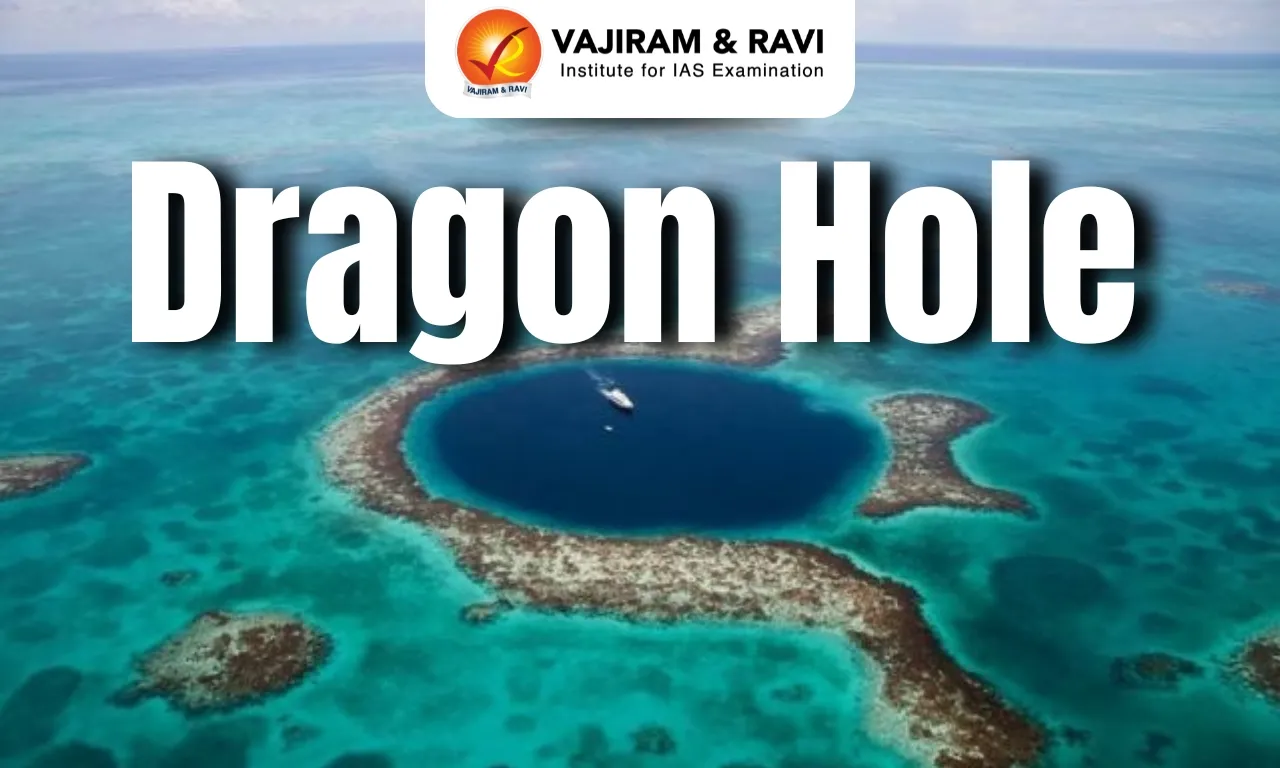
  • The Dragon Hole is the popular name for the Sansha Yongle Blue Hole, a massive marine sinkhole in the South China Sea. 
    • Blue holes are steep-sided underwater cavities, often formed in limestone landscapes, that later flooded as sea levels rose.
  • It is the deepest known underwater sinkhole in the world. 
  • It is about 25 kilometers from the Discovery Reef in the South China Sea.
  • The local fishermen call it the‘eye’of the South China Sea.
  • It is believed to be 301.19 meters deep, beating Dean's Blue Hole in the Bahamas by almost 100 meters.
  • The almost vertical blue hole measures 130 meters in diameter at its surface entrance and 36 meters at its very bottom, where there is literally no water flow or exchange with the rest of the ocean.
  • Water in the lower part of a deep blue hole like Dragon Hole is stagnant and anoxic with nearly no water circulation and thus unfavorable for most sea life, but nonetheless can support large colonies of bacteria.
  • However, at least 20 ocean species thrive in the upper section of the hole, where there is a unique ecosystem characterized by ample oxygen and nutrients.

Source: TOI

Dragon Hole FAQs

Q1: What is the Dragon Hole?

Ans: The Dragon Hole is the popular name for the Sansha Yongle Blue Hole, a massive marine sinkhole.

Q2: Where is the Dragon Hole located?

Ans: It is located in the South China Sea.

Q3: Why is the Dragon Hole significant globally?

Ans: It is the deepest known underwater sinkhole in the world.

Q4: What is the estimated depth of the Dragon Hole?

Ans: It is believed to be about 301.19 metres deep.

World Pulses Day 2026, Theme, Significance, Cultivation

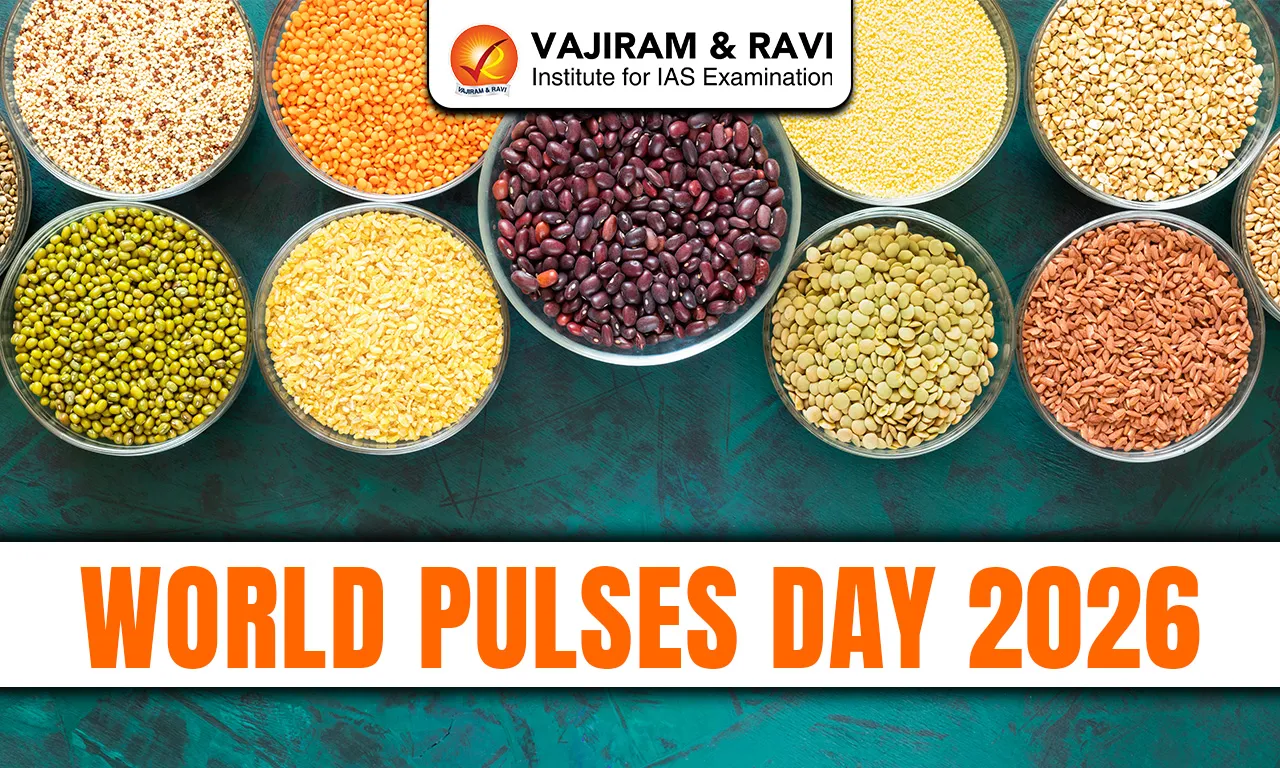
World Pulses Day 2026

World Pulses Day is celebrated every year on 10th February. The day is celebrated as a day of recognition of pulses and their role in human nutrition, environmental well-being and sustainable agriculture. The day was declared as World Pulses Day under the United Nations General Assembly in 2016. The year was also marked as the International Year of Pulses. Due to the huge success of this celebration, the potential of the crops were recognised and added as a goal to be achieved under the 2030 Agenda for sustainable development

World Pulses Day 2026 Theme

  • The theme of the World Pulses Day 2026 is “Pulses of the world: from modesty to excellence” was selected to highlight the required transformation-from humble origins to global recognition for their flavours, nutritional attributes and culinary diversity.
  • The day focuses on raising awareness about the importance of pulses and their nutritional benefits. For farmers, pulses serve a dual purpose as they can be consumed to ensure household food security or sold to create economic stability. Additionally, the nitrogen-fixing properties of pulses enhance soil fertility, boosting the productivity and longevity of farmland. By incorporating pulses into intercropping and cover cropping practices, farmers can promote biodiversity in both farms and soils.

World Pulses Day 2026 Significance

  • Nutritional and environmental importance: Pulses are rich in protein, fibre and micronutrients, and their cultivation improves soil fertility and reduces the need for chemical fertilizers, making them important for sustainable agriculture and food security.
  • Declining consumption despite benefits: Even with their high value, per capita consumption of pulses has fallen in many countries due to changing food habits, urban lifestyles and the mistaken belief that pulses are only low-cost or traditional foods.
  • Relevance of World Pulses Day 2026: World Pulses Day 2026 highlights the need to change these perceptions, promote pulses as modern, healthy and climate-friendly foods, and encourage their inclusion in diets worldwide to ensure affordable and nutritious food for all.

All About Pulses

  • Pulses are nutrient-dense foods rich in protein, fibre, vitamins and minerals. They are an important plant-based protein source, especially for vegetarian and vegan diets, and when eaten with cereals, they provide better quality protein.
  • Pulses support environmentally sustainable agriculture as they require less water, reduce dependence on chemical fertilizers through nitrogen fixation, and improve soil fertility and soil organic carbon, resulting in a low environmental footprint.
  • Pulses contribute to both human health and farming systems. They are a sub-group of legumes such as chickpeas, peas, lentils and beans, and are widely used for human consumption, animal fodder and soil improvement, with peas, lentils and dried beans being the most commonly consumed.

Pulse Cultivation in India

  • India produces the largest pulses(25%), followed by Canada(9%), China(6%) and European Union(5%). 
  • India has the largest production(25%), consumption (27%) and importer(14%) of pulses in the world. 
  • 75% of pulses are produced in the states of Madhya Pradesh (29.67%), Maharashtra (14.66%) and Rajasthan (13.75%).
  • The maximum pulses produced in India are Chickpeas(48%), Pigeon Pea(14%), Black Gram (12%), Green Gram (8%) and lentil (7%).

Significance of Pulses

  • Health Benefits: Pulses are rich in essential vitamins and minerals, making them a vital part of a healthy diet. They promote heart health, aid in weight management, and help prevent chronic diseases.
  • Reducing Food Wastage: Unlike meat, which has a short shelf life, pulses have a long shelf life and enhance dietary diversity.
  • Soil Fertility: Pulses naturally fix atmospheric nitrogen into the soil, improving soil biodiversity and fertility.
  • Crop Rotation: Pulses are widely used in crop rotation, enhancing the efficiency of chemical fertilizers and supporting sustainable farming.
  • Rural Employment: Pulses cultivation creates employment and entrepreneurial opportunities, especially for rural women and youth.
  • Genetic Diversity: Pulses exhibit broad genetic diversity, enabling the development of climate-resilient varieties.
  • Agroforestry: Growing pulses alongside other crops improves food security and boosts farmers’ income.
  • Animal Husbandry: Pulse crop residues serve as high-quality feed for livestock.

Environmental Benefits: Pulses have a low carbon footprint and require minimal water, making them an environmentally sustainable protein source.

World Pulses Day 2026 FAQs

Q1: What is the theme of the World Pulses Day 2026?

Ans: The theme of the World Pulses Day 2026 is “Pulses of the world: from modesty to excellence”.

Q2: What is World Pulses Day and when is it observed?

Ans: World Pulses Day is observed every year on 10 February to recognise the role of pulses in nutrition, environmental sustainability and food security.

Q3: Who declared World Pulses Day and when?

Ans: It was declared by the United Nations General Assembly in 2016, the same year which was celebrated as the International Year of Pulses.

Q4: Why is World Pulses Day 2026 significant?

Ans: It addresses the decline in pulse consumption despite their benefits and aims to promote pulses as modern, healthy and climate-friendly foods.

Q5: Which Country is the leading producer of pulses?

Ans: India is the leading producer of pulses, accounting for about 27% of global production.

Mons Mouton

Mons Mouton

Mons Mouton Latest News

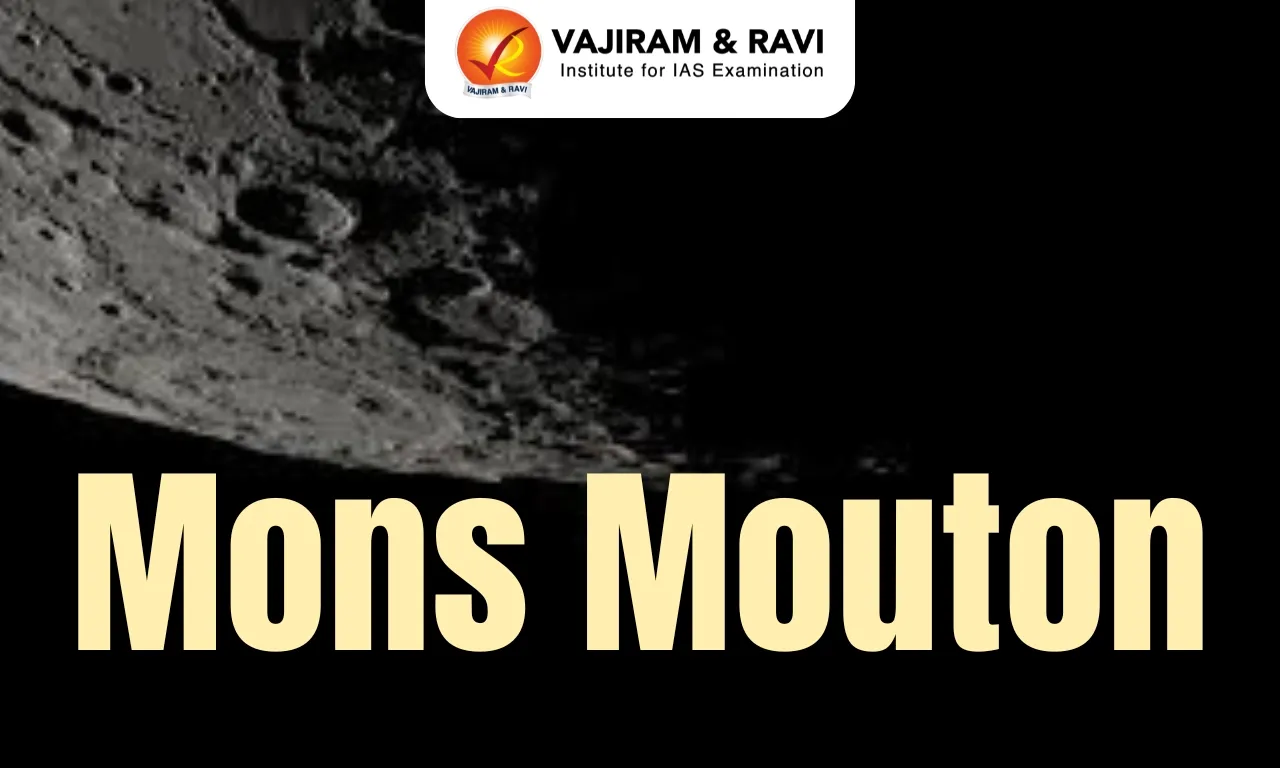
Scientists from ISRO’s Space Applications Centre (SAC) have identified a landing zone in the rugged south polar region of the Moon called Mons Mouton for India’s first lunar sample return mission, Chandrayaan-4.

About Mons Mouton

  • Mons Mouton is a mountain about 6,000 meters high located near the South Pole of the Moon.
  • Its peak is largely flat, which is favorable for landing.
  • It is situated in the South Circumpolar Region (SCR) of the Moon. 
  • It is officially named Mons Mouton after NASA mathematician and computer programmer Melba Roy Mouton. 
  • It is believed to be positioned on the rim of the South-Pole-Aitken basin. (the largest and most ancient impact basin on the Moon)
  • According to scientists, this area is also important because it receives sunlight for a long time.

Importance of Mons Mouton Area

  • The Mons Mouton area is of particular scientific interest because it lies near permanently shadowed craters believed to contain water-ice deposits.
  • Studying samples from this region could help scientists better understand the Moon’s geological history and the distribution of lunar resources.
  • Radio communication with Earth also remains clear from this region, which prevents any major contact issues during the mission.

Source: TH

Mons Mouton FAQs

Q1: Where is Mons Mouton located?

Ans: On the Moon

Q2: Why is Mons Mouton significant?

Ans: It's a potential landing site for future lunar missions

Swavalambini Scheme

Swavalambini Scheme

Swavalambini Scheme Latest News

Recently, the Minister of State (Independent Charge), Ministry of Skill Development and Entrepreneurship informed the Lok Sabha about the Swavalambini Scheme.

About Swavalambini Scheme

  • It is a woman Entrepreneurship Programme which empowers young women with the skills and confidence needed to establish their own businesses. 
  • It introduces a structured, multi-stage training approach to help young women transition from ideation to successful enterprise creation.
  • It aims to cultivate an entrepreneurial mindset among female students, equipping them with awareness of available support mechanisms, schemes, resources and networks essential for pursuing entrepreneurship as a career.
  • It is implemented through National Institute for Entrepreneurship and Small Business Development (NIESBUD), Noida and Indian Institute of Entrepreneurship (IIE), Guwahati.
  • Programme Structure
    • Target group: 1200 female students from Higher Educational Institutes (HEIs) and Universities
    • Entrepreneurship Awareness Programme (EAP): The female students undergo an introductory programme on entrepreneurial awareness through an entrepreneurial awareness programme.
    • Entrepreneurship Development Programme (EDP): Out of these 1200, 600 undergo this programme which covers business aspects like skilling, finance, market linkages, compliance, and networking
    • This is followed by 21 weeks of mentorship and handholding support to help participants translate their ideas into sustainable enterprises.
  • Support: MSDE will oversee the execution, supervision, and monitoring of the programme. NITI Aayog will provide mentoring support, facilitate seed funding, and recognize successful entrepreneurs through the Award To Reward (ATR) initiative.

Source: PIB

Swavalambini Scheme FAQs

Q1: Who launched the Swavalambini Women Entrepreneurship Programme?

Ans: Ministry of Skill Development and Entrepreneurship (MSDE)

Q2: What is the primary goal of Swavalambini Scheme?

Ans: To empower young women with entrepreneurial skills

Ethylene Glycol

Ethylene Glycol

Ethylene Glycol Latest News

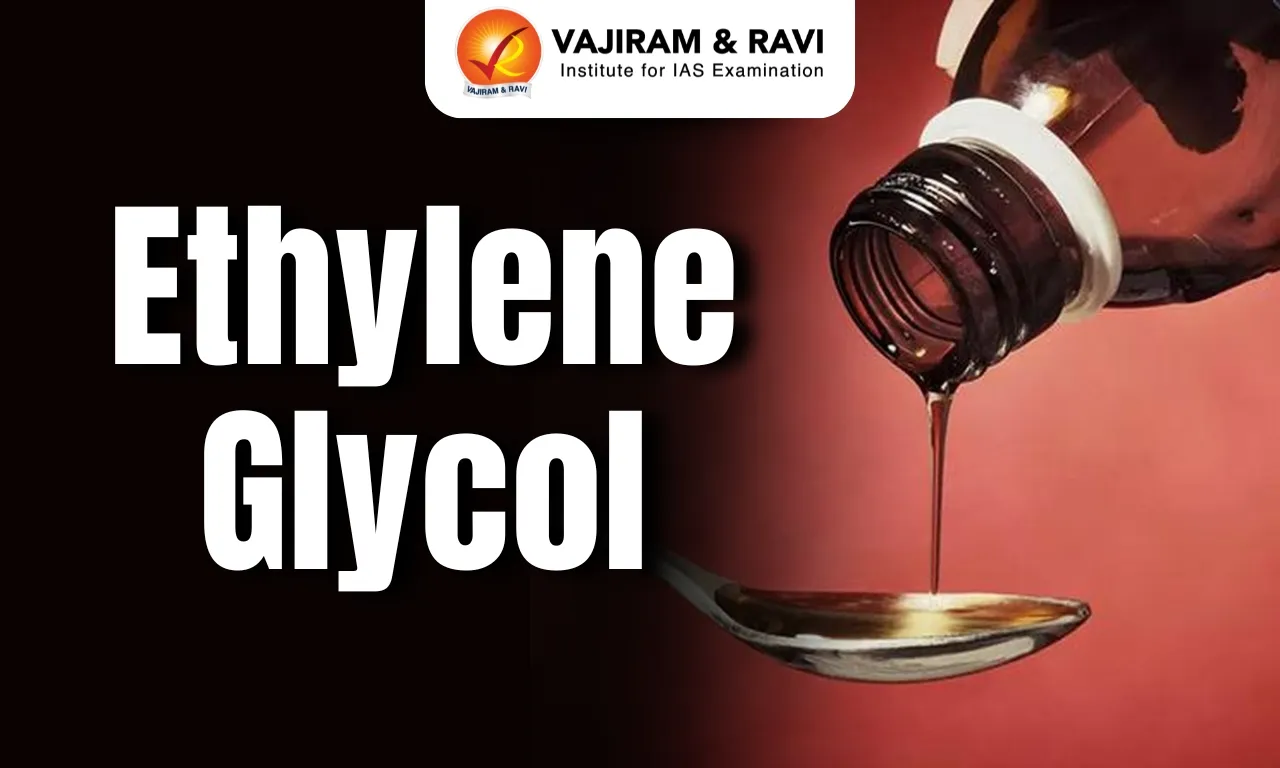
Recently, the government of Tamil Nadu issued a public notice against a batch of Almond Kit syrup, after laboratory tests detected adulteration with ethylene glycol. 

About Ethylene Glycol

  • It is the simplest member of the glycol family of organic compounds.
  • Properties:
    • It is a colourless, odourless, slightly viscous liquid with a faintly sweet taste.
    • It mixes easily with water and alcohol, and does not evaporate quickly.
    • It remains stable over a wide temperature range, and is inexpensive to manufacture. 
    • Impact of Human Health: Ethylene glycol metabolism produces toxic metabolites that can cause significant morbidity and mortality if left untreated.

Applications of  Ethylene Glycol

  • It is used to make antifreeze and de-icing solutions for cars, airplanes, and boats.
  • It is also used in hydraulic brake fluids and inks used in stamp pads, ballpoint pens, and print shops.
  • It is also used as a reagent in making polyesters, explosives, alkyd resins, and synthetic waxes.

Source: TH

Ethylene Glycol FAQ's

Q1: What is Ethylene Glycol commonly used for?

Ans: Antifreeze in vehicles

Q2: What is a common symptom of Ethylene Glycol poisoning?

Ans: Nausea and vomiting, Increased urination and Seizures

Mangrove Clam

Mangrove Clam

Mangrove Clam Latest News

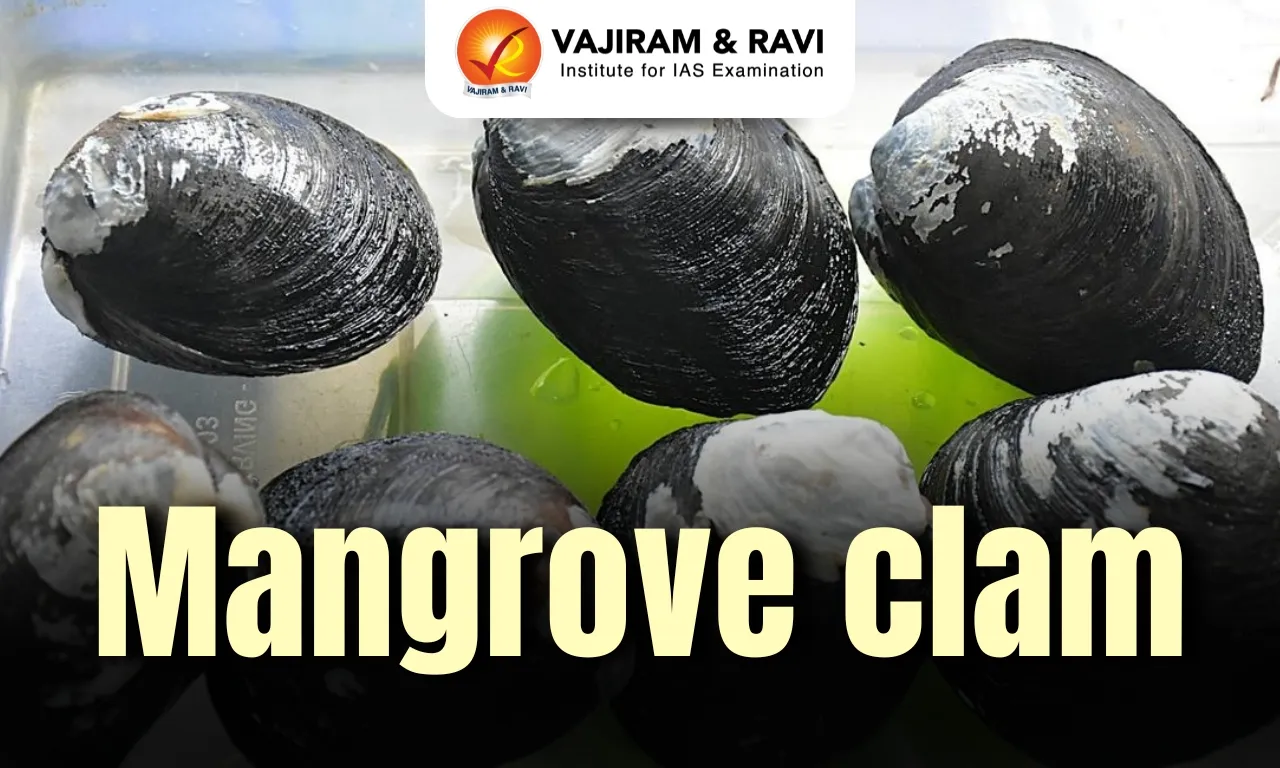
Recently, the ICAR–Central Marine Fisheries Research Institute (CMFRI) has successfully achieved captive breeding of the mangrove clam (Geloina erosa). 

About Mangrove Clam

  • Mangrove clams, commonly known as mud clams, locally called 'Kandal Kakka' in northern Kerala.
  • It belongs to the genus Polymesoda or Geloina.
  • Habitat: They are found in muddy, brackish, and even nearly freshwater regions within mangrove swamps.
  • Distribution: These are widely distributed in the Indo-Pacific region.

Characteristics of Mangrove Clam

  • It is a burrowing bivalve inhabiting organic-rich muddy substrates in intertidal mangrove ecosystems. 
  • This species displays remarkable tolerance, enabling them to thrive across a broad spectrum of salinity levels.
  • Life cycle: The life cycle of the clam consists of four distinct phases: larval stage, spat, juvenile and adult clam.
  • Feeding behavior: It is a filter-feeding species, primarily active during low-tide immersion stages characterized by frequent inundation.
  • Ecological Role: It plays a crucial ecological role by recycling nutrients, stabilising sediments and strengthening mangrove ecosystems,
  • It provides food security and livelihoods in coastal regions.
  • Threats: In India, particularly along the east coast and in island regions, wild stocks have been steadily declining due to indiscriminate harvesting, habitat degradation, pollution and coastal development.

 Source: Business Line

Mangrove clam FAQs

Q1: Where are Mangrove Clams typically found?

Ans: Mangrove forests

Q2: What is a clam's primary food source?

Ans: Organic particles in the correct size range are either plankton, detritus (decaying plant material), or bacteria.

Key Facts about Eritrea

Key Facts about Eritrea

Eritrea Latest News

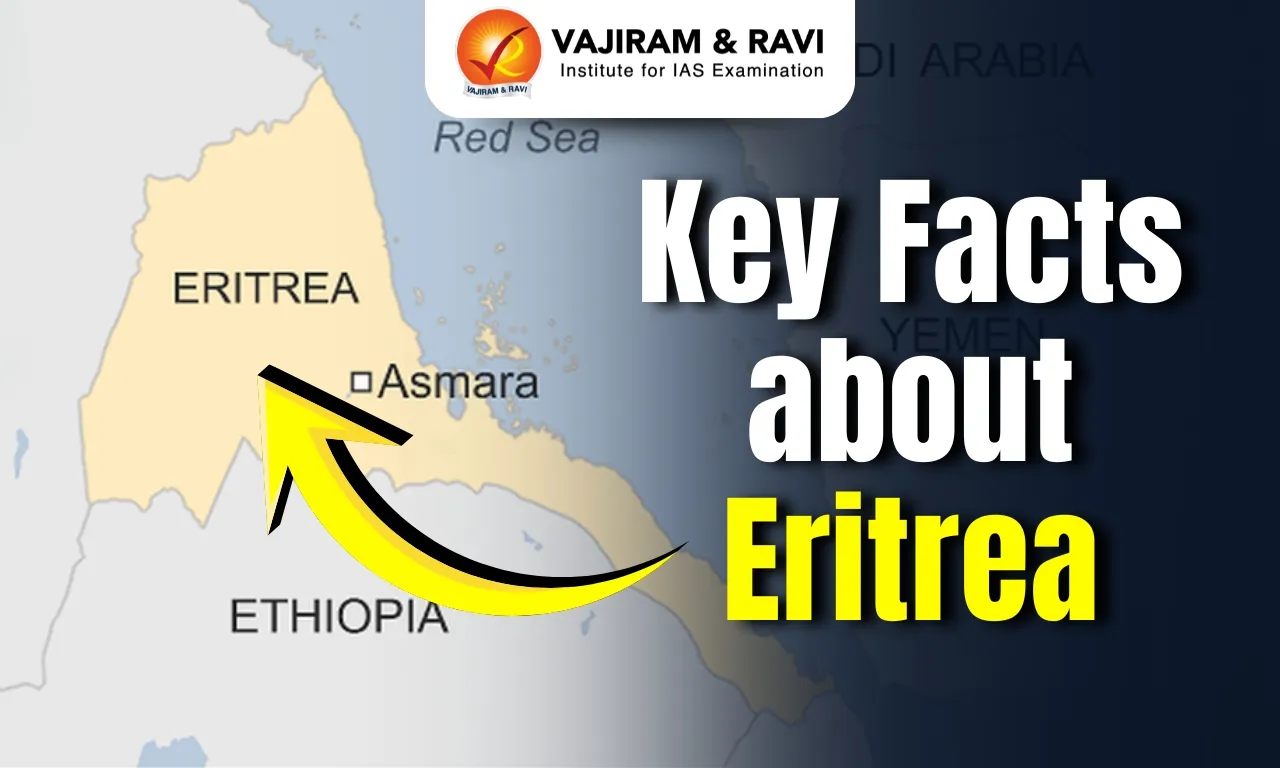
Recently, Ethiopia ordered neighbouring Eritrea to "immediately withdraw its troops" from Ethiopian territory.

About Eritrea

  • Location: It is located in the Horn of Africa.
  • Bordering Countries: It is bordered with Ethiopia, Sudan and Djibouti to the south, west, and southeast respectively.
  • Bordering Seas: It has an extensive coastline on the Red Sea to the north and east. 
  • It is a member country of the African Union, COMESA (Common Market for Eastern and Southern Africa).
  • Capital City:  Asmara

Geographical Features of Eritrea

  • Climate: The climate of Eritrea is tropical desert on the coast and the eastern plain, mild semiarid in the mountainous belt and tropical semiarid in the south-west.
  • Highest Peak: Mount Emba Soira is Eritrea's highest point, reaching an elevation of 3,018 meters (9,902 feet).
  • Major Rivers: Notable rivers in Eritrea include the Tekezé, Mereb, and Barka
  • Islands: It includes the Dahlak Archipelago and several of the Hanish Islands.
  • Natural Resources:  It mainly consists of copper, potash, zinc, oil, natural gas, cement, gypsum, granite, marble, ceramics, limestone, and iron ore.

Source: TH

Eritrea FAQs

Q1: Where is Eritrea located?

Ans: East Africa

Q2: What is the capital of Eritrea?

Ans: Asmara

HbA1c Test

HbA1c Test

HbA1c Test Latest News

A new study has found that glycated hemoglobin (HbA1c), a laboratory test commonly used in India for detecting type-2 diabetes, may not accurately reflect blood glucose levels.

About HbA1c Test

  • A hemoglobin A1C (HbA1C) test is a blood test that shows your average level of blood glucose, also called blood sugar, over the past two to three months.
    • Glucose is a type of sugar in your blood that comes from the foods you eat. Your cells use glucose for energy. 
    • A hormone called insulin helps glucose get into your cells. 
    • If you have diabetes, your body doesn't make enough insulin, or your cells don't use it well. 
    • As a result, glucose can't get into your cells, so your blood glucose levels increase.
    • Glucose in your blood sticks to hemoglobin, a protein in your red blood cells (RBCs). 
    • As your blood glucose levels increase, more of your hemoglobin will be coated with glucose. 
  • An A1C test measures the percentage of your RBCs that have glucose-coated hemoglobin.
  • An A1C test can show your average glucose level for the past three months because:
    • Glucose sticks to hemoglobin for as long as the RBCs are alive.
    • RBCs live about three months.
  • High A1C levels are a sign of high blood glucose from diabetes
  • Diabetes can cause serious health problems, including heart disease, kidney disease, and nerve damage
  • But with treatment and lifestyle changes, you can control your blood glucose levels.

Source: ET

HbA1c Test FAQs

Q1: What is the HbA1c test?

Ans: The HbA1c test is a blood test that shows the average blood glucose level over the past two to three months.

Q2: What does HbA1c stand for?

Ans: HbA1c stands for Hemoglobin A1c.

Q3: What does the HbA1c test measure?

Ans: It measures the percentage of hemoglobin in red blood cells that is coated with glucose.

Q4: What happens to HbA1c levels when blood glucose increases?

Ans: Higher blood glucose leads to higher HbA1c levels.

Kimberly Process

Kimberly Process

Kimberley Process Latest News

India has assumed the chair of the Kimberley Process (KP) for the year 2026.

About Kimberley Process 

  • It is a coalition of governments, civil society and the diamond industry to eliminate the trade in so-called conflict diamonds. 
  • Conflict diamonds are defined by the relevant United Nations Security Council resolution (UNSC resolution 1459) as “rough diamonds used by rebel movements or their allies to finance conflict aimed at undermining legitimate governments”.
  • Based on a mandate from the United Nations, the Kimberley Process regulates the international trade in rough diamonds. 
  • Participants in the scheme are required to:
    • Satisfy ‘minimum requirements’ and establish national legislation, institutions and import/export controls;
    • Commit to transparent practices and to the exchange of critical statistical data;
    • Trade only with other participants in the Scheme;
    • Certify shipments as conflict-free.
  • Currently it has 60 participants, representing 86 countries (with the EU as a single participant) which account for more than 99% of the global rough diamond production and trade. 
  • The KP meets twice a year at the Intersessional and Plenary meetings. It is chaired by a participating country on an annual, rotating basis. 
  • As a consensus-based body, the KP relies on the constructive engagement from all participants of the tripartite structure.

What is the Kimberley Process Certification Scheme (KPCS)?

  • It is the mechanism the KP uses to prevent the trade of conflict diamonds.
  • Under this scheme, the Government implements safeguards on shipments of rough diamonds and certifies the diamond as conflict-free.
  • According to this Scheme, each rough diamond shipment must be accompanied by the Kimberley Process certificate and transported in a tamper-resistant container. 
  • The KP certificate states the authenticity of the rough diamond.
  • Since 2003, India has been actively participating in the KPCS process. 
    • The Department of Commerce is the nodal Department.
    • Gem & Jewellery Export Promotion Council (GJEPC) is designated as the KPCS Importing and Exporting Authority in India.
    • GJEPC is responsible for issuing KP Certificates and is also the custodian of KP Certificates received in the country.

Source: TH

Kimberley Process FAQs

Q1: What is the Kimberley Process (KP)?

Ans: It is a coalition of governments, civil society, and the diamond industry aimed at eliminating the trade in conflict diamonds.

Q2: What does the Kimberley Process regulate?

Ans: It regulates the international trade in rough diamonds.

Q3: How many participants are currently part of the Kimberley Process?

Ans: There are 60 participants representing 86 countries, with the European Union as a single participant.

Q4: What is the Kimberley Process Certification Scheme (KPCS)?

Ans: It is the mechanism used by the KP to prevent the trade in conflict diamonds.

Himalayan Griffon

Himalayan Griffon

Himalayan Griffon Latest News

The Himalayan Griffon Vulture- which is usually found in the high-altitude region and migrates to Indian states —  was recently spotted in Melghat in the Amravati district of Maharashtra due to the presence of recently released captive-bred vultures.

About Himalayan Griffon

  • It is one of the nine species of vultures found in India.
  • It is a type of Old World Vulture.
  • Scientific Name: Gyps himalayensis 

Himalayan Griffon Distribution

  • It is found along the Himalayas and the adjoining Tibetan region and is also found in the Central Asian mountains.
  • Occasionally it migrates to northern India, but migration usually only occurs altitudinally.

Himalayan Griffon Features

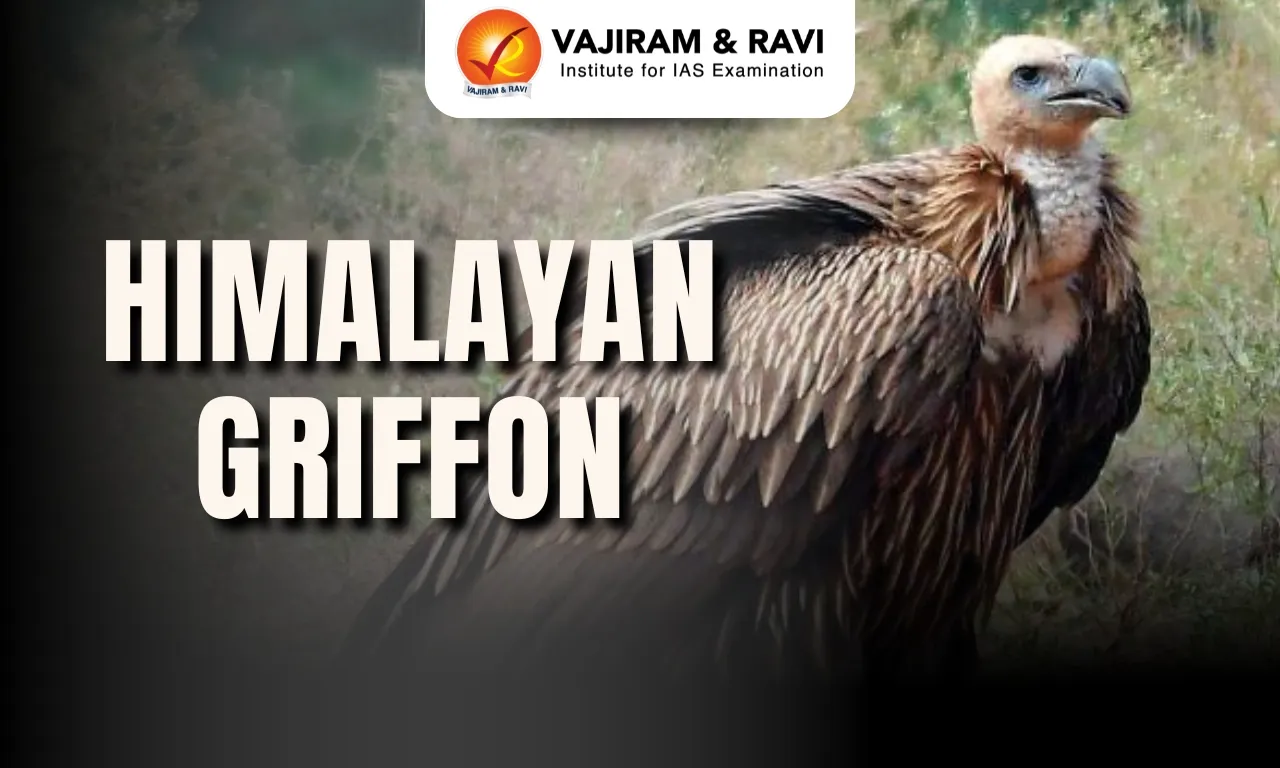
  • Himalayan vultures are huge, bulky vultures with stout bills, loosely feathered ruff, long wings, and a short tail. 
  • They can weigh up to 12 kg with a body length of 95 to 130 cm and a wingspan of 270 to 300 cm.
  • Due to sheer size and weight, these birds are incapable of sustained flapping flight and are thus often seen soaring on wind thermals.
  • Juveniles generally experience a gradual change of body covering from white down to dark brown feathers, with the head remaining a whitish color. 
  • Adults strongly contrast between cream and blackish, while the juveniles are dark.
  • These are monogamous, and pairs return to the same nesting and roosting sites from year to year.
  • Nests are built on ledges or in small caves 100 to 200 m up cliffs.
  • These are diurnal and mostly solitary species.

Himalayan Griffon Conservation Status

It is classified as 'Near Threatened' under the IUCN Red List.

Source: DH

Himalayan Griffon FAQs

Q1: What is the Himalayan Griffon?

Ans: It is a species of vulture found in the Himalayan region and is one of the nine vulture species recorded in India.

Q2: What is the scientific name of the Himalayan Griffon?

Ans: Gyps himalayensis.

Q3: Where is the Himalayan Griffon primarily distributed?

Ans: It is found along the Himalayas, the adjoining Tibetan region, and the Central Asian mountains.

Q4: What are the key physical features of the Himalayan Griffon?

Ans: It has a bulky body, stout bill, loosely feathered ruff, long wings, and a short tail.

Q5: What is the conservation status of the Himalayan Griffon according to the IUCN Red List?

Ans: It is classified as Near Threatened.

India–Seychelles Relations – Expanding Maritime Partnership to Sustainability and Strategic Cooperation

India-Seychelles Relations

India-Seychelles Relations Latest News

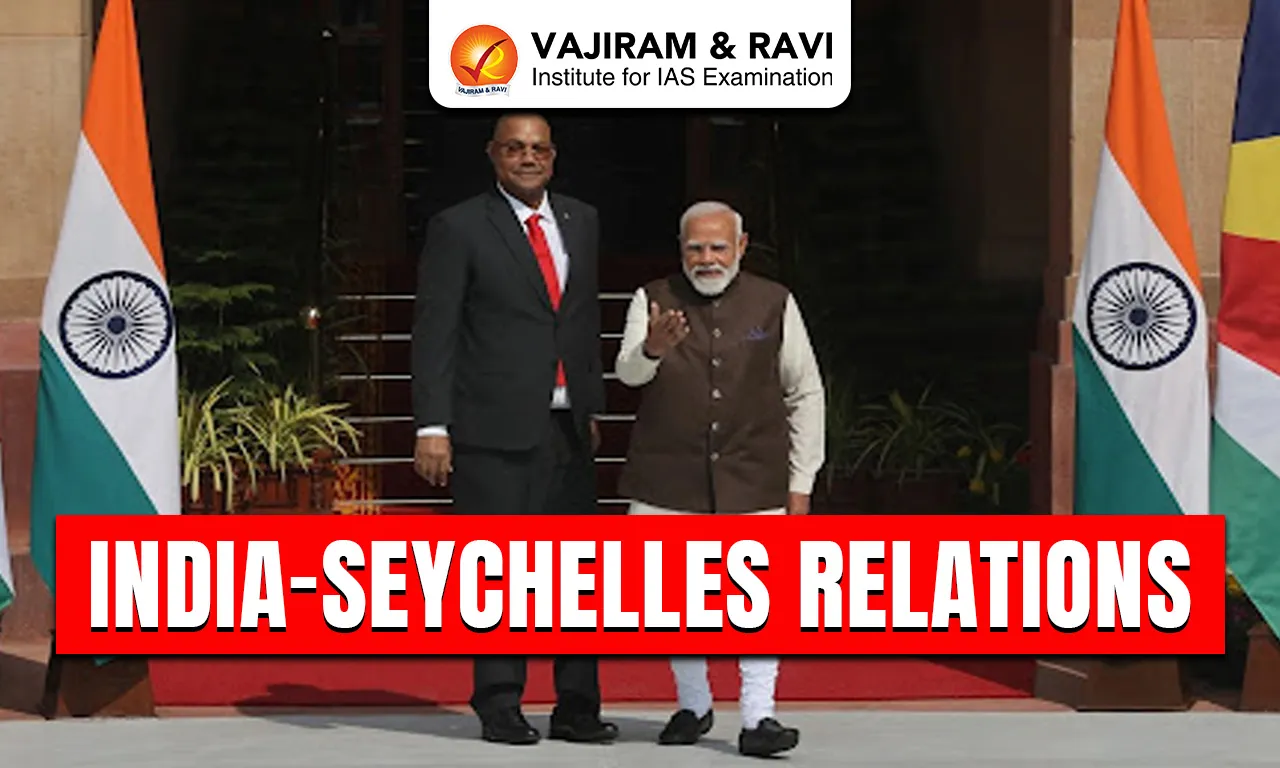
  • The Indian Prime Minister and Seychelles President (Patrick Herminie) held bilateral talks in New Delhi, marking 50 years of diplomatic relations and coinciding with the 50th anniversary of Seychelles’ independence. 
  • The visit—within 100 days of President Herminie’s victory—underscores the strategic weight Seychelles attaches to India amid evolving geopolitics in the Western Indian Ocean Region (WIOR).
  • The two countries adopted a Joint Vision for Sustainability, Economic Growth and Security through Enhanced Linkages (SESEL) and signed multiple agreements across sectors.

Strategic and Maritime Cooperation - The Core Pillar

  • Defence and maritime security:
    • It remains the central pillar of bilateral ties, and collaboration includes -
      • Maritime surveillance
      • Defence capacity development
      • Counter-piracy operations
      • Combating international crime and maritime threats
      • Protection of critical Sea Lines of Communication (SLOCs)
    • The cooperation assumes greater importance given rising piracy and economic offences in the strategic Indian Ocean Region (IOR), and growing geopolitical contestation in the region.
  • Colombo Security Conclave (CSC):
    • Seychelles was welcomed as a full member of the CSC.
    • Originally formed in 2011 by India, Sri Lanka, and Maldives; CSC later expanded to include Mauritius and Bangladesh.
    • The inclusion of Seychelles strengthens regional efforts towards -
      • Maritime domain awareness
      • Regional stability
      • Cooperative security architecture in the IOR
    • This aligns with India’s broader SAGAR doctrine and Vision MAHASAGAR (Mutual and Holistic Advancement for Security and Growth Across Regions).

Joint Vision (SESEL) - Broadening the Partnership

  • The adopted Joint Vision for Sustainability, Economic Growth and Security through Enhanced Linkages (SESEL) expands cooperation beyond security into sustainable development.
  • Key areas of cooperation:
    • Marine research and ocean governance: Ocean observation, maritime scientific research, data-sharing mechanisms.
    • Climate action and renewable energy: Cooperation in renewable energy solutions, climate resilience initiatives for small island developing states (SIDS).
    • Health cooperation: Pharmacopoeial collaboration, strengthening healthcare systems.
    • Digital transformation: Support in digital governance and capacity-building, enhancing e-governance frameworks.
    • Meteorological cooperation: Technical and scientific collaboration between meteorological authorities.
    • Capacity-building: Training programmes for Seychelles civil servants, institutional strengthening initiatives.
    • Cultural and people-to-people ties: Cultural Exchange Programme (2026–2030); tourism cooperation, with India emerging as a growing market.

Economic and Developmental Assistance

  • Special economic package: India announced a $175 million Special Economic Package, comprising $125 million Line of Credit (rupee-denominated) - remaining amount as grant assistance.
  • The package will support: 
    • Public housing, infrastructure, mobility, maritime security, and capacity-building.
    • This reflects India’s model of development partnership without conditionalities, especially for small island nations.

Geostrategic Significance

  • WIOR: Critical for global trade and energy flows. Seychelles’ strategic location enhances India’s maritime reach.
  • Countering extra-regional influence: Strengthening ties helps balance growing external powers’ presence in the IOR. Reinforces India’s role as a net security provider.
  • Blue economy and SIDS diplomacy: Seychelles, as a Small Island Developing State (SIDS), is central to climate diplomacy, sustainable ocean governance, and blue economy initiatives.
  • People-centric diplomacy: Shared democratic values, historical and cultural linkages, and emphasis on inclusive development.

India-Seychelles Relations

  • Overview
    • Today, India-Seychelles relations embody close friendship, understanding and cooperation. 
    • Diplomatic ties were established with Seychelles after its independence in 1976.
    • With a significant presence of Indian Diaspora in Seychelles, cultural contacts between the two countries have been primarily community-driven with support from the two governments.
  • Key aspects:
    • Trade: India exported goods worth US$ 64.88 million and imported goods worth US$ 8.96 million from Seychelles during 2022-23. 
    • Energy and environment: A Blue Economy Protocol between India and Seychelles was signed in 2015.
    • Development assistance: An important aspect of bilateral cooperation revolves around various development assistance programs extended to Seychelles under ITEC, ICCR and IAFS. 
    • Defence and security: India is a key security partner for Seychelles, helping with coastal surveillance, radar systems, and joint exercises like 'LAMITIYE'.

Challenges

  • Geopolitical competition in the IOR: Rising strategic competition may complicate smaller states’ balancing strategies.
  • Climate vulnerability of Island States: Seychelles faces existential risks from climate change, sea-level rise, and extreme weather events.
  • Maritime security threats: Piracy resurgence; drug trafficking; Illegal, Unreported and Unregulated (IUU) fishing
  • Economic dependence on tourism: Seychelles’ economy remains vulnerable to global shocks.

Way Forward

  • Institutionalising: Maritime Domain Awareness (MDA) through real-time data-sharing.
  • Deepening: Blue Economy cooperation, including sustainable fisheries and marine biodiversity protection.
  • Expanding: Renewable energy partnerships tailored to SIDS needs.
  • Strengthening: Multilateral maritime frameworks, particularly through the CSC and IORA.
  • Enhancing: Digital and governance partnerships for resilient institutions.
  • Leveraging: India’s Vision MAHASAGAR and SAGAR doctrine to build a cooperative Indian Ocean architecture.

Conclusion

  • The India–Seychelles partnership is evolving from a traditional defence relationship into a multidimensional strategic partnership encompassing sustainability, digital transformation, climate action, and economic growth. 
  • As maritime neighbours in the Indian Ocean, their collaboration contributes not only to bilateral development but also to the broader architecture of peace, stability, and inclusive growth in the WIOR.
  • In the emerging geopolitics of the Indo-Pacific, Seychelles remains a key pillar of India’s maritime vision, reinforcing India’s aspiration to be a credible and responsible security and development partner in the region.

Source: IE

India–Seychelles Relations FAQs

Q1: What is the strategic significance of Seychelles in India’s Indian Ocean policy framework?

Ans: Seychelles’ strategic location in the Western Indian Ocean makes it central to India’s SAGAR and Vision MAHASAGAR initiatives.

Q2: What is the role of the Colombo Security Conclave in strengthening maritime cooperation in the Indian Ocean Region?

Ans: It institutionalises regional maritime collaboration through maritime domain awareness, counter-piracy coordination, etc.

Q3: How does the India–Seychelles Joint Vision (SESEL) reflect a shift?

Ans: The SESEL framework expands ties beyond defence to renewable energy, climate resilience, digital transformation, health, etc.

Q4: What is the importance of India’s development partnership model in its engagement with SIDS?

Ans: India’s concessional Lines of Credit and grant-based assistance without conditionalities enhance goodwill, sustainable development, etc.

Q5: What are the major maritime security challenges in the WIOR and India’s response to them?

Ans: Rising piracy, IUU fishing, trafficking, and geopolitical competition are addressed through defence cooperation, maritime surveillance, etc.

Form 7 Controversy and Electoral Roll Revisions in India

Electoral Roll

Electoral Roll Latest News

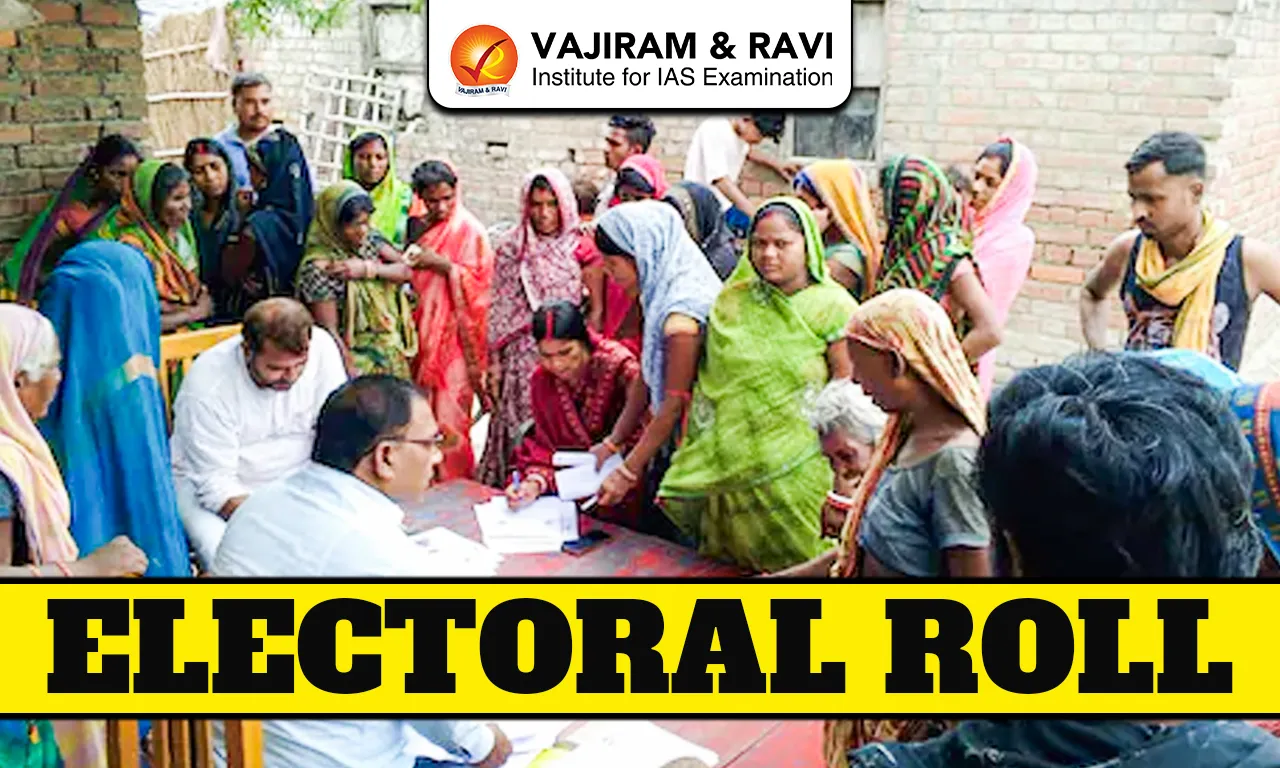
  • Concerns have emerged over the alleged misuse of Form 7 applications during the ongoing Special Intensive Revision of electoral rolls, leading to large-scale deletion of voters’ names across several States. 

Electoral Rolls and Their Importance in Indian Democracy

  • Electoral rolls form the foundation of India’s democratic process, ensuring that every eligible citizen has the right to vote. 
  • Prepared and updated under the Representation of the People Act, 1950, these rolls are periodically revised to include new voters and remove ineligible entries. 
  • The credibility of elections depends heavily on the accuracy, transparency, and fairness of this process. 
  • Any large-scale error or manipulation can directly impact political representation and voter confidence in the electoral system.

Form 7 and Its Legal Framework

  • Form 7 is a statutory mechanism used to object to the inclusion of a person’s name in the electoral roll. 
  • Under the Registration of Electors Rules, 1960, objections can be raised on specific grounds such as death, duplication of entries, shifting of residence, ineligibility due to age, or lack of citizenship.
  • Earlier, objections could be raised only by voters from the same polling booth. 
  • However, a 2022 amendment expanded the scope, allowing any voter within a constituency to file objections. 
  • While intended to improve roll accuracy, this change also increased the risk of misuse. 
  • To prevent abuse, rules mandate verification by the Electoral Registration Officer (ERO), especially when an individual files more than five objections.

Special Intensive Revision of Electoral Rolls

  • The Special Intensive Revision (SIR) is a comprehensive exercise undertaken by the Election Commission of India (ECI) to update electoral rolls in select States and Union Territories. 
  • Phase II of the ongoing SIR has covered nearly 51 crore voters across multiple regions, including Uttar Pradesh, Gujarat, Tamil Nadu, West Bengal, and others. 
  • The revision follows a compressed timeline, involving enumeration forms, objections, verification by Booth Level Officers (BLOs), and hearings before final publication of the rolls.

Nature of the Form 7 Controversy

  • The controversy centres on the bulk filing of Form 7 applications, allegedly without the knowledge or consent of the voters concerned. 
  • Opposition parties have accused organised actors of misusing Form 7 to systematically delete the names of eligible voters, thereby distorting the electoral process. 
  • Reports from States such as Rajasthan and Gujarat have highlighted cases where individuals claimed that Form 7 applications were submitted in their names without their involvement. 
  • This has raised serious concerns about impersonation, procedural lapses, and administrative oversight.

Scale of Voter Deletions

  • According to draft electoral rolls released during the SIR, around 6.5 crore voters were removed from the rolls across nine States and three Union Territories. 
  • These deletions reduced the total electorate from about 51 crore to 44.4 crore in the affected regions. The removed voters were categorised as ASD (Absent, Shifted, Dead/Duplicate).
  • The highest number of deletions was reported from Uttar Pradesh, followed by Tamil Nadu and Gujarat. 
  • Critics argue that the sheer scale of deletions, combined with a tight revision schedule, raises questions about the adequacy of verification and grievance redressal mechanisms.

Verification Process and Safeguards

  • Once a Form 7 application is submitted, Booth Level Officers are required to conduct physical verification. 
  • In cases of alleged death, confirmation from neighbours and a death certificate are necessary. 
  • If a voter is reported absent, BLOs must conduct multiple visits to confirm relocation. 
  • Affected voters are entitled to receive notice and attend hearings before final deletion. 
  • Appeals against ERO decisions can be filed with the district magistrate within 15 days of the roll publication. 
  • Despite these safeguards, concerns persist about their effective implementation under time pressure.

Concerns and the Way Forward

  • At the core of the controversy lies the risk of voter disenfranchisement, particularly among marginalised and economically weaker sections. 
  • Filing a false declaration under Form 7 is a punishable offence under Section 32 of the Representation of the People Act, 1950. 
  • Experts suggest stricter scrutiny of bulk applications, improved digital tracking, longer verification timelines, and enhanced transparency to restore trust in the electoral revision process. 
  • Ensuring balance between roll accuracy and voter protection remains crucial.

Source: TH

Electoral Roll FAQs

Q1: What is Form 7 used for?

Ans: It is used to object to the inclusion of a person’s name in the electoral roll on specified legal grounds.

Q2: What triggered the current Form 7 controversy?

Ans: Allegations of bulk and fraudulent filing of Form 7 leading to mass voter deletions during the SIR.

Q3: What is the Special Intensive Revision (SIR)?

Ans: A large-scale electoral roll revision exercise conducted by the Election Commission in select States and UTs.

Q4: How many voters were reportedly deleted during the SIR?

Ans: Around 6.5 crore voters were removed from draft electoral rolls across multiple regions.

Q5: What legal action applies to false Form 7 declarations?

Ans: Filing a false declaration is punishable under the Representation of the People Act, 1950.

PMO Directives on PM CARES: Why Lok Sabha Questions Are Not Admissible

PM CARES

PM CARES Latest News

  • The Prime Minister’s Office (PMO) has informed the Lok Sabha Secretariat that questions or matters related to the PM CARES Fund, the Prime Minister’s National Relief Fund (PMNRF), and the National Defence Fund (NDF) are not admissible under Lok Sabha rules.
  • The PMO cited Rule 41(2)(viii) and Rule 41(2)(xvii) of the Rules of Procedure and Conduct of Business in Lok Sabha to state that such questions and discussions cannot be taken up in Parliament.

PM CARES Fund, PMNRF and NDF: What Are These Funds

  • The PM CARES Fund was set up on March 27, 2020, in the wake of the Covid-19 pandemic
  • It was created to deal with emergency and distress situations and to provide relief during crises such as public health emergencies.
    • Full name: Prime Minister’s Citizen Assistance and Relief in Emergency Situations Fund
    • Legal status: Public Charitable Trust
    • Registered under the Registration Act, 1908, in New Delhi
    • Fund balance (March 2023): ₹6,283.7 crore (as per latest available report)

Prime Minister’s National Relief Fund (PMNRF)

  • The Prime Minister’s National Relief Fund was established in January 1948, originally to assist refugees displaced from Pakistan after Partition.
  • Over time, its scope expanded and it is now primarily used to:
    • Provide immediate relief to families affected by natural calamities such as floods, cyclones, and earthquakes
    • Assist victims of major accidents and riots
  • The fund is financed through public contributions and is controlled by the Prime Minister’s Office.

National Defence Fund (NDF)

  • The National Defence Fund is dedicated to the welfare of Armed Forces personnel, including paramilitary forces, and their dependents.
  • It is 
    • Used for financial assistance and welfare measures
    • Administered by an Executive Committee
    • Chaired by the Prime Minister, with the Defence, Finance, and Home Ministers as members

Common Feature

  • All three funds:
    • Are controlled or administered by the Prime Minister’s Office
    • Receive voluntary public contributions
    • Operate outside the Consolidated Fund of India, which has implications for parliamentary scrutiny

Government’s Stand on PM CARES Fund: Past Position Explained

  • Public Charitable Trust, Not a Statutory Body - In January 2023, the Union government told the Delhi High Court that the PM CARES Fund is a public charitable trust, not created under the Constitution or by any law enacted by Parliament or a State legislature.
  • Not ‘State’ Under Article 12 - The submission came in response to a plea seeking to declare PM CARES a “State” under Article 12 to ensure transparency.
    • The Centre argued that the trust is neither owned nor controlled by the government, and that trustees holding public office do so for administrative convenience, not governmental control.
  • RTI Act Not Applicable - The government’s affidavit further stated that since PM CARES is not constituted under law or the Constitution, it does not qualify as a public authority under the Right to Information Act, and therefore is outside the RTI framework.

Supreme Court’s Ruling on the PM CARES Fund

  • In August 2020, the Supreme Court of India refused to direct the transfer of money from the PM CARES Fund to the National Disaster Response Fund (NDRF).
  • The Court held that the two are “entirely different funds” with distinct objectives and purposes, leaving “no occasion” for such a direction.
  • The Court noted that:
    • The NDRF is audited by the Comptroller and Auditor General of India (CAG) under specific guidelines
    • The PM CARES Fund, being a public charitable trust, does not fall under those guidelines, and therefore no CAG audit can be mandated

Why Lok Sabha Questions on PM CARES, PMNRF and NDF Are Not Admissible

  • The PMO has directed the Lok Sabha Secretariat not to admit questions or matters related to the PM CARES Fund, PMNRF, and the National Defence Fund on the ground that these funds are entirely financed through voluntary public contributions
  • Since they do not receive any allocation from the Consolidated Fund of India, they fall outside the scope of parliamentary scrutiny under Lok Sabha rules. 
  • This reasoning aligns with the Centre’s earlier position before courts that these funds are non-statutory, trust-based entities, not government funds subject to legislative oversight.

Rules Cited to Bar Lok Sabha Questions on PM CARES, PMNRF and NDF

  • The PMO informed the Lok Sabha Secretariat that questions or matters related to PM CARES Fund, PMNRF and the National Defence Fund are not admissible under specific provisions of the Rules of Procedure and Conduct of Business in Lok Sabha.

Rule 41(2)(viii): Not a Government Concern

  • This rule bars questions that do not relate primarily to the concern of the Government of India.
  • The PMO argued that since the three funds are financed through voluntary public contributions and are not part of the Consolidated Fund of India, they do not fall under the government’s primary administrative domain.

Rule 41(2)(xvii): Outside Government Control

  • This provision states that questions cannot raise matters under the control of bodies or persons not primarily responsible to the Government of India.
  • The PMO maintained that these funds operate as independent trusts, and hence are not directly accountable to the government in a manner that would permit parliamentary questioning.

Source: IE | IE

PM CARES FAQs

Q1: What do the PMO directives on PM CARES state?

Ans: PMO directives on PM CARES clarify that Lok Sabha questions on PM CARES, PMNRF and NDF are not admissible under Rules of Procedure governing parliamentary business.

Q2: Why are PMO directives on PM CARES linked to parliamentary rules?

Ans: PMO directives on PM CARES rely on Rule 41(2)(viii) and 41(2)(xvii), which bar questions not primarily concerning the Government of India or bodies not accountable to it.

Q3: How does funding structure justify PMO directives on PM CARES?

Ans: PMO directives on PM CARES argue these funds rely entirely on voluntary public contributions and receive no money from the Consolidated Fund of India.

Q4: What has been the government’s legal position supporting PMO directives on PM CARES?

Ans: PMO directives on PM CARES align with the Centre’s stand that PM CARES is a non-statutory public charitable trust, not a “State” under Article 12.

Q5: What is the constitutional implication of PMO directives on PM CARES?

Ans: PMO directives on PM CARES effectively limit parliamentary oversight by classifying PM CARES, PMNRF and NDF as trust-based entities beyond routine legislative questioning.

Tracing Tamil’s Centuries-Old Presence in Malaysia: History Beyond Migration

Tracing Tamil’s Centuries-Old Presence in Malaysia

Tracing Tamil’s Centuries-Old Presence in Malaysia Latest News

  • During his first foreign visit of 2026 to Malaysia, PM Modi highlighted the deep-rooted presence of Tamil, underscoring that it is not just a diaspora language but a public and historical language in Malaysia. 
  • Spoken across schools, temples, media, and cultural spaces, Tamil predates both the Malaysian nation-state and colonial rule. 
  • Its arrival was driven by centuries of maritime trade, labour migration, settlement, and cultural continuity, rather than modern policy. 
  • This long civilisational history explains why nearly three million people of Indian origin—predominantly Tamil—form one of Southeast Asia’s most visible and well-established diasporas.

Before Plantations, There Were Ships: Tamil Roots in the Malay World

  • Ancient Maritime Links - Long before British rule, maritime routes connected India’s Coromandel coast with ports along the Malay Peninsula, especially Kedah and the Strait of Malacca
    • These links date back well before the 1st century BCE, facilitating sustained contact across the seas.
  • Trade, Settlement, and Culture - Commerce in spices, textiles, and forest goods moved both ways—and so did people. South Indian merchant guilds formed semi-permanent settlements, built temples, and left Tamil inscriptions, embedding culture alongside trade.
  • Religious and Social Exchange - Cultural exchange accompanied commerce, carrying Hindu and Buddhist practices into local societies. These were durable ties, not fleeting visits, shaping local religious and social life.
  • Tamil Muslim Communities - Tamil Muslim traders—including Rowthers and Marakkayars—settled, intermarried locally, and remained. Place names, rituals, and customs still reflect these early arrivals.
  • Before the Colonial Reorganisation - As noted by historians, Tamil presence was already woven into the region’s social fabric before European powers arrived. The British later reorganised and scaled up these movements—but did not begin them.

A Century of Labour: How Plantation Migration Shaped Tamil Malaysia

  • Colonial Demand and Mass Migration - While early trade brought the first Tamils, British colonialism brought them in large numbers. 
    • Plantation capitalism in Malaya—rubber estates, railways, tin mines, and ports—created huge labour demands. 
    • Recruiters turned to the Madras Presidency, using the kangani system to bring bonded groups of workers.
  • Life on the Estates - By the early 20th century, hundreds of thousands of Tamil labourers had arrived. They cleared forests, tapped rubber, and built infrastructure, often living in cramped estate lines with low wages and limited mobility. 
    • Recruitment slowed by 1910 amid criticism, but a permanent community had formed.
  • Oppression—and Endurance - As historian Carl Vadivella Belle noted, colonial labour life was marked by oppression and brutalisation. Yet within estates, Tamil society showed resilience—temples, Tamil schools, local presses, festivals like Thaipusam, and cinema sustained cultural life.
  • Language as the Community’s Spine - Tamil became the anchor of continuity. Over generations, estate communities produced teachers, clerks, traders, and later professionals, enabling social mobility beyond plantations.
  • Post-Independence Urban Shift - After 1957, families moved to cities like Kuala Lumpur and Penang for education and stable jobs. The transition expanded—rather than diluted—Tamil institutions.
  • A Public Language, Not a Memory - Today, Tamil schools, newspapers, television, radio, and cinema thrive in Malaysia. The language remains publicly visible, making PM Modi’s observation about Tamil in “education, media, and cultural life” a structural reality, not a sentimental nod.

The Political Moment: Diplomacy Built on a Deeper History

  • In his address, PM Modi framed the three million–strong Indian diaspora in Malaysia as a “living bridge” between the two nations. 
  • He announced practical measures—social security agreements, easier visas, and the rollout of India’s digital payment interface in Malaysia—to deepen people-to-people ties.
  • The Cost of Migration and Settlement
    • Citing historian Carl Vadivella Belle, the scale and human cost of migration is stark:
      • At Merdeka (1957), Indians numbered 858,616, with 62.1% locally born
      • Between 1860 and 1957, around 4 million Indians entered Malaya and 2.8 million left
      • Much of the 1.2 million net immigration was lost to disease, exhaustion, malnutrition, and hazards

Strategic Signalling, Cultural Resonance

  • Choosing Malaysia as the first foreign visit of 2026 signalled Southeast Asia’s importance to India’s Indo-Pacific strategy. 
  • Yet the most resonant note of the speech was cultural, underscoring how language and lived history continue to anchor bilateral ties more powerfully than strategy alone.

A Diaspora That Feels Local: Tamil Life in Malaysia

  • In parts of Kuala Lumpur where Tamil is widely spoken, the boundary between “Indian” and “Malaysian” fades. 
  • Families rooted for five or six generations see their histories tied to local estates and neighbourhoods, not distant villages in Tamil Nadu. 
  • Festivals and politics are distinctly local, even as the language carries echoes of the old coast across the sea.
  • Malaysia’s Tamil community stands apart from newer diasporas. Shaped first by maritime trade, then empire, and finally nationhood, it is a historical community
  • Tamil here feels inherited rather than imported, sustained across generations.

A Bond Older Than States

  • The Tamil–Malaysia connection predates governments: ships before steamers, temples before treaties, schools before summits. 
  • Long after speeches fade, this older current endures—steady, lived, and visible in everyday language and life.

Source: IE | ToI

Tracing Tamil’s Centuries-Old Presence in Malaysia FAQs

Q1: Why is tracing Tamil’s centuries-old presence in Malaysia historically important?

Ans: Tracing Tamil’s centuries-old presence in Malaysia shows Tamil arrived through ancient maritime trade, long before colonial rule, embedding language and culture deeply in local society.

Q2: How did trade shape tracing Tamil’s centuries-old presence in Malaysia?

Ans: Tracing Tamil’s centuries-old presence in Malaysia highlights Coromandel–Malacca trade routes, merchant settlements, temples and inscriptions that created durable cultural and social ties.

Q3: What role did colonialism play in tracing Tamil’s centuries-old presence in Malaysia?

Ans: Tracing Tamil’s centuries-old presence in Malaysia includes mass migration under British plantation capitalism, which expanded Tamil communities through labour systems like the kangani system.

Q4: Why did Tamil survive as a public language in Malaysia?

Ans: Tracing Tamil’s centuries-old presence in Malaysia shows continuity through schools, temples, media, cinema and festivals, preventing the language from fading into private memory.

Q5: How does diplomacy reflect tracing Tamil’s centuries-old presence in Malaysia today?

Ans: Tracing Tamil’s centuries-old presence in Malaysia explains why modern diplomacy recognises Tamil as a living cultural bridge, not merely a diaspora identity.

Daily Editorial Analysis 10 February 2026

Daily-Editorial-Analysis

The Next Big Commodity is the Mineable Self

Context

  • In contemporary capitalism, markets increasingly rely not only on material resources but on a new, inexhaustible commodity: the human self.
  • Modern economic systems extract value from identity, emotions, and lived experiences.
  • Through digital networks and media infrastructures, individuals themselves become economic inputs.
  • Personal narratives, everyday interactions, and expressions of identity circulate as exchangeable goods within a global economy.
  • The digital environment allows human life to be continuously recorded, interpreted, and monetised, turning personality into a productive resource.

From Labour to Identity: A New Stage of Capitalist Extraction

  • Classical industrial capitalism generated surplus value from human labour. In the current stage, extraction moves beyond labour into social existence itself.
  • The new target is sociality, relationships, behaviour, and emotional expression.
  • Friendships, families, preferences, and habits are tracked through profiling, creating datasets valuable to corporations and institutions.
  • The erosion of privacy, intimacy, and trust follows, as daily life becomes observable and commercially useful.
  • The process resembles extraction, where identity functions as raw material. The commodification of experience transforms communication into marketable information.
  • Every interaction, online purchase, conversation, or political expression, becomes part of a continuous system of data collection. 
  • Human identity is no longer only personal; it is economically productive. The self becomes infinitely renewable, constantly generating information and therefore profit.

The Global Story Economy: Where Local and Global Converge

  • The market thrives on stories. A worldwide demand exists for narratives rooted in specific places yet relatable everywhere.
  • Folklore, migration journeys, conflict, and everyday struggles circulate internationally. The boundary between global and local dissolves as a single recorded event can travel across continents within seconds.
  • News media, independent creators, and ordinary witnesses act as media networks feeding a shared narrative system.
  • A local incident becomes globally meaningful once framed within larger social themes such as migration, violence, or cultural conflict. Locality no longer refers simply to physical proximity but to narrative relevance.
  • Communities imagine themselves through international attention, while global audiences interpret distant experiences through familiar narrative patterns.
  • This convergence transforms identity into content. Individuals, cities, and organisations participate in a continuous exchange of narratives. The story economy reorganises geography into a networked cultural marketplace.

Streaming Platforms and the Democratisation of the Self

  • The rise of streaming services accelerates this transformation. Internet-based platforms distribute entertainment without traditional studios or broadcasting structures.
  • Their success depends on relatable characters and ordinary experiences. The appearance of everyday people in entertainment suggests democratisation, where anyone may be visible.
  • Yet visibility becomes economic participation.
  • The modern individual increasingly exists as an algorithmic profile composed of behaviour patterns and measurable traits.
  • Credit ratings, consumption histories, and recommendation systems construct a digital personality. Identity becomes fragmented and quantifiable rather than unified and stable.
  • The selfie symbolises this shift.
  • The image promises equality before the camera but simultaneously converts appearance into shareable currency. Personal representation is no longer private expression alone; it functions as cultural capital within platform economies.

Artificial Intelligence and the Expansion of Personhood

  • The emergence of AI intensifies the instability of identity. Chatbots and virtual assistants simulate empathy, conversation, and emotional response. Machines now perform aspects of personality once considered uniquely human.
  • By reproducing emotion, digital systems compete in communication, companionship, and decision-making.
  • This development blurs distinctions between authentic and constructed identity. If emotional expression can be generated computationally, personhood becomes performative rather than inherent.
  • Human identity becomes one version among many communicative agents in a shared environment.

The Chain of Storytelling and the Culture of Visibility

  • A cultural logic governs the system: everyone has a story, and every story deserves an audience. Social platforms enable constant storytelling, encouraging users to narrate achievements, trauma, failure, or redemption.
  • The pursuit of virality drives participation, as visibility promises recognition and economic opportunity.
  • Influencers, content creators, and public figures cultivate audiences through regular self-disclosure.
  • Platforms reward attention, converting narratives into advertising revenue and social influence.
  • Individuals willingly share experiences for validation and opportunity, participating in their own economic incorporation.
  • This produces a cycle in which identity requires performance. The desire for recognition sustains continuous self-presentation.
  • The audience becomes essential to personal meaning, while attention functions as currency. Human life transforms into an ongoing broadcast within a market for visibility.

Conclusion

  • The modern economy increasingly relies on identity and self-presentation rather than material production, turning personal experience, emotion, communication, and data into valuable resources.
  • Through digital representation and the circulation of narratives, everyday private life is integrated into economic systems that extract value from how people live, express, and connect.
  • This creates a paradox: individuals enjoy unprecedented opportunities for participation and expression, yet their visibility also places the self itself, constantly observed and commercially used, at the centre of a global marketplace as a renewable commodity.

The Next Big Commodity is the Mineable Self FAQs

Q1. What is the new commodity discussed in the essay?
Ans. The new commodity is the human self, including identity, emotions, relationships, and personal experiences.

Q2. How does modern capitalism extract value from individuals?
Ans. Modern capitalism extracts value by collecting data from social interactions, behaviour patterns, and personal narratives.

Q3. Why are streaming platforms important in this transformation?
Ans. Streaming platforms popularise ordinary lives and convert personal stories into marketable entertainment content.

Q4. How does artificial intelligence affect the idea of identity?
Ans. Artificial intelligence imitates emotional expression, making identity appear performative rather than uniquely human.

Q5. What role does social media play in the market of selves?
Ans. Social media encourages constant self-presentation and turns visibility and audience attention into economic value.

Source: The Hindu


A Chance for India to Polish the Kimberley Process

Context

  • The global diamond trade symbolises wealth and prestige but has also been linked to violence and political instability.
  • During the 1990s, armed groups financed civil wars through illegal sales of rough diamonds, commonly called conflict diamonds.
  • To curb this problem, the international community established the Kimberley Process, a multilateral framework regulating the trade of rough diamonds.
  • India’s assumption of the chairmanship in 2026 marks a significant moment.
  • Positioned at the centre of the international diamond value chain, India can guide reforms addressing ethical trade, accountability, and technological modernization while strengthening global governance mechanisms. 

Origin and Evolution of the Kimberley Process

  • Emergence of the Initiative

    • The initiative began in 2000 through dialogue among southern African nations to prevent the financing of wars through diamonds.
    • Negotiations among participating countries resulted in the Kimberley Process Certification Scheme in 2003.
    • The framework now includes 60 participants representing 86 countries and oversees about 99.8% of the world’s rough diamond production.
    • It functions as an important international regulatory arrangement controlling trade in a single high-value commodity.
  • The Certification Mechanism

    • The certification scheme requires each shipment of rough diamonds to carry a validated certificate confirming legitimate origin.
    • Trade is permitted only between compliant member states, and participants must share statistical data on production and exports.
    • This mechanism is intended to maintain transparency and prevent illegal trade networks.

India’s Strategic Role in the Global Diamond Value Chain

  • India is not a major producer but remains the largest global processor of diamonds.
  • It imports nearly 40% of global rough diamonds and performs cutting and polishing mainly in Surat and Mumbai before exporting to the United States, China, the United Arab Emirates, Israel, and Hong Kong.
  • Countries such as Angola, Botswana, Russia, Canada, Congo, and Namibia dominate mining, yet India controls the value-addition stage.
  • This central position provides strong leverage within the supply chain and enables India to influence international standards through diplomacy and trade practices.

Major Challenges Facing the Kimberley Process

  • Narrow Definition of Conflict Diamonds

    • The existing definition focuses only on diamonds funding rebel groups against governments.
    • It excludes broader abuses including state violence, forced labour, human trafficking, environmental damage, and exploitation in artisanal mining.
    • Consequently, diamonds linked to human rights violations may still enter legitimate markets.
  • Decision-Making Constraints

    • The Kimberley Process relies on consensus, allowing any participant to block action through veto
    • This weakens enforcement and limits the system’s capacity to identify problematic sources.
  • Ineffective Sanctions

    • The ban imposed on the Central African Republic in 2013 showed that embargoes alone can increase smuggling and instability.
    • Without economic assistance, communities dependent on mining face hardship, reducing the effectiveness of punitive measures.

Reform Opportunities Under India’s Chairmanship

  • Institutional Reforms

    • A technical working group could examine violence and risks beyond rebel insurgencies and gradually build agreement for redefining conflict diamonds.
    • Institutional improvements may include independent audits, public disclosure of detailed data, and strengthened engagement with civil society.
  • Technological Modernisation

    • Digital innovation offers a major reform pathway. A blockchain-based system could provide tamper-proof, time-stamped shipment records.
    • Enhanced digital certification would reduce fraud, improve traceability, and modernize the global supply chain.
  • Capacity Building for Producer Countries

    • Support for producing regions is essential. Establishing regional capacity-building hubs in central and eastern Africa could provide training, technical support, and forensic
    • Cooperative reforms would encourage compliance rather than punishment.

Developmental Focus, the African Dimension and India’s Global Leadership Role

  • Developmental Focus and the African Dimension

    • Diamond mining supports livelihoods across Africa.
    • Aligning KP initiatives with the Sustainable Development Goals, including poverty reduction and decent work, can ensure revenues contribute to local health, education, and infrastructure.
    • Responsible trade would shift the framework from restriction toward development, sustainability, and inclusive economic growth.
  • India’s Global Leadership Role

    • As a major voice of the Global South, India can balance the interests of producers, processors, and consumers.
    • By strengthening accountability and promoting multilateralism, India can transform the Kimberley Process into a more credible international institution and reinforce its reputation as a constructive global actor.

Conclusion

  • The Kimberley Process has reduced the circulation of conflict diamonds but remains constrained by narrow definitions, political limitations, and weak developmental engagement.
  • India’s leadership in 2026 presents a major opportunity to implement institutional reforms, technological modernisation, and cooperative partnerships with African producers.
  • A reformed framework emphasising transparency, community welfare, and ethical trade can convert the diamond industry into a responsible global system while strengthening international cooperation and sustainable economic progress.

A Chance for India to Polish the Kimberley Process FAQs

Q1. What is the Kimberley Process?
Ans. The Kimberley Process is an international regulatory framework that prevents the trade of conflict diamonds in global markets.

Q2. Why is India important to the global diamond trade?
Ans. India is the world’s largest diamond cutting and polishing centre and processes a major share of global rough diamonds.

Q3. What is a key weakness of the Kimberley Process?
Ans. A major weakness is its narrow definition of conflict diamonds, which does not cover many human rights abuses.

Q4. How can technology improve the Kimberley Process?
Ans. Blockchain-based digital certification can create secure and transparent records for diamond shipments.

Q5. What broader goal can reforms achieve?
Ans. Reforms can promote responsible trade and support development in diamond-producing communities.

Source: The Hindu

Daily Editorial Analysis 10 February 2026 FAQs

Q1: What is editorial analysis?

Ans: Editorial analysis is the critical examination and interpretation of newspaper editorials to extract key insights, arguments, and perspectives relevant to UPSC preparation.

Q2: What is an editorial analyst?

Ans: An editorial analyst is someone who studies and breaks down editorials to highlight their relevance, structure, and usefulness for competitive exams like the UPSC.

Q3: What is an editorial for UPSC?

Ans: For UPSC, an editorial refers to opinion-based articles in reputed newspapers that provide analysis on current affairs, governance, policy, and socio-economic issues.

Q4: What are the sources of UPSC Editorial Analysis?

Ans: Key sources include editorials from The Hindu and Indian Express.

Q5: Can Editorial Analysis help in Mains Answer Writing?

Ans: Yes, editorial analysis enhances content quality, analytical depth, and structure in Mains answer writing.

Enquire Now