



The 86th Constitutional Amendment Act protects the citizen’s right to education. It covers all about the challenges related to education in India. The amendment adds three provisions in the constitution of India that target the rights to free and compulsory education for children in the age group between 6 to 14 years as a fundamental right.
86th Constitutional Amendment Act, 2002
The 86th Constitutional Amendment Act, 2002 is also known as the Right of Children to Free and Compulsory Education (RTE). The amendment added provisions about the necessity of a child to receive free and compulsory education as a fundamental right.
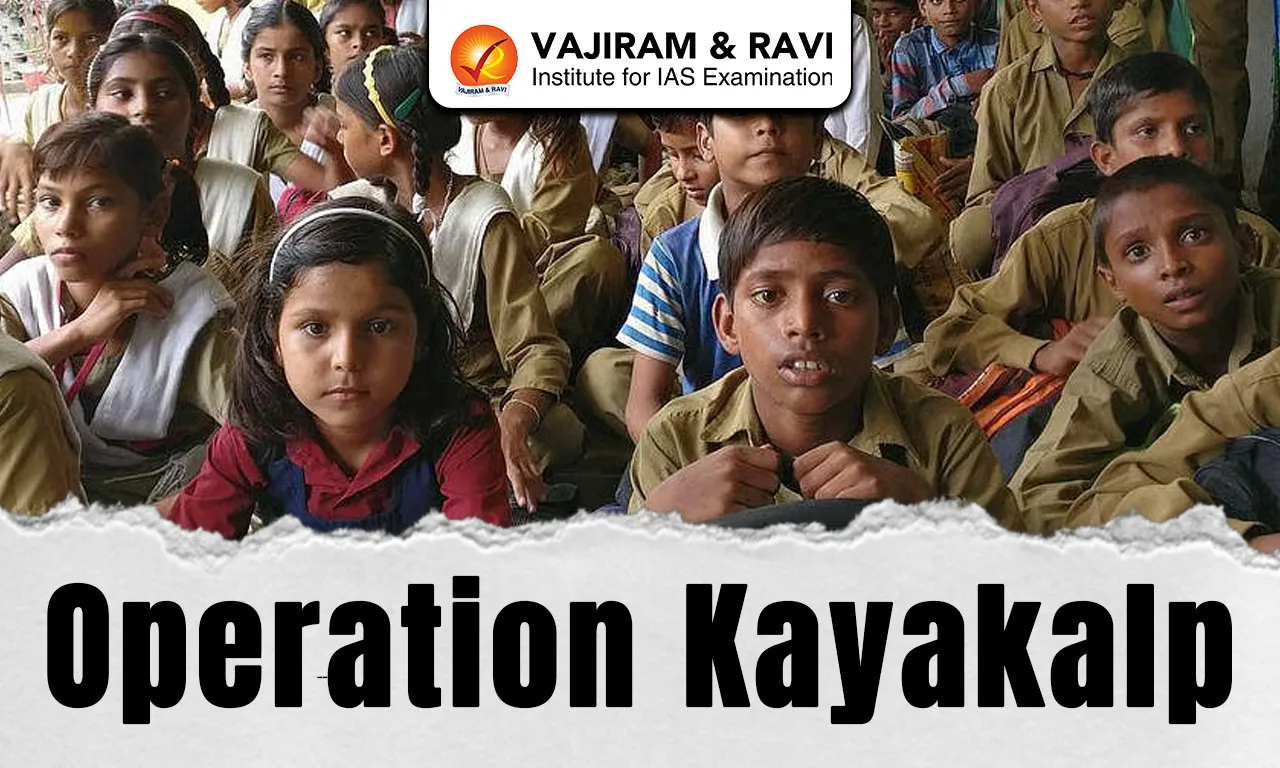
Under Article 21A of the Indian Constitution, every child aged between 6 to 14 years has the fundamental right to receive free and compulsory elementary education of an equitable and satisfactory quality. It places the responsibility on State Governments to ensure this right is fulfilled.
A significant implicant of this amendment is that all schools catering to this age group are mandated to provide free and compulsory education. Moreover, no private unaided school is permitted to deny admission to eligible children, and failure to comply may invite penalties and legal action.
Additionally, the amendment emphasizes the role of local authorities in implementing this provision. They are required to develop and enforce suitable schemes involving parents, teachers, and school management committees to ensure the effective realization of this constitutional right.
86th Amendment Act 2002 Objectives
86th Amendment Act 2002 has the following objectives:
- The amendment makes sure that every child below 14 years of age is getting free and compulsory education in the form of formal schooling.
- Article 21A provides guarantee of right to education, making education a fundamental right for children aged 6 to 14 years.
- It is mandatory for the state to provide free and compulsory education to children in the form of proper schooling.
- Schools should be established in the vicinity of residential areas, making enrollment easy.
- The 86th Amendment Act, 2002 also lays down the responsibility on the parents to send their children to school.
The Act further ensures that children are not only enrolled but also provided an environment conducive to learning, including early childhood care and opportunities for quality education.





Right to Education
The Right to Education Act, introduced in 1995, is a landmark legislation aimed at securing free and compulsory education for all children aged 6 to 14 years, regardless of their religion, caste, culture, or background.
- The Act makes sure that every child who wants to receive an education and complete primary schooling is entitled to do so.
- Many children are deprived of education due to financial constraints, lack of infrastructure, and limited access to resources. This Act seeks to eliminate those barriers.
- It recognizes that families may struggle to afford education or may be unaware of their children’s rights. The Act empowers them by offering legal backing and institutional support.
- By making education a fundamental right, the Act provides families and communities with a platform to demand schooling for their children.
- The overall aim is to create an environment where no child is left behind, and where quality education is not a privilege but a guaranteed right.
Last updated on February, 2026
→ UPSC Notification 2026 is now out on the official website at upsconline.nic.in.
→ UPSC IFoS Notification 2026 is now out on the official website at upsconline.nic.in.
→ UPSC Calendar 2026 has been released.
→ Check out the latest UPSC Syllabus 2026 here.
→ Join Vajiram & Ravi’s Interview Guidance Programme for expert help to crack your final UPSC stage.
→ UPSC Mains Result 2025 is now out.
→ UPSC Prelims 2026 will be conducted on 24th May, 2026 & UPSC Mains 2026 will be conducted on 21st August 2026.
→ The UPSC Selection Process is of 3 stages-Prelims, Mains and Interview.
→ Prepare effectively with Vajiram & Ravi’s UPSC Prelims Test Series 2026 featuring full-length mock tests, detailed solutions, and performance analysis.
→ Enroll in Vajiram & Ravi’s UPSC Mains Test Series 2026 for structured answer writing practice, expert evaluation, and exam-oriented feedback.
→ Join Vajiram & Ravi’s Best UPSC Mentorship Program for personalized guidance, strategy planning, and one-to-one support from experienced mentors.
→ UPSC Result 2024 is released with latest UPSC Marksheet 2024. Check Now!
→ UPSC Toppers List 2024 is released now. Shakti Dubey is UPSC AIR 1 2024 Topper.
→ Also check Best UPSC Coaching in India
86th Constitutional Amendment Act FAQs
Q1. What is the 86th Constitutional Amendment Act?+
Q2. Which fundamental duty was added by the 86th amendment Act 2002?+
Q3. What is the 86th Constitution amendment Bill significance?+
Q4. Is Right to Education a fundamental right?+
Q5. Which article of Indian Constitution ensures right to education?+
Tags: 86th constitutional amendment act