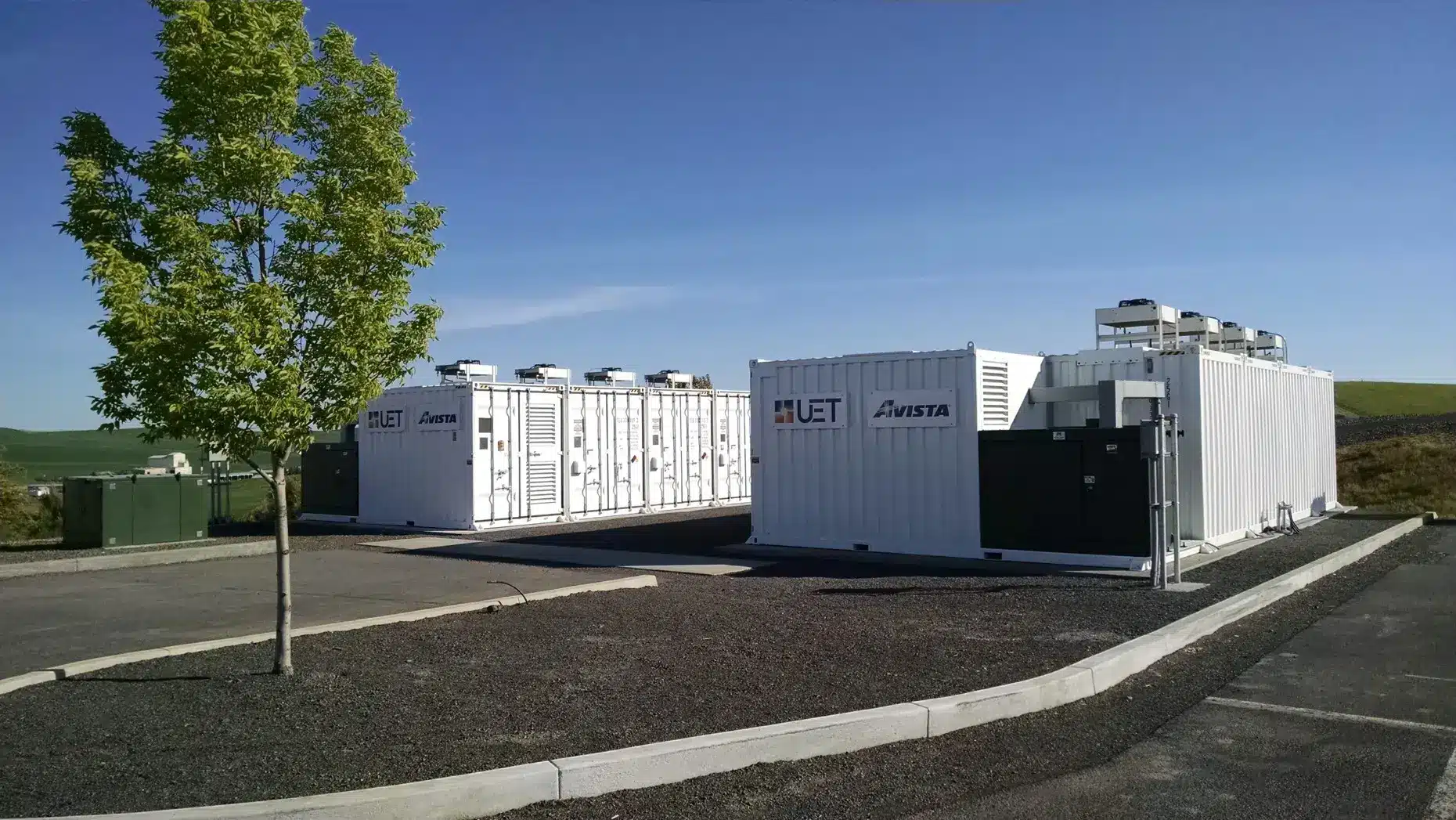
About Battery Energy Storage Systems
- This scheme envisages the development of 4,000 MWh of BESS projects by 2030-31.
- Funding:
- Financial support of up to 40% of the capital cost as budgetary support in the form of Viability Gap Funding (VGF) is provided by the union government.
- The VGF shall be disbursed in five tranches linked with the various stages of implementation of BESS projects.
- By offering VGF support, the scheme targets achieving a Levelized Cost of Storage (LCoS) ranging from Rs. 5.50-6.60 per kilowatt-hour (kWh), making stored renewable energy a viable option for managing peak power demand across the country.
- For passing on the scheme to consumers of the Discoms, at least 85% of the power from VGF-funded BESS projects shall be first offered to Discoms before making it available for others.
- The selection of BESS developers for VGF grants will be carried out through a transparent, competitive bidding process, promoting a level playing field for both public and private sector entities.
- Significance:
- This will not only enhance the integration of renewable energy into the electricity grid but also minimise wastage while optimising the utilisation of transmission networks.
- This will reduce the need for costly infrastructure upgrades.
- The competitive bidding process approach will foster healthy competition and encourage the growth of a robust ecosystem for BESS, attracting significant investments and generating opportunities for associated industries.
- This scheme is designed to harness the potential of renewable energy sources such as solar and wind power; the scheme aims to provide clean, reliable, and affordable electricity to the citizens.
Q1) What is Renewable energy?
Renewable energy is energy derived from natural sources that are replenished at a higher rate than they are consumed. Sunlight and wind, for example, are such sources that are constantly being replenished. Renewable energy sources are plentiful and all around us.


 Last updated on Oct, 2026
→ UPSC 2027 Notification will be released on 13 January 2027 at upsconline.nic.in.
→ Check Nobel Prize 2026 Winners List here.
→ Download PIB PRiSM Monthly Magazine 2026 here.
→ Check UPSC Monthly Current Affairs Magazine The Recitals here.
→ Check out the latest UPSC Syllabus here.
→ Download UPSC Model Answers for Mains 2026
→ UPSC Mains Question Paper 2026 is out now for Essay & GS Paper 1, 2, 3 & 4.
→ UPSC Calendar 2027 has been released.
→ Enroll in Vajiram & Ravi’s UPSC Mains Test Series 2027 for structured answer writing practice, expert evaluation, and exam-oriented feedback.
→ Join Vajiram & Ravi’s UPSC Mentorship Program 2027 for personalized guidance, strategy planning, and one-to-one support from experienced mentors.
→ Go through the UPSC Mains Previous Year Papers to enhance your preparation.
→ UPSC has released UPSC Toppers List 2025 with the Civil Services final result on its official website.
→ Also check Best UPSC Coaching in India