About Ferroptosis:
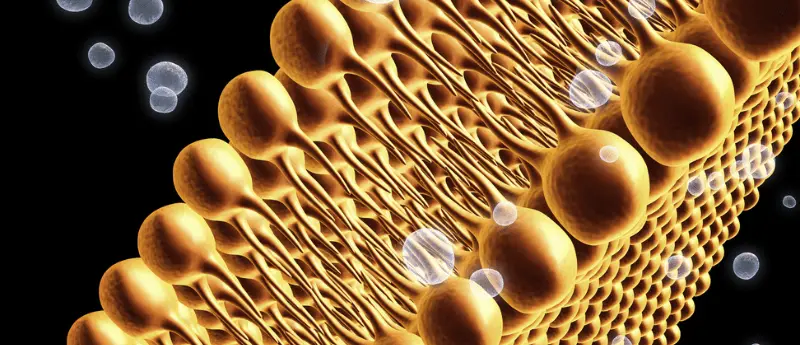
- Ferroptosis is a form of regulated cell death caused by a toxic buildup of lipid peroxideson cell membranes.
- It is different from other forms of cell death, such as apoptosis.
- This type of cell death requires iron, which is why it has the name “FERroptosis.”
- How does it happen?
- Lipid peroxides, which are generated through normal metabolic activities, can lead to oxidative damage to cell membranes.
- Ferroptosisis characterized by a reduction in intracellular glutathione (GSH) and decreased activity of glutathione peroxidase, so that lipid peroxides cannot be oxidized, leading to an increase in lipid peroxidation from iron.
- Our cells have powerful defense mechanisms to maintain cell survival.
- However, when our defense mechanisms become defective, unchecked lipid peroxides accumulate to toxic levels, damage membrane integrity, and kill cells through ferroptosis.
- Several studies have linked ferroptosis with many diseases, including ischemia-reperfusion and kidney injuries, nervous system diseases, cancer, and blood diseases.
What is Apoptosis?
- Apoptosis is a process of programmed cell death that occurs in multicellular organisms.
- It is a highly regulated and controlled process that occurs normally during development and aging as a homeostatic mechanism to maintain cell populations in tissues.
- For example, the separation of fingers and toes in a developing human embryo occurs because cells between the digits undergo apoptosis.
- Apoptosis also occurs as a defence mechanism such as in immune reactions or when cells get damaged by disease or by noxious agents.
- Apoptosis can be triggered by mild cellular injury and by various factors internal or external to the cell; the damaged cells are then disposed of in an orderly fashion.
- Apoptosis involves condensation of the nucleus and cytoplasm, followed by cellular partitioning into well-defined fragments for disposal.
Q1: What are lipids?
Lipids are fatty compounds that perform a variety of functions in your body. They’re part of your cell membranes and help control what goes in and out of your cells. They help with moving and storing energy, absorbing vitamins and making hormones. Having too much of some lipids is harmful.
Source: Research shows that ferroptosis, a form of cell death, occurs in severe COVID-19 patient lungs


 Last updated on Oct, 2026
→ UPSC 2027 Notification will be released on 13 January 2027 at upsconline.nic.in.
→ Asian Games 2026 are being held in Aichi-Nagoya, Japan, from 19 September to 4 October.
→ Check Nobel Prize 2026 Winners List here.
→ Download PIB PRiSM Monthly Magazine 2026 here.
→ Check UPSC Monthly Current Affairs Magazine The Recitals here.
→ Check out the latest UPSC Syllabus here.
→ Download UPSC Model Answers for Mains 2026
→ UPSC Mains Question Paper 2026 is out now for Essay & GS Paper 1, 2, 3 & 4.
→ UPSC Calendar 2027 has been released.
→ Enroll in Vajiram & Ravi’s UPSC Mains Test Series 2027 for structured answer writing practice, expert evaluation, and exam-oriented feedback.
→ Join Vajiram & Ravi’s UPSC Mentorship Program 2027 for personalized guidance, strategy planning, and one-to-one support from experienced mentors.
→ Go through the UPSC Mains Previous Year Papers to enhance your preparation.
→ UPSC has released UPSC Toppers List 2025 with the Civil Services final result on its official website.
→ Also check Best UPSC Coaching in India