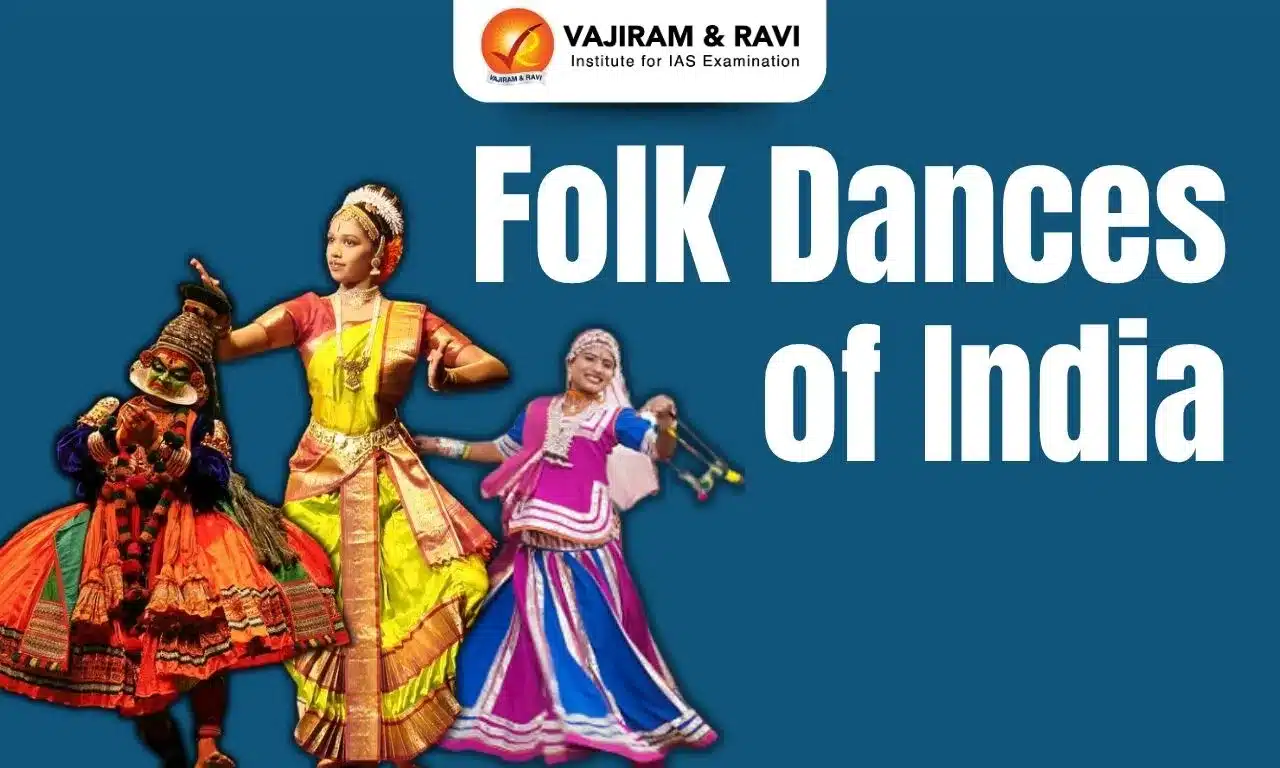
India is a land of diverse cultures, with each region showcasing unique traditions, languages, and art forms. Among these, Folk Dances of India play a significant role in reflecting the country’s cultural richness. From the classical to regional folk performances, dance is an essential part of India’s heritage. For candidates preparing for government exams, understanding List of Folk Dances of India is crucial. This article covers the most commonly asked folk dances, focusing on those that have appeared in past exams and those likely to feature in future ones, ensuring thorough exam preparation.
Folk Dances of India
Folk dances in India are dance forms which represent different communities and are performed during celebrations such as births, festivals, weddings, and other special occasions. These dances aren’t performed by professionals but by people who carry forward age-old traditions, showcasing the cultural identity and values passed down through generations. Unique to each region, these dances showcase the cultural identity and narrates tales of heritage, joy, and the shared history of the community.
Folk Dances of India Historical Background
The history of Indian folk dances goes back to ancient agricultural communities. Early human settlements performed group dances to thank nature, celebrate good harvest, pray for rain and mark important events. As kingdoms, trade routes and communities evolved, these dances absorbed new cultural influences such as tribal customs, local mythology, regional music and craftsmanship. Over time, folk dances became part of community identity and were performed during festivals, fairs and seasonal rituals. Many dances also served social purposes such as community coordination, storytelling or strengthening unity within villages.


Folk Dances of India State Wise Categories
To understand them better, folk dances can be studied region-wise or theme-wise. Below are the major categories.
1. North Indian Folk Dances
These dances are energetic, vibrant and often linked with agriculture and festivals. Major Examples:
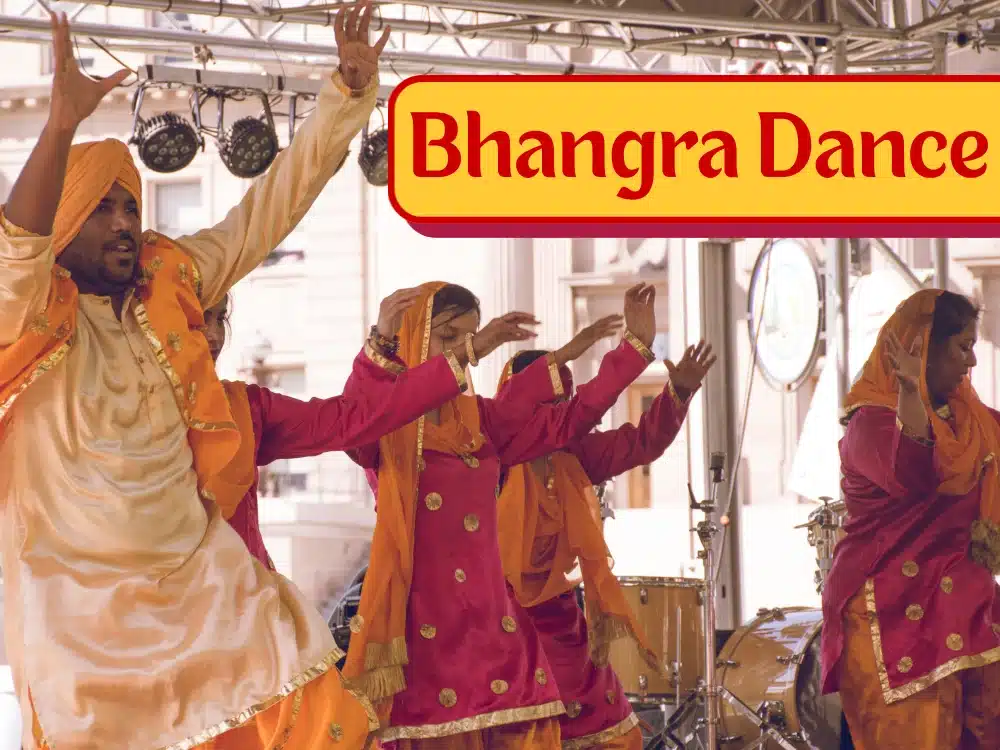
- Bhangra (Punjab): Performed during Baisakhi; celebrates harvest.
- Gidda (Punjab): Women’s dance expressing folk stories and humor.
- Rouf (Jammu and Kashmir): Slow, graceful steps performed during Ramadan and spring season.
- Kud (Jammu): Performed by villages to thank local deities.
- Features: Use of drums like dhol, colorful attire, group movements, and strong community participation.
2. West Indian Folk Dances
These dances highlight desert culture, royal traditions and festive celebrations. Major Examples:
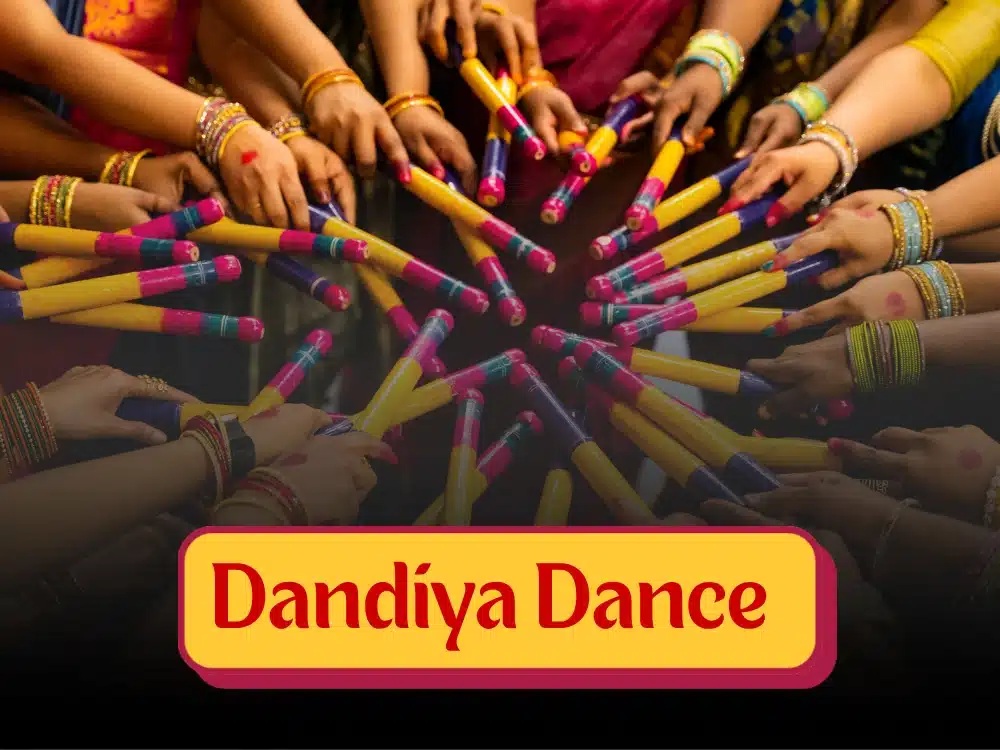
- Garba (Gujarat): Performed in circles during Navratri with clapping patterns.
- Dandiya Raas (Gujarat): Stick dance performed in pairs.
- Ghoomar (Rajasthan): Graceful circular movements performed by women.
- Kachhi Ghodi (Rajasthan): Mock horse dance narrating heroic tales.
- Features: Rich costumes, mirror-work dresses, use of traditional instruments like dhol, nagada, shehnai.
3. East Indian Folk Dances
These dances are deeply influenced by nature, harvest rituals and tribal life. Major Examples:
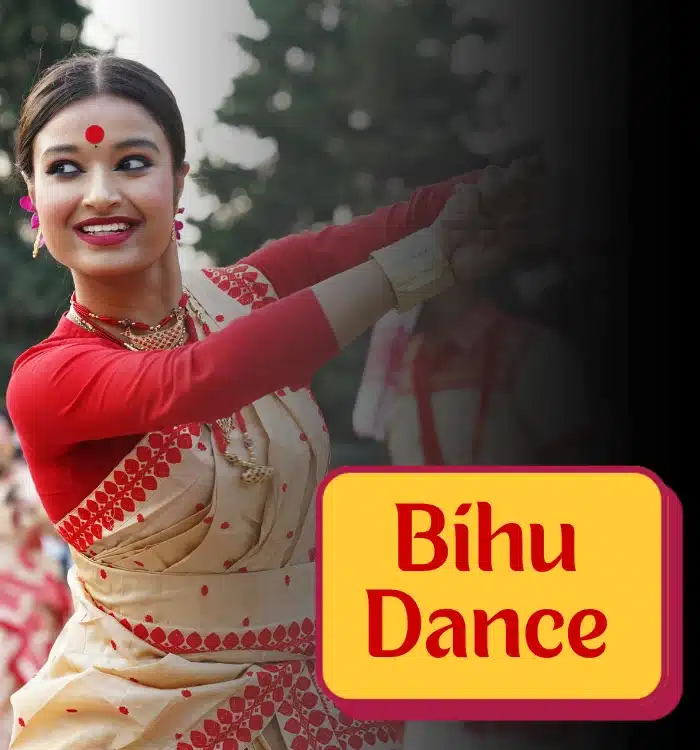
- Bihu (Assam): Celebrates Assamese New Year and spring; involves fast beats.
- Chhau (Odisha, West Bengal, Jharkhand): Martial art-based dance with masks.
- Santhali Dance (Jharkhand/West Bengal): Tribal dance celebrating community unity.
- Jhumur (Bengal region): Rhythmic dance expressing daily rural life.
- Features: Bamboo instruments, rhythmic footwork, storytelling through movements.
4. South Indian Folk Dances
These dances focus on temple traditions, local myths and agricultural celebrations. Major Examples:
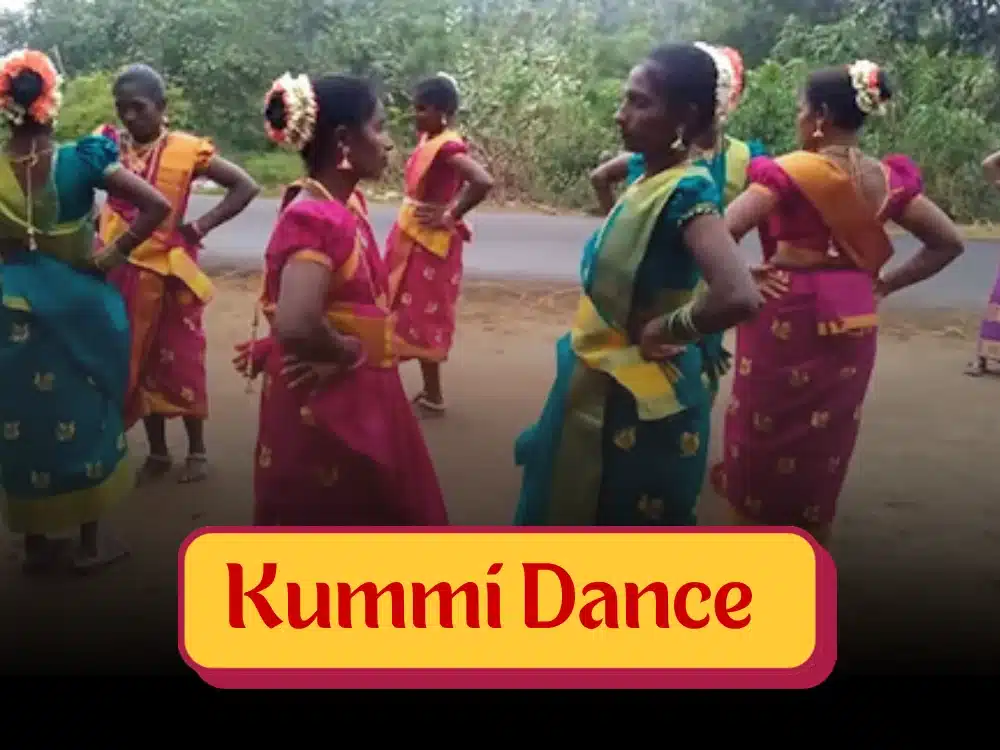
- Kummi (Tamil Nadu): Simple clapping dance by women.
- Karagattam (Tamil Nadu): Balancing pots decorated as temple offerings.
- Theyyam (Kerala): Ritual dance where performers take the form of deities.
- Dollu Kunitha (Karnataka): Drum-based vigorous dance by men.
- Oggu Katha (Telangana): Storytelling dance glorifying local heroes and Gods.
- Features: Strong devotional links, colorful makeup, ritual elements and fast rhythms.
5. Central Indian Folk Dances
Central India has a strong tribal cultural base and most dances here connect with forests, festivals and local beliefs. Major Examples:
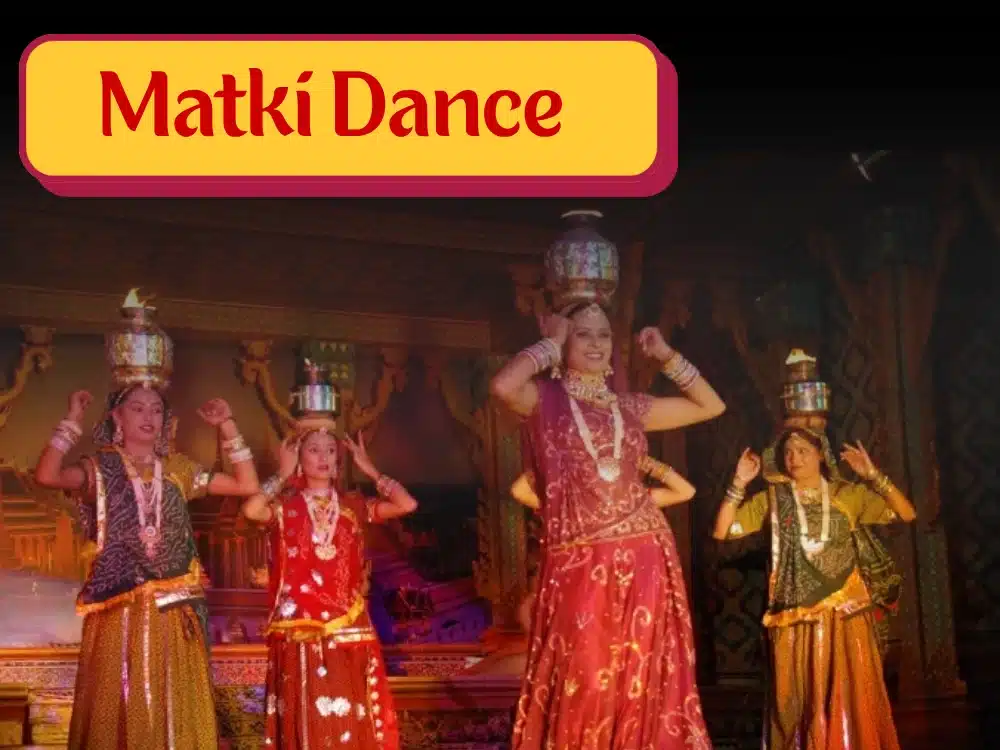
- Gaur Dance (Madhya Pradesh/ Chhattisgarh): Tribal dance honoring hunting traditions.
- Saila Dance (Chhattisgarh): Performed during post-harvest season.
- Matki Dance (Madhya Pradesh): Women perform balancing acts with pots.
- Features: Use of natural materials, vibrant group movements and symbolic animal or nature-inspired steps.
List of Folk Dances of India State Wise
The State Wise List of the Folk Dances of India has been provided below. The list contains the names of all major Folk Dances in Indian States:
- Andhra Pradesh: Kuchipudi, Dappu, Dhimsa, Kolattam, Vilasini Natyam, Andhra Natyam, Bhamakalapam, Veeranatyam, Dappu, Tappeta Gullu, Lambadi, Dhimsa, Kolattam, Butta Bommalu.
- Assam: Bihu, Gamocha, Tabal Chongli, Natpuja, Bichhua, Maharas, Kaligopal, Bagurumba, Naga dance, Khel Gopal, Tabal Chongli, Canoe, Jhumura Hobjanai.
- Bihar: Jata-Jatin, Bakho-Bakhain, Panwariya, Sama Chakwa, Bidesia
- Gujarat: Garba, Dangi, Hallisaka, Gheriya Nritya, Dandia (On Navratri), Rathwa ni Gher (On Holi by Rathwa Tribe), Dandiya Ras, Tippani Juriun, Bhavai
- Haryana: Jhumar, Phag, Daph, Dhamal, Loor (by Women), Ratvai (By Mewati Tribes), Gugga, Khor, Gagor
- Himachal Pradesh: Jhora, Chharhi, Thoda (Sports Dance/ Martial Art form), Chham (By Buddhist to ward off evil spirit), Nati ( Guiness Book of World), Jhali, Dhaman, Chhapeli, Mahasu, Dangi
- Jammu and Kashmir: Rauf, Dhumal, Hafiza, Bhand Pather, Hikat, Mandjas, Kud Dandi Nach, Damali
- Karnataka: Yakshagana, Bolak-aat, Ummatt-aat, Dollu Kunitha, Hampi, Bayalata, Veeragase (During Dussehra), Bhootada Kola (Walking on bed of hot coal), Huttari, Suggi, Kunitha, Karga, Lambi
- Kerala: Kathakali (Classical), Kummattikali (Mask dance), Kolkali, Padayani, Ottamthullal, Mohiniattam, Kaikottikali
- Maharashtra: Lavani, Povada, Dhangari Gaja, Lezim (During Ganesh Festival), Nakata, Koli, Gafa, Dahikala, Dashavatar or Bohada
- Odisha: Mayurbhanj Chhau (Martial Art form derived from Tribal), Savari, Ghumara, Munari, Chhau, Odissi (Classical), Dalkhai, Sakhi Kandhei (Puppet Dance), Paika, Gotipua, Tiger Nach (Bagh Nach on Chatra month), Ranapa (Enacting Chapters from life of Lord Krishna)
- West Bengal: Jatra, Baul, Marasia, Mahal, Kathi, Gambhira, Dhali, Bhatiyali Geet, Gambira (Using Wooden Masks), Alkam (Famous Dancing, Singing), Keertan
- Punjab: Dhaman, Bhand, Naqual, Baga (Martial Dance), Heer Geet, Tappa (Often shows soreness of a lover), Viyahula Giddha (During Marriage), Bhangra (Bhangra word derived from Hemp), Daff
- Rajasthan: Ghumar, Chakri, Bhavai, Jhulan, Gangaur, Terah Taali, Suisini, Kalbelia (UNESCO Recognised dance form), Ghoomar (State Dance of Rajasthan), Khayal (By Bhawai Tribe), Jhulan Leela, Jhuma, Suisini, Ghapal, Kalbeliya
- Tamil Nadu: Bharatanatyam, Kummi, Karagam, Natyanjali (Tribute to Lord Shiva), Kolattam, Kavadi
- Uttar Pradesh: Nautanki, Raslila, Kajri, Jhora, Chappeli, Jaita
- Uttarakhand: Garhwali, Kumayuni, Kajari, Jhora, Raslila, Choliya (Martial art/ Sword Dance), Hurka Baul, Chappeli
- Goa: Tarangamel, Dhalo, Kunbi (Tribal Dance), Dhangar (Shepherd Community during Navratri), Koli, Dekhni, Fugdi, Shigmo, Ghode Modni, Samayi nrutya, Jagar, Ranmale, Gonph, Tonnya mell
- Madhya Pradesh: Jawara, Matki, Phulpati (By unmarried girls of Malwa Community), Aada, Khada Nach, Phulpati, Grida Dance, Selalarki, Selabhadoni, Maanch
- Chhattisgarh: Gaur Maria, Panthi, Gaur, Saila (By Boys after harvest Season), Sua (Tribal Dance Women dance like a Parrot), Raut Nacha, Pandwani, Vedamati, Kapalik, Bharthari Charit, Chandaini
- Jharkhand: Alkap, Karma Munda, Agni, Jhumar, Janani Jhumar, Mardana Jhumar, Paika, Karma (During Autumn Season), Birhor (By Tribe Birhor), Kadsa (Carrying Kalasha), Phagua, Hunta Dance, Mundari Dance, Sarhul, Barao, Jhitka, Danga, Domkach, Ghora Naach
- Arunachal Pradesh: Buiya, Rikhampada, Ponu Yoksi, Bardo Chham, Ponung, Popir, Chalo, Wancho, Pasi Kongki, Ponung, Popir, Bardo Chham
- Manipur: Dol Cholam, Thang Ta, Lai Haraoba, Pung Cholom, Khamba Thaibi, Nupa Dance, Raslila, Jagoi, Khubak Ishei, Lhou Sha
- Meghalaya: Ka Shad Suk Mynsiem, Laho, Nongkrem (By Khasi Tribes during Wangla Festival), Chad Sukra (Celebrate as a sowing festival), Behdienkhlam
- Mizoram: Cheraw Dance, Khuallam, Chailam, Sawlakin, Cheraw (Traditional Bamboo Dance), Khullam (Performed by village Guests), Chawnglaizawn, Zangtalam, Par Lam, Sarlamkai/Solakia, Tlanglam
- Nagaland: Rangma, Bamboo Dance, Zeliang, Nsuirolians, Gethinglim, Temangnetin, Hetaleulee, Leshalaptu, Aaluyattu (By konyak tribe)
- Tripura: Hojagiri, Maimata (By Kaloi Community)
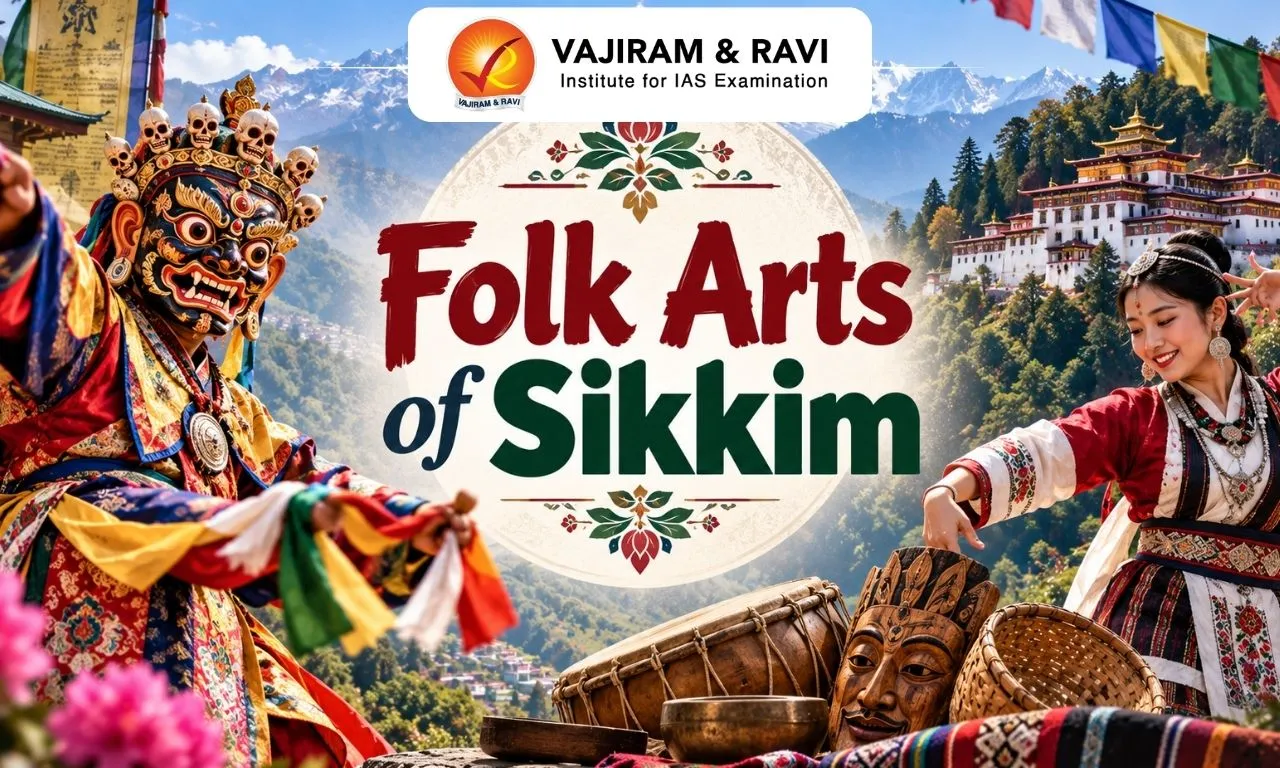
- Sikkim: Chu Faat Dance, Sikmari, Singhi Chaam or the Snow Lion Dance, Yak Chaam, Denzong Gnenha, Tashi Yangku Dance, Khukuri Naach, Chutkey Naach, Maruni Dance, Chu Faat (By Lepcha Community, in honour of Mount Khangchendzonga), Maruni, Limbo or Subba (Chyap Brung music instrument is used), Lama or Chham (Masked Dance by buddhist lamas during Pong Lhabsol Festival)
- Ladakh: Spao
- Lakshadweep: Lava, Kolkali, Chakali, Parichakali
What are Classical Dances?
India’s classical dance forms are a significant part of its cultural and religious heritage. These dances hold deep connections to Hindu mythology, often symbolizing devotion to Hindu deities. Here is a List of Classical Dances of India, each with its own unique style and cultural significance:
| List of Classical Dances in India | |
| Dance Form |
State |
|
Tamil Nadu |
|
|
Uttar Pradesh |
|
|
Kuchipudi |
Andhra Pradesh |
|
Odisha |
|
|
Kerala |
|
|
Assam |
|
|
Manipur |
|
|
Mohiniyattam |
Kerala |
Folk Dances of India Significance
Folk dances play an important role in shaping cultural identity and social harmony. They preserve ancient customs and provide a platform for storytelling and expression. Many folk dances strengthen unity within communities, promote physical coordination and help transmit values and history to younger generations. They also attract tourism, support local artisans, and generate economic opportunities for performers, musicians and costume makers. In modern times, folk dances are performed in schools, cultural festivals, national events and international platforms to showcase India’s cultural diversity.
Folk Dances of India Challenges
Several Challenges faced in Preserving the Folk Dances of India:
- Urbanization and modernization have reduced community participation.
- Youth migration to cities leads to loss of performers in rural areas.
- Decline in traditional instruments affects authenticity.
- Commercialization sometimes modifies original forms.
- Lack of documentation leads to disappearance of many tribal dances.
- Insufficient government funding for local artists prevents regular performances.
Folk Dances of India Government Initiatives
Various national and state-level initiatives aim to preserve folk dances. These efforts help maintain the continuity of folk traditions and create new platforms for artists.
- Sangeet Natak Akademi documents and promotes traditional performing arts.
- Zonal Cultural Centres (ZCCs) conduct fairs and cultural festivals.
- Ministry of Culture’s schemes support folk artists financially.
- Tribal Research Institutes record tribal dances and customs.
- Republic Day cultural segments regularly showcase dances from different states.

 Last updated on Sep, 2026
→ UPSC 2027 Notification will be released on 13 January 2027 at upsconline.nic.in.
→ Check out the latest UPSC Syllabus here.
→ Download UPSC Model Answers for Mains 2026
→ UPSC Mains Question Paper 2026 is out now for Essay & GS Paper 1, 2, 3 & 4.
→ UPSC Calendar 2027 has been released.
→ Enroll in Vajiram & Ravi’s UPSC Mains Test Series 2027 for structured answer writing practice, expert evaluation, and exam-oriented feedback.
→ Join Vajiram & Ravi’s UPSC Mentorship Program 2027 for personalized guidance, strategy planning, and one-to-one support from experienced mentors.
→ Go through the UPSC Mains Previous Year Papers to enhance your preparation.
→ UPSC has released UPSC Toppers List 2025 with the Civil Services final result on its official website.
→ Also check Best UPSC Coaching in India
Folk Dances of India FAQs
Q1. Which is the National Dance of India?+
Q2. Which is the Oldest Dance of India?+
Q3. Bihu is Folk Dance of which State in India?+
Q4. What is Kashmiri Folk Dance called?+
Q5. What is Folk Dance of Gujarat?+
Tags: art and culture dances of india folk dances of india indian society