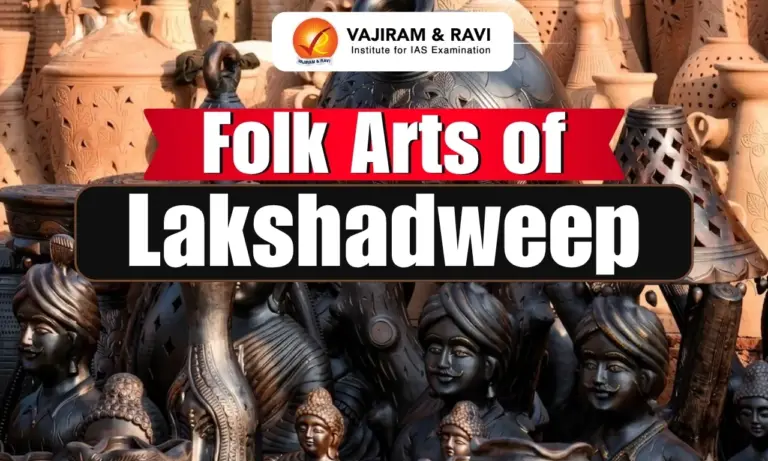
Lakshadweep is a Union Territory of India known for its coral islands, coconut based livelihoods, fishing traditions and distinct cultural heritage. Its cultural life shows strong historical links with Kerala, Islamic traditions and island life. Folk Arts of Lakshadweep include dances, music, crafts, jewellery, weaving, boat making traditions, cuisine and colourful community practices preserved across generations.
Folk Arts of Lakshadweep 2026
Folk Arts of Lakshadweep are traditional cultural expressions preserved through community celebrations, family occasions, festivals, occupations and everyday practices. Kolkali and Parichakali are widely known folk art forms, while Lava is especially prominent in Minicoy. Folk ballads, Oppana, coconut shell crafts, weaving, wood carving and traditional fishing boats further enrich this cultural heritage.
Famous Folk Arts of Lakshadweep 2026 List
The Famous Folk Arts of Lakshadweep combine traditional dances, music, crafts, jewellery, weaving, boat traditions and food shaped by island life.
Famous Folk Dances of Lakshadweep 2026
Famous Folk Dances of Lakshadweep preserve community traditions and display colourful costumes, rhythmic movements, traditional songs and historical themes across different islands. These dances are the intrinsic part of the Folk Arts of Lakshadweep.
- Kolkali: Kolkali literally means stick dance, with “Kol” referring to a stick. Men perform it in pairs while moving in circles and striking sticks rhythmically.
- Parichakali: Parichakali means shield dance and uses soft wooden swords and shields. Performances depict combat, bravery, warriors and freedom struggles through energetic movements.
- Lava: Lava is the most popular dance form of Minicoy. Dancers wear colourful costumes and headgear while performing to drum beats and accompanying songs.
- Dandi: Dandi is a traditional dance associated particularly with Minicoy. It forms part of the island’s colourful folk performance tradition along with Lava, Bandiya and Fuli.
- Bandiya: Bandiya is among the traditional dance forms practised in Minicoy. It contributes to the island’s vibrant performance traditions and colourful cultural expression.
- Fuli: Fuli is another traditional Minicoy dance form. It reflects the colourful character of local celebrations and the community based nature of island performances.
- Thara: Thara is listed among the traditional art forms practised in Lakshadweep. It forms part of the territory’s diverse inherited folk performance traditions.
Famous Folk Music of Lakshadweep 2026
Folk Music of Lakshadweep reflects Kerala’s cultural influence, Islamic traditions and historical memories preserved through songs, ballads, celebrations and dance performances.
- Folk Ballads: Folk ballads are one of the important Folk Arts of Lakshadweep that narrate historical memories during household occasions and festivities. Themes include the arrival of Hazrat Ubaidullah and the ransack of islands by Portuguese forces.
- Oppana: Oppana is commonly performed during marriages. A lead singer sings while a group of women follows, making it an important part of wedding celebrations.
- Dance Songs: Kolkali, Parichakali, Lava and other dances are performed with accompanying songs. Their music supports rhythmic movements and strengthens the collective character of performances.
Traditional Crafts of Lakshadweep 2026
Crafts under the Folk Arts of Lakshadweep make extensive use of locally available natural materials and demonstrate traditional skills passed through generations of island communities. Island resources such as coconut, coir, screw pine leaves, wood, shells, corals and pearls have traditionally supported diverse handicraft practices.
- Coconut Shell Crafts: Craftsmen transform coconut shells into ladles, spoons, cups, earrings, pendants, lamps and chandeliers. These products demonstrate skilled workmanship and sustainable use of coconut resources.
- Laccadive Jewelry: Traditional jewellery is made using gold, coral and pearls. Designs commonly draw inspiration from marine life and local flora, reflecting the natural surroundings of Lakshadweep.
- Mats and Weaving: Weavers produce mats and baskets using coir from coconut husks and screw pine leaves. Detailed patterns and colours add decorative value to these functional products.
- Wood Carving: Local craftsmen carve wood into doors, furniture and decorative objects. Traditional motifs and designs preserve distinctive elements of Lakshadweep’s artistic heritage.
- Tortoise Shell Craft: Tortoise shells were traditionally used for table lamps, small boxes and ornamental products. The practice is no longer encouraged because of sea turtle conservation efforts.
Traditional Fishing Crafts of Lakshadweep 2026
Fishing is an important traditional livelihood in Lakshadweep and its boats represent practical knowledge developed around lagoon and deep sea fishing. The major Folk Arts of Lakshadweep related to the Fishing tradition of the island include:
- Odum: Odum is a traditional sailing craft made using coconut wood and coir. It is suited for deep sea fishing, particularly tuna fishing and reflects the islands’ maritime traditions.
- Machhwa: Machhwa is mainly used for lagoon fishing and near shore operations. It has a dugout hull, single mast and mat sail suited to local waters.
Lifestyle and Decorative Arts of Lakshadweep 2026
Everyday cultural practices also express the identity of Folk Arts of Lakshadweep through colourful houses, boats, furniture, clothing, jewellery and decorative objects.
- Minicoy Colours: Colourful painting is particularly visible in Minicoy. Villages traditionally have distinctive colours, with houses within a village following its identified colour pattern.
- Boat Replicas: Brightly painted replicas of boats are used as home decorations. They connect household aesthetics with Lakshadweep’s strong maritime and fishing traditions.
- Costume: Lakshadweep women traditionally wear embroidered jackets. The embroidery reflects local handicraft skills and forms part of the islands’ distinctive cultural appearance.


Folk Arts of Lakshadweep Significance
Folk Arts of Lakshadweep preserve historical memories, community traditions, occupational knowledge and cultural links between the islands, Kerala and Islamic heritage.
- Cultural Identity: Folk dances, songs, crafts and costumes preserve the distinctive identity of island communities and transmit traditional practices across generations.
- Historical Memory: Folk ballads preserve stories associated with Hazrat Ubaidullah and Portuguese attacks. They provide a cultural record of important episodes remembered by local communities.
- Natural Resource Use: Coconut shells, coir, screw pine leaves, wood, coral and pearls support traditional crafts. These practices demonstrate how island communities use locally available resources.
- Community Life: Folk performances are closely linked with marriages, festivities and family occasions. Oppana and traditional dance forms provide important spaces for collective cultural participation.
- Minicoy Heritage: Minicoy has a distinctive cultural profile within Lakshadweep. Lava, Dandi, Bandiya and Fuli are important dance traditions, while colourful houses and boat replicas add to its visual heritage.
- Kerala Connection: Historical and cultural links with Kerala are visible in Lakshadweep’s music, cuisine, arts and crafts. This connection forms an important part of the territory’s cultural character.
- Islamic Influence: Lakshadweep’s music has developed strong Islamic influences following the historical spread of Islam. Religious and cultural traditions have therefore shaped its contemporary musical practices.
- Livelihood Connection: Fishing crafts, coconut shell products, weaving and related skills connect artistic traditions with everyday livelihoods. Odum and Machhwa especially reflect the importance of fishing.
- Conservation Awareness: The decline of tortoise shell craft demonstrates changing cultural practices under conservation priorities. Protecting traditional arts therefore requires balancing heritage preservation with environmental protection.

 Last updated on Oct, 2026
→ UPSC 2027 Notification will be released on 13 January 2027 at upsconline.nic.in.
→ Check Nobel Prize 2026 Winners List here.
→ Download PIB PRiSM Monthly Magazine 2026 here.
→ Check UPSC Monthly Current Affairs Magazine The Recitals here.
→ Check out the latest UPSC Syllabus here.
→ Download UPSC Model Answers for Mains 2026
→ UPSC Mains Question Paper 2026 is out now for Essay & GS Paper 1, 2, 3 & 4.
→ UPSC Calendar 2027 has been released.
→ Enroll in Vajiram & Ravi’s UPSC Mains Test Series 2027 for structured answer writing practice, expert evaluation, and exam-oriented feedback.
→ Join Vajiram & Ravi’s UPSC Mentorship Program 2027 for personalized guidance, strategy planning, and one-to-one support from experienced mentors.
→ Go through the UPSC Mains Previous Year Papers to enhance your preparation.
→ UPSC has released UPSC Toppers List 2025 with the Civil Services final result on its official website.
→ Also check Best UPSC Coaching in India
Folk Arts of Lakshadweep 2026 FAQs
Q1. What are the major Folk Arts of Lakshadweep?+
Q2. Which is the most popular Folk Dance of Lakshadweep?+
Q3. Which Folk Dance is popular in Minicoy Lakshadweep?+
Q4. What is the Kolkali Dance of Lakshadweep?+
Q5. What are the Famous Crafts of Lakshadweep?+
Tags: folk arts folk arts of lakshadweep