Bhagavad Gita and Natyashastra Added to UNESCO’s Memory of the World Register

UNESCO Memory of the World

What’s in Today’s Article?

  • UNESCO Memory of the World Latest News
  • UNESCO’s Memory of the World Programme: A Global Effort to Preserve Documentary Heritage
  • India’s Contributions to UNESCO’s Memory of the World Register
  • Natyashastra: A Pillar of Indian Performing Arts
  • Bhagavad Gita: A Timeless Spiritual Dialogue
  • UNESCO Memory of the World FAQs

UNESCO Memory of the World Latest News

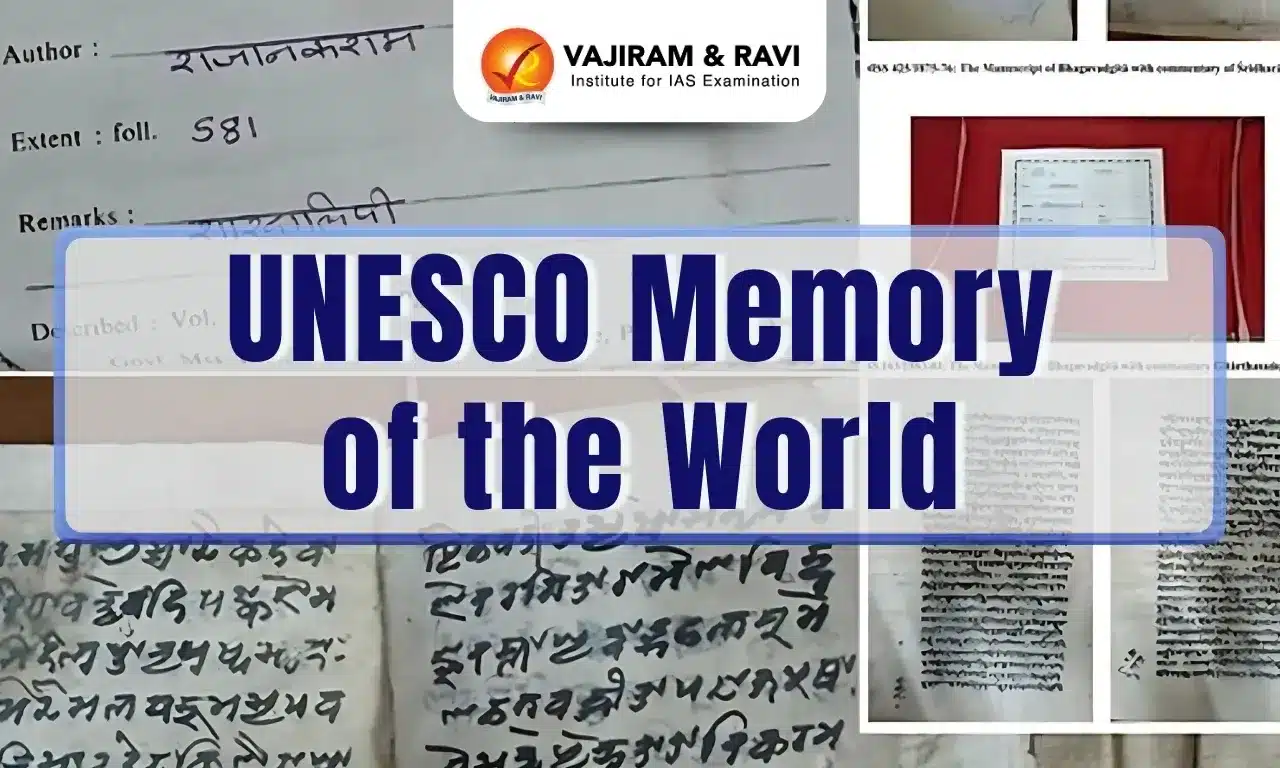
  • The manuscripts of the Bhagavad Gita and Bharata’s Natyashastra have been added to UNESCO’s Memory of the World Register among 74 new entries. 
  • PM Modi hailed this as a proud moment for all Indians, noting that these ancient texts have shaped civilization and continue to inspire globally.

UNESCO’s Memory of the World Programme: A Global Effort to Preserve Documentary Heritage

  • Launched in 1992, UNESCO’s Memory of the World (MoW) Programme aims to protect valuable archive holdings and library collections worldwide. 
  • It seeks to prevent "collective amnesia" by ensuring the preservation and wide accessibility of the world’s documentary heritage.

Objective and Vision

  • The programme upholds that the world’s documentary heritage belongs to all and must be preserved, protected, and made permanently accessible, respecting cultural contexts and practicalities.

The MoW Register

  • At the heart of the programme is the Memory of the World Register — a curated list of documents, manuscripts, oral traditions, audio-visual materials, and archival holdings of global significance and universal value.

Updates and Submissions

  • The Register has been updated biennially since 1997, with exceptions between 2017 and 2023.
  • A maximum of two submissions per country are considered for inclusion in any given year.
  • The number of new additions ranges from 9 (in 1999) to 78 (in 2017).

Current Status and Notable Inclusions

  • The Register now features 570 entries.
  • Examples include:
    • Mahavamsa (Sri Lanka’s historical chronicle)
    • Drawings by Sakubei Yamamoto (Japan, Meiji era)
    • Over 11,000 Shaiva Siddhanta manuscripts
    • 430 hours of Frankfurt Auschwitz trial recordings (1963–65)
    • Video of Sheikh Mujibur Rahman’s March 7, 1971 speech

India’s Contributions to UNESCO’s Memory of the World Register

  • India has made 13 submissions to the Register, including two joint entries with other nations.

Range of Submissions

  • India’s entries span ancient scriptures, philosophical works, and modern political archives:
    • Rig Veda (added in 2005)
    • Works of Shaivite philosopher Abhinavagupta (added in 2023)
    • Archives of the first Non-Aligned Movement (NAM) summit, Belgrade, 1961 (added in 2023)
    • Archives of the Dutch East India Company (added in 2003)

Joint Submissions

  • NAM summit archives: Jointly submitted with Algeria, Egypt, India, Indonesia, and Serbia
  • Dutch East India Company archives: Jointly submitted with Indonesia, Netherlands, South Africa, and Sri Lanka

Recent Additions Highlight Literary Heritage

  • India’s 2024 submissions focus on ancient manuscripts — specifically preserved versions of the Bhagavad Gita and Natyashastra — maintained by the Bhandarkar Oriental Research Institute in Pune. 
  • These reflect the country’s enduring contribution to world literature and philosophical thought.

Natyashastra: A Pillar of Indian Performing Arts

  • Traditionally attributed to sage Bharata, the Natyashastra is an ancient Sanskrit treatise on performing arts. 
  • It comprises around 36,000 verses detailing drama (natya), performance (abhinaya), music (sangita), emotions (bhava), and aesthetic experience (rasa).

Date and Compilation

  • Scholars estimate its compilation between 500 BCE and 500 CE, with UNESCO citing around the 2nd century BCE as the most likely period.

Core Contribution: The Concept of Rasa

  • The Natyashastra is renowned for its exposition of rasa — the “essence” or emotional flavor of a performance. 
  • Bharata declared, “no meaning can blossom forth without rasa,” making it central to all artistic expression.
  • According to Wallace Dace, while actors imitate emotions, the audience “tastes” them — a distinct, aesthetic experience separate from real-life emotions.
  • Susan L. Schwartz adds that this process transports audiences into a “parallel reality,” enabling reflection on spiritual and moral dimensions of life.

UNESCO Recognition

  • UNESCO hails the Natyashastra as a profound contribution to world literature, highlighting its influence on global theories of aesthetics and performance.

Bhagavad Gita: A Timeless Spiritual Dialogue

  • Traditionally ascribed to sage Vyasa, the Bhagavad Gita is a Sanskrit scripture consisting of 700 verses divided into 18 chapters. 
  • It is embedded within the sixth book (Bhishma Parva) of the epic Mahabharata.

Philosophical Synthesis

  • UNESCO describes the Gita as a cornerstone of India’s intellectual tradition, synthesising diverse schools of thought including Vedic, Buddhist, Jain, and Charvaka philosophies.

Dating and Composition

  • While the text is generally dated to the first or second century BCE, some scholars, like Winthrop Sargeant, suggest it was first written down in the second or third centuries CE after an earlier oral tradition.

Core Narrative and Themes

  • The Gita presents a profound dialogue between warrior Arjuna and his charioteer Krishna, an incarnation of Lord Vishnu, on the eve of the great war of the Mahabharata.
  • Faced with the moral dilemma of fighting his own kin, Arjuna seeks guidance, and Krishna's response unfolds the Gita’s central themes: duty (dharma), righteousness, detachment, devotion, and self-realization.

UNESCO Memory of the World FAQs

Q1. What is UNESCO's Memory of the World Programme?

Ans. Launched in 1992, it preserves and ensures global access to documentary heritage, including manuscripts and oral traditions.

Q2. What is the significance of Bhagavad Gita's inclusion?

Ans. It represents India's intellectual tradition and philosophical synthesis, with timeless themes of duty, devotion, and self-realization.

Q3. What is the Natyashastra?

Ans. An ancient Sanskrit treatise on performing arts, detailing drama, music, emotions, and aesthetics, attributed to sage Bharata.

Q4. When was the Natyashastra likely compiled?

Ans. It was compiled between 500 BCE and 500 CE, with around the 2nd century BCE being the most likely period.

Q5. What is the role of UNESCO's Memory of the World Register?

Ans. It curates global documents and manuscripts of significant cultural value, ensuring their preservation and accessibility.

Source: IE | ToI | HT

Heatwaves in India: Impact on Labour Productivity, Agriculture & Economy

Heatwaves in India

Heatwaves in India Latest News

  • India experienced an early and intense heatwave in 2025, with temperatures rising as early as late February. The early arrival of the monsoon brought some relief, but the economic and human toll of extreme heat remains severe.
  • According to the International Labour Organization (ILO), over 70% of global workers face heat exposure risks, with India losing an estimated $100 billion due to heat-induced productivity losses. Informal workers—such as farmers, construction labourers, street vendors, and delivery personnel—are particularly vulnerable.
  • Agriculture is significantly affected, as studies show that a 1°C rise in temperature can reduce wheat yields by 5.2%.

Worsening Heatwave Conditions in India

  • Heatwaves—periods of abnormally high temperatures—typically strike India between March and June, peaking in May. 
  • Central, Northwest, East, and North Peninsular India are the most affected. 
  • A report by the Council on Energy, Environment and Water (CEEW) shows that 57% of Indian districts, home to 76% of the population, are at high or very high heat risk
  • States like Delhi, Maharashtra, Gujarat, Rajasthan, and Tamil Nadu are particularly vulnerable. 
  • Heat extremes have increased linearly from 1981 to 2022, with severe waves in 2013, 2016, 2019, 2022, and 2024.

Urban Heat Island Effect Intensifies Risk

  • Urbanisation has worsened heatwave impacts. Cities absorb and retain more heat, making nights warmer—a phenomenon known as the urban heat island effect. 
  • This reduces relief during nights, especially in Tier-II and Tier-III cities, thereby affecting sleep and overall recovery from daytime heat.

Labour and Economic Impact

  • India’s workforce is highly vulnerable to heat. A 2022 World Bank report states that 75% of the workforce (380 million people) is exposed to heat-intensive work. 
  • India could face 34 million job losses due to heat stress by 2030. 
  • Informal sector workers suffer the most, with net earnings in Delhi dropping by 40% during heatwaves. 
  • These workers are often unable to attend work, sleep poorly, and face increased illness in their households during extreme heat.

Productivity Loss Across Sectors

  • Factory and blue-collar workers also experience reduced output. 
  • A 2021 study led by Dr. Somanathan found that each 1°C increase in temperature could reduce manufacturing output by 2%. 
  • Rising absenteeism and declining efficiency are common during hot days. 
  • Improving worker productivity could drive employers to invest in heat-protection measures.

Rural and Agricultural Vulnerability

  • In rural India, summer is typically a lean farming season, but many shift to non-farm jobs like construction and road building, increasing their exposure. 
  • Livestock are also susceptible to heat stress, especially when temperature and humidity exceed certain thresholds. 
  • Enforcement of animal welfare guidelines remains weak among small and marginal farmers.

Compounding Effects of Climate Events

  • Heatwaves worsen when combined with droughts or food shortages. 
  • Unseasonal high temperatures—like those in early March or late October—can damage crops and affect productivity even outside the peak heatwave season.

Government Measures to Tackle Heatwaves

  • The Central and State governments are actively addressing heatwave challenges. 
  • The National Disaster Management Authority (NDMA), along with the Union Ministry of Home Affairs, has issued comprehensive guidelines to safeguard workers. 
  • These emphasize education, regulated work hours, access to water, medical aid, and suitable clothing, and serve as templates for city and town-level heatwave action plans.

Localized Heat Action Plans

  • Many States and cities have adopted localized heat action plans, some extending down to the ward level. 
  • These plans incorporate:
    • Short-term solutions: Water stations, shaded public shelters (e.g., cool bus stops).
    • Long-term strategies: Urban greening and expanding water bodies.
    • For instance, Chennai has mapped urban heat islands and integrated this data into its city master plan.

Urban Focus and Rural Neglect

  • Most current heatwave preparedness focuses on urban areas due to their dense populations and infrastructure. 
  • However, experts warn that rural regions face serious risks due to:

Weak Healthcare Infrastructure

  • Poor quality of housing
  • Limited access to water, electricity, and sanitation
  • This makes rural communities highly vulnerable to heat-related health issues.

Funding and Strategic Planning

  • States can utilize the State Disaster Management Fund to address immediate needs during heatwaves. 
  • However, experts stress the importance of long-term investments and strategic planning, especially in cities, to build resilient infrastructure and execute comprehensive heat action plans.

Social Protection for Heat-Affected Workers

  • To safeguard incomes, especially for informal workers, mechanisms like heat insurance are being explored. 
  • Under such models, workers contribute small premiums and receive compensation if a heatwave halts work. 
  • However, implementation challenges remain significant.

Heatwaves in India FAQs

Q1. What is a heatwave?

Ans. A heatwave is an extended period of unusually high temperatures, especially common from March to June in India.

Q2. Which regions are most affected by heatwaves in India?

Ans. Central, Northwest, East, and North Peninsular India are most vulnerable to recurring and intense heatwaves.

Q3. How do heatwaves affect Indian labour productivity?

Ans. They reduce productivity, increase absenteeism, and cause income losses—especially among informal and outdoor workers.

Q4. What sectors face the biggest heatwave losses?

Ans. Agriculture, construction, and manufacturing sectors suffer due to heat-related stress and reduced work hours.

Q5. What measures are being taken against heatwaves?

Ans. Governments implement Heat Action Plans, improve water access, and explore insurance and compensation mechanisms for workers.

Source: TH | IE

President Droupadi Murmu’s Address Highlights India’s Path to Development and Reforms

President Droupadi Murmu's Address Highlights India's Path to Development and Reforms

What’s in today’s article?

  • Why in News?
  • President's Address to Parliament
  • Key highlights of the President's Address - Vision for a Developed India

Why in News?

President Droupadi Murmu addressed the joint session of both houses of Parliament after the constitution of the 18th Lok Sabha. 

During this, she spoke about a wide range of topics, including recent paper leak cases, higher voter turnout in Kashmir valley during recently held Lok Sabha polls, concerns over EVMs, India's agriculture and forthcoming budget.

President's Address to Parliament

  • Article 87 provides two special occasions on which the President addresses a joint sitting.
    • The first is to address the opening session of a new legislature after a general election. 
    • The second is to address the first sitting of Parliament each year.
      • The purpose of this address is to inform Parliament of the causes of its summons.
  • The President’s speech essentially highlights the government’s policy priorities and plans for the upcoming year. 
    • The address provides a broad framework of the government’s agenda and direction.
  • Apart from this, the President has a right to address any one or both Houses together.
    • He may also send messages to either House with respect to a Bill or otherwise.

Key highlights of the President's Address - Vision for a Developed India

  • Upcoming Union Budget: Historic Steps
    • The President announced that the Union Budget next month will introduce many historic steps along with significant economic and social decisions to accelerate the country's development.
  • Accelerated Reforms
    • Murmu highlighted the government's commitment to accelerating the pace of reforms in line with the aspirations of the Indian people for rapid development.
  • Reference to Emergency and Constitutional Resilience
    • The President recalled the Emergency imposed in June 1975 by the Congress government as the "biggest and darkest chapter of direct attack on the Constitution." 
    • She praised the resilience of the Indian Constitution and its ability to withstand numerous challenges over the decades.
  • Article 370 and Jammu & Kashmir
    • Murmu noted that the Constitution has now fully come into force in Jammu and Kashmir following the abrogation of Article 370 in August 2019, which granted the region special status.
  • High Voter Turnout in Jammu & Kashmir
    • The President highlighted the unprecedented voter turnout in Jammu and Kashmir during the Lok Sabha elections, noting it as a significant response to internal and external elements spreading false propaganda about the region.
  • Election Mandate: Trust in Governance
    • The President underscored that the 2024 election was a mandate of trust in the government's policy, intention, dedication, and decisions. 
    • She listed the key areas of trust: strong and decisive governance, good governance, stability, continuity, honesty, hard work, security, prosperity, and India's resolve to become a "Viksit Bharat" (developed India).
  • Defence of EVMs and Electoral Integrity
    • She defended the use of Electronic Voting Machines (EVMs) amidst Opposition criticism, praising the Election Commission for the successful conduct of the elections. 
    • She underscored the importance of preserving trust in democratic institutions and the electoral process.
  • Commitment to Fair Examinations
    • Addressing the issue of exam paper leaks affecting thousands, Murmu assured a fair investigation and strict punishment for the culprits. 
    • She emphasized the government's dedication to providing transparent and probity-driven opportunities for the youth.
  • Call to Action Against Misinformation
    • Murmu warned against disruptive forces both within and outside the country, which aim to weaken democracy through misinformation and rumor-mongering. 
    • She called for collective efforts to counter these threats.
  • Appeal for Parliamentary Cooperation
    • The President disapproved of parliamentary disruptions and stressed the need for smooth parliamentary functioning to maintain public confidence in the government and the system. 
    • She emphasized the importance of prioritizing public interest through healthy deliberations and far-reaching decisions.
  • Highlighting Government Achievements
    • She highlighted the achievements of the Modi government over the last decade, including: 
      • welfare schemes such as free ration distribution to 80 crore people, Kisan Samman Nidhi payments to farmers, 
      • a significant increase in defence exports, 
      • record GST collections, 
      • construction of PM Awas houses, and 
      • abolition of interviews for Group C and D posts in the Central government.
  • Focus on Key Demographics
    • The President made special mention of women, youth, farmers, and the poor, aligning with Prime Minister Narendra Modi's emphasis on these groups in government initiatives.

Q.1. What is meant by Electoral Integrity? 

Electoral integrity ensures fair, transparent, and credible elections, protecting against fraud and bias. It involves equal voter access, secure voting processes, impartial administration, and clear procedures for registration, voting, and counting.

Q.2. What is Article 87 of Indian Constitution?

Article 87 of the Indian Constitution pertains to the summoning and prorogation of sessions of Parliament. It outlines the President's power to summon each House and prorogue them, as well as the power to dissolve the Lok Sabha.

Source: Mandate for strong & decisive govt, historic steps this Budget: President Droupadi Murmu | PIB | Business Standard

Cabinet Approves ₹3,600 Crore PM Vidyalaxmi Scheme

Cabinet Approves ₹3,600 Crore PM Vidyalaxmi Scheme

What’s in today’s article?

  • About PM Vidyalaxmi Scheme
  • Objectives of the Scheme
  • Key Features of the Scheme
  • Supplementary Government Schemes

About PM Vidyalaxmi Scheme

  • The Union Cabinet, led by Prime Minister Narendra Modi, has introduced the PM Vidyalaxmi Scheme—a new Central Sector initiative aimed at supporting meritorious students financially so they can pursue higher education without economic constraints.
  • This scheme is rooted in the National Education Policy, 2020, which advocates for financial assistance to deserving students across both public and private Higher Education Institutions (HEIs).

Objectives of the Scheme

  • The PM Vidyalaxmi Scheme seeks to:
    • Ensure Financial Inclusion in Education: Enable meritorious students to pursue higher education without financial hurdles.
    • Support Top Educational Institutions: Applicable only to top-quality HEIs as per the National Institutional Ranking Framework (NIRF).
    • Provide Transparent and Digital Access: Use a fully digital, transparent, and student-friendly platform for loan processing and management.

Key Features of the Scheme

  • Loan Availability:
    • Eligibility: Any student who secures admission to a Quality Higher Education Institution (QHEI) is eligible.
    • Loan Terms: Collateral-free and guarantor-free loans will be offered through banks and financial institutions, covering the full amount of tuition and other course-related expenses.
    • Institutional Coverage: Applies to institutions ranked in the NIRF top 100 (both government and private) and state government HEIs ranked in the 101-200 bracket, as well as all central government institutions.
    • Coverage Scope: In the initial phase, 860 QHEIs qualify, potentially benefiting over 22 lakh students.
  • Credit Guarantee Support:
    • For loans up to ₹7.5 lakhs, a 75% credit guarantee on the outstanding amount is provided, encouraging banks to make education loans accessible to more students.
  • Interest Subsidy:
    • Eligibility: Students with an annual family income of up to ₹8 lakhs and not benefiting from other government scholarships or interest subvention schemes.
    • Subsidy Terms: A 3% interest subvention on loans up to ₹10 lakhs during the moratorium period.
    • Beneficiary Priority: Preference is given to students in government institutions and technical/professional courses.
  • Budget and Reach:
    • An allocation of ₹3,600 crore has been set for 2024-25 to 2030-31, targeting interest subvention benefits for 1 lakh students each year and 7 lakh students over the scheme’s duration.
  • Unified Digital Platform:
    • A “PM Vidyalaxmi” portal managed by the Department of Higher Education will provide a streamlined application process for education loans and interest subvention.
    • Payments will be made via E-vouchers and Central Bank Digital Currency (CBDC) wallets, ensuring a secure and efficient transfer of funds.

Supplementary Government Schemes

  • The PM Vidyalaxmi Scheme complements two key schemes under the PM-USP (Prime Minister’s Unique Scholarship Program):
    • Central Sector Interest Subsidy Scheme (CSIS): Offers full interest subvention during the moratorium for loans up to ₹10 lakhs to students from families with annual incomes up to ₹4.5 lakhs, specifically for technical/professional courses at approved institutions.
    • Credit Guarantee Fund Scheme for Education Loans (CGFSEL): Supports education loans with a guarantee fund.
  • Together, PM Vidyalaxmi and PM-USP form a comprehensive financial support framework for eligible students, allowing them to access quality higher education and technical training in premier institutions.

Q1. How many NEP have been introduced in India?

There are three National Education Policies (NEP) in India's history:

1968: The first NEP was introduced by Prime Minister Indira Gandhi

1986: The second NEP was introduced by Prime Minister Rajiv Gandhi

2020: The third NEP was introduced by Prime Minister Narendra Modi

Q2.What is NIRF?

NIRF stands for National Institutional Ranking Framework, which is a system for ranking higher education institutions in India. The Ministry of Education launched NIRF in 2015.

News: Cabinet approves PM-Vidyalaxmi scheme for higher education

India’s Trade Opportunities Amidst Global Shifts

India's Trade Opportunities Amidst Global Shifts

What’s in today’s article?

  • Why in News?
  • Key Findings of the NITI Aayog’s Trade Watch Report
  • Geopolitical Shifts and India's Opportunities
  • Sectoral Challenges and Policy Considerations for India
  • Recent Developments in India’s Trade Policy
  • Future Prospects
  • Conclusion

Why in News?

  • India's trade landscape is undergoing significant challenges and opportunities due to global economic disruptions and evolving geopolitical tensions.
  • The recently released Trade Watch report by NITI Aayog provides insights into India's trade prospects, challenges, and potential growth areas, particularly amidst the US-China trade conflict and the 'China Plus One' strategy.

Key Findings of the NITI Aayog’s Trade Watch Report:

  • Limited success in the ‘China Plus One’ strategy:
    • India has had "limited success" in leveraging the 'China Plus One' strategy, where multinational companies diversify supply chains away from China.
    • Southeast Asian nations like Vietnam, Thailand, Malaysia, and Cambodia have outpaced India due to factors such as cheaper labour, simplified tax laws, lower tariffs, and proactive Free Trade Agreements (FTAs).
  • Trade fragmentation and export control measures:
    • The US has imposed strict export controls on Chinese goods, further fragmenting global trade.
    • India’s key competitors in exports include Malaysia and Thailand, particularly in sectors like electrical machinery.

Geopolitical Shifts and India's Opportunities:

  • US-China trade conflict - A double-edged sword:
    • The escalating US-China trade war, marked by tit-for-tat trade restrictions, offers opportunities for India.
      • US measures: Restrictions on exports of high-tech materials to China.
      • China’s response: Bans on critical materials like gallium and germanium.
    • India has a minimal share (less than 1%) in 70% of global trade, underscoring untapped potential.
    • NITI Aayog CEO B.V.R. Subrahmanyam emphasised a significant trade boom is possible if India capitalises on these disruptions.
  • India-US trade relations: The US, India's largest trading partner, presents immense opportunities for growth in goods and services trade.

Sectoral Challenges and Policy Considerations for India:

  • Iron and steel industry vulnerabilities:
    • India's iron and steel exports saw a sharp 33% decline in Q1 FY25, driven by weak domestic demand and oversupply in China.
    • The EU's Carbon Border Adjustment Mechanism (CBAM) poses a significant challenge:
      • Tariffs of 20–35% could reduce competitiveness and demand.
      • Compliance with emissions reporting will increase costs.
  • Tariff policies - A balancing act:
    • Proposed 25% hikes in steel import duties face scrutiny. Suman Bery, Vice Chairperson of NITI Aayog, warned about lower competition and the ramifications for domestic users.
    • India’s response must balance principles and pragmatism, especially against countries with opaque industry practices and oversupply issues.

Recent Developments in India’s Trade Policy:

  • Interest Equalisation Scheme: It aims to provide identified MSME manufacturing exporters a cheaper source of rupee credit for pre-shipment and post-shipment activities to improve product competitiveness in international markets.
  • The Remission of Duties and Taxes on Exported Products (RoDTEP): It aims to neutralise taxes and duties on exported goods.
  • Export Promotion Capital Goods (EPCG): The scheme allows duty-free import of capital goods aimed at building domestic capacity.
  • Trade Facilitation: India scored 93.55% in the 2023 UNESCAP Global Survey on Digital and Sustainable Trade Facilitation (up from 90.32% in 2021), a score surpassing that of several developed countries, including France, UK, Germany, etc.
  • Trade Connect e-Platform: A single-window platform to boost international trade for Indian MSME exporters, offering real-time trade info and resources to connect with government and markets.
  • 11th India - New Zealand Joint Trade Committee (JTC) meeting: Service sector trade was given a special focus, alongside streamlining regulatory and quality checks.
  • 5th meeting of ASEAN-India Trade in Goods Agreement Joint Committee: The meeting reviewed issues like market access, rules of origin, trade remedies, etc.

Future Prospects:

  • Impact of Trump’s trade policies:
    • The general US tariffs on imports (e.g., 10%) would not harm India.
    • High tariffs on Chinese goods (e.g., 60%) could open significant market opportunities for Indian exporters.
  • Focus on diversification and market expansion:
    • India needs to explore new markets and products to increase its global trade share.
    • Proactive policy measures and reforms could position India as a neutral, connecting economy amid ongoing geopolitical tensions.

Conclusion:

  • India stands at a crossroads of opportunity and challenge in global trade. While competitors have seized advantages under the ‘China Plus One’ strategy, India's potential remains untapped in several sectors.
  • Strategic preparation, diversification of trade partners, and reforms in policy and infrastructure could enable India to capitalize on emerging opportunities amidst global disruptions.

Q.1. What is the 'China Plus One' strategy?

The China Plus One strategy is a business tactic where companies diversify their production and supply chains away from China. This strategy is a response to the risks of relying too much on a single country, especially in the face of geopolitical tensions and supply chain disruptions.

Q.2. What is the trade imbalance between the US and India?

India's trade with the U.S. and China reached $120 billion and $118 billion respectively in fiscal 2024, doubling over the last decade. However, India has a $35.3 billion trade surplus with the U.S., while it faces an $85.1 billion trade deficit with China.

News: India had ‘limited success’ in capturing ‘China Plus One’ opportunity: NITI Aayog | NITI Aayog

GST Collections Reveal State-Wise Revenue Trends in October 2025

GST Collections

GST Collections Latest News

  • The Government of India reported that GST collections for October 2025 reached ₹1,95,936 crore, marking a 4.6% increase over the same month last year.
  • The surge, driven largely by Diwali-related festive spending, was described by the Finance Ministry as evidence that economic activity remains strong, with GST revenue continuing its upward trend.

India’s GST System: A Major Tax Reform

  • The Goods and Services Tax (GST), launched in 2017, replaced multiple indirect taxes such as excise duty, VAT, central sales tax, and entry tax at both central and state levels.
  • It was envisioned as a landmark reform to simplify taxation, improve compliance, and boost revenue by integrating India’s fragmented tax system.
  • GST follows a destination-based model, ensuring that tax revenue accrues to the state where goods or services are consumed rather than produced.

GST: What Changed in the Economy

  • Common Market & Logistics: Removal of border check posts and harmonised rules cut transit times and inventory buffers; favoured scale efficiencies and national distribution models.
  • Compliance Digitisation: E-way bills and e-invoicing (B2B) create a near-real-time ledger of transactions, improving invoice matching and ITC discipline; supports analytics against fake invoicing.
  • Formalisation: By tying ITC to tax-paid acquisitions, GST nudged firms into the formal chain, raising PAN-based registrations and digital payments; widened the data exhaust for credit underwriting.
  • Public Finance: IGST settlement and data granularity improved fiscal transparency.

GST: Where the Numbers Disappoint 

  • Revenue Buoyancy: Collections have grown, yet aggregate GST yield has not consistently matched the pre-GST combined taxes in GDP terms.
  • State Divergence: Consumption-heavy, service-oriented states tend to do better; several manufacturing/mineral states saw relative shortfalls vs. pre-GST subsumed taxes.
  • Compliance Friction: MSMEs face frequent return cycles, credit reversals, and place-of-supply disputes. Inverted duty structures (inputs taxed higher than outputs) trap ITC and create refund backlogs.

October 2025 GST Collections at Record High

  • According to the Finance Ministry’s latest release, GST revenues reached ₹1,95,936 crore in October 2025, a 4.6% increase over October 2024.
  • The surge was driven by festive demand during Diwali, reflecting robust consumption.
  • However, behind this strong national figure lies a divergent state-wise performance.

Industrial States Lead, But 20 States See Revenue Decline

  • The government noted that industrial and service-oriented states — Maharashtra, Karnataka, Gujarat, Tamil Nadu, and Haryana — together contributed over 40% of total GST collections, reaffirming their role as India’s key production and consumption hubs.
  • Yet, 20 states and union territories recorded a contraction in GST revenues compared to October 2024, exposing uneven revenue growth across the federation.

PRS Study: GST Revenues Lag Behind Pre-GST Regime

  • A study by PRS Legislative Research revealed that aggregate GST revenues remain below pre-GST levels.
    • Revenue from subsumed taxes declined from 6.5% of GDP in 2015–16 to 5.5% in 2023–24.
  • The 15th Finance Commission had projected a GST-to-GDP ratio of 7%, a goal yet to be achieved.
  • For states, average SGST collections (2.6% of GDP) during the GST period have been lower than the 2.8% share from subsumed taxes in the four years before GST.
  • This indicates that several states are financially worse off under the GST system compared to the earlier regime.

States Gaining vs. Losing Under GST

  • While most states saw a decline, five northeastern states — Mizoram, Nagaland, Sikkim, Meghalaya, and Manipur — improved their subsumed tax-to-GSDP ratios compared to pre-GST years.
  • In contrast, Punjab, Chhattisgarh, Karnataka, Madhya Pradesh, and Odisha experienced the largest revenue declines relative to their gross state domestic product (GSDP).

The Larger Fiscal Takeaway

  • India’s GST system, though efficient and unified, continues to show imbalances in state-level revenue outcomes.
  • While overall collections are rising, the distributional disparities between industrial and smaller states highlight the need for reforms to make GST more equitable and revenue-neutral across the federation.

Source: IE

GST Collections FAQs

Q1: What was India’s GST collection in October 2025?

Ans: It reached ₹1,95,936 crore, marking a 4.6% increase from October 2024, driven largely by festive spending during Diwali.

Q2: Which states contributed most to GST revenue?

Ans: Maharashtra, Karnataka, Gujarat, Tamil Nadu, and Haryana together contributed over 40% of total GST collections.

Q3: Which states saw a decline in GST revenue?

Ans: Around 20 states and UTs recorded lower collections, with Punjab, Chhattisgarh, and Odisha facing notable declines relative to their GSDP.

Q4: How does current GST performance compare to pre-GST taxes?

Ans: Aggregate GST revenues remain below pre-GST levels, falling from 6.5% to 5.5% of GDP since 2015–16.

Q5: What is the key fiscal takeaway from the report?

Ans: Despite overall growth, uneven state performance highlights the need for reforms to make GST more equitable and revenue-neutral across India.

India Suspends Indus Waters Treaty After Pahalgam Terror Attack

India Suspends Indus Waters Treaty After Pahalgam Terror Attack

What’s in Today’s Article?

  • Indus Waters Treaty Suspension Latest News
  • Indus Waters Treaty: Historical Resilience and Recent Strains
  • Legal Framework and Limitations of the Indus Waters Treaty (IWT)
  • Implications of Suspending the Indus Waters Treaty (IWT)
  • Suspension is Devastating for Pakistan
  • Indus Waters Treaty Suspension FAQs

Indus Waters Treaty Suspension Latest News

  • India has decided to suspend the Indus Waters Treaty (IWT) of 1960 with immediate effect, following a deadly terror attack in Pahalgam that killed at least 26 people. The treaty will remain in abeyance until Pakistan credibly and permanently ends its support for cross-border terrorism.
  • The decision was made during a Cabinet Committee on Security (CCS) meeting chaired by Prime Minister Narendra Modi. 

Pahalgam Terror Attack

Indus Waters Treaty: Historical Resilience and Recent Strains

  • The IWT, signed in 1960, governs water sharing between India and Pakistan, granting India control over eastern rivers and Pakistan over western rivers.
  • It withstood multiple wars between India and Pakistan and has never been suspended — not even after the 2016 Uri attack that killed 18 Indian soldiers, despite calls for its revocation.

Rising Tensions and India's Push for Modification

  • Since early 2023, India has escalated efforts to revisit the treaty:
    • January 2023: India issued a notice to Pakistan seeking a “modification” of the IWT.
    • September 2023: A second notice called for “review and modification,” which experts interpreted as a step toward revocation and renegotiation.

Reasons Cited by India for Renegotiation

  • India argued for a reassessment of the treaty due to:
    • Fundamental and unforeseen changes in circumstances.
    • Shifting demographics and environmental challenges.
    • Clean energy requirements tied to global emission goals.
    • Continued cross-border terrorism from Pakistan.

Disputes over Hydroelectric Projects

  • Pakistan objected to the design of two Indian “run-of-the-river” hydroelectric projects in Jammu & Kashmir:
    • Kishanganga HEP (on the Kishanganga River)
    • Ratle HEP (on the Chenab River)
  • Despite not blocking river flow, Pakistan claimed these projects violate the IWT.

Suspension for the First Time

  • Despite all previous tensions and provocations, the treaty was never suspended — until now, marking the first time one of the signatories (India) has formally moved to hold the treaty in abeyance.

Legal Framework and Limitations of the Indus Waters Treaty (IWT)

  • No Exit Clause or End Date
  • The IWT does not contain any provision for unilateral withdrawal or termination by either India or Pakistan. 
  • It is a perpetual treaty, with any modification requiring mutual consent.
  • Dispute Resolution Mechanism
    • Article IX, along with Annexures F and G, outlines a three-tiered dispute resolution process:
      • Initial resolution through the Permanent Indus Commission
      • Escalation to a neutral expert
      • Final arbitration through a forum of arbitrators
  • Limitations of Legal Recourse for Pakistan
    • According to experts:
      • If India revokes or suspends the treaty, the existing dispute resolution mechanism becomes ineffective, as it only applies to disputes within the treaty framework.
      • There is no provision in the IWT for treaty revival or enforcement in case of suspension.
      • Pakistan cannot appeal to the International Court of Justice (ICJ) due to India’s reservation under the ICJ statute, which bars such cases.
  • No Peaceful Mechanism for Enforcement
    • In the event of India stepping outside the treaty framework, Pakistan may lack any peaceful legal route to compel India to resume adherence or implementation of the IWT.

Implications of Suspending the Indus Waters Treaty (IWT)

  • Expanded Strategic Options for India
    • By placing the IWT in abeyance, India gains greater autonomy over the use of the Indus River system, especially the Western Rivers—Indus, Jhelum, and Chenab.
  • Cessation of Data Sharing
    • India can stop sharing water flow data with Pakistan, which was a key requirement under the treaty for transparency and flood forecasting.
  • Freedom from Design and Operational Constraints
    • India is no longer bound by treaty-imposed restrictions on design and operations of hydroelectric projects on Western Rivers.
  • Infrastructure and Water Management Opportunities
    • New Storage Projects: India can now build storage reservoirs on the Western Rivers.
    • Reservoir Flushing Allowed: India can implement reservoir flushing at sites like the Kishanganga Project, improving dam lifespan by clearing sediment.
  • Suspension of Site Visits
    • India can deny access to Pakistani officials seeking to inspect Indian hydro projects, which was earlier mandated under the treaty’s provisions.
  • Limited Immediate Impact
    • Despite these expanded powers, short-term impact is minimal because India currently lacks adequate infrastructure to halt or divert river flows effectively.

Suspension is Devastating for Pakistan

  • Existential Dependence on the Indus System
    • 80% of Pakistan’s cultivated land (16 million hectares) relies on this water.
    • 93% of that water supports irrigation, sustaining agriculture—the country’s economic backbone.
    • Over 237 million people live in the Indus Basin; Pakistan comprises 61% of this population.
  • Urban and Energy Dependence
    • Major cities like Karachi, Lahore, and Multan depend on Indus waters for daily needs.
    • Key hydropower plants like Tarbela and Mangla rely on consistent flows.
  • Economic and Agricultural Significance
    • The Indus system contributes nearly 25% of Pakistan’s GDP.
    • Supports key crops: wheat, rice, sugarcane, and cotton.
    • Pakistan is among the most water-stressed countries, with rapidly declining per capita water availability.

Indus Waters Treaty Suspension FAQs

Q1. Why did India suspend the Indus Waters Treaty?

Ans. India suspended the treaty after a terror attack, blaming Pakistan for ongoing cross-border terrorism.

Q2. What rivers are affected by the Indus Waters Treaty suspension?

Ans. The suspension impacts Western Rivers: Indus, Jhelum, and Chenab, previously allocated to Pakistan.

Q3. Can Pakistan challenge the suspension legally?

Ans. No, the treaty lacks an exit clause and Pakistan can't approach ICJ due to India's reservations.

Q4. How does the suspension affect Pakistan’s agriculture?

Ans. Over 80% of Pakistan's farmland depends on Indus waters, severely impacting food and economic security.

Q5. What benefits does India gain from suspending the treaty?

Ans. India can build storage, deny data sharing, and redesign hydro projects without treaty restrictions.

Source: IE | ET | IT | BT

India abstains at U.N. Human Rights Council on vote calling for Gaza ceasefire

India abstains at U.N. Human Rights Council on vote calling for Gaza ceasefire

What’s in today’s article?

  • Why in News?
  • What is United Nations Human Rights Council (UNHRC)?
  • India’s voting behaviour at UNHRC on the issue of Israel

Why in News?

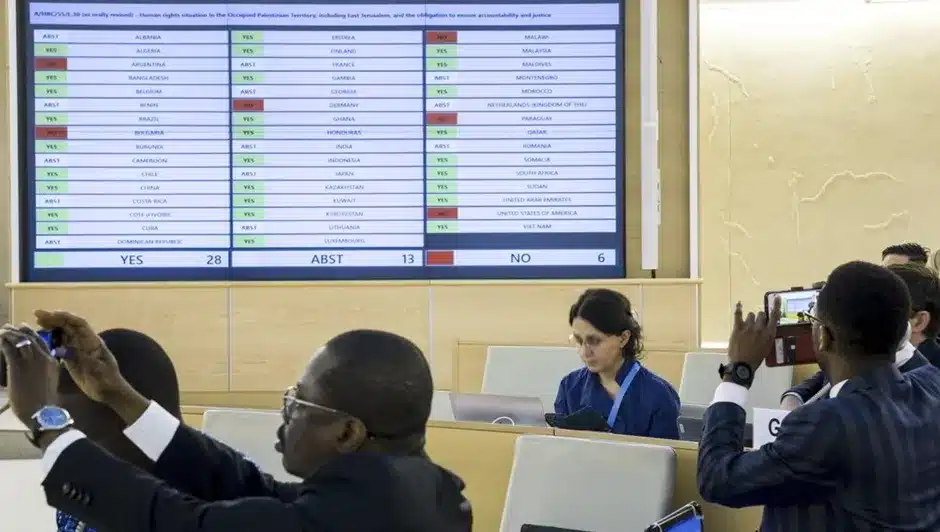
India abstained on a resolution at the Human Rights Council that called on Israel for an immediate ceasefire in Gaza and called on states to implement an arms embargo.

The resolution was adopted by the 47-member Human Rights Council.

What is United Nations Human Rights Council (UNHRC)?

  • About
    • The Human Rights Council is an inter-governmental body within the United Nations system
    • Based in Geneva, the council was created in 2006 by the UNGA.
    • The High Commissioner for Human Rights is the principal human rights official of the UN.
    • The council meets three times a year to examine human rights violations worldwide. 
  • Members
    • It is made up of 47 States responsible for the promotion and protection of all human rights around the globe.
    • 47 Member States are elected directly and individually by secret ballot by the majority of the members of the General Assembly.
    • Human Rights Council candidates are elected in geographical groups to ensure even representation.
  • Tenure
    • The members of the Council serve for a period of three years and they are not be eligible for immediate re-election after two consecutive terms.
  • Primary functions of the UNHRC
    • Promoting human rights
      • Monitoring and reporting – It monitors human rights situations worldwide and conducts investigations or commissions inquiries into alleged human rights abuses.
      • Universal Periodic Review (UPR): The UPR is a unique mechanism where each UN member state's human rights record is reviewed by other member states.
      • Special procedures: The UNHRC appoints special rapporteurs, independent experts, and working groups to examine and report on specific human rights issues or themes. 
        • These experts conduct fact-finding missions, raise awareness, and make recommendations to address human rights violations.

India’s voting behaviour at UNHRC on the issue of Israel

  • India voted in favour of other three resolutions
    • Earlier, India did vote in favour of three other resolutions that criticised Israel for:
      • human rights violations against Palestinians, 
      • Israel’s occupation of Syrian Golan, and 
      • called for the Palestinian right to self-determination.
  • India abstained from the fourth resolution
    • Recent vote was significant as it followed the killing of seven international aid workers in Gaza in Israeli airstrikes, and a military strike by Israel on the Iranian Embassy in Damascus, which India had expressed concerns about.
    • India was among 13 countries that abstained from voting on a UNHRC resolution that called for an immediate ceasefire in Gaza but also, in a first, sought an arms embargo on Israel.
    • India abstained from this as the HRC resolution failed to condemn Hamas, while condemning Israel.
      • India believes that both the parties should be condemned and accountability must be fixed according to their actions. 

Q.1. What is Gaza?

Gaza, also called Gaza City, is a Palestinian city in the Gaza Strip. Before the 2023 Israel–Hamas war, it was the most populous city in the State of Palestine, with 590,481 in 2017. Inhabited since at least the 15th century BCE, Gaza has been dominated by different peoples and empires throughout its history.

Q.2. What is Universal Periodic Review (UPR)?

The Universal Periodic Review (UPR) is a process that allows all 193 United Nations (UN) Member States to review the human rights records of each other every 4.5 years. The UPR is a Human Rights Council innovation that assesses how well countries respect their human rights obligations, including the UN Charter, the Universal Declaration of Human Rights, and human rights treaties.

Source: India abstains at U.N. Human Rights Council on vote calling for Gaza ceasefire, arms embargo against Israel

United Nations Human Rights Council

Times of India

Applicability of POSH Act to Political Parties: Challenges and Legal Insights

Applicability of POSH Act to Political Parties: Challenges and Legal Insights

What’s in today’s article?

  • Why in News?
  • POSH Act 2013
  • Applicability of the POSH Act to Political Parties: Legal Challenges
  • Political Parties and POSH Act
  • ECI’s stand on getting political parties to comply with other laws

Why in News?

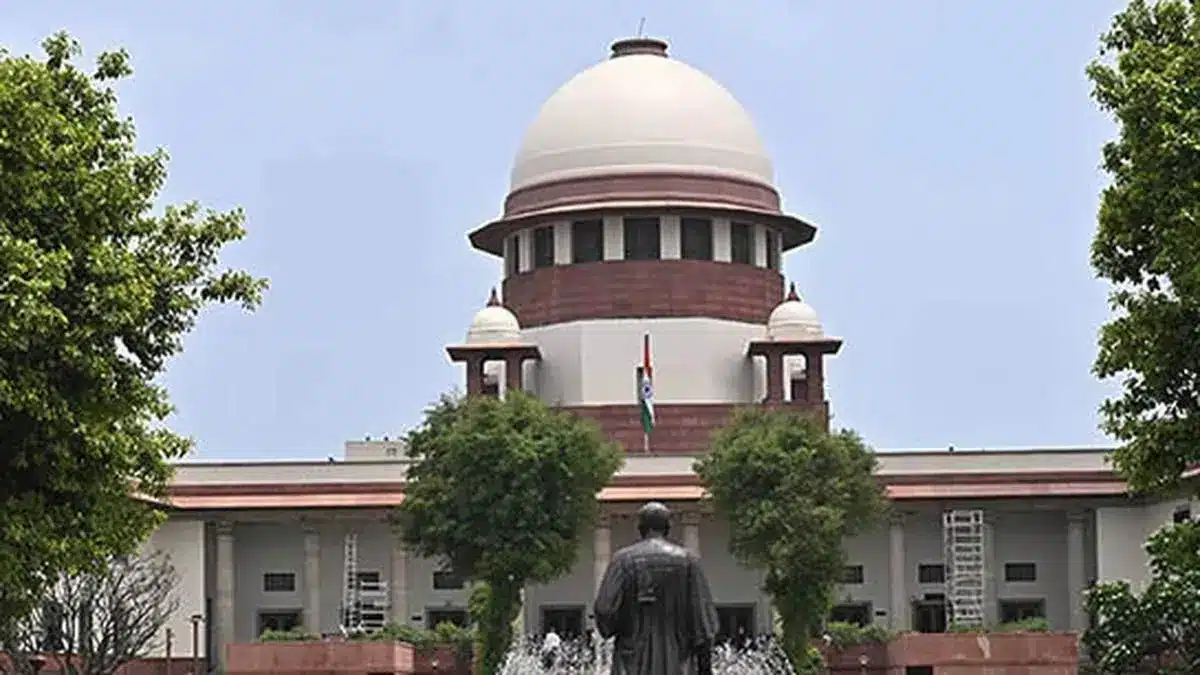
The Supreme Court recently heard a PIL advocating for the application of The Sexual Harassment of Women at Workplace (Prevention, Prohibition and Redressal) Act, 2013 (commonly known as the POSH Act, 2013) to political parties. 

The petitioner highlighted inconsistencies in the presence of Internal Complaints Committees (ICCs) within political parties to address sexual harassment complaints. 

The court directed the petitioner to approach the Election Commission of India (ECI), deeming it the appropriate authority to encourage political parties to establish mechanisms compliant with the POSH Act. 

This case has raised questions about the applicability of the POSH Act to organisations like political parties, which often do not conform to conventional workplace structures.

The PoSH Act 2013: 

  • Background - Vishakha v. The State of Rajasthan (1997): 
    • The SC issued the Vishaka Guidelines, with the primary objective of providing a mechanism for workplace sexual misconduct redress and grievance processes. 
    • These recommendations inspired the PoSH Act - a law administered by the Union Ministry of Women & Child Development (MoWCD). 
  • Objective of the PoSH Act:
    • It aims to protect the rights of women at work and to make the workplace a safer place for them. 
    • The legislation also functions as a forum for both avoiding and addressing problems.

Applicability of the POSH Act to Political Parties: Legal Challenges

  • Section 3(1) of the POSH Act
    • Section 3(1) of the POSH Act ensures protection against sexual harassment for women at workplaces. 
    • The Act broadly defines "workplace" to include both public and private organisations, hospitals, sports venues, homes, and locations visited during employment. 
    • However, its application to political parties is unclear due to their unique structure.
  • Issue raised by the Kerala HC
    • The Kerala High Court addressed this in Centre for Constitutional Rights Research and Advocacy v. State of Kerala & Ors (2022)
    • The court ruled that political parties lack an employer-employee relationship with their members and do not fit the definition of a "workplace" under the POSH Act. 
    • Consequently, political parties were deemed not liable to establish Internal Complaints Committees (ICCs). 
    • This raises legal and structural challenges in ensuring accountability for sexual harassment within political organisations.

Political Parties and POSH Act

  • Registration of Political Parties Under the Representation of People Act, 1951
    • Section 29A of the Representation of People Act mandates political parties to register with the Election Commission of India (ECI)
    • The registration application requires details such as the party’s name, headquarters, office bearers, local units, and members. 
    • It must also include a memorandum affirming allegiance to the Constitution of India.
  • Challenges in Applying the POSH Act to Political Parties
    • The POSH Act aims to protect women from sexual harassment at workplaces, but its applicability to political parties is unclear due to their non-traditional structures. 
    • Party workers, often temporary or field-based, may lack a defined “workplace” and have limited interaction with higher-level officials. 
    • Identifying the “employer” within a political party, as required by the POSH Act for forming an Internal Complaints Committee (ICC), is also ambiguous.
  • Expansive Definitions in the POSH Act
    • Despite challenges, the POSH Act’s broad definitions of “workplace” and “employee” could provide some basis for application. 
    • The Act includes locations visited during employment and recognizes temporary, contractual, or volunteer workers as employees, potentially covering party workers. 
    • Party constitutions that outline organisational hierarchies could also help identify the “employer” responsible for setting up ICCs.
  • Current Internal Discipline Mechanisms in Political Parties
    • Political parties handle discipline through internal committees, such as the Congress’ hierarchical committees and the BJP’s “Disciplinary Action Committees.” 
    • While these bodies address broad breaches of discipline like “moral turpitude” or actions lowering the party’s prestige, they lack specific provisions for handling sexual harassment. 
    • They also do not require women or external members, as mandated for ICCs under the POSH Act.

ECI’s stand been on getting political parties to comply with other laws

  • ECI’s Authority and Role in Elections
    • Under Article 324 of the Constitution, the Election Commission of India (ECI) is empowered with the superintendence, direction, and control of elections to Parliament, State legislatures, and the offices of the President and Vice-President. 
    • Its authority is reinforced by the Representation of People Act, 1951 (RP Act).
  • Ambiguity in Enforcing Compliance with Other Laws
    • The ECI’s role is well-defined under the RP Act, but its authority to enforce compliance with other laws, such as the Right to Information Act, 2005, remains unclear. 
    • Despite a 2013 ruling by the Central Information Commission (CIC) declaring political parties as public authorities under the RTI Act, parties have yet to comply by appointing public information officers, as mandated.
  • ECI’s Adherence to the CIC Order
    • The ECI has aligned itself with the CIC’s 2013 order, maintaining that national parties are public authorities under the RTI Act. 
    • In a 2018 press statement, the ECI affirmed that it publishes all information submitted by parties, including contributions and annual audited accounts, in the public domain.
  • Issuing Advisories to Enforce Other Laws
    • The ECI adopts an advisory approach to encourage compliance with laws beyond the RP Act. 
    • For example, ahead of the 2024 Lok Sabha elections, it instructed parties not to involve children in campaigning, in adherence to the Child Labour (Prohibition and Regulation) Act, 1986. 
    • This reflects the ECI’s broader efforts to promote legal compliance among political parties.

Q.1. What challenges exist in applying the POSH Act to political parties?

Political parties often lack a traditional workplace structure, making it unclear who qualifies as the "employer" responsible for forming ICCs. Additionally, many party workers are temporary or field-based, complicating compliance with the Act's requirements.

Q.2. What is the Election Commission's role in implementing the POSH Act for political parties?

The Election Commission can encourage compliance by leveraging its authority under the RP Act. However, its role in enforcing laws like the POSH Act remains ambiguous, as highlighted in its advisory approach to similar laws.

News: Could the POSH Act apply to political parties? | Business Standard | The Hindu

Dealing with Fake Bomb Threats in Aviation

Dealing with Fake Bomb Threats in Aviation

What’s in today’s article?

  • Why in News?
  • Bomb Threat Response Protocol
  • Response to Recent Spate of Fake Bomb Threats Targeting Indian Airlines
  • Legislative Action to Curb Fake Bomb Threats in the Aviation Sector
  • Conclusion

Why in News?

  • Over the past week, nearly 100 fake bomb threats, mostly from anonymous social media accounts, have raised significant concerns about aviation safety in India.
  • Although all the threats turned out to be hoaxes, they caused widespread disruptions for airlines, passengers, and crew members.
  • In this context, there is the need to analyse security protocols when a flight gets a bomb threat and the government and Ministry of Civil Aviation’s (MoCA) efforts to deal with/ avoid similar situations in the future.

Bomb Threat Response Protocol:

  • Mid-air bomb threat:
    • Upon receiving a bomb threat during a flight, the Bomb Threat Assessment Committee (BTAC) convenes to evaluate the credibility of the threat.
    • Pilots coordinate with Air Traffic Control (ATC) to determine whether to return to the departure airport, continue to the destination, or divert to the nearest airport.
  • Pre-departure bomb threat: If the threat occurs before take-off, the aircraft is moved to a secluded bay for thorough checks in coordination with the BTAC.
  • International flights: In cases where bomb threats target international flights outside Indian airspace, Indian agencies work with international ATC and security agencies to divert the flight to the nearest airport.

Response to Recent Spate of Fake Bomb Threats Targeting Indian Airlines:

  • Swift response from airlines: Airlines immediately activated anti-terror protocols and contacted the MoCA for assistance. Despite strict security measures, each threat was treated with caution.
  • Inter-Ministerial coordination: The MoCA, Ministry of Home Affairs (MHA), and agencies such as the Bureau of Civil Aviation Security (BCAS) are coordinating closely to address the spate of threats.
  • Enhanced security:
    • In response to the threats, security has been tightened at airports with an increase in security checks by 10%.
    • CCTV coverage has also been expanded to ensure that no suspicious items are carried on board.
    • MoCA is working towards enhancing security protocols.
  • Deterrence and investigation efforts:
    • The BCAS and airport-specific Bomb Threat Assessment Committees (BTACs) are adopting a dynamic approach to evaluate each threat based on recent cases.
    • While ensuring passenger safety, the committees aim to minimise disruptions by refining the assessment process.
  • Tracking culprits:
    • The government is actively working to trace those responsible for the fake threats, but the use of VPNs and anonymous social media accounts has made tracking difficult.
    • Efforts are underway to collaborate with social media platforms and VPN providers to identify the perpetrators.
  • Legislative changes: The Indian government is planning legislative changes to deal with fake bomb threats targeting airlines, aiming to impose harsher punishments and strengthen deterrence.

Legislative Action to Curb Fake Bomb Threats:

  • Current arrangement: Currently, such hoax bomb threats are dealt with in accordance with the country’s criminal laws, as there are no legal provisions dealing specifically with bomb threats to aircraft.
  • Amendments to Aircraft Security Rules:
    • The government plans to modify the Aircraft Security Rules (governed by the Aircraft Act 1934) to include culprits of hoax bomb threats in the no-fly list, effectively banning them from boarding flights.
    • This is currently limited to unruly passengers on board but would be expanded to those sending threats via social media or other external means.
  • Changes to SUASCA Act, 1982:
    • Amendments to the Suppression of Unlawful Acts against Safety of Civil Aviation (SUASCA) Act are proposed.
    • Currently, the Act applies to in-flight incidents, but the government seeks to broaden its scope to cover bomb threats even when the aircraft is grounded, making such offences cognizable under the law.
    • This would also include heavy fines and possible jail time.

Conclusion:

  • The surge in hoax bomb threats is causing serious disruptions to Indian airlines and placing significant pressure on aviation security.
  • The government is taking steps to tighten regulations, but the challenges of responding to and mitigating such threats continue to strain the system.

Q.1. What is the name of the regulatory body for civil aviation in India?

The Directorate General of Civil Aviation (DGCA) is the regulatory body in the field of Civil Aviation, primarily dealing with safety issues. It is responsible for regulation of air transport services to/ from/ within India and for enforcement of civil air regulations, air safety, and airworthiness standards.

Q.2. What are the laws applicable to the aviation industry in India?

The legal framework for airlines in India is primarily governed by the Aircraft Act of 1934 and the Aircraft Rules of 1937. The former regulates air navigation and controls Indian aircraft, while the latter regulates the manufacturing, possession, sale, use, operation, export, and import of aircraft.

News: We are planning legislative action to enable stringent punishment for aircraft bomb hoaxes: Aviation minister Naidu | IE

What is Disease X And Why the World Should Prepare For It

What is Disease X And Why the World Should Prepare For It

What’s in today’s article?

  • Introduction
  • Origin of the Concept
  • Epidemiological Patterns
  • Challenges in Prediction
  • Global Preparedness and WHO’s Priority List
  • Need for Global Collaboration
  • Lessons from Recent Outbreak
  • Conclusion

Introduction

  • Disease X represents a hypothetical, yet highly probable, global health threat.
  • Coined by the World Health Organization (WHO) in 2018, the term is a placeholder for any unknown pathogen capable of causing a devastating epidemic or pandemic.
  • Recent outbreaks, such as the unclassified one in the Democratic Republic of Congo (DRC) that claimed over 400 lives, highlight the urgent need for preparedness against such threats.

Origin of the Concept

  • The term "Disease X" emerged after the West African Ebola epidemic (2014–2016), which exposed gaps in global epidemic readiness.
  • It embodies "known unknowns" (threats we are aware of but lack specifics) and "unknown unknowns" (threats beyond our awareness).
  • The concept underscores the inevitability of new pathogens and emphasizes proactive preparation.

Epidemiological Patterns

  • Since 1940, over 300 emerging infectious diseases have been identified, with 70% having zoonotic origins (transmitted from animals to humans).
  • Human activities such as deforestation, urbanization, and climate change exacerbate these risks, bringing wildlife and humans into closer contact.
  • Regions with high biodiversity and limited healthcare infrastructure, such as the Congo Basin, are particularly vulnerable.

Challenges in Prediction

  • Predicting Disease X is challenging due to:
    • The vast number of undiscovered pathogens.
    • Increasing zoonotic spillovers driven by human encroachment.
    • Climate change altering disease dynamics and expanding vectors like malaria and dengue.
    • Risks from antimicrobial resistance, bioterrorism, and accidental lab leaks.
  • Advancements in genomic sequencing and artificial intelligence offer hope but remain limited in their ability to predict the exact origin, timing, or behaviour of unknown pathogens.

Global Preparedness and WHO’s Priority List

  • The WHO's priority pathogen list includes diseases like Ebola, Marburg, Nipah, and Disease X.
  • This list aims to direct global research, funding, and policy efforts toward combating high-risk diseases with limited medical countermeasures.
  • Measures for Preparedness:
    • Strengthening Surveillance: Robust systems for early outbreak detection are critical. Technologies like genomic sequencing and real-time data sharing play pivotal roles.
    • Healthcare Infrastructure: Low- and middle-income countries require enhanced healthcare systems to mitigate the disproportionate impact of pandemics.
    • Rapid Response Platforms: Organizations like the Coalition for Epidemic Preparedness Innovations (CEPI) are developing "prototype pathogen" platforms to create vaccines within 100 days of identifying a new disease.
  • CEPI is an innovative partnership between public, private, philanthropic, and civil organisations, launched at Davos in 2017, to develop vaccines against future epidemics.

Need for Global Collaboration

  • Pandemics transcend borders, necessitating unified global efforts:
    • WHO Initiatives: Efforts like the Pandemic Treaty aim to standardize global responses.
    • Equitable Access: Frameworks like the Nagoya Protocol ensure fair distribution of resources and medical countermeasures.
    • International Cooperation: Governments must share data, pool resources, and collaborate on diagnostics, treatments, and vaccines.

Lessons from Recent Outbreak

  • The outbreak in the DRC is a stark reminder of the ongoing threat posed by Disease X.
  • Proactive investment in research, public health systems, and international solidarity can mitigate the devastating consequences of future pandemics.

Conclusion

  • Disease X serves as a call to action for the global community.
  • Preparedness is not an option but a necessity to safeguard future generations.
  • By prioritizing collaboration, innovation, and robust health systems, humanity can confront and contain the unpredictable threats of emerging diseases.

Q1. What is the Universal Immunisation Programme?

Universal Immunisation Programme is a vaccination programme launched by the Government of India in 1985. It became a part of Child Survival and Safe Motherhood Programme in 1992 and is currently one of the key areas under the National Health Mission since 2005.

Q2. What do you mean by Epidemic, Endemic and Pandemic?

Endemic: A disease is endemic when it's consistently present in a specific region, making its spread and rates predictable. For example, malaria is endemic in some countries. 

Epidemic: An epidemic describes how far a disease outbreak has spread. 

Pandemic: A pandemic is declared when a disease's growth rate skyrockets, and each day's cases are more than the previous day's. Pandemics cross international boundaries and can lead to large-scale social disruption, economic loss, and hardship. A once-declared epidemic can progress into a pandemic.

News: What is Disease X and why the world should prepare for it

Digital Arrest Scams: ED Charge Sheet & I4C Advisory to Protect Citizens

Digital Arrest Scams: ED Charge Sheet & I4C Advisory to Protect Citizens

 What’s in today’s article?

  • Why in News?
  • What is Indian Cyber Crime Coordination Centre (I4C)?
  • What are Digital Arrest Scams?
  • ED files charge sheet in digital arrest scams

Why in News?

The Enforcement Directorate (ED) recently filed a prosecution complaint under the Prevention of Money Laundering Act (PMLA) against eight individuals involved in cyber scams. These accused allegedly defrauded people via fake IPOs and stock investments, primarily using social media platforms like WhatsApp, Instagram, and Telegram.

Also, the Indian Cyber Crime Coordination Centre (I4C) has issued a new advisory warning against digital arrests.

What is Indian Cybercrime Coordination Centre (I4C)?

  • About
    • I4C is an initiative of the Ministry of Home Affairs to deal with cyber crime in the country in a coordinated and comprehensive manner.
    • I4C focuses on tackling all the issues related to Cybercrime for the citizens, which includes: 
      • improving coordination between various Law Enforcement Agencies and the stakeholders, 
      • driving change in India's overall capability to tackle Cybercrime.
    • The I4C was dedicated to the Nation in January 2020.
  • Objectives of I4C
    • To act as a nodal point to curb Cybercrime in the country.
    • To strengthen the fight against Cybercrime committed against women and children.
    • Facilitate easy filing Cybercrime related complaints and identifying Cybercrime trends and patterns.
    • To act as an early warning system for Law Enforcement Agencies for proactive Cybercrime prevention and detection.
    • Awareness creation among public about preventing Cybercrime.
  • Major initiatives
    • Launched www.cybercrime.gov.in - the National Cybercrime Reporting Portal (NCRP) which allows 24X7 reporting of all types of Cybercrime
    • The Citizen Financial Cyber Fraud Reporting and Management System has been launched for immediate reporting of financial cyber frauds
    • National Toll- free Helpline number ‘1930’ has been operationalized to provide citizen assistance in lodging online cyber complaints.
    • The National Cyber Forensic Laboratory (NCFL), a 'State of the Art’ facility has been set up to train and assist the State/UT Investigation Officers
  • Massive Open Online Courses (MOOC) platform called ‘CyTrain’ portal " https://cytrain.ncrb.gov.in " has been developed. 
    • CyTrain portal helps in the capacity building of Police Officers/Judicial Officers through online courses on critical aspects of Cybercrime investigation, forensics and prosecution and also gives completion certificates.
  • Launched CyberDost handle on various social media platforms to generate cyber awareness among citizens

What are Digital Arrest Scams?

  • About
    • A digital arrest scam is a type of online fraud in which scammers deceive victims by impersonating law enforcement officials. 
    • These fraudsters falsely accuse victims of criminal activities, use intimidation tactics, and demand money under the pretense of legal consequences. 
    • Victims are pressured into making payments to avoid supposed arrests.
  • Working
    • In this scam, perpetrators pretend to be officials from agencies like the CBI, Income Tax Department, or Customs. 
    • They initiate contact with victims through phone calls, then switch to video calls on platforms like WhatsApp or Skype to add a sense of legitimacy. 
    • Scammers use tactics like showing a police station set-up or threatening arrest warrants, accusing victims of financial or legal violations. 
    • They demand payments under the pretense of “clearing the victim's name” or as “security deposits” for investigations.
    • Once the money is transferred, the scammers disappear, leaving victims with financial losses.

ED files charge sheet in digital arrest scams

  • About the news
    • Following PM Modi’s recent appeal for vigilance against the threat of “digital” arrests, investigative agencies have announced active measures to combat this growing form of cybercrime. 
    • The Enforcement Directorate (ED) recently submitted a charge sheet related to one such scam, while the I4C has issued a new advisory.
  • PM Modi’s Warning on Digital Arrest Scams
    • In his October 'Mann Ki Baat' address, PM Modi alerted citizens about scammers posing as law enforcement, conducting 'digital arrests' to extort funds from victims. 
    • He advised people to "stop, think, and take action" to safeguard themselves.
  • ED’s Investigation and Charge Sheet Filing
    • ED recently filed a prosecution complaint under the Prevention of Money Laundering Act (PMLA) against eight individuals involved in cyber scams. 
    • These accused allegedly defrauded people via fake IPOs and stock investments, primarily using social media platforms like WhatsApp, Instagram, and Telegram.
      • Known as 'pig-butchering' scams, stock market investment scams entice victims with promises of high returns.
      • They use fake websites and misleading WhatsApp groups that appear connected to reputable financial firms.
    • The ED detailed how fraudsters disguised themselves as officials from Customs or the CBI, falsely accusing victims of legal violations to intimidate them into transferring large sums. 
      • Funds from victims were funneled through "mule" accounts, converted to cryptocurrency, and transferred abroad. 
      • Key accused individuals recruited directors for shell companies and facilitated bank account openings, knowingly assisting in money laundering.
    • Victims were manipulated through “digital arrests” under the guise of a fake “fund regularisation process.”
  • I4C Advisory to Citizens
    • I4C issued a public advisory warning against digital arrest scams. 
    • It reminded citizens that legitimate officials do not make demands over video calls and urged people to report suspicious activity via the national cybercrime helpline (1930) or the cybercrime portal.

Q.1. What is a digital arrest scam?

A digital arrest scam is an online fraud where scammers pose as law enforcement officials to intimidate victims and demand payments. They falsely accuse victims of crimes to extract funds.

Q.2. How can you protect yourself from digital arrest scams?

Stay alert to fake calls claiming legal trouble. Law enforcement will not ask for payments on video calls. Report any suspicious activity to the cybercrime helpline (1930) or cybercrime.gov.in.

News: Digital arrests: ED files charge sheet, I4C issues fresh advisory

Post-Diwali Delhi Sees Improved Air Quality: Key Factors Explained

Post-Diwali Delhi Sees Improved Air Quality: Key Factors Explained

 What’s in today’s article?

  • Why in News?
  • What is AQI?
  • Reasons behind low pollution level in Delhi after Diwali

Why in News?

Delhi’s 24-hour average air quality before and during Diwali this year was worse than the past two years. However, the day after Diwali saw an improvement in pollution levels, marking the lowest post-Diwali AQI since 2015, except for 2022.

The post-Diwali AQI on Friday was 339, an improvement from 358 the previous year. The worst post-Diwali air quality in recent years was in 2021, with an AQI of 462.

What is Air Quality Index (AQI)?

  • Introduction to AQI
    • The AQI was launched by the Indian government in 2014 as part of the Swachh Bharat campaign to provide a simplified understanding of air pollution.
    • An expert group, including medical professionals and air quality experts, collaborated with IIT Kanpur to develop the AQI scheme.
  • How AQI is Calculated
    • The AQI transforms complex data on various pollutants into a single numerical value and color code.
    • The pollutants measured include PM10, PM2.5, Nitrogen Dioxide, Ozone, and Carbon Monoxide.
    • Each pollutant is assigned a weight based on its health impact, and the worst-weighted pollutant determines the composite air quality, yielding a single AQI value instead of multiple readings.
  • Impact of Harmful Pollutants
    • Particulate matter, especially PM2.5 (particles smaller than 2.5 micrometers), poses significant health risks.
    • Due to their minuscule size, PM2.5 particles can enter the respiratory system and bloodstream, leading to serious health issues such as asthma, heart attacks, and other chronic respiratory conditions.
  • Influence of AQI on Government Policy
    • Governments utilize AQI data to implement measures aimed at improving air quality.
    • In regions like Delhi, the Graded Response Action Plan (GRAP) is activated in response to deteriorating air quality.
    • This plan may lead to bans on coal and firewood use, restrictions on diesel generators, and increased parking fees to reduce private vehicle usage, thereby mitigating pollution.

Reasons behind low pollution level in Delhi after Diwali

  • Warmer Temperatures
    • This year, Delhi experienced the warmest October in 73 years, with average temperatures of 35.1°C (maximum) and 21.2°C (minimum).
  • In contrast, Diwali last year took place in November, with cooler temperatures averaging 27.8°C and 13°C.
    • Cooler weather typically worsens pollution due to a lower inversion height, which traps pollutants closer to the ground.
  • A temperature inversion is a layer in the atmosphere where the temperature increases with height, which is the opposite of normal behavior. 
  • This happens when air near the ground cools faster than the air above it.
    • The warmer October temperatures this year helped reduce pollution dispersion, contributing to relatively improved air quality post-Diwali despite higher pollution levels on the festival day.
  • As temperature dips, the inversion height — which is the layer beyond which pollutants cannot disperse into the upper layer of the atmosphere — is lowered.
  • The concentration of air pollutants increases when this happens.
  • Strong winds
    • High wind speeds significantly improved the dispersal of pollution in Delhi following Diwali.
    • The India Meteorological Department (IMD) reported westerly winds starting at 3-7 kmph early Friday, increasing to 10 kmph by 9 AM and reaching 15 kmph by noon.
  • This wind speed aided in reducing levels of PM2.5 and PM10, which had spiked due to firecracker use and stubble burning in nearby states.
    • Despite air quality remaining 'poor' to 'very poor' throughout Diwali, these wind conditions ultimately facilitated a reduction in pollution levels the following day.

Q.1. What factors contributed to improved air quality in Delhi after Diwali this year?

Answer: Improved air quality was due to warmer temperatures in October, reducing pollution dispersion, and strong winds that aided in dispersing pollutants, resulting in a lower post-Diwali AQI compared to previous years.

Q.2. How is the Air Quality Index (AQI) calculated?

Answer: The AQI simplifies complex air quality data into a single value, weighing pollutants like PM2.5 and PM10 based on health impacts. The worst-weighted pollutant determines the overall AQI, providing a clear indication of air quality.

News: Warmer, windier: why post-Diwali Delhi air was cleaner this year | Indian Express | Financial Express

Need for a new agricultural export-import policy

Need for a new agricultural export-import policy

What’s in today’s article?

  • Why in News?
  • Overall agricultural scenario in India
  • Analysis of Agricultural export
  • Agri exports: key trends
  • Agri imports – key trends
  • Key takeaways

Why in News?

India's agricultural exports decreased by 8.2% in the fiscal year ending March 31, 2024, due to restrictions on shipments of various commodities (from cereals and sugar to onions).

Overall agricultural scenario in India

  • Growth rate and contribution
    • According to the second advance estimates, agriculture and allied sector is projected to grow 0.7% in FY24.
    • The agricultural sector is estimated to constitute 18 percent of India's GVA in FY24.
  • Production
    • The total food grains production for FY23 was 329.7 million tonnes, marking a rise of 14.1 million tonnes compared to the previous year.
      • The horticulture production was 355.25 million tonnes which is the highest ever for Indian Horticulture (as per third advance estimates).
    • India's global dominance extends across agricultural commodities, making it the largest producer of milk, pulses, and spices worldwide.
    • Additionally, India ranks second-largest producer of fruits, vegetables, tea, farmed fish, sugarcane, wheat, rice, cotton, and sugar. 

Analysis of Agricultural export

  • Statistics
    • The total value of farm exports was $48.82 billion in 2023-24, according to Department of Commerce data.
    • It has shown a decline from the record $53.15 billion in 2022-23 and $50.24 billion in the previous fiscal year.
  • Trends Over Years
    • During the initial years of the present govt, agricultural exports dropped from $43.25 billion in 2013-14 to $35.60 billion in 2019-20, accompanied by an increase in imports from $15.53 billion to $21.86 billion (during the same period).
    • During this period, global agri-commodity prices fell significantly, leading to a decline in India's agricultural exports.
      • The UN Food and Agriculture Organization’s (FAO) food price index dropped from an average of 119.1 to 96.5 points between 2013-14 and 2019-20.
    • Low international prices made India's exports less competitive and increased its vulnerability to imports.
  • Impact of Global Events
    • The global price recovery after the Covid-19 pandemic and Russia’s invasion of Ukraine caused India's farm exports and imports to reach all-time highs in 2022-23, with the FAO index soaring to 140.8.
    • However, exports decreased in the fiscal year that just ended.

Agri exports: key trends

  • Impact of ban on export of sugar and non-basmati rice
    • The fall in exports to have been led primarily by sugar and non-basmati rice.
    • The government hasn’t allowed any sugar to go out of the country during the current production year from October 2023. 
      • Exports of the sweetener were valued at only $2.82 billion in 2023-24, after peaking at $5.77 billion and $4.60 billion in the preceding fiscals.
    • Concerns over domestic availability and food inflation have similarly triggered a ban on exports of all white non-basmati rice since July 2023. 
      • Currently, only parboiled grain shipments are being permitted within the non-basmati segment, while also attracting a 20% duty. 
      • These restrictions have pulled down overall non-basmati exports from a record $6.36 billion in 2023-23 to $4.57 billion in 2023-24.
  • Impact of export restrictions on wheat and onion
    • Wheat exports were altogether stopped in May 2022, following which their value plunged to $56.74 million in 2023-24, after reaching an all-time-high of $2.12 billion in 2021-22.
    • Similarly, the onion export was also banned. 
      • On May 4, 2024, the Centre lifted a ban on exports of the bulb. Simultaneously, a floor price of $550 per tonne, along with a 40% duty, was imposed.
  • Trend of other major agri export items
    • Most of the other major agri export items — barring marine products, castor oil and other cereals (mainly maize) — have posted growth. 
    • Basmati rice exports fetched $5.84 billion in 2023-24, surpassing the previous high of $4.86 billion achieved back in 2013-14. 
    • Spices exports, too, crossed the $4 billion mark for the first time.

Agri imports – key trends

  • Dip in imports of edible oils
    • Analysis of data shows that the 7.9% dip in overall agri imports during 2023-24 was largely due to a single commodity - edible oils.
    • India’s imports of vegetable fats topped $20 billion in 2022-23.
      • That was the year immediately after the Russia-Ukraine war when the global price of vegetable oils increased.
    • However, 2023-24 saw lowering of global prices of the vegetable oil. This, in turn, reduced the import bill to below $15 billion during last fiscal.
  • Increase in import of pulses
    • The import of pulses almost doubled to $3.75 billion in 2023-24, the highest since the $3.90 billion and $4.24 billion levels of 2015-16 and 2016-17 respectively.

Key takeaways

  • Policy stability and predictability is the key
    • Farmers and agri-traders, like all businessmen, want policy stability and predictability.

    • When governments resort to banning/restricting agri exports, they usually privilege the interests of consumers over producers. 
      • These actions hurt more when taken overnight, like with wheat exports.
    • Building export markets takes time and effort. 
    • A more predictable and rules-based policy — say, introducing temporary tariffs instead of outright bans or quantitative restrictions — is what is recommend.
  • Zero/low import duties are not suitable for crop diversification
    • The govt has done away with import duties on most pulses — arhar (pigeon pea), urad (black gram), masoor (red lentils), etc.
      • The rate has been kept at 5.5% for crude palm, soyabean and sunflower oil.
    • The above zero/low tariffs are at variance with the government’s own objective to promote crop diversification.
      • The govt is taking steps to wean away farmers from rice, wheat and sugarcane to growing pulses and oilseeds, which are less water-guzzling and also significantly imported.

Q.1. What is Parboiling? 

Parboiling is a traditional method of processing rice in Asian and African countries that involves soaking, steaming, and drying rice while it's still in its inedible outer husk.

Q.2. What is Food and Agriculture Organization (FAO)?

The Food and Agriculture Organization (FAO) is a United Nations agency that works to end hunger and improve food security and nutrition. The FAO's goals include: Improving nutrition, Increasing agricultural productivity, Raising the standard of living in rural areas, and Contributing to global economic growth.

Source: Why agriculture may need a new export-import policy | PIB | Invest India

India’s ₹20,000 Cr Deep Tech Fund – Concerns Over Misuse & Policy Gaps

India’s ₹20,000 Cr Deep Tech Fund – Concerns Over Misuse & Policy Gaps

What’s in Today’s Article?

  • India Deep Tech Funding Latest News
  • Deep Tech
  • Evolution of India’s Deep Tech Ecosystem
  • Parliamentary Panel Flags Concerns Over ₹20,000 Cr Deep Tech Fund
  • India Deep Tech Funding FAQs

India Deep Tech Funding Latest News

  • A Parliamentary Standing Committee has raised concerns over the Government’s plan to allocate ₹20,000 crore as a 50-year interest-free loan to deep tech sectors. 
  • While acknowledging the initiative’s potential to boost research, the committee warned of possible fund misallocation, national security risks, and a low return on investment.

Deep Tech

  • Deep Tech refers to advanced and disruptive technologies that rely on significant scientific and engineering breakthroughs. 
  • These innovations often require long-term research and development and have the potential to create transformative changes across industries such as healthcare, defense, artificial intelligence, and biotechnology.

Examples

  • Artificial Intelligence (AI) & Machine Learning – Self-learning algorithms, autonomous systems.
  • Quantum Computing – High-speed computation beyond classical computing limits.
  • Biotechnology & Genetic Engineering – CRISPR gene editing, personalized medicine.
  • Semiconductors & Advanced Materials – Nanotechnology, graphene-based materials.
  • Aerospace & Defense Technologies – Hypersonic vehicles, advanced missile systems.
  • Renewable Energy & Battery Technologies – Solid-state batteries, hydrogen fuel cells.

Key Features

  • High Research & Development Intensity – Requires deep scientific knowledge and long-term investment.
  • Disruptive Innovation – Capable of significantly transforming industries.
  • High-Risk, High-Reward – Often uncertain in early stages but can yield substantial economic and strategic benefits.
  • Interdisciplinary Approach – Combines multiple fields such as AI, biotech, and quantum physics.

Evolution of India’s Deep Tech Ecosystem

  • India’s DeepTech ecosystem is growing rapidly, though still in its early stages compared to global markets. 
  • According to NASSCOM’s report "India’s DeepTech Dawn: Forging Ahead", the country had over 3,600 DeepTech startups, with 480 launched in 2023—double the number from 2022. 
  • While India ranks as the third-largest startup ecosystem globally, its DeepTech sector stands at the 6th position.

Government Policies and Investments Driving Growth

  • The Indian government is actively promoting DeepTech through key initiatives, including:
    • Draft National DeepTech Start-up Policy – Aimed at fostering innovation.
    • ₹1 Lakh Crore Corpus (Interim Budget 2024) – To boost research and development.
    • ₹1,000 Crore Venture Capital Fund for the Space Sector – Supporting space-tech startups.
    • National Quantum Mission (2023) – Investment in quantum computing and communications.
    • India AI Mission – Strengthening AI research, innovation, and startups.
    • Othe Initiatives like the Atal Innovation Mission, NITI Aayog’s programs, and Start-up India are providing support through accelerators and incubators.

Union Budget 2025-26 and Deep Tech

  • Research, Development and Innovation - ₹20,000 crore to be allocated to implement private sector driven Research, Development and Innovation initiative announced in the July Budget.
  • Deep Tech Fund of Funds - Deep Tech Fund of Funds to be explored to catalyze the next generation startups.
  • It also unveils key initiatives for the tech sector, such as enhanced India AI mission funding, an AI Centre of Excellence for Education etc.

Parliamentary Panel Flags Concerns Over ₹20,000 Cr Deep Tech Fund

  • A Parliamentary Standing Committee has raised concerns over the Government’s ₹20,000 crore interest-free loan scheme for deep tech sectors, warning that private entities could benefit disproportionately at the government’s expense.
  • It also questioned the ability of fund managers to select impactful projects and suggested that directing funds to government institutions could have yielded better outcomes.

Underutilisation of Funds in Scientific Research

  • The committee noted that the Department of Scientific and Industrial Research had not fully utilised its budget.
    • Over half of the allocated funds remaining unused as the financial year nears its end. 
  • It supported an additional allocation of ₹363.9 crore but flagged that 62% of the department’s budget was spent on salaries and pensions, leaving only 31% for research, which limits infrastructure development and innovation.

Concerns Over Biotechnology PSUs

  • The committee expressed concern over the poor state of two public sector undertakings under the Department of Biotechnology—BIBCOL and IVCOL. 
  • It stressed the importance of reviving these PSUs to ensure affordable vaccine availability and strengthen India's position in the global vaccine market. 
  • The committee recommended securing revival packages to enable these PSUs to support vaccine exports and enhance self-reliance in vaccine production.

Recommendations for Policy Framework

  • The panel urged the government to address these concerns while formulating guidelines for the deep tech fund, ensuring transparency, accountability, and effective allocation to maximize national benefits.

India Deep Tech Funding FAQs

Q1. What is India’s ₹20,000 Cr deep tech initiative?

Ans. A government-backed scheme offering interest-free loans to boost deep tech research and innovation in emerging technologies.

Q2. Why is there concern over the deep tech fund’s allocation?

Ans. Experts fear private firms may benefit disproportionately, while fund mismanagement could limit real research impact.

Q3. How is deep tech crucial for India’s growth?

Ans. Advanced tech like AI, quantum computing, and biotech can drive innovation in defense, healthcare, and energy sectors.

Q4. What are the panel’s recommendations for fund management?

Ans. Strengthen transparency, direct funds to public research institutions, and ensure better selection of impactful projects.

Q5. How does underutilization of research funds affect innovation?

Ans. Budget inefficiencies limit infrastructure, slowing down scientific progress and reducing India’s global competitiveness in deep tech.

Source: IE | ET | PIB

Supreme Court Orders Relocation of Stray Dogs from Public Premises

Stray Dogs

Stray Dogs Latest News

  • The Supreme Court has directed authorities to remove stray dogs from public spaces such as schools, hospitals, railway stations, and bus stands, and relocate them to shelters after sterilisation. 
  • A Bench of Justices Vikram Nath, Sandeep Mehta, and NV Anjaria ordered that dogs should not be released back into the areas they were taken from. 
  • Citing a recent attack on a foreign national in Bengaluru, the Court noted that stray dog incidents threaten public safety, discourage tourism, and tarnish India’s global image.

Animal Birth Control (ABC) Rules, 2023

  • The Central Government notified the Animal Birth Control Rules, 2023 under the Prevention of Cruelty to Animals Act, 1960, replacing the earlier ABC (Dog) Rules, 2001.
  • These Rules incorporate the directions of the Supreme Court in Animal Welfare Board of India vs. People for Elimination of Stray Troubles, which clearly stated that relocation of dogs is not permitted.

Role of Local Bodies

  • Implementation of the ABC programme for sterilisation and immunisation of stray dogs is the responsibility of municipal bodies, corporations, and panchayats.
  • They must ensure humane treatment and avoid cruelty during the process.
  • Effective implementation will help reduce stray dog population and address animal welfare concerns.

Joint Implementation with Anti-Rabies Programme

  • Municipal authorities are required to conduct the ABC and Anti-Rabies programmes jointly.
  • The Rules provide clear guidelines for managing human–dog conflicts without resorting to relocation of dogs from their areas.

Role of Recognised Organisations

  • The ABC programme must be carried out only by organisations recognised by the Animal Welfare Board of India (AWBI) for this specific purpose.
  • A list of approved organisations is to be published and regularly updated on the AWBI website.
  • Unrecognised entities are not permitted to conduct ABC operations.

Central and State Coordination

  • The Central Government has issued directives to all State Chief Secretaries and Principal Secretaries of Animal Husbandry and Urban Development Departments to ensure uniform implementation.
  • Local bodies are instructed to strictly follow the Rules and implement them in letter and spirit.

Supreme Court’s Comprehensive Order on Stray Animal Menace

  • Removal of Stray Dogs from Public Institutions
    • The Court directed that all stray dogs be removed from educational institutions, hospitals, railway stations, and similar public premises. 
    • They must be relocated to designated shelters after sterilisation and vaccination, and not released back to the same areas.
  • Mandatory Anti-Rabies Measures
    • All government and private hospitals are required to maintain adequate stocks of anti-rabies vaccines and immunoglobulin at all times to ensure immediate treatment for bite victims.
  • Awareness in Educational Institutions
    • The Ministry of Education must instruct schools and colleges to conduct awareness sessions for students and staff on safe behaviour around animals, first-aid for bites, and immediate reporting procedures.
  • Appointment of Nodal Officers
    • Each institution covered under the order must designate a nodal officer to ensure cleanliness, prevent stray dog entry, and maintain hygiene within the premises.
  • Securing Institutional Premises
    • Administrative heads of institutions must ensure adequate fencing, boundary walls, and gates to prevent the entry of stray dogs and other animals into their premises.
  • Removal of Cattle from Highways
    • Authorities have been ordered to clear all stray cattle and animals from state and national highways, as well as expressways, and relocate them to designated shelters.
  • Dedicated Highway Patrol and Helplines
    • Governments must form dedicated patrol teams or use existing road-safety units for continuous monitoring. 
    • Helpline numbers should be prominently displayed along highways and expressways to allow commuters to report stray animals or related accidents.

Earlier Supreme Court Directions on Stray Dog Management

  • Earlier (August 11, 2025), the Apex Court had ordered Delhi-NCR authorities to pick up all stray dogs and place them in shelters without releasing them back.
  • This was a clear departure from the prevailing Animal Birth Control Rules, 2023, (ABC Rules) that lay down a ‘capture-sterilise-vaccinate-return’ policy.
  • The Bench justified this on grounds of public safety, especially for children and the elderly, and directed creation of large-capacity shelters. It also warned that obstruction by individuals or organisations would invite strict action.

August 22 Order: Shift to Regulated Management

  • Later, a three-judge Bench modified the earlier directive, reinstating the ABC Rules.
  • It ruled that dogs must be sterilised, dewormed, vaccinated, and released back into their areas—except for those infected or suspected of rabies, or showing aggressive behaviour, which should be kept in separate shelters.
  • Ban on Street Feeding - The same Bench prohibited feeding stray dogs in public spaces. Feeding is to be done only in designated areas identified by municipal authorities, in line with the ABC Rules and RWA consultations.
  • Expansion to Pan-India Scope - The Court extended the applicability of its directions from Delhi-NCR to all states and Union Territories, taking over similar matters pending before High Courts to ensure uniform enforcement nationwide.
  • Continuation of Key August 11 Directives - The requirement for creating dog shelters remains in force, especially for aggressive and rabid dogs.

Source: IE | IE | PIB

Stray Dogs FAQs

Q1: What did the Supreme Court order regarding stray dogs?

Ans: It ordered removal of stray dogs from public premises like schools and hospitals, relocating them to shelters after sterilisation and vaccination.

Q2: Who issued the directive?

Ans: A Bench of Justices Vikram Nath, Sandeep Mehta, and N V Anjaria passed the order to safeguard public safety and hygiene.

Q3: What are institutions required to do?

Ans: Each covered institution must appoint a nodal officer to maintain cleanliness and prevent stray dog entry on campus.

Q4: What did the Court say about highways?

Ans: Authorities must clear stray cattle and animals from highways, set up patrols, and display helpline numbers for reporting animal obstructions.

Q5: How do these directions relate to the ABC Rules, 2023?

Ans: The order modifies earlier directions but mandates sterilisation, vaccination, and sheltering in line with Animal Birth Control Rules, 2023.

The G-2 Framing & Its Implications on US-China Relations

G-2 Grouping

US-China Relations Latest News

  • U.S. President Donald Trump’s reference to a “G-2” with China has revived debates about a potential U.S.-China duopoly, raising concerns among allies.

Introduction

  • When U.S. President Donald Trump announced before meeting Chinese President Xi Jinping that “THE G2 WILL BE CONVENING SHORTLY!”, it reignited debates about the future of U.S.-China relations and the possible sidelining of key allies. 
  • The reference to the G-2, a concept implying a U.S.-China duopoly in global leadership, signals a shift in tone that could unsettle Washington’s partners in Asia and beyond. 
  • At a time when geopolitical fault lines are already deep, this framing challenges the balance built through multilateral institutions and strategic groupings like the Quad.

The Origin of the G-2 Concept

  • The idea of a “G-2” was first introduced in 2005 by economist C. Fred Bergsten, then Director of the Peterson Institute for International Economics. 
  • He proposed that the United States must prioritise bilateral relationships with key global actors, the European Union, China, Japan, and Saudi Arabia, to stabilise global economic systems and energy flows.
  • Following the 2008 global financial crisis, the G-2 idea gained momentum, with Bergsten arguing that effective global economic recovery and climate action would be impossible without U.S.-China cooperation. 
  • The concept was not intended to replace the G-20 or institutions like the IMF or WTO, but to “supplement and strengthen global governance through pre-coordination” between the two biggest economies.
  • Prominent thinkers also supported the idea, and even the Obama administration explored its feasibility during the early years of U.S.-China engagement under Hu Jintao.

The Changing Nature of China’s Global Posture

  • Two decades later, the global order has shifted dramatically. 
  • China is no longer the cautious power that once adhered to Deng Xiaoping’s dictum to “hide your strength and bide your time.” 
  • Under President Xi Jinping, Beijing has asserted itself across multiple domains, from the South China Sea to the Taiwan Strait and global technology infrastructure.
  • This transformation has redefined China’s interactions with the U.S. and its allies. 
  • China’s Belt and Road Initiative (BRI) has expanded its economic footprint, while its military modernisation has challenged American dominance in the Indo-Pacific.
  • Consequently, the Trump administration (2017-2021) was pivotal in reframing China from a “strategic partner” to a “strategic competitor.” 
  • The 2017 U.S. National Security Strategy explicitly identified China’s actions as threats to the rules-based international order, leading to trade wars, tariff barriers, and renewed security cooperation in the Indo-Pacific.

Trump’s G-2 Framing: A Return to Bilateralism

  • Trump’s recent embrace of the G-2 language marks a sharp contrast to his earlier confrontational stance. 
  • While the 2017-2021 phase was characterised by decoupling and trade hostilities, the “G-2 framing” suggests recognition of China’s great-power status and potential equal footing in global decision-making.
  • For many U.S. partners, this framing raises concerns of strategic ambiguity
  • It could signal a transactional pivot, where Washington negotiates directly with Beijing on key issues such as trade, technology, and security, potentially marginalising traditional allies.
  • Such bilateral prioritisation contradicts the multilateral Indo-Pacific vision promoted through the Quad (U.S., India, Japan, and Australia) and other alliances aimed at countering China’s regional assertiveness.

Global Reactions: Allies’ Concerns and Diplomatic Ripples

  • India
    • India faces a complex diplomatic recalibration. 
    • The imposition of 50% tariffs on Indian goods by the Trump administration strained bilateral trade ties, leading to the postponement of the planned Quad Leaders’ Summit
    • Diplomatic discussions even hinted at a potential Quad restructuring where the Philippines could temporarily replace India, a move that reflects both India’s independent stance on global issues and Washington’s evolving calculus.
    • However, given India’s growing economic and strategic weight, many observers argue that any sustainable Indo-Pacific architecture cannot exclude India.
  • Japan and Australia
    • Both have expressed unease over the G-2 rhetoric. 
    • For them, the revival of the Quad in 2017 was a direct response to Beijing’s aggression in the South China Sea and its growing military presence. 
    • A U.S.-China rapprochement could dilute Washington’s commitments and leave allies vulnerable to unilateral shifts in American policy.
  • ASEAN States
    • Southeast Asian countries, particularly those within the ASEAN bloc, view the development cautiously. 
    • While they welcome reduced tensions between Washington and Beijing, they fear that a bilateral G-2 understanding could come at their expense, potentially undermining their regional autonomy and interests.

Implications for the Global Order

  • If the U.S. and China move toward a G-2 model, smaller states could face strategic marginalisation. 
  • The rules-based order, which relies on consensus-building through global institutions, may weaken as decision-making becomes concentrated between two superpowers.
  • Conversely, some analysts argue that even a temporary U.S.-China conciliation could help stabilise trade flows and de-escalate tensions, especially in areas such as semiconductor supply chains, climate negotiations, and global economic governance.

Source: IE | TH

US-China Relations FAQs

Q1: What does the term “G-2” signify?

Ans: “G-2” refers to a proposed U.S.-China leadership framework emphasizing bilateral cooperation on global economic and strategic issues.

Q2: Who first coined the G-2 concept?

Ans: Economist C. Fred Bergsten introduced the term in 2005 to describe key bilateral partnerships essential for global stability.
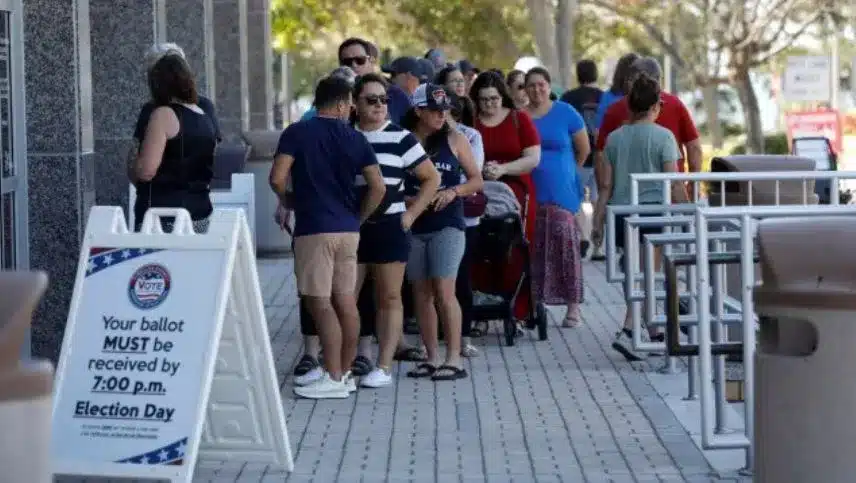
Q3: How has Trump’s G-2 framing affected U.S. allies?

Ans: It has created uncertainty among partners like India, Japan, and Australia over Washington’s long-term commitment to multilateral alliances.

Q4: Why is India central to the Indo-Pacific framework?

Ans: India’s economic size, geographic location, and strategic autonomy make it indispensable to any Indo-Pacific security architecture.

Q5: What could be the global impact of a renewed U.S.-China G-2 alignment?

Ans: It could reshape global governance by concentrating power between two major nations, potentially sidelining smaller allies and multilateral forums.

Steps for Implementing Land Reforms in India

Steps for Implementing Land Reforms in India

What’s in today’s article?

  • Why in News?
  • Promises Related to the Land Reforms Made in the Union Budget 2024-2025
  • Significance of Actions on Reforms around Land
  • Challenges Towards Implementing Actions on Land Reforms
  • What is the Scheme for Special Assistance to States for Capital Investment 2024-25?

Why in News?

  • The Centre has decided to provide states with Rs 10,000 crore in incentives for implementing land-related reforms in rural and urban areas, and Rs 5,000 crore for creating a Farmers’ Registry during the financial year 2024-25 (FY25).
  • The funds will be provided under the Scheme for Special Assistance to States for Capital Investment 2024-25.

Promises Related to the Land Reforms Made in the Union Budget 2024-2025:

  • Land-related reforms in the rural areas: These will include -
    • Assignment of unique land parcel identification numbers (ULPIN) or Bhu-Aadhaar for all lands,
    • Digitisation of cadastral maps,
    • Survey of map subdivisions as per current ownership,
    • Establishment of land registry, and
    • Linking to the farmers registry.
  • Land-related reforms on the urban front: These will include -
    • Digitisation of land records with GIS mapping.
    • Establishing an IT-based system for property record administration, updating, and tax administration.
    • These will facilitate improving the financial position of urban local bodies.
  • Implementation of the Digital Public Infrastructure (DPI) in agriculture:
    • The Indian government (in partnership with States) will facilitate the implementation of the DPI in agriculture for coverage of farmers and their lands in 3 years.
    • This programme will include a “digital survey” of the kharif crop in 400 districts and the land details being brought into a “land registry”.
    • These actions will facilitate credit flow and other agricultural services to rural land.

Significance of Actions on Reforms around Land:

  • It points towards a recognition that States are the key actors on these issues, and that approaches and constraints can vary across States.
  • Overall better land registries and cadastral maps are key -
    • To understanding land-use around the country,
    • To enforce building codes, and
    • To evaluate the risks due to various hazards, including natural disasters.
  • Information about land-use and land-use change are also key to understanding India’s emissions inventory.

Challenges Towards Implementing Actions on Land Reforms:

  • India has been trying to develop such land maps since the 1980s, with limited success.
  • One particular pitfall has been lack of standards.
    • These maps have been made by manual digitisation and are not properly georeferenced, i.e. the digital data is not mapped to fixed geographical coordinates.
    • The States have used different mapping projections, so maps prepared by one State’s processes are not directly compatible with those of another.
  • Thus, it is important to develop GIS data standards and interoperability for various end applications first.
  • These efforts also need technology support and upgrading, while appropriate and enabling institutional arrangements will need to be worked out at state and city levels.

What is the Scheme for Special Assistance to States for Capital Investment 2024-25?

  • In view of a higher multiplier effect of capital expenditure and in order to provide a boost to capital spending by States, the scheme was announced in the Union Budget 2024-25.
  • The scheme (first launched in 2020-21) provides financial assistance to state governments in the form of 50-year interest-free loans for capital investment projects.
  • In 2024-25, the scheme was redesigned with an overall allocation of ₹1.30 lakh crore, and includes 2 mandatory conditions for the next fiscal year:
  • With many states tweaking the names of centrally sponsored schemes (CCSs), the Centre has made it mandatory that to avail of the capex loan, states would have to retain the official name of all schemes.
  • The Centre has now mandated that states have to deposit the central share of interest earned in SNA accounts till March 31 (2024), in the Consolidated Fund of India.
    • The single nodal agencies (SNA) model requires states to notify an SNA for each CSS to receive funds from both the Centre and from state budgets.

Q.1. Why is capital expenditure important?

Capital expenditure, which leads to the creation of assets, is long-term in nature and allows the economy to generate revenue for many years by adding or improving production facilities and boosting operational efficiency.

Q.2. What do you mean by multiplier effect?

In macroeconomics, the multiplier effect refers to the increase in national income due to an external stimulus, like an increase in demand or spending power.

Source: Centre’s guidelines for special assistance to states finalised, Rs 10,000 crore for land reforms

Ireland, Spain, Norway to formally recognise Palestine

Ireland, Spain, Norway to formally recognise Palestine

What’s in today’s article?

  • Why in News?
  • Israel- Palestine: Synopsis of the Conflict
  • The issue of statehood to Palestine
  • Ireland, Spain, Norway to formally recognise Palestine

Why in News?

Norway, Ireland and Spain have announced that they will formally recognise the state of Palestine. The recognition of Palestine is expected to take place on May 28.

This step may encourage other EU countries to do the same. This, in turn, could also lead to more action at the United Nations, further isolating Israel.

Israel- Palestine: Synopsis of the Conflict

  • Early Phase
    • In the 19th century the land of Palestine was inhabited by a multicultural population (approx. 86% Muslim, 10% Christian, and 4% Jewish) – living in peace.
    • In the late 1800s, a group in Europe decided to colonize this land. Known as Zionists, their goal was to create a Jewish homeland.
      • They considered locations in Africa and the Americas, before settling on Palestine.
    • Hitler’s rise to power, led to increased Jewish immigration to Palestine. With the steady influx of Jews, the conflict in Palestine started to grow.
  • UN Partition Plan
    • In 1947 the United Nations decided to intervene. However, it did not choose the principle of “self-determination of peoples.
    • Under considerable Zionist pressure, the UN recommended giving away 55% of Palestine to a Jewish state.
  • 1947-1949 War 
    • Fighting began almost as soon as the Resolution of November 1947 was approved. 
    • On May 14, 1948, one day before the British Mandate (Palestine was a British colony) expired, Britain declared the establishment of a Jewish State in Eretz-Israel, to be known as the State of Israel. 
    • This sparked a full-scale war (1948 Arab–Israeli War).
    • By the end of the war, Israel had conquered 78 percent of Palestine; and a new map was drawn up.
  • Oslo peace process
    • In the 1993 a breakthrough agreement was negotiated between Israeli and Palestinian leaders in Oslo, Norway.
    • Under this process, the Israeli government and the Palestine Liberation Organization (PLO) agreed on a plan to implement a two-state solution.

The issue of statehood to Palestine

  • Control of the Palestinian territories remains divided
    • The 1948 UN decision created Israel envisaged a neighboring Palestinian state.
    • However, even today, the control of the Palestinian territories remains divided and bids for UN membership have been denied.
      • The Palestine Authority currently has observer status at UN.
  • Current status
    • Around 144 out of 193 member-states of the United Nations recognise Palestine as a state, including most of the global south, Russia, China and India.
    • However, so far, only a handful of the 27 EU members have done so, mostly former Communist countries as well as Sweden and Cyprus.
    • Britain, Australia and EU member Malta have indicated in recent months that they could soon follow suit.
  • Increasing support in favour of Palestine
    • Recently, in May 2024, 143 of 193 countries in the United Nations (U.N.) General Assembly voted for full membership to the U.N. for the State of Palestine.
    • The International Criminal Court (ICC) prosecutor has sought arrest warrants for Israeli Prime Minister Benjamin Netanyahu and Defence Minister Yoav Gallant.
  • Stand of Western Countries
    • The United States, Britain and other Western countries have backed the idea of an independent Palestinian state existing alongside Israel.
    • However, they insist Palestinian statehood should come as part of a negotiated settlement. 
      • There have been no substantive negotiations since 2009.
  • Palestinian statehood and stand of India
    • India and Palestine have had a relationship since 1974, when India became the first non-Arab state to recognize the Palestine Liberation Organisation (PLO).
    • In 1988, India was one of the first countries to recognize the Palestinian State.
    • In 1996, India opened its Representative Office to Palestine in Gaza City which was shifted to Ramallah in 2003.
    • India has advocated the resumption of direct negotiations towards establishing a sovereign, independent and viable State of Palestine living within secure and recognized borders, side by side at peace with Israel.

Ireland, Spain, Norway to formally recognise Palestine

  • Recognition to State of Palestine 
    • Ireland, Spain and Norway announced that they would recognise a Palestinian state on May 28.
  • Significance
    • Although the EU countries and Norway aren't recognizing a current Palestinian state, their support symbolizes a boost for the Palestinians' global image. 
    • This increases pressure on Israel to start peace talks.
    • Also, this would mark a significant accomplishment for the Palestinians, who believe it confers international legitimacy on their struggle.
  • Israel’s response
    • Israel reacted rapidly by recalling its ambassadors to Ireland, Norway and Spain.
    • The Israeli government slams talk of Palestinian independence as a reward for the Hamas October 7 attack on southern Israel.
      • This attack killed 1,200 people and led to the abduction of over 250 others. 
    • It rejects any move to legitimize the Palestinians internationally.

Q.1. What is the Palestine Liberation Organization (PLO)?

The Palestinian Liberation Organisation (PLO) was founded in 1964 with the purpose of liberating Palestine, achieving Palestinian self-determination, and securing the return of the refugees.

Q.2. What is the International Criminal Court?

The International Criminal Court (ICC) investigates and, where warranted, tries individuals charged with the gravest crimes of concern to the international community: genocide, war crimes, crimes against humanity and the crime of aggression.

Source: Spain, Ireland and Norway will recognize a Palestinian state on May 28. Why does that matter? | The Hindu | Indian Express

Universal Supply of Fortified Rice Under PMGKAY Extended Until 2028: Key Highlights

Universal Supply of Fortified Rice Under PMGKAY Extended Until 2028: Key Highlights

What’s in today’s article?

  • Why in News?
  • What is Rice fortification?
  • What is Pradhan Mantri Garib Kalyan Anna Yojana (PM-GKAY)?
  • What is National Food Security Act (NFSA)?

Why in News?

The Union cabinet, chaired by PM Modi, approved the continuation of the universal supply of fortified rice under all Union government schemes, including the Pradhan Mantri Garib Kalyan Anna Yojana (PMGKAY), from July 2024 until December 2028.

The rice fortification initiative will continue as a central sector initiative with 100% funding by the Centre as part of PMGKAY (Food Subsidy), thus providing a unified institutional mechanism for implementation.

What is Rice fortification?

  • About/definition
  • Need for fortification of rice
    • Malnutrition in India
      • India faces high levels of malnutrition, especially among women and children. 
      • According to the National Family Health Survey (NFHS-5), anaemia affects a significant portion of the population, with every second woman being anaemic and every third child stunted. 
      • Deficiencies in iron, Vitamin B12, and folic acid are widespread, affecting health and productivity.
    • Fortification of Rice as a Solution
      • Rice, a staple food for two-thirds of India’s population, is considered an ideal candidate for fortification to address malnutrition. 
      • Per capita rice consumption in India is 6.8 kg per month, and fortifying it with micronutrients can help supplement the diet of the poor.
    • Fortification Process
      • Fortification technologies include coating, dusting, and extrusion, with extrusion being the most suitable for India. 
      • In extrusion, dry rice flour is mixed with micronutrients and water, then passed through an extruder to create fortified rice kernels (FRKs), which resemble regular rice. 
      • These kernels are blended with regular rice in a 10g FRK to 1 kg rice ratio to produce fortified rice.
    • Nutrient Content in Fortified Rice
      • According to FSSAI standards, 1 kg of fortified rice contains:
        • Iron: 28 mg-42.5 mg
        • Folic acid: 75-125 micrograms
        • Vitamin B12: 0.75-1.25 micrograms
      • It may also be fortified with other micronutrients like zinc, vitamin A, and various B vitamins.
    • Cooking and Consumption of Fortified Rice
      • Fortified rice is cooked and eaten just like regular rice, and it retains its micronutrient levels after cooking. 
      • Packaging is marked with a logo (‘+F’) and labeled as “Fortified with Iron, Folic Acid, and Vitamin B12.”
    • Progress of the Rice Fortification Initiative
      • In 2015, PM Modi announced that rice distributed under government schemes, such as the Public Distribution System (PDS) and Mid-Day Meal Scheme, would be fortified by 2024. 
      • The Centre implemented the initiative in phases:
        • Phase 1: Integrated Child Development Services and PM POSHAN by March 2022.
        • Phase 2: PDS and welfare schemes in 112 Aspirational Districts by March 2023.
        • Phase 3: Full nationwide coverage by March 2024.
    • Cost and Scale of the Initiative
  • The annual cost of rice fortification is about ₹2,700 crore, less than 2% of India’s food subsidy bill. 
    • From 2019 to March 2024, 406 lakh metric tonnes of fortified rice have been distributed through the PDS. 
    • There are 925 fortified rice manufacturers with a capacity of 111 lakh metric tonnes per annum, and rice mills have a capacity of 223 lakh metric tonnes for blending. 
    • The government has invested ₹11,000 crore in developing the fortified rice supply chain.

What is Pradhan Mantri Garib Kalyan Anna Yojana (PM-GKAY)?

  • About
    • PM-GKAY is a food security welfare scheme announced by the Central Government in March 2020, during the Covid-19 pandemic.
    • It is a part of Pradhan Mantri Garib Kalyan Package (PMGKP) to help the poor fight the battle against Covid-19.
  • Objective
    • To feed the poorest citizens of India by providing grain through the Public Distribution System, to all the priority households (ration card holders and those identified by the Antyodaya Anna Yojana scheme).
      • Launched in 2000, Antyodaya Anna Yojana is a Centrally Sponsored Scheme to provide highly subsidised food to millions of the poorest families.
  • Entitlement 
    • The eligible ration cardholders under NFSA 2013 were entitled to 5 kg free wheat/rice per person per month.
    • This was in addition to the 5 kg food grains already provided to the beneficiaries under the National Food Security Act, 2013. 
  • Implementing Agency
    • Department of Food and Public Distribution, Ministry of Consumer Affairs, Food and Public Distribution.
  • Merger of PM-GKAY and NFSA
    • In December 2022, the Government amalgamated PMGKAY with NFSA.
    • After the merger, the entire quantity of 5 kg and 35 kg under the NFSA was made available free of cost. 
    • With this, India has a Central food security legislation which gives the poor a ‘right’ to receive 5 kg foodgrains free of cost.
    • Earlier, beneficiaries paid a small price of Rs 3 per kg for rice and Rs 2 per kg for wheat. 
  • Extension of PM-GKAY
    • The scheme was extended for five years, starting January 1, 2024.
      • It was previously extended until December 31, 2023

What is National Food Security Act (NFSA)?

  • The NFSA, 2013 was notified to provide for food and nutritional security, by ensuring access to adequate quantity of quality food at affordable prices to people to live a life with dignity.
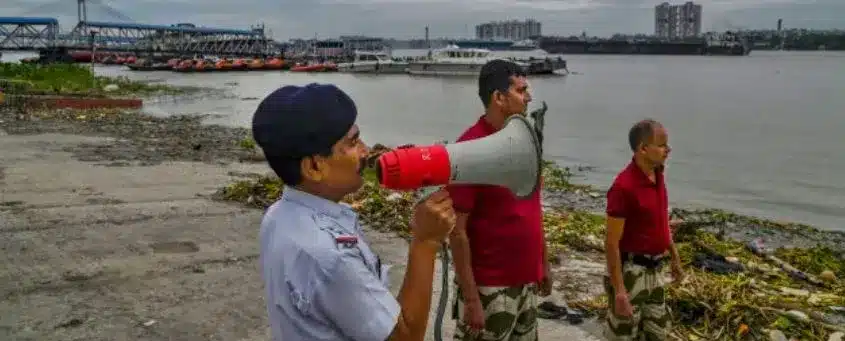
  • It provides a legal right to persons belonging to “eligible households” to receive food grains at subsidised price/central issue prices under the under Targeted Public Distribution System (TPDS).
  • State governments are tasked with identifying Antyodaya Anna Yojana (AAY - poorest of the poor) and priority households (PHH) beneficiaries within the TPDS-covered population.
  • Every person in the PHH category receives 5 kg of food grains per month at - rice at Rs 3/kg, wheat at Rs 2/kg and coarse grain at Re 1/kg. 
  • Each Antyodaya Anna Yojana (AAY) household gets Rs 35 kg of food grains per month. 
  • The Act covers up to 75% of the rural population and up to 50% of the urban population for receiving subsidised food grains (overall 67% of the total population). 

Q.1. What is the purpose of the Pradhan Mantri Garib Kalyan Anna Yojana (PMGKAY)?

PMGKAY aims to provide free food grains to vulnerable households in India, ensuring food security during the COVID-19 pandemic and beyond, by distributing 5 kg of wheat or rice per person per month.

Q.2. How does rice fortification help combat malnutrition in India?

Rice fortification adds essential micronutrients, such as iron, folic acid, and Vitamin B12, to regular rice, helping to address widespread deficiencies and improving the nutritional intake of two-thirds of the Indian population.

Source: What is fortified rice? Why did Centre extend initiative for its distribution in schemes | The Hindu | My Scheme | Down to Earth

Supreme Court Grants Bail to Delhi CM in CBI Case: Key Highlights

Default Image

What’s in today’s article?

  • Why in News?
  • Central Bureau of Investigation (CBI)
  • Criticism of CBI
  • Background- timeline of the case
  • Key highlights of the judgement

Why in News?

The Supreme Court has granted bail to Delhi CM Arvind Kejriwal in connection with the CBI’s complaint in the Delhi excise policy case. However, the apex court placed certain conditions.

While pronouncing the verdict, one of the judges of the bench criticized the CBI for its conduct in the case, emphasizing that as the country's leading investigative agency, it must work diligently to eliminate any doubts about the fairness of its investigation or potential bias in arrests.

He also recalled past instances where the Court had harshly rebuked the CBI, even likening it to a "caged parrot."

Central Bureau of Investigation (CBI)

  • About
    • The Central Bureau of Investigation (CBI) is the premier investigative agency of India.
    • The agency was established in 1963 by the Indian government as a result of the recommendation of the Santhanam Committee.
    • CBI is not a statutory body. It derives its power to investigate from the Delhi Special Police Establishment Act, 1946.
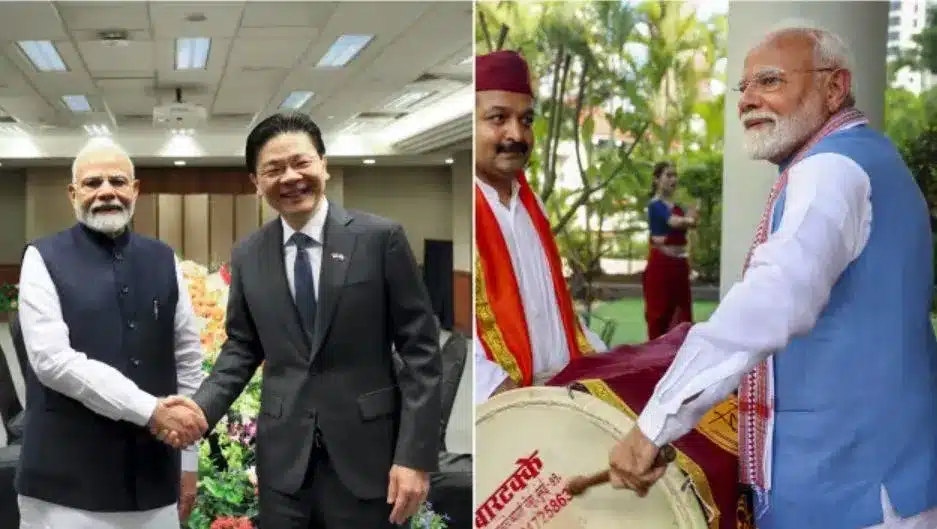
  • Control
    • It operates under the jurisdiction of the Ministry of Personnel, Public Grievances and Pensions (which in turn operated under PMO).
    • However, for investigation of offences under the Prevention of Corruption Act, CBI vests superintendence to the Central Vigilance Commission.
  • Functions
    • Initially, it was set up to investigate corruption in government departments and public sector undertakings.
    • However, over the years, its jurisdiction has expanded to cover a wide range of cases, including economic offenses, cyber-crimes, organized crimes, and special crimes.

Criticism of CBI

  • Guided By Pre-independence Act:
    • The CBI is still guided by DPSE Act 1946, whose provisions hamper the accountability and autonomy of the institutions.
    • In 2013, the Guwahati HC, in a judgement, had termed CBI as unconstitutional as it has no statutory backing.
    • It was later stayed by the Supreme Court.
  • Politically inclined
    • There have been instances where CBI has been politically biased as it is vulnerable to undue political pressure.
    • During the coal block investigation, the CBI was asked to share the findings with the government.
    • The carrot of post-retirement benefit makes CBI chief prone to toeing the lines of incumbent government.
    • The image of a premier investigating agency suffered a serious setback when the Supreme Court of India termed CBI as caged parrot with many masters.
  • Delays in case solving
    • It shows the inefficiency and inefficacy of this top most investigating agency of India.
  • Corruption and Nepotism
    • Ex-CBI director Joginder singh in his book revealed about the prevalent corruption and nepotism within the agency.
  • Turf war
    • In 2019, the agency was involved in turf war between its director and its special director. Both had accused each other of corruption and money laundering.

Background- timeline of the case

  • Delhi CM arrested twice in connection with the excise policy case
  • Supreme Court Grants Interim Bail in ED Case
    • July 12, 2024: The Supreme Court granted Kejriwal interim bail in the ED case, but he remained in jail due to pending CBI proceedings.
  • Delhi High Court Upholds CBI Arrest
    • August 5, 2024: The Delhi High Court upheld the CBI’s arrest decision and instructed Kejriwal to approach the trial court for bail.
  • Delhi HC Order challenged at Supreme Court
    • Delhi CM filed an appeal in the Supreme Court against the Delhi High Court's decision.
    • Finally, the apex court granted bail to Delhi CM.

Key highlights of the judgement

  • Granted bail
    • The Bench of Justices Surya Kant and Ujjal Bhuyan unanimously agreed on the question of granting bail to Delhi Chief Minister in the CBI case.
    • The judges determined that the Delhi CM satisfied the “triple test” for bail: no risk of evidence tampering, no flight risk, and no undue influence on witnesses.
  • Bail conditions imposed
    • In separate but concurring orders, the bench of Justices extended the bail conditions imposed in the ED matter to the CBI case as well.
    • The conditions of his bail included:
      • No visits to the Chief Minister’s Office or the Delhi Secretariat.
      • No signing of official files unless required for the Lieutenant Governor’s clearance.
      • No public comments about the case or interaction with witnesses.
      • Full cooperation with the trial and attendance at court hearings.
  • Diverging opinions on the necessity of arrest
    • During the hearings, both sides relied on Sections 41(1)(b) and 41A of the Code of Criminal Procedure, 1973 (CrPC).
    • Section 41(1)(b) lays down the conditions for arrest without a warrant.
    • Section 41A deals with the appearance of an accused before police in cases where arrest is not required.
  • Arguments extended by Delhi CM
    • Delhi CM argued that the conditions for his arrest under Section 41(1)(b) were not met.
    • He was not served a notice under Section 41A prior to his interrogation by the CBI.
  • Justice Kant’s Rulings on Sections 41(1)(b) and 41A
    • Justice Kant ruled that Section 41(1)(b) was not applicable since a CBI Special Judge had authorized Delhi CM's arrest.
    • He also clarified that Section 41A does not require a notice to be served to someone already in judicial custody, as Kejriwal was in relation to an ED case at the time.
    • Justice Kant upheld the CBI’s reasoning for arrest.
  • Justice Bhuyan’s Criticism of the CBI's Actions
    • Justice Bhuyan rejected the CBI's justification for arresting Kejriwal, stating that the agency cannot demand that an accused must answer in a manner that satisfies the investigators to be deemed cooperative.
    • He invoked Article 20(3) of the Indian Constitution, which protects individuals from self-incrimination, emphasizing that an accused has the right to remain silent.
    • He also raised concerns about the timing of Kejriwal’s arrest, noting that the CBI sought his custody immediately after he was granted bail in another case.

Q.1. What were the bail conditions imposed on the Delhi CM in the CBI case?

The bail conditions included prohibiting the Delhi CM from visiting his office, signing official files without the Lieutenant Governor’s approval, making public comments on the case, or interacting with witnesses.

Q.2. Why did Justice Bhuyan criticize the CBI's arrest of the Delhi CM?

Justice Bhuyan questioned the timing of the arrest and the CBI’s justification, asserting that an accused’s right to remain silent should not be interpreted as a lack of cooperation, as protected under Article 20(3) of the Constitution.

Source: Kejriwal is free after Supreme Court grants bail, judge puts CBI in the dock | Supreme Court Observer | Indian Express | The Hindu

Maharashtra Special Public Security Bill 2024: Combating Urban Naxalism with Strict Legislation

Maharashtra Special Public Security Bill 2024: Combating Urban Naxalism with Strict Legislation

What’s in today’s article?

  • Why in News?
  • What is Urban Naxalism?
  • Key provisions of Maharashtra Special Public Security Bill, 2024

Why in News?

The Maharashtra government introduced the Maharashtra Special Public Security Bill, 2024, to address the growing threat of Naxalism in urban areas, particularly through Naxal-affiliated organizations.

The bill proposes strict penalties, including imprisonment, for individuals who may not be direct members of unlawful organizations but engage in activities such as contributing to, receiving or soliciting aid for, harboring members of, or promoting or assisting in the meetings of such groups.

What is Urban Naxalism?

  • About
    • The presence of, and activities carried out, by Naxalites or the CPI (Maoist), in urban areas are together termed as Urban Maoism/Naxalism.
    • As per Maoist Document ‘Strategy and Tactics of Indian Revolution’:
      • Urban movement is one of the main sources, which provides cadres and leadership having various types of capabilities essential for the people’s war and for the establishment of liberated areas.
      • Also, the responsibility for the provision of supplies, technology – expertise, information and other such things, to the people’s war, too lies on the shoulders of the urban revolutionary movement itself.
      • Three objectives of Maoist Urban work
        • Mobilising and organising masses
        • Build United Front (Network of Mass Organisations)
        • Military Tasks
  • Activities
    • maintaining safe houses for leaders and cadres while in transit,
    • place for recuperation and for holding meetings;
    • providing logistics support to under-ground squads;
    • mobilising and recruiting youth, students and workers from industry and other bodies.

Key provisions of Maharashtra Special Public Security Bill, 2024

  • Purpose and Scope
    • The Maharashtra government has introduced the Maharashtra Special Public Security Bill, 2024, to combat the increasing threat of Naxalism, especially in urban areas through Naxal-affiliated organizations.
  • Declaration of Unlawful Organizations
    • The state can declare an organization as “unlawful”.
    • An advisory board of three qualified individuals (current/former/qualified High Court judges) will review such decisions.
  • Definition of Unlawful Activities
    • Activities threatening public order, peace, and tranquility.
    • Interference with law administration and public servants.
    • Violence, vandalism, use of firearms, explosives, and disruption of transportation.
    • Encouraging disobedience to law and institutions.
    • Collecting funds or goods for unlawful activities.
  • All offences under the law are cognizable and non-bailable
    • All offences under this law will be cognizable and non-bailable, and will be investigated by a police officer not below the rank of a Sub-Inspector.
  • Punishments
    • Members of Unlawful Organizations
      • Imprisonment up to 3 years and fines up to Rs 3 lakh.
    • Non-members Contributing or Aiding Unlawful Organizations
      • Imprisonment up to 2 years and fines up to Rs 2 lakh.
    • Management or Promotion of Unlawful Organizations
      • Imprisonment up to 3 years and fines up to Rs 3 lakh.
    • Committing, Abetting, or Planning Unlawful Activities
      • Imprisonment up to 7 years and fines up to Rs 5 lakh.
  • Seizure and Forfeiture
    • If an organisation has been declared as unlawful, the District Magistrate or Commissioner of Police can notify and take possession of any place used for its activities.
    • Government can forfeit money and assets intended for unlawful organizations.
  • Legal Review
    • An advisory board must review the declaration of unlawful organizations within six weeks and submit a report within three months.
    • High court can review government actions through revision petitions.

Q.1. What is Naxalism?

Naxalism is a violent insurgency movement in India, originating from a 1967 uprising in Naxalbari, West Bengal. It is driven by Maoist ideology, aiming to overthrow the government through armed rebellion, primarily targeting rural and tribal areas with socio-economic grievances.

Q.2. What are cognizable and non-bailable offences?

Cognizable offences are serious crimes for which police can arrest without a warrant and start an investigation. Non-bailable offences are severe charges where bail is not a right and is granted only at the discretion of the court.

Source: Citing ‘Naxalism in urban areas’, Maharashtra Govt tables Bill

Chandipura Virus Genome Mapping: Key Findings and Impact on Healthcare

Chandipura Virus Genome Mapping: Key Findings and Impact on Healthcare

What’s in today’s article?

  • Why in News?
  • Genome mapping
  • Chandipura
  • Key Findings from GBRC's Genome Mapping of CHPV

Why in News?

The Gujarat Biotechnology Research Centre (GBRC) in Gandhinagar has successfully published the first fully mapped genome of the Chandipura Vesiculovirus (CHPV).

This virus is responsible for causing encephalitis or brain swelling, which accounted for a significant portion of cases during the outbreak in Gujarat in July-August.

Genome mapping

  • About
    • Genome mapping refers to the process of identifying the locations of genes and important sequences on a genome.
    • Genome mapping provides important clues on where a virus comes from, how it is changing, and whether it has any mutations that are likely to make it more transmissible or deadly.
    • Genome maps are of two types:
      • genetic maps, which show the relative positions of genes based on recombination frequency, and
      • physical maps, which show the absolute positions of genes based on DNA base pairs.
  • Significance
    • Understanding Genetic Disorders: Genome mapping helps identify genes associated with genetic diseases, facilitating early diagnosis, targeted treatment, and genetic counseling.
    • Personalized Medicine: Mapping can lead to customized treatment plans based on an individual's genetic makeup, improving the effectiveness of therapies.
    • Agriculture: In crops and livestock, genome mapping allows the identification of desirable traits, aiding in breeding programs for higher yield, disease resistance, and quality.
    • Vaccine and Drug Development: Understanding the genomic structure of pathogens like viruses helps develop effective vaccines and drugs, as seen in the fight against infectious diseases like COVID-19 and CHPV.
      • Evolutionary Studies: Genome maps provide insights into evolutionary relationships between species by comparing genetic sequences across organisms.
  • Challenges
    • Complexity of Genomes: Larger genomes, such as those in plants and animals, are highly complex and contain repetitive sequences, making accurate mapping difficult.
    • Ethical Concerns: Genome mapping can raise privacy and ethical issues, especially regarding how genetic information is used and who has access to it.
    • Cost and Resources: Although costs have reduced, genome mapping, particularly for large-scale projects, still requires significant financial investment and technological resources.
    • Data Interpretation: Even after mapping, interpreting the significance of various genes and sequences remains a challenge due to gaps in our understanding of their functions.

Chandipura

  • About
    • Chandipura is a viral infection that can lead to outbreaks of Acute Encephalitis Syndrome (AES) or brain swelling.
    • It is known to cause fever, headache, and encephalitis leading to convulsions, coma, and death, usually within a few days of the symptoms showing up.
  • Family and Vectors
    • Chandipura virus (CHPV) belongs to the Rhabdoviridae family, which includes viruses like the lyssavirus (rabies).
    • Several sandfly species, such as Phlebotomine sandflies and Phlebotomus papatasi, along with Aedes aegypti mosquitoes (also responsible for dengue), act as vectors.
    • The virus resides in the salivary glands of these insects and is transmitted to humans or other vertebrates through bites.
  • Transmission and Progression of Infection
    • Once transmitted, CHPV can spread to the central nervous system, leading to encephalitis (brain inflammation).
    • Symptoms begin with flu-like signs such as fever, body aches, and headaches, and may escalate to altered mental status, seizures, and encephalitis.
    • Other symptoms may include respiratory distress, bleeding tendencies, or anemia.
    • The infection often progresses rapidly, leading to death within 24-48 hours of hospitalization.
  • Most Affected Population
    • The virus predominantly affects children under 15 years of age.
    • The infection tends to be seasonal, with outbreaks often reported during periods when the sandfly population increases, particularly in monsoon seasons.
  • Historical Outbreaks and Endemic Regions
    • CHPV was first identified in 1965 during a dengue/chikungunya investigation in Maharashtra.
    • Significant outbreaks occurred in 2003-2004 in Maharashtra, northern Gujarat, and Andhra Pradesh, resulting in over 300 deaths among children. T
  • he case fatality rate (CFR) during the 2004 Gujarat outbreak reached 78%, while Andhra Pradesh reported a CFR of 55% in 2003.
    • The infection remains endemic in central India, where the vector population is more concentrated.
    • Outbreaks are most commonly reported in rural, tribal, and peripheral areas.

Key Findings from GBRC's Genome Mapping of CHPV

  • No Major Change in Genetic Makeup
    • The CHPV virus from the recent Gujarat outbreak is highly similar to the 2012 strain, with only a single amino acid mutation in the glycoprotein-B gene.
  • This gene is crucial for the virus’s ability to bind to human cell receptors and trigger an immune response.
    • Unlike COVID-19, the virus has not needed to change much, possibly due to low population-wide antibody development and the absence of a vaccine.
  • Low Viral Load but Severe Impact
    • Despite the high Cycle Threshold (Ct) value in RT-PCR tests, indicating a low viral load, the virus still caused severe symptoms.
  • Indigenous Virus, Not Imported
    • Genome sequencing revealed that the current virus strain is closely related to those from previous Indian outbreaks in 2003-04 and 2007.
    • The virus was not imported from abroad and is distinct from strains found in Europe and Africa, confirming that it is circulating within India.

Q.1. What is genome mapping, and why is it significant for healthcare?

Genome mapping helps locate genes on a genome, offering insights into virus mutations and aiding vaccine development, as seen in the Chandipura virus case.

Q.2. What were the key findings from the Chandipura virus genome mapping?

The Chandipura virus from the Gujarat outbreak closely resembled earlier strains, with minimal genetic changes, highlighting its low mutation rate.

Source: Genome mapping of Chandipura virus: what researchers found | Indian Express

SC Highlights Need to Balance Trial Delays and Bail Rights Under PMLA Sec 45

Default Image

What’s in today’s article?

  • Why in News?
  • Bail is the rule, and jail is the exception principle
  • Section 45 of the PMLA
  • Twin test of bail under Section 45 of PMLA
  • Key highlights of the judgement

Why in News?

The Supreme Court granted bail to former Delhi Deputy Chief Minister Manish Sisodia.

While granting the bail, the apex court emphasized that the delay in trial and a long period of pre-trial incarceration is a ground to bypass the stringent bail conditions in money laundering cases. The Court stated that under these circumstances, the right to bail should be considered as part of Section 45 of the PMLA.

Bail is the rule, and jail is the exception principle

  • About
    • The 'bail is the rule, and jail is the exception' principle was first used in the 1977 landmark judgment of the 'State of Rajasthan vs Balchand alias Baliya' case.
    • The ruling underscored that bail should be denied only in circumstances where there is a risk of the accused fleeing from justice, obstructing justice, repeating offenses, or intimidating witnesses.
    • This concept has been cited in numerous cases since, reinforcing its importance in upholding personal liberty.
  • SC invoking this principle from time to time
    • The Supreme Court has consistently reiterated this principle in various judgments.
    • In 2011, the court granted bail to five accused in the 2G spectrum case, while underscoring that bail is the rule.
    • Similarly, in 2019, the court granted bail to P Chidambaram in the INX Media case, despite the seriousness of economic offenses, affirming that the fundamental jurisprudence of bail remained unchanged.
    • In November 2020, the Supreme Court extended interim bail to journalist Arnab Goswami, highlighting the critical nature of personal liberty and the principle of bail as the norm.
    • CJI DY Chandrachud, in his address at the All India District Judges Conference in March 2024, voiced concerns about the declining adherence to this principle in lower courts.
  • He emphasized the need for judges to prioritize personal liberty and adhere to the established legal standard.

Section 45 of the PMLA

  • Section 45 of the Prevention of Money Laundering Act (PMLA) speaks about the conditions set for bail.
  • It states that no accused person shall be granted bail unless:
    • the Public Prosecutor has been given an opportunity to oppose the application for such release; and
    • where the Public Prosecutor opposes the application, the Court is satisfied that:
  • there are reasonable grounds for believing that he is not guilty of such offence and
  • that he is not likely to commit any offence while on bail.
  • Basically, this section prescribes a rather high bar for granting bail. The negative language in the provision itself shows that bail is not the rule but the exception under PMLA.

Twin test of bail under Section 45 of PMLA

  • The twin conditions of bail under Section 45 of the PMLA pose stringent thresholds for an accused.
    • For one, the person has to prove in court that he or she is prima facie innocent of the offence.
    • Secondly, the accused should be able to convince the judge he would not commit any offence while on bail.
  • The burden of proof is entirely on the incarcerated accused, who would be often handicapped to fight the might of the state.
  • The twin conditions make it almost impossible for an accused to get bail under the PMLA.
  • Before the 2019 amendments of PMLA, if someone was accused of a crime related to money laundering, the law automatically assumed they were guilty of the original crime (called the "scheduled offence").
  • The accused had to prove they were not involved in that crime to get bail.

Key highlights of the judgement

  • Delay in trial and prolonged imprisonment are valid grounds for granting bail
    • The SC emphasized that delay in trial and prolonged imprisonment are valid grounds for granting bail, even in cases under stringent laws like the PMLA.
  • Right to speedy trial is the higher law
    • The bench held that a constitutional mandate to ensure speedy trial is the higher law, compared to the statutory provisions that fetter the grant of bail.
    • Right to speedy trial is a sacrosanct right... Bail cannot be opposed saying that the crime is serious. In matters of liberty, every day counts.
  • Trial courts and the High Courts attempt to play safe in matters of grant of bail
    • The apex court said that it appears that the trial courts and the High Courts attempt to play safe in matters of grant of bail.
    • This reminder from the Supreme Court, in cases involving the Enforcement Directorate under the PMLA, will impact other cases as well.
    • Even if the case's merits aren't in their favor, accused individuals may seek bail due to delays in the trial.

Q.1. What is Bail?  

Bail is a legal process allowing a person accused of a crime to be temporarily released from custody, typically by paying a set amount of money or providing a surety. It ensures the accused returns for trial while balancing the presumption of innocence with the need to protect public safety.

Q.2. What is Prevention of Money Laundering Act (PMLA)?

The Prevention of Money Laundering Act (PMLA) aims to prevent money laundering and confiscate the proceeds of crime. It mandates reporting and record-keeping requirements for financial institutions, establishes enforcement mechanisms, and promotes cooperation between agencies to combat financial crimes and ensure transparency.

Source: SC bail to Sisodia: Why Bench said trial delay, bail right must be read into PMLA Sec 45 | Times of India | Indian Express | Live Mint | Indian Kanoon

Meta Appeals CCI’s Fine Over WhatsApp Privacy Policy Update

Meta Appeals CCI’s Fine Over WhatsApp Privacy Policy Update

What’s in today’s article?

  • Why in News?
  • What is Competition Commission of India (CCI)?
  • What is WhatsApp’s 2021 privacy policy?
  • What is WhatsApp-CCI dispute?

Why in News?

WhatsApp plans to appeal the Competition Commission of India’s (CCI) ruling imposing a $25.4 million fine for anti-competitive practices related to its 2021 privacy policy. 

The policy, requiring user data sharing with Meta-owned apps for advertising, sparked concerns over competition and privacy, with allegations that WhatsApp exploited its dominant position to enforce the terms.

What is Competition Commission of India (CCI)?

  • About
  • Objectives:
    • Eliminate practices having adverse effect on competition
    • Promote and sustain competition
    • Protect the interests of consumers
    • Ensure freedom of trade in the markets of India
  • Members
    • The Commission consists of one Chairperson and six members who shall be appointed by the Central Government.
  • Functions of CCI
    • The commission is a quasi-judicial body who also gives opinions to statutory authorities.
    • It is also mandated to undertake competition advocacy, create public awareness and impart training on competition issues.
    • In order to fulfil its objectives, the commission may: 
      • conduct an enquiry into certain kinds of agreements and dominant position of enterprise,
      • determine whether an agreement has AAEC (appreciable adverse effects on competition).

What is WhatsApp’s 2021 privacy policy?

  • About
    • In January 2021 WhatsApp rolled out a new privacy policy and had given users time till 28 February 2021 to accept and update.
    • The 2021 update introduced significant changes, particularly in sharing user data between WhatsApp and Meta’s platforms like Facebook and Instagram.
    • It allowed the sharing of user data, including phone numbers, contacts, and transaction details, for advertising and business-related purposes.
    • WhatsApp claims the update was necessary to improve business features. It assures users that private messages remain encrypted and secure.
      • The policy primarily concerns data shared with businesses and third-party apps for targeted ads and customer service integration.
  • Concerns raised
    • WhatsApp's 2021 privacy policy sparked global controversy, particularly in India, over concerns about undue control over user data and limited consumer choice, with non-compliance risking app access loss. 
    • While WhatsApp claimed the update aimed to enhance business-user communication, critics feared it would commercialize personal data. 
    • The absence of comprehensive data protection laws in India heightened the backlash, prompting legal scrutiny and the CCI investigation.
  • Have other countries raised objections?
    • WhatsApp has faced global legal challenges over its 2021 privacy policy.
    • European Union: In September 2021, Ireland’s data regulator fined WhatsApp GBP 225 million for failing to meet transparency requirements under the General Data Protection Regulation (GDPR). WhatsApp has appealed the decision.

What is WhatsApp-CCI dispute?

  • About
    • The WhatsApp-CCI dispute involves an investigation into WhatsApp's 2021 privacy policy, which mandated user data sharing with Meta, raising concerns about anti-competitive practices and data privacy violations.
    • CCI's probe against WhatsApp
    • The CCI initiated its probe in 2021 to assess whether the policy harmed competition by unfairly exploiting user data.
    •  The CCI has now fined Meta $25.4 million and directed WhatsApp to stop sharing user data with Meta-owned apps for advertising purposes for the next five years.
    • This investigation is crucial in India, where data protection laws are still evolving. It has also sparked broader discussions about data privacy and competition law.
  • Timeline of WhatsApp-CCI dispute
    • January 2021: WhatsApp announced an update to its privacy policy, mandating users to accept terms that included sharing data with Facebook and its subsidiaries.
    • March 2021: The CCI launched a suo moto investigation into the update, citing concerns over potential abuse of dominance and anti-competitive practices.
    • April 2021: WhatsApp and Meta challenged the CCI’s jurisdiction in the Delhi High Court.
    • April 22, 2021: The Delhi High Court dismissed the petitions, allowing the CCI to proceed.
    • August 25, 2022: A division bench of the Delhi High Court upheld the single judge’s decision, reaffirming the CCI’s authority.
    • October 2022: The Supreme Court dismissed appeals by WhatsApp and Meta, permitting the investigation to continue.
    • November 18, 2024: The CCI fined Meta $25.4 million and ordered WhatsApp to stop sharing user data with other Meta-owned apps for advertising purposes for five years.
    • November 19, 2024: Meta announced its intention to appeal the CCI’s decision.

Q.1. Why did the CCI fine Meta over WhatsApp’s privacy policy?

The CCI imposed a ₹213 crore fine, citing anti-competitive practices and concerns over user data sharing between WhatsApp and Meta, which allegedly exploited WhatsApp's market dominance.

Q.2. What are the main objections to WhatsApp’s 2021 privacy policy?

Critics argue the policy forces users to share data with Meta apps for advertising, limiting choice and raising privacy concerns, especially in the absence of robust data protection laws in India.

News: Meta to appeal CCI’s ₹213 crore fine for WhatsApp privacy policy change | Ministry of Corporate Affairs | Business Standard

Are CSR Contributions to Agriculture Properly Tracked?

Are CSR Contributions to Agriculture Properly Tracked?

What’s in today’s article?

  • Origin of CSR
  • Meaning of CSR
  • CSR in India
  • Companies Covered under the Act
  • Performance So Far
  • News Summary

Origin of CSR

  • Howard Bowen, an American economist, is widely regarded as the father of modern CSR.
  • In his book “Social Responsibilities of the Businessman” in 1953, he writes, “CSR refers to the obligations of businessmen to pursue those policies which are desirable in terms of the objectives and values of our society”.
  • This has become the backbone by which modern CSR principles are based.

Meaning of CSR

  • The concept of CSR rests on the ideology of businesses giving back to society as they grow and benefit.
  • Companies take resources in the form of raw materials, human resources etc from the society.
  • By performing the task of CSR activities, the companies are giving something back to the society.
  • Examples of common CSR objectives include minimizing environmental externalities, promoting volunteerism among company employees, and donating to charity.

CSR in India

  • CSR in India has traditionally been seen as a philanthropic activity.
  • However, with the introduction of Section 135 in the Companies Act 2013, India became the first country to have statutorily mandated CSR for specified companies.
  • The mandatory CSR provisions were made effective from 1st April, 2014 for companies with a certain profit, turn-over or valuation.
  • Concerned Ministry: Ministry of Commerce and Industry

Companies Covered under the Act

  • The companies which fall in the ambit of any of the following three criteria are required to spend on CSR.
    • Company with a net worth of Rs. 500 crore or more, or
    • Turnover of Rs. 1,000 crore or more, or
    • Net profit of Rs. 5 crore or more during the immediately preceding financial year.
  • Such companies are required to do CSR spend amounting to 2 % of their average annual profit over last three years.
  • The Act also enumerates the activities that can be undertaken and the manner in which the companies can undertake CSR projects/programmes.

Performance So Far

  • CSR Expenditure Trends:
    • Cumulative Spending: From 2014 to 2023, companies in India have collectively spent approximately ‚₹1.84 lakh crore on CSR activities.
    • Annual Spending: In the fiscal year 2022-23, the prescribed CSR budget for 301 large companies was ‚₹13,426 crore, with an actual expenditure of ‚₹12,890 crore, indicating a compliance rate of over 96%.
  • Sectoral Allocation:
    • Healthcare and WASH (Water, Sanitation, and Hygiene): 26% of companies identified this as their primary CSR focus.
    • Environment and Sustainability: 23% of companies prioritized this area, reflecting a growing commitment to environmental issues.
    • Promotion of Education: 23% of companies dedicated resources to educational initiatives.

News Summary

  • In India, agriculture plays a crucial role in the economy, providing employment to nearly 47% of the population and contributing around 16.73% to the GDP.
  • Recognizing this, India legally mandated Corporate Social Responsibility (CSR) in 2013 under Section 135 of the Companies Act, requiring certain corporations to allocate part of their profits towards social causes.
  • Since then, CSR contributions have increased significantly, with ₹1.84 lakh crore disbursed from 2014 to 2023.
  • This raises questions about CSR’s role in agriculture, especially regarding the impact of contributions on agricultural sustainability.
  • CSR’s Role in Agriculture:
    • With a high percentage of India's workforce employed in agriculture, CSR initiatives have the potential to address key issues in the sector:
    • Environmental Degradation: As natural resources become strained, the need for sustainable agricultural practices grows.
    • Stagnant Farmer Incomes: With limited growth in earnings, initiatives can help improve productivity and livelihood.
    • Climate Change Threats: Shifts in climate patterns challenge crop yields and agricultural stability, requiring adaptive practices.
    • A CSR outlook report highlighted that 23% of surveyed companies prioritize "environment and sustainability," indicating an interest in supporting agricultural and environmental projects. C
    • SR funds have been allocated to activities like grain banks, farmer schools, agricultural livelihood projects, water conservation, and energy-efficient irrigation.
    • The recent focus on sustainability in agriculture aligns with CSR goals and encourages private sector engagement.
  • Importance of Sector-Specific Reporting:
    • Designating agriculture as a standalone CSR category could improve the clarity and effectiveness of contributions. This would enable:
      • Targeted Funding: Funds could be directed toward specific needs in agriculture, such as sustainable farming methods or climate resilience measures.
      • Transparency and Accountability: More precise reporting on CSR contributions would ensure companies are held accountable for their impact on agricultural sustainability.
      • Enhanced Impact Measurement: Identifying the unique needs within agricultural ecosystems allows for targeted interventions, which could result in more measurable and meaningful changes in the sector.

Q1.What is Nitrogen Fixation?

Nitrogen fixation is the process of converting nitrogen gas in the atmosphere into ammonia or other nitrogen compounds that are useful for plants and other microbes

Q2. What is Soil Health Card Scheme?

Soil Health Card Scheme is a scheme launched by the Government of India on 19 February 2015. Under the scheme, the government plans to issue soil cards to farmers which will carry crop-wise recommendations of nutrients and fertilisers required for the individual farms to help farmers to improve productivity through judicious use of inputs.

News: Tracking lacuna limits CSR’s contributions to agri sustainability | Analysis

Supreme Court Sets Boundaries on State Acquisition of Private Resources for Public Benefit

Supreme Court

What’s in today’s article?

  • Why in News?
  • Constitutional Provisions Touched Upon by the SC in its Judgement Limiting State Acquisition of Private Resources
  • Key Points of the SC Ruling Limiting State Acquisition of Private Resources
  • The SC on Constitutional Safeguards for Privately Owned Resources
  • Dissenting Views and Historical Context of Limiting State Acquisition of Private Resources
  • Broader Implications of the SC Ruling Limiting State Acquisition of Private Resources

Why in News?

  • The Supreme Court, in a landmark ruling, established limits on the government’s power to take over privately owned resources for public distribution.
  • This ruling, passed by an 8-1 majority of a nine-judge Constitution bench, clarified the scope of Article 39(b) of the Indian Constitution, which concerns the State’s responsibility to manage resources for the common good.

Constitutional Provisions Touched Upon by the SC in its Judgement Limiting State Acquisition of PrivatOKe Resources:

  • Article 14: Guarantees the right to equality before the law and equal protection of the laws to all individuals within India. It prevents discrimination and ensures fairness in laws.
  • Article 19: Provides citizens with certain fundamental freedoms, including the freedom of speech and expression, assembly, association, movement, residence, and profession.
    • These rights, however, are subject to reasonable restrictions for the sake of public order, morality, and national interest.
  • Article 31C: Protects laws aimed at implementing Article 39(b) and 39(c) from being challenged on the grounds of violating the rights under Articles 14 and 19.
    • This “safe harbour” provision shields such laws if they promote public welfare by ensuring equitable distribution of resources.
  • Article 39(b): Directs the State to manage the distribution of material resources of the community in a way that best serves the common good.
    • It guides policies that aim to reduce inequality and ensure resources benefit everyone.
  • Article 39(c): Aims to prevent the concentration of wealth and means of production in a way that harms common welfare.
    • It encourages policies that reduce economic disparity and promotes fair distribution of wealth.

Key Points of the SC Ruling Limiting State Acquisition of Private Resources:

  • Defining "Material Resources of the Community":
    • The Court clarified that only certain private resources, meeting specific criteria, qualify as “material resources of the community” under Article 39(b) and can thus be subject to state acquisition.
    • Each case would depend on the resource’s nature, scarcity, community impact, and whether public or private control serves community welfare better.
  • Balancing public welfare and private property rights:
    • The Chief Justice of India (CJI), writing for the majority, stated that while public welfare is essential, it must be balanced against the rights of private property owners.
    • The court overruled previous expansive interpretations, underscoring India’s commitment to “economic democracy” that avoids strictly socialist or capitalist models, instead advocating a balanced approach that respects both public and private interests.
  • Criteria for state acquisition:
    • The majority ruling outlined two criteria for a resource to be considered a “material resource of the community”:
      • It must be both significant (“material”) and
      • Hold a “community” element.
    • Examples given included resources that are scarce or essential for the community’s well-being, which may more easily justify state intervention.

The SC on Constitutional Safeguards for Privately Owned Resources:

  • Article 39(b):
    • The ruling emphasised that Article 39(b) must be read in conjunction with Article 300A, which protects property rights under the Constitution.
    • The Court warned against using Article 39(b) as a blanket licence for acquiring private property, highlighting the need to respect property rights.
  • Article 31C and immunity for public welfare laws:
    • The Court reiterated that Article 31C provides immunity to laws enacted for the common good as per Article 39(b) and (c).
    • However, this immunity applies only if such laws genuinely further public welfare objectives, ensuring that legislative actions aligning with these constitutional goals are protected from challenges under -
      • Article 14 and
      • Article 19.

Dissenting Views and Historical Context of Limiting State Acquisition of Private Resources:

  • Historical context:
    • In 1977, Justice VR Krishna Iyer interpreted that all private property could potentially qualify for redistribution as a community resource.
    • This approach was followed by the SC in the 1982 Sanjeev Coke case, which had broadly interpreted state power over private resources.
    • The recent ruling, while rejecting this approach, overturned the 1982 Sanjeev Coke case and advocated a more balanced interpretation.
  • Dissenting views:
    • Justice Sudhanshu Dhulia’s dissent: He wrote the only dissenting judgement, disagreeing with defining what qualifies as “material resources,” suggesting this responsibility should fall to the legislature rather than the Court.
    • Justice Nagarathna’s perspective: She argued that past interpretations, especially those by Justice Iyer, should not be disregarded, as they reflected historical priorities toward public welfare post-Independence.

Broader Implications of the SC Ruling Limiting State Acquisition of Private Resources:

  • The recent ruling stemmed from a dispute involving MHADA (Maharashtra Housing and Area Development Authority), which acquired buildings for redevelopment.
    • Property owners challenged this acquisition, citing Articles 14 and 19.
  • This ruling marks a significant development in interpreting the scope of Article 39(b), limiting the State’s power to acquire private resources for public welfare.
  • By balancing public interest with private property rights, the Court has reinforced a framework that respects both individual and collective interests, establishing constitutional clarity for future cases.
  • The Court’s decision impacts similar cases, requiring that each state acquisition of private resources align with Article 39(b) and ensure a genuine community benefit.

Q.1. What are the constitutional safeguards for the right to property in India?

The Supreme Court clarified that although the right to property ceased to be a fundamental right, it remains protected under Article 300A of the Constitution. The Court noted that any deprivation of property rights has to be in accordance with due legal process.

Q.2. What are the contributions of Justice PN Bhagwati and Justice VR Krishna Iyer?

As a Supreme Court judge, Justice Bhagwati introduced the concepts of public interest litigation (PIL) and absolute liability to the Indian judicial system. He is therefore held, along with Justice V. R. Krishna Iyer, to have pioneered judicial activism in the country.

News: Not all private properties can be used by State for the community: Supreme Court holds in majority decision | IE | IE

Crown Prince of Abu Dhabi’s Visit to India Strengthens Bilateral Ties

Crown Prince of Abu Dhabi's Visit to India Strengthens Bilateral Ties

 What’s in today’s article?

  • Why in News?
  • India – UAE Bilateral Relationship
  • Key highlights of the visit of the Crown Prince of Abu Dhabi to India

Why in News?

The Crown Prince of Abu Dhabi, Sheikh Khaled bin Mohamed bin Zayed Al Nahyan, is on a two-day official visit to India. This is his first visit to India as the Crown Prince of Abu Dhabi.

India – UAE Bilateral Relationship

  • Political relations
    • India and the UAE established diplomatic relations in 1972. Since then, their relationship has grown manifold.
    • In January 2017, India and UAE signed a Comprehensive Strategic Partnership Agreement.
    • The strong bilateral relations have received impetus from time-to-time with exchange of high-level visits from both sides.
      • In February 2019, UAE invited India as the "Guest of Honour” to address the Inaugural Plenary of 46th Session of the Organisation of Islamic Cooperation.
      • PM Modi paid his third visit to the UAE in August 2019. He was awarded the highest civilian award of UAE called 'Order of Zayed'.
    • The foundation stone laying ceremony for the first traditional Hindu Temple in Abu Dhabi was held in April 2019.
    • In February 2022, PM Modi and Crown Prince of Abu Dhabi HH Sheikh Mohammed bin Zayed Al Nahyan held a Virtual Summit. 
      • Both the leaders issued a Joint Vision Statement – “Advancing the India and UAE Comprehensive Strategic Partnership: New Frontiers, New Milestone”.
  • UAE was the guest country at G-20, held under India’s presidency.
  • Trade Relation
    • India-UAE trade rose to USD 85 billion in 2022-23, making the UAE India’s third-largest trading partner for 2022-23making UAE, India’s third largest trading partner for the year 2022-23 after China and US. 
      • Moreover, UAE is the second largest export destination of India (after the US) with an amount of nearly US$ 31.61 billion for the year 2022-23.
  • Comprehensive Economic Partnership Agreement (CEPA) between India and UAE
    • India-UAE CEPA was signed in February 2022 in New Delhi during the India-UAE Virtual Summit.
    • In March 2022, India announced the unveiling of the CEPA with the UAE.
    • It covers almost all the tariff lines dealt in by India (11,908 tariff lines) and the UAE (7581 tariff lines) respectively.
  • Investment
    • Since the signing of CEPA, UAE has emerged as the fourth largest investor in India during 2022-23. It was seventh largest investor in 2021-22.
    • UAE has committed to invest US$ 75 billion in India’s infrastructure sector over a period of time. 
    • Abu Dhabi Investment Authority, the principal Sovereign Wealth Fund of the UAE, is an anchor investor in NIIF Master Fund through an investment of US$ 1 billion in National Infrastructure Investment Fund (NIIF).
  • Trade settlement in local currencies
    • In July 2023, during the visit of PM Modi to Abu Dhabi, both the countries agreed to start trade settlement in local currencies.
    • In this regard, an MoU between RBI and UAE Central Bank for the establishment of a framework to promote the use of local currencies (INR - AED) for cross-border transactions was signed.
      • This MoU puts in place a Local Currency Settlement System (LCSS) to promote the use of INR and AED bilaterally.
  • Linking of Fast Payment Systems of both the countries
    • In July 2023, India and the UAE agreed to link the Indian Unified Payments Interface with the Gulf country's Instant Payment Platform (IPP).
  • IIT Delhi to open campus in Abu Dhabi
    • In 2023, India had signed an MoU with Education and Knowledge dept of Abu Dhabi for setting up IIT Delhi campus there.
  • NRI Remittances
    • The annual remittances made by the large Indian community in UAE is one of the highest in the world and is 18% of the total remittances to India [2020-21 data].
  • Energy Cooperation
    • In 2017, the Abu Dhabi National Oil Company (ADNOC) and the Indian Strategic Petroleum Reserves Ltd. (ISPRL) signed an MoU to establish a strategic crude oil reserve in the city of Mangalore (Karnataka).
    • ADNOC is also involved in exploring the possibility of storing its crude oil at ISPRL’s underground oil storage facility at Padur in Karnataka.
    • A consortium led by ONGC including Indian Oil and Bharat PetroResources, has been awarded a 10 per cent stake in the Lower Zakum Concession.
  • Indian Community
    • The Indian expatriate community of approximately 3.5 million is the largest ethnic community in UAE constituting roughly about 35 percent of the country’s population.
    • Around 35% of the Indian community is made up of professionally qualified personnel, businessmen & other white collar non-professionals.

Key highlights of the visit of the Crown Prince of Abu Dhabi to India

  • MoUs/Agreements signed during the visit
    • MoU on Nuclear Cooperation between Nuclear Power Corporation of India Limited (NNPCIL) and Emirates Nuclear Energy Corporation (ENEC)
      • It is expected to enhance cooperation in the operation and maintenance of Barakah Nuclear Power Plant, sourcing of nuclear goods and services from India, exploring mutual investment opportunities and capacity building.
    • Agreement for long-term LNG supply between Abu Dhabi National Oil Company (ADNOC) and Indian Oil Corporation Limited
      • This agreement is for the supply of 1 million metric tonne per annum (MMTPA) LNG.
      • It is the third such contract signed in just over a year.
    • MoU between ADNOC and India Strategic Petroleum Reserve Limited (ISPRL)
      • It provides for exploring ADNOC's participation in additional opportunities for crude storage in India and the renewal of their storage and management agreement on mutually acceptable terms and conditions. 
      • This MoU builds on ADNOC’s existing involvement in crude storage at the Mangalore Cavern of ISPRL since 2018.
      • ISPRL is under the petroleum ministry and manages 5.33 million metric tonnes (MMT) of strategic crude oil storage in three locations — Visakhapatnam, Andhra Pradesh, and Mangalore and Padur (Near Udupi) in Karnataka.
    • Production Concession Agreement for Abu Dhabi Onshore Block 1 between Urja Bharat ((a JV of IOCL and Bharat Petro resources Ltd)) and ADNOC.
      • Such agreement is the first one for any Indian company operating in the UAE. 
      • The concession entitles Urja Bharat to bring crude oil to India, thus contributing towards the country’s energy security.
    • MoU between Government of Gujarat and Abu Dhabi Developmental Holding Company PJSC (ADQ) on food parks development in India.
      • This agreement underscores the expanding scope of India-UAE cooperation, focusing not only on energy security but also on food security.
    • Other highlights
      • A soft launch on the commencement of work on the India-UAE virtual trade corridor (VTC) and MAITRI interface to facilitate VTC will also take place on September 10.

Q.1. What were the main agreements signed during the Crown Prince's visit to India? 

Key agreements include an MoU on nuclear cooperation, a long-term LNG supply agreement, and a production concession for crude oil exploration, furthering energy ties between India and the UAE.

Q.2. How does the Crown Prince's visit impact India-UAE relations? 

The visit enhances bilateral relations by strengthening energy and trade cooperation, with agreements on nuclear energy, LNG supply, and a focus on infrastructure investment, solidifying the strategic partnership.

Source: Nuclear to LNG, India & UAE ink 4 key pacts to expand energy ties | MEA | Financial Express

Port Blair Renamed as Sri Vijaya Puram: A Step Towards India’s Independence Legacy

Default Image

What’s in today’s article?

  • Why in News?
  • Process to rename a state (the term ‘state’ is inclusive of states and union territories)
  • Colonial background of Port Blair
  • Port Blair’s connection with the imperial Cholas and Srivijaya

Why in News?

The Centre has decided to rename Port Blair as Sri Vijaya Puram. This move is aimed at shedding the colonial legacy associated with the former and to recognise Andaman and Nicobar Islands’ contribution to the Indian freedom struggle.

The decision to give an Indian name to the Andaman and Nicobar capital follows nearly six years after the Centre, in a move to honour Netaji Bose, renamed three islands of the Union territory. While Ross Island was rechristened as Subhash Chandra Bose Dweep (island), Neil Island was renamed Shaheed Dweep and Havelock Island as Swaraj Dweep.

Process to rename a state (the term ‘state’ is inclusive of states and union territories)

  • Constitutional provision
    • The Parliament has the power to change the name of a state.
    • The Constitution of India gives the parliament power to alter the name of a state under Article 3.
    • Article 3 of the Constitution explicitly lays down a procedure to alter the area, boundaries, or name of a state.
  • Proposal
    • The process of renaming of a state can be initiated by either the Parliament or the state assembly.
    • The state legislature sends a proposal in the form of a resolution to the Central government.
    • In Parliament, the bill cannot be presented without a recommendation from the President.
  • Procedure
    • States which are going to get affected by such changes, the legislation of that state must be presented with the bill.
    • The State Legislature may present its views on the bill within the prescribed time period.
    • The views or suggestions of the State Legislature are not enforceable against the President or The Parliament.
  • If Parliament wants, it can dismiss the opinion of the state legislature.
    • After receiving the suggestions of the State Legislative Assembly or after the expiration of the limited time period the bill goes back to the Parliament.
    • Then the bill gets further deliberated upon in the Parliament.
  • Passing of the bill
    • The bill like any ordinary bill must be passed with a simple majority of 50%+1 vote.
    • The bill is then sent to the President for approval. After the said bill gets approved, it becomes a law and the name of the state stands modified.

Colonial background of Port Blair

  • Origins of Port Blair: Named After Lieutenant Archibald Blair
    • The city of Port Blair is the entry point of the Andaman and Nicobar Islands. 
    • Originally a fishing hamlet, it was named after Lieutenant Archibald Blair, a British naval officer who served in the early 18th century.
  • In December 1778, Blair embarked on his first surveying expedition to the Andaman Islands from Calcutta with two ships, Elizabeth and Viper.
  • The voyage, lasting until April 1779, took Blair around the west and east coasts of the islands, where he discovered a natural harbour.
  • Initially, he named it Port Cornwallis, after Lord William Cornwallis. The island was later renamed in Blair’s honour.
    • Blair’s career was marked by significant contributions to British colonial expansion, particularly in the Andaman and Nicobar Islands.
  • Establishment of a Penal Colony in 1789
    • In 1789, the Government of Bengal founded a penal colony on Chatham Island, in the Great Andaman southeast bay, naming it after Blair.
    • This was part of a broader British strategy to control the region.
    • However, the British had abandoned by 1796 because of disease.
  • Blair’s Role in Surveying and Developing the Islands
    • Blair surveyed the Andaman and Nicobar Islands, helping establish early British administration.
    • His efforts in mapping the area laid the foundation for Port Blair to become a colonial hub, vital for military, administrative, and trade activities.
    • His work helped the British exert control over the islands and integrate them into their maritime network.
  • Establishment of new penal colony
    • The Revolt of 1857 resulted in a large number of prisoners for the British, prompting the immediate renovation and resettlement of Port Blair as a penal colony.
    • The first batch of 200 prisoners arrived in March 1858.
  • Cellular Jail
    • The British built the Cellular Jail, also known as Kala Pani (Black Waters), to house Indian convicts, mostly political prisoners, in solitary confinement.
    • With the strengthening of the Indian Independence Movement in the late 19th century, a huge cellular jail was established here by 1906.

Port Blair’s connection with the imperial Cholas and Srivijaya

  • Used as a strategic base by the Chola emperor
    • Srivijaya was the ancient name of an empire that had its base in Sumatra, with influence across South East Asia.
    • It was also instrumental in the expansion of Buddhism.
    • The empire was supposed to have declined around the 11 century AD after a series of naval raids by the Cholas on its ports.
  • Historical records suggest that the Andaman Islands were used as a strategic naval base by the Chola emperor Rajendra I in the 11th century.
  • It was used to launch an attack on the Srivijaya Empire, located in present-day Indonesia.
  • Chola invasion of Srivijaya was unique, marking a rare conflict in India’s otherwise peaceful relations with Southeast Asia.
  • Scholars suggest that the attack was either due to Srivijaya obstructing Chola trade or Rajendra I’s ambition to extend his empire and enhance his prestige.
  • American historian G.W. Spencer views the attack as part of Chola expansionism.
  • Inscription at Thanjavur and the name of Nicobar Island
    • As per an inscription found at Thanjavur dated to 1050 CE, the Cholas referred to the island as Ma-Nakkavaram land (great open/ naked land), which possibly led to the modern name of Nicobar under the British.
  • A Tribute to Independent India
    • Renaming Port Blair to Sri Vijaya Puram is seen as a fitting recognition of the city’s contribution to the making of a new Independent India, moving away from its colonial past.

Q.1. Why was Port Blair renamed as Sri Vijaya Puram?

Port Blair was renamed to honor its historical role in India's freedom struggle and to break away from its colonial past. The new name, Sri Vijaya Puram, highlights its connection to the Chola Empire and India's rich heritage.

Q.2. What is the historical significance of the Andaman and Nicobar Islands?

The islands played a strategic role in both colonial and ancient times, from being a penal colony under the British to serving as a naval base during the Chola Empire's expansion, particularly in the attack on the Srivijaya Empire.

Source: Port Blair is now Sri Vijaya Puram, Shah says removing slavery symbol | India Today | Times of India | PRS India

The Kotak Mahindra Bank Controversy

The Kotak Mahindra Bank Controversy

What’s in today’s article?

  • Why in News?
  • Why were Actions on KMB Necessitated?
  • Similar Actions by RBI in the Past
  • What will be the Impact of RBI’s Actions on KMB?

Why in News?

  • The Reserve Bank of India (RBI) barred Kotak Mahindra Bank (KMB) from onboarding new customers on its online and mobile banking channels, and issuing fresh credit cards.
  • It would however be allowed to provide these services to its existing customers.

Why were Actions on KMB Necessitated?

  • RBI observed “serious deficiencies and non-compliances” concerning KMB’s -
    • IT inventory and user access management,
    • Data leak and leak prevention strategy,
    • Business continuity and
    • Disaster recovery rigour and drill, etc.
  • This was based on the regulator’s examination of the private bank’s systems for two years (2022 and 2023).
  • The regulator said KMB continually failed to address concerns in a “comprehensive and timely manner”.
  • The bank was also deemed non-compliant with RBI’s subsequent recommendations or ‘Corrective Action Plans’ (CAPs).
    • CAPs are part of an intervention scheme of the RBI to ensure robustness of regulated entities.
    • As per the RBI, the compliances submitted by KMB were either “inadequate, incorrect or not substantiated”.
  • In the absence of robust IT infrastructure and risk management systems, KMB’s online and digital banking channels have suffered frequent and significant outages in the last two years.
    • In the latest incident, the bank’s customer care representative informed that its technical servers were experiencing “intermittent slowness”.
  • The current measures would be reviewed in an external audit to be commissioned by the bank with RBI’s approval to assess remediation undertaken.

Similar Actions by RBI in the Past:

  • The RBI has been particularly wary of how digital banking and the overall financial landscape functions.
  • In (December) 2020, the regulator had ceased HDFC from launching any new digital products and sourcing new credit card consumers.
    • This was also based on a two-year assessment that had come across recurrent incidents of outage in its internet and mobile banking platforms, alongside payment utilities.
    • The restrictions were lifted more than a year later in (March) 2022 after a successful remediation.
  • On similar lines, the RBI in (October) 2023 directed the Bank of Baroda to suspend any fresh onboarding of customers onto its ‘bob World’ mobile application.
    • This was also based on “certain material supervisory concerns” with the RBI demanding the rectification of observed deficiencies.

What will be the Impact of RBI’s Actions on KMB?

  • KMB’s growth trajectory for retail products was aided by a higher mix of digital sourcing and a thrust on unsecured products.
    • For perspective, the private lender sold 95% of their personal loans and 99% of their (fresh) credit cards by digital means.
    • The banks’ net profit in the fourth quarter rose 18% to ₹4,133 crore from ₹3,496 crore in the year-ago period. This was on the back of a 13% YoY growth in net interest income at ₹6,909 crore.
  • According to S&P Global Ratings, the regulatory action may set back the bank’s credit growth and profitability.
  • It added that credit cards are among the higher-yielding target growth segment of the bank. The portfolio grew 52% YoY as on December 31 last year compared with a total loan growth of 19%.
  • Action by the RBI could push the bank to rely more on physical branch network expansion to supplement growth thus entailing higher operating costs.
  • However, the agency maintained that RBI’s action will not “materially affect” its ratings.
    • This is because credit cards accounted for only 4% of the bank’s total loans at the end of the year and it would still be able to cross-sell its products.
  • However, the bank’s CEO stated that while the financial impact (from the RBI action) is expected to be minimal, he was more worried about the “reputational impact”.
  • S&P anticipates KMB to potentially take a year to fully address RBI’s key concerns.
    • While the bank has made “significant progress” on technological enhancements, implementing changes and the external audit will take time.

Q.1. How does RBI supervise commercial banks?

The Banking Regulation Act, 1949 empowers the Reserve Bank of India to inspect and supervise commercial banks. These powers are exercised through on-site inspection and off-site surveillance.

Q.2. What is Prompt Corrective Action Framework (PCA) by RBI?

PCA is a system that the RBI imposes on banks showing signs of financial stress. The regulator considers banks as unsafe if they fail to meet the standards on certain financial metrics or parameters.

Prime Minister’s visit to Jakarta – 20th ASEAN-India Summit

Prime Minister’s visit to Jakarta - 20th ASEAN-India Summit

What’s in today’s article?

  • Why in news?
  • ASEAN
  • What is ASEAN?
  • What is India’s link with ASEAN?
  • News Summary: Prime Minister’s visit to Jakarta
  • Key Outcome of the 20th ASEAN-India Summit
  • Key highlights of the speech delivered by PM Modi at 20th ASEAN-India Summit


Why in news?

  • Prime Minister Modi visited Jakarta, Indonesia at the invitation of Joko Widodo, President of the Republic of Indonesia.
  • During his visit, PM attended the 20th ASEAN-India Summit and 18th East Asia Summit being hosted by Indonesia as current Chair of ASEAN.
    • The current ASEAN-India Summit was the first Summit since the elevation of India-ASEAN relations to a Comprehensive Strategic Partnership in 2022.


ASEAN

  • About
    • The Association of Southeast Asian Nations (ASEAN) is a regional grouping that aims to promote economic and security cooperation among its ten members:
      • Brunei, Cambodia, Indonesia, Laos, Malaysia, Myanmar, the Philippines, Singapore, Thailand, and Vietnam.
        • Timor-Leste joined the ASEAN in 2022 as an Observer. ASEAN has agreed in principle to accept Timor-Leste as its 11th member.
        • The decision was made in Phnom Penh, Cambodia, where the 40th and 41st ASEAN summits were held.
    • ASEAN countries have a total population of 662 million people and a combined gross domestic product (GDP) of $3.2 trillion as of 2022.
    • ASEAN has an anthem, a flag and biannual summits (twice a year) with a rotating chairmanship.
  • Establishment:
    • It was established on 8 August 1967 in Bangkok, Thailand, with the signing of the ASEAN Declaration (Bangkok Declaration) by the founding fathers of ASEAN: Indonesia, Malaysia, Philippines, Singapore and Thailand.
  • Aim
    • The motto of ASEAN is “One Vision, One Identity, One Community”.
  • Secretariat
    • ASEAN Secretariat is located in Jakarta, Indonesia.


What is India’s link with ASEAN?

  • ASEAN and Act East Policy
    • ASEAN is central to India’s Act East policy, which focuses on the extended neighbourhood in the Asia-Pacific region.
  • India among the dialogue partners
    • India is part of the ASEAN Plus Six grouping, which includes China, Japan, South Korea, New Zealand and Australia as well.
  • Trade and Investment
    • In 2010, India-ASEAN FTA in goods were signed. FTA in services were signed in 2014.
    • ASEAN is India’s 4th largest trading partner. Total trade stood at $110.4 billion in 2021-22.
  • Institutional cooperation
    • India – ASEAN summit-level partnership in 2002;
      • The year 2022 marked 30 years of ASEAN-India relations and it was designated as ASEAN-India Friendship Year.
    • Ties were elevated to a strategic partnership in 2012 and Comprehensive Strategic Partnership in 2022.
    • India and ASEAN have strengthened defence cooperation by the ASEAN Defense Ministers’ Meeting Plus (ADMM+).


News Summary: Prime Minister’s visit to Jakarta

Key Outcome of the 20th ASEAN-India Summit

  • Decision to establish an Indian Embassy in Timor Leste
    • At the ASEAN-India Summit in Jakarta, PM Modi announced a decision to establish an Indian Embassy in Dili, Timor-Leste.
  • Two Joint Statements were adopted
    • Maritime Cooperation, and
    • Food Security and Nutrition
  • Joint Statement on strengthening food security and nutrition in response to crises
    • It recognised the inter-connectedness and vulnerabilities of the Indo-Pacific region in the face of the regional and global challenges.
    • In this context, it recognised the importance of joint efforts and mutual support in the region and beyond to strengthen food security and nutrition.
    • Millets found a prominent place in the document.
      • It acknowledged nutritional richness, climate resilience, health benefits and ecological sustainability of millets, considering that millets are good for the consumer, cultivator and climate.
    • It supported ASEAN-India preparedness for long-term resilience and sustainability of agrifood system.
  • Joint statement on maritime cooperation
    • In maritime cooperation, areas such as safety and security of maritime areas, maritime domain awareness, disaster management etc. have been covered.


Key highlights of the speech delivered by PM Modi at 20th ASEAN-India Summit

  • Highlighted the importance of ASEAN
    • PM reaffirmed ASEAN centrality in the Indo-Pacific.
      • ASEAN is the central pillar of India’s Act East Policy.
    • He highlighted the synergies between India's Indo-Pacific Ocean's Initiative (IPOI) and ASEAN’s Outlook on the Indo-Pacific (AOIP).
    • The theme of this year’s ASEAN Summit is ‘ASEAN Matters: Epicentrum of Growth.
  • Presented a12-point proposal for strengthening India – ASEAN cooperation.
    • The proposal covered connectivity, digital transformation, trade and economic engagement, addressing contemporary challenges, people-to-people contacts and deepening strategic engagement, as follows:
      • Establishing multi-modal connectivity and economic corridor that links South-East Asia-India-West Asia-Europe
      • Offered to share India’s Digital Public Infrastructure Stack with ASEAN partners
      • Announced ASEAN-India fund for Digital Future focusing on cooperation in digital transformation and financial connectivity
      • Announced renewal of support to Economic and Research Institute of ASEAN and East Asia (ERIA) to act as knowledge partner for enhancing our engagement.
      • Called for collectively raising issues being faced by Global South in multilateral fora
      • Invited ASEAN countries to join Global Centre for Traditional Medicine being established by WHO in India
      • Called for working together on Mission LiFE
      • Offered to share India’s experience in providing affordable and quality medicines to people through Jan-Aushadhi Kendras
      • Called for collective fight against terrorism, terror financing and cyber-disinformation
      • Invited ASEAN countries to join Coalition for Disaster Resilient Infrastructure
      • Called for cooperation in disaster management
      • Called for enhanced cooperation on maritime safety, security and domain awareness


Q1) What is India's Indo-Pacific Ocean's Initiative (IPOI)?

The Indo-Pacific Oceans Initiative (IPOI) is a non-treaty-based initiative that aims to promote a free, open, and inclusive order in the Indo-Pacific region. The initiative was launched by India in 2019.


Q2) What is food security?

Food security is the idea that everyone has access to enough safe, nutritious, and affordable food to live a healthy life. This includes having physical, social, and economic access to food that meets their dietary needs and food preferences. 


Source: ASEAN is ‘central pillar’ of India’s Act East Policy, says Modi: The group and its history | MEA | ASEAN | Indian Express | The Hindu

India-China LAC Agreement: Key Takeaways and Future Implications

India-China LAC Agreement: Key Takeaways and Future Implications

What’s in today’s article?

  • Why in News?
  • Background: Road to agreement
  • Patrolling Pact: A Key Element of the Agreement
  • Key highlights of the agreement
  • Diverging Interpretations

Why in News?

Indian and Chinese negotiators have reached an agreement on "patrolling arrangements" along the Line of Actual Control (LAC), leading to a disengagement and resolution of the tensions that emerged in 2020. The announcement was made by India, highlighting progress in the management of the border dispute.

The agreement was followed by a bilateral meeting between Indian Prime Minister Narendra Modi and Chinese President Xi Jinping during the BRICS leaders' summit in Kazan, Russia.

Background: Road to agreement

  • PM Modi's Call for Improved Relations with China
    • In April 2024, PM Modi, in an interview, emphasized the significance of India's relationship with China.
    • He highlighted the need to urgently address the prolonged border situation to normalize bilateral interactions.
  • Positive Response from China
    • In response, the Chinese government expressed a positive outlook.
    • A spokesperson from the Chinese Foreign Ministry acknowledged that India-China relations encompass more than just the border dispute.
  • Indian Foreign Minister's Focus on Patrolling Rights (May 2024)
    • In May 2024, Indian EAM S. Jaishankar expressed optimism regarding the resolution of remaining border disputes with China, particularly in the Ladakh region.
    • He emphasized that the key issues still in contention were related to "patrolling rights" and "patrolling abilities" along the disputed areas.

Patrolling Pact: A Key Element of the Agreement

  • Significance
    • The patrolling agreement is a crucial aspect of the border management deal between India and China.
    • It is central to maintaining stability and order along the disputed areas of the Line of Actual Control (LAC).
  • Patrolling Dynamics on the India-China Border
    • Patrolling is vital in the India-China border management system due to the absence of a clear physical demarcation on the ground.
    • Indian troops regularly patrol up to the Indian-perceived border and then return to their base.
    • During these patrols, soldiers leave behind indicators of their presence, such as Indian-made items like cigarette packets or matchboxes.
  • Article 4 of the 2005 Border Pact: Guidelines for Troop Conduct
    • The 2005 border agreement, particularly Article 4, provides guidelines for handling face-offs between Indian and Chinese troops:
  • Self-Restraint in Face-offs: Both sides are required to exercise restraint and take necessary measures to prevent escalation if there is a face-to-face encounter due to differing perceptions of the LAC.
  • No Use of Force: Neither side shall use or threaten to use force during such encounters.
  • Mutual Courtesy and No Provocative Actions: Troops must treat each other courteously and avoid any actions that could provoke tensions.
  • Prohibition on Markings: Neither side is allowed to place marks or signs at the confrontation points.

Key highlights of the agreement

  • Restoration of Patrolling Rights in Depsang Plains and Demchok
    • India and China have agreed to restore mutual patrolling rights in the Depsang Plains and the Demchok region, areas with disputes predating the 2020 incursions.
    • Indian troops will now be allowed to patrol up to Patrolling Points (PP) 10 to 13 in the Depsang Plains and the Charding Nullah in Demchok.
  • However, areas where previous disengagements occurred—such as Galwan Valley, Pangong Tso, and Gogra-Hot Springs—are not open for renegotiation.
    • This agreement is seen as a step toward resolving long-standing legacy issues.
  • Process of Disengagement, De-escalation, and Demilitarization
    • The agreement is expected to initiate a process of disengagement, de-escalation, and demilitarization in the areas where both nations currently have 50,000 to 60,000 troops each.
    • The phased approach of the agreement will focus first on disengagement, followed by de-escalation and eventual de-induction of forces.
  • Focus on Preventing Future Clashes
    • The agreement aims to prevent incidents like the 2020 Galwan clashes, which resulted in the deaths of 20 Indian soldiers and at least four Chinese soldiers.
  • Future Path
    • The endorsement of the agreement by Indian PM Modi and Chinese President Xi should lead to a reduction in tensions along the LAC and set the stage for normalizing relations between the two countries.

Diverging Interpretations

  • Difference
    • Following the meeting between PM Modi and President Xi Jinping, differences in interpretation emerged.
    • India's statement emphasized a "complete disengagement and resolution of issues that arose in 2020.
    • On the other hand, China's statement highlighted "important progress" on resolving relevant border issues, reflecting a more cautious tone.
  • Contrasting Views on the Impact of the Border Dispute
    • India has reiterated that the border standoff must be resolved before normalizing bilateral ties, indicating no "business as usual" until then.
    • In contrast, China maintains that the border issue should not affect broader relations, suggesting it prefers a compartmentalized approach.
  • Planned Steps for Resolving the Border Dispute
    • Indian side mentioned that Special Representatives would soon meet to seek a fair, reasonable, and mutually acceptable solution to the boundary question.
    • Meanwhile, China's statement suggested future talks at multiple diplomatic levels to restore relations to sound and steady development.

Conclusion: Cautious Optimism in India’s Strategic Circles

  • There is cautious optimism in India about the path forward, acknowledging that the border agreement has initiated a trust-building process.
  • The three-step process—disengagement, de-escalation, and de-induction—is expected to take at least a couple of years to complete if both sides adhere to the agreement.
  • It remains unclear whether these steps will occur in parallel or sequentially.

Q.1. What does the new India-China agreement entail?

The agreement allows restoration of patrolling rights in the Depsang Plains and Demchok, resolving disputes predating 2020. It focuses on disengagement, de-escalation, and eventual troop reduction along the Line of Actual Control (LAC).

Q.2. What are the future implications of the LAC agreement?

The LAC agreement sets a trust-building process, aiming to prevent future clashes. However, India's cautious approach contrasts with China's focus on broader ties, hinting at a complex negotiation path for lasting resolution.

News: India-China LAC Agreement: What this means, why experts are advising caution

SC to Reconsider its Judgement in Indian Medical Association vs V P Shantha

SC to Reconsider its Judgement in Indian Medical Association vs V P Shantha

What’s in today’s article?

  • Why in News?
  • What is the Consumer Protection Act (CPA)?
  • What the Apex Court Ruled in Indian Medical Association vs V P Shantha (1995)?
  • What was the Recent Case Before the SC?
  • Arguments for Exempting Medical Profession from the Purview of CPA
  • Why does the Apex Court not Exempt Medical Profession from the Purview of CPA?

Why in News?

  • The SC held that lawyers (as ‘professionals’) could not be subjected to legal proceedings for providing faulty ‘service’ under the Consumer Protection Act 2019 (CPA).
  • However, the apex court rejected similar arguments for those in the medical profession and ruled that its judgement in Indian Medical Association vs V P Shantha (1995) to be referred to a larger bench for reconsideration.

What is the Consumer Protection Act (CPA)?

  • The CPA is aimed at protecting the interests of consumers with respect to products or services they avail.
  • The first version of the act was enacted in 1986 and it was subsequently repealed, and a new act was brought in its place in 2019 to keep up with the changing times.
  • A consumer who is unhappy with a product or service can file a complaint of deficiency in the consumer commission.
  • The act defines deficiency in service as any fault, imperfection, shortcoming or inadequacy in the quality, nature and manner of performance which is required to be maintained under law.
  • The 2019 act defines service as something that is made available to potential users and includes the provision of facilities in connection with banking, insurance, transport, housing construction, entertainment, amusement, etc.
  • However, it does not include the rendering of any service free of charge or under a contract of personal service.

What the Apex Court Ruled in Indian Medical Association vs V P Shantha (1995)?

  • In 1995, a three-judge bench of the SC ruled that doctors would be covered under the consumer protection law, allowing the filing of several medical negligence lawsuits filed against doctors for deficiency in service.
  • The court also acknowledged that professional occupations are often “skilled” work that require “mental rather than manual” effort.
  • This differs from other occupations as success often depends on factors “beyond the professional man’s control”.

What was the Recent Case Before the SC?

  • In 2007, the National Consumer Disputes Redressal Commission held that lawyers provide a service to their clients and hence they can be sued for deficiency of service.
    • This case ultimately reached the apex court where the judgement was passed recently.
  • The court concluded that the object of the CPA 2019 was to provide protection to consumers from unfair trade practices and unethical business practices.
  • The law was not intended to include professions or services rendered by professionals within its purview.
  • The court noted that the legal profession is unique in nature and cannot be compared with any other profession.
  • The court said that hiring or availing of an advocate is “a contract of personal service” and is therefore exempted from the scope of the consumer protection law.

Arguments for Exempting Medical Profession from the Purview of CPA:

  • Representing the Indian Medical Association, a senior advocate argued that a medical practitioner cannot be judged based on fixed norms or standards, and thus cannot be covered under the CPA.
  • Legal proceedings under the CPA are heard by Consumer Redressal Commissions which are constituted at the District, State, and National levels.
    • Under the 1986 version of the CPA (applicable in 1995), the President of each Commission would be a person who was/ is qualified to be a judge at the District, HC, and SC respectively.
    • The rest of the members would be individuals who have the knowledge, experience, or capacity to deal with problems relating to economics, law, commerce, accountancy, industry, public affairs or administration.
    • Since there is no requirement for commission members to have knowledge in medical matters, they are not suited to deal with complex medical issues.
  • In 2024, another SC bench appeared to be more sympathetic to the medical practitioners, and held that these professionals should not be held to the same standard as other occupations.

Why does the Apex Court not Exempt Medical Profession from the Purview of CPA?

  • The court held that a doctor owes certain duties to their patients - duties of care in deciding whether to treat the patient, what treatment to give, and how the treatment is administered.
  • If the doctor does not exercise a “reasonable degree of care” and breaches one of these duties, they can be liable for deficiency in service under the CPA.
  • Members to have knowledge and experience that is specifically relevant to each case would lead to impossible situations.
    • Such as District Commissions being able to deal with cases that the State Commission would be barred from purely.
    • The burden is instead on the parties to provide the necessary evidence and material to allow the members to make an informed decision.

Q.1. What are the salient features of the Consumer Protection Act (CPA) 2019?

The CPA 2019 provides power to the Central Government to establish the Central Consumer Protection Authority (CCPA) to regulate matters relating to violation of rights of Consumers, unfair trade practices and false or misleading advertisements.

Source: Should medical professionals be protected from consumer court proceedings? SC to reconsider 1995 ruling

Pitfalls of Estimating GDP

Pitfalls of Estimating GDP

What’s in today’s article?

  • Introduction
  • Proposed Changes in GDP Estimation
  • Previous Changes in GDP Estimation
  • Systematic Overestimation of GDP
  • Concerns About Using GST Data for GDP Estimation
  • Recommendations & Way Forward
  • Conclusion

Introduction

  • Gross Domestic Product (GDP) is a critical measure of a country’s economic size and is used universally to compare economic indicators, tax burdens, and welfare expenditures across countries.
  • GDP estimates are most meaningful at constant prices, reflecting real growth by removing the effects of inflation.
  • The current GDP series, with the base year of 2011-12, is due for revision, with 2020-21 proposed as the new base year.
  • This revision involves the use of various datasets to accurately capture changes in the economy.

Proposed Changes in GDP Estimation

  • The National Statistical Office (NSO) is considering using Goods and Services Tax (GST) data to estimate value addition for the next GDP revision.
  • This data is proposed to replace the Ministry of Corporate Affairs’ MCA-21 database, which is currently used for estimating the Private Corporate Sector (PCS), accounting for about 38% of GDP.
  • This shift is intended to enhance the accuracy of GDP estimates.

Previous Changes in GDP Estimation

  • The MCA-21 database was introduced in the last revision of the GDP series (2011-12 base year), replacing the Annual Survey of Industries (ASI) and RBI data samples that were previously used to estimate manufacturing value-added.
  • The change was made because ASI data was found to miss value addition occurring outside factory premises, and the RBI sample did not fully capture the growing PCS.
  • The 2011-12 GDP revision led to surprising results, such as a significantly higher growth rate for the manufacturing sector compared to the earlier series.
  • This raised concerns, as the higher growth rates did not align with other macroeconomic indicators like bank credit growth and industrial capacity utilization, leading to skepticism about the new GDP estimates.

Systematic Overestimation of GDP

  • Comparative studies between the GDP estimates based on the MCA-21 database and ASI data have shown significant discrepancies.
  • From 2012-13 to 2019-20, the average annual growth rate of Gross Value Added (GVA) in the National Accounts Statistics (NAS) was 6.2%, compared to just 3.2% as per ASI data.
  • Similarly, Gross Fixed Capital Formation (GFCF) growth was 4.5% in NAS but only 0.3% in ASI.
    • Gross fixed capital formation is a measure of how much of an economy's new value is invested in assets that are used to produce goods and services, rather than consumed.
  • These findings indicate a systematic overestimation in the NAS series, validating concerns about the reliability of GDP estimates based on the MCA-21 database.

Concerns About Using GST Data for GDP Estimation

  • The proposed use of GST data for GDP estimation is seen as a potential game-changer due to its vast and up-to-date nature.
  • However, concerns remain as the GST dataset has not been sufficiently analyzed or validated for policy research.
  • The NSO is urged to conduct pilot studies and systematic analyses to ensure the data’s suitability for GDP estimation.
  • Without these validations, the reliability of GDP estimates using GST data could remain questionable.

Recommendations & Way Forward

  • To maintain the integrity of GDP estimates, the NSO should avoid hastily implementing unverified datasets and methods.
  • It is crucial to initiate pilot studies to validate the GST data for specific industries, sectors, and regions.
  • Alternatively, the NSO could consider reverting to ASI data, which now has a shorter time lag and could provide more reliable estimates for manufacturing GDP.

Conclusion

  • Accurate GDP estimation is essential for assessing economic performance and informing policy decisions.
  • While the incorporation of new datasets like GST holds promise, careful testing and validation are necessary to avoid the pitfalls of past revisions.
  • Ensuring the accuracy of GDP estimates will reinforce confidence in the economic data used by policymakers, researchers, and the public.

Q1. What is the difference between GDP & GVA?

The main difference between gross domestic product (GDP) and gross value added (GVA) is that GDP is a measure of a country's economic health, while GVA is a measure of a company, sector, or region's contribution to the economy.

Q2 What is Gross national income (GNI)?

Gross national income (GNI) is a statistic that measures the total value added claimed by a country's residents over a period of time. It's also known as gross national product (GNP).

Source: On the pitfalls of estimating GDP

Focus on Deregulation and Inclusive Growth

Focus on Deregulation and Inclusive Growth

What’s in today’s article?

  • Why in News?
  • What is Deregulation?
  • Analysing the Role of Regulation in Key Sectors
  • Main Issue Faced by the Indian Economy
  • Reforms Suggested for Economic Growth in India
  • Conclusion

Why in News?

  • Chief Economic Advisor (CEA) V. Anantha Nageswaran announced that deregulation, or easing regulations across sectors, will be a major focus of the upcoming Economic Survey 2024-25.
  • Set to be presented alongside the FY26 Budget in February 2024, the survey will explore themes like the role of MSMEs, human capital development, and structural reforms needed to sustain long-term growth.

What is Deregulation?

  • Meaning:
    • Deregulation involves the removal or reduction of government controls over industries or sectors, fostering competition by opening the market to more players.
    • By fostering competition, deregulation enhances the quality of goods and services, benefiting end consumers.
    • While it promotes economic growth and investment opportunities, deregulation often includes compliance requirements to ensure fair monitoring and accountability.
  • Understanding deregulation: Deregulation has its advocates and critics, with both sides shaping market conditions.
    • Proponents: Advocate for free markets. Believe deregulation reduces barriers, enabling businesses to thrive.
    • Opponents: Argue for regulatory frameworks to ensure transparency. Aim to prevent financial crises and protect consumer interests, particularly in sensitive sectors like finance.

Analysing the Role of Regulation in Key Sectors:

  • Railways: It remains under government control to ensure affordability and accessibility of essential services.
  • Financial markets and banking: Highly regulated sectors like finance and banking are monitored to protect investors and maintain customer trust.
  • Global examples:
    • US: The Securities and Exchange Commission (SEC) ensures accountability and transparency in financial markets.
    • India: The Securities and Exchange Board of India (SEBI) performs a similar role in streamlining financial markets.

Main Issue Faced by the Indian Economy:

  • Creeping informalisation of the workforce:
    • The CEA highlighted a shift in hiring trends post-COVID-19, with companies favoring contractual employees over permanent ones.
    • This "creeping informalisation" has led to lower wage growth, which has not kept pace with inflation, thereby dampening consumption.
  • Call for wage structure correction:
    • Despite wage stagnation, corporate profits have quadrupled in the past four years and are at a 15-year high as a share of GDP.
    • To drive consumption-led growth, Nageswaran stressed the need for corporates to address wage disparities.
    • He warned that failing to align wage growth with inflation could perpetuate a "self-destructive cycle" of low consumption and savings.

Reforms Suggested for Economic Growth in India:

  • Deregulation and gender equality:
    • The CEA underscored the role of deregulation in bridging the gender divide in employment.
    • He criticized the existence of 118 state-level occupational restrictions for women, advocating for policy changes to improve female labour force participation.
    • Examples of change: Women are already excelling in traditionally male-dominated fields such as defence and aviation.
    • Therefore, deregulation at state and local levels is crucial to unlocking job opportunities for women.
  • Strengthening MSMEs: To enhance manufacturing's contribution to GDP, Nageswaran emphasised the need to expand MSMEs into medium and large enterprises, learning from Germany and Switzerland.
  • Breaking the "Tyranny of Concessions": Many enterprises intentionally remain small to avail of concessions, limiting their growth potential.
  • Target for manufacturing: Increasing manufacturing’s share in GDP to 25% is a priority.

Conclusion:

  • The upcoming Economic Survey 2024-25 will focus on addressing systemic issues like wage disparities, deregulation, and MSME growth to ensure sustainable and inclusive economic development.
  • While challenges persist, the CEA projects a positive growth trajectory, emphasising reforms to drive consumption and investment.

Q.1. What is informalisation of the workforce and its impact on the economy?

Informalisation of the workforce is a situation where the workforce in the informal sector increases to the total workforce of the country. The economy's overall productivity falls as corporations lose the incentive to train their staff so that they can better adapt themselves to the demands of the economy.

Q.2. What is the significance of the MSME sector for the Indian economy?

MSMEs contribute more than 29% to the GDP and are responsible for 50% of the country's total exports and are a major source of employment, particularly in rural and backward areas. They are also accountable for one-third of India's manufacturing output.

News: Deregulation to be a big theme in upcoming Economic Survey: CEA

Bharatiya Vayuyan Vidheyak 2024, Features, Criticisms, and Implications for India’s Aviation Sector

Bharatiya Vayuyan Vidheyak 2024, Features, Criticisms, and Implications for India’s Aviation Sector

 What’s in today’s article?

  • Why in News?
  • Key Features of the Bharatiya Vayuyan Vidheyak
  • Criticism of the Bharatiya Vayuyan Vidheyak

Why in News?

The Bharatiya Vayuyan Vidheyak (BBV) 2024, replacing the Aircraft Act, 1934, marks a significant overhaul of India’s aviation laws. Passed by the Rajya Sabha after clearance by the Lok Sabha in August 2024, the new legislation is designed to enhance the ease of doing business in the aviation sector.

The outdated 1934 law, which had been amended 21 times, is now replaced with contemporary provisions to address modern challenges and opportunities in aviation.

The new bill was introduced as a response to suggestions from the International Civil Aviation Organization (ICAO) to amend the outdated Aircraft Act.

Key Features of the Bharatiya Vayuyan Vidheyak

  • Authorities
    • Establishment of Three Authorities:
      • Directorate General of Civil Aviation (DGCA): Regulatory functions and safety oversight.
      • Bureau of Civil Aviation Security (BCAS): Security oversight.
      • Aircraft Accidents Investigation Bureau (AAIB): Aircraft accident investigations.
  • Government Supervision:
    • Central government retains overall superintendence over these bodies.
    • Directions may be issued, and their orders reviewed by the government.
  • Appeals:
    • Appeals against DGCA or BCAS orders lie with the central government.
    • No further appeals permitted.
  • Regulation of Aircraft Design
    • Existing Provisions Retained: Regulation of manufacturing, use, operation, and trade of aircraft.
    • New Powers Added: Regulation of the design of aircraft.
  • Rule-Making Powers
    • Existing Rule-Making Powers Retained:
      • Regulation of activities related to aircraft, licensing, certification, and inspection.
      • Regulation of air transport services.
      • Implementation of the Convention on International Civil Aviation, 1944.
    • New Rule-Making Powers Added:
      • Regulation of radio telephone operator certificates and licenses under the International Telecommunication Convention.
  • Offences and Penalties
    • Specified Offences Punishable by Up to Two Years’ Imprisonment, ₹1 Crore Fine, or Both:
      • Violating rules on prohibited goods in aircraft (e.g., arms, explosives).
      • Flying in a manner endangering people or property.
      • Non-compliance with DGCA and BCAS directions.
    • Stricter Penalties:
      • Violations concerning slaughter or rubbish near airports may attract up to three years’ imprisonment, ₹1 crore fine, or both.
    • Discretionary Penalties:
      • Government may specify civil or criminal penalties for rules violations in areas like aircraft activities, international conventions, accident investigations, public health, and detention of aircraft.
      • Civil penalties up to ₹1 crore; criminal penalties up to two years’ imprisonment, ₹1 crore fine, or both.
  • Adjudication of Penalties
    • Existing Provisions Retained:
      • Central government appoints adjudicating officers (rank of Deputy Secretary or above) to impose penalties.
      • Appeals can be made to a First Appellate Officer (higher rank than the adjudicating officer).
    • New Appeal Mechanism Added:
      • Decisions of the First Appellate Officer can be appealed to a Second Appellate Officer (higher rank than the First Appellate Officer).

Criticism of the Bharatiya Vayuyan Vidheyak

  • Concerns of the autonomy of the regulator
    • Unlike regulators in other sector (insurance, electricity, telecom, etc.), DGCA is not independent of government control.
    • Qualifications, selection process, and tenure of the Director General are not defined.
    • DGCA operates as a government department, unlike independent regulators in sectors such as telecom, electricity, and insurance.
  • Appeals being limited to the Union Government
    • Experts have highlighted the fact that the appeals against decisions by bodies like DGCA or BCAS is restricted to the Union Government.
    • This may affect their ability to function professionally and independently.
  • Role of arbitrator for determining compensation in certain cases
    • The Vidheyak empowers the government to appoint an arbitrator for determining compensation in certain cases. 
    • The Supreme Court has held that power to unilaterally appoint an arbitrator for one party is violative of right to equality under Article 14 of the constitution.
  • Discretion to the central government
    • It gives discretion to the central government to specify criminal penalties for violation of certain Rules. 
    • This may go against the principle of separation of powers. 
  • Concerns over inclusivity
    • Analysts have criticized the Bill's Hindi title as exclusionary, arguing it alienates the non-Hindi-speaking majority, who constitute 60% of the population.

Q.1. What are the key features of the Bharatiya Vayuyan Vidheyak 2024?

The Bill establishes authorities like DGCA, BCAS, and AAIB, strengthens penalties, updates rules on aircraft regulation, and introduces new appeal mechanisms.

Q.2. What are the criticisms of the Bharatiya Vayuyan Vidheyak 2024?

Concerns include limited regulator autonomy, appeals restricted to the Union Government, potential violations of equality, and an exclusionary Hindi title.

News: Parliament passes Bharatiya Vayuyan Vidheyak Bill | PRS India | Financial Express

ICJ Hearings: Landmark Climate Change Case Shaping Global Climate Governance

ICJ Hearings: Landmark Climate Change Case Shaping Global Climate Governance

 What’s in today’s article?

  • Why in News?
  • What is International Court of Justice (ICJ)?
  • Background – the case
  • Significance of this hearing

Why in News?

The annual climate talks in Baku, Azerbaijan, ended with disappointment for developing nations, as developed countries agreed to mobilize only $300 billion annually in climate finance, far below the $1.3 trillion demanded based on assessed needs. This decision highlights the ongoing failure of developed nations to meet their climate finance and emission reduction responsibilities.

In response, developing nations, especially small island states, have escalated the issue to the International Court of Justice (ICJ). 

On December 2, the ICJ began hearings on a case seeking an advisory opinion on the obligations of countries under international laws regarding climate change and the legal consequences of those obligations.

What is International Court of Justice (ICJ)?

  • About
    • The ICJ is the principal judicial organ of the United Nations (UN)
    • It was established in June 1945 by the Charter of the United Nations and began work in April 1946.
    • The seat of the Court is at the Peace Palace in The Hague (Netherlands). 
      • It is the only one of the six principal organs of the UN that is not located in New York City.
    • English and French are the ICJ’s official languages.
  • Role
    • The role of ICJ is: 
      • to settle, in accordance with international law, legal disputes submitted to it by States and 
      • to give advisory opinions on legal questions referred to it by authorized United Nations organs and specialized agencies. 
  • Judges
    • The ICJ has 15 judges who are elected to nine-year terms by the UN General Assembly and Security Council, which vote simultaneously but separately. 
    • The president and vice-president of the court are elected for three-year terms by secret ballot. Judges are eligible for re-election.
  • Members and Jurisdiction
    • All members of the UN are automatically parties to the ICJ statute. However, this does not automatically give the ICJ jurisdiction over disputes involving them. 
      • The ICJ gets jurisdiction only if both parties consent to it.
    • The judgment of the ICJ is final and technically binding on the parties to a case. 
      • There is no provision of appeal. It can at the most, be subject to interpretation or, upon the discovery of a new fact, revision.

Background – the case

  • UNGA Resolution Initiated by Vanuatu
    • The case stems from a UN General Assembly (UNGA) resolution passed in March 2023, led by Vanuatu, a small Pacific Island nation severely threatened by rising sea levels. 
    • Vanuatu proposed seeking an ICJ advisory opinion on climate obligations in September 2021. 
    • The resolution, co-sponsored by 132 countries, received broad international support.
      • India had not joined the overwhelming majority of countries that co-sponsored the draft resolution.
  • Key Questions Raised in the Resolution
    • The resolution seeks answers to two critical questions:
      • What are the obligations of countries under international law to protect the climate system?
      • What are the legal consequences for countries failing to meet these obligations and causing harm to the climate system?
  • Purpose of ICJ Advisory Opinion
    • The UNGA resolution requests the ICJ to clarify the climate obligations of countries in light of these international laws and assess the legal consequences for non-compliance.
  • Relevant International Legal Instruments dealing with the issue
    • While the 1994 UN Framework Convention on Climate Change (UNFCCC) and the 2015 Paris Agreement are central to climate law, the resolution also invokes other legal frameworks, including:
      • UN Convention on the Law of the Seas; Convention on Biological Diversity; Convention to Combat Desertification
      • Universal Declaration on Human Rights; International Covenant on Civil and Political Rights; UN Charter
  • India’s Role in the Hearings
    • India is scheduled to make its submission on December 5.
      • It should be noted that, India was among the countries which voiced concerns about whether launching a judicial process was the best way to reach shared goals.
      • Successfully tackling the climate crisis is best achieved via diplomatic efforts.
      • As per India, top-down approach is not needed in the discussion around climate change.

Significance of this hearing

  • Nature and Potential Impact of the ICJ Advisory Opinion
    • The hearing aims to produce an advisory opinion based on the UNGA resolution. 
    • While non-binding, the opinion could significantly influence global climate governance by broadening the legal basis for climate obligations and highlighting consequences for non-compliance.
  • Historical Context of Climate Obligations
    • Under the UNFCCC, about 40 developed countries were identified as primarily responsible for historical emissions. 
    • However, these countries have largely evaded these responsibilities, often shifting some burdens onto developing nations.
  • Expanding the Basis of Climate Obligations
    • The ICJ ruling may show that developed nations’ climate obligations extend beyond the UNFCCC and Paris Agreement to other international legal frameworks. 
    • This could introduce new arguments in climate negotiations and bolster small island states’ claims for compensation for climate-related damages.
  • Potential Precedent for Climate Litigation
    • An ICJ advisory opinion could strengthen thousands of climate lawsuits worldwide. 
    • As of 2023, over 2,600 cases have been filed globally, with several landmark rulings already delivered. 
    • For instance, the European Court of Human Rights ruled Switzerland’s failure to meet emission targets violated its citizens' human rights. 
    • In April 2023, India’s Supreme Court expanded fundamental rights to include protection from adverse climate impacts.

Q.1. What is the purpose of the ICJ hearing on climate change?

The ICJ hearing aims to clarify countries’ obligations under international law to address climate change and assess the legal consequences of non-compliance. This could strengthen global climate governance and influence future litigation.

Q.2. How can the ICJ ruling impact global climate negotiations?

The ICJ ruling may broaden the legal basis for climate obligations and bolster arguments for compensation claims by vulnerable nations, such as small island states, in international climate negotiations.

News: ICJ begins hearing on landmark climate change case: Why is this significant? | The Hindu

US Elections and Chinese Stimulus Impact Recent FPI Selloff in India

US Elections and Chinese Stimulus Impact Recent FPI Selloff in India

What’s in today’s article?

  • Why in News?
  • Benchmark Indices in India
  • Factors triggering FPI selloff

Why in News?

Benchmark indices faced renewed selling pressure on November 4, with all sectoral indices declining in early trade. The selloff was triggered by multiple factors, primarily external ones, which outweighed domestic influences.

Benchmark Indices in India

  • About
    • Benchmark indices in India are key indicators of the overall performance of the stock market.
    • They represent a selection of top-performing companies and are used to gauge market trends and investor sentiment.
  • Main benchmark indices
    • Sensex (BSE Sensex)
      • This is the benchmark index of the Bombay Stock Exchange (BSE), comprising 30 of the largest and most actively traded stocks on the BSE.
      • Established in 1986, the Sensex reflects the performance of companies from various sectors, such as finance, IT, and manufacturing, and serves as a barometer for the Indian economy.
    • Nifty 50 (NSE Nifty)
      • The Nifty 50 is the benchmark index of the National Stock Exchange (NSE), comprising 50 large-cap companies across 14 sectors.
      • Launched in 1996, it provides a broader representation of the market compared to the Sensex and is widely used by investors as a benchmark for mutual funds and ETFs.
  • Importance of Benchmark Indices
    • Market Trends: They indicate the direction of the stock market, helping investors understand bullish or bearish trends.
    • Performance Gauge: Indices serve as performance benchmarks for mutual funds and portfolio managers.
    • Economic Health: Movements in these indices often reflect the health and stability of the economy, as they are influenced by corporate earnings, market sentiment, and economic policies.

Factors triggering FPI selloff

  • Domestic triggers
    • The market's bearish sentiment is partly due to concerns over weak corporate outlooks and possible earnings cuts, prompting a re-evaluation of stock valuations.
    • Additionally, domestic investors, like mutual funds, are not buying enough to offset foreign portfolio investor (FPI) selloffs, unlike previous corrections.
    • Furthermore, expectations of an RBI rate cut by December have faded, with persistent inflation risks suggesting any rate cut might be delayed until late 2025.
    • These factors are overshadowing hopes for increased government spending, which has remained subdued in the first half of the fiscal year.
  • US elections-linked volatility, Fed trajectory
    • Indian markets are experiencing heightened volatility due to the close U.S. presidential election, with a potential Trump win viewed as favorable for U.S. stocks and the dollar but negative for treasuries.
    • Additionally, the Federal Reserve’s upcoming policy meeting on November 6-7 has raised concerns that rates might be held steady, dampening hopes for further rate cuts.
    • The biggest external factor, however, is China, as FPIs shift focus there amid India’s overvaluation concerns and lackluster corporate earnings.
    • This pivot is driving aggressive FPI selling in Indian markets.
  • China Factor
    • As the U.S. election unfolds, China's Standing Committee of the National People’s Congress is holding a significant meeting expected to result in a major economic stimulus package.
    • This package may fund land and property purchases, bank recapitalizations, provincial debt refinancing, and household support.
    • If Trump wins, tariffs of over 50% on Chinese goods could lead to a 2% drop in China’s growth, prompting an even larger stimulus response.
    • Analysts predict China’s stimulus could reach 2-3% of its GDP annually if Trump secures a second term, potentially reducing India’s appeal to FPIs.
    • Additionally, on November 1, China’s central bank introduced a $70 billion stimulus injection—the largest since COVID-19—to address liquidity concerns and revive bank lending after recent economic growth slowed to a five-quarter low.
    • This substantial fiscal move signals China’s commitment to stabilizing its economy, with potential ripple effects across global markets, including India.

Q.1. What triggered the recent FPI selloff in Indian markets?

The FPI selloff was primarily driven by external factors, including volatility linked to the US elections, concerns over sluggish corporate earnings, and a significant pivot towards Chinese markets due to India’s overvaluation.

Q.2. How do benchmark indices like Sensex and Nifty 50 relate to market trends?

Benchmark indices serve as key indicators of stock market performance, reflecting trends and investor sentiment. They provide a gauge for mutual funds and help assess the economic health of India.

News: US elections and the Chinese stimulus: two triggers that outweighed domestic factors in Monday’s FPI selloff | Financial Express

Trump Administration’s Push to Classify Coal as a Critical Mineral

Trump Administration’s Push to Classify Coal as a Critical Mineral

What’s in Today’s Article?

  • Trump Administration Latest News
  • Background
  • The Strategic Energy Rationale
  • Regulatory Rollbacks and Industrial Impact
  • Global Energy Dynamics and AI Demand
  • Environmental and Climate Concerns
  • The Global Perspective on Critical Minerals
  • Conclusion
  • Trump Administration Classify Coal as Critical Mineral FAQs

Trump Administration Latest News

  • In a bid to boost coal production in the United States, President Donald Trump has designated the carbon-based fuel as a “mineral”.

Background

  • In April 2025, President Donald Trump signed an executive order to explore the classification of coal, particularly coking coal used in steelmaking, as both a “critical mineral” and a “critical material.” 
  • Under the US Energy Act of 2020, a critical mineral is one essential for economic or national security and vulnerable to supply disruptions.
  • By potentially including coal in this category, the administration seeks to prioritize its extraction projects and bolster domestic production, a move that aligns with Trump’s push for manufacturing resurgence and energy independence.

The Strategic Energy Rationale

  • One of the key justifications for this decision is coal’s perceived role in stabilizing the power grid, especially with the rising energy demand from AI data centres
  • Renewable sources like wind and solar are variable, making them less suitable for continuous power supply. 
  • In contrast, coal-fired power plants offer a reliable “baseload” capacity.
  • As per the executive order, coal is “abundant and cost-effective” and can meet the increasing electricity demands due to growth in AI technologies and domestic manufacturing. 
  • These sentiments echo broader global trends, with coal usage rising in India and China for grid balancing.

Regulatory Rollbacks and Industrial Impact

  • In line with this vision, the Trump administration has relaxed several environmental regulations. 
  • It has removed mandates for emissions-control technologies in coal plants and cut bureaucratic hurdles around coal mining permits. 
  • These steps are intended to resuscitate a sector that saw its share in the US energy mix fall from 40% in 2014 to 15% in 2024.
  • Such deregulation is seen as a boon for industries like steel and cement, which rely heavily on coking coal. 
  • The idea is to strengthen domestic supply chains and reduce import dependence, a notion also gaining traction in countries like India, where a NITI Aayog-backed study has recommended classifying coking coal as a critical mineral.

Global Energy Dynamics and AI Demand

  • The push for coal is also tied to concerns about rising electricity consumption due to AI-related activities.
  • The International Energy Agency (IEA) forecasts that data centre electricity usage could double by 2026
  • While companies like Google and Microsoft are shifting towards nuclear energy contracts, the government is exploring all stable and scalable options, including coal.
  • In this context, coal is seen as a transitional fuel that can bridge the gap until large-scale energy storage solutions for renewables become commercially viable.

Environmental and Climate Concerns

  • Despite the economic rationale, the move has sparked concerns about environmental sustainability. 
  • Coal remains the most carbon-intensive fuel, and reviving its usage could significantly derail national and global net-zero targets.
  • Critics argue that without parallel investment in clean technologies, such as carbon capture and storage (CCS), this coal-centric approach could reverse years of progress on emissions reductions. 
  • Trump’s administration has downplayed these concerns, labelling emissions standards as burdensome and technologically premature.

The Global Perspective on Critical Minerals

  • Globally, there’s a growing effort to secure essential resources for energy transitions. 
  • The European Union already includes coal in its list of “critical raw materials.” If the US officially classifies coal under the same, it would join a small but growing club of nations re-evaluating coal’s strategic relevance.
  • India, too, has acknowledged the importance of coking coal in national planning documents. 
  • The move underscores a broader trend where nations prioritize energy security even as they face environmental trade-offs.

Conclusion

  • President Trump’s attempt to rebrand coal as a “critical mineral” signals a strategic pivot in American energy policy. 
  • While it may help address immediate power supply and industrial demands, it raises serious concerns about climate commitments. 
  • The global energy landscape is at a crossroads, and how nations balance energy security with environmental sustainability will shape the next decade.

Trump Administration Classify Coal as Critical Mineral FAQs

Q1. Why is the Trump administration classifying coal as a critical mineral?

Ans. To prioritize coal extraction and support industrial revival, especially steel manufacturing and AI data centers.

Q2. What defines a ‘critical mineral’ in the US?

Ans. A material essential for economic or energy security and vulnerable to supply disruptions.

Q3. What are the environmental concerns associated with this move?

Ans. Coal is a leading source of greenhouse gas emissions, and the rollback of emissions regulations could harm climate targets.

Q4. How does this policy affect global energy dynamics?

Ans. It may influence other countries like India to reevaluate coal’s strategic role amid rising electricity demand.

Q5. What industries are expected to benefit from this decision?

Ans. Steel, cement, and AI data infrastructure sectors are likely to benefit from increased coal availability.

Source: IE

Cyclone Dana Hits Odisha: Impact, Causes, and Key Details

Cyclone Dana Hits Odisha: Impact, Causes, and Key Details

What’s in today’s article?

  • Why in News?
  • What is Tropical Cyclone?
  • Naming of cyclone
  • What is Landfall of a cyclone?

Why in News?

Severe Cyclonic Storm Dana made landfall on the Odisha coast on the night of October 24. The storm made landfall at a speed of 100 to 110 kmph gusting at 120 kmph.

What is Tropical Cyclone?

  • About
    • Cyclones that develop in the regions between the Tropics of Capricorn and Cancer are called tropical cyclones. 
    • The World Meteorological Organisation uses the term 'Tropical Cyclone’ to cover weather systems in which winds exceed ‘Gale Force’ (minimum of 34 knots or 63 kph).
    • Tropical cyclones are the progeny of ocean and atmosphere, powered by the heat from the sea; and driven by easterly trades and temperate westerlies, high planetary winds and their own fierce energy.
  • Formation of cyclones
Formation of Tropical Cyclone.webp
  • Tropical Cyclone is a weather phenomenon, which is formed only over warm ocean waters near the equator.
  • Characteristics of a Tropical Cyclone:
    • The centre of a cyclone is very calm and clear with very low air pressure. The average speed is 120 kmph.
    • They have closed isobars which leads to greater velocity.
  • Isobars are imaginary lines on a weather map that connect locations with equal atmospheric pressure.
    • They develop over oceans and sea only.
    • They move from east to west under the influence of trade winds.
    • They are seasonal in nature.
  • Classification of cyclones
    • Cyclones are classified on the basis of wind speed by the Indian Meteorological Department (IMD):
      • Depression: Wind speeds of between 31–49 km/h
      • Deep Depression: Between 50-61 km/h
      • Cyclonic Storm: Between 62–88 km/h
      • Severe Cyclonic Storm: Between 89-117 Km/h
      • Very Severe Cyclonic Storm: Between 118-166 Km/h
      • Extremely Severe Cyclonic Storm: Between 166-221 Km/h
      • Super Cyclonic Storm: Above 222 Km/h
  • Category of a tropical cyclone
    • The category of a tropical cyclone is determined by its sustained wind speed, as measured by the Saffir-Simpson Hurricane Wind Scale.
    • It is classified into five categories — Category 1 to Category 5.
    • While Category 1 tropical cyclones bring winds of 119 to 153 kmph, Category 5 tropical cyclones, which are the strongest, have winds of 252 kmph or higher.
  • Storms that reach Category 3 and higher are considered major tropical cyclones due to their potential to inflict significant damage.
  • Tropical cyclones are known by different names in various regions
    • Hurricanes – In the in the West Indian islands in the Caribbean Sea and Atlantic Ocean.
    • Tornados - In the Guinea lands of West Africa and southern USA
    • Typhoons – In the Northwest Pacific Ocean, particularly affecting East and Southeast Asia (e.g., Japan, Philippines, China, Taiwan).
    • Cyclones – In the Southwest Indian Ocean (off the coast of Africa, Madagascar), the Southeast Indian Ocean, and the Southwest Pacific Ocean.
    • Willy-Willies – An informal term used for tropical cyclones in Australia.

Naming of Cyclones

  • Cyclone Dana
    • The name Dana was suggested by Qatar to the World Meteorological Organisation/United Nations Economic and Social Commission for Asia and the Pacific (WMO/ESCAP).
  • Process of naming
    • Worldwide, there are six regional specialised meteorological centres (RSMCs) and five regional Tropical Cyclone Warning Centres (TCWCs) mandated for issuing advisories and naming of tropical cyclones.
  • The five regional Tropical Cyclone Warning Centres (TCWCs) are:
    • ESCAP/WMO Typhoon Committee,
    • WMO/ESCAP Panel on Tropical Cyclones,
  • It is responsible for naming of cyclones in the Indian Ocean.
    • RA I Tropical Cyclone Committee,
    • RA IV Hurricane Committee,
    • RA V Tropical Cyclone Committee.
  • IMD is one of the six RSMCs to provide tropical cyclone and storm surge advisories to under the WMO/Economic and Social Commission for Asia-Pacific (ESCAP).
  • WMO/ ESCAP is an inter-governmental regional body jointly established by the World Meteorological Organization (WMO) and the United Nations Economic and Social Commission for Asia-Pacific (ESCAP) in 1972.
  • Members – It has 13 countries as its members.
  • Bangladesh, India, Iran, Maldives, Myanmar, Oman, Pakistan, Qatar, Saudi Arabia, Sri Lanka, Thailand, United Arab Emirates and Yemen.
  • They contribute to a set of names which are assigned sequentially whenever a cyclonic storm develops.
  • The list of 169 cyclone names released by IMD in 2020 was provided by these countries — 13 suggestions from each of the 13 countries.
    • So, the tropical cyclones forming over different Ocean basins are named by the concerned RSMCs & TCWCs.

What is landfall of a cyclone?

  • Landfall is the event of a tropical cyclone coming onto land after being over water.
  • As per the IMD, a tropical cyclone is said to have made a landfall when the center of the storm – or its eye – moves over the coast.
    • The "eye" of a cyclone is a region of relatively calm weather found at the center of the storm.
    • Within the eye, winds are light and variable, often with clear or only partially cloudy skies.
    • The size of the eye can vary significantly, ranging from a few kilometers to over 50 kilometers (30 miles) in diameter in larger cyclones.
  • During landfall, the outer bands of the storm may have already reached the coast, bringing strong winds, heavy rain, and storm surge.
  • Landfall marks the moment when the cyclone officially reaches the land.
    • A landfall should not be confused with a ‘direct hit’, which refers to a situation where the core of high winds (or eyewall) comes onshore but the centre of the storm may stay remain offshore.

Q.1. What is a tropical cyclone and how does it form?

A tropical cyclone is a severe weather system that forms over warm ocean waters near the equator. Powered by heat from the sea, it is characterized by a calm center (eye) and strong winds, often causing significant damage upon landfall.

Q.2. How are cyclones named and categorized?

Cyclones are named by regional meteorological centers, like the IMD, based on predefined lists. They are categorized based on wind speed, ranging from Depression to Super Cyclonic Storm, with categories indicating potential damage levels.

News: Cyclone Dana nears Odisha, West Bengal coasts: What is the landfall of a cyclone? | NDMA | The Hindu | Indian Express

PM Narendra Modi’s Historic Visit to Singapore: Strengthening Bilateral Ties

PM Narendra Modi’s Historic Visit to Singapore: Strengthening Bilateral Ties

What’s in today’s article?

  • Why in News?
  • India - Singapore Relations
  • Key highlights of the visit

Why in News?

Prime Minister Modi visited Singapore during the second leg of a two-nation trip to South-East Asia, having travelled to Brunei Darussalam in the first leg.

India - Singapore Relations

  • Background
    • Sir Stamford Raffles, in 1819, established a trading station in Singapore on the route of the Straits of Malacca which later became a crown colony and was governed from Kolkata till 1867.
    • The colonial connection is reflected in institutions and practices, usage of English and presence of a large Indian community.
    • India was one of the first countries to recognize Singapore in 1965.
    • India-Singapore relations were elevated to Strategic Partnership during the visit of PM Modi to Singapore in 2015.
  • India-Singapore Ministerial Roundtable (ISMR)
    • The inaugural meeting of the ISMR took place in September 2022 in New Delhi.
    • The 2nd round of ISMR was held in Singapore in August 2024.
  • The Ministers reviewed the progress of India – Singapore Strategic Partnership, particularly under the pillars of Digitalization, Skills Development, Sustainability, Healthcare & Medicine, identified during the 1st meeting of ISMR.
  • It was decided to add two new pillars, Advanced Manufacturing and Connectivity for further strengthening bilateral cooperation.
  • Trade and economic cooperation
    • Singapore is India’s largest trade partner in ASEAN.
    • It is the leading source of FDI, among the largest sources of External Commercial Borrowings and Foreign Portfolio Investment.
    • Trade
      • Bilateral trade expanded after the conclusion of CECA from USD 6.7 billion in FY 2004-05 to USD 35.6 billion in 2023-24.
      • Singapore is India’s 6th largest trade partner (2023-24) with a share of 3.2 % of India’s overall trade.
      • India’s imports from Singapore in FY 23-24 were US$ 21.2 billion, and exports to Singapore totaled US$ 14.4 billion.
    • Investments
      • In FY 2023-24 Singapore was the largest source of FDI into India.
      • FDI equity inflows in India from Singapore during 2023-24 stood at US$ 11.774 billion.
      • The cumulative FDI inflows from Singapore to India stood at USD 159.943 billion (April 2000– March 2024) which is 24 percent of total FDI inflows in India.
      • The outward Indian FDI to Singapore stands at USD 4.872 billion (FY 2023-24).
    • Fintech cooperation
      • Commercial and technical arrangements have also been worked out for the acceptance of RuPay card in Singapore.
      • UPI-Paynow Linkage is another landmark development in the area of cross-border Fintech.
      • Singapore is the first nation with which India has begun this cross-border Person-to-Person (P2P) payment facility.
    • S&T Cooperation
      • In the past ten years, 17 satellites of Singapore have been launched from Indian soil.
      • Singapore co-hosted inaugural ASEAN – India Women Scientists Conclave in April 2024.
      • India and Singapore held an e-workshop in the area of digital health and medical technologies in July 2024.
  • Multilateral cooperation
    • Singapore has joined International Solar Alliance (In June 2023) and Global Bio-fuel Alliance (September 2023).
    • Singapore was ASEAN Country Coordinator for India for period 2021-24, during which India-ASEAN relations were upgraded to Comprehensive Strategic Partnership.
    • India and Singapore are part of multilateral groups like IORA, NAM and Commonwealth.
  • Indian Community
    • Ethnic Indians constitute about 9.1 % or around 3.5 lakhs of the resident population of 3.9 million in Singapore.
    • Tamil is one of the four official languages of Singapore. Hindi, Gujarati, Urdu, Bengali and Punjabi are also offered in schools.

Key highlights of the visit

  • Bilateral ties elevated to a comprehensive strategic partnership
    • During this visit, India and Singapore elevated their bilateral ties to a “comprehensive strategic partnership”.
  • Four Memorandums of Understanding (MoU) signed
    • The MoUs are:
      • Cooperation in the Field of Digital Technologies;
      • India-Singapore Semiconductor Ecosystem Partnership;
      • Cooperation in the Field of Health and Medicine;
      • Educational Cooperation and Skills Development.
  • Boost to trade and investment flows between the two countries
    • Leaders of both the sides called for further expanding trade and investment flows between the two countries.
    • PM Modi highlighted that Singapore with an investment of around USD 160 billion in the Indian economy, is a leading economic partner for India.
  • Discussed the outcome of the 2nd India-Singapore Ministerial Roundtable
    • The two leaders discussed the outcome of the 2nd India-Singapore Ministerial Roundtable held in Singapore in August 2024.
  • the Ministerial Roundtable is a unique mechanism where senior ministers from both sides deliberates and identifies new agendas for bilateral cooperation.
    • The roundtable had identified the six pillars of cooperation— advanced manufacturing, connectivity, digitalisation, healthcare & medicine, skills development and sustainability.
  • Boost to cultural connectivity
    • The leaders also discussed the celebration of the 60th anniversary of bilateral relations in 2025.
    • PM Modi announced that India’s first Thiruvalluvar Cultural Centre would be opened in Singapore.

Q.1. What were the key highlights of PM Modi’s visit to Singapore?

PM Modi’s visit elevated bilateral relations to a comprehensive strategic partnership. Four MoUs were signed in areas like digital technology, health, and education, and trade and investment flows were further boosted.

Q.2. How did PM Modi’s visit impact India-Singapore fintech cooperation?

The visit enhanced fintech cooperation, with the UPI-Paynow linkage enabling cross-border Person-to-Person (P2P) payments. RuPay cards were also accepted in Singapore, strengthening financial connectivity.

Source: Chips to digital tech and health, India and Singapore sign 4 MoUs, elevate bilateral ties as Modi meets Singapore PM | MEA | High Commission of India in Singapore

Enquire Now