Kuki-Zo Groups Renew Demand for Union Territory Status

Demand for Union Territory Status

Demand for Union Territory Status Latest News

  • The long-standing Kuki-Zo insurgency issue in Manipur has resurfaced.
  • Recently, the Kuki National Organisation (KNO) and the United People’s Front (UPF) — umbrella groups of Kuki-Zo insurgents under the Suspension of Operations (SoO) pact — held talks with the Union Ministry of Home Affairs (MHA).
  • The core demand remains the creation of a Union Territory (UT) with a legislative assembly for Kuki-Zo inhabited areas, citing the impossibility of coexistence within Manipur’s administrative structure after the 2023 ethnic violence.

Background

  • Suspension of Operations (SoO) pact:
    • Initial signing: 2008 between the MHA, Manipur Government, and Kuki insurgent groups.
    • Objective: To maintain peace and allow dialogue for a political settlement.
    • Status: Periodically renewed, and renegotiated and reinstated (on September 4, 2025) with new terms ensuring -
      • Verification of cadres and deportation of foreign nationals.
      • Relocation of insurgent camps.
      • Inclusion of a new clause — “negotiated political settlement within the Constitution of India.”
      • Reaffirmation of Manipur’s territorial integrity.
  • Ethnic violence (May 2023):
    • Triggered between Kuki-Zo tribals and Meiteis over land and identity issues.
    • Resulted in approximately 250 deaths and over 60,000 displaced persons.
    • This led to the Manipur Government refusing to extend the SoO pact (in February 2024), accusing Kuki groups of violating ground rules and instigating violence.

Key Developments

  • Demands by Kuki-Zo groups:
    • Creation of a UT with Legislature for Kuki-Zo areas.
    • Protection of traditional tribal land rights and authority of village chiefs.
    • Simplification of land registration and succession procedures, currently centred in Imphal.
    • Recognition of historical autonomy of Kuki-Zo hills.
  • Centre’s response:
    • A.K. Mishra, North East Advisor to MHA, represented the Government, reiterating Centre’s sensitivity to Kuki-Zo grievances.
  • But creation of new Union Territories is not current policy.
    • Emphasised consultations with all communities in Manipur for a negotiated political solution.
  • Other issues discussed:
    • Land, forests, customs, and development in tribal areas.
    • Confidence-building measures and governance reforms.

Historical Context and Constitutional Argument

  • Pre-Independence autonomy:
    • Kuki-Zo hills were not under the Manipur State Durbar before 1947.
    • Under British rule, these were “Excluded Areas” (Government of India Act, 1935), administered by the British Political Agent, not the Meitei King.
    • Traditional chiefs managed land, justice, and administration independently.
  • Post-merger integration (1949):
    • Manipur’s merger with India led to centralised governance, ignoring tribal land tenure systems.
    • Compensation was paid to the Meitei King but not to Kuki-Zo chiefs.
    • The SoO groups argue that creating a UT within India would restore pre-independence autonomy, not promote secessionism.
  • Constitutional arguments:
    • The Constitution allows Parliament to create UTs under Article 3, which gives the central government the power to directly administer these regions. 
    • Arguments include - 
      • Providing direct central government control for strategic importance (e.g., Andaman and Nicobar Islands).
      • Preserving cultural distinctiveness (e.g., Puducherry, Daman and Diu). 
      • Ensuring better political and administrative management in areas with unique challenges (e.g., Delhi, Chandigarh), and 
      • Providing special care for backward or tribal areas that are not yet ready for full statehood. 

Way Forward

  • Inclusive dialogue: Continued engagement with both hill and valley communities to ensure lasting peace.
  • Administrative reforms: Decentralised governance models like Autonomous District Councils (ADCs) could balance tribal autonomy and state integrity.
  • Developmental focus: Prioritise infrastructure, education, and livelihood in tribal areas to reduce alienation.
  • Land tenure reforms: Legal protection of customary land ownership while integrating it within constitutional frameworks.
  • Confidence building: Ensure security, rehabilitation, and justice for victims of ethnic violence to rebuild trust.

Conclusion

  • The renewed Kuki-Zo demand for a UT with legislature underscores the deep-rooted ethnic and governance fault lines in Manipur. 
  • While the Centre remains firm on preserving territorial integrity, sustainable peace in Manipur will depend on balancing tribal aspirations with the unity and federal structure of India.

Source: TH

Demand for Union Territory Status FAQs

Q1: What is the core demand of the Kuki-Zo insurgent groups in their recent talks with the MHA?

Ans: The Kuki-Zo insurgent groups demanded the creation of a Union Territory with a legislative assembly for Kuki-Zo inhabited areas.

Q2: What are the key features and recent changes in the Suspension of Operations (SoO) pact?

Ans: The renegotiated SoO pact reaffirmed Manipur’s territorial integrity, introduced a clause for a “negotiated political settlement within the Constitution”.

Q3: What historical justification are cited by Kuki-Zo groups for their demand for separate UT status?

Ans: The groups claim that Kuki-Zo Hills were historically “Excluded Areas” under the Government of India Act, 1935.

Q4: What is the Centre’s position regarding the Kuki-Zo demand for a Union Territory?

Ans: The MHA emphasized sensitivity to Kuki-Zo grievances but stated that current policy does not support the creation of new UTs.

Q5: What is the way forward for achieving sustainable peace and governance in Manipur’s hill and valley regions?

Ans: A multi-stakeholder dialogue, strengthening of Autonomous District Councils, development-focused governance, etc.

India’s AI Governance Guidelines: Framework for Responsible AI Regulation

AI Governance

AI Governance Latest News

  • The Ministry of Electronics and Information Technology (MeitY) released the India AI Governance Guidelines recently, detailing how Artificial Intelligence will be regulated and promoted in the country. 
  • The document outlines India’s framework for responsible AI use across sectors. Its release is part of the government’s broader preparations for the AI Impact Summit 2026, which India will host in New Delhi.

Purpose of the AI Governance Guidelines

  • The new AI Governance Guidelines aim to create a clear and consistent framework for regulating Artificial Intelligence in India, now the second-largest user of tools like ChatGPT after the U.S.
  • Their goal is to use AI for inclusive growth and global competitiveness while managing risks to individuals and society. 
  • The document aligns India with international efforts that focus on identifying AI risks, defining accountability, and promoting safety research.
  • The guidelines were finalised by a MeitY committee led by Prof. Balaraman Ravindran of IIT Madras’ Centre for Responsible AI (CeRAI), following earlier drafts by a government advisory group.

Key Recommendations of India’s AI Governance Guidelines

  • Guiding Principles - The guidelines are based on values like people-centricity, fairness, accountability, and transparency in AI systems. They aim to ensure AI serves citizens safely and responsibly.
  • Coordination Across Government Bodies - A new AI Governance Group is proposed to connect ministries, regulators, and standard-setting agencies. This group will regularly review laws, suggest reforms, issue standards, and promote access to AI safety tools.
  • Role of Sectoral Regulators - The framework recommends active participation from agencies such as the RBI (for finance), NITI Aayog, and the Bureau of Indian Standards to align industry-specific AI practices with national policy.
  • Infrastructure and Accessibility - Unlike many global frameworks, India’s plan stresses AI infrastructure development — urging states to expand data access, computing resources, and promote AI adoption.
  • Focus on Indian Context - The guidelines call for: Legal updates on copyright and AI-generated content; Building AI models for Indian languages using locally relevant datasets to ensure cultural inclusiveness and diversity in AI applications.

Private Sector Responsibilities

  • Companies are advised to:
    • Follow Indian laws and voluntary AI frameworks.
    • Publish transparency reports.
    • Provide grievance redress systems.
    • Use techno-legal solutions to manage AI-related risks.
  • The AI Safety Institute (AISI), under the IndiaAI Mission, will guide safety and compliance efforts.

Alignment of AI Guidelines with Government Plans

  • The government continues to take a light-touch approach to regulating AI, except in the case of deepfakes. 
  • The guidelines stress “content authentication”, and MeitY has proposed rules requiring social media platforms to label AI-generated images and videos.
  • Several recommendations align with existing government efforts:
    • The IndiaAI Mission is already buying GPUs to create a shared computing facility for startups and researchers.
    • The plan to integrate AI with Digital Public Infrastructure (DPI), like Aadhaar, is underway — with UIDAI forming a committee to explore AI-based improvements.
  • While the framework guides AI governance, the government will act swiftly if urgent regulation is needed, even by enacting a stricter law.

Source: TH | LM

AI Governance FAQs

Q1: What are the India AI Governance Guidelines?

Ans: A framework by MeitY to regulate and promote responsible AI use, ensuring fairness, accountability, and transparency across sectors.

Q2: Who led the AI guidelines committee?

Ans: The committee was headed by Prof. Balaraman Ravindran from IIT Madras’ Centre for Responsible AI (CeRAI).

Q3: What principles guide the AI framework?

Ans: People-centricity, fairness, accountability, and transparency form the core values ensuring safe and ethical AI deployment.

Q4: How does the policy involve the private sector?

Ans: It urges companies to follow laws, publish transparency reports, manage AI risks, and adopt voluntary compliance frameworks.

Q5: How is India addressing AI risks like deepfakes?

Ans: The government plans content authentication rules requiring platforms to label AI-generated media, ensuring user awareness and safety.

India’s New Framework on Forest Tribe Relocation Explained

India’s Approach to Forest Tribe Relocation

Forest Tribe Relocation Latest News

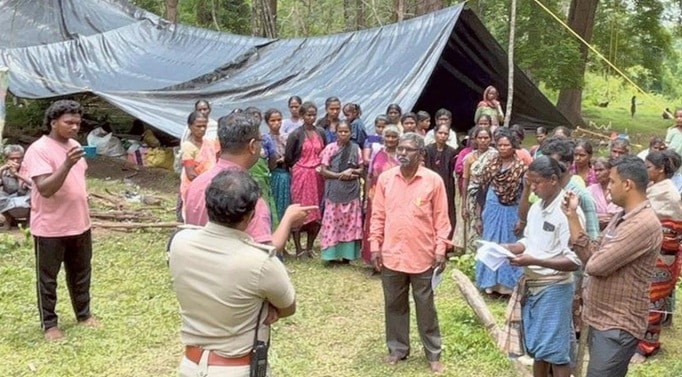
  • The Union Ministry of Tribal Affairs has drafted a new policy framework detailing procedures for relocating forest-dwelling communities from tiger reserves. 
  • The framework seeks to harmonise wildlife conservation with tribal rights by ensuring that any relocation under existing laws—such as the Wildlife Protection Act, 1972, and the Forest Rights Act, 2006—is voluntary, transparent, and based on informed consent.

Framework for Community-Centred Conservation and Relocation

  • The Tribal Affairs Ministry has prepared a policy brief titled Reconciling Conservation and Community Rights: A Policy Framework for Relocation and Co-existence in India’s Tiger Reserves
  • It aims to balance wildlife conservation with the rights of forest-dwelling communities.

Joint National Framework

  • The policy calls for a National Framework for Community-Centred Conservation and Relocation, to be jointly managed by the Environment and Tribal Affairs Ministries. 
  • It will set clear procedures, timelines, and accountability for all relocation efforts.

National Database and Audits

  • A National Database on Conservation-Community Interface (NDCCI) will track details of relocations, compensation, and community welfare after relocation.
  • Annual independent audits by approved agencies will review compliance with the Forest Rights Act (FRA), the Wildlife Protection Act (WPA), and human rights norms.

Consent and Rights Protection

  • The framework requires verifiable consent from both Gram Sabhas and individual households before any area is declared a tiger reserve.
  • It ensures that communities have the option to stay in their traditional forest homes under the FRA unless relocation is ecologically necessary.

Core Principle

  • The policy stresses that relocation must be voluntary, scientifically justified, and respectful of people’s rights and dignity, promoting cooperation between conservation and community interests.

Relocation of Forest Tribes Only as Last Resort

  • The policy brief says that forest-dwelling communities should be relocated from tiger reserves only when absolutely necessary. 
  • Before any move, their rights under the Forest Rights Act, 2006, must be recognised. 
  • It also allows these communities to continue living inside tiger reserves and take part in protecting and managing the forest and its wildlife.

Why the Policy Brief Was Released Now

  • The Ministry of Tribal Affairs prepared this policy brief after growing concerns about how the Forest Rights Act (FRA) is being ignored in tiger reserves and protected areas.

Concerns Over Non-Implementation of FRA

  • State governments and Gram Sabhas inside tiger reserves complained that the rights of forest-dwelling communities under the FRA were not being recognised.
  • In response, the Tribal Affairs Ministry sent the policy brief to the Environment Ministry, urging better coordination.

Trigger: NTCA’s 2024 Relocation Directive

  • A June 2024 directive from the National Tiger Conservation Authority (NTCA) asked states to prioritise village relocations from tiger reserves.
  • This caused widespread protests from Gram Sabhas and tribal groups, who then appealed to the National Commission for Scheduled Tribes (NCST) and the Union government to withdraw the order.

Background: Long-Standing Relocation Policy

  • Relocation of villages for tiger conservation began in 1973 and is governed by both the Wildlife Protection Act (WPA), 1972, and the Forest Rights Act (FRA), 2006.
  • While the WPA empowers forest departments to create space for tigers, the FRA requires that the rights of forest-dwellers be settled first—allowing them to stay or relocate voluntarily with compensation.

Issues in Implementation

  • Relocation packages offer ₹15 lakh per family, but many tribes claim they are pressured to move or denied basic services if they choose to stay.
  • Conflicts like the one involving the Jenu Kuruba tribe in Karnataka’s Nagarhole National Park show ongoing disputes over unrecognised land rights.

Current Status

  • According to government data (August 2025), since January 2022, about 5,166 families from 56 villages in seven states have been relocated.
  • However, 64,801 families across 591 villages still live within the core areas of tiger reserves, highlighting the scale and sensitivity of the issue.

Why the New Policy Brief Is Important

  • Although laws already say that village relocations from tiger reserves must be voluntary and done only when coexistence isn’t possible, poor implementation has created problems.
  • The Tribal Affairs Ministry’s new policy brief highlights these gaps and calls for better monitoring of relocation efforts. 
  • It proposes involving Tribal Affairs officials and independent experts to ensure that relocations follow the law, protect community rights, and remain truly voluntary.

Source: TH

Forest Tribe Relocation FAQs

Q1: What is the new forest tribe relocation framework?

Ans: It is a policy by the Tribal Affairs Ministry ensuring voluntary, transparent, and rights-based relocation of forest communities from tiger reserves.

Q2: What laws guide the relocation process?

Ans: Relocation follows the Wildlife Protection Act, 1972, and the Forest Rights Act, 2006, emphasising consent, fairness, and ecological justification.

Q3: Why was the new policy brief released?

Ans: It was issued after complaints about non-implementation of the Forest Rights Act and protests against forced relocations from tiger reserves.

Q4: What is the role of local communities in conservation?

Ans: Communities can stay in their traditional homes and help manage biodiversity, ensuring coexistence with wildlife.

Q5: How many families have been relocated so far?

Ans: Since January 2022, over 5,000 families from 56 villages across seven states have been relocated from tiger reserve areas.

India Joins Global Tropical Forest Fund as Observer Ahead of COP30

Tropical Forest

Tropical Forest Latest News

  • India has joined the Brazil-led Tropical Forest Forever Facility (TFFF) as an observer ahead of COP30, reaffirming its commitment to equitable climate action and forest conservation.

About the Tropical Forest Forever Facility

  • The TFFF is a new global initiative designed to reward countries financially for preserving tropical forests, a vital component in global efforts to mitigate climate change.
    • The fund provides $4 per hectare of protected forest area annually, creating a performance-based incentive model for conservation.
    • It is structured as a budget-neutral financing mechanism, meaning that it does not rely on new taxes or continuous donor grants.
    • The mechanism operates through the Tropical Forest Investment Fund (TFIF), which channels sponsor contributions into sustainable investments, avoiding sectors linked to deforestation such as fossil fuels, coal, and peat industries.
    • Returns generated by the TFIF investments are used to repay investors while simultaneously rewarding participating countries for forest protection.
  • The initiative represents a market-based approach to climate finance, combining conservation incentives with investment-driven sustainability.

India’s Role and Climate Commitments

  • India’s participation in the TFFF as an observer underscores its proactive engagement in global climate governance. 
  • In its national statement at the COP30 Summit, India reaffirmed that its climate actions are guided by the principles of Equity and Common but Differentiated Responsibilities and Respective Capabilities (CBDR-RC) under the UNFCCC and Paris Agreement frameworks.
  • Key highlights of India’s climate achievements include:
    • 36% reduction in emission intensity of GDP (2005-2020) - surpassing earlier targets ahead of schedule.
    • Over 50% non-fossil fuel-based installed power capacity, fulfilling India’s revised 2030 Nationally Determined Contribution (NDC) five years early.
    • Expansion of forest and tree cover resulted in an additional carbon sink of 2.29 billion tonnes of CO₂ equivalent between 2005 and 2021.
    • Becoming the world’s third-largest renewable energy producer, with nearly 200 GW of installed renewable capacity.
  • India’s flagship initiatives like the International Solar Alliance (ISA), bringing together over 120 countries, and the Coalition for Disaster Resilient Infrastructure (CDRI) reflect its leadership in global climate cooperation, particularly among developing nations.

Key Announcements at the COP30 Leaders’ Summit

  • The COP30 Summit in Belém, hosted by Brazilian President Luiz Inácio Lula da Silva, saw world leaders converge to review progress since the 2015 Paris Agreement and chart a roadmap for the next decade of climate action.
  • Major Announcements:
    • Brazil pledged $1 billion to the TFFF, with Indonesia committing another $1 billion, Colombia contributing $250 million, and Norway announcing $3 billion over a decade.
    • France, China, and the UAE expressed strong support for the initiative, though without financial commitments yet.
    • President Lula launched the Belém Commitment, urging nations to quadruple the use of sustainable fuels by 2035, and proposed “debt-for-climate swaps” to aid developing countries.
    • The Summit also highlighted the need for alignment of NDCs with the global 1.5°C temperature goal, under the “Roadmap to Mission 1.5°C” established at COP28 in Dubai.

India’s Call for Equitable Climate Finance

  • India’s statement at COP30 strongly emphasised the need for predictable, adequate, and concessional climate finance from developed countries to support developing nations in achieving ambitious climate targets.
    • India highlighted that global ambition remains inadequate, even a decade after the Paris Agreement.
    • It called upon developed nations to accelerate emission reductions and fulfil their long-standing financial commitments, including the promised $100 billion annual climate finance goal.
    • India reaffirmed that affordable finance, technology transfer, and capacity-building are crucial to enable developing nations to transition towards sustainable growth.
    • India also reiterated its commitment to multilateralism and to safeguarding the Paris Agreement architecture, stressing that the next decade must be defined not only by targets but by implementation, resilience, and shared responsibility.

Significance of India’s Observer Role

  • By joining the TFFF as an observer, India gains a strategic position in shaping the framework’s implementation while sharing its experience in forest conservation and green growth.
  • The observer status enables India to:
    • Participate in policy discussions on financing mechanisms for forest conservation.
    • Share best practices from its successful afforestation and clean energy programmes.
    • Influence the design of equitable financing models that reflect the needs of the Global South.
  • The move also complements India’s ongoing efforts to enhance its carbon sink capacity, promote community-led forest management, and strengthen climate-resilient ecosystems.

Source: TH | PIB

Tropical Forest FAQs

Q1: What is the Tropical Forest Forever Facility (TFFF)?

Ans: The TFFF is a global fund that financially rewards countries for preserving tropical forests, offering $4 per hectare annually.

Q2: Why has India joined the TFFF as an observer?

Ans: India joined the TFFF to support collective forest conservation efforts while upholding principles of equitable climate action.

Q3: What are India’s recent achievements in climate action?

Ans: India has reduced emission intensity by 36%, achieved 50% non-fossil capacity, and created a 2.29 billion tonne CO₂ sink.

Q4: Who are the major contributors to the TFFF?

Ans: Brazil, Indonesia, Norway, and Colombia are key contributors, with others like France and China expressing support.

Q5: What was India’s message at COP30?

Ans: India urged developed nations to accelerate emission cuts and provide predictable climate finance to developing countries.

Trump Threatens 100% Tariffs on BRICS Nations Over Dollar Replacement Plans

Trump Threatens 100% Tariffs on BRICS Nations Over Dollar Replacement Plans

What’s in today’s article?

  • Why in News?
  • 59th All India Conference of Director Generals/ Inspector Generals of Police
  • Key highlights of the speech delivered by PM Modi

Why in News?

Recently, US President-elect Donald Trump has threatened the BRICS nations (Brazil, Russia, India, China, South Africa) with 100% tariffs if they create a new currency or support an alternative to the US dollar as the global reserve currency.

Trump stated that any attempt to undermine the dollar’s dominance would result in economic retaliation, asserting that the US economy will not tolerate such moves. 

Why countries all over the world are trying to replace US Dollar?

  • Weaponization of the Dollar:
    • The US has increasingly used its financial dominance as a geopolitical tool by imposing sanctions and cutting off countries like Iran and Russia from systems like SWIFT. 
      • Society for Worldwide Interbank Financial Telecommunication (SWIFT) is key to international financial transactions.
    • This has raised concerns about the dollar being used as a weapon against sovereign nations.
  • Reducing Dependence on the US
    • The US dollar remains the dominant global currency, accounting for 88% of global forex turnover (BIS 2022).
    • Relying on the US dollar makes countries vulnerable to US monetary policies, which are primarily designed for the American economy but can have global repercussions. 
    • For instance, rising US interest rates can strengthen the dollar, causing capital outflows and economic instability in other countries.
  • Economic Sovereignty
    • Nations wish to reduce external influence on their financial systems. By de-dollarizing, they aim to shield their economies from fluctuations in the dollar and from US political pressures.
  • Trade Efficiency:
    • Regional and bilateral trade agreements often promote settling trade in local currencies or alternatives like China's yuan or regional payment mechanisms, bypassing the dollar altogether.
  • Rise of Multipolarity:
    • With the global balance of power shifting, emerging economies like China, India, and Brazil are advocating for a more decentralized financial order that reflects the multipolar nature of the modern world.
  • US Debt and Inflation
    • The US's growing debt levels and inflationary pressures have raised concerns about the long-term stability and purchasing power of the dollar, prompting countries to explore alternatives.
  • Avoiding Transaction Costs
    • Conducting trade in the US dollar often involves high transaction and conversion costs. Using local currencies or regional alternatives can reduce these expenses.

Internationalisation of the rupee

  • About
    • Internationalisation of the rupee is a process that involves increasing use of the local currency in cross-border transactions.
    • Basically, it is a process of promoting and increasing the use of the INR as a widely accepted currency for international transactions and investments. 
  • Steps taken to promote international trade settlement in rupees
    • In July 2022, the RBI has provided an additional arrangement for invoicing, payment, and settlement of exports/imports in the rupee.
    • As part of this mechanism, in December 2022, India saw its first settlement of foreign trade in rupee with Russia.
    • So far banks of more than 19 countries including the UK, New Zealand, Germany, Malaysia, Israel, and the United Arab Emirates have been permitted to make settlements in rupees.
  • Challenges
    • Rupee not a dominant currency 
      • The rupee constitutes only 1.6% of global forex turnover. 
      • For the rupee to be recognized as an international currency, its turnover must rise to 4%, equivalent to other non-US, non-Euro currencies.
    • Challenges in India-Russia Trade in Rupees
      • US Sanctions Fear: Indian banks are cautious about facilitating trade in rupees due to potential US sanctions.
      • Trade Imbalance: India's imports from Russia ($61 billion in FY24) vastly outweigh exports ($4.2 billion), resulting in Russia holding large rupee reserves. These reserves are underutilized in trade and are instead invested in Indian stocks and bonds.
    • Lessons from Russia-China Trade in Domestic Currencies
      • Over 90% of their $240 billion bilateral trade in 2023 was settled in roubles and yuan.
      • This is due to their more balanced trade relationship and reduced dependence on the US dollar.
    • India is not trying to target the US dollar
      • India is looking for alternative settlement mechanisms when trade partners face dollar shortages, to ensure continued trade without hostility towards the dollar.

Potential Risks of imposing 100% Tariffs on BRICS Nations

  • Experts argue that imposing 100% tariffs on BRICS nations could backfire:
    • Imports into the US would simply shift to third countries, potentially increasing costs for American consumers without bringing manufacturing jobs back home. 
    • The US has become less competitive in manufacturing labour-intensive goods due to higher production costs, and tariffs are unlikely to reverse this trend.

What should be the way forward?

  • Need for Balanced Currency Frameworks in BRICS
    • Experts emphasized that India should ensure BRICS currency initiatives do not disproportionately favor China due to its economic dominance. 
  • India’s Strategic Approach
    • India must take a balanced approach:
      • Diplomatic Engagement: Explain to the US that diversifying trade mechanisms promotes financial stability and is not anti-American.
      • Leadership in BRICS Initiatives: Accelerate the internationalization of India’s digital currency (CBDC) and financial platforms like UPI to assume a leadership role.
  • Conclusion
    • India must balance its participation in BRICS financial reforms with strategic ties to the US while ensuring frameworks do not favor China. 
    • The global financial system shows diversification, but the US dollar remains dominant, with gradual shifts toward non-traditional currencies.

Q.1. Why is the US dollar losing its dominance globally?

The US dollar faces challenges due to geopolitical sanctions, the desire for economic sovereignty, and rising alternatives like regional currencies. Countries aim to reduce reliance on US monetary policies and protect against economic instability.

Q.2. What are the risks of imposing 100% tariffs on BRICS nations?

Imposing 100% tariffs could increase US consumer costs, shift imports to third countries, and not revive manufacturing jobs. Higher production costs make US manufacturing less competitive, making tariffs ineffective in reshoring production.

News: Trump threat to BRICS over ditching the dollar: what he can do, what it will mean for US, India | Times of India

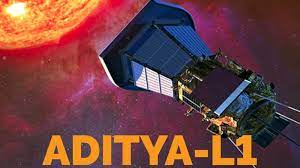
Aditya L1 Spacecraft Takes Route Correction

Aditya L1 Spacecraft Takes Route Correction

What’s in today’s article?

  • Why in News?
  • About Aditya L1 Mission
  • What are the Objectives of the Aditya L1?
  • What are the Lagrange Points?
  • What is a Halo Orbit?
  • Why will Aditya Spacecraft go around L1 Point?
  • Significance/Need of Studying Sun from Space
  • News Summary

Why in News?

  • The Indian Space Research Organisation (ISRO) updated that a Trajectory Correction Maneuver (TCM) was performed on India’s first solar mission Aditya L1.

About Aditya L1 Mission

Aditya L1 Mission Info

  • 'Aditya' literally means the Sun in Sanskrit.
  • ISRO’s Aditya L1 mission is India's first space-based mission to study the Sun. It was launched from the Satish Dhawan Space Centre on 2nd September, 2023.
  • Aditya-L1 will first be placed in a low earth orbit by ISRO's PSLV-C57 launch vehicle.
  • After that, the spacecraft's orbit will be made more elliptical.
  • On-board propulsion will be used to launch the spacecraft towards L1 point.
  • As it moves towards L1, the spacecraft will exit Earth's gravitational Sphere of Influence (SOI).
  • After it exits the SOI, the spacecraft will begin its cruise phase.
  • The mission will take around 109 Earth days after launch to reach the halo orbit around the L1 point, which is about 1,500,000 km from Earth.

What are the Objectives of the Aditya L1?

  • The mission's main objective is to expand our knowledge of the Sun, and how its radiation, heat, flow of particles, and magnetic fields affect us.
  • Below is the list of other objectives that the mission will embark upon:
    • To study the upper atmospheric layers of the Sun called chromosphere and corona. While the corona is the outermost layer, the chromosphere is just below it.
    • To examine coronal mass ejections (CMEs), which are large expulsions of plasma and magnetic fields from the Sun's corona.
    • To analyse the corona's magnetic field and the driver of the space weather.
    • To understand why the Sun's not-so-bright corona is a million degree Celsius hot when the temperature on the surface of the Sun is just about 5,500 degrees Celsius.
    • To help scientists know the reasons behind the acceleration of particles on the Sun, which leads to the solar wind - the constant flow of particles from the Sun.

What are the Lagrange Points?

Lagrange Points

  • There are five Lagrange points, L1 to L5, between any two-celestial body system.
  • At these positions, the gravitational pull of the celestial bodies equals the centripetal force required to keep a smaller third body in orbit.
  • In simpler words, the forces acting on the third body cancel each other out.
  • The points can be used as ‘parking spots’ for spacecraft in space to remain in a fixed position with minimal fuel consumption, according to NASA.
  • They have been named after Italian-French mathematician Joseph-Louis Lagrange (1736-1813), who was the first one to find the positions.
  • So, between the Earth and the Sun, a satellite can occupy any of five Lagrangian points.

What is a Halo Orbit?

  • NASA says a spacecraft can “orbit” about an unstable Lagrange point with a minimum use of thrusters for stationkeeping.
  • Such an orbit is known as a halo orbit as “it appears as an ellipse floating over the planet”.
  • A halo orbit, however, isn’t the usual orbit because the unstable Lagrange point doesn’t exert any attractive force on its own.

Why will Aditya Spacecraft go around L1 Point?

  • It’s because L1 gets a continuous and unhindered view of the Sun.
  • L2 is located behind the Earth, and thus obstructs the view of the Sun, while L3 is behind the Sun which is not a great position to communicate with Earth.
  • L4 and L5 are good and stable locations but are much farther from Earth compared to L1, which is directly between the Sun and the Earth.
    • The European Space Agency’s (ESA) Solar and Heliospheric Observatory spacecraft (SOHO) is also stationed at a halo orbit around the L1 point of the Earth-Sun system.
    • The spacecraft has been operational since 1996 and has discovered more than 400 comets, studied the outer layers of the Sun and examined solar winds.

Significance/Need of Studying Sun from Space

  • According to ISRO, the Sun emits radiation/light in nearly all wavelengths along with various energetic particles and magnetic fields.
  • The atmosphere of the Earth as well as its magnetic field acts as a protective shield and blocks a number of harmful wavelength radiations including particles and fields.
  • This means studying the Sun from Earth can’t provide a complete picture and it becomes crucial to observations from outside the planet’s atmosphere i.e., from space.

News Summary

  • The Indian Space Research Organisation (ISRO) updated that a Trajectory Correction Maneuver (TCM) was performed on India’s first solar mission Aditya L1.
  • The spacecraft propulsion system was fired for 16 seconds on October 6 to correct its trajectory towards the L1 point.
  • The space agency said that the manoeuvre “was needed” to correct the trajectory of the spacecraft was evaluated after it was inserted in the path towards the L1 point on September 19.
  • The spacecraft left the Earth’s sphere of influence eight days ago — the second spacecraft by the Indian space agency after Mangalyaan that has left the Earth’s sphere of influence.

Q1) What do you mean by Solar Flare?

Solar Flare is a brief eruption of intense high-energy radiation from the sun's surface, associated with sunspots and causing radio and magnetic disturbances on the earth.

Q2) What is Coronal Mass Ejection?

An event in which a large cloud of energetic and highly magnetized plasma erupts from the solar corona into space, causing radio and magnetic disturbances on the earth.


Source: Aditya L1 takes route correction; spacecraft healthy, says ISRO | ToI

Test for Determining Minority Educational Institution (MEI) Status

Test for Determining Minority Educational Institution (MEI) Status

What’s in today’s article?

  • Why in News?
  • Background of the AMU Minority Status Case
  • Constitutional Protections and Benefits of MEIs
  • SC’s Criteria for Determining MEI Status
  • Two-Fold Test to Establish Minority Status
  • Implications of SC Determining MEI Status Test
  • Conclusion

Why in News?

  • Without determining whether Aligarh Muslim University (AMU) is a minority institution or not, a 7-judge bench of the Supreme Court overruled by a 4:3 majority a 1967 judgment by a 5-judge bench in Azeez Basha case.
  • The majority opinion laid down elaborate parameters for testing the minority character of an institution and tasked a regular bench to adjudicate the 57-year-old controversy based on the parameters.

Background of the AMU Minority Status Case:

  • AMU’s transformation from MAO college (1920)
    • The Muhammadan Anglo-Oriental (MAO) college, established in 1877, was converted to AMU in 1920 by a central legislature Act.
    • The government argued this conversion changed its minority status, which became a pivotal issue in later legal debates.
  • Azeez Basha case (1967): The SC held that AMU was not established by the Muslim community but by a central legislature Act in 1920, disqualifying it as a minority institution under Article 30 of the Constitution.
  • Government amendments and legal developments (1981-2006):
    • 1981: An amendment to the AMU Act declared AMU was created by the Muslim community for their educational advancement.
    • 2005: AMU introduced 50% reservation for Muslims in postgraduate medical courses.
    • 2006: The Allahabad HC ruled against AMU’s minority status, annulling the 1981 amendment and the 50% reservation policy.
  • SC referral (2019): The issue was brought before the Supreme Court, and in 2019, it was referred to a seven-judge Bench.

Constitutional Protections and Benefits of MEIs:

  • Article 30: Under Article 30(1), minorities have the right to establish and administer educational institutions.
  • Article 15(5): MEIs are granted special privileges, such as control over admissions and staff hiring, and exemption from reservations for SCs and STs under this provision.
  • Benefits of minority status: Minority institutions can reserve up to 50% seats for minority students and enjoy autonomy in administration, fostering cultural and linguistic diversity.

SC’s Criteria for Determining MEI Status:

  • The SC identified the following:
    • The institution’s purpose should primarily aim to conserve minority language and culture.
    • Minority institutions may admit non-minority students without losing their minority status.
    • Secular education does not undermine minority character.
    • Government-aided institutions cannot compel religious instruction; those fully state-funded cannot offer it.
  • Test for determining minority character: The SC devised a two-step test to identify whether an institution holds a minority character.

Two-Fold Test to Establish Minority Status:

  • Establishment:
    • Courts must investigate the origin and purpose of an institution's establishment, identifying community involvement in its formation.
    • Proof of establishment includes letters, funding records, and communications affirming that the institution’s aim was predominantly for the minority community’s benefit.
  • Administration:
    • MEIs are not obligated to appoint only minority members to administrative roles. However, administrative setup should reflect minority interests.
    • For pre-1950 institutions, courts must review whether the administration affirmed the minority’s interest on the Constitution’s commencement date.

Implications of SC Determining MEI Status Test:

  • Administrative autonomy affirmed: This is seen as a significant development for institutions like St Stephen’s College, which is currently in a dispute with Delhi University (DU) over its principal’s reappointment process.
  • Reignites minority status debate:
    • The ongoing legal questions surrounding Jamia Millia Islamia's (JMI) minority status are closely connected to the AMU case.
    • According to JMI’s standing counsel, the SC’s decision on AMU’s minority status will likely affect JMI’s case as both involve similar legal principles about institutions created by legislative acts.

Conclusion:

  • The SC’s verdict brings AMU closer to securing its minority status by clarifying criteria for minority character under Article 30. However, the final determination of AMU’s status awaits further review.
  • This landmark judgment sets a precedent for MEIs, preserving minority rights in India’s educational framework while ensuring alignment with constitutional provisions.

Q.1. Who established the Muhammadan Anglo-Oriental college?

Muhammadan Anglo-Oriental college was founded in 1875 by Sir Syed Ahmad Khan, initially as a primary school, with the intention of turning it to a college level institution.

Q.2. What is Article 15(5) of the Constitution of India?

Article 15(5) of the Constitution gives the state the power to make special provisions for the following groups: socially and educationally backward classes of citizens, scheduled castes, and scheduled tribes.

News: SC overturns 1967 verdict that nixed AMU’s minority status | IE | IE

Why Himalayan Towns Need a Different Kind of Development?

Why Himalayan Towns Need a Different Kind of Development?

What’s in today’s article?

  • Background
  • Challenges in Himalayan Towns
  • Uncontrolled Urban Expansion
  • Underlying Causes
  • Strategic Recommendations

Background

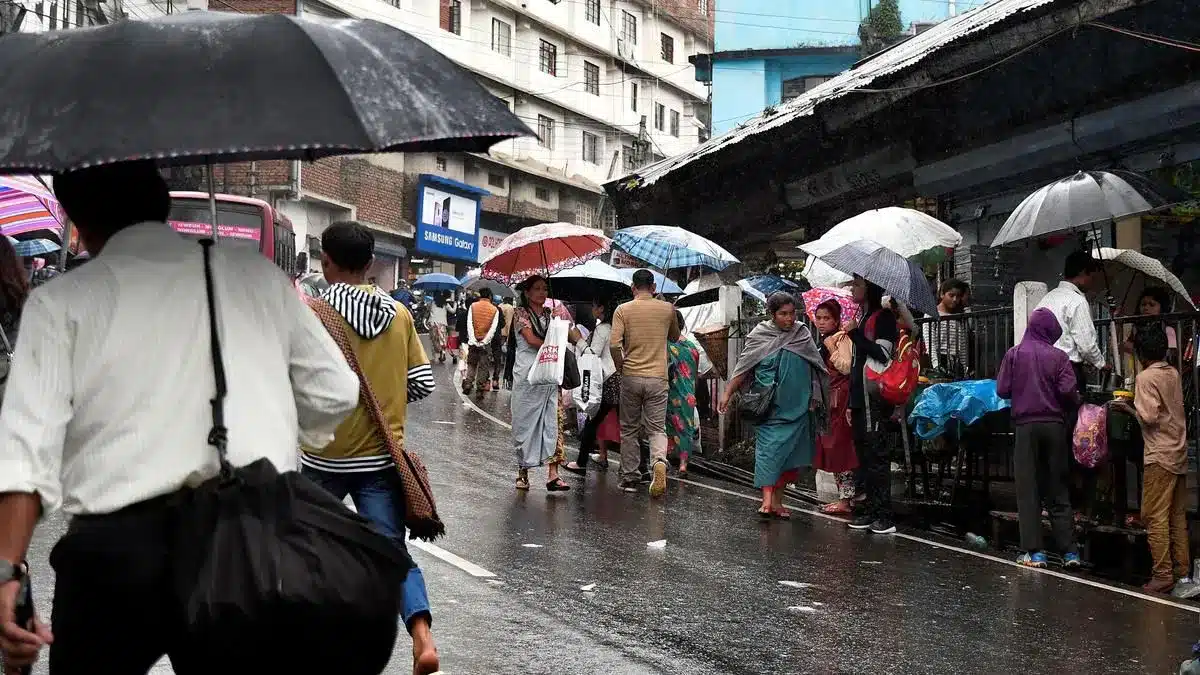
  • The Indian Himalayan Region is spread across 13 Indian States/Union Territories (namely Jammu and Kashmir, Ladakh, Uttarakhand, Himachal Pradesh, Arunachal Pradesh, Manipur, Meghalaya, Mizoram, Nagaland, Sikkim, Tripura, Assam and West Bengal), stretching across 2500 km.
  • Nearly 50 million people reside in this region, which is characterized by a diverse demographic, and versatile economic, environmental, social and political systems.
  • Towns have expanded, and more urban settlements are developing.
  • However, Himalayan towns require a different definition of urbanisation.

Challenges in Himalayan Towns

  • Himalayan towns, including key state capitals, face significant civic management challenges.
  • For instance, cities such as Srinagar, Guwahati, Shillong, and Shimla, along with smaller towns, are grappling with issues related to sanitation, solid and liquid waste management, and water supply.
  • The root cause lies in the reliance on planning models designed for plains, which are ill-suited for the unique geographical and environmental conditions of the Himalayas.
  • Additionally, city governments are severely understaffed, operating at just 25% of their required human resource capacity.
  • For example, in the Kashmir Valley, excluding the Srinagar Municipal Corporation, there are only 15 executive officers managing over 40 urban local bodies.

Uncontrolled Urban Expansion

  • Urban expansion into peripheral areas is a growing concern. Cities like Srinagar and Guwahati are encroaching on village commons, leading to the depletion of open spaces, forest lands, and watersheds.
  • In Srinagar, from 2000 to 2020, there was a 75.58% increase in built-up real estate, while water bodies shrank by nearly 25%.
  • Moreover, almost 90% of liquid waste in these areas is discharged into water bodies without any treatment, exacerbating environmental degradation.

Underlying Causes

  • The Indian Himalayan Region (IHR) is under immense pressure from rapid urbanisation and development, compounded by high-intensity tourism, unsustainable infrastructure practices, and irresponsible resource use, particularly land and water.
  • These issues are further aggravated by climate change impacts such as changing precipitation patterns and rising temperatures, leading to water scarcity, deforestation, land degradation, biodiversity loss, and increased pollution, including plastic waste.
  • These pressures threaten to disrupt the socio-ecological fabric of the Himalayas, with potentially devastating consequences for local communities and ecosystems.
  • Tourism in the IHR has expanded significantly, with an average annual growth rate of 7.9% from 2013 to 2023.
  • However, this growth has often resulted in the replacement of eco-friendly infrastructure with inappropriate and unsafe constructions, poorly designed roads, and inadequate waste management systems.
  • This has led to the depletion of natural resources, damaging biodiversity and essential ecosystem services.
  • For long-term sustainability, a shift towards ecotourism, which prioritises environmentally friendly practices, is urgently needed.

Strategic Recommendations

  • Mapping and Vulnerability Assessment:
    • Planning institutions in IHR cities must shift from traditional land-use principles to more comprehensive approaches that incorporate geological and hydrological vulnerabilities.
    • Every town should be mapped to identify these risks, and planning processes should involve local communities in a bottom-up approach.
  • Climate-Resilient Urban Design:
    • Consultant-driven urban planning, which often fails to address the unique challenges of Himalayan towns, should be replaced with urban designs focused on climate resilience.
  • Urban Financing for IHR:
    • None of the cities in the IHR have the financial capacity to support their infrastructure needs.
    • The Finance Commission should include a separate chapter on urban financing for the IHR, recognising the high costs of urban services and the absence of industrial corridors.
    • Current intergovernmental transfers from the central government to urban local bodies account for only 0.5% of GDP; this should be increased to at least 1%.
  • Focus on Sustainability:
    • Himalayan towns must engage in broader discussions about sustainability, with a focus on creating urban futures through robust, eco-centric planning processes that actively involve public participation.

Q1. Is Uttarakhand a seismic zone?

Tracing to history the Himalayan foothills witness many earthquakes and are seismic sensitive area thats why whole of the state of Uttarakhand comes under seismic zone IV and V as per Indian seismic zonation map.

Q2. Are Shivalik Ranges covered with Forests?

Thick coniferous woods dominate the Shiwalik range, which stretches from Nepal to North-East India. Nearly no trees cover the southern slopes of the Shiwalik mountain in Punjab and Himachal Pradesh.

Source: Why Himalayan towns need a different kind of development | Explained

PSLV-C37 Upper Stage Re-entry Marks ISRO’s Commitment to Debris-Free Space by 2030

PSLV-C37 Upper Stage Re-entry Marks ISRO's Commitment to Debris-Free Space by 2030

What’s in today’s article?

  • Why in News?
  • Space Debris
  • PSLV- C37 upper stage re-enters Earth orbit

Why in News?

ISRO announced the successful re-entry of the Polar Satellite Launch Vehicle-C37 (PSLV-C37) upper stage into Earth's atmosphere on October 6. This achievement aligns with global efforts to reduce space debris, supporting ISRO's goal of achieving debris-free space missions by 2030.

Space Debris

  • About
    • Space debris refers to defunct, human-made objects in Earth's orbit, such as non-functional satellites, spent rocket stages, and fragments from satellite collisions.
    • These debris pose a growing threat to operational spacecraft, satellites, and the International Space Station (ISS).
  • Challenges
    • Collisions: Even tiny debris can cause severe damage to satellites and space stations due to their high velocities.
    • Chain Reaction (Kessler Syndrome): Increasing debris can lead to more collisions, creating even more debris and increasing the risk of cascading damage.
    • Cost of Mitigation: Tracking and removing debris require advanced technology and substantial financial investment.
  • Increasing space debris
    • With the rise in the number of satellites in orbit around the earth, space debris has become a pressing issue.
    • According to ISRO’s Space Situational Assessment report 2022, the world placed 2,533 objects in space in 179 launches in 2022.
    • The number of space objects greater than 10 cm in size in LEO is expected to be about 60,000 by 2030.
  • Legal provisions
    • Currently, there are no international space laws pertaining to LEO debris.
    • However, most space-exploring nations abide by the Space Debris Mitigation Guidelines 2002 specified by the IADC. This was endorsed by the U.N. in 2007.
    • The guidelines outline methods to limit accidental collisions in orbit, break-ups during operations, intentional destruction, and post-mission break-ups.
  • International Institutions
    • Inter-Agency Space Debris Coordination Committee (IADC): A global forum that coordinates efforts to mitigate space debris.
    • United Nations Committee on the Peaceful Uses of Outer Space (COPUOS): Sets space debris mitigation guidelines.
    • International Telecommunication Union (ITU): Regulates satellite orbital slots to prevent overcrowding.
  • Steps taken by India
    • Debris Free Space Mission (DFSM): ISRO is committed to achieving a debris-free space environment by 2030 through passivation, active de-orbiting, and controlled re-entry of spent rocket stages.
    • The implementation of this DFSM initiative will start by the beginning of 2025.
    • This includes selecting clean orbits, budgeting fuel for post-mission disposal, and precisely controlling re-entry trajectories.
    • ISRO’s Debris Mitigation Strategy: India’s space agency, ISRO, follows international guidelines, including the IADC's recommendation to limit post-mission orbital life to 25 years.
    • IS4OM (ISRO System for Safe and Sustainable Space Operations Management): Monitors space debris and orbital decay, ensuring compliance with mitigation guidelines.

PSLV- C37 upper stage re-enters Earth orbit

  • Re-entry of PSLV- C37 upper stage
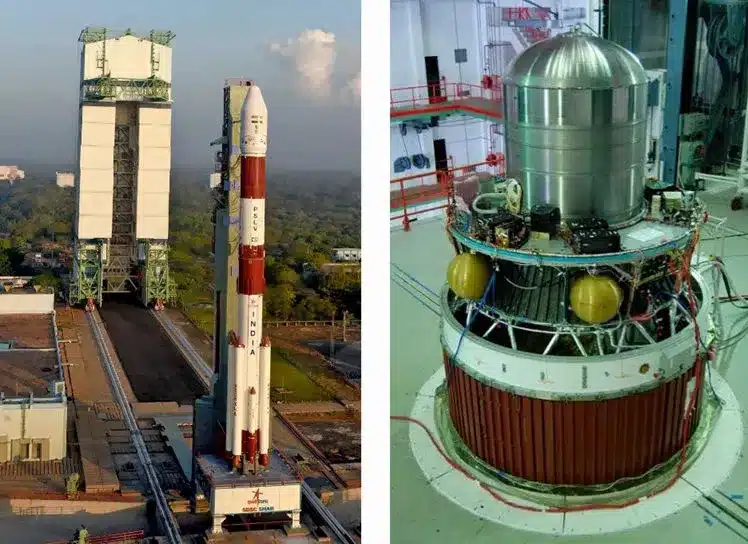
    • On October 6, 2024, the upper stage of ISRO's PSLV-C37 mission, launched in February 2017, re-entered Earth's atmosphere.
  • The PSLV-C37 carried 104 satellites, including Cartosat-2D as the primary payload.
    • After the mission, the upper stage (PS4) remained in orbit at approximately 470x494 km.
    • Over time, its orbit decayed due to atmospheric drag and was closely monitored by ISRO and US Space Command (USSPACECOM).
  • Re-entry followed international debris mitigation guidelines
    • This re-entry followed international debris mitigation guidelines, specifically the IADC recommendation to limit the post-mission orbital life to 25 years.
    • ISRO's passivation sequence successfully lowered PS4’s orbit, ensuring re-entry within eight years.
    • ISRO is now working to further reduce the orbital lifetime of rocket stages to five years through active de-orbiting, with future missions focusing on controlled re-entry.
  • ISRO also aims to achieve a Debris Free Space Mission (DFSM) by 2030.

Q.1. What is space debris and why is it a concern?

Space debris consists of defunct objects in orbit, posing risks of collisions and cascading damage, impacting space operations and safety.

Q.2. How is ISRO addressing the space debris issue?

ISRO is implementing strategies like active de-orbiting and controlled re-entry to reduce space debris, with a goal of achieving debris-free space missions by 2030.

Source: Upper stage of historic PSLV-37 mission re-enters Earth’s atmosphere eight years after launch: ISRO | ISRO | Indian Express

Enquire Now