What is a Green Deposit?

Green Deposit

What Are Green Deposits?

  • Green deposits are interest-bearing fixed-term deposits where proceeds are allocated specifically towards green finance projects. These deposits are denominated only in Indian Rupees as per the Reserve Bank of India (RBI) framework.
  • Purpose: Funds raised through green deposits are directed towards sustainable and environmentally friendly projects such as:
    • Renewable energy projects (solar, wind, biomass, and hydropower).
    • Energy efficiency and clean transportation.
    • Climate change adaptation and sustainable water/waste management.
    • Development of green buildings and coastal/marine environment projects.
    • Support for certified organic farming.
  • Key features: Like regular fixed deposits, green deposits offer interest and fixed tenure.
    • Fund allocation is subject to an annual third-party audit to ensure compliance with green finance norms.
    • Deposits are insured under the Deposit Insurance and Credit Guarantee Corporation (DICGC) framework.
  • Priority Sector Lending (PSL): If the green activities/projects financed align with PSL guidelines, they can be classified under the priority sector.

Q1: What is the role of DICGC?

The DICGC is a wholly-owned subsidiary of the Reserve Bank of India (RBI) that provides insurance coverage to depositors in case of bank failure. It ensures that depositors receive up to ₹5 lakh per depositor per bank across all types of deposits, including savings, current, recurring, and fixed deposits.

News: BL
Kashmiri Papier-mâché

Kashmiri Papier-mâché

About Kashmiri Papier-mâché

  • Kashmiri Papier-mâché is a traditional handicraft of the Kashmir Valley.
  • It was introduced in the 14th century by Muslim saint Mir Sayyid Ali Hamadani from Persia.
  • This craft is known for its intricate designs and use of paper pulp to create colourful, richly decorated items.

Features of Kashmiri Papier-mâché

  • Materials and process: Made primarily from paper pulp. Items are handcrafted in homes and workshops, mainly in Srinagar and other parts of the Kashmir Valley.
  • Common products: Vases, bowls, cups (with or without metal rims), boxes, trays, and lamp bases.
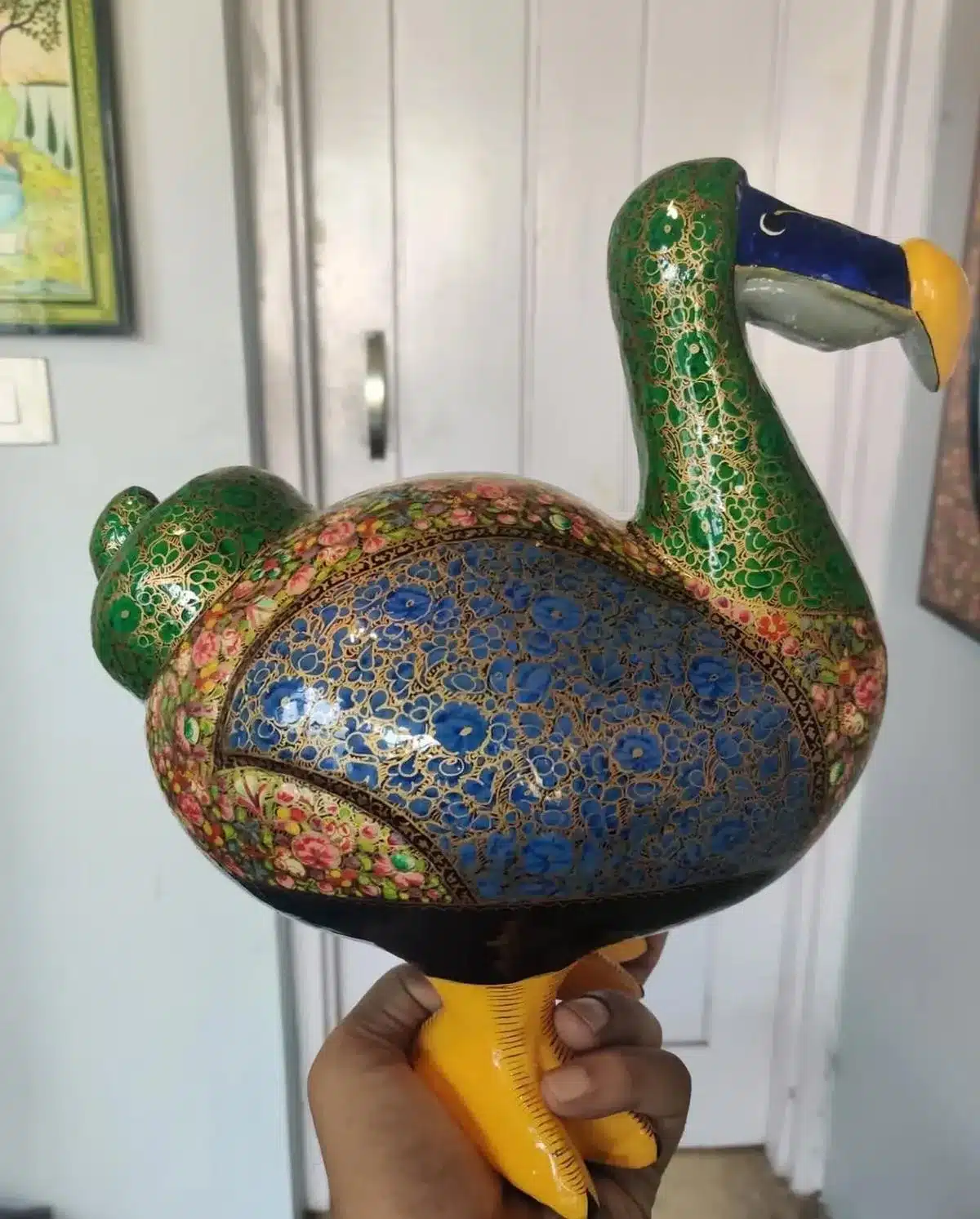
    • Recently, products like papier-mâché models of extinct birds (e.g., dodos) have also gained attention.
  • Artistic elements: The designs feature floral motifs, forest prints, and other intricate patterns symbolizing cultural and ecological themes.
  • Market: While the products have a significant domestic market, they are also highly demanded internationally in Europe, Mauritius, and other regions.

Legal and Cultural Recognition

  • Protected under the Geographical Indication (GI) Act, 1999, ensuring authenticity and cultural preservation.
  • Registered by the Controller General of Patents, Designs, and Trademarks.

The Dodo Connection

  • Christmas exports: Over 50,000 papier-mâché dodo models were shipped to markets in Europe and Mauritius for Christmas.
    • Dodos, extinct since 1681, are the national emblem of Mauritius, making these items culturally significant.

Q1: What is a GI Tag?

A Geographical Indication (GI) tag is a certification granted to products that are uniquely associated with a specific geographical location, region, or community. It signifies the product's origin, quality, or reputation, which is intrinsically linked to its place of origin. Examples include Darjeeling Tea and Pashmina Shawls.

News: 343 years after its extinction, Kashmir artisans give wings to the dodo in papier mache - The Hindu.

U.N. Internal Justice Council

U.N. Internal Justice Council

About U.N. Internal Justice Council:

  • It was established by the UN General Assembly as part of the new internal justice system in order to help ensure independence, professionalism and accountability in the administration of the justice system of the United Nations.
  • The IJC members are appointed by the Secretary General.
  • It is composed of five members consisting of
    • A staff representative
    • A management representative
    • Two distinguished external jurists, one nominated by the staff and one by management, and
    • Chaired by a distinguished jurist chosen by consensus by the four other members.
  • Functions
    • It is tasked to undertake the search for suitable candidates for the positions of judges when there is a vacancy on the UN Dispute Tribunal (UNDT) and the UN Appeals Tribunal (UNAT)
    • To recommend General Assembly two or three candidates for each vacancy with due regard to geographical distribution.
    • To provide its views on the implementation of the system of administration of justice to the General Assembly.
    • The judges of the UN Dispute Tribunal and the UN Appeals Tribunal are appointed by the General Assembly on the recommendation of suitable candidates by the IJC.

Q1: What is the United Nations Dispute Tribunal (UNDT)?

It is “first instance tribunal” of the UN’s internal justice system, is the tribunal UN system staff members apply to when they decide to challenge an administrative decision made by an entity over which the UNDT has Jurisdiction, and which the Applicant believes violates their rights as a staff member due to non-compliance with the terms of their appointment or contract of employment.

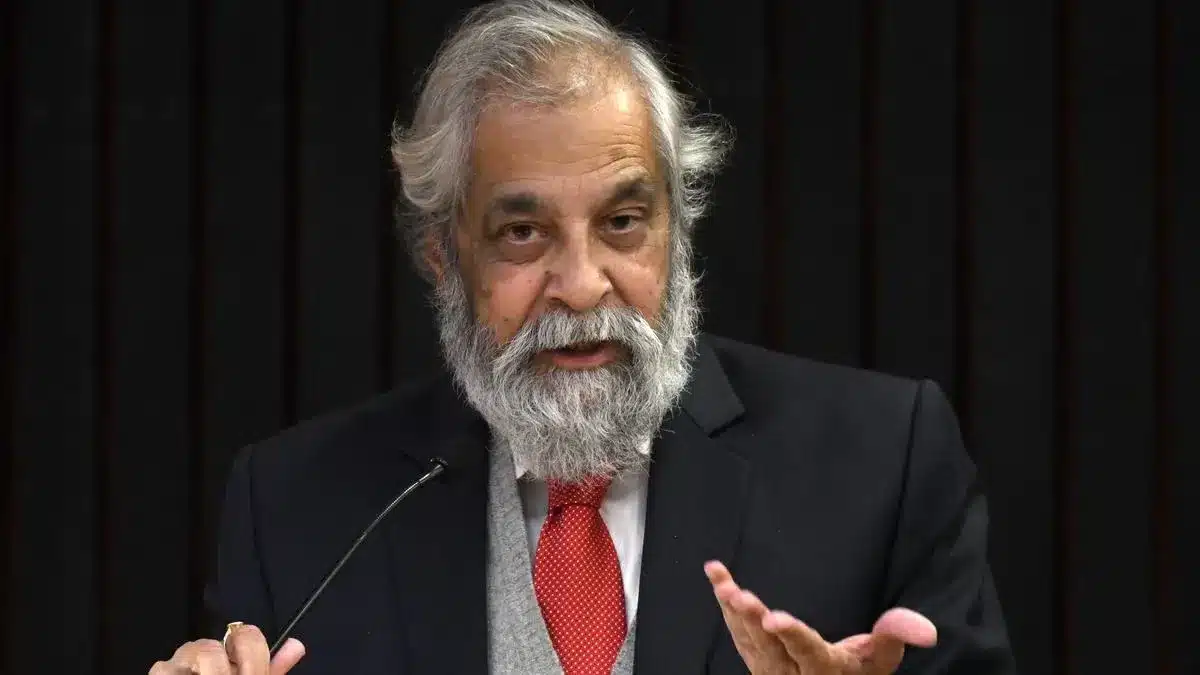
News: Former Supreme Court judge Justice Madan Lokur appointed chairperson of U.N. Internal Justice Council

Farmers Producer Organisations (FPOs)

Farmers Producer Organisations (FPOs)

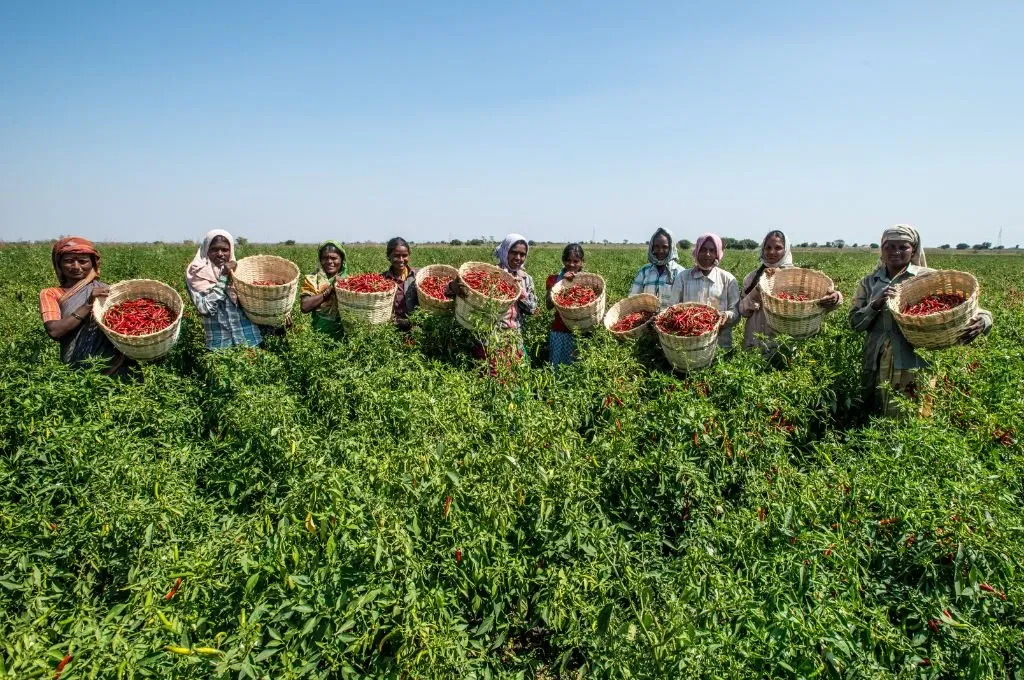
What is a Farmers Producer Organisation (FPO)?

  • Definition: An FPO is a type of Producer Organisation (PO) formed by farmers. It operates as an organisation of the producers, by the producers, and for the producers.
  • Supporting institution: The Small Farmers’ Agribusiness Consortium (SFAC) plays a vital role in promoting FPOs across India.
  • Purpose: A PO represents producers of various goods, including agricultural products, non-farm items, and artisan goods.
    • It can adopt legal forms such as producer companies, cooperative societies, or other entities that allow members to share profits and benefits.
  • Ownership: The ownership of an FPO lies entirely with its member farmers.It operates on the principle of shared decision-making and benefits.

Legal Framework for FPOs

  • Registration under Legal Acts: FPOs can be registered under the following:
    • Companies Act, 1956 or Companies Act, 2013.
    • Societies Registration Act, 1860.
    • Public Trusts Act, 1882.

Q1: What is ICRIER?

ICRIER (Indian Council for Research on International Economic Relations) is an autonomous, policy-oriented, not-for-profit think tank based in India. Established in 1981, it researches various economic policy issues to inform and influence policymaking in India, particularly in areas such as trade, investment, macroeconomics, and technology.

News: Placing Indian agriculture on the global map - Opinion News | The Financial Express

Bitumen

Bitumen

About Bio-bitumen:

  • It is a petroleum-free alternative to bitumen, or asphalt.
  • It is a sustainable alternative to traditional asphalt and it’s designed to lower the carbon footprint of road construction. 
  • It’s made using non-petroleum-based renewable resources and can be made from vegetable oils, synthetic polymers, or both, making it a more sustainable model long term.
  • Advantages
    • Sustainable: It is generated from renewable materials. This makes it a more environmentally friendly alternative to petroleum-based bitumen, which is derived from limited resources.
    • Low Carbon Footprint: As it is derived from organic materials that have absorbed carbon dioxide during their development, it often has a lower environmental impact than standard bitumen.
    • Improved environmental performance: It is less toxic and detrimental to the environment than regular bitumen. It contains fewer heavy metals and other hazardous pollutants.
  • Applications: It isversatile and may be utilised in a variety of applications, including road paving, roofing, and waterproofing.

What is Bitumen?

  • It is a dense, highly viscous, petroleum-based hydrocarbon.
  • It is found in deposits such as oil sands and pitch lakes (natural bitumen) or is obtained as a residue of the distillation of crude oil. 

Q1:What Is a Hydrocarbon?

The term hydrocarbon refers to an organic chemical compound that is composed exclusively of hydrogen and carbon atoms. Hydrocarbons are naturally-occurring and form the basis of crude oil, natural gas, coal, and other important energy sources.

News: Inauguration of Asia's first highway with bio-bitumen surface: Giant leap towards sustainable road infra

Youth Co:Lab

Youth Co:Lab

About Youth Co:Lab:

  • It was co-created in 2017 by UNDP and Citi Foundation, aims to empower and invest in youth to accelerate the implementation of the Sustainable Development Goals (SDGs) through leadership, social innovation and entrepreneurship.
  • In India, Youth Co: Lab was launched in 2019 in collaboration with Atal Innovation Mission, NITI Aayog.
  • As of the end of 2024, Youth Co:Lab has conducted six national theme-specific youth social innovation and entrepreneurship dialogues in India through this collaboration.
  • This year, the Youth Co: Lab National Innovation Challenge 2024-2025, held in collaboration with AssisTech Foundation (ATF).
    • It will focus on empowering young entrepreneurs and entrepreneurs with disabilities innovating for solutions that “Enhance access to opportunities and well-being of Persons with Disabilities”, across the following sub-categories: Inclusive and Accessible Assistive Technology (AT), Inclusive Educational Technology and Skilling Solutions and Accessible and Inclusive Care Models.

Key facts about Atal Innovation Mission(AIM)

  • It is a flagship initiative set up by the NITI Aayog in 2016.
  • Objective: To create and encourage an environment of innovation and entrepreneurship across schools, educational organisations, research institutes, and industries, including MSMEs.
  • Functions
    • Promote entrepreneurship by encouraging innovators to become entrepreneurs through financial support as well as mentorship.
    • Promote innovation by creating a platform where ideas are generated through like-minded individuals.
  • AIM has created four programs to support these functions: Atal Tinkering Labs, Atal Incubation Centres, Atal New India Challenges and Atal Grand Challenges.
  • All the initiatives of AIM are currently monitored and managed systematically using real-time MIS systems and dynamic dashboards.
  • AIM is also currently having its programs reviewed by third party agencies for ensuring continuous improvements.

Q1: What is NITI Aayog?

 The National Institution for Transforming India, established on January 1, 2015, is the policy think tank of the Indian government, replacing the Planning Commission. It focuses on inclusive development, cooperative federalism, and sustainable growth. The organization is led by the Prime Minister and members include state representatives and experts. 

News: AIM & UNDP unveil Youth Co:Lab 2025, inviting innovators to foster social entrepreneurship with focus on disability-inclusive innovation

Kerala’s Thrissur Pooram

Kerala’s Thrissur Pooram

About Thrissur Pooram

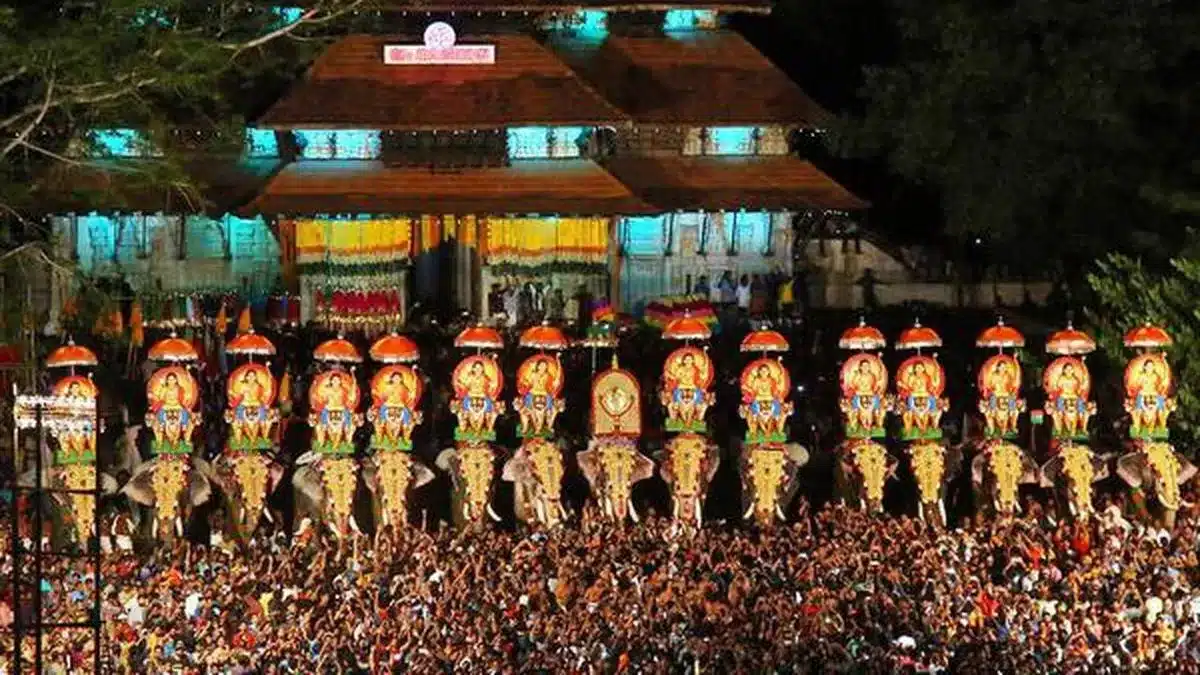
  • Cultural significance: Thrissur Pooram is a grand festival showcasing Kerala’s cultural and spiritual essence.
    • It is celebrated annually in the Malayalam month of Medam (April-May) at the Thekkinkadu Maidanam in Thrissur.
    • Often referred to as the “mother of all Poorams”, it is one of the largest temple festivals in Kerala.
  • Historical origin: Initiated by Raja Rama Varma, famously known as Sakthan Thampuran, the Maharaja of Cochin (1790–1805).
    • Features the participation of 10 different temples, replacing the earlier Arattupuzha Pooram, which was Kerala’s largest festival before Thrissur Pooram.
  • Key highlights:
    • Majestic elephants, adorned in traditional attire, are a central attraction.
    • Traditional orchestra music (Panchavadyam) adds vibrancy to the festival.

Kerala High Court Directives

  • The High Court issued guidelines aimed at ensuring the safety of elephants, the public, and artists during the festival.
  • Key directives included:
    • Minimum distance requirements are 3 metres between two elephants, 8 metres between elephants and the public or percussion displays, and a 100 metres buffer zone near areas of fireworks usage.
    • Rest period:  Elephants must have a minimum of three days’ rest between public appearances.

Q1: Who was Raja Rama Varma?

Raja Rama Varma, also known as Shakthan Thampuran, was a notable ruler of the Kingdom of Cochin (reigned 1790–1805). He is remembered for his administrative reforms, promotion of trade and commerce, and efforts to modernize the state. He played a key role in strengthening Cochin's economy and ensuring political stability during his rule.

News: SC stays Kerala HC’s ‘impractical’ guidelines on using elephants in temple festivals | Latest News India - Hindustan Times

Ethiopian Wolf

Ethiopian Wolf

Key Features of the Ethiopian Wolf

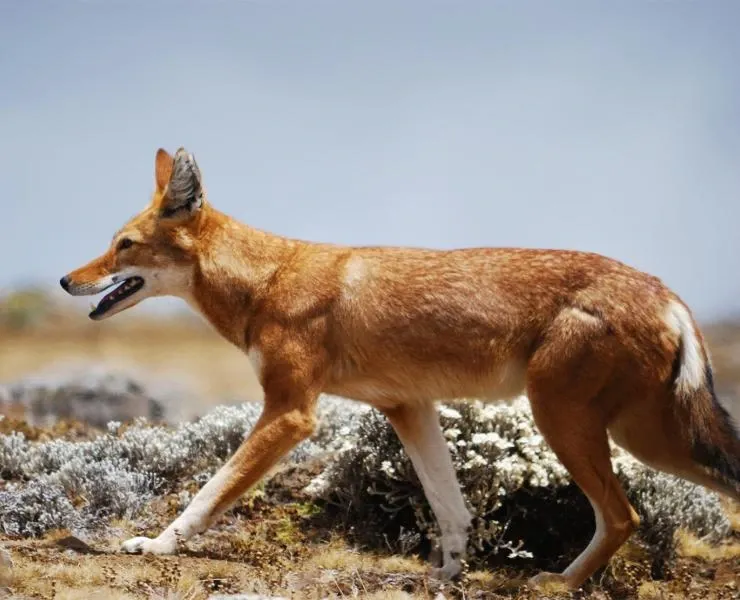
  • Specialized habitat and role: The Ethiopian wolf is a specialized rodent hunter in Afroalpine ecosystems and unique African high-altitude regions.
    • These ecosystems, located mainly in the Ethiopian Highlands, exist at altitudes of 3,200 meters above sea level and are characterized by cold and harsh climates.
  • Physical characteristics: The wolf is about the size of a large dog, with a reddish coat, white throat and chest markings, and a bushy black tail.
  • Population status: With fewer than 500 individuals remaining, the Ethiopian wolf is Africa's most endangered carnivore.
  • Habitat specificity: It resides in isolated “sky islands”, high-altitude regions above tropical forests, surrounded by drastically different lowland environments.

Ethiopian Wolf’s Role as a Pollinator

  • Interaction with Ethiopian red hot poker flower: The wolf feeds on the nectar of the red and yellow Ethiopian red hot poker flower, a plant that produces sweet nectar attracting multiple pollinators.
    • As the wolf moves between flowers, pollen dusts its muzzle, potentially aiding in pollination.
  • Behavioural observations: Researchers observed wolves spending significant time in flower fields, with one wolf visiting 30 flower heads in 1.5 hours.
    • This behaviour indicates that the wolf actively seeks nectar, a rare trait for large carnivores.

Q1: What is pollination?

Pollination is the transfer of pollen grains from the male part (anther) of a flower to the female part (stigma) of the same or another flower, enabling fertilization and the production of seeds. It is essential for plant reproduction, biodiversity, and the production of fruits, vegetables, and seeds that sustain ecosystems and agriculture.

Wolves with a taste for nectar? How we discovered the first large carnivore that pollinates flowers

Enquire Now