Konkan Shadowdamsel and Crimson Shadowdamsel

Konkan Shadowdamsel and Crimson Shadowdamsel

Konkan Shadowdamsel and Crimson Shadowdamsel Latest News

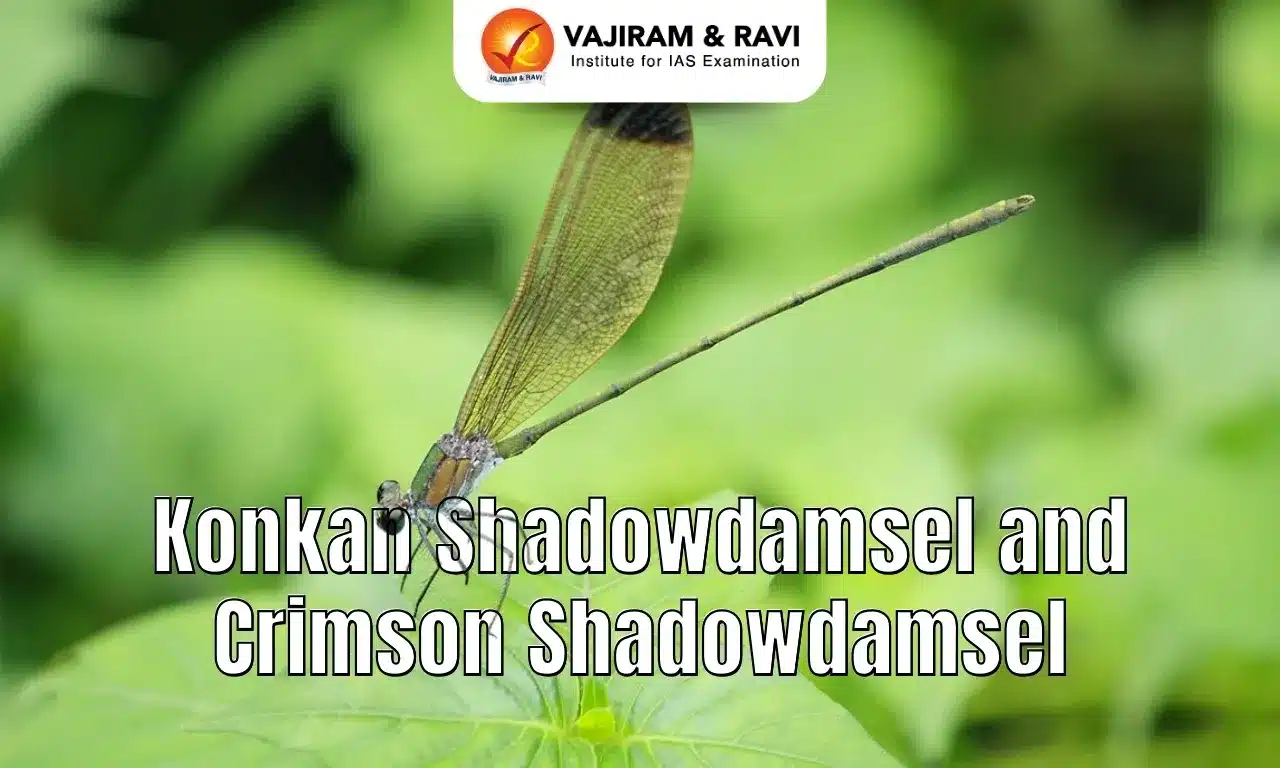
Two new species of damselflies named Konkan Shadowdamsel and Crimson Shadowdamsel have been discovered in the Western Ghats by researchers from Maharashtra and Kerala.

About Konkan Shadowdamsel and Crimson Shadowdamsel

  • They are two new species of damselflies.
  • The species — Konkan Shadowdamsel, discovered in Maharashtra’s Sindhudurg district, and Crimson Shadowdamsel, discovered in Kerala’s Thiruvananthapuram district — belong to the group commonly called ‘Shadowdamsels’ because of their affinity for well-shaded forest habitats.
  • The Crimson Shadowdamsel has a reddish body, and the Konkan Shadowdamsel has a coffee-brown ground colouration.
  • Shadowdamsels usually only thrive in pristine habitats and small streams. 
    • They can act as indicators of the health of our forests. They are pollution indicators as well. 
    • Many of them are microendemics restricted to certain hill ranges within the Western Ghats.

What are Damselflies?

  • They are a group of predatory, aerial insects that are in the order Odonata. 
  • They are found mainly near shallow, freshwater habitats and are graceful fliers with slender bodies and long, filmy, net-veined wings.
  • They are generally smaller, more delicate, and fly weakly in comparison with dragonflies.

Source: HT

Konkan Shadowdamsel and Crimson Shadowdamsel FAQs

Q1: The Konkan Shadowdamsel was recently discovered in which Indian state?

Ans: Maharashtra

Q2: Shadowdamsels are commonly found in which type of habitats?

Ans: Well-shaded forest habitats

Q3: What is the body colouration of the Crimson Shadowdamsel?

Ans: The Crimson Shadowdamsel has a reddish body.
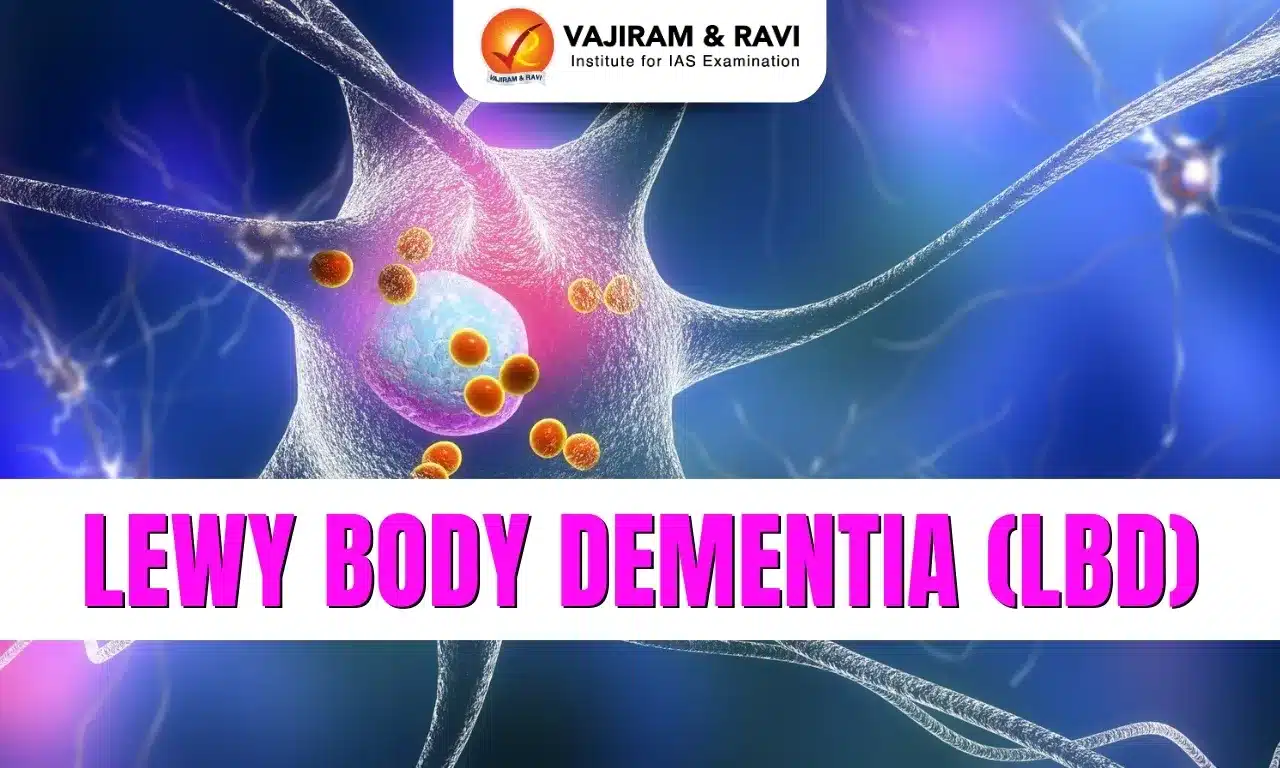
Lewy body Dementia (LBD)

Lewy body Dementia

Lewy body Dementia News

Jackie Bezos, mother of Jeff Bezos and an early Amazon investor, passed away in Miami recently due to Lewy body dementia.

About Lewy body Dementia

  • It is a complex and challenging brain disorder.
  • It is the second most common type of dementia after Alzheimer's disease. 
  • LBD is a disease associated with abnormal deposits of a protein called alpha-synuclein in the brain. 
    • These deposits, called Lewy bodies, affect chemicals in the brain. 
    • These changes, in turn, can lead to problems with thinking, movement, behavior, mood, and other body functions.
  • There are two forms of LBD that cause cognitive symptoms — dementia with Lewy bodies and Parkinson's disease dementia.
  • LBD  causes a decline in mental abilities that gradually gets worse over time. 
  • LBD typically begins at age 50 or older, although sometimes younger people may have it. 
  • LBD appears to affect slightly more men than women.
  • The disease lasts an average of five to seven years from the time of diagnosis to death, but it can range from two to 20 years.
  • People with LBD might see things that aren't there, known as visual hallucinations. 
  • They also may have changes in alertness and attention.
  • People with LBD commonly have symptoms of Parkinson's diseaseThese symptoms might include rigid muscles, slow movement, trouble walking and tremors.
  • As the disease worsens, people with LBD require more and more help with daily activities due to a decline in thinking and movement abilities. 
  • In the later stages of the disease, people may depend entirely on others for assistance and care.
  • Treatment
    • There’s no cure for Lewy body dementia and no way to prevent it. 
    • But medications and therapies can help manage symptoms for a while.

Source: ET

Lewy body Dementia FAQs

Q1: Which abnormal protein is deposited in the brain in Lewy body dementia?

Ans: Alpha-synuclein

Q2: Lewy body dementia typically begins at what age?

Ans: 50 years or older

Q3: What is the average life expectancy after diagnosis of Lewy body dementia?

Ans: 5–7 years

Antitrisuloides Catocalina

Antitrisuloides Catocalina

Antitrisuloides Catocalina Latest News

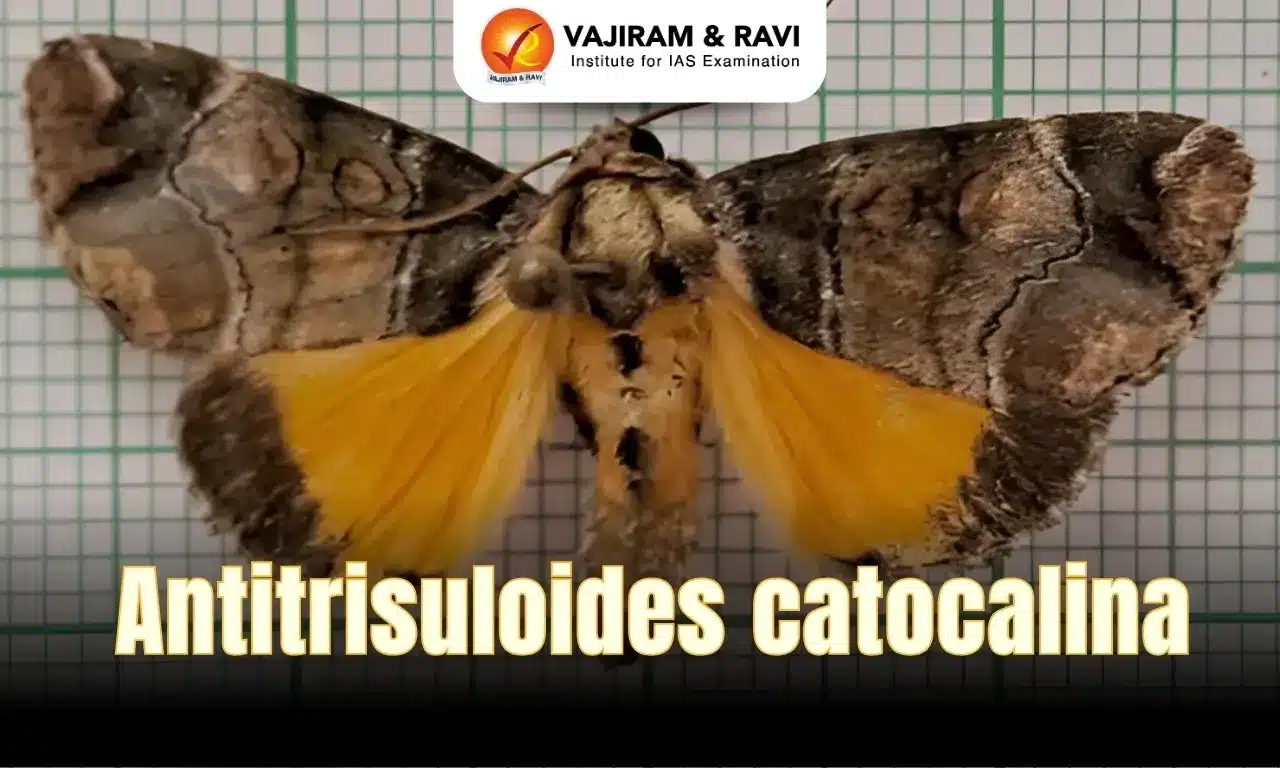
Recently, scientists have recorded the presence of the rare nocturnal moth species Antitrisuloides catocalina in Choolannur Peafowl Sanctuary in Palakkad district, Kerala.

About Antitrisuloides Catocalina

  • It is a nocturnal moth species belonging to genus Antitrisuloides.
  • It is found in the Western Ghats for the first time.
  • It is part of the Noctuidae family, the genus comprises two known species worldwide.
  • The specimen found in Kerala was identified as a species previously reported only from North-East India.
  • Its detailed analysis further revealed it to be the subspecies Antitrisuloides catocalina cyclica.

Key Facts about Choolannur Peafowl Sanctuary

  • It is affectionately known as Mayiladumpara, a sanctuary dedicated to the majestic peacocks nestled in the lush landscapes of Palakkad district, Kerala.
  • It is exclusively set up for breeding and conservation of peacocks, is the only peacock sanctuary in Kerala and the first of its kind in India. 
  • It was established in 1996, it was dedicated to the memory of the legendary Indian ornithologist and writer Induchoodan, who hailed from the nearby village called Kavassery. 

Source: TH

Antitrisuloides Catocalina FAQs

Q1: What are Moths?

Ans: These are insects that belong to the order Lepidoptera, which they share with butterflies.

Q2: Who is the father of entomology?

Ans: William Kirby

e-Sushrut@Clinic

https://vajiramandravi.com/upsc-exam/swadeshi-movement/

e-Sushrut@Clinic Latest News

Recently, the National Health Authority (NHA) and the Centre for Development of Advanced Computing (C-DAC) signed a Memorandum of Understanding (MoU) to roll out e-Sushrut@Clinic.

About e-Sushrut@Clinic

  • It provides a lightweight, cloud-based Hospital Management Information System (HMIS) designed specifically for outpatient clinics.
  • This government-backed Health Management Information System (HMIS) is designed specifically for small and medium healthcare providers.
  • It marks a pivotal step in expanding the Ayushman Bharat Digital Mission (ABDM) ecosystem.
  • The application developed by C-DAC is a lighter version of their flagship e-Sushrut HMIS software.

Features of eSushrut@Clinic

  • It is tailored for outpatient management, pharmacy, and nursing modules, and delivers essential functionalities at a low per-user cost.
  • Any healthcare provider can onboard it from his/her laptop/mobile on a webpage through their Health Facility Registry (HFR) and Health Professionals Registry (HPR).
  • If the healthcare provider is not registered on HFR/HPR, they would be able to register on eSushrut@Clinic itself.  
  • This will make it much easier for doctors in both public and private clinics to access and update patient health records, offer telemedicine services, and streamline diagnostics and prescriptions.
  • The platform enables small clinics, sub-centres, and medium-sized hospitals to digitize patient records, prescriptions, and billing with minimal technical overhead.
  • Several utilities and features of ABDM will be available in eSushrut@Clinic.
  • For instance, the healthcare providers would use the AIIMS Clinical Decision Support Systems (CDSS) service for hypertension and diabetes, which is being provided free for all ABDM-integrated software.
  • This CDSS helps improve patient care by supporting doctors in making better diagnoses and treatment.

Source: PIB

e-Sushrut@Clinic FAQs

Q1: What is the meaning of e Sushrut?

Ans: e-Sushrut, a Hospital Management Information System incorporates an integrated computerized clinical information system for improved hospital administration and patient health care.

Q2: What is the full form of HMIS clinic?

Ans: Health Management Information System

Pradhan Mantri Viksit Bharat Rozgar Yojana

Pradhan Mantri Viksit Bharat Rozgar Yojana

Pradhan Mantri Viksit Bharat Rozgar Yojana Latest News

Recently, the Prime Minister announced the Pradhan Mantri Viksit Bharat Rozgar Yojana.

About Pradhan Mantri Viksit Bharat Rozgar Yojana

  • It provides direct cash incentives to eligible employees and employers to boost formal job creation. 
  • Aim: The scheme aims to support creation of over 3.5 crore jobs in two years.

Key Features of the Scheme

  • Part A – Support to First-Time Employees
    • Targeting first-time employees registered with EPFO, this Part will offer one-month EPF wage up to Rs 15,000 in two installments.
    • Employees with salaries up to Rs 1 lakh will be eligible for the incentives.
    • The 1st instalment will be payable after 6 months of service and the 2nd instalment will be payable after 12 months of service and completion of a financial literacy programme by the employee.
    • To encourage the habit of saving, a portion of the incentive will be kept in a savings instrument or deposit account for a fixed period and can be withdrawn by the employee at a later date.
  • Part B – Incentives for Employers
    • This part will encourage generation of additional employment in all sectors, with a special focus on the manufacturing sector.
    • The employers will get incentives in respect of  new employees with salaries up to Rs 1 lakh.
    • The Government will incentivize employers, up to Rs 3000 per month, for two years, for each additional employment, sustained  for at least six months.
    • For the manufacturing sector, incentives will be extended to the 3rd and 4th  years as well.
    • Incentive Payment Mechanism: All payments to the First Time Employees under Part A of the Scheme will be made through DBT (Direct Benefit Transfer) mode using Aadhar Bridge Payment System (ABPS). Payments to the Employers under Part B will be made directly into their PAN-linked Accounts.

Source: PIB

Pradhan Mantri Viksit Bharat Rozgar Yojana FAQs

Q1: What is Employees Provident Fund Organisation (EPFO)?

Ans: It is a statutory body under the Employees’ Provident Funds and Miscellaneous Act, 1952. It is under the administrative control of the Union Ministry of Labor and Employment.

Q2: What is the Aadhaar payment bridge system?

Ans: APBS is a unique payment system implemented by National Payments Corporation of India (NPCI), which uses Aadhaar number as a central key for electronically channelizing the Government subsidies.

Exercise SLINEX

Exercise SLINEX

Exercise SLINEX Latest News

Indian Naval Ships INS Rana and INS Jyoti  participated in the 12th edition of Sri Lanka and India Naval Exercise (SLINEX-25).

About Exercise SLINEX

  • It is a bilateral naval exercise between India and Sri Lanka, which was conceptualised in 2005.
  • It has strengthened maritime cooperation between the nations over two decades.
  • Aim: It aims at enhancing interoperability, maritime cooperation and exchanging best practices while jointly undertaking multi-faceted maritime operations.
  • The previous edition of SLINEX was conducted at Visakhapatnam, India  in 2024.
  • The exercise will be conducted in two phases – the Harbour phase followed by Sea phase
  • During the harbour phase, professional interactions, Subject Matter Expert Exchange(SMEE), sharing of best practices, cultural & social exchanges along with yoga sessions and sporting events are planned.
  • The naval drills planned during the sea phase include gunnery firing serials, communication protocols, navigation, seamanship evolutions, Visit Board Search and Seizure (VBSS) and fueling at sea.
  • Significance: The SLINEX maritime exercise exemplifies the deep engagement between India and Sri Lanka, which has strengthened cooperation in the maritime domain in consonance with India’s policy of Mutual and Holistic Advancement for Security and Growth Across Regions MAHASAGAR.

Source: PIB

Exercise SLINEX FAQs

Q1: What is slinex exercise?

Ans: SLINEX (Sri Lanka India Naval Exercise) are a series of naval exercises between the Indian Navy and the Sri Lanka Navy.

Q2: What is the displacement capacity of the INS Jyoti?

Ans: The ships displaces about 35,900 tonnes at full load.

Australopithecus

Australopithecus

Australopithecus Latest News

An unidentified early hominin fossil that might be a new species confirms that Australopithecus and Homo species lived in the same region of Africa in the same time frame.

About Australopithecus

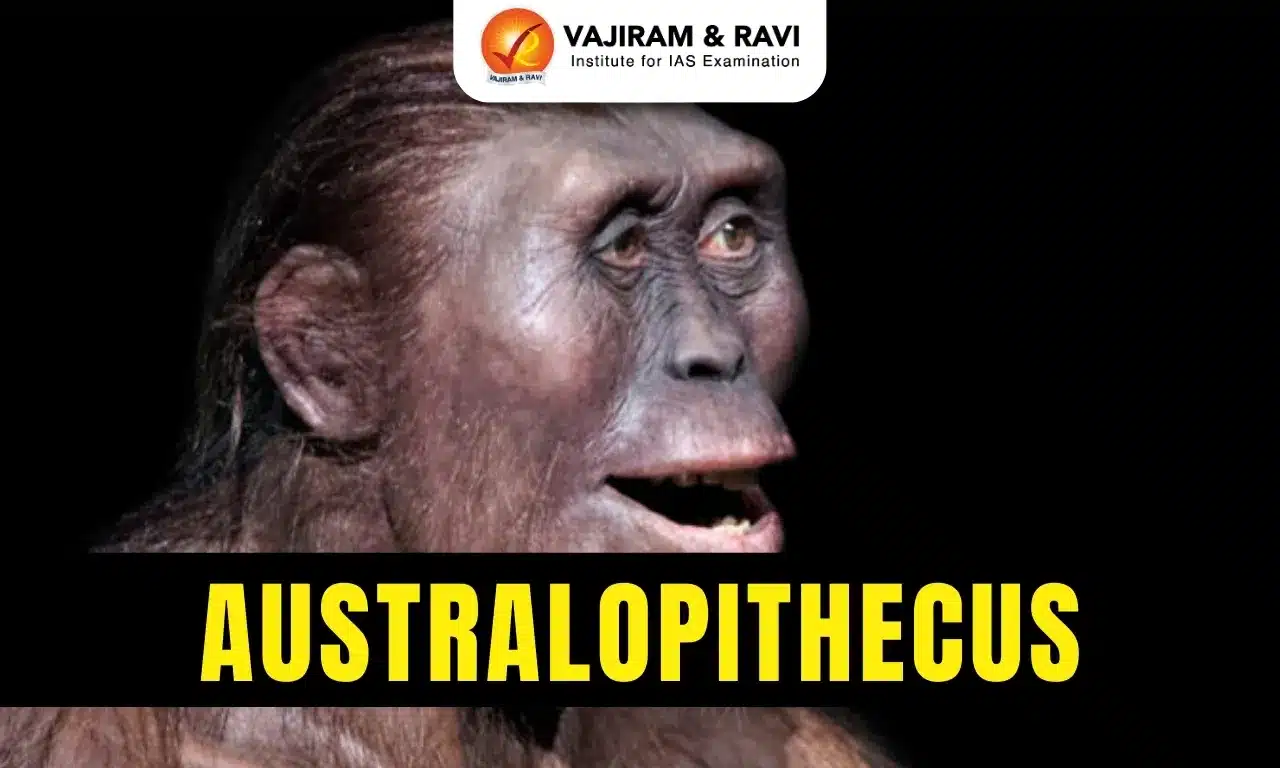
  • Australopithecus, (genus Australopithecus) is a group of extinct primates known from a series of fossils found at numerous sites in eastern, north-central, and southern Africa.
  • They are the closest known relatives of our genus, Homo.
  • The various species of Australopithecus lived 4.4 million to 1.4 million years ago (mya), during the Pliocene and Pleistocene epochs (which lasted from 5.3 million to 11,700 years ago).
  • The genus name, meaning “southern ape,” refers to the first fossils found, which were discovered in South Africa.
  • Perhaps the most famous specimen of Australopithecus is “Lucy,” a remarkably preserved fossilized skeleton from Ethiopia that has been dated to 3.2 mya.

Australopithecus Features

  • Members of Australopithecus bore a combination of humanlike and apelike traits.
  • They had apelike face proportions (a flat nose, a strongly projecting lower jaw) and braincase (with a small brain, usually less than 500 cubic centimeters – about 1/3 the size of a modern human brain), and long, strong arms with curved fingers adapted for climbing trees.
  • They also had small canine teeth like all other early humans, and a body that stood on two legs and regularly walked upright. 
  • They were roughly 1.2-1.5 m tall and probably weighed about 30-50 kg.
  • Males were almost twice the size of females, a level of difference, or sexual dimorphism, greater than modern chimpanzees or humans but less than gorillas or orangutans.
  • They had mainly a plant-based diet, including leaves, fruit, seeds, roots, nuts, and insects.

Source: LS

Australopithecus FAQs

Q1: Australopithecus fossils have been primarily discovered in which regions?

Ans: Eastern, north-central, and southern Africa.

Q2: During which epochs did Australopithecus species live?

Ans: Pliocene and Pleistocene

Q3: The brain size of Australopithecus was about what fraction of the modern human brain?

Ans: One-third

Enquire Now