Chatham Islands

Chatham Islands

Chatham Islands Latest News

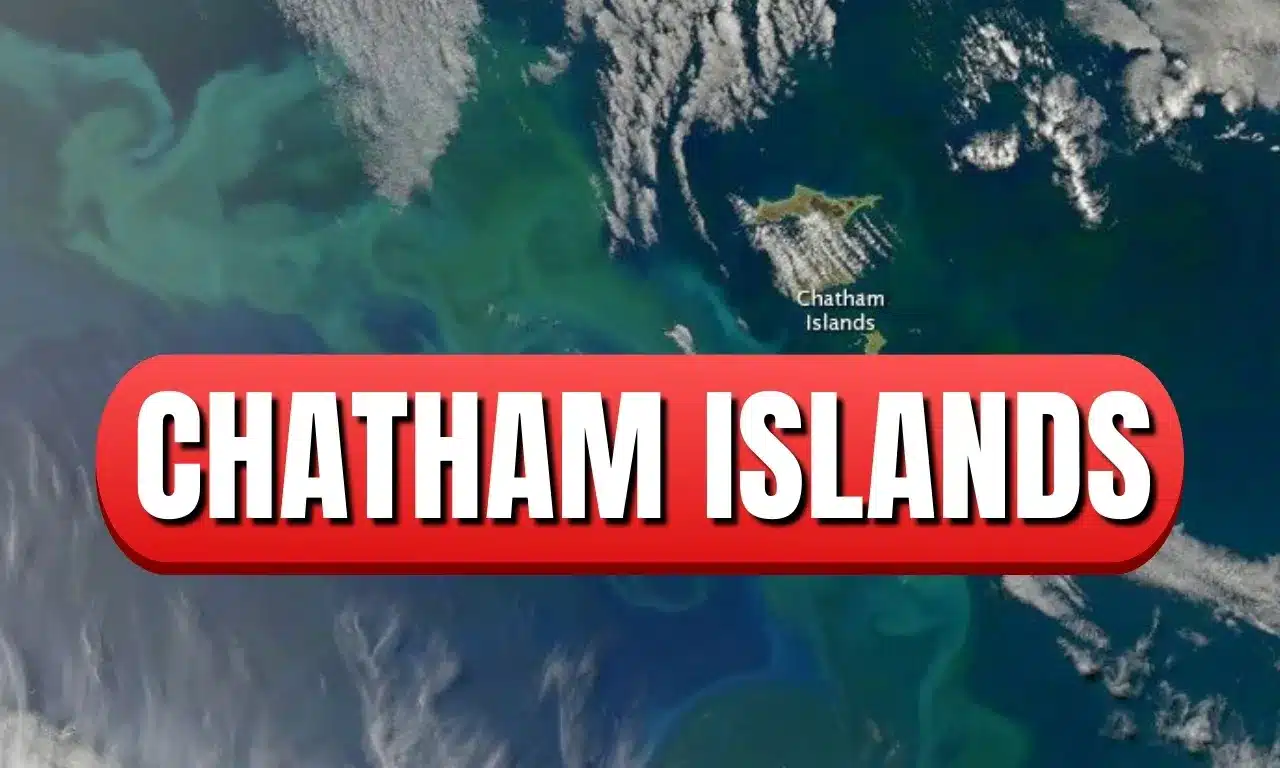
A bloom of phytoplankton—tiny photosynthetic organisms that become visible to satellites when their numbers explode—encircled the Chatham Islands in austral summer recently.

About Chatham Islands

  • It is an island group in the South Pacific Ocean, about 800 km east of New Zealand. 
  • These islands are New Zealand's most easterly territory.
  • Composed of 10 islands, they are primarily of volcanic formation, but areas of limestone indicate that they may once have been part of New Zealand.
  • Only the two main islands are inhabited: Chatham Island and Pitt Island.
    • Chatham Island, the largest of the islands, has a high southern tableland flanked by towering cliffs and a gentle northern portion encompassing extensive waterways, low peatlands and long sandy beaches. 
    • Pitt Island has a heartland of forest and a coast of wild cliffs, headlands, and sandy beaches.
    • Both islands are surrounded by a number of smaller islands, all within a radius of approximately 50 km. 
  • The Chatham Islands is the first inhabited place in the world to see the rising sun each day.
  • The islands were first inhabited by Moriori, who named the islands 'Rekohu' – translated as 'misty skies' or 'misty sun'. 
  • European sealers and whalers were next to arrive, followed by Māori from New Zealand, who named the islands 'Wharekauri'. 
  • Descendants of Moriori still reside on the Chatham Islands today.
  • The total population in 2024 was estimated to be 720.
  • The main settlement is Waitangi. Other settlements are Te One, Port Hutt, Kāingaroa, and Ōwenga.
  • The economy of the Chatham Islands is heavily dependent on fishing, farming, and tourism.

Source: SCNASA

Chatham Islands FAQs

Q1: Where are the Chatham Islands located?

Ans: The Chatham Islands are located in the South Pacific Ocean, about 800 km east of New Zealand.

Q2: Which country do the Chatham Islands belong to?

Ans: The Chatham Islands are New Zealand’s most easterly territory.

Q3: How many islands make up the Chatham Islands group?

Ans: The Chatham Islands group is composed of 10 islands.

Q4: Which two islands of the Chatham Islands are inhabited?

Ans: Chatham Island and Pitt Island are the only inhabited islands.

Q5: What is the main settlement of the Chatham Islands?

Ans: Waitangi is the main settlement.

CSIR Integrated Skill Initiative

CSIR Integrated Skill Initiative

CSIR Integrated Skill Initiative Latest News

CSIR Integrated Skill Initiative has trained more than 1.90 lakh individuals through 5200+ skill-based training.

About CSIR Integrated Skill Initiative

  • It is a flagship national programme implemented by the Council of Scientific and Industrial Research (CSIR).
  • It is aimed at bridging the gap between scientific research and industry requirements, and employable skills.
  • Objective: To seamlessly integrate skill development with science and technology by leveraging CSIR’s vast research infrastructure, widespread network domains, and profound scientific expertise spread across the country.
  • It provides inclusive accessibility, catering to a diverse spectrum of beneficiaries ranging from
    • Students, young researchers, technical staff, and working professionals to school dropouts, ITI diploma holders, farmers, and rural communities.
  • It emphasizes skill training with real-world industrial, societal, and entrepreneurial demands.

Features of CSIR Integrated Skill Initiative

  • It provides structured short-term and long-term skill development modules comprising training, internships, certification courses, and hands-on laboratory exposure.
  • It equips participants with comprehensive skill development in advanced and rapidly evolving technologies interconnected with industry requirements.
  • The programme spans 18 out of 36 key sectoral skills as identified by the National Skill Development Mission (NSDM).

Source: PIB

CSIR Integrated Skill Initiative FAQs

Q1: What is the primary objective of the CSIR Integrated Skill Initiative?

Ans: Bridge the gap between scientific research and industry requirements

Q2: Which organization implements the CSIR Integrated Skill Initiative?

Ans: Council of Scientific and Industrial Research (CSIR)

Womaniya Initiative

Womaniya Initiative

Womaniya Initiative Latest News

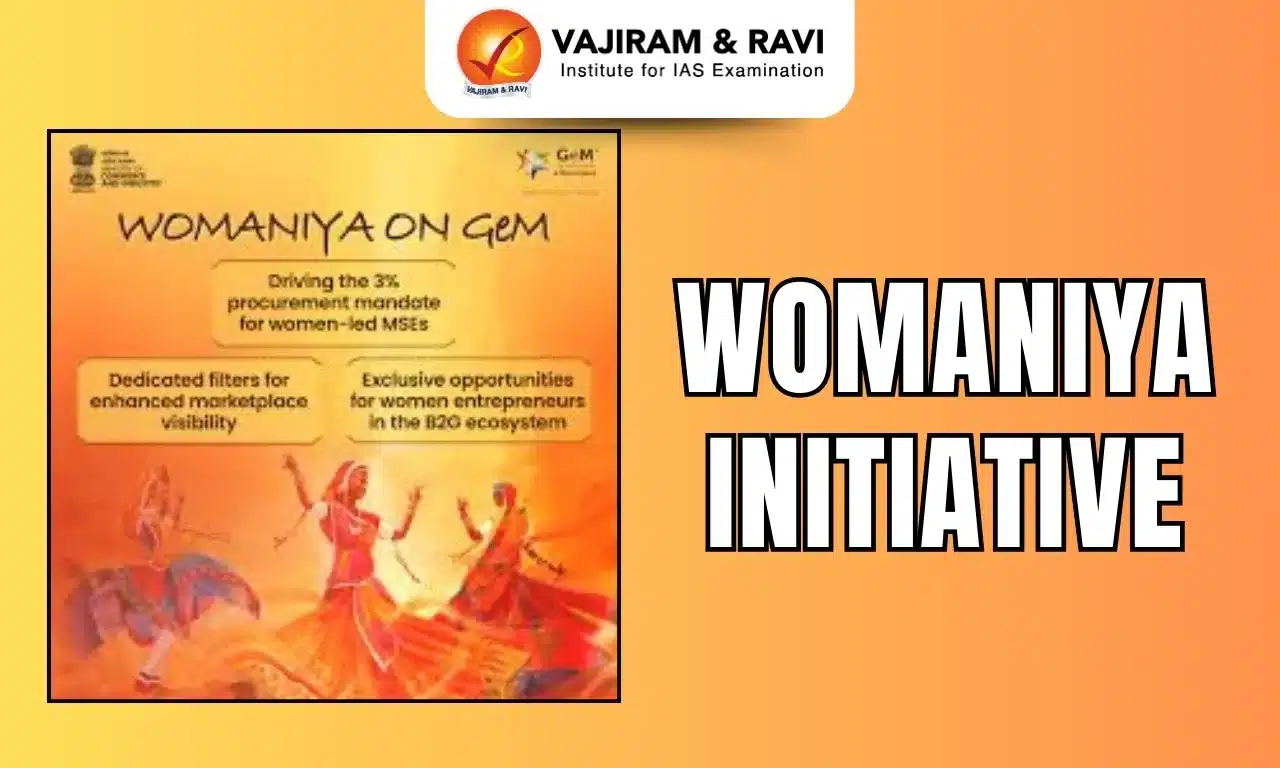
Recently, the Government e-Marketplace (GeM) marked seven years of the Womaniya initiative.

About Womaniya Initiative

  • It was launched on 14 January 2019.
  • It is a flagship programme aimed at strengthening the participation of women-led Micro and Small Enterprises (MSEs) in public procurement.
  • Womaniya was conceived to address the limited access of women entrepreneurs and Self-Help Groups (SHGs) to government markets.
  • It spurs Women entrepreneurship by aligning them with opportunities to sell their products to various Government ministries, departments and institutions.
    • By providing a direct, transparent and fully digital interface with government buyers, the initiative eliminated intermediaries and reduced entry barriers that had historically constrained participation.
  • Impact: The initiative seeks to develop women entrepreneurship to achieve gender-inclusive economic growth. 

What is a GeM Portal?

  • Government e-Marketplace, shortly known as GeM, is a digital platform that enables buying and selling of goods and services.
  • It is the Public Procurement Portal for procurement of goods and services for all Central Government and State Government Ministries, Departments, Public Sector Units (PSUs) and affiliated.
  • It was launched in August 2016, by the Ministry of Commerce & Industry.
  • The sole purpose of GeM is to enhance efficiency; transparency and speed in public procurement.

Source: PIB

Womaniya Initiative FAQs

Q1: What is the primary objective of the Womaniya Initiative?

Ans: Strengthen participation of women-led MSEs in public procurement

Q2: Which platform is used to implement the Womaniya Initiative?

Ans: Government e-Marketplace (GeM)

Intrinsically Disordered Proteins

Intrinsically Disordered Proteins

Intrinsically Disordered Proteins Latest News

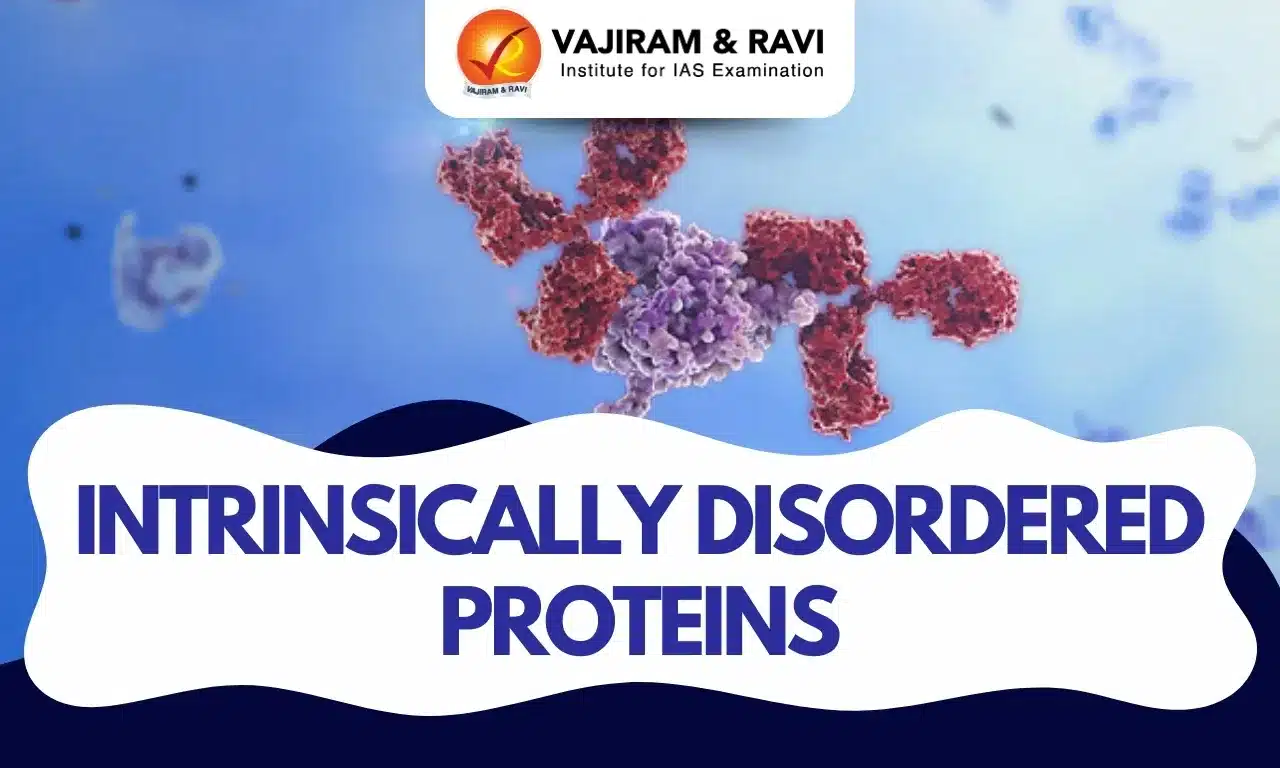
Researchers have developed a deep-learning tool named Disobind that can predict how intrinsically disordered proteins (IDP) latch on to their binding partners.

About Intrinsically Disordered Proteins

  • Intrinsically disordered proteins are defined as proteins or regions of proteins that lack a fixed or ordered three-dimensional structure under biological conditions.
  • Other Names: Also called natively unfolded or intrinsically unstructured proteins.
  • These are important for cellular signaling and regulation.

Functions of Intrinsically Disordered Proteins

  • They are shape shifting molecules vital to cellular communication.
  • They don’t form a fixed structure.
  • They guide signalling networks.
  • They help proteins move and find partners within the cell, regulate which genes are switched on or off,
  • IDP supports protein folding and quality control, and assembles flexible cellular hubs called condensates.

Key Facts about Disobind Tool

  • It is developed by the researchers of National Centre for Biological Sciences (NCBS), Tata Institute of Fundamental Research, Bengaluru.

Features of Disobind Tool

  • It is open-source and freely available for researchers worldwide.
  • It analyses the protein sequences and uses protein language models (a form of AI trained on millions of known protein sequences).
  • No structural info needed: It does not require any structural information or sequence alignments, making it super convenient.
  • High accuracy: Disobind outperformed popular tools like AlphaFold-multimer and AlphaFold3 in tests on new protein pairs.
  • Disobind delivered consistently higher accuracy when tested on new protein pairs it had not seen before.
  • Applications of the tool could span from disease biology to drug design.

Source: TH

Intrinsically Disordered Proteins FAQs

Q1: What is a characteristic feature of Intrinsically Disordered Proteins (IDPs)?

Ans: Lack of fixed 3D structure

Q2: What is a key function of IDPs in cellular processes?

Ans: Regulating gene expression

Root Wilt Disease

Root Wilt Disease

Root Wilt Disease Latest News

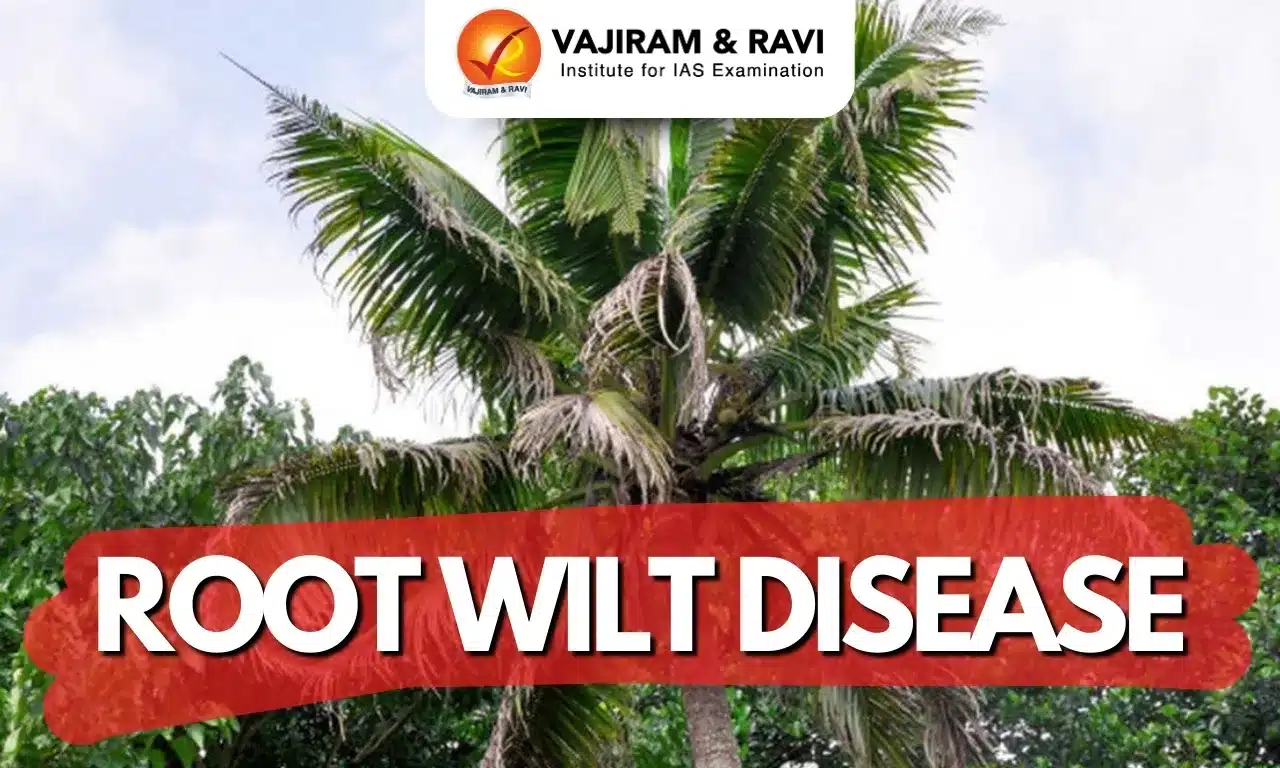
Recently, phytoplasma-induced root wilt disease has destroyed large tracts of traditional coconut-growing areas in Karnataka, Tamil Nadu, and Kerala states.

About Root Wilt Disease

  • It is caused by phytoplasma (bacteria) which is one of the most devastating diseases of coconut palms.
  • Origin: It is classified as a non-fatal disease of coconut palm and was first identified more than a century and a half ago in Erattupetta in Kerala.
  • It is not lethal; but it debilitates the production potential of the palms.
  • Transmission: The disease spreads through insect vectors, aided by the movement of wind and uninterrupted stretches of coconut plantations. 
  • The root (wilt) disease occurs in all major soil types but the spread is faster in sandy, sandy loam and alluvial soil.
  • Factors accelerating spread: Erratic temperatures, especially extremes, and the rise of new sucking pests, particularly whiteflies, have significantly accelerated its spread.
  • Symptoms of Root Wilt Disease
    • Tapering of the terminal portion of the trunk of Coconut Tree.
    • Reduction of leaf size
    • Abnormal bending of leaflets termed as flaccidity.
    • Flowering is delayed and yield is considerably reduced.
    • The characteristic symptom is the flaccidity of leaflets.
  • Impact: The tree quickly becomes unproductive, sheds all its nuts, and assumes a distorted appearance.
  • Management: Breeding resistant and tolerant varieties remains one of the most successful tools for managing phytoplasma.

Source: TH

Root Wilt Disease FAQs

Q1: What is the causative agent of Root Wilt Disease?

Ans: Phytoplasma

Q2: Which crop is affected by Root Wilt Disease?

Ans: Coconut

Vitamin A

Vitamin A

Vitamin A Latest News

Researchers recently uncovered new ways a vitamin A-derived molecule can interfere with the immune system's ability to fight cancer.

About Vitamin A

  • It is a fat-soluble vitamin primarily stored in the liver.
  • There are two types of vitamin A that are found in the diet.
    • Preformed vitamin A is found in animal products such as meat, fish, poultry, and dairy foods.
    • Precursors to vitamin A, also known as provitamin A, are found in plant-based foods such as fruits and vegetables. 
      • These compounds are converted to the active form in your body. 
      • The most common type of provitamin A is beta-carotene.
  • Foods with the highest levels of vitamin A include:
    • Beef liver and other organ meats
    • Some types of fish such as herring and salmon and cod fish oil
    • Eggs
    • Dairy products such as cheese and fortified milk 
    • Fortified breakfast cereals
    • Orange and yellow vegetables and fruits, such as carrots, sweet potatoes, mangos, and cantaloupe
    • Broccoli, spinach, and most dark green, leafy vegetables
  • Function:
    • Vitamin A helps form and maintain healthy teeth, skeletal and soft tissue, mucus membranes, and skin. 
    • It is also known as retinol because it produces the pigments in the retina of the eye.
    • Vitamin A promotes good eyesight, especially in low light. 
    • It also has a role in healthy pregnancy and breastfeeding.
  • If you do not get enough vitamin A, you have more risk of eye problems such as:
    • Reversible night blindness
    • Non-reversible corneal damage known as xerophthalmia
    • It can also lead to hyperkeratosis or dry, scaly skin.
  • Vitamin A deficiency can be treated with vitamin A supplements

Source: SD

Vitamin A FAQs

Q1: What type of vitamin is Vitamin A?

Ans: Vitamin A is a fat-soluble vitamin.

Q2: Where is Vitamin A primarily stored in the body?

Ans: Vitamin A is primarily stored in the liver.

Q3: What role does Vitamin A play in eye health?

Ans: Vitamin A helps produce retinal pigments and promotes good eyesight, especially in low light.

Q4: Why is Vitamin A also known as retinol?

Ans: It is known as retinol because it produces pigments in the retina of the eye.

Q5: Which vegetables and fruits are rich in Vitamin A?

Ans: Carrots, sweet potatoes, mangos, cantaloupe, broccoli, spinach, and dark green leafy vegetables are rich in Vitamin A.

Gegeneophis Valmiki

Gegeneophis Valmiki

Gegeneophis Valmiki Latest News

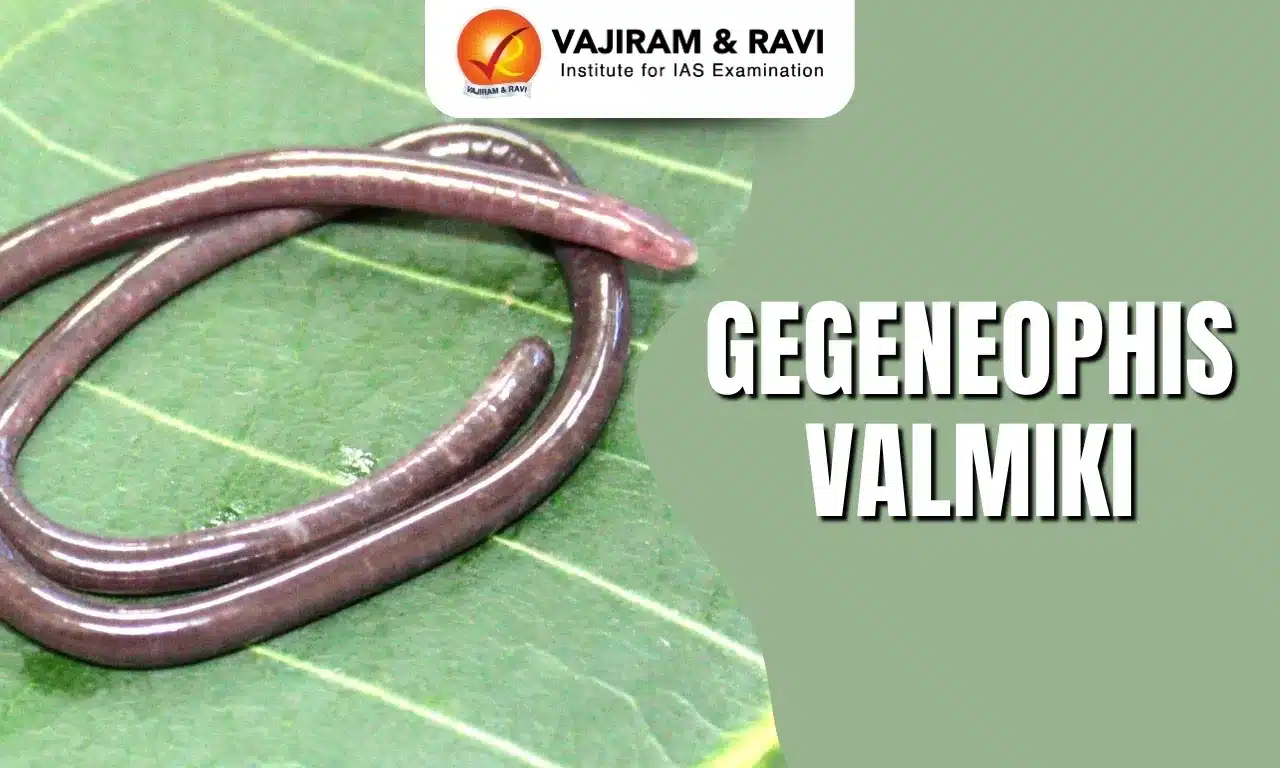
Indian scientists recently discovered a rare subterranean amphibian species in the northern Western Ghats of Maharashtra and named it Gegeneophis valmiki.

About Gegeneophis valmiki

  • It is a rare, subterranean amphibian species, discovered in the northern Western Ghats of Maharashtra.
  • The name Gegeneophis valmiki honors the historic Maharshi Valmiki Mandir located near the discovery site. 
  • It belongs to the genus Gegeneophis, commonly called blind caecilians.
    • Caecilians, often calledhidden amphibians”, are limbless, worm-like creatures that spend most of their lives underground. 
    • They look and move so much like earthworms.
    • They do not croak or call like frogs, and their eyes are buried beneath layers of skin and bone, making field identification exceptionally difficult.
    • Beyond rarity, caecilians play an important ecological role. 
    • Their burrowing improves soil aeration and structure, their feeding helps regulate soil invertebrates, and they form part of the food web for birds, reptiles and small mammals.
    • They also represent a key evolutionary link between aquatic and terrestrial vertebrates.
    • Globally, caecilians account for just 231 of the world’s 8,983 known amphibian species. 
    • India records 42 caecilian species among its 457 amphibians.
    • The Western Ghats alone are home to 26 endemic caecilians, with 11 belonging to the Gegeneophis group.
    • Gegeneophis valmiki is the first addition to its genus in more than a decade.

Source: TOI

Gegeneophis Valmiki FAQs

Q1: What is Gegeneophis valmiki?

Ans: It is a rare, subterranean amphibian species.

Q2: Where was Gegeneophis valmiki discovered?

Ans: In the northern Western Ghats of Maharashtra.

Q3: To which genus does Gegeneophis valmiki belong?

Ans: The genus Gegeneophis.

Q4: What are members of the genus Gegeneophis commonly called?

Ans: Blind caecilians.

Q5: What type of animals are caecilians?

Ans: Limbless, worm-like amphibians that live mostly underground.

Conference of Speakers and Presiding Officers of the Commonwealth (CSPOC)

Conference of Speakers and Presiding Officers of the Commonwealth (CSPOC)

Conference of Speakers and Presiding Officers of the Commonwealth (CSPOC) Latest News

The Prime Minister recently inaugurated the 28th Conference of Speakers and Presiding Officers of the Commonwealth (CSPOC) in New Delhi, highlighting India's commitment to sharing open-source tech platforms with the Global South.

About Conference of Speakers and Presiding Officers of the Commonwealth (CSPOC)

  • It brings together the Speakers and Presiding Officers of the national parliaments of the independent sovereign states of the Commonwealth. 
  • It was created in 1969 as an initiative of the then Speaker of the House of Commons of Canada, Lucien Lamoureux. 
  • Since its inception, Canada has provided CSPOC with a secretariat to support its activities.
  • The Conference is an independent group and has no formal affiliation with the Commonwealth Parliamentary Association, the Commonwealth Secretariat, or the Commonwealth Heads of Government. 
  • CSPOC operates on a two-year cycle, holding a conference of the full membership every two years, usually early in January, and a meeting of the Standing Committee at the same time the intervening year.
  • The Conference aims to:
    • Maintain, foster, and encourage impartiality and fairness on the part of Speakers and Presiding Officers of Parliaments;
    • Promote knowledge and understanding of parliamentary democracy in its various forms; and
    • Develop parliamentary institutions

What is the Commonwealth?

  • It is a voluntary association of 56 independent countries, almost all of which were formerly under British rule.
  • It differs from other international bodies such as the United Nations or the World Trade Organization. 
  • It has no formal constitution or bylaws. 
  • The members have no legal or formal obligation to one another; they are held together by shared traditions, institutions, and experiences as well as by economic self-interest. 
  • Commonwealth action is based upon consultation between members, which is conducted through correspondence and through conversations in meetings.
  • The values and aspirations which unite the members of the Commonwealth are reflected in the Commonwealth Charter, adopted in December 2012. 
    • The Charter expresses the commitment of Commonwealth members to the development of free and democratic societies, good governance, human rights, the rule of law, sustainable development, and the promotion of peace and prosperity. 
  • The work of the Commonwealth is administered by the Commonwealth Secretariat based in London.
  • The last countries to join the Commonwealth were Gabon and Togo in 2022.
  • India is the largest member state of the Commonwealth, with nearly 60% of the total population of the association. 

Source: ET

Conference of Speakers and Presiding Officers of the Commonwealth (CSPOC) FAQs

Q1: What is the Conference of Speakers and Presiding Officers of the Commonwealth (CSPOC)?

Ans: It is a forum that brings together the Speakers and Presiding Officers of the national parliaments of independent sovereign Commonwealth states.

Q2: When was Conference of Speakers and Presiding Officers of the Commonwealth (CSPOC) created?

Ans: It was created in 1969 as an initiative of the then Speaker of the House of Commons of Canada, Lucien Lamoureux.

Q3: Which country has provided the secretariat support to Conference of Speakers and Presiding Officers of the Commonwealth (CSPOC) since its inception?

Ans: Canada

Q4: Is Conference of Speakers and Presiding Officers of the Commonwealth (CSPOC) formally affiliated with the Commonwealth Parliamentary Association?

Ans: No, CSPOC is an independent group with no formal affiliation.

Kaziranga National Park

Kaziranga National Park

Kaziranga National Park Latest News

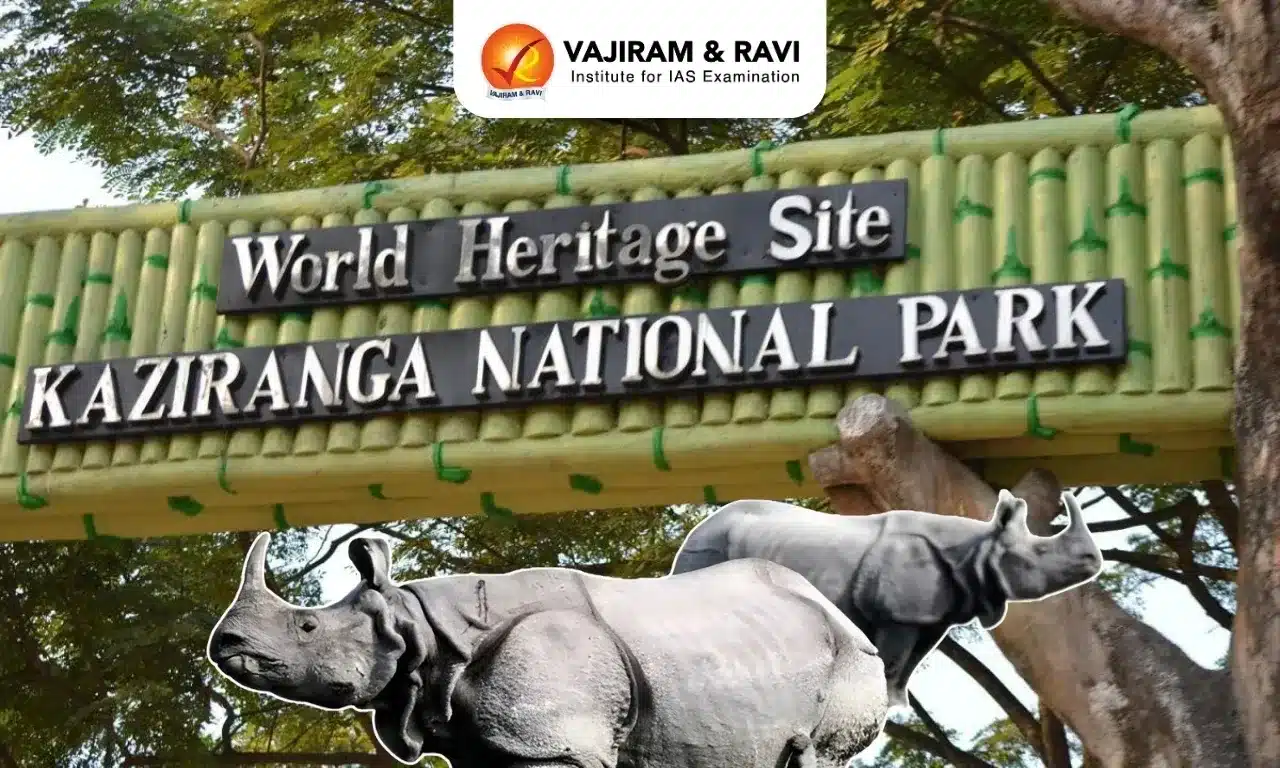
The Prime Minister of India is scheduled to flag off a 34.5-kilometre elevated corridor in Assam’s Kaziranga National Park.

About Kaziranga National Park

  • Location: It is situated between the Brahmaputra River and the Karbi (Mikir) Hills, in Assam.
  • It is the single largest undisturbed and representative area in the Brahmaputra Valley floodplain.
  • In 1985, the park was declared a World Heritage Site by UNESCO.
  • Terrain: It is of sheer forest, tall elephant grass, rugged reeds, marshes, and shallow pools.
  • Rivers: The River Diffalu, a tributary of the Brahmaputra, flows through the National Park while another tributary, Moradifalu, flows along its southern boundary.
  • Flora: It is primarily famous for its dense and tall elephant grasses intermixed with small swamplands. It also includes an abundant cover of water lilies, water hyacinths and lotus.
  • Fauna: It is home to species like Rhino, Tiger, Eastern swamp deer, Elephant, Buffalo, Hoolock gibbon, Capped langur,
    • The Gangetic River dolphin is commonly found in the habitat.
    • It is inhabited by the world’s largest population of one-horned rhinoceroses, as well as many mammals.

Source: IE

Kaziranga National Park FAQs

Q1: Where is Kaziranga National Park located?

Ans: Assam

Q2: What is Kaziranga National Park famous for?

Ans: One-horned rhinoceros conservation

Dardanelles Strait

Dardanelles Strait

Dardanelles Strait Latest News

Southbound ship traffic is set to resume in Turkey's Dardanelles Strait after a tanker experienced engine failure recently.

About Dardanelles Strait

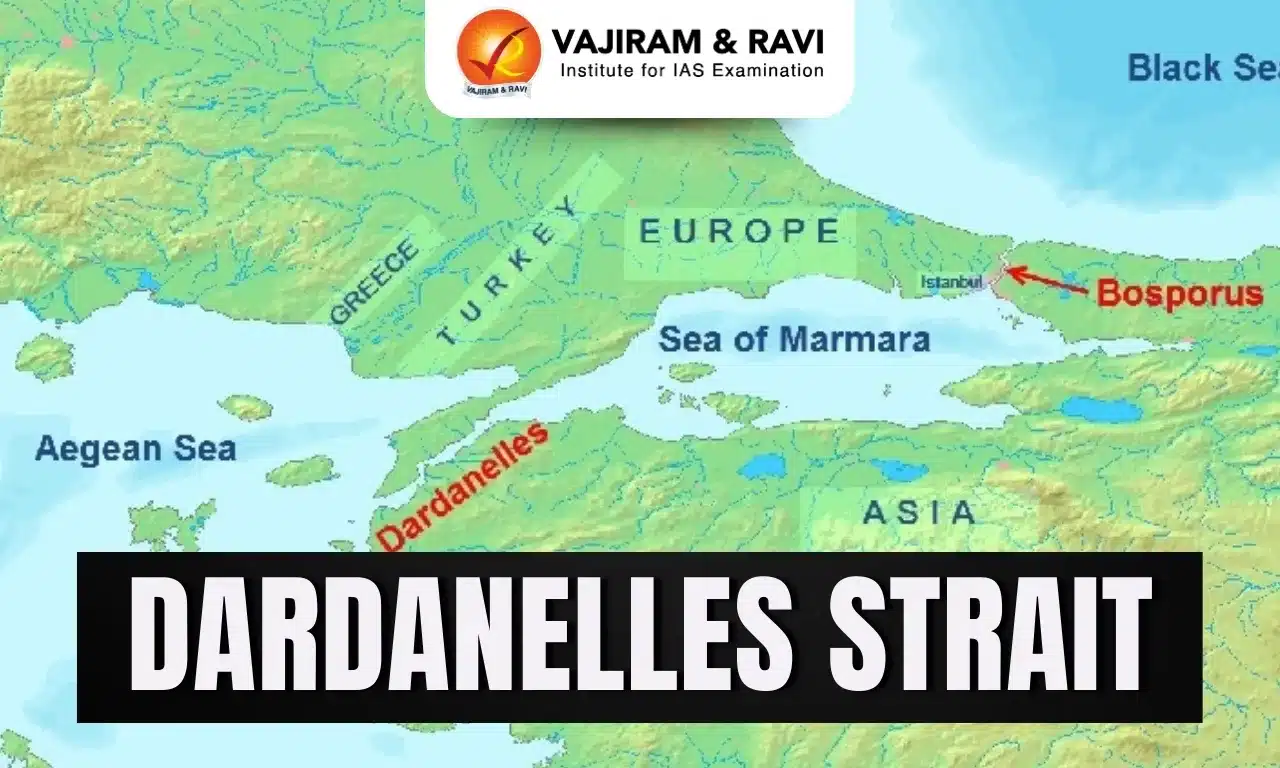
  • It is a very important narrow waterway in northwestern Turkey. 
  • It connects the Aegean Sea (an arm of the Mediterranean Sea) to the Sea of Marmara. 
  • This strait acts like a natural border, separating the continent of Asia on its eastern side from Europe on its western side. 
  • The strait is named for the ancient city of Dardanus. In ancient times it was called the Hellespont, meaning “Helle’s sea,” in memory of Helle, a mythical princess.
  • The Gallipoli Peninsula lies along the western side of the Dardanelles Strait.
  • It is one of the narrowest straits used for international navigation. It is about 61 kilometers long and only 1.2 to 6 kilometers wide. 
  • It is entirely within Turkey. It forms a key part of the Turkish Straits, which also include the Bosphorus Strait and the Sea of Marmara.
    • The Bosporus connects the Sea of Marmara with the Black Sea. 
    • These waterways are the only sea route between the Black Sea and the Mediterranean Sea.
  • It is a vital shipping lane for countries around the Black Sea, like Russia and Ukraine. 
  • Their ships must pass through the Dardanelles to reach the Mediterranean Sea and the rest of the world's oceans.
  • Major ports along its shores include Gallipoli, Eceabat, and Çanakkale, all in Turkey.

Source: REUT

Dardanelles Strait FAQs

Q1: The Dardanelles Strait is located in which country?

Ans: Turkey

Q2: The Dardanelles Strait connects which water bodies?

Ans: It connects the Aegean Sea (an arm of the Mediterranean Sea) to the Sea of Marmara.

Q3: The Dardanelles Strait was known by what name in ancient times

Ans: Hellespont

Q4: The Dardanelles and Bosporus together provide the only sea route between which two seas?

Ans: Black Sea and Mediterranean Sea.

Enquire Now