Aluminium Phosphide

Aluminium Phosphide

Aluminium Phosphide Latest News

Recently, doctors at the PGIMER achieved a global breakthrough in treating aluminium phosphide (Celphos) poisoning with intravenous lipid emulsion therapy.

About Aluminium Phosphide 

  • Aluminium phosphide is commonly known as Celphos.

Characteristics of Aluminium Phosphide 

  • It is a yellow or dark grey crystalline solid that has a garlic-like odour. 
  • It is a cheap, effective and commonly used pesticide.
  • It liberates lethal phosphine gas when it comes in contact either with atmospheric moisture or with hydrochloric acid in the stomach.
    • Phosphine gas, which is highly flammable, and very toxic in nature
    • The mechanism of toxicity includes cellular hypoxia due to the effect on mitochondria, inhibition of cytochrome C oxidase and formation of highly reactive hydroxyl radicals. 
  • Impact on Human Health: Aluminium phosphide poisoning continues to be a serious public-health challenge, particularly in agricultural states such as Punjab, Haryana and Uttar Pradesh.

Uses of Aluminium Phosphide 

  • Aluminum Phosphide (ALP) is a highly toxic fumigant which is used commonly as an indoor pesticide in agriculture based industry for storage of grains.
  • It is often dispersed in pellets; the pellets react with moisture which produces toxic phosphine gas. 
  • Aluminium phosphide is also used to make semi-conductor materials such as light-emitting diodes.

Source: IE

Aluminium Phosphide FAQs

Q1: What is Aluminium Phosphide used for?

Ans: Fumigant pesticide

Q2: What is the toxicity of Aluminium Phosphide attributed to?

Ans: Release of phosphine gas
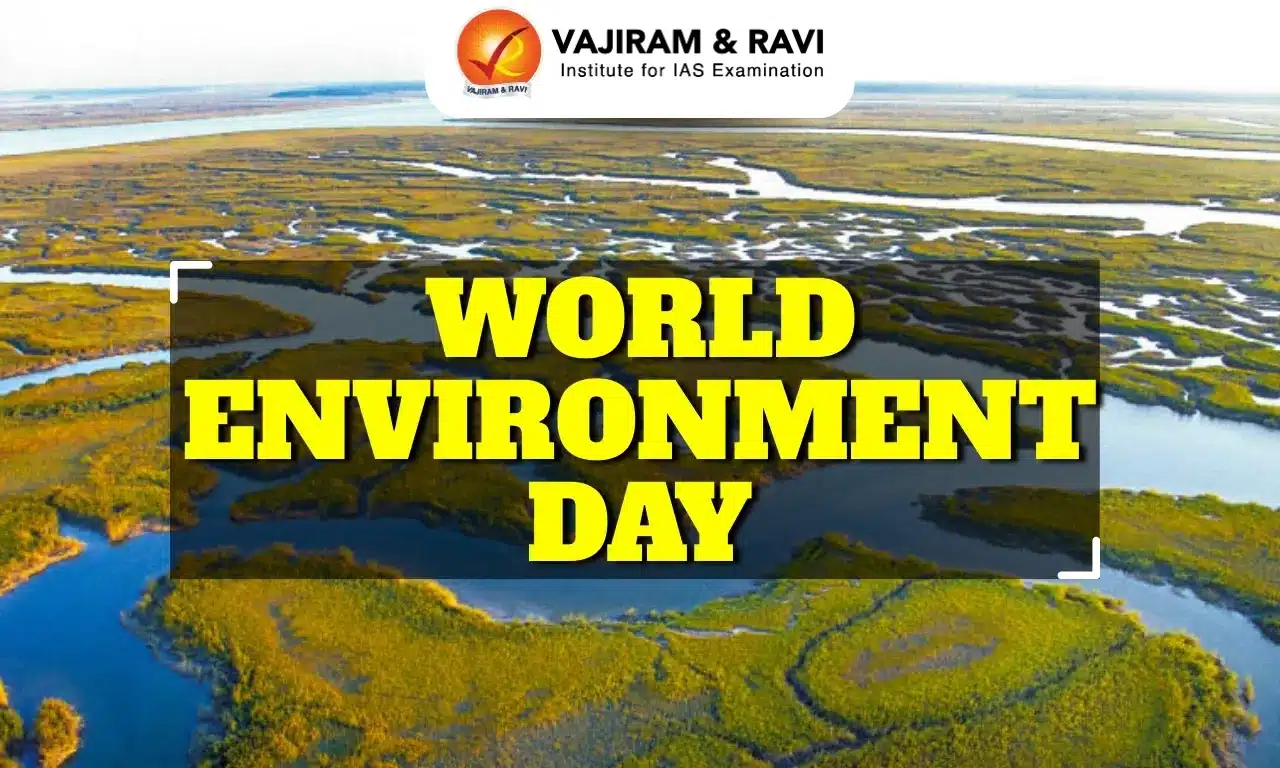
World Wetlands Day

World Wetlands Day 2026

World Wetlands Day Latest News

World Wetlands Day 2026 theme explores the long-standing connections between the habitats and cultural practices, traditions and knowledge systems of communities.

About World Wetlands Day

  • It is celebrated every year on 2 February. 
  • It was first celebrated in 1997 and has been a United Nations International Day since 2022.
    • It marks the anniversary of the Ramsar Convention, signed in Ramsar, Iran, on 2 February 1971.
    • The agreement is also known as the Convention on Wetlands of International Importance. 
    • It is one of the oldest modern international environmental agreements and the only one focused entirely on a single ecosystem: wetlands.
    • There are 172 Contracting Parties to the convention and over 2500 listed Ramsar wetlands worldwide.  
    • Each year, the Convention Secretariat leads the World Wetlands Day campaign, with participation from governments, conservation organisations, businesses, NGOs, media, youth groups, and communities worldwide.
  • World Wetlands Day 2026 Theme: The global theme for 2026, ‘Wetlands and Traditional Knowledge: Celebrating Cultural Heritage’, highlights the role of indigenous and local communities in conserving and managing wetlands.

New Ramsar Sites in India

Patna Bird Sanctuary in Etah, Uttar Pradesh, and Chhari-Dhand in Kutch, Gujarat, have been officially designated as Wetlands of International Importance under the Ramsar Convention, bringing the total number of Ramsar sites in India to 98.

Source: N18

World Wetlands Day FAQs

Q1: When is World Wetlands Day celebrated every year?

Ans: World Wetlands Day is celebrated every year on 2 February.

Q2: In which year was World Wetlands Day first celebrated?

Ans: World Wetlands Day was first celebrated in 1997.

Q3: What historical event does World Wetlands Day commemorate?

Ans: It marks the anniversary of the signing of the Ramsar Convention on 2 February 1971.

Q4: What is the Ramsar Convention also known as?

Ans: It is also known as the Convention on Wetlands of International Importance.

Q5: What is the theme of World Wetlands Day 2026?

Ans: The theme of World Wetlands Day 2026 is “Wetlands and Traditional Knowledge: Celebrating Cultural Heritage”.

SAKSHAM 2026

SAKSHAM 2026

SAKSHAM 2026 Latest News

In an effort to enhance awareness about conserving national resources, the campaign SAKSHAM 2026 has been recently inaugurated by the oil industry.

About SAKSHAM

  • Saksham (Samrakshan Kshamatha Mahotsav) is an annual awareness campaign initiated by the Ministry of Petroleum and Natural Gas, Government of India. 
  • It is designed to promote fuel conservation and raise awareness of sustainable energy practices. 
  • Organized by oil and gas public sector enterprises in collaboration with local authorities, educational institutions, industries, and key stakeholders, Saksham aims to drive India towards a greener future.
  • SAKSHAM 2026:
    • It is a fortnight-long campaign that will run from 2nd February to 16th February 2026.
    • It features diverse activities to engage citizens, debates, wall paintings, cyclothons, walkathons, workshops, seminars, and awareness programs. 
    • The campaign will target various groups, such as schoolchildren, youth, LPG users, fleet operators, farmers, and industry professionals.
    • The theme for the 2026 campaign, “Conserve Oil and Gas, Go Green” (Tel aur Gas Bachao, Harshit Urja Apnao), underscores the transition towards renewable energy sources and energy-efficient solutions for environmental sustainability.

Source: DEVD

SAKSHAM 2026 FAQs

Q1: What is SAKSHAM?

Ans: SAKSHAM (Samrakshan Kshamatha Mahotsav) is an annual awareness campaign initiated by the Ministry of Petroleum and Natural Gas, Government of India.

Q2: What is the primary objective of the SAKSHAM campaign?

Ans: The primary objective of SAKSHAM is to promote fuel conservation and raise awareness about sustainable energy practices.

Q3: What is the theme of the SAKSHAM 2026 campaign?

Ans: The theme of SAKSHAM 2026 is “Conserve Oil and Gas, Go Green” (Tel aur Gas Bachao, Harshit Urja Apnao).

Moltbook Platform

Moltbook Platform

Moltbook Platform Latest News

A new tech phenomenon called Moltbook has erupted across social media as the first social network designed exclusively for artificial intelligence agents. 

About Moltbook Platform

  • Moltbook is a new online platform where artificial intelligence agents interact with each other without direct human participation.
  • It was launched in January 2026 by developer Matt Schlicht.
  • It allows AI systems to post, interact, and exchange information in a shared digital space.

Key Features of Moltbook

  • Diverse Discussions: It is designed as a machine-to-machine space where discussions range from technical issues to philosophical topics like "consciousness" or identity.
    • The agents generate text based on patterns they learned from training data and from interactions.
  • Autonomous Interaction: On Moltbook AI agents do talk to each other by posting, replying and upvoting comments in thread conversations.
    • This communication happens autonomously once a human owner connects their agent to the platform, but the agents themselves use APIs and programmed behaviour to interact without direct human input at each step.
  • Emergent Behavior: AI agents on Moltbook appear to update their behaviour based on interactions with other bots.
    • They remix ideas they encounter in discussions and sometimes adjust responses over time, creating threads that resemble ongoing debates.

What Are AI Agents?

  • AI agents are software entities that can be assigned tasks, examine their environments, take actions as prescribed by their roles, and adjust based on their experiences.

Source: HT

Moltbook Platform FAQs

Q1: What is a key feature of Moltbook?

Ans: AI-autonomous interaction

Q2: Who launched Moltbook?

Ans: Matt Schlicht.

Devnimori Relics of Lord Buddha

Devnimori Relics

Devnimori Relics of Lord Buddha Latest News

India is set to undertake a profound gesture of spiritual outreach and cultural diplomacy through the exposition of the sacred Devnimori Relics of Lord Buddha in Sri Lanka. 

About Devnimori Relics of Lord Buddha

  • The Devnimori Relics originate from the Devnimori archaeological site, located near Shamlaji in the Aravalli district of Gujarat.
  • It was first explored in 1957 by eminent archaeologist Prof. S. N. Chowdhry,

Major Findings of Excavations

  • The excavations revealed important Buddhist structures and relics that stand testimony to the flourishing of Buddhism in western India.
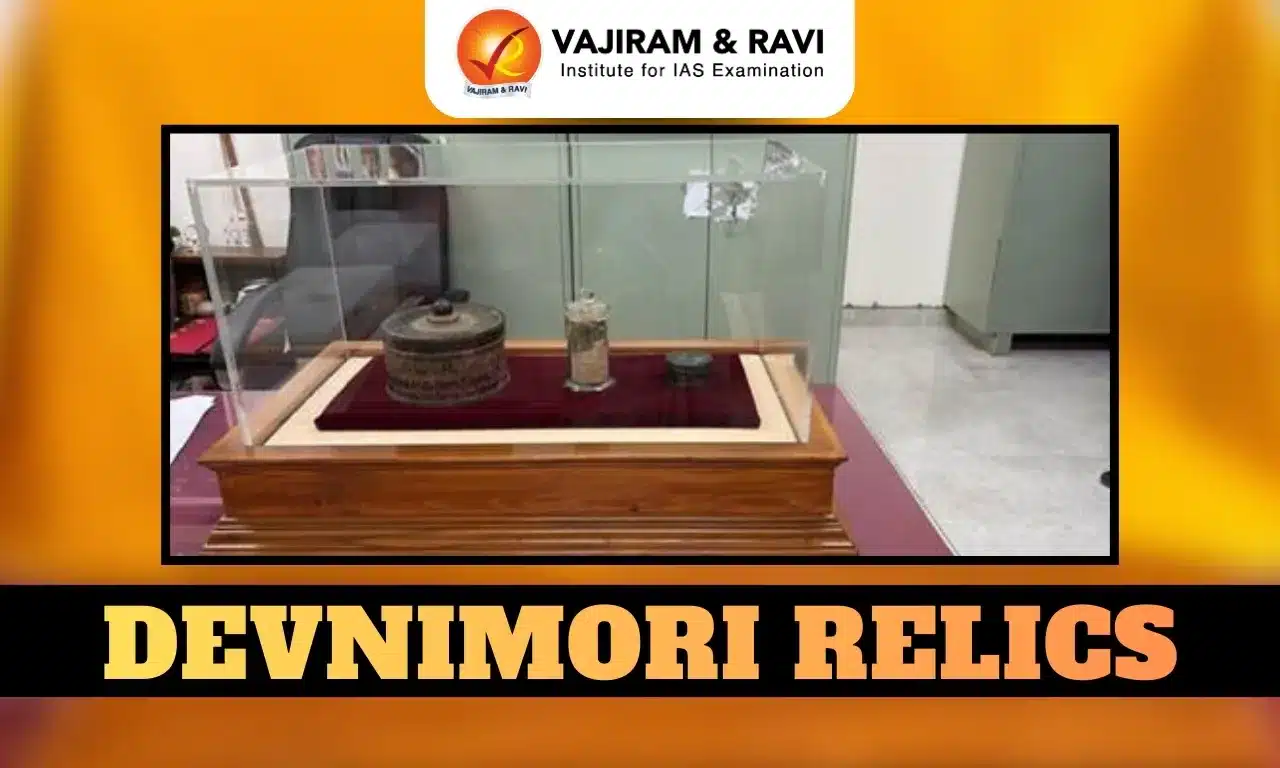
    • Relic casket: The relic casket found within Devnimori Stupa at a height of 24 feet from the base, made out of green schist.
      • It is inscribed in Brahmi Script and Sanskrit language, it reads. “dashabala sharira nilay” - the abode of the Buddha’s bodily relic.
      • It holds a copper box having organic matter with holy ashes, with silk cloth and beads.
    • Copper box: The copper box had a flat top and base with a slipon lid fitting onto a rim ledge, and contained silk cloth, a gold coated silver-copper bottle, organic material with holy ashes, and black clay used as covering.
      • The small amphora-like gold coated bottle had a sagger base, cylindrical body, and a narrow neck with a screw-type lid.
    • Desiccator: The desiccator now houses the Holy Relics. It is sealed in an air-tight glass to prevent further deterioration of the object inside.

Source: PIB

Devnimori Relics of Lord Buddha FAQs

Q1: Where is the Devnimori archaeological site located?

Ans: Gujarat, India

Q2: What is inscribed on the relic casket?

Ans: Dashabala Sharira Nilaya

Nipah Virus Outbreak, Symptoms, Treatment, Latest News

Nipah Virus

Nipah Virus Latest News

The Nipah Virus Outbreak in West Bengal, India, has raised alarm across many Asian countries, as the virus can have a fatality rate of 40% to 75% in humans. Neighboring countries, including Thailand, Malaysia, Pakistan, Singapore, and Nepal has enhanced border screening and testing for travelers coming from affected countries.

About Nipah Virus

  • Nipah virus (NiV) is a zoonotic virus (it is transmitted from animals to humans) and can also be transmitted through contaminated food or directly between people.
    • Fruit bats of the Pteropodidae family are the natural hosts of Nipah virus.
  • In infected people, it causes a range of illnesses from asymptomatic (subclinical) infection to acute respiratory illness and fatal encephalitis.
  • The virus can also cause severe disease in animals such as pigs, resulting in significant economic losses for farmers. 
  • So far, NiV outbreaks have only been described in Asia.
    • The first reported outbreak occurred in 1998–1999 and involved pig farmers in the village of Sungai Nipah (Malaysia).
    • Since then, sporadic outbreaks have been documented in Bangladesh, India, the Philippines, and Singapore.
    • NiV infection is one of the priority diseases on the World Health Organization (WHO) R&D Blueprint because of its epidemic or pandemic potential.

Nipah Virus Symptoms

  • Infected people initially develop symptoms including fever, headaches, myalgia (muscle pain), vomiting and sore throat.
  • This can be followed by dizziness, drowsiness, altered consciousness, and neurological signs that indicate acute encephalitis.
  • Some people can also experience atypical pneumonia and severe respiratory problems, including acute respiratory distress.
  • Encephalitis and seizures occur in severe cases, progressing to coma within 24 to 48 hours.
  • The incubation period is believed to range from 4 to 14 days.
  • The virus is considered highly fatal, with fatality rates in past outbreaks ranging from approximately 40% to 75%, depending on surveillance and care.

Nipah Virus Treatment

  • There are no specifically approved treatments or vaccines available for NiV infection, either for people or animals.  
  • Intensive supportive care is recommended to treat severe respiratory and neurologic complications.

 Source: NDTV

Nipah Virus FAQs

Q1: What is the primary mode of transmission of Nipah Virus?

Ans: Direct contact with infected animals or humans

Q2: What is the primary reservoir of Nipah Virus?

Ans: Fruit bats

Fuego Volcano

Fuego Volcano

Fuego Volcano Latest News

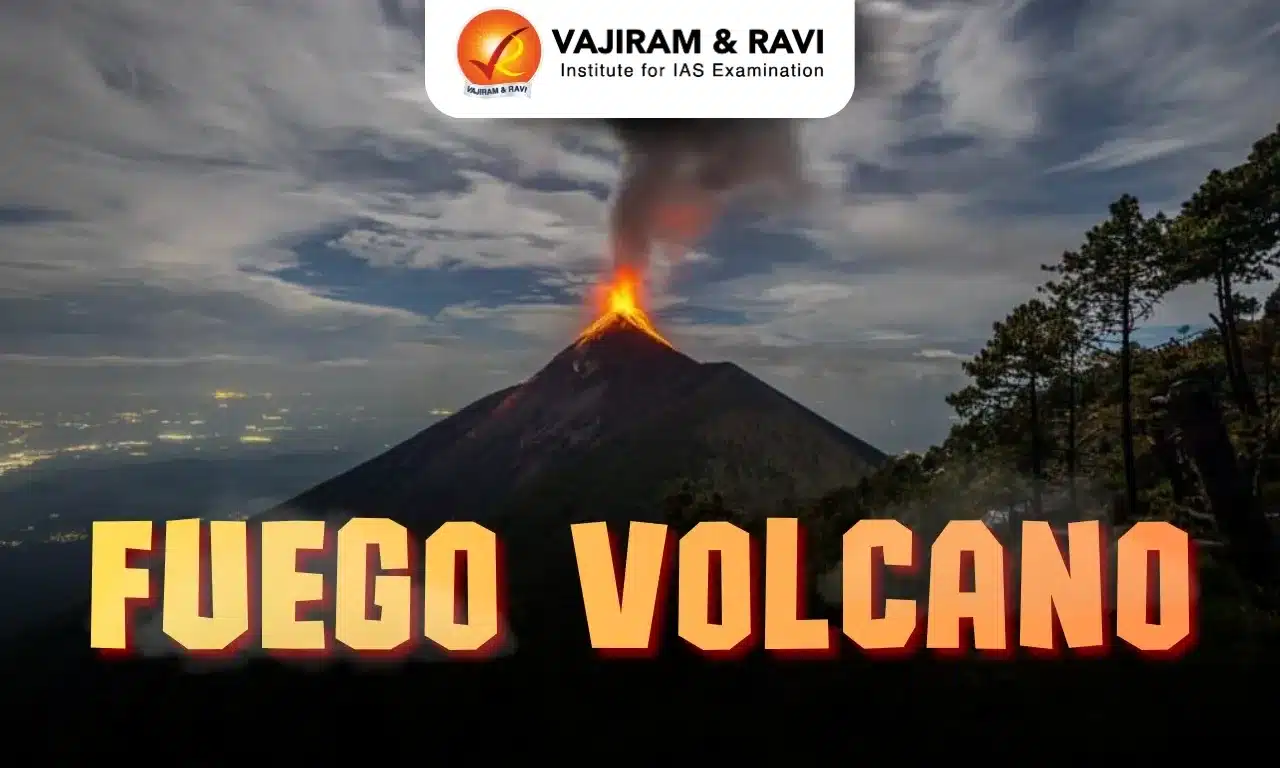
Guatemala's Volcan de Fuego, one of Central America's most persistently active volcanoes, produced a striking explosive eruption recently.

About Fuego Volcano

  • Volcan de Fuego, which translates to “Volcano of Fire” in Spanish, is an active volcano located in Guatemala.
  • It is a relatively young basaltic stratovolcano. 
  • It is one of three large stratovolcanoes overlooking Guatemala’s former capital, Antigua.
  • Nestled between the neighboring volcanoes of Acatenango and Agua, it rises dramatically to an altitude of 3,763 meters (12,346 feet) above sea level.
  • It forms part of the Central American Volcanic Arc, a chain of volcanoes stretching from Guatemala to Panama. 
  • Guatemala lies on the Pacific “Ring of Fire and experiences frequent seismic and volcanic activity.
  • Fuego has erupted more than 60 times since 1524, making it Central America’s historically most active volcano.
  • A deadly eruption in 2018 claimed 194 lives and left 234 people missing.
  • Since then Volcan Fuego has continued to be active, but to a lesser extent, with small eruptions several times a day.
  • Typical activity is characterized by ashfall, pyroclastic flows, lava flows, and lahars.

What is a Stratovolcano?

  • It is a tall, steep, and cone-shaped type of volcano.
  • Unlike flat shield volcanoes, they have higher peaks.
  • They are typically found above subduction zones, and they are often part of large volcanically active regions, such as the Ring of Fire that frames much of the Pacific Ocean.
  • Strato Volcanoes comprise the largest percentage (~60%) of the Earth’s individual volcanoes, and most are characterized by eruptions of andesite and dacite, lavas that are cooler and more viscous than basalt.
  • These more viscous lavas allow gas pressures to build up to high levels. Therefore, these volcanoes often suffer explosive eruptions. 
  • They are usually about half-half lava and pyroclastic material, and the layering of these products gives them their other common name of composite volcanoes.
  • At the peak, stratovolcanoes usually have a small crater. The crater may be filled with water or ice, or it may contain a volcanic dome during a period of relative inactivity.

Source: IT

Fuego Volcano FAQs

Q1: Where is Fuego Volcano located?

Ans: It is located in Guatemala.

Q2: What type of volcano is Fuego Volcano?

Ans: It is a relatively young basaltic stratovolcano.

Q3: Fuego Volcano overlooks which historic city of Guatemala?

Ans: It overlooks Guatemala’s former capital, Antigua.

Q4: Which two volcanoes are located adjacent to Fuego Volcano?

Ans: It is located between the volcanoes of Acatenango and Agua.

NeophyteID App

NeophyteID App

NeophyteID App Latest News

Recently, the Kerala chief minister launched the NeophyteID application.

About NeophyteID App

  • It is an AI-powered mobile application designed to help users identify invasive plant species across Kerala.
  • It is developed by researchers at the Malabar Botanical Garden and Institute for Plant Sciences (MBGIPS),
  • It is aimed as a citizen-friendly app which enables local communities, students and ecologists to collectively monitor, report and manage the spread of invasive plants threatening native flora and ecosystems.

Key Features of NeophyteID App

  • Technology Used: It is powered by the YOLOv11 machine learning model.
  • The app leverages image recognition and geospatial tracking to accurately detect and map invasive (neophyte) plant species directly from your camera or gallery.
  • Each identification contributes to a real-time distribution map, supporting research, conservation, and community-based biodiversity management. 
  • Languages: It is accessible in English and Malayalam.

Source: TOI

NeophyteID App FAQs

Q1: What is the primary purpose of the NeophyteID App?

Ans: To identify and map invasive plant species

Q2: Which institution developed the NeophyteID App?

Ans: Malabar Botanical Garden and Institute for Plant Sciences (MBGIPS)

Pennaiyar River

Pennaiyar River

Pennaiyar River Latest News

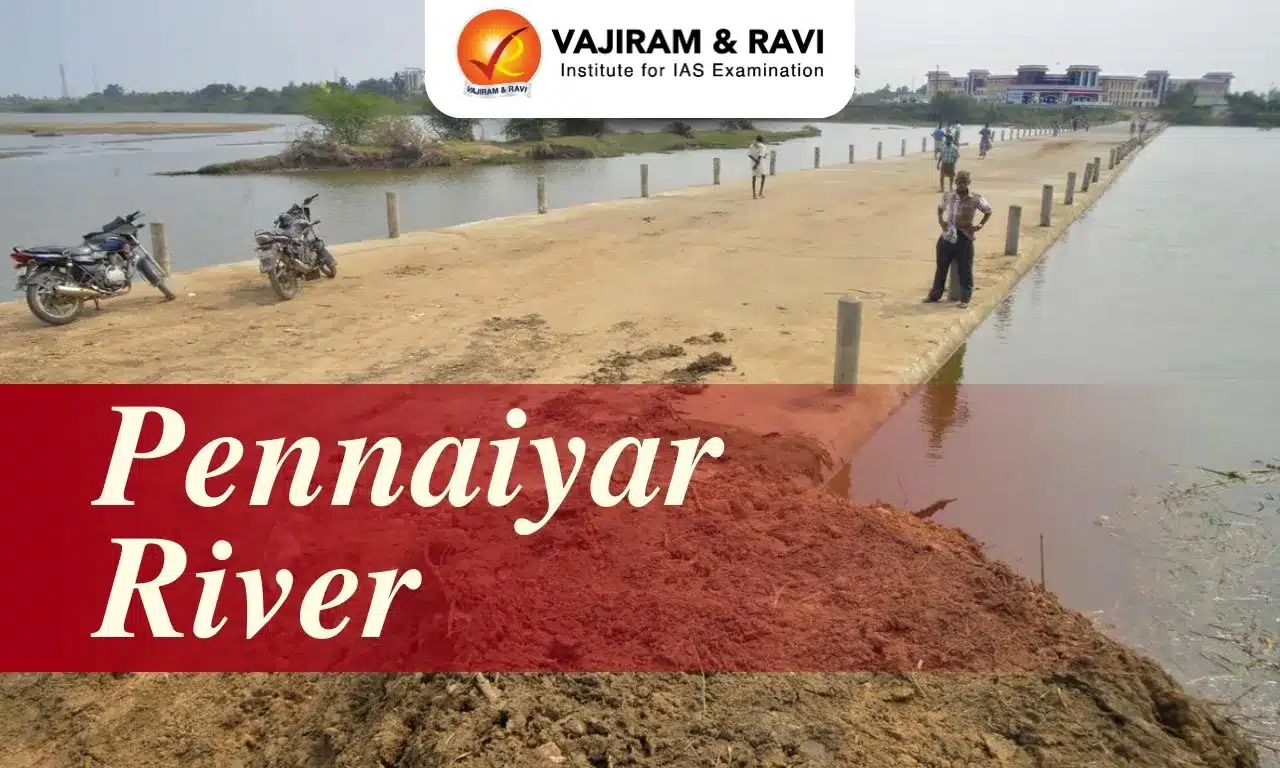
The Supreme Court recently directed the Centre to constitute a tribunal to adjudicate the dispute between Tamil Nadu and Karnataka over the sharing of Pennaiyar River water.

About Pennaiyar River

  • The Pennaiyar River is a major river in southern India flowing through Tamil Nadu and Karnataka.
  • It is also known as the South Pennar River, Dakshina Pinakini in Kannada, and Thenpennai, Ponnaiyar, or Pennaiyar in Tamil. 
  • Course:
    • It originates in the Nandi Hills in the Chikkaballapura district of Karnataka
    • It then flows southward for 80 km through Karnataka to northwestern Tamil Nadu, where it turns and flows southeastward to enter the Bay of Bengal at Cuddalore. 
  • It is the second longest river in Tamil Nadu, stretching 497 km in length. 
  • It is also the second largest interstate east-flowing river basin, situated between the Pennar and Cauvery basins.
  • The Basin is bounded on the northwest and south by various ranges of the Eastern Ghats, like the Velikonda Range, the Nagari hills, the Javadu hills, the Shevaroy hills, the Chitteri hills, and the Kalrayan hills, and in the east by the Bay of Bengal.
  • Major tributaries are the Chinnar, Markanda, Vaniar, and Pamban.
  • Heavy rains at the river’s source cause sudden, but short-lived, floods. 
  • The river is extensively dammed for irrigation, especially in Tamil Nadu.
  • There are also reservoirs at Krishnagiri and Sathanur. 

Pennaiyar River Dispute

  • It is a water-sharing dispute between the Indian states of Tamil Nadu and Karnataka. 
  • Tamil Nadu claims that Karnataka’s construction of check dams and diversion structures would reduce the water flow into their state, affecting their irrigation and drinking water needs.

Source: TH

Pennaiyar River FAQs

Q1: Through which Indian States does the Pennaiyar River flow?

Ans: The Pennaiyar River flows through Karnataka and Tamil Nadu.

Q2: Where does the Pennaiyar River originate?

Ans: The Pennaiyar River originates in the Nandi Hills in the Chikkaballapura district of Karnataka.

Q3: Where does the Pennaiyar River drain into the sea?

Ans: It drains into the Bay of Bengal at Cuddalore.

Q4: What are the major tributaries of the Pennaiyar River?

Ans: The major tributaries are the Chinnar, Markanda, Vaniar, and Pamban.

Rafah Border Crossing

Rafah Border Crossing

Rafah Border Crossing Latest News

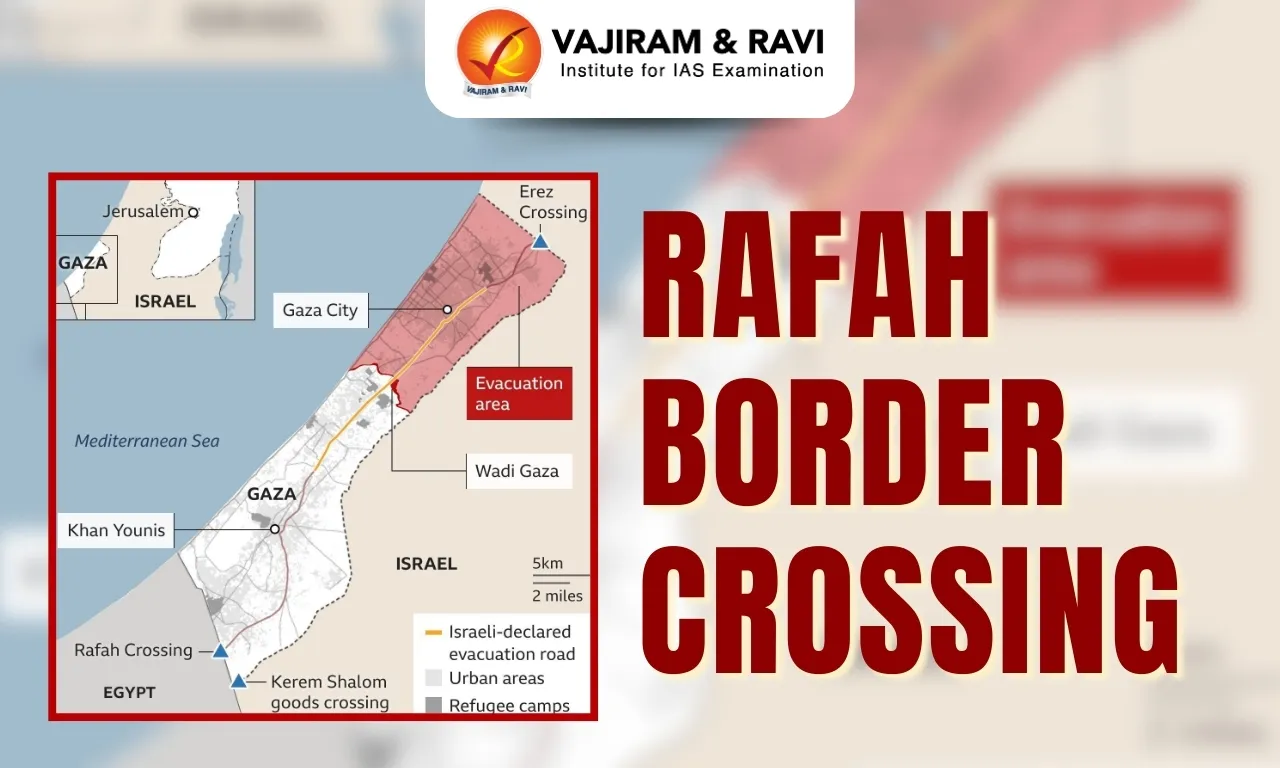
Recently, Israel reopened Gaza’s Rafah border crossing with Egypt.

About Rafah Border Crossing

  • It's the southernmost post of exit from Gaza and borders Egypt's Sinai peninsula.
  • It is controlled by Egypt.
  • There are only two other border crossings from and into the Gaza Strip –
    • Erez: A crossing into Israel in northern Gaza, which is for people.
    • Kerem Shalom: A solely commercial goods junction with Israel in southern Gaza

Key Facts about Sinai Peninsula

  • It is a triangle-shaped peninsula located in northeastern Egypt.
  • It serves as a land bridge connecting Asia and Africa.
  • Boundaries
    • North: It is bordered to the north by the Mediterranean Sea and to the east by Israel and the Gaza Strip. 
    • West: To the west of the Sinai Peninsula is the Suez Canal, across which lies the African part of Egypt. 
    • It is bordered to the southwest by the Gulf of Suez and to the immediate south by the Red Sea. 
    • The Gulf of Aqaba borders the Sinai in the southeast.

Source: IE

Rafah Border Crossing FAQs

Q1: What is the primary purpose of Rafah Border Crossing?

Ans: To allow Palestinians to travel in and out of Gaza

Q2: What is the current status of Rafah Border Crossing?

Ans: It is open for limited traffic

Karimpuzha Wildlife Sanctuary

Karimpuzha Wildlife Sanctuary

Karimpuzha Wildlife Sanctuary Latest News

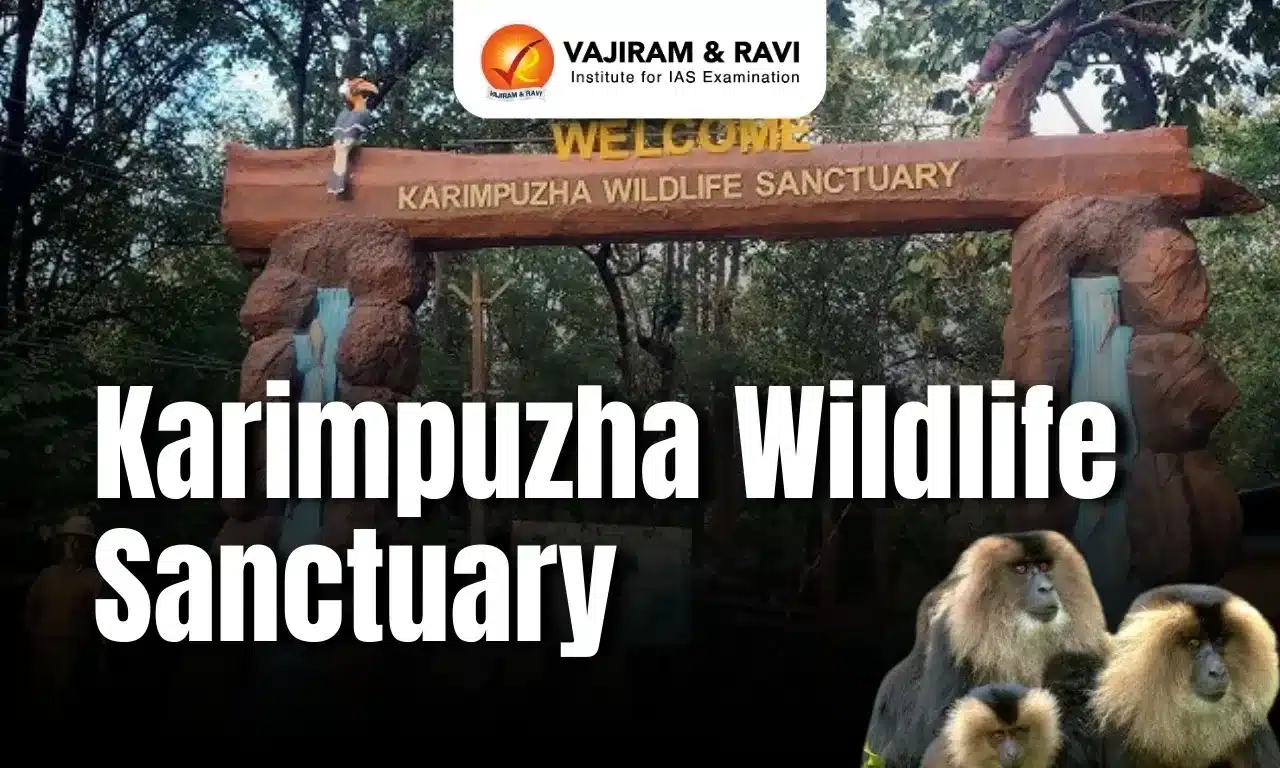
A faunal survey conducted recently in the Karimpuzha Wildlife Sanctuary has added significantly to the biodiversity records of Kerala’s youngest protected area.

About Karimpuzha Wildlife Sanctuary

  • It is located in the Malappuram District of Kerala.
  • It is located on the western slopes of the Nilgiris.
  • The name ‘Karimpuzha’ is derived from the Karimpuzha River, a tributary of the river Chaliyar
  • The forest areas of Karimpuzha WLS form part of the Nilgiri Biosphere Reserve (NBR).
  • It forms part of the Nilambur Elephant Reserve (Nilambur ER), one of the four ERs notified in the country. 
  • It shares a boundary with Mukurthi NP (Tamil Nadu) on the eastern side and Silent Valley NP (Kerala) on the southern side.
  • The sharp topographical gradient of the hills, ranging from 40 m to 2550 m, is the primary reason for the unique biodiversity of the sanctuary.
  • The nomadic tribes, the Cholanaikans, Cave men of Kerala, are living inside the Karimpuzha WLS. 
    • They form a small group of tribes with a total population of 217 individuals.
    • They are classified as a Particularly Vulnerable Tribal Group (PVTG) by the Government of India.
  • Vegetation: It is unique in Kerala for encompassing all seven forest types found in the state, including evergreen rainforest, semi-evergreen forest, moist deciduous forest, subtropical savannah, subtropical hill forest, montane wet temperate forest, and montane wet grasslands.
  • Flora: It supports rich flora, including teak, rosewood, bamboo, medicinal plants, and endemic orchids.
  • Fauna:  
    • It harbors a wide variety of fauna, including endangered species like the Nilgiri Tahr, lion-tailed macaque, elephants, tigers, leopards, sloth bears, gaur (Indian bison), and diverse birdlife with over 150 species recorded. 
    • Its pristine forests also shelter endangered fish species like the Malabar Mahseer.

Source: TH

Karimpuzha Wildlife Sanctuary FAQs

Q1: Where is the Karimpuzha Wildlife Sanctuary located?

Ans: Karimpuzha Wildlife Sanctuary is located in the Malappuram District of Kerala.

Q2: Karimpuzha Wildlife Sanctuary forms part of which Biosphere Reserve?

Ans: It forms part of the Nilgiri Biosphere Reserve (NBR).

Q3: Which protected areas share boundaries with Karimpuzha Wildlife Sanctuary?

Ans: It shares its eastern boundary with Mukurthi National Park (Tamil Nadu) and its southern boundary with Silent Valley National Park (Kerala).

Q4: Which tribal community lives inside Karimpuzha Wildlife Sanctuary?

Ans: The Cholanaikans, also known as the Cave Men of Kerala, live inside the sanctuary.

Enquire Now