About Septic shock:
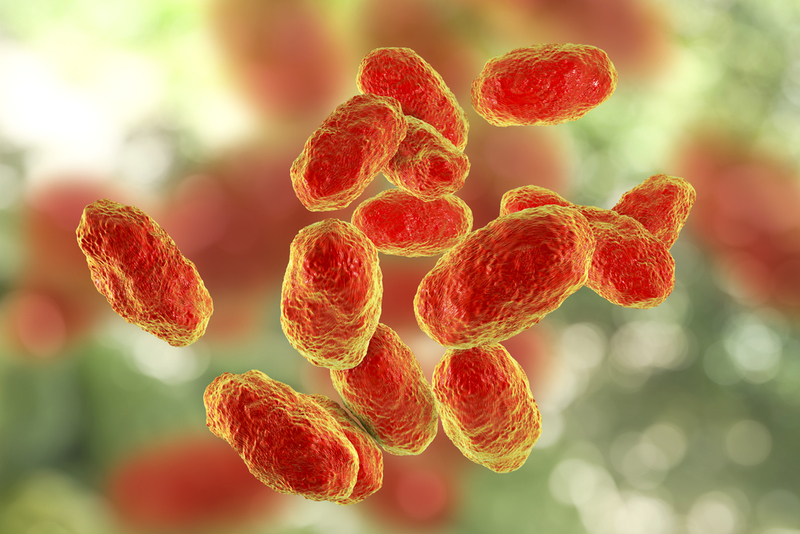
- It is a serious medical condition that can occur when an infection in your body causes extremely low blood pressure and organ failure due to sepsis.
- Septic shock is life-threatening and requires immediate medical treatment.
- It’s the most severe stage of sepsis.
- It occurs most often in the very old and the very young. It may also occur in people with weakened immune systems.
- It is typically diagnosed when the signs of severe sepsis are present, along with low blood pressure and signs of organ dysfunction.
- Risk factors for septic shock include:
- Diabetes;
- Diseases of the genitourinary system, biliary system, or intestinal system;
- Diseases that weaken the immune system, such as AIDS;
- Leukemia;
- Heart failure;
- Kidney failure;
- Abnormal blood clotting;
What’s the difference between Septic shock and Sepsis?
- Sepsis occurs when your body has an extreme reaction to an infection.
- This reaction causes drastic changes in the body and can be very dangerous and potentially life threatening.
- Doctors have identified three stages of sepsis:
- Sepsis. An infection reaches the bloodstream and causes inflammation in the body.
- Severe sepsis. The infection is severe enough to affect organ function.
- Septic shock. There’s a significant drop in blood pressure that can lead to respiratory or heart failure, stroke, dysfunction of other organs, and possibly death.
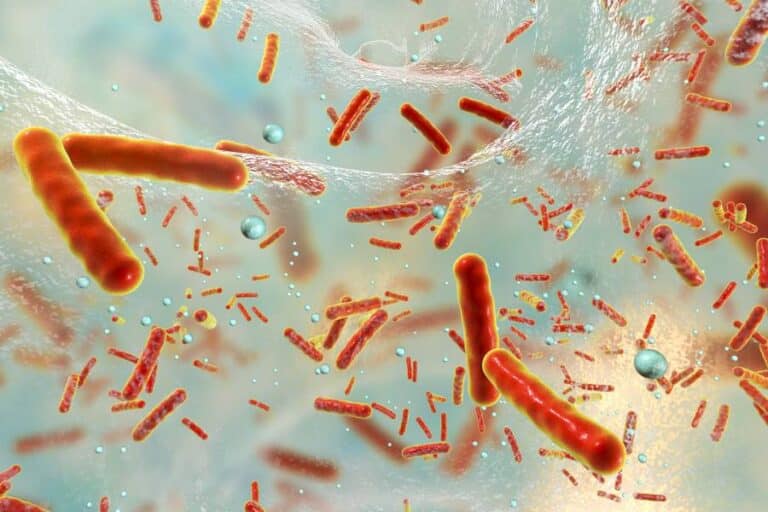
- Sepsis is most often caused by bacterial infections, but almost any infection can cause sepsis if left untreated.
- The transition from the onset of sepsis to severe sepsis and septic shock can happen quickly, and once the condition has transitioned, the mortality rate increases.
Q1) What is hydrocortisone?
Hydrocortisone is a steroid (corticosteroid) medicine. It works by calming down your body’s immune response to reduce pain, itching and swelling (inflammation). It can also be used as hormone replacement for people who do not have enough of the natural stress hormone, cortisol.
Source: Researchers find how hydrocortisone improve treatment of septic shock






 Last updated on April, 2026
→ UPSC Final Result 2025 is now out.
→ UPSC has released UPSC Toppers List 2025 with the Civil Services final result on its official website.
→ Anuj Agnihotri secured AIR 1 in the UPSC Civil Services Examination 2025.
→ UPSC Marksheet 2025 is now out.
→ UPSC Notification 2026 & UPSC IFoS Notification 2026 is now out on the official website at upsconline.nic.in.
→ UPSC Calendar 2026 has been released.
→ Check out the latest UPSC Syllabus 2026 here.
→ UPSC Prelims 2026 will be conducted on 24th May, 2026 & UPSC Mains 2026 will be conducted on 21st August 2026.
→ The UPSC Selection Process is of 3 stages-Prelims, Mains and Interview.
→ Prepare effectively with Vajiram & Ravi’s UPSC Prelims Test Series 2026 featuring full-length mock tests, detailed solutions, and performance analysis.
→ Enroll in Vajiram & Ravi’s UPSC Mains Test Series 2026 for structured answer writing practice, expert evaluation, and exam-oriented feedback.
→ Join Vajiram & Ravi’s Best UPSC Mentorship Program for personalized guidance, strategy planning, and one-to-one support from experienced mentors.
→ Shakti Dubey secures AIR 1 in UPSC CSE Exam 2024.
→ Also check Best UPSC Coaching in India