Migratory Bird Species

Migratory Bird Species

About Migratory Bird Species:

  • Delhi-NCR accounts for almost one-third of the total bird species found in India.
  • The region has about 1,800 species of fauna out of which 446 are bird species.
  • There are nine protected areas, including one national park, six wildlife sanctuaries, one reserve forest and one conservation reserve.
  • There are eight important bird areas, including Okhla Bird sanctuary (Gautam Budh Nagar), Sultanpur National Park (Gurgaon), Hastinapur Wildlife Sanctuary (Muzaffarnagar, Meerut, Ghaziabad, Bijnor), Basai Wetlands (Gurgaon) etc. None of them are in Delhi.
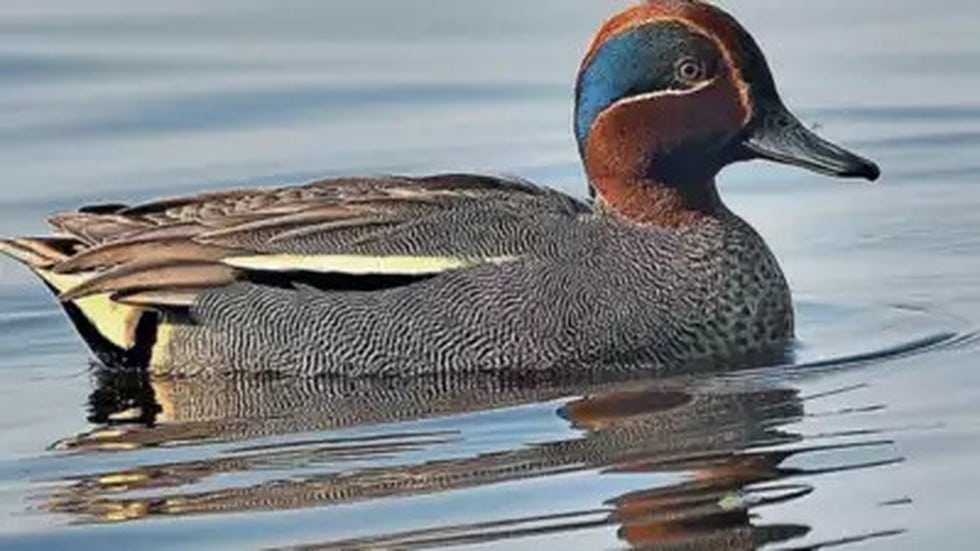
  • Some of the major migratory ducks are Northern shoveler, Gadwall, Greylag geese, Pallas’s gulls, brown-headed and black-headed gulls, coots, etc.
  • India is a winter home for most of the Siberian birds such as the Siberian Cranes, Greater Flamingo, and Demoiselle Crane, also numerous species of birds from other regions of the world.
  • They migrate to India every year during the winter and summer season for food, breeding, and nesting.

The major global flyways:

  • Americas Flyway: three flyways that connect North America with Caribbean and Central and South America.
  • African-Eurasian Flyway: three flyways that connect Europe and northern Asia with Mediterranean, Middle East, and Africa.
  • Central Asian Flyway: connects northern Asia with southern Asia and Middle East.
  • East Asian-Australasian Flyway: connects north-east Asia with south-east Asia, Australia and New Zealand.

Source : Times of India
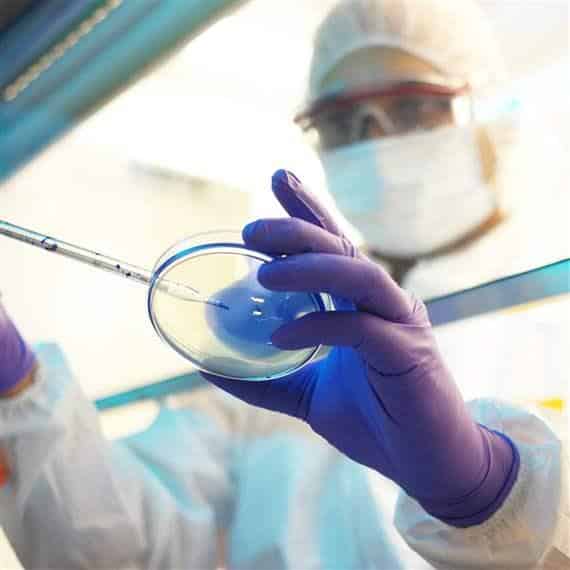
Desi Antibiotic Under Trial in Europe Saves Woman’s Life

Desi Antibiotic Under Trial in Europe Saves Woman’s Life

What’s in today’s article:

  • About antimicrobial resistance
  • News Summary


Why in news?

  • The World Health Organisation (WHO) has identified WCK5222, a made in India medicine currently undergoing clinical trials in various European countries, as a promising antibiotic under investigation.
  • Developed by Aurangabad based Wockhardt Research Centre, the drug has recently saved the life of a Nepali national infected with Pseudomonas aeruginosa - a gram-negative bacteria resistant to all antibiotics.


Antimicrobial resistance (AMR):

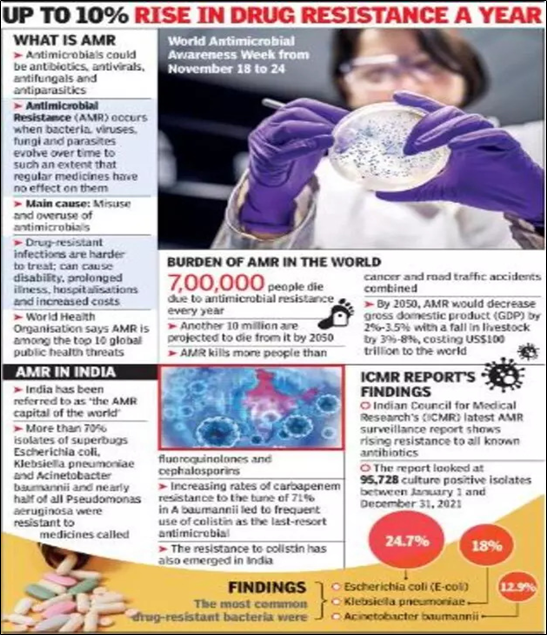
  • Background: Antimicrobials - including antibiotics, antivirals, antifungals and antiparasitics - are medicines used to prevent and treat infections in humans, animals and plants.
  • About AMR:
    • AMR occurs when bacteria, viruses, fungi and parasites change over time and no longer respond to medicines (develops drug resistance).
    • This makes infections increasingly difficult or impossible to treat, increasing the risk of disease spread, severe illness and death.
    • They can spread from person to person or between people and animals, including from food of animal origin.
    • The rapid global spread of multi and pan-drug resistant bacteria - "superbugs," is particularly concerning.
    • As a result, WHO recently identified AMR as a major public health threat.
      • This is a major concern because a resistant infection may kill, can spread to others, and imposes huge costs to individuals and society.
  • The main drivers of AMR include:
    • The misuse and overuse of antimicrobials;
    • Lack of access to clean water, sanitation and hygiene (WASH) for both humans and animals;
    • Poor infection and disease prevention and control in health-care facilities and farms;
    • Poor access to quality, affordable medicines, vaccines and diagnostics;
    • Lack of awareness and knowledge; and
    • Lack of enforcement of legislation.
  • Measures taken to address challenges posed by anti-microbial resistance (AMR) in India
    • AMR surveillance network has been strengthened by establishing labs in State Medical College.
    • National action plan on containment of Antimicrobial Resistance (NAP-AMR) focusing on One Health approach was launched in April 2017 with the aim of involving various stakeholder ministries/departments.
    • Delhi Declaration on AMR– an inter-ministerial consensus was signed by the ministers of the concerned ministries pledging their support in AMR containment.
    • AMR Research & International Collaboration: ICMR has taken initiatives to develop new drugs /medicines through international collaborations in order to strengthen medical research in AMR.
    • Government of India has taken following initiatives to increase awareness about antibiotics misuse:
      • ICMR has initiated antibiotic stewardship program (AMSP) to control misuse and overuse of antibiotics in hospital wards and ICUs.
      • DCGI has banned 40 fixed dose combinations (FDCs) which were found inappropriate.
      • Various IEC activities like public conclave, poster and quiz competitions have been conducted by National Centre for Disease Control.


News Summary:

  • Antibiotic or antimicrobial resistance is on the rise in India, where antibiotics are frequently self-administered or prescribed by pharmacies.
  • Resistance level is increasing by 5% to 10% every year for broad-spectrum antimicrobials.
  • Multi-drug resistance is common in infections with gram-negative bacterias such as Acinetobacter baumanii and Pseudomonas aeruginosa in India.
  • The 6th detailed report on AMR trends published by the Indian Council for Medical Research (ICMR) revealed that carbapenem, a strong antibiotic used to treat pneumonia and septicemia, is no longer beneficial to many ICU patients.
  • New treatment alternatives for multi or extremely drug-resistant pathogens are urgently needed.

India, Asean Pledge Peace & Stability in Indo-Pacific

India, Asean Pledge Peace & Stability in Indo-Pacific

What’s in Today’s Article:

  • India-ASEAN Summit
  • ASEAN-India Engagement
  • India’s Indo-Pacific Oceans Initiative (IPOI)
  • ASEAN Outlook for the Indo-Pacific (AOIP)
  • Key Summary of the summit


Why in news?

  • The 19th ASEAN-India Summit was held recently in Phnom Penh, Cambodia. India was represented by Vice President Jagdeep Dhankhar.


ASEAN – India Summit

  • ASEAN-India Summits are held annually. It provides opportunity for India and ASEAN to engage at the highest level.
  • PM Modi attended the 18th ASEAN-India Summit held virtually in October 2021. This year’s summit is attended by the Vice President of India.


ASEAN-India Engagement

  • ASEAN and India became Summit-level partners in 2002, and Strategic partners in 2012.
  • There is ample closeness between India's "Indo Pacific Oceans Initiative" and ASEAN's "Outlook on Indo Pacific".
  • India firmly believes that a "Cohesive and Responsive ASEAN" is essential for "Security and Growth for All in the Region".
  • The year 2022 marks 30 years of ASEAN-India relations and it has been designated as ASEAN-India Friendship Year by the leaders in October 2021.


India-ASEAN Trade Relation

  • In general, ASEAN is India’s 4th largest trading partner and India is ASEAN’s 7th largest trading partner accounting for 10.2% of India’s total trade.
  • India’s total trade with ASEAN from April 2021 to March 2022 was $78.90 billion. Balance of trade is highly favourable to ASEAN.
    • On the other hand, ASEAN became China’s largest trading partner in 2020 and remains so.
    • ASEAN’s total trade with China in for the period January to April 2022 amounted to $274.50 billion.
  • ASEAN and India have set a trade target of 200 billion USD by 2022.
  • Investment: Between 2000-2021 cumulative FDIs from ASEAN to India was $117.88 billion. These were mainly accounted for by Singaporean investments in India ($115 billion).
    • Indian investment into ASEAN since April 2019 till March 2022 is US$ 55.5 billion out of which US$ 51.5 billion investment is in Singapore.
  • On trade and investment, the review of ASEAN-India Trade in Goods Agreement (AITIGA) has been long pending. India has called for an early review of the Agreement.
    • AITIGA has been in place since 2010.


India’s Indo-Pacific Oceans Initiative (IPOI)

  • In November 2019, while participating in 14th East Asia Summit (EAS), PM Modi launched the Indo-Pacific Oceans Initiative (IPOI).
  • IPOI seeks to ensure security and stability of the regional maritime domain.
  • IPOI is an open, non-treaty-based initiative for countries to work together for cooperative and collaborative solutions to common challenges in the region.
  • IPOI draws on existing regional architecture and mechanisms to focus on seven pillars:
    • Maritime Security
    • Maritime Ecology
    • Maritime Resources
    • Capacity Building and Resource Sharing
    • Disaster Risk Reduction and Management
    • Science, Technology and Academic Cooperation
    • Trade Connectivity and Maritime Transport


ASEAN Outlook for the Indo-Pacific (AOIP)

  • In June 2019, the ten-member ASEAN has adopted the ‘ASEAN Outlook on the Indo-Pacific’.
  • It outlines the ASEAN’s concept and strategy of the Indo-Pacific.


News Summary

  • Recently, Vice President Jagdeep Dhankhar addressed the 19th ASEAN-India Summit in Phnom Penh. Cambodia, as the current Chair of ASEAN, hosted this Summit.


Key Highlights

  • At the end of summit, both sides released a joint statement reaffirming the importance of
    • maintaining and promoting peace, stability, maritime safety, freedom of navigation and overflight in the Indo-Pacific region, and
    • commitment to peaceful resolution of disputes, in accordance with international law, including UNCLOS.
  • The joint declaration called for establishing a comprehensive strategic partnership and enhancing cooperation against terrorism.
  • The ASEAN states appreciated India’s support for ASEAN centrality in the evolving regional architecture.
  • It also appreciated India’s continued contribution to regional peace, security, and prosperity and to ASEAN integration and the ASEAN community-building process.
  • India and ASEAN also agreed to enhance cooperation against terrorism and transnational crimes, including international economic crimes and money laundering, cybercrime, drugs and human trafficking, and arms smuggling.
  • They also called for deepening cooperation in military medicine.

Monkeypox

Monkeypox

Mpox Latest News

The scientific community is divided on whether mpox should be given the label of a sexually transmitted disease (STD), with targeted public health interventions to contain it.

About Mpox

  • Mpox, previously known as monkeypox, is a zoonotic viral illness caused by the monkeypox virus, a species of the genus Orthopoxvirus.
  • Mpox is characterized by rash or skin lesions that are usually concentrated on the face, palms of the hands, and soles of the feet.
  • The first human case of mpox was recorded in 1970 in the Democratic Republic of the Congo (DRC).

Subtypes of Mpox

  • Clade I: It is endemic to Central Africa. It tends to cause more serious illness than clade II. Recent outbreaks of clade I have been less deadly. 
  • Clade II: It is endemic to East Africa. There’s been a global outbreak of clade II mpox since 2022. It’s less likely to be fatal than clade I. 

Mpox Transmission

  • Mpox is transmitted to people by close contact with infected animals or people or by touching virus-contaminated materials. 
  • It enters the body through (often invisible) injuries or wounds in the skin, or the mucous membranes. 
  • Mpox can be passed from one person to another during sexual contact. 
  • During pregnancy, the virus may be passed to the fetus, or to the newborn during or after birth.

Mpox Symptoms

  • Common symptoms of mpox are a skin rash or mucosal lesions, which can last 2–4 weeks, accompanied by fever, headache, muscle aches, back pain, low energy and swollen lymph nodes. 
  • Mpox symptoms often resolve on their own without the need for treatment.

Mpox Treatment

  • There are no specific treatments for monkeypox virus infection. 
  • Treatment for most people with mpox is to relieve symptoms.

Source: TH

Mpox FAQs

Q1: What is the survival rate for mpox?

Ans: The survival rate for Mpox (formerly Monkeypox) is generally high, with most cases being mild to moderate. 

Q2: What is the cause of monkeypox?

Ans: Mpox is an illness caused by the monkeypox virus.

Q3: Is monkeypox curable?

Ans: Currently, there are no treatments specifically for monkeypox, and most people who get monkeypox get better on their own without treatment and can recover at home. 

25-Pt COP27 Action Plan to Push Decarbonisation in 5 Key Sectors

25-Pt COP27 Action Plan to Push Decarbonisation in 5 Key Sectors

What’s in today’s article:

  • About COP27 (History, Purpose)
  • Action Plan for Decarbonisation (Target sectors, List of actions, etc.)
  • News Summary (India’s stand at COP27)


Why in news?

  • Countries, including India, have jointly launched a package of 25 new collaborative actions at the ongoing Conference of Parties (COP27).
  • These proposed actions are aimed at decarbonisation of five key sectors – powerroad transportsteelhydrogenagriculture.


About COP27:

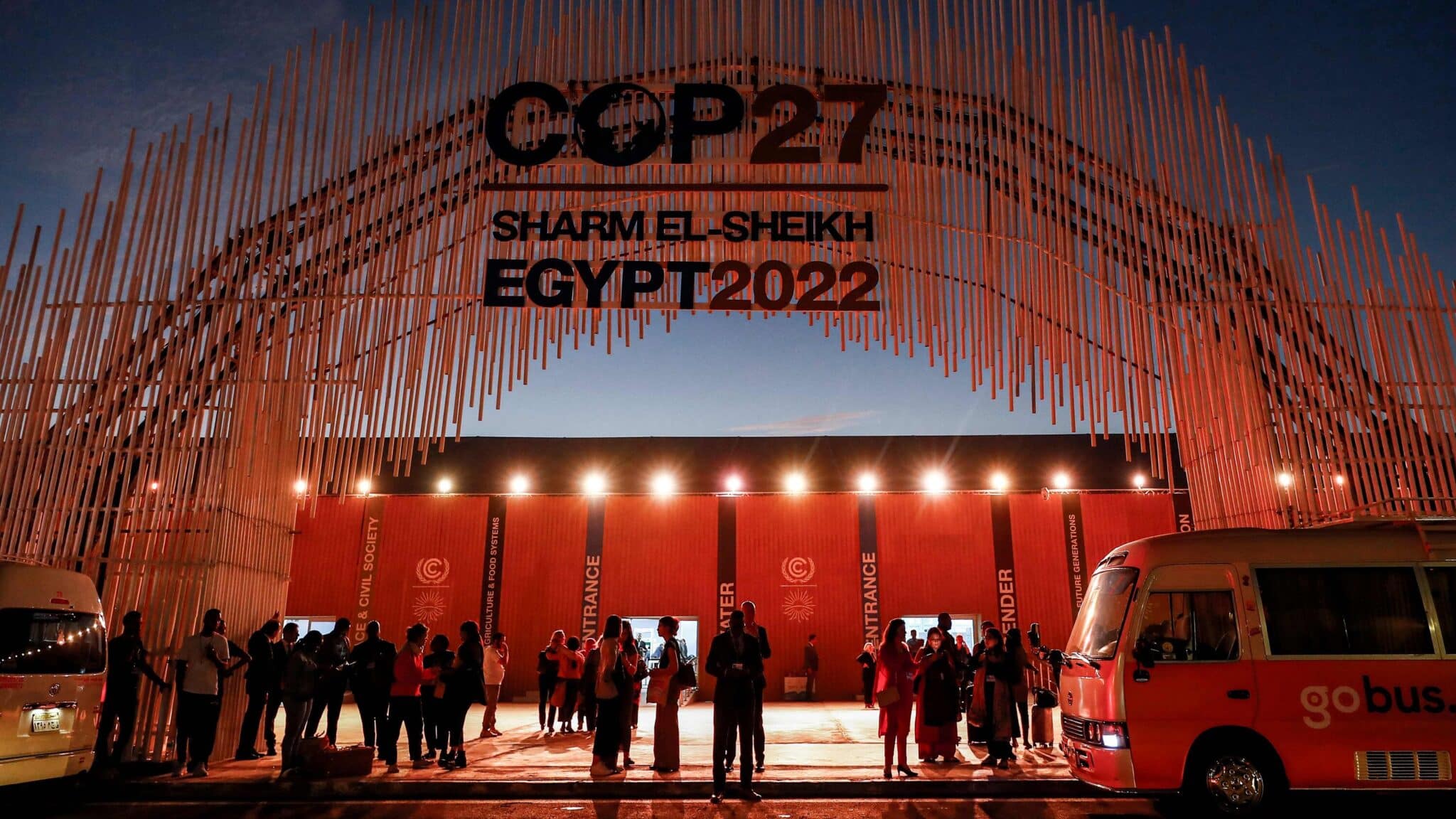
  • The 27th session of the Conference of the Parties (COP27) to the United Nations Framework Convention on Climate Change (UNFCCC) is currently being held in Sharm El Sheikh, Egypt
    • The COP is the supreme decision-making body of the Convention.
    • The climate change process revolves around the annual sessions of the COP.
  • It meets every year, unless the parties decide otherwise.


Action Plan for Decarbonisation:

  • Countries, including India, have jointly launched a package of 25 new collaborative actions at the ongoing COP27, to be delivered by the next meeting i.e. COP28.
  • These proposed actions are aimed at decarbonisation of five key sectors –
    • PowerRoad TransportSteelHydrogenAgriculture.
    • These five sectors account for more than 50% of global greenhouse gas emissions.
  • The countries have taken the decision to decarbonise these sectors under the ‘Breakthrough Agenda’ which was launched by a collation of 45 world leaders, at the COP26 in Glasgow, UK last year.
    • It is an international clean technology plan to help keep the 1.5-degree Celsius temperature goal within reach.
  • The priority actions include agreements to –
    • Develop common definitions for low-emission and near-zero emission steel, hydrogen and sustainable batteries to help direct billions of pounds in investment, procurement and trade to ensure credibility and transparency.
    • Ramp up the deployment of essential infrastructure projects.
      • These include at least 50 large scale net-zero emission industrial plants, at least 100 hydrogen valleys and a package of major cross-border power grid infrastructure projects
    • Set a common target date to phase out polluting cars and vehicles, consistent with the Paris Agreement.
      • Significant backing for the dates of 2040 globally and 2035 in leading markets will be announced by countries, businesses and cities.
    • Use billions of pounds of private and public procurement and infrastructure spend to stimulate global demand for green industrial goods.
    • Systematically strengthen financial and technological assistance to developing countries and emerging markets.
      • To support their transitions backed up by a range of new financial measures, including the world's first major dedicated industry transition programme under the Climate Investment Funds.
    • Drive investment in agriculture research, development & demonstration (RD&D) to generate solutions to address the challenges of food insecurity, climate change and environmental degradation.


News Summary:

  • Countries, including India, have jointly launched a package of 25 new collaborative actions at the ongoing Conference of Parties (COP27).
  • These proposed actions are aimed at decarbonisation of five key sectors – power, road transport, steel, hydrogen, agriculture.
  • These actions are designed to reduce energy costs and enhance food security, with buildings and cement sectors to be added to the Breakthrough Agenda next year.
  • These measures are designed to cut energy costs, rapidly reduce emissions and boost food security for billions of people worldwide.
  • The actions under each sector will be delivered through coalitions of committed countries – from the G7, European Commission, India, Egypt, Morocco and others, supported by leading organisations and initiatives.
  • These efforts will be reinforced with private finance and leading industry initiatives.


India’s stand at COP27:

  • Amid growing demand to end use of coal, India made a strong point saying making any one fuel the villain is not right as natural gas and oil also lead to emissions.
  • India also suggested certain points to be included in the decision text, saying the long-term goal of the Paris Agreement requires phasing down of all fossil fuels.
  • Expressing deep regret that countries continue to live in an unequal world with enormous disparities in energy use, incomes and emissions, India drew attention of the negotiators towards recognising that the global carbon budget is shrinking rapidly.
  • India suggested that the basic principles of common but differentiated responsibilities, equity, and nationally determined nature of climate commitments under the Paris Agreement need to be strongly emphasised in the cover decision text of the COP27.

Global Dashboard for Vaccine Equity

Global Dashboard for Vaccine Equity

About:

  • The Global Dashboard for Vaccine Equity is a joint effort by the United Nations Development Programme (UNDP), the World Health Organization (WHO) and the University of Oxford with cooperation across the UN system.
  • It combines the latest data on the global roll-out of COVID-19 vaccines with the “most recent socio-economic information to illustrate why accelerating vaccine equity is not only critical to saving lives but also to driving a faster and fairer recovery from the pandemic with benefits for all”.

Vaccine equity:

  • It means everyone in the world has the same access to vaccines.

Efforts to reduce vaccine inequity:

  • The COVID-19 Vaccine Delivery Partnership (COVAX), a collective international effort with ‘One Country Team’, ‘One Plan’, and ‘One Budget’.
  • It was launched by WHO, UNICEF, and Gavi and the World Bank, to intensify country readiness and delivery support.
  • It aimed at accelerating COVID-19 vaccination coverage in 34 low coverage countries, along with their governments.

Source : The Hindu

Rule of Law Index 2022

Rule of Law Index 2022

About Rule of Law Index 2022:

  • It was released by an international civil society organisation, World Justice Project (WJP).
  • According to the report, the rule of law has declined globally for the fifth consecutive year.
  • It says that the checks on executive power are weakening, and respect for human rights is falling.

Top and bottom performers:

  • The top-ranked country in the WJP Rule of Law Index 2022 is Denmark, followed by Norway (2), Finland (3), Sweden (4), and the Netherlands (5).
  • The bottom ranked countries are Venezuela (140), Cambodia (139), Afghanistan (138), the Democratic Republic of Congo (137), and Haiti (136).

India:

  • India has been ranked 77 out of 140 countries with a score of50 on the 'rule of law index'.
  • Globally, India ranks 94 out of 140 as far as adherence to fundamental rights are concerned, 111 out of 140 in civil justice, 89 out of 140 in criminal justice and 93 out of 140 in absence of corruption.

Neighbouring countries:

  • Bangladesh scored 0.39 in the 127th rank, Pakistan settled with a 0.39 score at the 129th rank, and China scored 0.47 in the 95th rank.
  • Notably, Nepal has performed better than its neighbours, with a 0.52 score and 69th rank.

Factors:

  • The index is prepared by examining these four principles through eight factors- constraints on government powers, absence of corruption, open government, fundamental rights, order and security, regulatory enforcement, civil justice, and criminal justice.

Rule of Law:

  • The World Justice Project defines the rule of law as a durable system of laws, institutions, norms, and community commitment that delivers: accountability, just laws, open government, and accessible justice.

World Justice Project (WJP):

  • The World Justice Project (WJP) is an independent, multidisciplinary organization working create knowledge, build awareness, and stimulate action to advance the rule of law worldwide.
  • It was founded by William H. Neukom in 2006 as a presidential initiative of the American Bar Association (ABA).

Law and Order Index of 2022:

  • The survey was conducted by a global analytics firm called Gallup.
  • India has scored 80 points and has secured the 60th rank on the index that ranges from one to 100, a higher score indicating that more people feel secure in a country.
  • It has declared East Asia as the most secure region in the world and Taliban-occupied Afghanistan as the least secured country for the third year.
  • The first survey conducted by the firm was in 1938 in the United Kingdom.
  • The survey evaluated around 120 countries based on the safety and security of the country's citizens.

Source : World Justice Project

Megalithic Burial Sites

Megalithic Burial Sites

About Megalithic Burial Sites:

  • Anthropomorphic sites are those marked by a representation of human form above the megalithic burials.
  • The most prominent one is the ‘pillared dolmen’ of the megalithic era, found at Mallayyagaripalle, nestling on a hillock between Chandragiri and Dornakambala, in Tirupati.
  • The structure locally referred to as ‘Pandava Gullu’ or ‘Pandavula Banda’ in memory of the Pandavas, is estimated to be 2,500 years old.
  • There is another endangered megalith monument in Palem village near Kallur, which resembles a bull’s horn. It is called locally as ‘Devara Yeddhu’.
  • Another megalithic burial site in Venkatapuram is the ‘stone circle’, where the tomb is surrounded by round stones arranged in a circle.

Megalith:

  • A megalith is a large stone that has been used to construct a structure or monument, either alone or together with other stones.
  • The word megalithic describes structures made of such large stones without the use of mortar or concrete, representing periods of prehistory characterised by such constructions.
  • The construction of these structures took place mainly in the Neolithic period and continued into the Chalcolithic period and the Bronze Age.

Source : The Hindu

COP27: Un to Set up System to Track Methane Emissions From Space

COP27: Un to Set up System to Track Methane Emissions From Space

What’s in today’s article:

  • News Summary


Why in news?

  • The Methane Alert and Response System (MARS) was launched at the 27th Conference of Parties (COP27) to the United Nations Framework Convention on Climate Change in Sharm El-Sheikh, Egypt.
  • MARS is a new satellite-based system will now help governments detect methane emissions and tackle them.


News Summary

  • As part of global efforts to slow climate change by tackling methane, the UN announced a new satellite-based system to detect emissions of the climate warming gas and allow governments and businesses to respond.


Methane Alert and Response System (MARS)

  • MARS is a data-to-action It was set up as part of the UN Environment Programme’s (UNEP) International Methane Emissions Observatory (IMEO) strategy to get policy-relevant data into the right hands for emissions mitigation.
  • The system will be the first publicly available global system to connect methane detection to notification processes
    • It will use state-of-the-art satellite data to identify significant emission events, notify relevant stakeholders, and support and track mitigation progress.
  • MARS has been developed in the framework of the Global Methane Pledge Energy Pathway – with initial funding from the European Commission, the US Government and other stakeholders.
    • In June 2022, the Global Methane Pledge (GMP) Energy Pathway was launched
    • It was launched with an aim to catalyse methane emissions reductions in the oil and gas sector, advancing both climate progress and energy security.
    • The GMP Energy Pathway aims to encourage all nations to:
      • Capture the maximum potential of cost-effective methane mitigation in the oil and gas sector, and
      • Eliminate routine flaring as soon as possible, and no later than 2030.
  • MARS will be implemented with partners including the International Energy Agency, and the UNEP-hosted Climate and Clean Air Coalition.


Working of MARS

  • Beginning with very large point sources from the energy sector, MARS will integrate data from the rapidly expanding system of methane-detecting satellites to include lower-emitting area sources and more frequent detection.
    • Data on coal, waste, livestock and rice will be added gradually to MARS to support Global Methane Pledge implementation.
  • MARS will use data from global mapping satellites to identify very large methane plumes and methane hot spots and data from high-resolution satellites to attribute the emissions to a specific source.
  • UNEP will then notify governments and companies about the emissions, either directly or through partners, so that the responsible entity can take appropriate action.
  • If requested, MARS partners will provide technical or advisory services such as help in assessing mitigation opportunities.
  • UNEP will continue to monitor the event location and make the data and analysis available to the public between 45 and 75 days after detection.


Need For MARS

  • Methane is a major greenhouse gas
    • Methane is the second-most common of the six major greenhouse gases, but is far more dangerous than carbon dioxide in its potential to cause global warming.
    • Accounting for about 17 per cent of the current global greenhouse gas emissions, methane is blamed for having caused at least 25 to 30 per cent of temperature rise since the pre-industrial times.
  • Reduction in methane emissions brings big benefits in a short time
    • Unlike carbon dioxide, methane is largely a sectoral gas, and there are only a few sources of emission.
    • It is possible, therefore, to cut down on methane emissions without having widespread impact on the economy.
    • Because its global warming potential is about 80 times that of carbon dioxide, a reduction in methane emissions also brings big benefits in a short time.
  • Suggestions by different reports and organisations
    • As per UNEP’s Emissions Gap Report, released before the current climate summit, the world is far off track on efforts to limit global warming to 1.5°C.
    • Reducing methane emissions can make a big and rapid difference, as this gas leaves the atmosphere far quicker than carbon dioxide.
    • According to the IPCC, we must cut methane emissions at least 30% by 2030 to keep the 1.5°C temperature limit within reach.
    • Global Methane Pledge also aims to reduce global methane emissions at least 30 percent from 2020 levels by 2030.
      • At the Glasgow climate conference held in 2021 (COP 26), nearly 100 countries had come together in a voluntary pledge to cut emission of Methane.
      • This pledge is now referred to as the Global Methane Pledge. More countries have joined in this initiative since then, bringing the total to nearly 130.

CRISPR

CRISPR

About CRISPR:

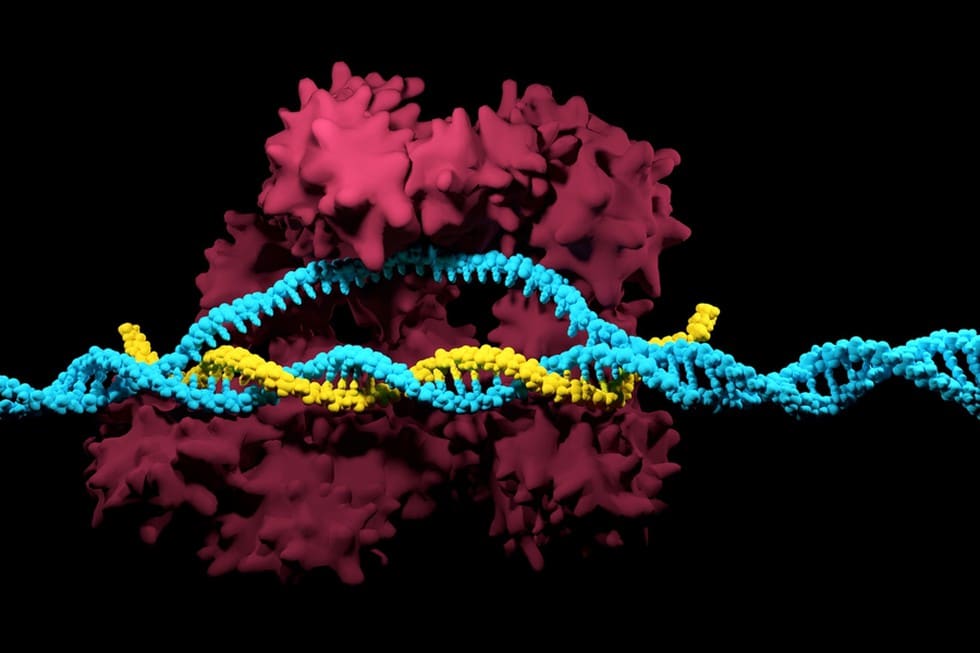
  • CRISPR is short for Clustered Regularly Interspaced Short Palindromic Repeats, which is a reference to the clustered and repetitive sequences of DNA found in bacteria, whose natural mechanism to fight some viral diseases is replicated in this gene-editing tool.
  • Its mechanism is often compared to the ‘cut-copy-paste’, or ‘find-replace’ functionalities in common computer programmes.
  • A bad stretch in the DNA sequence, which is the cause of disease or disorder, is located, cut, and removed — and then replaced with a ‘correct’ sequence.
  • And the tools used to achieve this are not mechanical, but biochemical — specific protein and RNA molecules.
  • The technology replicates a natural defence mechanism in some bacteria that uses a similar method to protect itself from virus attacks. 

Currency Monitoring List

Currency Monitoring List

About Currency Monitoring List:

  • India had been on the list for the last two years.
  • China, Japan, Korea, Germany, Malaysia, Singapore, and Taiwan are the seven economies that are a part of the current monitoring list.
  • The countries that have been removed from the list have met only one out of three criteria for two consecutive reports.

Currency Manipulation:

  • The Trade Facilitation and Trade Enforcement Act of 2015 of US requires its Treasury Department to report to the Congress in every six months if any country is manipulating its currencies to gain trade advantages over the US.
  • One of the ways of manipulation involves any country artificially weakening its currency by selling it in exchange for a foreign currency, usually the US dollar.
  • This artificial weakening of currency makes its own exports cheaper, thereby gaining an unfair trade advantage over another country’s exports.

Criteria:

  • There are three criteria the US Treasury looks at in placing a country on the watch list:
    • Significant trade surplus with the US (at least $20 billion in 12 months)
    • A large current account surplus (at least 2 per cent of GDP over a 12-month period)
    • “Persistent", one-sided intervention (when net purchases of foreign currency totalling at least 2 per cent of the country’s GDP over a 12-month period are conducted repeatedly, in at least six out of 12 months).

The countries that meet two out of the three criteria are placed on the watch list.


Source : Indian Express

DigiLocker

DigiLocker

About DigiLocker:

  • DigiLocker is a flagship initiative of Ministry of Electronics & IT (MeitY) under Digital India programme.
  • DigiLocker aims at ‘Digital Empowerment’ of citizen by providing access to authentic digital documents to citizen’s digital document wallet.
  • The issued documents in DigiLocker system are deemed to be at par with original physical documents as per Rule 9A of the Information Technology (Preservation and Retention of Information by Intermediaries providing Digital Locker facilities) Rules, 2016.
  • Benefits to Citizens:
    • Important Documents Anytime, Anywhere!
    • Authentic Documents, Legally at Par with Originals.
    • Digital Document Exchange with the consent of the citizen.
    • Faster service Delivery- Government Benefits, Employment, Financial Inclusion, Education, Health.

Source : PIB

Current Account Deficit

Current Account Deficit

About Current Account Deficit:

  • Balance of Payments (BoP):
    • The Balance of payments (BoP) records the transactions in goods, services and assets between residents of a country with the rest of the world.
    • There are two main accounts in the BoP –
      • the current account and
      • the capital account.
    • Current Account:
      • The current account records exports and imports in goods and services and transfer payments.
      • Trade in services denoted as invisible trade (because they are not seen to cross national borders) includes both
        • factor income (payment for inputs-investment income, that is, the interest, profits and dividends on our assets abroad minus the income foreigners earn on assets they own in India) and
        • non-factor income (shipping, banking, insurance, tourism, software services, etc.).
      • Transfer payments are receipts which the residents of a country receive ‘for free’, without having to make any present or future payments in return. They consist of remittances, gifts and grants. They could be official or private.
      • The balance of exports and imports of goods is referred to as the trade balance.
      • Adding trade in services and net transfers to the trade balance, we get the current account balance.

Source : The Hindu

Enquire Now