SCO Members Adopt Proposal on Digital Public Infrastructure

Digital Security

What’s in today’s article?

  • Why in news?
  • Digital Public Infrastructure (DPI)
  • What is Digital Public Infrastructure (DPI)?
  • What are the benefits of DPI?
  • India and DPI
  • What are the Challenges faced by DPI?
  • News Summary: SCO members unanimously adopt proposal on Digital Public Infra
  • Key highlights of the SCO meeting


Why in news?

  • Inter-governmental body Shanghai Cooperation Organization members have unanimously adopted India's proposal for developing Digital Public Infrastructure.
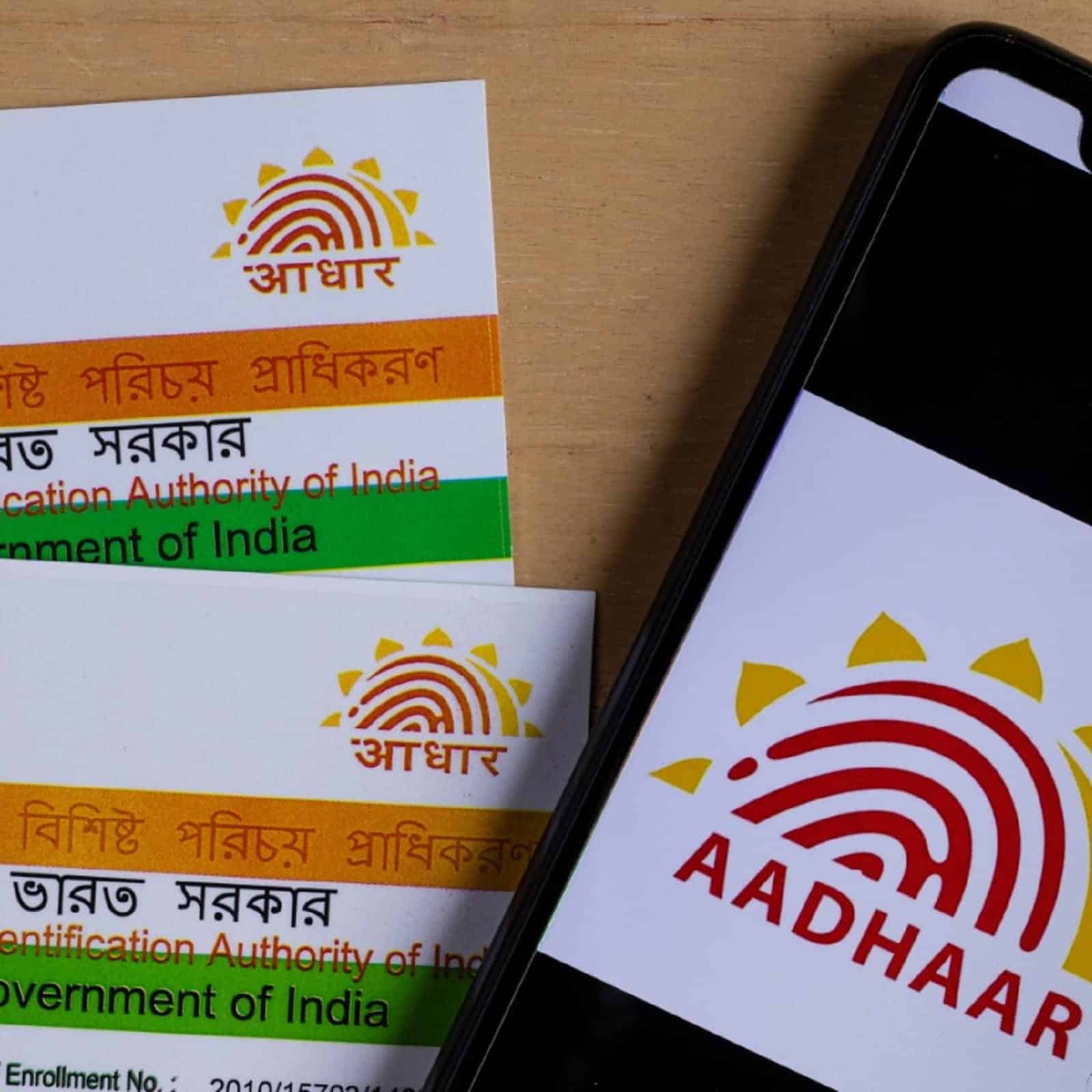
  • The proposal includes platforms such as Aadhaar, United Payments Interface (UPI), and DigiLocker.
  • This was done during a recently held meeting of Digital Ministers of SCO member. The meeting was chaired by India.


Digital Public Infrastructure (DPI)

What is Digital Public Infrastructure (DPI)?

  • DPI refers to platforms such as identification (ID), payment and data exchange systems that help countries deliver vital services to their people.
  • Put simply, DPIs mediate the flow of people, money and information
  • In this context, the following three sets become the foundation for developing an effective DPI ecosystem:
    • First, the flow of people through a digital ID System. 
    • Second, the flow of money through a real-time fast payment system. 
    • And third, the flow of personal information through a consent-based data sharing system to actualise the benefits of DPIs and to empower the citizen with a real ability to control data.


What are the benefits of DPI?

  • Promotion of economic activities and support to inclusive growth
    • Countries are using DPI to implement widespread adoption of digital payments, data-sharing infrastructures, and growing their e-commerce sector.
    • It has the potential to transform economies and support inclusive growth.
      • E.g., Aadhar, UPI, and Jan Dhan were instrumental in promoting financial inclusion in India.
  • To address common challenges as outlined in the Sustainable Development Goals
    • DPI can drive forward global efforts to address our common challenges as outlined in the 17 Sustainable Development Goals — everything from advancing gender equality to restoring our natural world.
    • E.g., Data in Climate Resilient Agriculture, or DiCRA, program in India
      • It makes climate data accessible — providing instant information on where, when, and what to plant, thereby boosting livelihoods and enhancing food security.
  • Efficient service delivery
    • Like health, education, or social protection systems or even public parks and libraries, societies need infrastructure to function. 
    • That is also true for DPI. Citizens can access public services 24 hours a day at their fingertips.
  • Support during COVID-19 crisis
    • Countries that used digital databases to extend social assistance programs such as cash transfers during the COVID-19 pandemic were able to reach more than half of their populations on average.
    • E.g., India was able to vaccinate one billion people within a matter of months due to an existing digital vaccination registration system known as CoWIN.


India and DPI

  • The concept of digital public infrastructure has been pioneered by India and is a current global leader in developing DPI.
  • India, through India Stack (India Stack is the moniker for a set of open APIs and digital public goods), became the first country to develop all three foundational DPIs
    • digital identity (Aadhar); real-time fast payment (UPI) and a platform to safely share personal data without compromising privacy (Account Aggregator built on the Data Empowerment Protection Architecture or DEPA).
      • DEPA is a joint public-private effort for an improved data governance approach.
      • It creates a digital framework that allows users to share their data on their own terms through a third-party entity, Consent Mangers.
  • Other components of Indian DPI include:
    • DigiYatra - a Biometric Enabled Seamless Travel (BEST) experience based on a Facial Recognition System (FRS).
    • DigiLocker - a platform used for storing document and verifying credentials.
    • Open Network for Digital Commerce (ONDC) - An alternative e-commerce platform promoting open networks for exchange of goods and services.


What are the Challenges faced by DPI?

  • Data Colonisation
    • There is a disturbing trend of the weaponisation of data and technology. This is resulting in a loss of agency, sovereignty and privacy.
  • Financing models for developing DPI
    • To develop sustainable financing models for developing DPI for the world is a major challenge.
  • Global standards for the development of DPI
    • Currently, there is no uniform standard across the world for the development of DPIs.


News Summary: SCO members unanimously adopt proposal on Digital Public Infra

  • Member nations of the SCO supported the adoption of Indian digital public infrastructure such as Aadhaar, Unified Payments Interface, DigiLocker and CoWin.
  • The adoption of India’s proposal by the SCO marks a significant step towards a more digitally connected and inclusive future for the region


Key highlights of the SCO meeting

  • India shared its plan 
    • India shared its plans to invest: 
      • $3 billion to provide mobile connectivity to villages in remote areas and 
      • $5 billion to bring broadband connectivity to all 250,000gram panchayats, or village councils. 
    • Additionally, India will chair the Annual Global Partnership on Artificial Intelligence (GPAI) summit in December.
  • Highlights India’s growing leadership in the digital realm
    • This development highlights India’s growing leadership in its efforts to bridge the digital divide and promote connectivity among its neighbours.


Q1) What is Shanghai Cooperation Organization (SCO)?

The Shanghai Cooperation Organization (SCO) is a regional intergovernmental organization established in 2001 by China, Russia, Kazakhstan, Kyrgyzstan, Tajikistan, and Uzbekistan. The organization's main goals are to promote economic, political, and security cooperation among its member states. The SCO has two main bodies: the SCO Summit, which is the highest decision-making body and meets annually, and the SCO Secretariat, which is based in Beijing and coordinates the organization's activities. 


Q2) What is DigiLocker?

DigiLocker is a digital platform developed by the Government of India as part of its Digital India initiative. It is an online storage space that allows Indian citizens to store and share digital copies of important documents and certificates, such as driving licenses, vehicle registration certificates, academic certificates, and other government-issued documents.


Source: SCO members adopt India’s proposal for digital public infra | World Bank | ORF | IMF

About India-US Bilateral Relations

About India-US Bilateral Relations

What’s in today’s article?

  • Why in news?
  • India-US Bilateral Relations
  • Defence Cooperation between India and US
  • Trade & Economic Relations between India and US
  • Strategic Energy Partnership/ Climate & Clean Energy Agenda 2030
  • S&T and Space Cooperation between India and US
  • News Summary: US President Biden to host PM Modi for state visit
  • Why this visit is significant?


Why in news?

  • For the first time in nine years, Prime Minister Narendra Modi will travel to the US for an official state visit from June 21 to 24.
  • This will be PM Modi’s first state visit to the US since he assumed office in 2014. 
    • His previous visits to the US to meet then Presidents Barack Obama and Donald Trump at the White House were not classified as state visits
    • The last official state visit by an Indian Prime Minister to the US was undertaken by then Prime Minister Manmohan Singh in November 2009.


India-US Bilateral Relations

Defence Cooperation between India and US

  • India-US defence cooperation is based on “New Framework for India-US Defence Cooperation”, which was renewed for a period of ten years in 2015. 
  • In 2016, the defence relationship was designated as a Major Defence Partnership (MDP) to build a comprehensive, enduring and mutually beneficial defence partnership. 
  • In July 2018, India was moved into the Tier-1 of the US Department of Commerce’s Strategic Trade Authorization license exception.
  • In August 2022, a U.S. Navy Ship (USNS) Charles Drew visited in Chennai for repairs and allied services. This was the first ever repair of a U.S. Navy ship in India.
  • Several defence agreements have been signed: 
    • Logistics Exchange Memorandum of Association (2016); 
    • Communications Compatibility and Security Agreement (2018); 
    • Industrial Security Agreement (2019); 
    • Basic Exchange and Cooperation Agreement (2020).
  • Bilateral exercises include: Yudh Abhyas (Army); Vajra Prahar (Special Forces), a tri-services exercise– Tiger Triumph (inaugurated in 2019). 
  • In November 2022, Australian Navy joined the U.S.-India-Japan MALABAR annual Naval Exercise. U.S. participated in India’s multilateral Exercise Milan 2022.


Trade & Economic Relations between India and US

  • The U.S. has emerged as India's biggest trading partner in 2022-23 on account of increasing economic ties between the two countries.
  • According to the provisional data of the Commerce Ministry, the bilateral trade between India and the U.S. has increased to $128.55 billion in 2022-23 as against $119.5 billion in 2021-22. It was $80.51 billion in 2020-21.
    • Exports to the U.S. rose to $78.31 billion in 2022-23 as against $76.18 billion in 2021-22, while imports grew to $50.24 billion.
  • In FY 2020-21, India received the highest ever FDI amounting to US$ 81.72 billion. USA became India’s second largest source of FDI during 2020-21 with inflows of US$ 13.82 billion. 
    • US is one of the top 5 investment destinations for Indian FDI.
  • Indo-Pacific Economic Framework [IPEF]
    • India joined the launch of the IPEF in May 2022 and will work with the 13 Partner countries to build an inclusive and flexible Indo-Pacific Economic Framework.
    • India joined three Pillars of IPEF, related to supply chains, tax and anti-corruption and clean energy.


Strategic Energy Partnership/ Climate & Clean Energy Agenda 2030

  • India and US have a strong bilateral partnership in energy sector. 
  • In April 2021, the US and India launched “U.S.-India Climate and Clean Energy Agenda 2030 Partnership,” with two tracks: 
    • Strategic Clean Energy Partnership (SCEP); and 
    • Climate Action and Finance Mobilization Dialogue (CAFMD).
  • The SCEP has five pillars: 
    • Power & Energy Efficiency, 
    • Renewable Energy, 
    • Responsible Oil & Gas, 
    • Sustainable Growth, and 
    • Emerging Fuels and Technologies (hydrogen bio-fuels and waste to energy).
  • USA joined the International Solar Alliance in November 2021 and ratified the ISA Agreement in September 2022.


S&T and Space Cooperation between India and US

  • The Science and Technology Cooperation Agreement signed in October 2005, was renewed for 10 years in September 2019.
  • ISRO and NASA are working together to realize a joint microwave remote sensing satellite for Earth observation, named NASA-ISRO Synthetic Aperture Radar (NISAR).
  • ISRO availed NASA/JPL’s Deep Space Network Antenna support for its Chandrayaan-1, Mars Orbiter Mission (MOM) and Chandrayaan-2 mission. Both sides are currently exploring the possibility of availing similar support for Chandrayaan-3 satellite.
  • On commercial front, ISRO has launched more than 200 satellites from US, on-board Polar Satellite Launch Vehicle (PSLV), as co passengers.


News Summary: US President Biden to host PM Modi for state visit

  • The White House has announced the state visit by Prime Minister Narendra Modi to Washington DC next month.
    • PM Modi is the third world leader to be invited for a state visit by Biden, following French President Emmanuel Macron in 2022 and South Korean President Yoon Suk Yeol in April 2023.
  • The visit will underscore the growing importance of the strategic partnership between India and the United States as the two nations collaborate across numerous sectors.


Why this visit is significant?

  • This visit is significant at a time when India has maintained a diplomatic tightrope walk on the Russia-Ukraine war.
    • India has chosen not to take sides explicitly, either with the US-led West or the Russian side.
  • China’s aggressive behaviour at the India-China border as well as the Indo-Pacific region has brought the two countries closer.


Q1) What is NASA-ISRO Synthetic Aperture Radar (NISAR)?

NASA-ISRO Synthetic Aperture Radar (NISAR) is a joint Earth observation satellite mission between the National Aeronautics and Space Administration (NASA) and the Indian Space Research Organisation (ISRO). The mission aims to provide high-resolution, dual-frequency radar images of the Earth's surface for a variety of applications, including land and resource management, disaster monitoring, and climate studies.


Q2) What is meant by State visit?

A State visit is a formal visit by a head of state or a senior representative of a country to another country, usually at the invitation of the host country's government. The purpose of a State visit is to strengthen diplomatic relations, promote trade and investment, and enhance cultural and political ties between the two countries.


Source: US President Biden to host PM Narendra Modi for state visit in June | Indian Embassy in USA | The Hindu

Appointment of CBI Director

Appointment of CBI Director

What’s in today’s article?

  • Why in News?
  • About Central Bureau of Investigation (CBI)
  • Functions of CBI
  • Appointment of CBI Director


Why in News?

  • Karnataka Director General of Police Praveen Sood will be the next CBI (Central Bureau of Investigation) Director.


About Central Bureau of Investigation (CBI)

  • The establishment of the CBI was recommended by the Santhanam Committee on Prevention of Corruption (1962–1964).
  • It is not a statutory body as it was set up by a resolution (1963) of the Ministry of Home Affairs.
  • It derives its powers from the Delhi Special Police Establishment Act, 1946.
  • The CBI is the main investigating agency of the Central Government.
    • It plays an important role in the prevention of corruption and maintaining integrity in administration. It also provides assistance to the Central Vigilance Commission and Lokpal.
    • It is also the nodal police agency in India which coordinates investigation on behalf of Interpol member countries.
  • Motto: Industry, Impartiality and Integrity
  • Nodal Ministry: Ministry of Personnel, Public Grievances and Pensions


Functions of CBI

  • Investigating cases of corruption, bribery and misconduct of Central government employees.
  • Investigating cases relating to infringement of fiscal and economic laws, that is, breach of laws concerning export and import control, customs and central excise, income tax, foreign exchange regulations and so on.
    • However, such cases are taken up either in consultation with or at the request of the department concerned.
  • Investigating serious crimes, having national and international ramifications, committed by organised gangs of professional criminals.
  • Coordinating the activities of the anticorruption agencies and the various state police forces.
  • Taking up, on the request of a state government, any case of public importance for investigation.
  • Maintaining crime statistics and disseminating criminal information.


Appointment of CBI Director

  • The CBI is headed by a director. He is assisted by a special/additional director.
  • The Central Government appoints the Director on the recommendation of a three-member committee, comprising of –
    • Prime Minister as Chairman,
    • Leader of Opposition in Lok Sabha,
    • Chief Justice of India
  • When there is no recognized Leader of Opposition in the Lok Sabha, then the leader of the single largest opposition party in the Lok Sabha would be a member of that committee.
  • The Director of CBI has been provided security of two-year tenure in office by the Chief Vigilance Commission Act, 2003.


Q1) What is the role of Central Vigilance Commission?

The CVC receives complaints on corruption or misuse of office and recommends appropriate action.


Q2) How many seats required to become Opposition leader?

A single party has to meet the 10% seat criterion, not an alliance. Many of the Indian state legislatures also follow this 10% rule while the rest of them prefer single largest opposition party according to the rules of their respective houses.


Source: Karnataka DGP to be the next CBI Director, overtaking others 

Unique Identification Authority of India (UIDAI)

Unique Identification Authority of India (UIDAI)

About Unique Identification Authority of India (UIDAI):

  • It is a statutory authority established under the provisions of the Aadhaar Act 2016 by the Govt. of India under the Ministry of Electronics & Information Technology.
  • Vision: To empower residents of India with a unique identity and a digital platform to authenticate anytime, anywhere.
  • It is created to issue Unique Identification Numbers (UID), which is also known as ‘Aadhaar number’ to all the residents of India. 
  • Under the Aadhaar Act 2016, UIDAI is responsible for Aadhaar enrolment and authentication, including operation and management of all stages of the Aadhaar life cycle and the system for issuing Aadhaar numbers to individuals.
  • Composition: UIDAI consists of a Chairperson, two part-time Members and the Chief Executive Officer (CEO), who is also the Member-Secretary of the Authority.

What is Aadhar?

  • It is a 12-digit individual identification number issued by the UIDAI to the residents of India after a certain verification process.
  • To get an Aadhaar number, individuals have to provide minimal demographic and biometric information, which include name, date of birth or age, gender, address, mobile number, and e-mail ID (optional), fingerprints, iris scans, and a facial photo.
  • It serves as proof of identity and proof of address for residents of India.
  • The Aadhaar number is unique for each individual and will remain valid for a lifetime.
  • It will help the residents to avail of various services provided by banking, mobile phone connections and other Govt and Non-Govt services in due course.


Q1) What is the Digital India initiative?

Digital India is a campaign launched by the Government of India to ensure that the Government's services are made available to citizens electronically through improved online infrastructure and by increasing Internet connectivity or making the country digitally empowered in the field of technology.

How is the Director of the Central Bureau of Investigation (CBI) appointed?

How is the Director of the Central Bureau of Investigation (CBI) appointed?

Appointment of the CBI Director:

  • The CBI director is appointed according to provisions under the Delhi Special Police Establishment Act (1946) and amendments therein brought by the Lokpal and Lokayuktas Act, 2013.
  • The appointment is made by the Centre on recommendation by a three-member Appointment Committee.
  • The appointment committee comprises the Prime Minister as the chairperson, the leader of the opposition (LoP) in the Lok Sabha and the Chief Justice of India, or a Supreme Court judge nominated by him.
  • If there is no recognised LoP, then the leader of the single largest party is included in the committee.
  • The Central Vigilance Commission Act 2003 fixed the tenure of the CBI director at 2 years.
  • Supreme Court Directions:
    • The apex court, in a 2019 order, mandated that no officer with less than six months' tenure remaining can be considered for the post of CBI chief.
    • The court also ruled that the director is to remain in office for 'not less than 2 years' and can be transferred only with the consent of the appointing committee.

About Central Bureau of Investigation (CBI):

  • It is the premier investigative agency of India.
  • The agency was established in 1963 by the Indian government as a result of the recommendation of the Santhanam Committee.
  • CBI is not a statutory body. It derives its power to investigate from the Delhi Special Police Establishment Act 1946.
  • Control:
    • It operates under the jurisdiction of the Ministry of Personnel, Public Grievances and Pensions.
    • However, for investigation of offences under the Prevention of Corruption Act, the CBI vests superintendence to the Central Vigilance Commission.
  • Functions
    • Initially, it was set up to investigate corruption in government departments and public sector undertakings.
    • However, over the years, its jurisdiction has expanded to cover a wide range of cases, including economic offences, cyber crimes, organized crimes, and special crimes.


Q1) What is the Central Vigilance Commission (CVC)?  

Central Vigilance Commission was set up with the aim to exercise superintendence over vigilance administration of the organisations in respect of which the executive powers of Government of India extended.  It was conceptualised as an apex Integrity Institution, having complete independence and autonomy in its functions.

Source: PM Modi-led committee holds meeting for appointment of new CBI director, CVC, Lokpal

Mitochondrial Replacement Therapy

Mitochondrial Replacement Therapy

What’s in today’s article?

  • Why in News?
  • About Mitochondria
  • What is Mitochondrial Replacement Therapy (MRT)?
  • Is MRT Procedure Risk-Free?
  • Legality of MRT


Why in News?

  • In the United Kingdom, the first baby has been created with DNA from three people has been born after doctors performed a ground-breaking IVF procedure.
  • Earlier, in 2016, the UK became the first country in the world to legalise three-parent babies after its fertility regulator, Human Fertilisation and Embryology Authority (HFEA) had approved the process.
  • The process is known as Mitochondrial Replacement Therapy (MRT).


About Mitochondria

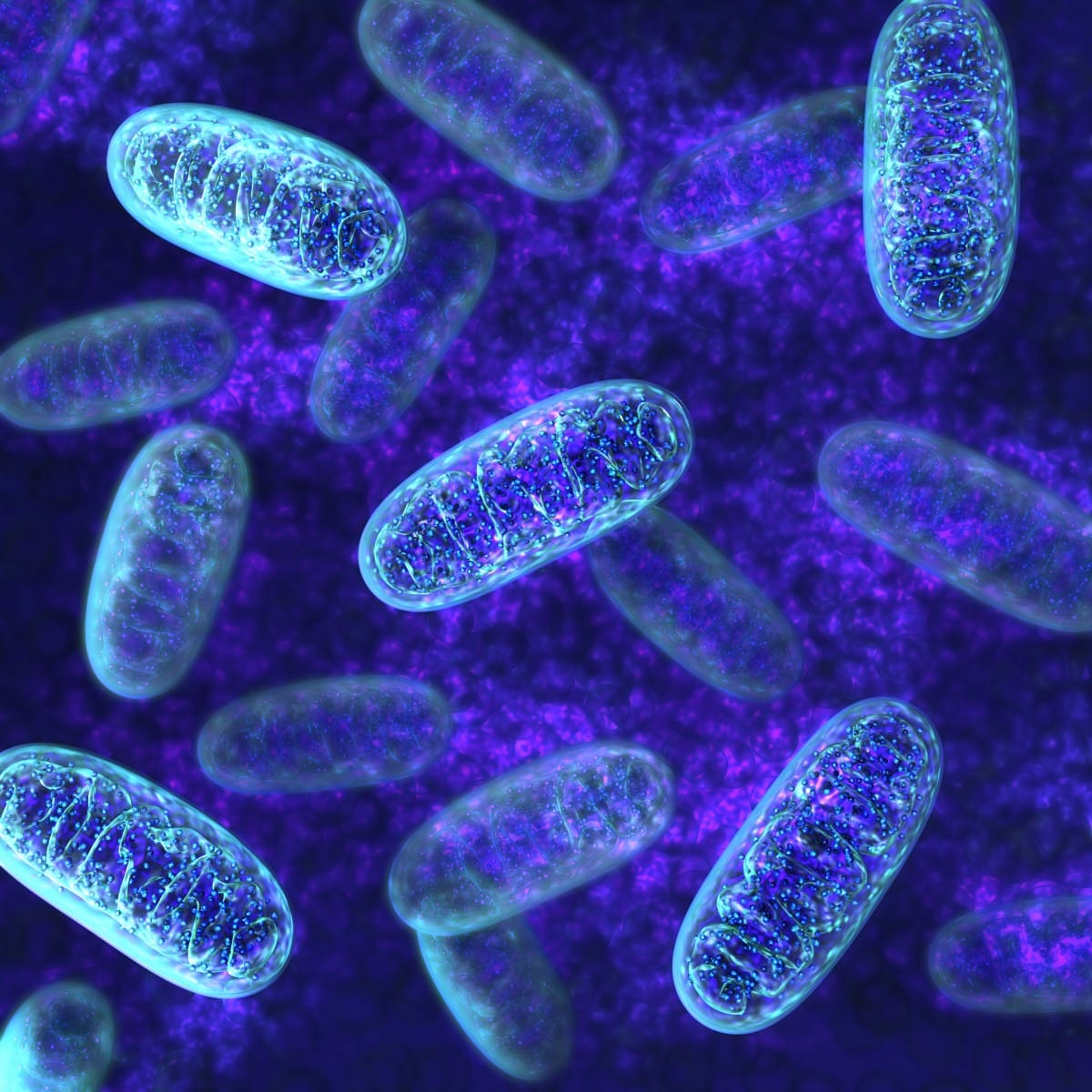
  • Mitochondria are double-membraned cellular organelle, which are crucial for generating energy.
  • They, but what really makes them unique is that they divide independently of the cell.
  • They are responsible for cell function in the human body.
  • Certain defects might occur impacting on the way the mitochondria produces energy for the cells (Specially in the ‘energy-hungry’ tissues of the brain, nerves, muscles, kidneys, heart, liver), and thereby impacting cell function.
  • The diseases that arise out of such mitochondrial mutations are called mitochondrial diseases.
  • When the mitochondria are impaired and do not produce sufficient energy, that affects how the organs function, leading to a broad assortment of symptoms across the body, including brain damage, organ failure and muscle wastage.
  • Mitochondria makes up less than 0.0005% of our entire DNA. But since the child receives it only from the mother, any aberrations in her mitochondrial DNA that may cause diseases is passed on completely to the child.
  • According to the New York Stem Cell Foundation Research Institute, approximately 1 in 5,000-10,000 children are born each year with mitochondrial disease.


What is Mitochondrial Replacement Therapy (MRT)?


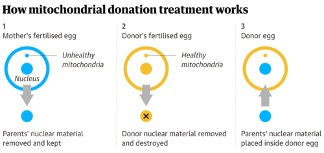
Image Caption: Mitochondrial Replacement Therapy

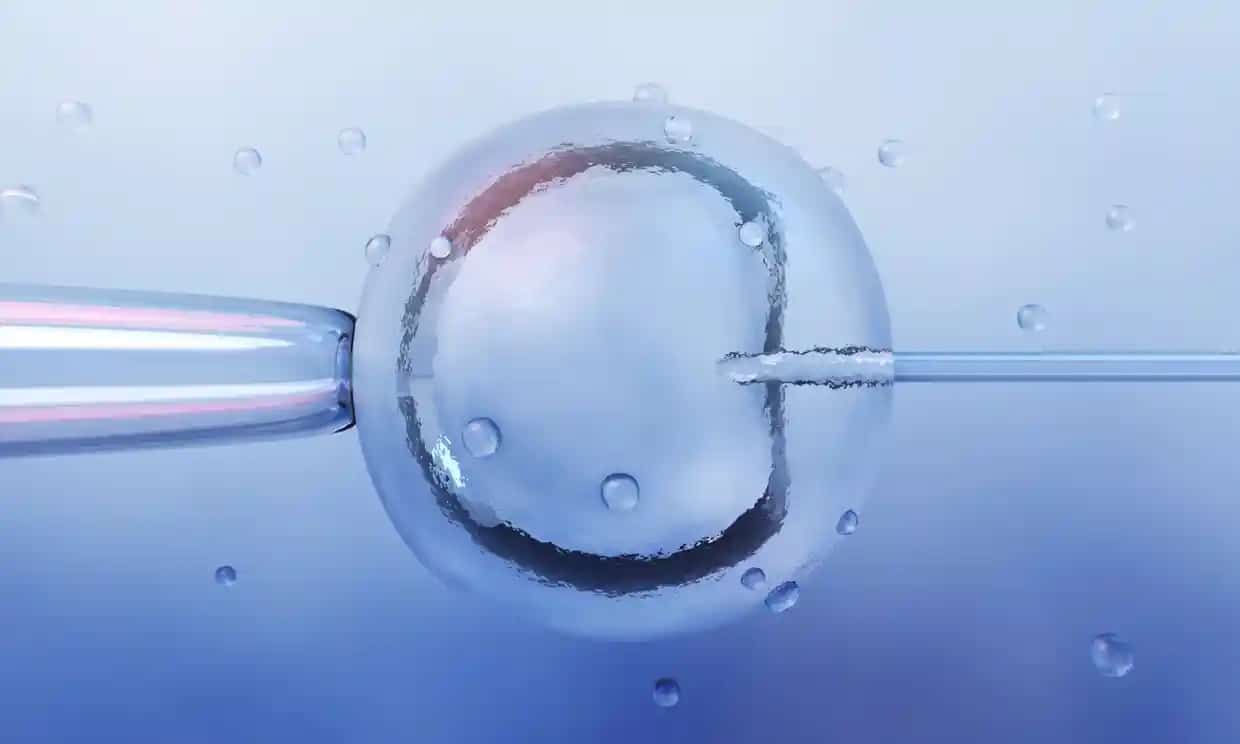
  • Mitochondrial replacement therapy (MRT) is a new form of reproductive invitro fertilization (IVF) which works on the principle of replacing a women's abnormal mitochondrial DNA (mt-DNA) with the donor's healthy one.
  • Step-by-Step Process –
    • First, sperm from the father is used to fertilise eggs from the affected mother and a healthy female donor.
    • The nuclear genetic material from the donor’s egg is then removed and replaced with that from the couple’s fertilised egg.
    • The resulting egg has a full set of chromosomes from both parents, but carries the donor’s healthy mitochondria instead of the mother’s faulty ones.
    • This is then implanted in the womb.
  • The resulting baby has DNA from the mother and father as usual, plus a small amount of genetic material – about 37 genes – from the donor.
  • The process has led to the phrase “three-parent babies”, though more than 99.8% of the DNA in the babies comes from the mother and father.
  • The development of healthy baby free from genetic disorders and to terminate the lethal mitochondrial disorders are the chief motive of this technique.


Is MRT Procedure Risk-Free?

  • The procedure is not without risks.
  • Recent research has found that in some cases, the tiny number of abnormal mitochondria that are inevitably carried over from the mother’s egg to the donor egg can multiply when the baby is in the womb.
    • So-called reversion or reversal could lead to a disease in the child.
  • So far, the clinical experience with MRT has been encouraging, but the number of reported cases is far too small to draw any definitive conclusions about the safety or efficacy.
  • Long-term follow-up of the children born through MRT is essential.


Legality of MRT

  • The United Kingdom, in 2016, became the first country in the world to legalise MRT.
  • Last year, Australia became the second country to approve this therapy.
  • In the United States, the therapy is illegal as it is considered as a form of genetic modification, and changes made to eggs, and sperm and embryos — known as germline modification — can be passed on to future generations.


Q1) What is a chromosome in the human body?

Chromosomes are structures found in the centre (nucleus) of cells that carry long pieces of DNA. DNA is the material that holds genes. It is the building block of the human body. Chromosomes also contain proteins that help DNA exist in the proper form.


Q2) What is the role of X and Y chromosomes?

Individuals having two X chromosomes (XX) are female; individuals having one X chromosome and one Y chromosome (XY) are male.


Source: U.K. sees success in mitochondrial replacement therapy | Hindu | Guardian   

What are Milkweed Butterflies?

What are Milkweed Butterflies?

About Milkweed Butterflies:

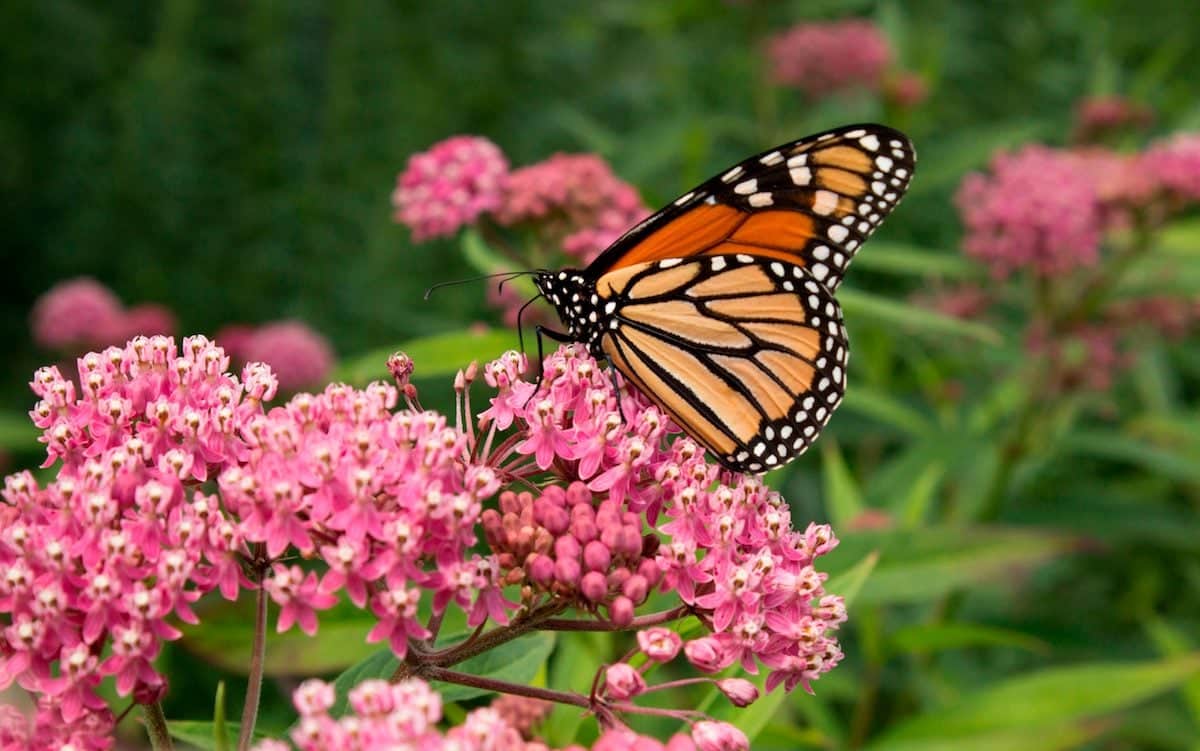
  • They are any of a group of butterflies in the brush-footed butterfly family ( Nymphalidae).
  • There are some 300 species in the group, including the iconic Monarch butterfly.
  • Distribution:
    • The majority of species are found in both Old and New World tropics (Old World refers to Europe, Africa, and Asia, while New World refers to North America, South America, and the Caribbean).
    • However, some well-known members of the group, such as the monarch butterfly and the queen butterfly, live in temperate regions.
  • Features: 
    • The large, colourful adults have long, usually brownish or orange wings marked by black-and-white patterns.
    • They fly slowly, and some, such as the monarch butterfly, migrate great distances.
    • They feed chiefly on milkweed and sometimes on nightshade.
    • These plants contain acrid, milky juices that probably make the larva and its subsequent stages distasteful to predators. This, combined with a conspicuous colouration, protects them.

What is a brush-footed butterfly?

  • Brush-footed butterfly (family Nymphalidae), also called the four-footed butterfly, is any of a group of butterflies (order Lepidoptera) that are named for their characteristically reduced forelegs, which are frequently hairy and resemble brushes.
  • The insect’s alternative name derives from the fact that there are only four functional, or walking, legs.


Q1) What is a brush-footed butterfly?

Brush-footed butterfly are named for their characteristically reduced forelegs, which are frequently hairy and resemble brushes.

Source: Studies on migration patterns of milkweed butterflies and their feeding habits can help protect them, say researchers

What is Kohinoor Diamond?

What is Kohinoor Diamond?

About Kohinoor Diamond:

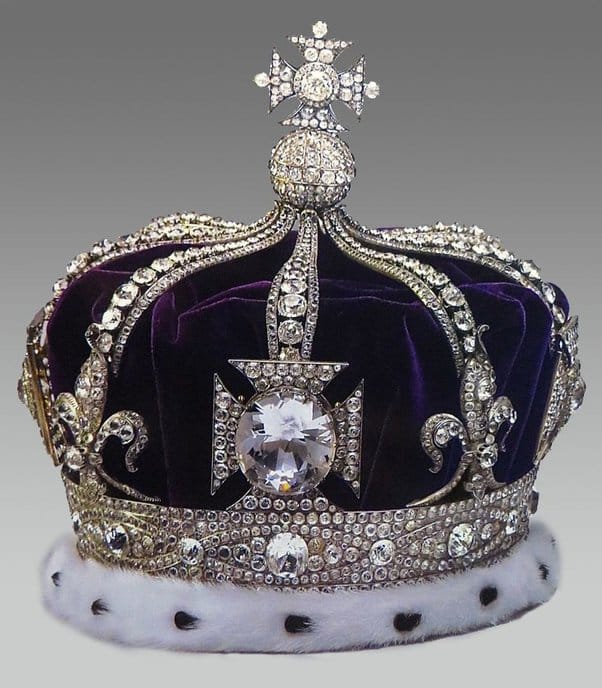
  • The Kohinoor/Koh-i-Noor diamond (also Koh-i-Nur or Kūh-e Nūr) is one of the largest and most famous cut diamonds in the world.
  • The name of the stone is Persian, meaning ‘Mountain of Light’ and refers to its astounding size.
  • The diamond originally weighed 191 carats, but it was recut to 105.6 carats to enhance its fire and brilliance in 1852 by Garrard of London, the royal jeweller.
  • History:
    • It is believed that the diamond was first mentioned more than 5000 years ago in a Sanskrit script, where it was called the Syamantaka.
    • After this first written mention, for over 4,000 years, the diamond is not mentioned.
    • Up until 1304, the diamond was in the possession of the Rajas of Malwa.
    • In 1304, it belonged to the Emperor of Delhi, Allaudin Khilji.
    • In 1339, the diamond was taken back to the city of Samarkand, where it stayed for almost 300 years.
    • In 1526 the Mogul ruler Babur mentioned the diamond in his writings, Baburmama. The diamond was gifted to him by Sultan Ibrahim Lodi.
    • From Babur, the diamond passed to Shah Jahan and Aurangzeb before coming into the possession of his grandson, Sultan Mahamad.
    • In 1739, the Persian general Nadir Shah defeated Sultan Mahamad to conquer Delhi – and the diamond. It was Nadir Shah that gave the diamond its current name.
    • In 1747, Nadir Shah was assassinated, and the diamond got to one of his generals, Ahmad Shah Durrani.
    • A descendant of Ahmad Shah, Shah Shuja Durrani brought the Koh-i-noor back to India in 1813 and gave it to Ranjit Singh (the founder of the Sikh Empire). In exchange, Ranjit Singh helped Shah Shuja get back the throne of Afghanistan.
    • In 1849, after the conquest of the Punjab by the British forces, the properties of the Sikh Empire were confiscated.
    • The Koh-i-Noor was transferred to the treasury of the British East India Company in Lahore.
    • Since 1849, the Koh-i-Noor has been part of the British crown jewels.


Q1) What is a Diamond Cut?

Cut refers not to a diamond's shape (e.g. round, oval, pear, etc.) but to a diamond's proportions, symmetry and polish. The beauty of a diamond depends more on cut than any other factor.

Source: India’s PM Modi eyes return of Kohinoor, thousands of other treasures from Britain

What is Mitochondrial Replacement Therapy (MRT)?

What is Mitochondrial Replacement Therapy (MRT)?

Why in News?

  • In 2015, the United Kingdom became the first country to regulate mitochondrial replacement therapy (MRT).

About Mitochondrial Replacement Therapy (MRT):

  • What is it? It is a new form of reproductive in-vitro fertilization (IVF) which works on the principle of replacing a women's abnormal mitochondrial DNA (mt-DNA) with the donor's healthy one. 
  • Why is MRT done?
    • People have two types of DNA in their cells, nuclear DNA, which is inherited from both parents and mitochondrial DNA (mtDNA), which is inherited only from the mother.
    • MRT is designed to prevent women who are carriers of mitochondrial diseases from passing on these heritable genetic diseases to their children.
  • How is MRT carried out?
    • MRT involves using an egg from an egg donor who doesn’t have mutations.
    • The nucleus of the egg is removed and replaced with the nuclear DNA from the woman who has mitochondrial DNA mutations.  
    • The egg is then fertilized with the father’s sperm in the embryology lab.
    • If it grows into an embryo for transfer during IVF treatment, the embryo would be free of mitochondrial disease. 

What is in-vitro fertilization (IVF)?

  • It is a type of assisted reproductive technology (ART) where sperm and an egg are fertilized outside of the human body.
  • IVF is a complex process that involves retrieving eggs from ovaries and manually combining them with sperm in a lab for fertilization.
  • Several days after fertilization, the fertilized egg (now called an embryo) is placed inside a uterus. Pregnancy occurs when this embryo implants itself into the uterine wall.

What is Mitochondria?

  • Mitochondria are membrane-bound cell organelles that generate most of the chemical energy needed to power the cell's biochemical reactions. 
  • Mitochondria are often referred to as the powerhouses of the cell.
  • Chemical energy produced by the mitochondria is stored in a small molecule called adenosine triphosphate (ATP).  ATP is the chemical energy "currency" of the cell that powers the cell's metabolic activities. 
  • Generally, mitochondria, and therefore mitochondrial DNA, are inherited only from the mother.


Q1) What is mitochondrial DNA (mt-DNA)? 

Mitochondrial DNA is the circular chromosome found inside the cellular organelles called mitochondria. Located in the cytoplasm, mitochondria are the site of the cell’s energy production and other metabolic functions. Offspring inherit mitochondria — and as a result mitochondrial DNA — from their mother.

Source: U.K. sees success in mitochondrial replacement therapy

Satavahana Dynasty

Satavahana Dynasty

About Satavahana Dynasty:

  • The Satavahanas, also referred to as the Andhras in the Puranas, were an ancient Indian dynasty based in the Deccan region
  • Most modern scholars believe that the Satavahana rule began in the late second century BCE and lasted until the early third century CE.
  • They ruled from Pune in Maharashtra to Coastal Andhra Pradesh. At its greatest extent, the Satavahana empire covered the whole of the Deccan and spread far into Northern India, perhaps even as far as Magadha.
  • They played the most significant role in Indian history in the period between the fall of the Mauryas and the rise of the Gupta Empire.
  • Origin:
    • Satavahana Dynasty was established in the 1st century BC in the western Deccan Plateau.
    • Satavahana Rulers had emerged from the Andhra region or the delta areas of the Krishna River and Godavari River. 
    • The dynasty was built upon the ruins of the Maurya Empire.
  • Rulers of the Satavahana Dynasty:
    • Simuka was the founder of the Satavahana Dynasty, and he is believed to have destroyed the Sunga Power.
    • The dynasty reached its zenith under the rule of Gautamiputra Satakarni and his successor Vasisthiputra Pulamavi
    • Gautamiputra Satakarni received wide recognition because of his policy of military expansion.
    • Satakarni carried on expansion through the entire country and became famous during that era as a king of great power and valour.
  • Capital: The dynasty had different capital cities at different times, including Pratishthana (Paithan) and Amaravati (Dharanikota).
  • The Decline of the Satavahana Dynasty:
    • Till the end of the 2nd century, the Satavahana dynasty expanded from western India to the Krishna delta and northern Tamil Nadu , but this expansion did not continue for long.
    • The Satavahanas Dynasty collapsed when Abhiras seized Maharashtra, and Ikshwakus and Pallavas appropriated the eastern province.
    • Their greatest competitors were the Sakas, who had established their power in upper Deccan and Western India. 
    • The kingdom had fragmented into smaller states by the early 3rd century CE.
  • Administration:
    • The Satavahana polity was extensively decentralized, as local administration was left largely to feudatories subject to the general control of royal officials.
    • The king was at the apex of the administrative hierarchy and was considered the guardian of the established social order.
    • Though the royal power was absolute, it was subject to religious dictates & public opinion. The king had to rule in accordance with the rules laid down in the Dharmashastras.
    • The ruler appointed several ministers & executive officers to assist him in administration. The officers in the king’s ministry were called Raj-amateurs.
  • Religion and Culture:
    • The Satavahanas were followers of Hinduism and patronised Maharashtri Prakrit literature.
    • They were influenced by the sacrificial tradition of the Vedic religion.
    • The Satavahana rulers gave liberal patronage to Buddhism as well. Gautamiputra Satakarni, Pulumavi, Yajna Satakarni & some other kings financed the excavation of caves, stupas, chaityas & viharas in the Deccan. 
    • They were the first Indian kings to give royal grants of land to those practising Buddhism and Brahmanism.
  • Other practices:
    • The most intriguing practice instituted by the Satavahanas was that of metronymics, i.e., the name of emperors was often derived from the female lineage.
    • The Satavahanas were early issuers of Indian state coinage struck with images of their rulers. 


Q1) What is Prakrit literature?  

Prakrit is the foremost indigenous phrase of the Indo- Aryan language representing "vernacular". Prakrit emerged in the 6th century as the literary language, generally patronised by the Kshatriya king in ancient India. The earliest extant model of Prakrit is the Ashokan inscription.

Source: Treasure trove of 1st Century BC artefacts found in Telangana village

Treasury Bills

Treasury Bills

Treasury Bills Latest News

India recently extended financial support to the Maldives by renewing a USD 50 million Treasury Bill for another year through the State Bank of India (SBI).

About Treasury Bills

  • A T-Bill is a short-term debt instrument issued by the Indian government through the Reserve Bank of India (RBI). 
  • Purpose: 
    • The primary objective of a T-Bill is to meet the short-term financial requirements of the central government.
    • RBI also issues such treasury bills under its open market operations (OMO) strategy to regulate its inflation level and spending/borrowing habits of individuals. 
    • For investors, they present one of the safest investments with the highest liquidity among government securities. 
  • Features: 
    • T-Bills are zero coupon securities, meaning they don’t pay interest. 
    • Instead, they are issued at a discount and redeemed at the face valueat maturity. For example, a 91 day Treasury bill of ₹100/- (face value) may be issued at say ₹ 98.
    • The return to the investors is the difference between the maturity value or the face value and the issue price.
    • Tenure: T-Bills are issued in India with tenures of 91 days, 182 days, 364 days. 
    • Minimum Investment₹25000 or multiples of this amount.
  • Issue Process:
    • T-bills are issued through an auction conducted by the RBI at regular intervals. 
    • The auctions are held at RBI’s electronic platform called E-Kuber.
    • Who can buy T-Bills? 
    • T-bills can be purchased by any entity registered in India, such as banks, financial institutions, primary dealers, corporate bodies, institutions, mutual funds, state governments, trusts and even individuals in both primary as well as secondary markets.

Treasury Bills FAQs

Q1: What is the treasury bill?

Ans: A T-Bill is a short-term debt instrument issued by the Indian government through the RBI.

Q2: Is T Bill a good investment?

Ans: For investors, T-Bills present one of the safest investments with the highest liquidity among government securities. 

Q3: What is the primary purpose of issuing Treasury Bills (T-Bills)?

Ans: To meet short-term financial requirements of the government.

SourceTOI

Enquire Now