Chaolung Sukapha

Chaolung Sukapha

Chaolung Sukapha Latest News

Recently, the union Minister of Ports, Shipping & Waterways led a vibrant celebration of Assam Day and paid rich tributes to Chaolung Sukapha.

About Chaolung Sukapha

  • He was a visionary 13th-century ruler who founded the Ahom kingdom that ruled Assam for six centuries.
  •  He is widely referred to as the architect of “Bor Asom” or “greater Assam”.
  • It was in Charaideo that Sukapha established his first small principality, sowing the seeds of further expansion of the Ahom kingdom.

Administration of Chaolung Sukapha

  • He divided the kingdom into territorial units called khels or phoids, each under an officer responsible for supplying a fixed number of paiks. 
    • Paiks are the able-bodied male population who owed labour and military service to the state.
    • Every adult male between sixteen and fifty was registered as a paik and served the king for part of the year in agriculture, construction, or war. In return, he was allotted land for personal cultivation.
  • He emphasized guerrilla tactics suited to the terrain of rivers, jungles, and hills. 

Why is Chaolung Sukapha Important?

  • Sukapha’s significance — especially in today’s Assam — lies in his successful efforts towards assimilation of different communities and tribes.
  • He adopted a policy of conciliation and assimilation rather than annihilation.
  • Sukapha developed very amiable relationships with the tribal communities living in Assam — especially the Sutias, the Morans and the Kacharis.

Source: PIB

Chaolung Sukapha FAQs

Q1: Who was Chaolung Sukapha?

Ans: A Ahom king

Q2: What is Chaolung Sukapha's significance in Indian history?

Ans: He unified Assam under one rule.

New Geographical Indication Products

New Geographical Indication Products

New Geographical Indication Products Latest News

Recently, five products from Tamil Nadu have secured the Geographical Indications (GI) tag.

About New Geographical Indication Products

Woraiyur Cotton Sari

  • It is native to Tiruchi district, and is woven in Manamedu on the banks of the Cauvery.
  • They are known for their distinctive Korvai border (a continuous running pattern) — block colour palettes, and geometric motifs.
  • The border has different motifs, including many geometrical shapes.
  • The Devanga community has been the driving force behind the Woraiyur cotton sarees for generations.

Thooyamalli Rice

  • Thooyamalli, meaning ‘pure jasmine’, is a traditional sambha-season rice variety grown over 135 - 140 days.
  • It is often referred to as ‘pearl rice’ due to its shiny nature and is regarded highly for its nutritional benefits.

Kavindapadi ‘Naatu Sakkarai’

  • Kavindapadi in Erode district is a major supplier of jaggery powder in Tamil Nadu, with vast stretches of sugarcane fields nourished by the Lower Bhavani Project canal.
  • It is made locally by mechanically crushing the cane and slowly evaporating the extracted juice.

Namakkal ‘Kalchatti’

  • Namakkal’s famed cookware is made using soapstone (makkal pathirangal).
  • It is popularly known as kalchatti, and has been a staple in South Indian kitchens for generations.

Ambasamudram ‘Choppu Saman’

  • Origin: The art of making choppu saman (wooden toys) has been practiced for over two centuries, with origins tracing back to the 18th century.
  • This craft involves the careful handcrafting of miniature wooden toys — from tiny kitchen utensils to small tables, chairs, and other play objects.
  • Material used:Traditionally, these toys were carved from indigenous trees like the Manjal Kadamba tree (Neolamarckia cadamba), teak, and rosewood.

Source: TH

New Geographical Indication Products FAQs

Q1: What is a Geographical Indication (GI)?

Ans: A sign that identifies a product as originating from a specific geographical location.

Q2: Which community is known for weaving Woraiyur Cotton Sari?

Ans: Devanga community

Rock Eagle Owl

Rock Eagle Owl

Rock Eagle Owl Latest News

Recently, a Rock Eagle Owl nest prompted the Telangana forest department to halt quarrying operations for over a month.

About Rock Eagle Owl

  • It is also called Indian eagle-owl (Bubo bengalensis) or Bengal eagle-owl.
  • It is a large-horned owl species native to hilly scrub forests in India.
  • Appearance
    • It is usually brown and grey in colour, with a white throat patch that has black stripes.
      It was earlier treated as a subspecies of the Eurasian eagle-owl.
    • Its chicks are born with white fluff which is gradually replaced by speckled feathers during the pre-juvenile moult after about two weeks.
    • It is usually seen in pairs. It has a deep resonant booming call that may be heard at dawn and dusk.
  • Habitat: They are especially seen near rocky places within the mainland of the Indian Subcontinent south of the Himalayas. They avoid humid evergreen forests and extremely arid areas.
  • Distribution: It is mainly found in South Asian countries like India, Nepal, Pakistan

Conservation Status of Rock Eagle Owl

  • IUCN: Least Concern
  • CITES: Appendix II

Source: IE

Rock Eagle Owl FAQs

Q1: What is the scientific name of the Rock Eagle Owl?

Ans: Bubo bengalensis

Q2: What is a distinctive feature of the Rock Eagle Owl?

Ans: Large ear tufts

Chaprala Wildlife Sanctuary

Chaprala Wildlife Sanctuary

Chaprala Wildlife Sanctuary Latest News

A rare striated grassbird was recently recorded in Chaprala wildlife sanctuary in Gadchiroli district, marking a major range extension for the species in Maharashtra.

About Chaprala Wildlife Sanctuary

  • It is located in the Gadchiroli district of Maharashtra.
  • Established in 1986, it covers an area of approximately 134.78 sq.km.
  • The Markhanda and Pedigundam hills flank the sanctuary from northeast and south, and the Pranhita River flows along its western boundary.
  • It is located on the bank of the confluence of the Wardha and Wainganga rivers. 
  • During the monsoons, river water swells and enters the sanctuary.
  • Additionally, several water bodies, including the Murgikunta, Raikonta, and Komatkunta tanks, further contribute to the sanctuary’s biodiversity. 
  • Vegetation: It is dominated by southern tropical dry deciduous forests interspersed with grasslands.
  • Flora: The dominant tree species include teak, Arjun, salai, mahua, bel, dhawada, tendu, sissoo, and semal.
  • Fauna
    • It is inhabited by Tiger, Leopard, Wild boar, Sloth bear, Wild dogs, Langurs, Blackbuck, Spotted Deer, Sambar, Jackal, Mongoose, etc.
    • The sanctuary also features a distinctive riparian ecosystem that supports a diverse aquatic fauna, including fish, prawns, and turtles.

Key Facts about Striped Grassbird

  • It is a species of bird in the Locustellidae family.
  • Scientific Name: Megalurus palustris
  • Distribution: It is widely found across South and Southeast Asia, including China, India, Pakistan, Cambodia, Laos, Vietnam, Thailand, Philippines, Malaysia and Indonesia.
  • Features:
    • It has a large body size of 22-28 cm with a body weight of about 38-56 g. 
    • The upper body is light reddish brown. 
    • There are thick black streaks on the back and wing covers. 
    • Dark yellow eyebrows. 
    • The tail is elongated and sharp. 
    • Lower body whitish, black streaks on chest. 
    • Iris brown, upper beak black, underside pink, and feet pink.
  • Conservation Status:
    • IUCN Red List: Least Concern

Source: TOI

Chaprala Wildlife Sanctuary FAQs

Q1: Chaprala Wildlife Sanctuary is located in which Indian state?

Ans: Maharashtra

Q2: What is the approximate area of Chaprala Wildlife Sanctuary?

Ans: It covers an area of approximately 134.78 sq.km.

Q3: Which river flows along the western boundary of Chaprala Wildlife Sanctuary?

Ans: Pranhita River

Q4: haprala Wildlife Sanctuary lies near the confluence of which two rivers?

Ans: It is located on the bank of the confluence of the Wardha and Wainganga rivers.

National Centre for Polar and Ocean Research

National Centre for Polar and Ocean Research (NCPOR)

National Centre for Polar and Ocean Research Latest News

Recently, the National Centre for Polar and Ocean Research (NCPOR) celebrated its Silver Jubilee and also released commemorative postage stamps.

About National Centre for Polar and Ocean Research

  • It was established as an autonomous Research and Development Institution on the 25th May 1998.
  • It was formerly known as the National Centre for Antarctic and Ocean Research (NCAOR).
  • It has been at the forefront of leading India's scientific expeditions and research programmes in the Polar regions and the Southern Ocean.
  • Nodal Ministry: Ministry of Earth Sciences Government of India
  • Location: Vasco da Gama, Goa.

Mandate and Functions of National Centre for Polar and Ocean Research

  • It is designated as the nodal organization for the co-ordination and implementation of the Indian Antarctic Programme, and executing polar expeditions in the Antarctic, Arctic, Southern Ocean, and Himalayas.
  • It also works on strategically vital projects like: Mapping of Exclusive Economic Zone (EEZ), Continental shelf surveys, and the Deep Ocean Mission.
  • It has established and operationalised permanent Indian research stations -- DakshinGangotri, Maitri, and Bharati in Antarctica, and Himadri in the Arctic, along with the Himalayan station Himansh.

Source: PIB

National Centre for Polar and Ocean Research FAQs

Q1: Where is the National Centre for Polar and Ocean Research located?

Ans: Goa

Q2: Under which ministry does NCPOR operate?

Ans: Ministry of Earth Sciences

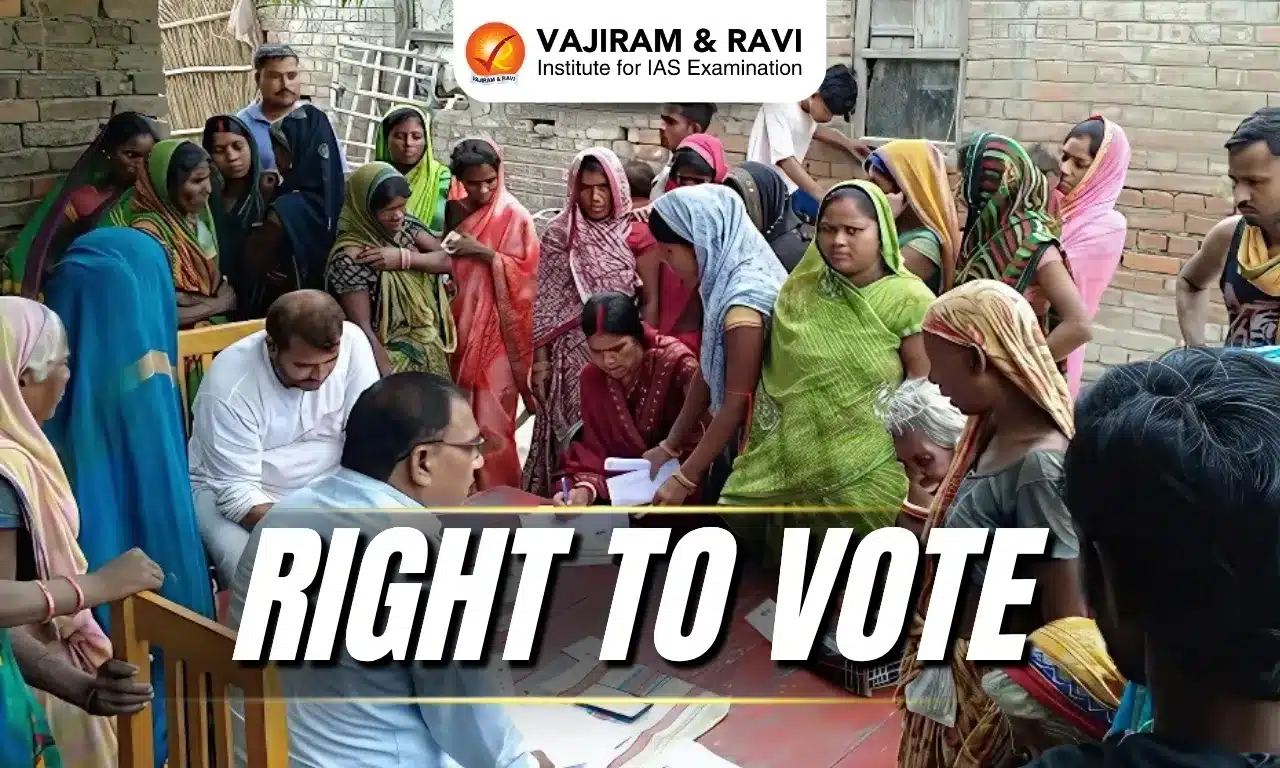
Right to Vote – Understanding Its Legal Status and Constitutional Evolution in India

Right to Vote

Right to Vote Latest News

  • The Supreme Court is hearing cases filed against the Special Intensive Revision (SIR) of electoral rolls in Bihar.

Introduction

  • The Supreme Court of India is presently examining petitions related to the Special Intensive Revision (SIR) of electoral rolls in Bihar. 
  • This has reignited an important legal question: What is the true legal status of the right to vote in India?
  • Although the right to vote is fundamental to the functioning of a democracy, Indian jurisprudence has oscillated between categorising it as a constitutional right and a statutory one. 
  • The debate has implications not just for electoral integrity but also for how citizen rights are interpreted and enforced.

Classifying Rights in the Indian Legal Framework

  • India recognises different classes of rights under its constitutional and legal regime:
    • Natural Rights: Inherent and inalienable, such as the right to life and liberty. While not directly enforceable, courts may interpret these through fundamental rights.
    • Fundamental Rights: Enshrined in Part III of the Constitution, they include rights such as freedom of speech, equality before the law, and protection from discrimination. These are enforceable under Article 32.
    • Constitutional Rights: Located outside Part III but within the Constitution, such as the right to property and trade. These are enforceable through Article 226 or relevant legal processes.
    • Statutory Rights: Derived from ordinary laws passed by Parliament or State legislatures, such as the right to work under MGNREGA or the right to food under the National Food Security Act.
  • The status of the right to vote, though derived from the Constitution, has largely been interpreted as a statutory right, setting the stage for the ongoing debate.

Constitutional and Legal Provisions on Voting

  • The Constitution of India, under Article 326, guarantees universal adult franchise, stating that every citizen aged 18 or above is entitled to vote, provided they are not disqualified under law. This mandate is operationalised through two key legislations:
  • Representation of the People Act, 1950 (RP Act, 1950):
    • Section 16 disqualifies non-citizens from being enrolled in electoral rolls.
    • Section 19 requires voters to be ordinarily resident and aged 18 or more on the qualifying date.
  • Representation of the People Act, 1951 (RP Act, 1951):
    • Section 62 allows voting for all enrolled individuals unless disqualified by law or imprisoned.
  • These laws form the statutory framework for voting, leading to the view that the right to vote is not absolute but subject to legislative qualifications.

Judicial Interpretation Over the Years

  • The status of the right to vote has been clarified, and contested, across several landmark judgments:
    • N.P. Ponnuswami (1952): The Supreme Court held that the right to vote is purely statutory.
    • Jyoti Basu (1982): Reaffirmed that voting is neither a fundamental nor a common law right, but a statutory one.
    • PUCL Case (2003): Justice P.V. Reddy observed that even if not fundamental, the right to vote could be considered a constitutional right.
    • Kuldip Nayar (2006): The Supreme Court reverted to viewing voting as a statutory right.
    • Raj Bala (2015): Recognised it as a constitutional right based on earlier PUCL interpretation.
    • Anoop Baranwal (2023): Majority opinion once again concluded that the right to vote is statutory.
  • These oscillations reflect the court’s balancing act between textual interpretation and evolving democratic principles.

The Dissenting View and Future Possibility

  • In the Anoop Baranwal case, one of the judges, in his dissent, presented a nuanced position. He argued that:
    • Voting is an expression of choice protected under Article 19(1)(a), freedom of speech and expression.
    • Free and fair elections are intrinsic to the basic structure of the Constitution.
    • Although shaped by statutory law, the origin of this right lies in Article 326 of the Constitution.
  • His reasoning could lay the foundation for a future judicial reconsideration that may elevate voting to the status of a constitutional right, particularly as jurisprudence around electoral rights and democratic accountability deepens.

Implications of the Current Legal Status

  • Statutory Nature: Being a statutory right means Parliament can impose reasonable restrictions, such as disqualifications or procedural changes.
  • Limited Enforcement: The right cannot be enforced through Article 32 like fundamental rights; redressal is through regular legal channels.
  • Need for Clarity: In an era of increasing voter suppression concerns, digital disenfranchisement, and electoral roll errors, the legal status of voting may impact how robustly the right is protected.

Source: TH

Right to Vote FAQs

Q1: What is the current legal status of the right to vote in India?

Ans: The right to vote in India is presently recognised as a statutory right under laws enacted by Parliament.

Q2: Which constitutional article underpins the right to vote?

Ans: Article 326 of the Constitution provides for universal adult suffrage in India.

Q3: Can the right to vote be enforced under Article 32 of the Constitution?

Ans: No, since it is not a fundamental right, it cannot be enforced directly under Article 32.

Q4: Which laws operationalise the right to vote in India?

Ans: The Representation of the People Act, 1950 and 1951 govern voter eligibility and electoral procedures.

Q5: Has the Supreme Court ever recognised voting as a constitutional right?

Ans: In some cases like PUCL and Raj Bala, courts acknowledged it as a constitutional right, but the prevailing view remains that it is statutory.

Colombo Security Conclave (CSC)

Colombo Security Conclave

Colombo Security Conclave Latest News

The 7th National Security Adviser level meeting of the Colombo Security Conclave  was held in New Delhi recently.

About Colombo Security Conclave 

  • It is a regional security grouping comprising India, Bangladesh, Sri Lanka, Maldives, Mauritius, and Seychelles.
  • The CSC’s core objective is to promote regional security by addressing transnational threats and challenges of common concern to the member states.
  • CSC brings together National Security Advisors (NSAs) and Deputy NSAs of the member countries.
  • Origin:
    • The CSC, initially known as the Trilateral for Maritime Security Cooperation, evolved out of trilateral meetings between NSAs and Deputy NSAs from India, Maldives, and Sri Lanka, starting in 2011.
    • It came to a standstill after 2014 due to rising tensions between India and the Maldives. 
    • After its revival and rebranding as the CSC in 2020, Mauritius joined the CSC in 2022, while Bangladesh joined in 2024.
    • More recently, Seychelles has become the sixth member of the CSC.
  • Cooperation under the conclave focuses on five pillars:
    • Maritime safety and security.
    • Countering terrorism and radicalisation.
    • Combating trafficking and transnational organised crime.
    • Cyber-security and protection of critical infrastructure.
    • Humanitarian assistance and disaster relief.
  • Permanent secretariat: Colombo.

Source: NOA

Colombo Security Conclave FAQs

Q1: Which countries are members of the Colombo Security Conclave?

Ans: India, Bangladesh, Sri Lanka, Maldives, Mauritius, and Seychelles.

Q2: What is the primary objective of the Colombo Security Conclave?

Ans: Promote regional security by addressing transnational threats and challenges of common concern to the member states.

Q3: Where is the permanent secretariat of the Colombo Security Conclave (CSC) located?

Ans: Colombo

Digital Personal Data Protection (DPDP) Rules 2025 – Operationalising India’s Privacy Framework

Digital Personal Data Protection (DPDP) Rules 2025

Digital Personal Data Protection (DPDP) Rules 2025 Latest News

  • The Government of India has notified the Digital Personal Data Protection (DPDP) Rules 2025, marking the complete operationalisation of the DPDP Act 2023
  • This comes eight years after the Supreme Court’s K.S. Puttaswamy (2017) judgment that declared privacy a fundamental right. 
  • The rules seek to strengthen data protection, detail compliance mechanisms, and define the roles of Data Fiduciaries, Data Principals, and the Data Protection Board of India (DPBI).

Key Features of the DPDP Act and Rules

  • Citizen-centric legal architecture:
    • SARAL (Simple, Accessible, Rational, and Actionable) design: Uses plain language and illustrations for ease of compliance.
    • Rights and duties:
      • Data Principals (citizens): Rights to consent, correction, erasure, grievance redressal.
      • Data Fiduciaries (entities): Obligations to process data lawfully, ensure security safeguards, and report breaches.
  • Phased implementation timeline:
    • Immediate provisions:
      • DPBI operationalised with four members, headquartered in New Delhi.
      • Amendment to Right to Information (RTI) Act 2005 becomes effective, restricting disclosure of “personal information”.
    • Delayed provisions (12–18 months):
      • Informed consent requirements.
      • Purpose limitation in data processing.
      • Mandatory breach notification to users.
      • Appointment of Data Protection Officers (DPOs).
      • Launch of Consent Manager Framework (Nov 2026).
      • Full compliance for large tech firms (expected by May 2027).
  • Data Fiduciaries and Significant Data Fiduciaries (SDFs):
    • Categories:
      • Determined by volume and sensitivity of data processed.
      • Criteria include impact on sovereignty, democracy, national security, and public order.
      • Major global and Indian tech companies (Meta, Google, Apple, Microsoft, Amazon) expected to be classified as SDFs.
    • Obligations of SDFs:
      • Higher compliance standards.
      • Data protection impact assessments.
      • Mandatory verification of parental consent for children’s data.
  • Data localisation and transfers:
    • Rules introduce conditional data localisation:
      • The government will specify categories of personal and traffic data that cannot leave India.
      • To be decided by a government-appointed committee.
      • Significant pushback expected from global tech firms.
    • Industry view: Nasscom-Data Security Council of India (DSCI) stresses interoperability-friendly cross-border frameworks.
  • Processing of children’s data:
    • Companies must adopt mechanisms for verifiable parental consent.
    • No government-prescribed model—flexibility given to firms.
    • Behavioural tracking and targeted ads for children generally prohibited, but limited processing allowed to prevent exposure to harmful content.
  • Breach notification and penalties:
    • Obligations: Inform impacted users “without delay” regarding nature and extent of breach, timing and location, expected consequences, mitigation steps.
    • Penalties: Up to ₹250 crore for failure to prevent data breaches. Wide powers vested in DPB to investigate and penalise.

Criticism of the Rules

  • Weakening the RTI Act: For example, removal of public interest override for personal information of public officials reduces transparency. 
  • Civil society concerns: According to the Internet Freedom Foundation (IFF), rules enable extensive data collection by state agencies, and lack structural safeguards and oversight.
  • Wide government exemptions: Concerns over “State and its instrumentalities” receiving broad exemptions may undermine privacy protections and enable unchecked data processing by state agencies.
  • Data localisation pushback: Creates compliance burden on global tech companies; may affect India’s digital trade relations.
  • Delayed implementation: Key citizen protections (consent, breach notification, erasure rights) postponed by 12–18 months.
  • Ambiguity in parental consent mechanisms: Companies lack clarity on acceptable models; risk of inconsistent approaches.
  • Capacity constraints for DPBI: Only four members could be insufficient for a country with massive digital penetration.
  • Compliance burden on small firms: Rules may disproportionately affect startups with limited resources.

Way Forward

  • Strengthen independent oversight: Ensure DPBI functions autonomously with adequate staffing and resources.
  • Clarify data localisation norms: Engage with industry and global partners to build interoperable transfer mechanisms.
  • Restore transparency balance: Re-examine RTI-related amendments to protect citizens’ right to information.
  • Provide transitional support to firms: Standard templates and guidance for parental consent, breach notification, and consent management.
  • Build public awareness: Large-scale digital literacy campaigns on data rights and responsibilities.
  • Enhance security standards: Regular audits, incident response protocols, and minimum baseline cybersecurity norms.

Conclusion

  • The DPDP Act 2023 and Rules 2025 represent a landmark step in India’s journey toward a modern, comprehensive data protection regime. 
  • They ensure national security, public order, friendly relations with foreign states, and aim to create an “innovation-friendly” ecosystem.
  • While they fulfil long-standing constitutional and policy commitments to individual privacy, balancing privacy, transparency, innovation, and national security remains the central challenge. 
  • Effective implementation, stakeholder consultation, and a robust oversight mechanism will be critical to realising the full potential of India’s digital privacy law.

Source: TH | IE

Digital Personal Data Protection (DPDP) Rules 2025 FAQs

Q1: How the DPDP Act 2023, and Rules 2025 operationalise the Right to Privacy in India?

Ans: They operationalise privacy by establishing citizen rights, fiduciary obligations, breach reporting, and the Data Protection Board, in line with the K.S. Puttaswamy judgment.

Q2: What are the implications of the DPDP Rules 2025 on transparency under the Right to Information (RTI) Act 2005?

Ans: The Rules weaken RTI by restricting disclosure of personal information of public officials even when public interest outweighs privacy concerns.

Q3: What is the classification of “Significant Data Fiduciaries (SDFs)” under the DPDP framework?

Ans: SDF classification increases compliance burden on large tech firms through stricter safeguards, data localisation, and impact assessments.

Q4: What are the major concerns raised by civil society regarding the DPDP Rules 2025?

Ans: Civil society fears excessive government exemptions, deferred rights, limited oversight, and expanded state control over personal data.

Q5: What is the significance of the data localisation provisions under the DPDP Rules 2025?

Ans: Data localisation strengthens national security and sovereignty but may strain global digital trade, interoperability, and industry compliance.

Challenges Faced By the PM Internship Scheme – Explained

PM Internship Scheme

PM Internship Scheme Latest News

  • The Prime Minister’s Internship Scheme has come under scrutiny after government data revealed that only one in five selected candidates accepted the internship offer, and 20% of those who joined quit before completing the programme. 

Overview of the PM Internship Scheme

  • The Prime Minister’s Internship Scheme is a government initiative aimed at providing young graduates with hands-on exposure to the functioning of Central Ministries, Departments, and public sector institutions
  • The scheme is designed to help students understand policy implementation, administrative processes, and grassroots governance.
  • Interns are selected through a national-level application process that assesses academic merit, motivation, and interest in public policy. 
  • They are placed in various government offices to work on research, data analysis, field studies, project tracking, and documentation tasks. 
  • The scheme offers a stipend and a structured internship duration, though it does not guarantee a government job.

Key Findings: Low Acceptance and Premature Dropouts

  • Recent data shows that only 20% of shortlisted candidates actually accepted the offer, despite rigorous screening and shortlisting processes. 
  • Even more concerning is that around 20% of those who joined exited early, signalling deeper structural issues.
  • Possible Reasons for Low Offer Acceptance
    • Low Stipend or Financial Constraints: Many candidates felt the stipend did not sufficiently cover relocation and living expenses in major cities.
    • Better Private Sector Opportunities: Graduates often receive higher-paying corporate offers, reducing the attractiveness of government internships.
    • Limited Career Pathway: The internship does not guarantee government employment, making it less appealing for students seeking stable career prospects.
    • Geographical Mismatch: Many postings required interns to work in distant states or field settings.
  • Reasons for Early Dropouts
    • Mismatch between job expectations and actual tasks
    • Lack of mentorship or structured learning
    • Limited exposure to decision-making processes
    • Logistical and accommodation difficulties
  • These issues collectively hinder the scheme’s objective of building youth capacity in public governance.

Government Response and Planned Improvements

  • The government has acknowledged these challenges and is evaluating ways to improve the scheme. Proposed measures include:
  • Enhancing Stipend Support
    • There are discussions about revised stipends, especially for postings in Tier-1 cities where expenses are higher.
  • Better Orientation and Mentorship
    • A more robust orientation module and structured mentorship framework are being considered to ensure interns gain meaningful exposure.
  • Improved Matching Between Interns and Departments
    • The government aims to streamline the process so interns are placed in departments aligned with their academic background and career interests.
  • Strengthening Monitoring Mechanisms
    • Digital tracking of intern performance, attendance, and learning milestones could offer more accountability and clarity.
  • Exploring Hybrid or Remote Internship Models
    • To widen participation, hybrid internship models, allowing remote work for certain tasks, may be evaluated.
  • These reforms could potentially make the internship more attractive and reduce early dropout rates.

Broader Significance: Youth Engagement in Governance

  • Internships in public administration play a crucial role in strengthening democratic participation. 
  • With India's vast demographic dividend, where over 65% of the population is below 35 years, programmes like the PM Internship Scheme can bridge the gap between young citizens and the institutional processes that shape policy.
  • A more successful internship model can benefit the government by:
    • Creating a pipeline of trained young professionals
    • Encouraging innovative thinking and technological adoption in ministries
    • Enhancing citizen-centric governance
    • Improving transparency through data-driven interns’ work
  • For youth, the benefits include exposure to real-world challenges, development of policy skills, and insights into governance mechanisms.

Challenges Ahead

  • Despite its goals, the scheme faces systemic challenges:
    • Perceptions of limited growth opportunities
    • Competition from private sector internships
    • Difficulty attracting talent from rural or low-income backgrounds
    • Need for structured learning outcomes and certifications
  • Unless these concerns are addressed comprehensively, the scheme may continue to face participation constraints.

Source: TH | PIB

PM Internship Scheme FAQs

Q1: What is the PM Internship Scheme?

Ans: It is a government initiative offering young graduates exposure to governance and public administration through internships in Central Ministries and Departments.

Q2: What percentage of selected candidates accepted the internship offer?

Ans: Only about 20% of shortlisted candidates accepted the offer.

Q3: How many interns left the programme early?

Ans: Around 20% of those who joined quit before completion.

Q4: What are the main reasons interns declined or left early?

Ans: Low stipend, better private opportunities, lack of mentorship, and logistical challenges.

Q5: How does the government plan to improve the scheme?

Ans: By enhancing stipends, improving mentorship, refining placement processes, and exploring hybrid internship models.

Why WhatsApp Web Will Auto-Logout Every 6 Hours: DoT’s New SIM-Binding Rule Explained

SIM-Binding Rule

SIM-Binding Rule Latest News

  • A new DoT directive requires messaging platforms such as WhatsApp, Signal, and Telegram to ensure that users can access their accounts only when the original registered SIM card is present in the phone. 
  • As a result, linked services like WhatsApp Web will now auto-log out every six hours.
  • The government argues this move will curb digital fraud. However, tech companies warn it may undermine user privacy, create problems for users travelling abroad, and add friction when using apps across multiple devices. 
  • Telecom operators, meanwhile, support the directive, creating a fresh flashpoint between telcos and tech firms.

New Regulations Under the Telecom Cybersecurity Rules, 2025

  • The government is enforcing new powers under the Telecommunication Cybersecurity Amendment Rules, 2025, which introduced a new regulatory category: Telecommunication Identifier User Entity (TIUE).
  • TIUEs include any platforms that use mobile numbers to identify users — not just telecom operators.

Mandatory SIM Binding for Messaging Apps

  • Platforms must now ensure that their services are continuously linked to the SIM card used during registration.
  • This means:
    • Users cannot access the app without the original SIM being present in the device.
    • All related web services (like WhatsApp Web) must auto-log out every six hours.
  • This SIM-binding requirement must be implemented within 90 days, and companies must submit a compliance report within four months.

Shift From OTP Verification to IMSI-Based Authentication

  • Currently, platforms verify identities via OTP sent to mobile numbers.
  • Under the new rules, they must begin verifying users by accessing the IMSI (International Mobile Subscriber Identity) — a globally unique number stored on the SIM card.
  • This represents a significant architectural change in how platforms authenticate users.

Impact on Global Platforms Like WhatsApp

  • For WhatsApp — with billions of global users and over 500 million in India — complying with India-specific SIM-binding rules will require major re-engineering, since such requirements do not exist in other countries.

Why the Government Wants SIM Binding

  • The government argues that cybercriminals exploit messaging apps like WhatsApp without keeping the registered SIM in the device, making it difficult to trace fraud.
  • According to the DoT, some communication apps let users operate accounts even when the SIM linked to registration is absent, enabling misuse from outside India for cyber-frauds. 
  • SIM binding, it says, is necessary to strengthen telecom cybersecurity and improve the ability to track malicious actors.

Telecom Industry’s Initial Support for SIM Binding

  • When the cybersecurity rules were first proposed, telecom operators supported SIM binding.
  • The Cellular Operators Association of India (COAI) argued that apps currently bind to a SIM only during initial verification, after which they continue functioning even if the SIM is removed — a loophole they believed enabled misuse.

New Practical Concerns Raised by Telecom Companies

  • Despite their earlier support, telecom representatives are now highlighting challenges in the DoT’s final directive.

Problems for International Travelers

  • Users who travel abroad often use foreign SIM cards while continuing to access WhatsApp or other apps without re-registration.
  • The new rule would block access unless the original SIM is present, creating significant inconvenience for frequent travellers.

Disruption to Professional Workflows

  • The requirement to log out secondary devices like WhatsApp Web every six hours adds friction:
    • Many professionals rely on web access during work hours.
    • Some workflows require using messaging apps without having the phone nearby.
  • This could hamper productivity and daily operations.

Questions About Effectiveness Against Fraud

  • Industry representatives also point out that:
    • Many scammers use illegally obtained SIM cards, often registered with forged or mule identities.
    • SIM binding may not effectively curb fraud if the underlying issue of fraudulent SIM issuance remains unaddressed.

Source: IE

SIM-Binding Rule FAQs

Q1: What does the new DoT directive require?

Ans: Messaging apps must continuously verify that the original registered SIM is present in the device, enforcing SIM binding and periodic logout from web sessions.

Q2: Why will WhatsApp Web now auto-log out?

Ans: Under SIM-binding rules, apps must end companion web sessions every six hours to ensure the service remains tied to the active SIM used during registration.

Q3: Why does the government want SIM binding?

Ans: DoT says cybercriminals misuse apps without the registered SIM, often from abroad, making fraud harder to trace. SIM binding aims to strengthen telecom cybersecurity.

Q4: What challenges does this create for users?

Ans: Frequent travellers, multi-device users, and professionals relying on WhatsApp Web may face interruptions, reduced convenience, and added friction in daily workflows.

Q5: Will SIM binding reduce digital fraud?

Ans: Experts say effectiveness is uncertain because many fraudsters use illegally obtained SIMs. Without fixing identity verification gaps, SIM binding may offer limited benefit.

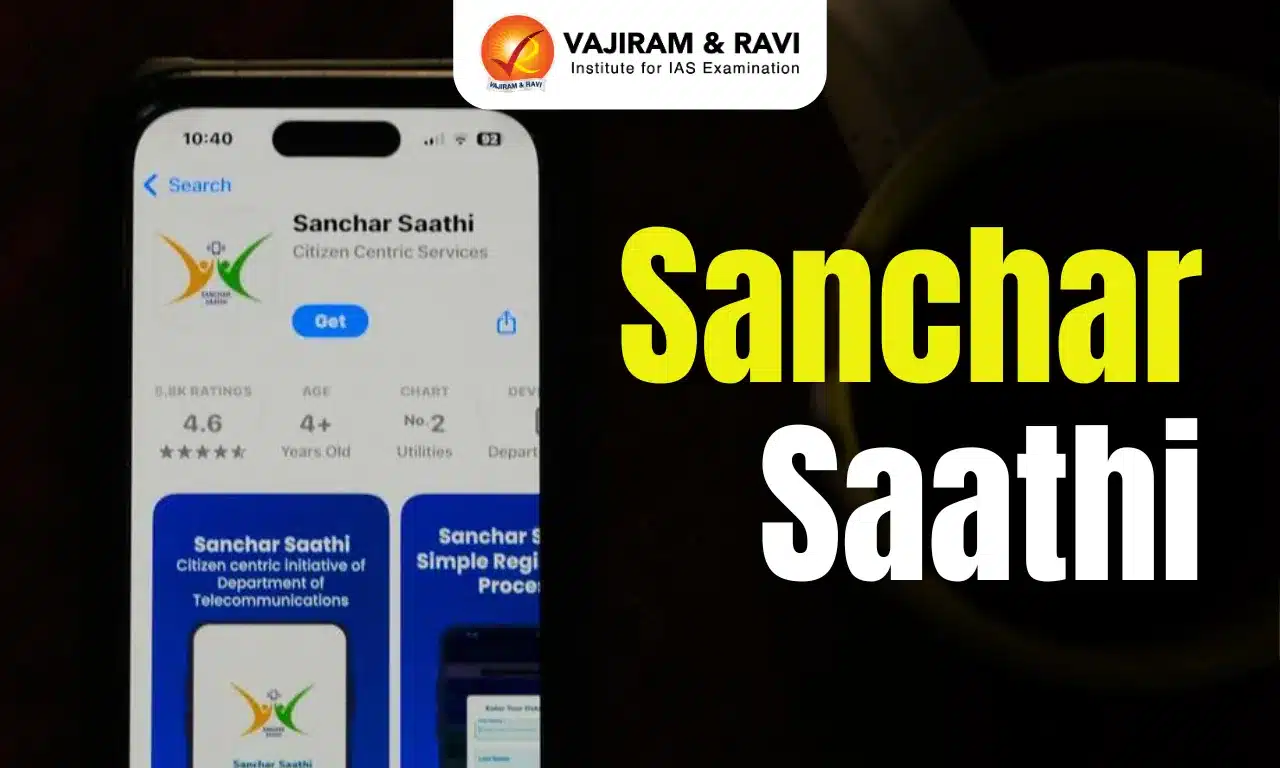
Sanchar Saathi App: Features, Mandate, Privacy Issues & Govt Rules Explained

Sanchar Saathi

Sanchar Saathi Latest News

  • The Centre has directed smartphone manufacturers to preinstall the government-developed Sanchar Saathi app on all new devices and push it via software updates to existing phones. 
  • The app allows users to report fraudulent calls, scam messages, and stolen mobile phones. Importantly, the government has asked that the app cannot be deleted by users.
  • Earlier, the DoT told companies that the app must be non-deletable, non-restrictable, and non-disableable, raising concerns about privacy and forced compliance.
  • Later, the Telecom Minister clarified that Sanchar Saathi is not mandatory and users may delete it if they wish.

About Sanchar Saathi

  • Sanchar Saathi is an optional mobile app and website developed by the Department of Telecommunications (DoT). 
  • It aims to empower mobile users, enhance security, and raise awareness about government initiatives. 
  • The platform provides multiple citizen-focused services, along with updates and educational material on telecom, cybersecurity, and end-user protection.

Key Services Offered by Sanchar Saathi

  • Sanchar Saathi provides a range of tools to strengthen user security, prevent fraud, and help track stolen devices.

Chakshu: Reporting Suspected Fraud Communication

  • Chakshu allows users to report suspicious calls, SMS, WhatsApp messages, or other communications linked to:
    • Impersonation of DoT, TRAI, police, or government officials
    • Investment or trading scams
    • Fake KYC or payment-related messages from banks, utilities, or insurance
    • Malicious links, phishing attempts, unverified APKs, and device-cloning attempts
  • Chakshu cannot be used to file cybercrime complaints.
  • Users may also report spam or Unsolicited Commercial Communication (UCC), which is addressed under The Telecom Commercial Communication Customer Preference Regulation (TCCCPR), 2018 regulations of TRAI.

Block and Track Lost or Stolen Mobile Phones

  • Sanchar Saathi enables users to:
    • Block a lost or stolen mobile device
    • Trace the device when someone tries to use it
    • Unblock it after recovery
  • The service uses the phone’s IMEI number, a unique 15-digit identifier stored by mobile networks.

Mandatory Phone-Number Registration

  • Registration using a mobile number is compulsory for using the app’s features.
  • The app states this is required to “identify the mobile number” linked to its services.
  • On Android phones, the app automatically detects the active phone number and sends a registration SMS to DoT without explicit user consent.
    • This has raised major privacy concerns.

What Permissions Sanchar Saathi Seeks on Android

  • Send SMS - Enables the app to send the automatic registration SMS to DoT.
  • Call and SMS Logs - Allows reporting suspicious calls or messages through the app.
  • Photos and Files - Needed to upload screenshots of scam calls/SMS or documentation for lost/stolen phone reporting.
  • Camera Access - Used to scan a phone’s IMEI barcode to verify device authenticity.

Legal Basis for Mandating Sanchar Saathi

  • The government’s directive relies on expanded powers under the Telecommunications Act, 2023 and the amended Telecom Cyber Security (TCS) Rules, 2024.
    • TCS rules were amended in 2025.
  • While DoT had earlier assured that its mandate would remain limited to telecom operators, the November 2025 amendment broadened the scope significantly.

Expanded Definition: Who Falls Under DoT’s Authority Now

  • The amendment introduced the term Telecommunication Identifier User Entity (TIUE) — covering any entity that uses a phone number to identify users.
  • This includes:
    • Smartphone manufacturers
    • Messaging platforms like WhatsApp
    • Apps requiring phone-number verification
  • Under this broadened definition, DoT:
    • Mandated WhatsApp and other platforms to auto-log-out web sessions every six hours
    • Required WhatsApp accounts to stop working if used on devices without the registered SIM
  • The Sanchar Saathi pre-installation mandate arises from this expanded rule set.

Constitutional Concerns and Right to Privacy

  • Experts warn that forced installation and a ban on uninstalling the app may face constitutional scrutiny.
    • Smartphone makers warn that complying with the mandate may require deep OS-level changes, potentially weakening device security.
    • Concerns are amplified because:
      • Sanchar Saathi is government-backed, and state agencies receive broad exemptions under India's Data Protection Act.
      • Critics fear this could give the Centre greater control over digital ecosystems and expand state surveillance capabilities.
  • Experts noted:
    • The Puttaswamy judgment protects the right to privacy.
    • State-mandated apps must meet tests of legality, necessity, proportionality, and least intrusive means.
    • Aadhaar survived scrutiny partly because it was categorised as voluntary at the time.
  • By making Sanchar Saathi pre-installed and uninstallable, the mandate shifts from a voluntary security tool to compelled compliance, raising privacy concerns.

Source: IE | TH | IE

Sanchar Saathi FAQs

Q1: What is the Sanchar Saathi app?

Ans: Sanchar Saathi is a DoT-developed platform offering tools to report fraud calls, scam messages, spam, and block or trace lost phones using IMEI-based services.

Q2: What services does Sanchar Saathi provide?

Ans: It enables reporting suspicious communications via Chakshu, tracking stolen phones, blocking devices nationwide, viewing mobile connections, and accessing telecom security awareness material.

Q3: Why was Sanchar Saathi mandated for pre-installation?

Ans: DoT used expanded powers under the Telecom Act and Cybersecurity Rules to require preinstallation, arguing it improves user security and combats rising digital fraud.

Q4: What privacy concerns have been raised?

Ans: Critics warn the app’s non-removable mandate, auto-registration and access to call/SMS logs, files, and camera could enable surveillance and violate privacy principles under Puttaswamy.

Q5: What permissions does the app access?

Ans: On Android, it requests SMS, call logs, photos, files, and camera access. On iOS, only limited permissions are allowed due to Apple’s stricter privacy guardrails.


Chambal River

Chambal River

Chambal River Latest News

Efforts to reclaim degraded land from Chambal ravines expose both people and biodiversity to ecological risks from erosion and flooding.

About Chambal River

  • The Chambal River, called Charmanvati in ancient times, is one of the major tributaries of the Yamuna River. 
  • Located in Central India, the river forms part of the greater Gangetic drainage system.
  • It is known for its clear and pristine waters, and it is also one of the cleanest rivers in India. 
  • Course
    • It is a perennial river and has its source in Janapav, located to the south of Mhow Town close to Indore on the southern sides of the Vindhya Mountain Range in Madhya Pradesh.
    • The river flows north-northeast through Madhya Pradesh, running for a time through Rajasthan, then forming the boundary between Rajasthan and Madhya Pradesh before turning southeast to join the Yamuna in Uttar Pradesh. 
    • It flows through three Indian states: Madhya Pradesh, Rajasthan, and Uttar Pradesh. 
    • It is the largest of the rivers flowing through Rajasthan.
    • Total Length: 1024 kilometres 
  • Drainage
    • To its south, east, and west, the basin is defined by the Vindhyan mountain ranges, while the northwestern boundary is marked by the Aravalli range.
    • The Chambal and its tributaries drain the Malwa region of northwestern Madhya Pradesh, while its tributary, the Banas, which rises in the Aravalli Range, drains southeastern Rajasthan.
  • Tributaries: The main tributaries of Chambal include the Banas and Mej rivers on the left and the Parbati, Kali Sindh, and Shipra rivers on the right.
  • Major Dams: Gandhi Sagar, Jawahar Sagar, Rana Pratap Sagar, and Kota Barrage dams are built on this river.
  • Notable Landmark: Pachnada confluence in Uttar Pradesh, where it meets the Kwari, Yamuna, Sind, and Pahuj rivers.
  • National Chambal Sanctuary: 
    • Established in 1979, it covers 5400 sq.km. across Rajasthan, Madhya Pradesh, and Uttar Pradesh.
    • Known for protecting the critically endangered Gharial crocodile, along with other crocodile species, turtles, and diverse fish.
    • A hotspot for birdwatching with over 300 bird species, including the endangered Indian Skimmer.

What is a Ravine?

  • It is a narrow valley with steep sides, usually caused by stream bank erosion. 
  • Their slopes can be quite sharp, often between 20% and 70% in gradient.
  • Ravines are smaller than canyons and larger than gullies.

Source: DTE

Chambal River FAQs

Q1: Where does the Chambal River originate?

Ans: It has its source in Janapav, located to the south of Mhow Town close to Indore on the southern sides of the Vindhya Mountain Range in Madhya Pradesh.

Q2: The Chambal River is a major tributary of which river?

Ans: Yamuna

Q3: Chambal River flows through which Indian states?

Ans: Madhya Pradesh, Rajasthan, and Uttar Pradesh.

Q4: What is the total length of the Chambal River?

Ans: 1024 km

Cold Wave

Cold Wave

Cold Wave Latest News

Higher than normal cold wave days are expected to impact parts of central India as well as some regions in northwest and northeast India, according to the India Meteorological Department (IMD).

About Cold Wave

  • Cold waves are unusual weather occurrences caused by extremely low temperatures in the near-surface atmosphere.
  • Their duration can range from several days to a few weeks, contingent upon the geography and climatic conditions of the region.
  • The India Meteorological Department (IMD) defines a cold wave as a rapid fall in temperature within 24 hours. 
  • This is distinguished by a marked cooling of the air, or with the invasion of very cold air, over a large area.
  • As per IMD, a cold wave is considered when the minimum temperature of a station is 10°C or less for plains and 0°C or less for hilly regions. 
    • A cold wave and severe cold wave is considered a negative departure from normal i.e., 4.5°C to 6.4°C and more than 6.4°C in hill stations, respectively. 
    • Similarly, the departure in minimum temperature of ≤ 04°C and ≤ 02°C for plains is considered a cold wave and severe cold wave, respectively.
  • Cold waves are predominantly experienced during the period December-February, when minimum temperatures drop to very low levels, especially over the northern parts of India. 
  • Health Risks:
    • Exposure to extreme cold can lead to frostbite, hypothermia, and other cold-related illnesses.
    • Non-freezing cold injuries, such as Immersion Foot—caused by prolonged exposure to cold, wet conditions—are also a risk.
    • In extreme cases, cold exposure may result in fatalities if adequate precautions are not taken.

Source: HT

Cold Wave FAQs

Q1: What is a cold wave according to the India Meteorological Department (IMD)?

Ans: A rapid fall in temperature within 24 hours over a large area.

Q2: As per IMD, what minimum temperature qualifies as a cold wave in the plains?

Ans: 10°C or less

Q3: Cold waves are most commonly experienced in India during which months?

Ans: December–February

Q4: What indicates a severe cold wave in hilly regions?

Ans: Departure of minimum temperature ≥ 6.4°C from normal.

GLP-1 Drugs

GLP-1 Drugs

GLP-1 Drugs Latest News

Recently, the World Health Organization has finally issued global guidelines on the use of popular GLP-1 drugs for weight loss.

About GLP-1 Drugs

  • The Glucagon-like peptide-1 (GLP-1) or GLP-1 receptor agonists are synthetic drugs which are being used for the treatment of obesity in adults.  
  • These drugs are mainly injectables, though oral versions are under development.
    • Examples: Two leading GLP-1 drugs are: Semaglutide and Tirzepatide (by Eli Lilly)
  • Both have been introduced in India and are transforming obesity and diabetes treatment.

How Do GLP-1 Drugs Work?

  • These drugs act by:
    • Increasing insulin secretion when glucose is high.
    • Inhibiting glucagon release, reducing liver glucose output.
    • Slowing gastric emptying, preventing sudden spikes in blood sugar.
    • Suppressing appetite, making the person feel full sooner.

Key Facts about Glucagon-like peptide-1

  • GLP-1 is both an incretin hormone and a neurotransmitter.
  • It is a naturally occurring gut hormone (incretin) released after food intake.
  • It is secreted from the small intestine and from the hindbrain after we eat a meal.
  • It travels to the pancreas, where it helps to regulate our blood sugar by increasing insulin and decreasing glucagon.
  • It works for just a few minutes, so after you eat a meal and GLP-1 is secreted naturally, it gives an immediate effect that lasts maybe 30 minutes.
  • GLP-1 also has beneficial effects in many organs, such as the kidney, liver, and cardiovascular system.

Source: TH

GLP-1 Drugs FAQs

Q1: What is the primary use of GLP-1 drugs?

Ans: To manage type-2 diabetes and obesity

Q2: How do GLP-1 drugs work?

Ans: It works by suppressing glucagon and slowing stomach emptying.

COP30 Outcomes: Roadmap to End Deforestation

Deforestation

Deforestation Latest News

  • The 30th UN Climate Conference (COP30) in Belem, Brazil, ended with a political agreement, known as the Global Mutirao Agreement, that commits nations to prepare two major roadmaps: one to halt and reverse deforestation, and another to “transition away” from fossil fuels. 
  • While the forest roadmap received broad support, the final text avoided binding commitments on fossil fuel phase-out, underscoring sharp geopolitical divisions.

Roadmap Focused on Ending Deforestation

  • The centrepiece of the conference was a strong political push to address global deforestation.
  • COP30 President announced a dedicated deforestation roadmap, which countries will develop over the coming year.
  • This aligns with host country Brazil’s emphasis that climate action must prioritise forest protection, biodiversity conservation, and indigenous rights.
  • The roadmap is expected to mobilise:
    • Additional finance for forest conservation,
    • Cross-border cooperation to curb illegal logging,
    • Long-term strategies for restoring degraded landscapes,
    • Support systems for forest and indigenous communities.
  • With COP30 held in the heart of the Amazon biome, the emphasis on forest protection carried both symbolic and strategic significance.

Fossil Fuels: The Most Divisive Issue at COP30

  • Demands for a Phase-Out
    • Over 80 countries, including the EU and small island nations, pushed for explicit language requiring a phase-out of fossil fuels, the world’s largest source of greenhouse gas emissions. 
    • They sought a clear timeline and measurable commitments.
  • Resistance from Developing Nations
    • Major developing economies, India, China, Russia, Saudi Arabia, and South Africa, opposed binding phase-out language. Their arguments included:
      • National energy needs and development priorities,
      • Concerns over inadequate climate finance,
      • Rejection of uniform global timelines that disregard domestic realities.
    • India and several BRICS members insisted that energy transitions must be nationally determined, not externally imposed.
  • Outcome: A Non-Binding ‘Transition Away’ Roadmap
    • As a compromise, COP30 adopted:
      • A broad commitment to “transition away from fossil fuels”, but
      • No timeline,
      • No mandatory reduction pathway, and
      • A separate voluntary roadmap, announced by the President, outside the formal COP text.
    • This reflects a politically negotiated midpoint, with developing nations effectively shaping the narrative.

The Emerging Power Shift in Climate Diplomacy

  • A COP Without the United States
    • For the first time in three decades, the United States did not send an official delegation. 
    • This absence dramatically changed the negotiation landscape, weakening the bargaining influence of developed countries.
  • BRICS’ Ascendance
    • In the US vacuum, BRICS countries emerged as a decisive bloc. They influenced:
      • The removal of fossil phase-out language,
      • The insertion of flexibility for developing nations,
      • Greater focus on equity and economic justice,
      • Attention to trade-related climate barriers, such as the EU’s Carbon Border Adjustment Mechanism (CBAM).
    • This marks a new era in climate governance, one where negotiating power is more distributed and multipolar.

Climate Finance: The Central Fault Line

  • Finance remained one of the most contentious issues at COP30.
  • A Two-Year Finance Work Programme
    • Countries agreed to launch a two-year programme to address global climate finance needs, including:
      • Clearer methodologies for estimating finance gaps,
      • Strengthening transparency on financial flows,
      • Designing mechanisms for predictable and adequate funds.
  • Adaptation Finance Commitments
    • COP30 highlighted the severe shortfall in adaptation finance and called for:
      • Tripling global adaptation finance by 2035,
      • Prioritising support to vulnerable nations.
  • Paris Agreement Article 9.1 Reaffirmed
    • Developing countries secured a key recognition:
      • Under Article 9.1, developed countries have a mandatory obligation to provide climate finance to developing countries, not voluntary or negotiated.
    • This acknowledgement was a major diplomatic win for the Global South.

Other Agreements Adopted Under the Global Mutirao

  • COP30 also adopted 10 thematic agreements, covering:
    • Technology transfer,
    • Loss and damage,
    • Global Goal on Adaptation,
    • Just energy transition and livelihood protection,
    • Implementation and transparency frameworks.
  • These agreements will shape negotiations leading to COP31.

Significance of COP30

  • COP30 may not have delivered a dramatic breakthrough like a fossil fuel phase-out, but it represents an important political turning point.
  • It rebalanced global climate negotiations, giving developing nations a stronger voice.
  • It produced a realistic agreement centred on equity, rather than overly ambitious but unattainable targets.
  • It reinforced the importance of forests, particularly the Amazon, in stabilising global climate systems.
  • It highlighted deep divides on fossil fuels that will dominate future COP discussions.

Source: TH | IE

Deforestation FAQs

Q1: What roadmaps were announced at COP30?

Ans: Roadmaps to halt deforestation and pursue a voluntary fossil fuel transition.

Q2: Why did COP30 not include a fossil fuel phase-out?

Ans: Developing nations opposed binding timelines, citing national circumstances and inadequate finance.

Q3: What is the Global Mutirão agreement?

Ans: A political package addressing finance, adaptation, technology, and cooperation frameworks.

Q4: How did COP30 address climate finance?

Ans: By launching a two-year finance programme and calling for tripling adaptation finance by 2035.

Q5: Why is COP30 geopolitically significant?

Ans: The US absence enabled BRICS nations to shape the outcome, shifting negotiation power balances.

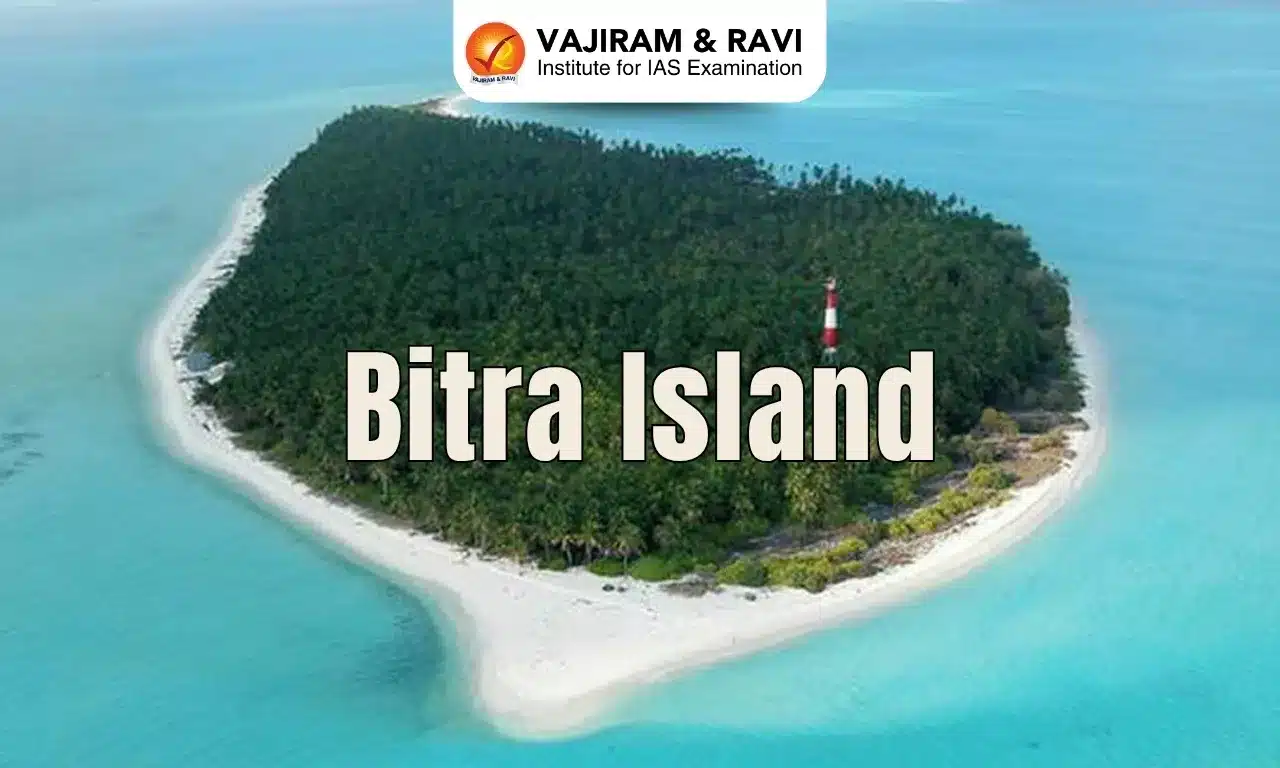
Bitra Island

Bitra Island

Bitra Island Latest News

The Chief of Staff of the Southern Naval Command recently said the Navy is setting up a detachment in Bitra Island, which "is more or less completed".

About Bitra Island

  • It is located in the northern region of Lakshadweep in the Arabian Sea.
  • It is the smallest inhabited island in the territory. 
  • It has a land area of 0.105 sq.km. 
  • It has a length of 0.57 km and a width of 0.28 km at the broadest point. 
  • Though the land area is small, its lagoon area is 45.61 sq.km.
  • There is a small shrine of Malik Mulla, an old Arab saint who is said to have been buried here. The shrine is a place of pilgrimage for the people of other islands.
  • As per the 2011 census, the population of Bitra Island is 271.
  • Climate:
    • The climate of Bitra is similar to the climatic conditions of Kerala. March to May is the hottest period of the year.
    • The temperature ranges from 25°C to 35°C, and humidity ranges from 70 to 76 percent for most of the year.
  • It used to be covered by thick shrubs and was the breeding ground for seabirds. In the early 19th century the birds left the place due to human interference.
  • It is strategically important to India, as it lies in a key position in the Arabian Sea.
  • Bitra would become the third island in the archipelago with a defence establishment – two Indian naval bases in the archipelago are INS Dweeprakshak in Kavaratti, the capital of the UT, and INS Jatayu in Minicoy.

Source: NIE

Bitra Island FAQs

Q1: Where is Bitra Island located?

Ans: It is located in the northern region of Lakshadweep in the Arabian Sea.

Q2: What is the land area of Bitra Island?

Ans: It has a land area of 0.105 sq.km.

Q3: Which saint’s shrine is located on Bitra Island?

Ans: Malik Mulla, an old Arab saint.

Q4: As per the 2011 Census, what is the population of Bitra Island?

Ans: 271

Bonda Tribe

Bonda Tribe

Bonda Tribe Latest News

Members of the Bonda community in Odisha’s Malkangiri district are set to transition from fragile thatched huts to permanent pucca houses under the Union government’s PM-Janman scheme.

About Bonda Tribe

  • The Bondas are exclusively found in the Malkangiri district of Odisha and are mostly concentrated in the Khairaput block of the district.
  • It is a particularly vulnerable tribal group (PVTG) and one of the oldest tribes of India.
  • They are also known as Bondo, Bondas, Bonda Paraja, and Bhonda.
  • With a population of approximately 7,000 people, they live in a mountainous and forest ecosystem
  • They are considered one of the first settlers in India, with their lineage tracing back to the Austroasiatic race. 
  • Language
    • The Bonda people speak Remo, a language belonging to the Austroasiatic linguistic family.  
    • This is distinct from mainstream Indian languages, making it difficult for outsiders to communicate with them. 
  • The Bondas are divided into two groups because of their distinct cultural practices:
    • The Lower Bondas, who live in the Malkangiri district in south Odisha and border Andhra Pradesh and Chhattisgarh, and
    • The Upper Bondas, who live in the remote villages of the district’s hilly terrain.
  • The social organization is hierarchical, with a council of elders that makes important decisions for the community.
  • The Bonda people live in small villages organized around communal spaces where ceremonies and meetings take place.
  • Bonda architecture is characterized by mud and thatched-roof houses, designed to adapt to the mountainous environment and climatic conditions. 
  • The art of the Bonda is expressed mainly through the creation of decorative tools and utensils, in addition to their colorful fabrics and jewelry.
  • They have an interesting dressing style – ladies are semiclad and wear different sorts of rings and pieces of jewelry around their bodies, while the men wear deadly attires.
  • Religion: The religion of the Bonda people is animistic, focused on the worship of nature and ancestral spirits. 
  • Occupation
    • Their economy is based mainly on subsistence agriculture, hunting, and gathering.
    • They are known for their unique practice of shifting cultivation called dangar chas. 
    • They grow crops like paddy, millet, pulses, and vegetables.
  • Only 6% of Bondas are literate. The life expectancy of the tribe is so low they are nearly extinct.

Source: DC

Bonda Tribe FAQs

Q1: The Bonda Tribe is primarily found in which Indian state?

Ans: Odisha

Q2: The Bonda Tribe is classified under which category?

Ans: Particularly Vulnerable Tribal Group (PVTG)

Q3: The language spoken by the Bonda people, Remo, belongs to which linguistic family?

Ans: Austroasiatic linguistic family.

Q4: What is the estimated population of the Bonda Tribe?

Ans: About 7,000

Q5: What type of agriculture is traditionally practiced by the Bonda people?

Ans: Shifting cultivation (dangar chas)

Enquire Now