International Energy Agency (IEA)

International Energy Agency

International Energy Agency Latest News

Recently, energy ministers from 54 countries reinforced global cooperation on energy security, critical minerals and the clean energy transition at the ministerial meeting of the International Energy Agency.

About International Energy Agency

  • It is an autonomous intergovernmental organisation within the OECD framework.
  • It works with governments and industry to shape a secure and sustainable energy future for all.
  • Background: It was established in 1974, in the wake of the 1973-1974 oil crisis, to help its members respond to major oil supply disruptions, a role it continues to fulfill today.
  • Mandate: Tracking and analyzing global key energy trends, promoting sound energy policy, and fostering multinational energy technology cooperation.
  • Focus Area: It focuses on four main areas: energy security, economic development, environmental awareness, and engagement worldwide.
  • Member Countries: It consists of 31 member countries and eleven association countries.
    • A candidate country to the IEA must be a member country of the Organisation for Economic Co-operation and Development (OECD).
  • India joined this organization in 2017 as an Associate member.
  • Reports published by IEA: World Energy Outlook, World Energy Balances, Energy Technology Perspectives, World Energy Statistics and Net Zero by 2050.
  • Headquarters: Paris, France.

Source: DTE

International Energy Agency FAQs

Q1: Where is the IEA headquartered?

Ans: Paris

Q2: What is the main goal of the IEA?

Ans: Ensure energy security and promote sustainable energy
Merchandise Trade Indices

Merchandise Trade Indices

Merchandise Trade Indices Latest News

Directorate General of Commercial Intelligence and Statistics revised base year of Merchandise Trade Indices to FY 2022–23 to reflect current trade structure and global patterns.

About Merchandise Trade Indices

  • It is compiled and published by the Directorate General of Commercial Intelligence and Statistics (DGCI&S), Ministry of Commerce & Industry.
  • Purpose: It measures changes in the unit values (prices) of India’s exports and imports over time.
  • Base Year: It was revised from FY 2012–13 to FY 2022–23.
  • The revised series includes
    • Monthly, Quarterly and Annual Indices (Export Unit Value Index,Import Unit Value Index).
    • Principal Commodity (PC) Classification wise Trade Indices (Export/Import).
    • Standard International Trade Classification-wise (SITC) Trade Indices.
    • Broad economic categories-wise (BEC) Trade Indices.
    • Bilateral and Region-wise Trade Indices of Top 20 Export and Import partner nations of India.
    • Terms of Trade (Gross terms of trade, Net terms of trade and Income terms of trade).
  • Significance: These indices serve as important indicators of external sector price movements and are widely used for economic analysis, including national accounts compilation and assessment of terms of trade.

Source: PIB

Merchandise Trade Indices FAQs

Q1: What is the primary purpose of Merchandise Trade Indices?

Ans: To measure changes in unit values (prices) of exports and imports

Q2: Which organization compiles and publishes Merchandise Trade Indices in India?

Ans: Directorate General of Commercial Intelligence and Statistics (DGCI&S)

Floreana Island

Key Facts about Floreana Island

Floreana Island Latest News

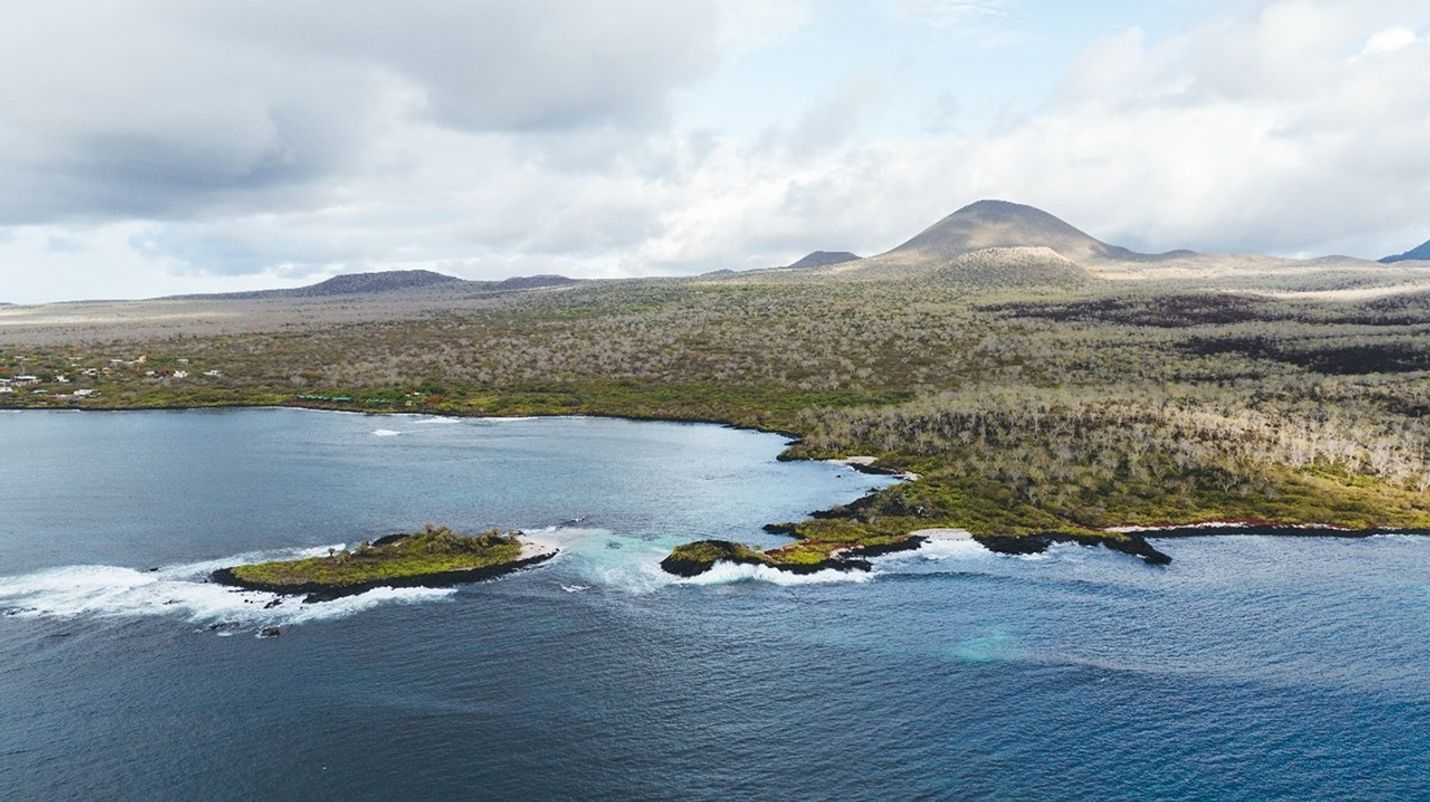
More than 150 giant tortoises have been recently reintroduced to Floreana Island in Ecuador's famed Galapagos archipelago, where they disappeared more than a century ago.

About Floreana Island

  • Floreana, officially "Santa Maria," is located on the southern end of the Galápagos Archipelago off the west coast of continental Ecuador. 
  • Spanning approximately 173 sq.km., it is a volcanic landmass.
  • Situated in the middle of the Pacific Ocean — roughly 1,000 kilometers from the mainland coast — it remains a remote and vital ecological site.
  • It supports a range of habitats, including coastal lagoons, volcanic highlands, and offshore reefs.
  • It was the first island to be colonized by Ecuadorians in 1832. It was a penal colony that didn’t last long because of the lack of fresh water. 
  • Today, only around 150 people live here, most in the small coastal settlement of Puerto Velasco Ibarra, one of the smallest and most isolated communities in the Galapagos.
  • The majority of the inhabitants of Floreana Island still make a living through farming. 
  • The main water source for the entire island is one natural pond that only fills up during the rainy season.
  • It is known for the historic Post Office Bay, where a barrel mail system (dating to the 18th century) is still used by visitors.
  • Of all the Galápagos Islands, Floreana is the one most affected by the presence of humans and their introduction of goats, which ended up roaming loose on the island for many years. 
  • The goats and some other non-native species were completely removed by the Galápagos National Park in 2007.
  • It has the highest concentration of species threatened by invasive mammals of any Galápagos Island, with 54 IUCN Red-Listed species present.

Source: ETVB


Floreana Island FAQs

Q1: Where is Floreana Island located?

Ans: At the southern end of the Galápagos Archipelago, off the west coast of Ecuador.

Q2: What is the official name of Floreana Island?

Ans: Santa Maria.

Q3: What types of habitats are found on Floreana Island?

Ans: Coastal lagoons, volcanic highlands, and offshore reefs.

Q4: When was Floreana Island first colonized by Ecuadorians?

Ans: In 1832.

Q5: Why is Floreana Island ecologically significant among the Galápagos Islands?

Ans: It has the highest concentration of species threatened by invasive mammals, with 54 IUCN Red-listed species.

Baglihar Hydropower Project

Baglihar Hydropower Project

Baglihar Hydropower Project Latest News

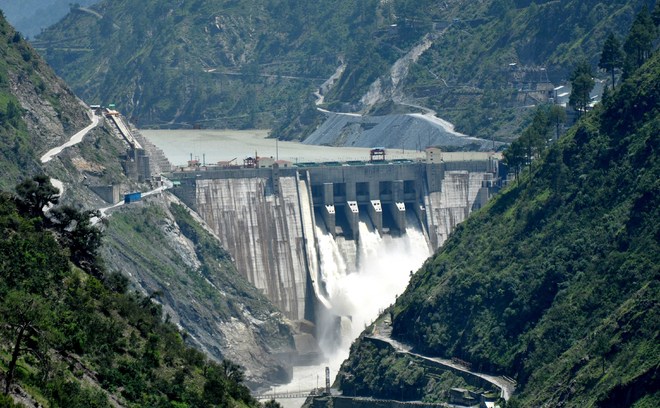
Operations were suspended at the 450 MW stage 1 Baglihar hydropower project on the Chenab river in Jammu and Kashmir after it got flooded recently.

About Baglihar Hydropower Project

  • It is a 900 MW run-of-the-river power project on the Chenab River in the Ramban district of Jammu and Kashmir.
  • It consists of a concrete gravity dam 144.5 m high and 363 m long, which has a total volume of 1.9 million m³, creating a reservoir with a capacity of 475 million m³.
  • The underground powerhouse is 221 m long, 24 m wide, and 51 m high. 
  • The project consists of two stages of 450 MW each.
  • The project construction commenced in 1999 and subsequently entered into commercial operation in 2008.

Key Facts about Chenab River

  • It is the largest of the five tributaries of the Indus River.
  • Course:
    • Origin: It is formed by the confluence of two streams, Chandra and Bhaga, in the Lahaul and Spiti Districts of Himachal Pradesh.
    • In its upper reaches, it is also known as the Chandrabhaga.
    • It flows through the Jammu and Kashmir union territory, Himachal Pradesh, and after receiving the Jhelum River near Trimmu, the Chenab empties into the Sutlej River.
  • Total Length: 974 kilometers
  • The Chenab valley is a structural trough formed by the great Himalayan and Pir Panjal ranges.
  • Major Tributaries:
    • Left Bank: Niru, Tawi, Neeru, and Liddrari.
    • Right Bank: Ans, Bhut Nalla, Bichleri, Kalnai Marusudar, and Miyar Nalla.
  • Major Dams on Chenab River: Salal (rockfill dam), Aalal (concrete dam), Baglihar, and Dul.

Source: TOI


Baglihar Hydropower Project FAQs

Q1: On which river is the Baglihar Hydropower Project located?

Ans: The Chenab River.

Q2: What is the total installed capacity of the Baglihar Hydropower Project?

Ans: 900 MW.

Q3: What type of hydropower project is Baglihar?

Ans: A run-of-the-river power project.

Q4: What type of dam has been constructed under the Baglihar Project?

Ans: A concrete gravity dam.

Indian Star Tortoise

Key Facts about Indian Star Tortoise

Indian Star Tortoise Latest News

A slow-moving star-shelled tortoise was rescued and safely relocated to another part of the forest while escaping a fast-spreading ground fire in the Amrabad Tiger Reserve.

About Indian Star Tortoise

  • It is a medium-sized terrestrial tortoise.
  • Scientific Name: Geochelone elegans.
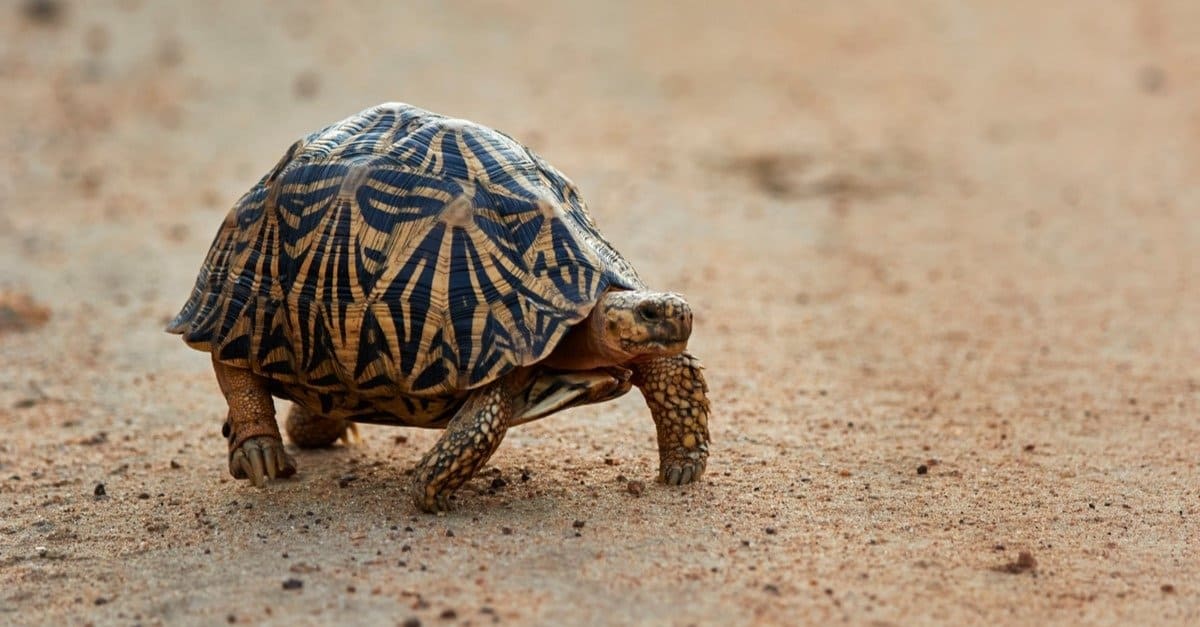
  • Their name comes from the star-like pattern on their shell
  • These patterns act as camouflage by helping to break up the shell outline so that it more easily blends into its surroundings.
  • Distribution: It is native to India, Pakistan and Sri Lanka where it inhabits dry areas and scrub forest. 

Indian Star Tortoise Features

  • It can grow to 10 inches long. Females are considerably larger than their male counterparts.
  • The upper shell or carapace is coloured in dark brown or black with light brown or yellow lines radiating out from the centre of each scale to provide the star pattern.
  • The pattern itself varies greatly from a simple pale ‘X’ shape in some tortoises to an intricate and complex array of stripes spreading from the central hub of each scale. 
  • It has a lifespan of 35 to 80 years in the wild.
  • These solitary animals do not hibernate, but when it is very dry and hot, or very cold, they stay inactive. 

Indian Star Tortoise Conservation Status

It is classified as 'Vulnerable' under the IUCN Red List.

Key Facts about Amrabad Tiger Reserve

  • It is located in the Nallamala hills of the Eastern Ghats in Telangana state.
  • Spread over 2611.4 sq.km., it is one of the largest tiger reserves in India.
  • It was originally part of the larger Nagarjunasagar-Srisailam Tiger Reserve before the bifurcation of Andhra Pradesh and Telangana in 2014.
  • The reserve is renowned for its rugged terrain, deep valleys, and dense forests.
  • Within the reserve lies the historic Nagalapuram fort.
  • The Krishna River and its perennial streams originating within the reserve contribute to the water supply of major reservoirs such as the Srishailam Dam and Nagarjunsagar Dam.
  • The Chenchu tribe is one of the major tribal communities that live in the ATR.
  • Flora
    • It is characterized by dry deciduous forests, primarily made up of sal, teak, bamboo, and acacia trees. 
    • The forest is rich in medicinal plants and shrubs, which have long been used by local tribes for traditional remedies.
  • Fauna:
    • Apart from tigers, the reserve supports a range of other big cats, such as leopards and wild cats, along with herbivores like sambar deer, chital (spotted deer), nilgai (blue bull), wild boar, and the Indian bison (gaur). 
    • Over 303 bird species have been identified in this region. Some important groups include Eagles, Pigeons, Doves, Cuckoos, Woodpeckers, Drongos, etc.

Source: DC


Indian Star Tortoise FAQs

Q1: What is the scientific name of the Indian Star Tortoise?

Ans: Geochelone elegans

Q2: In which countries is the Indian Star Tortoise naturally found?

Ans: India, Pakistan, and Sri Lanka.

Q3: What type of habitat does the Indian Star Tortoise prefer?

Ans: Dry areas and scrub forests.

Q4: What is the IUCN conservation status of the Indian Star Tortoise?

Ans: Vulnerable

Exercise Vajra Prahar 2026

Exercise Vajra Prahar 2026

Exercise Vajra Prahar 2026 Latest News

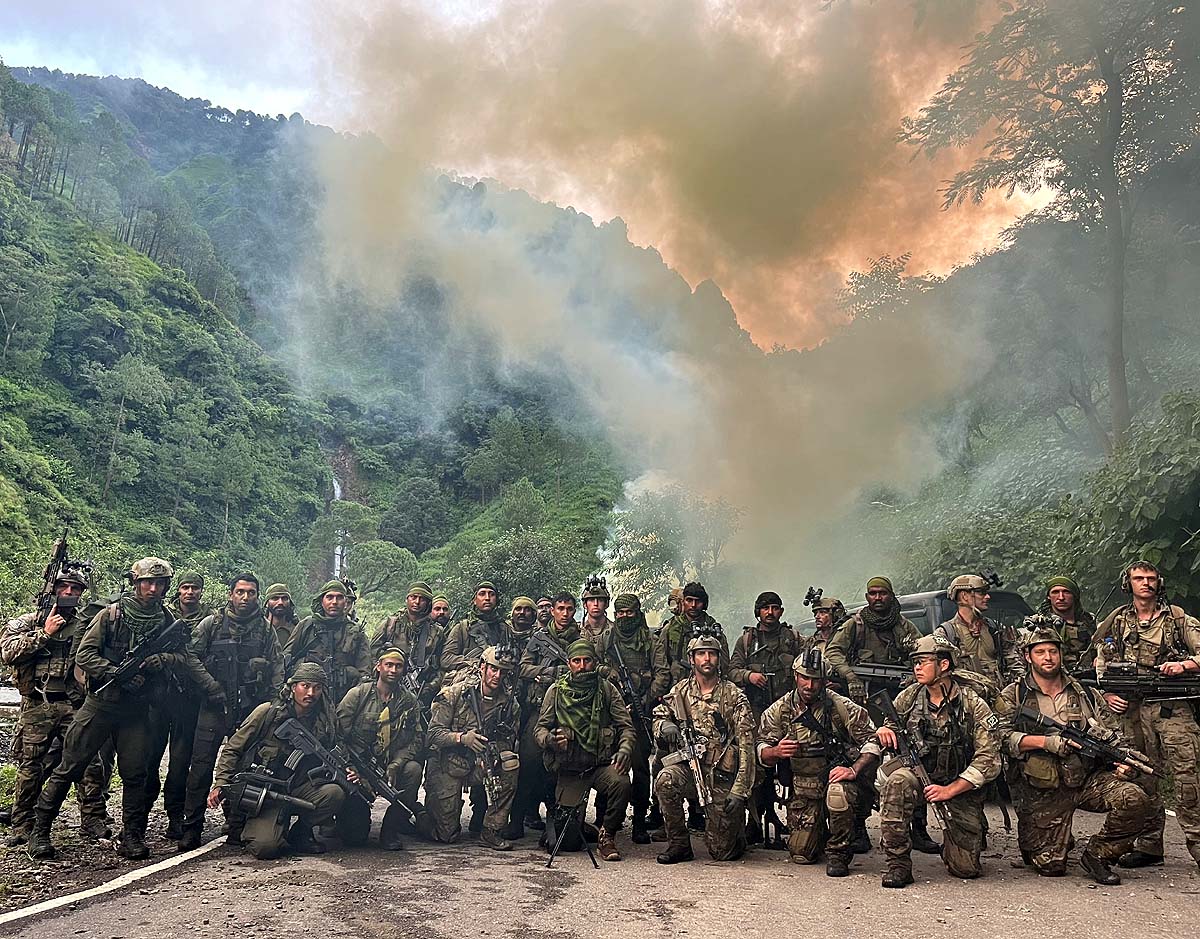
The Indian and US armies will hold the 16th edition of joint Special Forces exercise, Vajra Prahar, at the Special Forces Training School, Bakloh, Himachal Pradesh.

About Exercise Vajra Prahar 2026

  • It is the joint Special Forces exercise between the Indian Army and US Army.
  • The exercise is designed to deepen defence cooperation, enhance interoperability and joint operational readiness, and enable the exchange of advanced special operations tactics, techniques, and procedures.
  • The year 2026 marks the 16th edition of the exercise.
    • It will be held at the Special Forces Training School, Bakloh, Himachal Pradesh.
    • The focus this year will be on the exchange of advanced special operations tactics, techniques and procedures (TTPs), honed through rigorous training in realistic combat scenarios.
    • It will place strong emphasis on counter-terror operations, precision strikes, intelligence-based missions, and joint planning under simulated battlefield conditions.

Source: RW


Exercise Vajra Prahar 2026 FAQs

Q1: Exercise Vajra Prahar is conducted between the armed forces of which two countries?

Ans: India and the United States.

Q2: What is the primary objective of Exercise Vajra Prahar?

Ans: To enhance defence cooperation, interoperability, and joint operational readiness.

Q3: Where will the 2026 edition of Exercise Vajra Prahar be held?

Ans: At the Special Forces Training School, Bakloh in Himachal Pradesh.

Q4: Which edition of Exercise Vajra Prahar is being conducted in 2026?

Ans: The 16th edition.

Taftan Volcano

Taftan Volcano

Taftan Volcano Latest News

Taftan Volcano in southeastern Iran has nudged upward by about 3.5 inches (9 centimeters) in 10 months.

About Taftan Volcano

  • It is a stratovolcano located in southeastern Iran, close to the border with Pakistan.
  • It rises approximately 4,000 meters (13,000 feet) above sea level, making it the tallest mountain in southeastern Iran. 
  • The volcano contains two summits (Narkuh and Matherkuh).
  • It hosts an active hydrothermal system and smelly, sulfur-emitting vents called fumaroles.
  • It is the only active volcano in the Makran continental volcanic arc formed by the subduction of the Arabian Plate beneath the Eurasian Plate.
  • It isn't known to have erupted in human history.
  • Geologists estimate that its last major eruption occurred around 700,000 years ago, long before the emergence of Homo sapiens.
  • Today, it still vents heat and gas through fumaroles near its summit, evidence that geothermal activity persists below.

Source: EARTH


Taftan Volcano FAQs

Q1: Where is Taftan Volcano located?

Ans: In southeastern Iran, near the border with Pakistan.

Q2: What type of volcano is Taftan?

Ans: A stratovolcano.

Q3: What is the significance of Taftan’s elevation in southeastern Iran?

Ans: It is the tallest mountain in southeastern Iran.

Q4: What are fumaroles?

Ans: Vents that release hot gases and sulfur from beneath the Earth’s surface.

Red Sanders

Red Sanders

Red Sanders Latest News

Recently, forest officials said that the busy Tirupati pilgrimage route makes Red Sanders smuggling easy in south Andhra Pradesh.

About Red Sanders

  • Red Sanders Pterocarpus santalinus, or Red Sandalwood, is an endemic tree species with distribution restricted to the Eastern Ghats of India.
  • Required Climatic Conditions: It usually grows in rocky, degraded and fallow lands with Red Soil and a hot and dry climate.
  • Characteristics of  Red Sanders
    • The species is also fire-hardy and resistant to droughts. 
    • Maturity: It takes 25-40 years to reach maturity being a slow-growing species.
    • The Red Sanders wood is a bit brittle when compared to other timber such as teak.
  • Applications
    • 'Santalin' is a natural dye obtained from its heartwood and is used in pharmaceutical preparations, food articles, leather, and textile industries.
    • Wood can be used for the perfume industry, medicinal purposes.
  • Threats: It has been under heavy threat due to its high commercial value, leading to rampant smuggling.

Conservation Status of  Red Sanders

  • IUCN: Endangered
  • CITES: Appendix II
  • The Wildlife (Protection) Act 1972: Schedule IV

Source: DTE

Red Sanders FAQs

Q1: Where is Red Sandalwood primarily found in India?

Ans: Eastern Ghats

Q2: What is Red Sandalwood also known as?

Ans: Pterocarpus santalinus

Rwanda

Key Facts about Rwanda

Rwanda Latest News

Recently, the Union Minister of State (Independent Charge) for Science & Technology said India is ready to deepen its engagement with Rwanda in emerging technologies, innovation ecosystems and next-generation sectors including AI, biotechnology, and nuclear energy.

About Rwanda

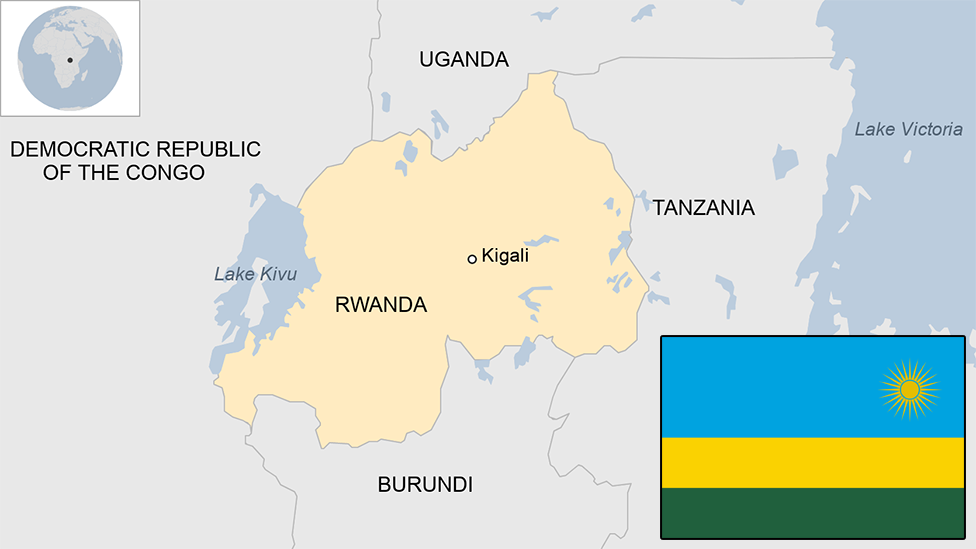
  • Location: It is a landlocked country located south of the equator in east-central Africa.
  • It is part of the Great Rift Valley region of Africa.
  • It is often referred to as the “land of a thousand hills”, Rwanda’s landscape is mostly hilly and mountainous. 
  • Borders: It shares a border with the four nations of Burundi, Tanzania, Uganda, and the Democratic Republic of the Congo. 
  • Capital: Kigali
  • Population: The Hutu and Tutsi ethnic groups make up most of the country’s population. 

Geographical Features of Rwanda

  • Major Moutain Ranges: Albertine Rift and Virunga.
  • Highest Peak: Mount Karisimbi which is 4,507 m tall. 
  • Major Rivers: Two major African rivers, the Nile and the Congo, flow through Rwanda. 
  • Other major rivers are Kagera, Nyabarongo, Ruzizi, Luhwa, and Akanyaru.
  • Lake: Lake Kivu which is located on the western border of the country with DRC.
  • Natural Resources: Rwanda has a few deposits of gold, tin ore, tungsten ore, and methane.

Source: PIB

Rwanda FAQs

Q1: What is the capital of Rwanda?

Ans: Kigali

Q2: Which ethnic group is the majority in Rwanda?

Ans: Hutu and Tutsi

Black-Necked Crane

Black-Necked Crane

Black-Necked Crane Latest News

Black-Necked Crane which is threatened by the loss of habitat and its safeguarding requires urgent, coordinated action.

About Black-Necked Crane

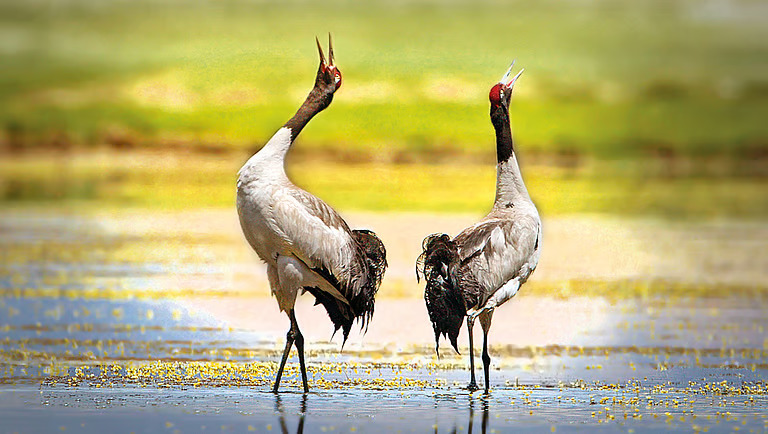
  • The Black-Necked Crane (Grus nigricollis) is classed as a medium-sized member of the crane family.
  • It is locally is known as “cha thung-thung” in Ladakh and “thungdung karma” in Arunachal Pradesh.
  • Appearance: It has a largely whitish-grey body contrasted by a jet-black head and upper neck, splashes of red around the eye, and long, elegant legs built for wading through alpine bogs.
  • Distribution: High altitude marshes and lakes of Tibetan Plateau (Tibet, Qinghai, Xinjiang, Gansu), Sichuan (China), and eastern Ladakh (India).
    • A small wintering population is also found in Sangti and Zimithang valleys of Arunachal Pradesh in India.
  • Diet: These are carnivores and herbivores. They feed on the tubers of sedges, plant roots, earthworms, insects and other invertebrates, frogs.
  • Breeding: The cranes breed at elevations between 2,600 and 4,900 metres, choosing gently sloping wetlands where they build simple nests of grasses and sedges.
  • Threats: Habitat loss is severe, driven by expanding human settlements, encroaching agriculture and unregulated construction.

Conservation Status of Black-Necked Crane

  • IUCN: Near Threatened
  • CITES: Appendices I
  • Wild Life (Protection) Act, 1972: Schedule I
  • It is also protected under the Convention on the Conservation of Migratory Species of Wild Animals.

Source: DTE

Black-Necked Crane FAQs

Q1: What is the scientific name of the Black-Necked Crane?

Ans: Grus nigricollis

Q2: Where is the Black-Necked Crane primarily found?

Ans: India and Tibetan Plateau

Trump’s Global Tariff Surcharge – Implications for India and World Trade

Trump’s Global Tariff Surcharge - Implications for India and World Trade

Trump’s Global Tariff Surcharge Latest News

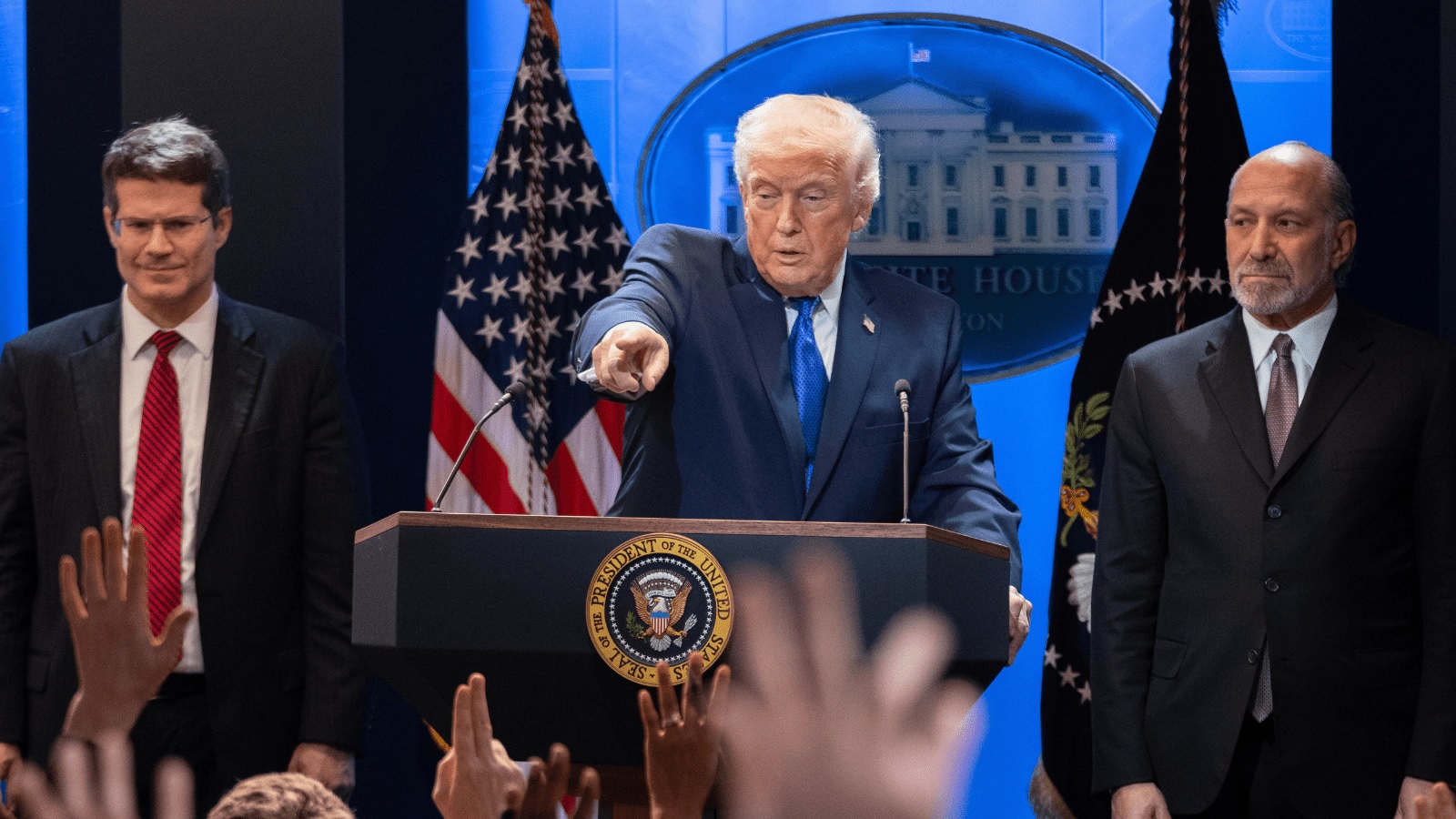
  • Following the judicial setback to his tariff policy, U.S. President Donald Trump announced a temporary blanket tariff surcharge of 15% (from 10% earlier) on global imports for 150 days, invoking powers under the Trade Act of 1974. 
  • The move came a day after the Supreme Court of the United States invalidated his sweeping reciprocal tariffs imposed under the International Emergency Economic Powers Act (IEEPA).
  • The decision has significant implications for India–U.S. trade relations, global trade flows, and the ongoing negotiations for a bilateral trade agreement.

Background

  • Supreme Court verdict:
    • The U.S. Supreme Court struck down the administration’s reciprocal tariff regime under IEEPA, ruling that the legal basis for broad tariff imposition was inadequate.
    • The verdict would have reduced the average U.S. tariff rate from 15.3% to 8.3%.
    • To circumvent the ruling, the U.S. administration invoked Section 122 of the Trade Act, 1974, which allows temporary import surcharges to address international payments imbalances.
  • New tariff regime:
    • 15% ad valorem surcharge on imports, to be effective from February 24, and valid for 150 days.
    • It applies uniformly to all countries, including India.

Legal Basis and Exemptions

  • Section 122 of the Trade Act, 1974:
    • It empowers the U.S. President to impose temporary import surcharges, restrict imports, and address balance-of-payments problems.
    • The proclamation justified the tariffs as necessary to correct global trade imbalances.
  • Goods exempted from tariffs: 
    • Certain sectors were excluded due to domestic economic needs, For example,
      • Strategic, industrial, and technology goods
      • Critical minerals and metals
      • Energy and energy products
      • Natural resources and fertilizers
      • Aerospace products
      • Certain electronics
      • Pharmaceuticals and ingredients
      • Vehicles and vehicle components
      • Agricultural products
      • Beef, Tomatoes, Oranges
    • These exemptions reflect U.S. supply-chain dependencies and industrial priorities.

Impact on India

  • Tariff changes:
    • The new tariff rate (15%) is lower as compared to the previous rate (18%).
    • Earlier effective tariff under IEEPA (~22.3%).
    • Potential tariff after court verdict (without surcharge) - ~8.2%.
    • Thus, India benefits compared to earlier tariffs, but loses potential gains from the court ruling.
  • Government response: India’s Commerce Ministry stated that it is studying implications, assessing impact on exports and trade negotiations.
  • Implications for India–U.S. trade deal:
    • Changing negotiation dynamics: India and the U.S. are negotiating an interim trade agreement. The Supreme Court ruling has altered tariff expectations. The U.S. administration has signalled -
      • India will continue to pay tariffs
      • The U.S. expects market access concessions
    • Strategic significance: The tariff policy may influence market access negotiations, rules of origin, supply-chain diversification, and strategic economic alignment.

Global Trade Implications

  • Major exporters such as China, India, Brazil, Indonesia, and Vietnam would have seen double-digit reductions in tariff burden.
  • Smaller economies like Myanmar, Laos, Serbia, and Tunisia would have experienced over 20 percentage point reductions.
  • The surcharge therefore preserves higher U.S. tariff protection levels.

Challenges

  • Trade uncertainty: Frequent policy changes increase unpredictability for exporters. Temporary tariffs complicate long-term contracts.
  • Protectionism: Expansion of tariff tools indicates rising economic nationalism. Risks fragmentation of global trade.
  • Impact on Indian exporters: Affected sectors may include engineering goods, textiles, chemicals, and auto components.
  • Legal and institutional concerns: Tension between executive power and judicial oversight in U.S. trade policy.
  • Negotiation pressure: Tariffs may be used as leverage in India–U.S. trade negotiations.

Way Forward

  • For India: Accelerate conclusion of India–U.S. trade agreement. Diversify export markets (EU, ASEAN, Africa). Strengthen domestic manufacturing competitiveness. Use WTO-compatible trade diplomacy.
  • For global trade: Strengthen rules-based trade order. Reduce unilateral tariff actions. Enhance multilateral cooperation through WTO reform.

Conclusion

  • The U.S. administration’s decision to impose a temporary 15% global tariff surcharge after the Supreme Court verdict reflects the growing use of domestic legal tools to pursue protectionist trade policies
  • While India faces a lower tariff rate than before, it loses the opportunity for significantly reduced duties. 
  • The development underscores the increasing role of geopolitics and economic nationalism in shaping global trade, making strategic trade diplomacy essential for India’s economic interests.

Source: IE

Trump’s Global Tariff Surcharge FAQs

Q1: What legal mechanisms are available to the U.S. President for imposing tariffs?

Ans: Temporary tariffs can be imposed under Section 122 of the Trade Act of 1974, reflecting growing unilateralism and uncertainty in global trade.

Q2: What are the implications of the recent U.S. tariff surcharge for India–U.S. trade relations?

Ans: The 15% U.S. tariff surcharge maintains market access barriers for Indian exports while influencing ongoing India–U.S. trade negotiations.

Q3: How do protectionist trade measures by major economies affect developing countries like India?

Ans: Protectionist tariffs increase export costs, reduce competitiveness, and create uncertainty for developing-country exporters.

Q4: Why was the U.S. Supreme Court verdict on tariffs significant for global trade dynamics?

Ans: The verdict invalidating reciprocal tariffs highlighted limits on executive trade powers and could have significantly reduced global tariff burdens.

Q5: What is the strategic importance of tariff exemptions in modern trade policy?

Ans: Tariff exemptions for critical sectors like energy, pharmaceuticals, and electronics reflect supply-chain dependencies and national economic priorities.

Eastern Nagaland Autonomy: Frontier Nagaland Territorial Authority Explained

Eastern Nagaland Autonomy Explained

Eastern Nagaland Autonomy Latest News

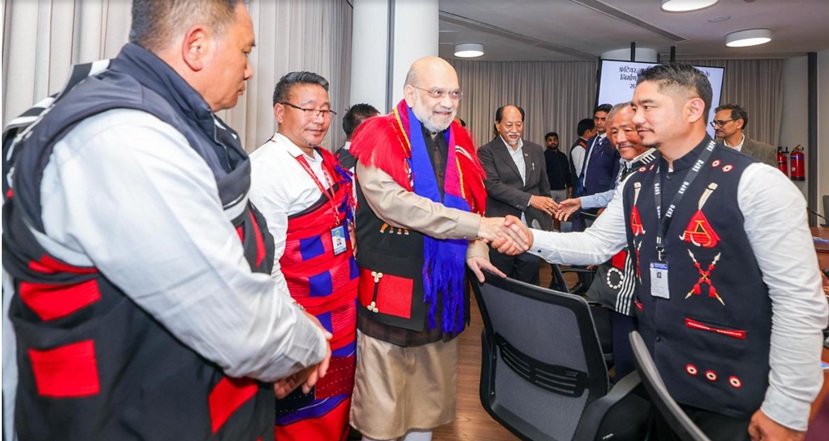
  • Recently, the Centre signed a tripartite agreement with the Nagaland Government and the Eastern Nagaland Peoples’ Organisation (ENPO) to establish the Frontier Nagaland Territorial Authority (FNTA).
  • The FNTA is designed as a model of “devolutionary autonomy”, granting substantial administrative and financial powers to six relatively underdeveloped eastern districts — Kiphire, Longleng, Mon, Noklak, Shamator, and Tuensang. 
  • The aim of this devolution is to address long-standing demands for greater self-governance and focused development.

ENPO’s Demand for a Separate Frontier Nagaland

  • ENPO has long demanded the creation of a separate State called Frontier Nagaland, carved out of existing Nagaland. 
  • First formally conveyed to the Centre in 2010, the demand stems from historical neglect dating back to British-era policies that left the eastern hills largely unadministered.
  • After Nagaland became a State in 1963, eight Naga tribes in the eastern districts felt politically and economically marginalised compared to western tribes. 
  • This perceived developmental and administrative imbalance gradually intensified into a sustained movement for greater autonomy and, ultimately, statehood.

Why the Centre Accepted the Eastern Nagaland Autonomy Demand

  • The Centre’s move to grant autonomy through the Frontier Nagaland Territorial Authority (FNTA) was shaped by both political pressure and strategic concerns. 
  • Earlier measures, including a ₹500-crore package and standard operating procedures, failed to address the deeper political aspirations of the ENPO region.
  • Tensions peaked in 2024 when ENPO leaders called for a Lok Sabha election boycott, highlighting their significant political leverage. 
  • Additionally, eastern Nagaland’s location along the sensitive Myanmar border made prolonged unrest a security risk, given the presence of armed groups across the porous frontier.
  • The FNTA is thus viewed as a stabilising measure — a way to address regional grievances while safeguarding a strategically vital border region.

Frontier Nagaland Territorial Authority (FNTA): Powers and Provisions

  • Semi-Autonomous Governance Structure - The FNTA grants semi-autonomous status to six eastern Nagaland districts. A mini-Secretariat, headed by a senior officer, will function within the region to decentralise administration and reduce reliance on Kohima.
  • Financial and Administrative Devolution - Development funds will be allocated proportionately based on population and area, with the Ministry of Home Affairs supporting initial establishment costs. This ensures direct financial empowerment of the region.
  • Legislative and Executive Authority - The FNTA will exercise powers over 46 subjects, enabling local decision-making in areas such as land use, agriculture, rural development, and infrastructure, tailored to local needs.
  • Safeguarding Constitutional Protections - Importantly, the arrangement does not alter Article 371(A), preserving Nagaland’s special constitutional safeguards related to customary laws and social practices.

Can the FNTA Model Address the Kuki-Zo Demand in Manipur

  • The FNTA demonstrates that the Centre can create territorial authorities as a compromise between full statehood and regular district administration. 
  • Structurally, it resembles Manipur’s Hill Areas Committee under Article 371(C), designed to protect tribal interests.
  • The model suggests that constitutional innovation can grant autonomy without redrawing State boundaries. 
  • This raises the possibility that a similar territorial arrangement could address the Kuki-Zo demand for a separate administrative setup.
  • However, conditions differ sharply. In Nagaland, negotiations occurred without violent conflict and had the cooperation of Chief Minister. In Manipur, deep ethnic tensions persist, and the Meitei-dominated state government strongly opposes administrative separation.
  • The presence of other groups, including the Tangkhul Naga-influenced NSCN, with overlapping claims in hill districts complicates any clean administrative restructuring, making replication of the FNTA model far more challenging.

Source: TH

Eastern Nagaland Autonomy FAQs

Q1: What is Eastern Nagaland Autonomy?

Ans: Eastern Nagaland Autonomy refers to the semi-autonomous governance framework under the Frontier Nagaland Territorial Authority for six eastern districts of Nagaland.

Q2: Why was Eastern Nagaland Autonomy demanded?

Ans: Eastern Nagaland Autonomy was demanded due to perceived political marginalisation and developmental neglect of eight Naga tribes in eastern districts after Nagaland’s formation in 1963.

Q3: Why did the Centre agree to Eastern Nagaland Autonomy?

Ans: The Centre agreed to Eastern Nagaland Autonomy due to political pressure, election boycott threats, and strategic concerns over instability along the sensitive Myanmar border.

Q4: What powers does Eastern Nagaland Autonomy provide?

Ans: Eastern Nagaland Autonomy grants legislative and executive powers over 46 subjects, along with financial devolution and a mini-Secretariat to decentralise governance.

Q5: Can Eastern Nagaland Autonomy be replicated in Manipur?

Ans: While Eastern Nagaland Autonomy offers a constitutional middle path, replicating it in Manipur is complicated by ongoing ethnic conflict and overlapping territorial claims.

Delhi AI Declaration: 88 Nations Back Democratic and Inclusive AI Governance

India’s Vision for Artificial Intelligence - Global Good and Inclusive Growth

Delhi Declaration on AI Latest News

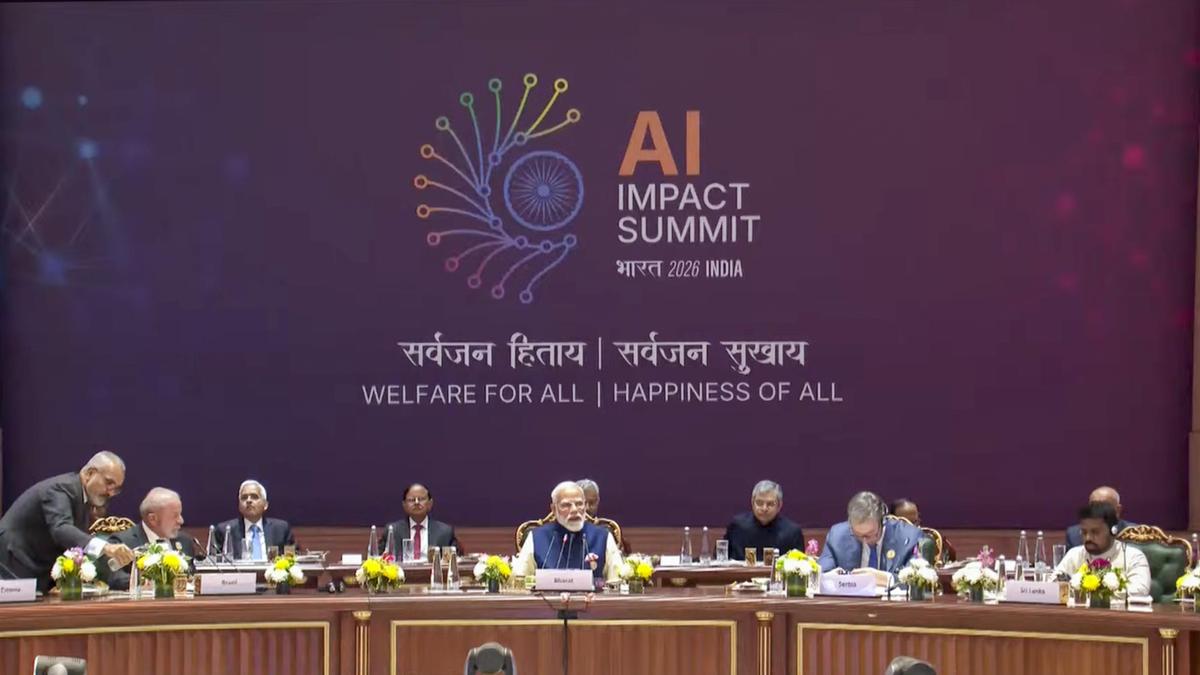
  • The AI Impact Summit, held in New Delhi from February 16–20, drew massive participation, including leading AI executives and heads of state. 
  • At the end of the summit, 88 countries and international organisations adopted the New Delhi Declaration on AI, emphasising that artificial intelligence must be democratised and made widely accessible to ensure it delivers meaningful global impact.

Evolution of Global AI Summits Since 2023

  • Global AI summits began in 2023 with a safety-focused dialogue at Bletchley Park in the UK. These gatherings are not convened by any formal international organisation; instead, host countries pass the responsibility to the next venue.
  • The 2024 summit was held in Seoul, followed by the AI Action Summit in Paris in February 2025, co-chaired by PM Modi and French President Emmanuel Macron. 
  • The Paris edition marked a shift in tone, as US Vice-President J.D. Vance rejected a safety-first approach, advocating instead for rapid innovation and unrestricted investment in AI research and commercialisation.

India’s Priorities at the AI Impact Summit

  • Democratising AI Access - India emphasised that artificial intelligence must be widely accessible, ensuring its benefits reach as many people as possible. 
    • A key focus was expanding AI relevance for the Global South, particularly by improving language representation in large language models.
  • Safe and Trusted Technology - The summit underscored the need for AI systems that are “safe and trusted”, balancing innovation with responsible development and risk mitigation.
  • Boosting Domestic AI Ecosystem - On the home front, India aimed to position itself as a global hub for AI infrastructure and research. The government sought to attract investment and promote AI adoption in sectors such as healthcare, agriculture, and education.
  • Thematic Working Groups - Dedicated working groups reflected these goals, covering areas such as human capital, inclusion and social empowerment, resilience, innovation and efficiency, democratising AI resources, and AI for economic development and social good.

AI Impact Summit 2026: Key Outcomes and Controversies

  • The government reported over five lakh attendees, surpassing G20 2023 participation. 
  • Eighty-eight countries and international organisations — including the US, China, France, Australia, and the UK — signed the New Delhi Declaration on AI Impact, marking a major diplomatic success for India. 
    • Unlike the Paris AI Summit, where the US and UK declined to sign, this time a wide spectrum of nations endorsed the framework.
  • It announced $250 billion in overall investment commitments, including $20 billion for frontier deep-tech research, alongside more than 500 global discussions.

Strategic and Diplomatic Gains

  • India joined the US-led Pax Silica initiative to diversify electronics and critical minerals supply chains. 
  • The summit also secured consensus among 88 countries for the New Delhi Declaration on AI, with major powers like the US, China, and France signing on.

Indigenous AI Milestone

  • Bengaluru-based Sarvam AI launched India’s first domestically trained multi-billion parameter large language models (LLMs). 
  • Supported under the IndiaAI Mission, the firm announced open-source models and introduced a beta chatbot interface.

Logistical and Political Setbacks

  • The summit faced operational challenges, including crowd mismanagement and traffic delays. 
  • Controversy arose when an exhibitor misrepresented a Chinese-made robodog as an indigenous creation. 
  • The event also witnessed a protest by Indian Youth Congress members, leading to police action.

Major Investment Announcements at the AI Impact Summit

  • Big-Ticket Domestic Commitments - Reliance Industries pledged ₹10 lakh crore towards domestic AI infrastructure and development, closely matched by a similar-scale commitment from the Adani Group.
  • Global Tech Investments - Google elaborated on its existing $15 billion investment in India’s AI and data centre ecosystem, including plans for a subsea cable directly linking India and the United States.
  • Strategic AI Partnerships - OpenAI entered into a partnership with the Tata Group, leasing 100 megawatts of data centre capacity from Tata’s HyperVault and offering its advanced models to Tata employees. 
    • Anthropic also signed an agreement with Infosys, marking a significant collaboration in AI deployment.
  • Expanding Data Centre Capacity - Yotta Data Services announced a $2 billion expansion of data centre infrastructure, powered by Nvidia GPUs, reinforcing India’s growing AI compute ecosystem.

New Delhi Declaration on AI: Key Provisions

  • The New Delhi Declaration aligns with India’s multilateral priorities, with commitments described as voluntary and non-binding to encourage broad global participation.
  • A central feature is a charter promoting the “democratic diffusion” of AI, ensuring wider access and preventing concentration of technological power.

Institutional and Knowledge Platforms

  • The declaration proposes several collaborative mechanisms, including:
    • Global AI Impact Commons – a shared database of AI use cases.
    • Trusted AI Commons – a repository of tools, benchmarks, and best practices for secure and trustworthy AI.
    • International Network of AI for Science Institutions – linking technical institutes worldwide.

Social and Workforce Focus

  • It also introduces:
    • AI for Social Empowerment Platform
    • AI Workforce Development Playbook and Reskilling Principles
    • Guiding Principles on Resilient and Efficient AI
  • The declaration underscores broad global consensus on leveraging AI for economic growth and social good, aiming to catalyse long-term international partnerships.

Source: TH | IE

Delhi Declaration on AI FAQs

Q1: What is the New Delhi Declaration on AI?

Ans: The New Delhi Declaration on AI is a voluntary multilateral framework signed by 88 nations to promote democratic diffusion, trusted AI systems, and inclusive global cooperation in AI development.

Q2: Why is the New Delhi Declaration on AI significant?

Ans: The New Delhi Declaration on AI marks a diplomatic success for India, bringing together major powers like the US, China, and France under a shared governance framework.

Q3: What are the key provisions of the New Delhi Declaration on AI?

Ans: The New Delhi Declaration on AI proposes platforms like the Global AI Impact Commons, Trusted AI Commons, and International AI Science Network to promote shared resources and innovation.

Q4: Is the New Delhi Declaration on AI legally binding?

Ans: No, the New Delhi Declaration on AI is voluntary and non-binding, encouraging participation while leaving implementation to individual countries’ political commitment.

Q5: How does the New Delhi Declaration on AI differ from earlier AI summits?

Ans: Unlike previous summits where some major countries abstained, the New Delhi Declaration on AI achieved broader consensus, reflecting India’s push for democratised and inclusive AI governance.

India-Brazil Partnership Deepens with Rare Earth and Mining Agreements

India-Brazil Partnership Deepens with Rare Earth and Mining Agreements

Rare Earth Mining Latest News

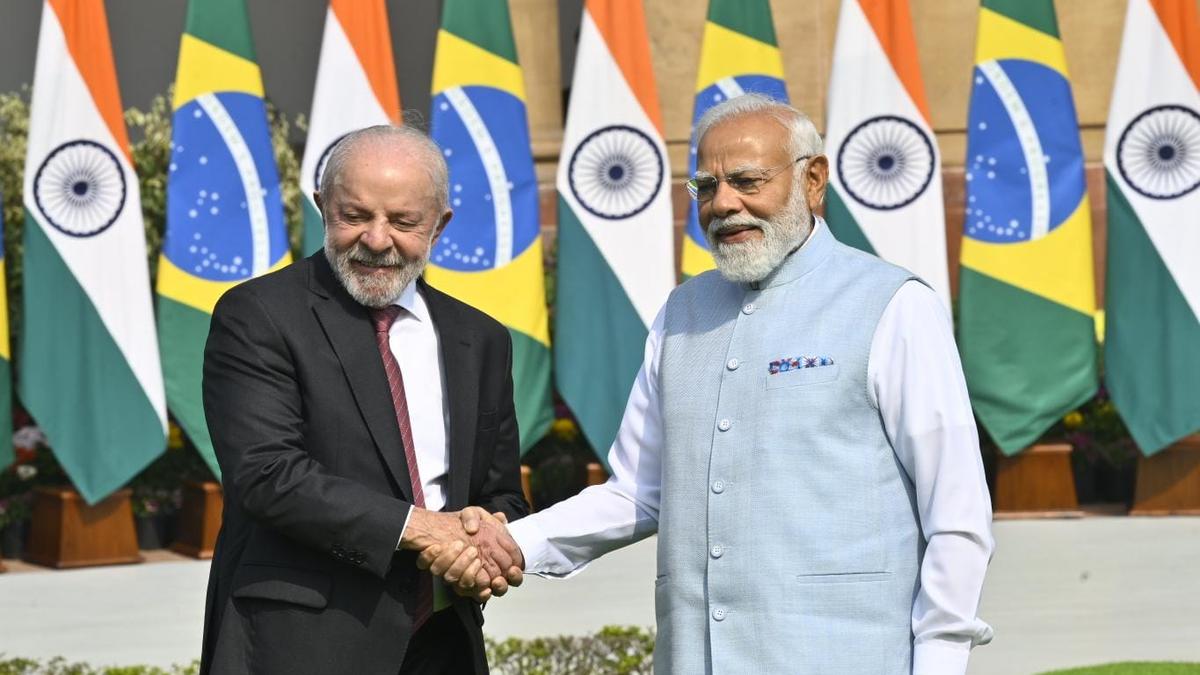
  • India and Brazil signed multiple agreements, including a rare earth cooperation pact, during President Luiz Inácio Lula da Silva’s visit to New Delhi. 

India-Brazil Bilateral Relationship

  • India and Brazil share a long-standing partnership based on democratic values, South-South cooperation, and multilateral engagement. 
  • Diplomatic relations were established in 1948, and the relationship has evolved into a strategic partnership covering trade, defence, energy, and global governance.
  • Both countries are key members of major multilateral groupings such as BRICS, G20, IBSA (India-Brazil-South Africa Dialogue Forum), and BASIC (climate negotiations grouping). 
  • They advocate reform of global institutions, including the United Nations Security Council (UNSC), and support a multipolar world order.

Trade and Economic Relations

  • Brazil is India’s largest trading partner in Latin America. Bilateral trade has fluctuated between $12-15 billion in recent years. 
    • India’s exports to Brazil: Organic Chemicals, Diesel oil, pharmaceuticals and chemicals, engineering goods including auto components and mechanical and electrical equipment, apparel and textile products, Iron and Steel (and products), Plastic, Ceramic, etc.
    • India’s imports from Brazil: Crude oil, soya oil, Gold, raw sugar, Asbestos, copper ores, iron ores, Manganese, Kidney beans, Cowpeas, valves, motor pumps, etc.

Defence and Strategic Cooperation

  • India and Brazil cooperate in defence production, technology sharing, and maritime security. 
  • Both nations support peaceful dispute resolution and multilateralism. As large democracies of the Global South, they often coordinate positions at the UN, WTO, and G20.

Energy and Climate Cooperation

  • Brazil is a global leader in renewable energy, particularly biofuels, while India has expanded solar and green energy initiatives. 
  • Both countries have cooperated in the Global Biofuels Alliance, announced in 2023. Renewable energy and clean technology remain central pillars of bilateral ties.

News Summary

  • During President Lula’s visit, India and Brazil signed nine agreements covering critical minerals, steel mining, defence, and digital cooperation.
  • Rare Earth and Critical Minerals Agreement
    • India signed a rare earth cooperation agreement with Brazil to secure access to critical minerals. 
    • This agreement is strategically significant because China currently dominates global processing supply chains for rare earth elements.
    • Brazil possesses substantial rare earth reserves, of which only about 30% have been explored. The partnership could enable India to diversify supply sources for minerals essential to:
    • Electronics manufacturing, Clean energy technologies, Electric vehicles, Defence systems
    • The agreement strengthens supply chain resilience and reduces overdependence on a single country.
    • The India-MERCOSUR Preferential Trade Agreement (PTA) forms the foundation of trade engagement. Both sides have agreed to expand this framework to unlock greater market access.
  • Steel and Mining Cooperation
    • The two countries signed agreements on steel mining and mineral supply chains. 
    • Brazil is one of the world’s largest iron ore producers, and enhanced cooperation could benefit India’s expanding infrastructure and manufacturing sectors.
  • Digital Partnership for the Future
    • India and Brazil launched a joint declaration and action plan on a digital partnership. Cooperation is expected in emerging technologies such as:
      • Artificial Intelligence, Semiconductors, Blockchain, Supercomputing 
    • This reflects India’s growing status as a digital technology hub and Brazil’s interest in leveraging digital transformation.
  • Trade Expansion and Visa Facilitation
    • Both countries are committed to significantly increasing bilateral trade, with Brazil proposing a target of $30 billion annually by 2030.
    • Brazil also announced the extension of business visas for Indian ordinary passport holders to 10 years, facilitating long-term business collaboration.
  • Response to Global Trade Uncertainty
    • The discussions occurred amid global trade disruptions following developments in U.S. tariff policies. Both leaders agreed to study the implications of recent tariff decisions and adopt a “wait and watch” approach.
    • This underscores the shared interest of India and Brazil in protecting trade autonomy and strengthening South-South economic cooperation.
  • Strategic Significance
    • Supply Chain Diversification: Reducing dependence on China for critical minerals.
    • Strengthening the Global South: Coordinating positions in multilateral forums.
    • Technological and Energy Transition: Promoting renewable energy and advanced digital technologies.

Source: FP | TH

Rare Earth Mining FAQs

Q1: Why is the rare earth agreement between India and Brazil significant?

Ans: It helps India diversify critical mineral supplies and reduce dependence on China.

Q2: What trade targets have India and Brazil set?

Ans: Both countries aim to expand bilateral trade to $30 billion annually by 2030.

Q3: Which multilateral groupings include both India and Brazil?

Ans: Both are members of BRICS, G20, IBSA, and BASIC.

Q4: What sectors are covered under the new agreements?

Ans: Rare earths, steel mining, digital technologies, defence, and renewable energy.

Q5: How does the partnership strengthen the Global South?

Ans: By coordinating positions in global forums and promoting South-South cooperation.

World Peace and Understanding Day 2026, Features, Significance

World Understanding and Peace Day 2026

World Peace and Understanding Day 2026 will be observed on 23 February 2026. It marks the anniversary of the first Rotary meeting held in Chicago in 1905. That historic gathering of professionals laid the foundation of Rotary International, a global humanitarian network committed to goodwill and peace. It is celebrated during World Understanding Month in February. The day highlights how service, ethical leadership and international cooperation can promote harmony across societies. It reminds people that sustainable peace requires justice, empathy and collaborative action at every level of society.

World Peace and Understanding Day 2026 Features

The significant features of the World Peace and Understanding Day 2026 has been listed below:

  • It commemorates the 1905 Chicago meeting initiated by Paul P. Harris, which later evolved into the Rotary International, a worldwide humanitarian organization.
  • Rotary expanded from local office meetings to multiple American cities, later becoming the International Association of Rotary Clubs.
  • It has worked alongside the United Nations since its founding, supporting international peace and development goals.
  • It emphasizes disease prevention, water sanitation, maternal health, education, economic development and conflict resolution.
  • It selects 75 scholars each year under its Rotary Peace and Conflict Resolution graduate program.

Also Read: Important Days in February 2026

World Peace and Understanding Day 2026 Significance

The World Peace and Understanding Day 2026 observance underscores peace as active cooperation built through dialogue, inclusion and ethical responsibility.

  • Encourages intercultural discussions that reduce polarization and strengthen mutual respect across communities and nations.
  • Highlights leadership rooted in fairness, responsibility and service beyond political or religious divisions.
  • Supports addressing poverty and exclusion as underlying causes of conflict worldwide.
  • Emphasizes that everyday actions, empathy and communication contribute directly to global harmony.
  • Connects personal well being with social stability, showing that inner balance supports peaceful societies.

World Peace and Understanding Day 2026 FAQs

Q1: When is World Peace and Understanding Day 2026 observed?

Ans: It will be observed on 23 February 2026, which falls on a Monday.

Q2: What historical event does World Peace and Understanding Day commemorate?

Ans: It marks the 1905 Chicago meeting that led to the formation of Rotary International.

Q3: Why is 23 February important for Rotary International?

Ans: It is the anniversary of its first formal gathering that initiated a global humanitarian movement.

Q4: How does Rotary promote global peace through World Peace and Understanding Day?

Ans: Through humanitarian service, six focus areas of action and peace education programs in eight universities.

Q5: How is World Understanding and Peace Day connected to World Understanding Month?

Ans: The observance on 23 February forms part of February’s World Understanding Month celebrations focused on global harmony.

Enquire Now