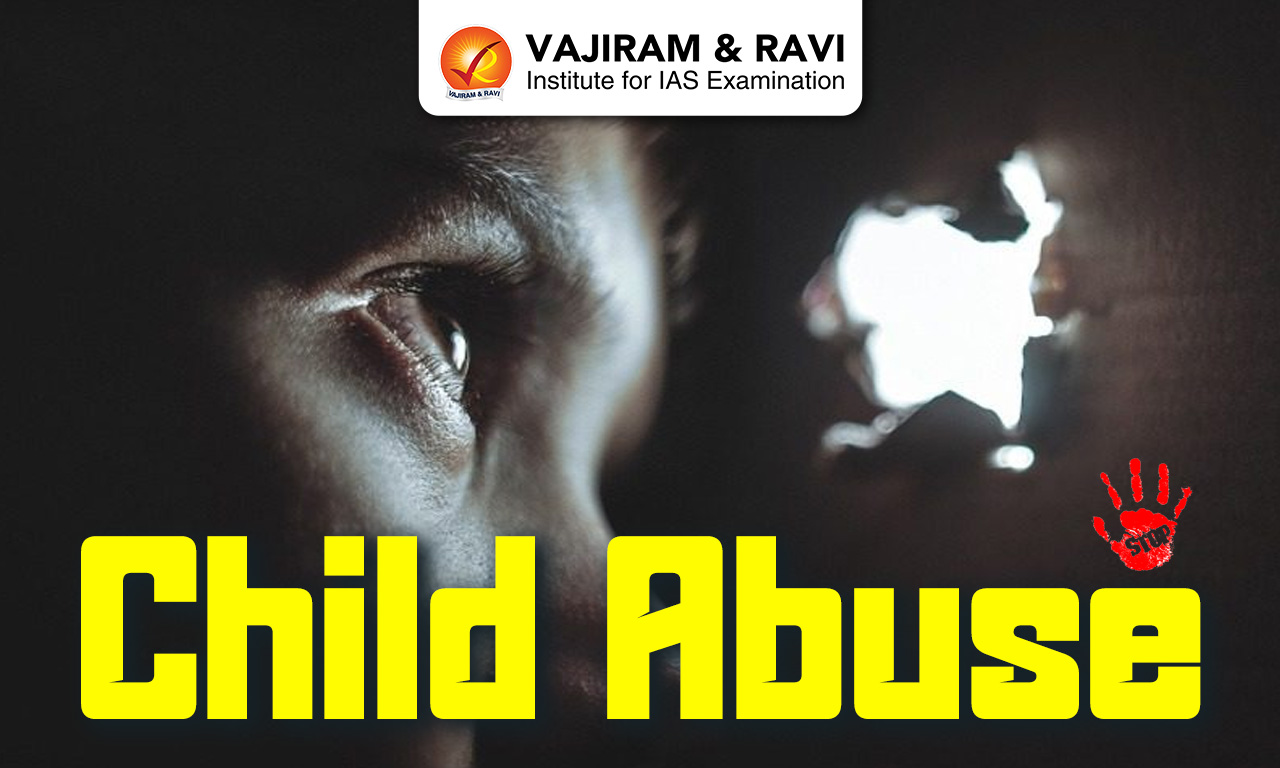
Child abuse is a serious problem where children are harmed or treated badly by adults or others around them. It can be physical, emotional, or sexual, and can also include neglect, where a child’s basic needs like food, care, and safety are not met. Child abuse affects a child’s health, development, and mental well-being. Every child deserves love, protection, and a safe environment to grow and live a healthy life.
Different Aspects of Child Abuse
Child abuse can happen in different ways, and sometimes more than one type can occur together.
- Physical Abuse: This happens when a child is intentionally hurt or injured, such as hitting, beating, or causing physical harm.
- Sexual Abuse: This includes any kind of sexual activity involving a child. It can be physical contact or even non-contact actions like showing inappropriate content, making sexual comments, or exploiting a child.
- Emotional Abuse: This involves hurting a child’s feelings or self-confidence. It includes constant scolding, insulting, ignoring, or making the child feel unwanted or unloved.
- Medical Abuse: This happens when someone gives false information about a child’s illness or makes the child go through unnecessary medical treatment, which can harm them.
- Neglect: This means not taking proper care of a child. It includes not providing enough food, clothing, shelter, education, healthcare, love, or supervision.
Constitutional Provisions Regarding Safeguarding for Children
The Constitution of India provides strong safeguards to protect the rights, safety, and development of children. It also allows the government to make special laws and policies for their welfare.
- Article 14: Ensures equality before law for all, including children.
- Article 15(3): Allows the government to make special laws and schemes for children.
- Article 19(1)(a): Gives children the right to freedom of expression.
- Article 21: Guarantees the right to life with dignity, which includes protection from abuse and exploitation.
- Article 21A: Provides free and compulsory education for children aged 6 to 14 years.
- Article 23: Prohibits human trafficking and forced labour.
- Article 24: Bans employment of children below 14 years in hazardous jobs like factories and mines.
- Article 39(e): Directs the State to protect children from abuse and harmful work.
- Article 39(f): Ensures children grow in a healthy environment with dignity and proper opportunities.
- Article 45: Promotes early childhood care and education for children below 6 years.
- Article 51A(k): Makes it a duty of parents or guardians to provide education to children between 6 and 14 years.


Child Abuse Status in India
- Child Marriage in India
- India has made progress in reducing child marriage, but it is still a major issue:
- 1 in 4 girls (aged 20–24) were married before 18 (NFHS 2019–21)
- Around 1.5 million girls under 18 get married every year
- About 16% of girls aged 15–19 are currently married
- Child marriage reduced from 47% (2005–06) to 27% (2015–16)
- Child marriage affects girls’ education, health, and future. It increases risks of domestic violence, early pregnancy, and even death during childbirth.
- Children Without Family Care
- Many children in India do not live with their families due to poverty, trafficking, or abandonment. These children are highly vulnerable.
- In 2018, about 370,227 children needed care and protection
- 7,422 children were in conflict with the law
- In 2020, there were 227,518 children in institutional care and 8,614 children in conflict with the law
- Although efforts are being made to promote family-based care, many children still live in institutions or on the streets, which can harm their development.
- Sexual Violence and Abuse
- Sexual violence against children is often underreported.
- According to NFHS (2019-21), 1.5% of women aged 18–29 experienced sexual violence before age 18
- In most cases, the abuser is someone known to the child
- Awareness is increasing, and more cases are now being reported than before.
Impacts of Child Abuse
Child abuse can have serious and long-lasting effects on a child’s life. It not only harms their body but also affects their mind, emotions, and future.
- Physical and Mental Health Problems: Abused children may suffer from injuries, disabilities, anxiety, depression, and stress. They may also develop serious health issues later in life.
- Emotional and Psychological Impact: Abuse can lower a child’s self-confidence and make them feel scared, lonely, or unsafe. It can lead to long-term emotional trauma.
- Poor Learning and School Performance: Children who face abuse often struggle to concentrate and learn properly. Many may perform poorly in school or even drop out.
- Risky Behaviour in Future: As they grow up, abused children are more likely to develop harmful habits like smoking, alcohol or drug use, and risky behaviour.
- Cycle of Violence: Some children who experience abuse may either become victims again or may show violent behaviour later in life.
- Social and Economic Impact: Child abuse increases healthcare costs and reduces a person’s ability to work and live a stable life, affecting society as a whole.
Detection and Intervention Challenges
- Hidden and Unreported Cases: Many cases of child abuse are never reported, so children do not get the help they need. Emotional abuse and neglect are especially hard to notice compared to physical abuse.
- Difficulties for Professionals: Doctors, teachers, and other workers may find it hard to identify abuse due to lack of proper training, experience, or clear guidelines. They may also feel afraid to question parents or take action.
- Social and Cultural Beliefs: In some places, harsh punishment is seen as normal, which makes it difficult to recognize it as abuse and stop it.
- Lack of Resources and Support Systems: Many areas do not have enough child protection services, counselling, or rehabilitation centres, making it harder to protect and support affected children.
Government Initiatives to Prevent Child Abuse
India has several laws (Acts) and schemes/programmes to protect children and support their development.
- Juvenile Justice (Care and Protection of Children) Act: This law focuses on children in need of care and protection and those in conflict with the law. It promotes rehabilitation and family-based care instead of punishment.
- Protection of Children from Sexual Offences (POCSO) Act, 2012: Protects children from sexual abuse and exploitation. It provides strict punishment and ensures child-friendly legal procedures.
- Prohibition of Child Marriage Act, 2006: Prevents child marriage and protects children, especially girls, from early marriage and its harmful effects.
- Child Labour (Prohibition and Regulation) Act, 1986 (amended 2016): Prohibits employment of children in hazardous work and regulates working conditions to protect them from exploitation.
- Right to Education (RTE) Act, 2009: Ensures free and compulsory education for children aged 6 to 14 years, promoting learning and reducing child labour.
- POCSO e-Box: An online complaint system where children or others can safely report sexual abuse cases for quick action.
- NCPCR (National Commission for Protection of Child Rights): A statutory body that ensures child rights are protected and laws are properly implemented.
- Integrated Child Protection Scheme (ICPS): Aims to create a safe environment for vulnerable children through care, protection, and rehabilitation with support from government and NGOs.
- Operation Smile (Muskaan): Helps in tracing, rescuing, and rehabilitating missing children and reuniting them with their families.
- Beti Bachao, Beti Padhao: Focuses on protecting the girl child, improving education, and promoting gender equality.

 Last updated on Oct, 2026
→ UPSC 2027 Notification will be released on 13 January 2027 at upsconline.nic.in.
→ Check Nobel Prize 2026 Winners List here.
→ Download PIB PRiSM Monthly Magazine 2026 here.
→ Check UPSC Monthly Current Affairs Magazine The Recitals here.
→ Check out the latest UPSC Syllabus here.
→ Download UPSC Model Answers for Mains 2026
→ UPSC Mains Question Paper 2026 is out now for Essay & GS Paper 1, 2, 3 & 4.
→ UPSC Calendar 2027 has been released.
→ Enroll in Vajiram & Ravi’s UPSC Mains Test Series 2027 for structured answer writing practice, expert evaluation, and exam-oriented feedback.
→ Join Vajiram & Ravi’s UPSC Mentorship Program 2027 for personalized guidance, strategy planning, and one-to-one support from experienced mentors.
→ Go through the UPSC Mains Previous Year Papers to enhance your preparation.
→ UPSC has released UPSC Toppers List 2025 with the Civil Services final result on its official website.
→ Also check Best UPSC Coaching in India
Child Abuse FAQs
Q1. What is child abuse?+
Q2. What are the different types of child abuse?+
Q3. What are the main constitutional provisions for child protection in India?+
Q4. What is the situation of child abuse in India?+
Q5. What are the impacts of child abuse?+
Tags: child abuse indian society indian society notes