About Gut Microbiota
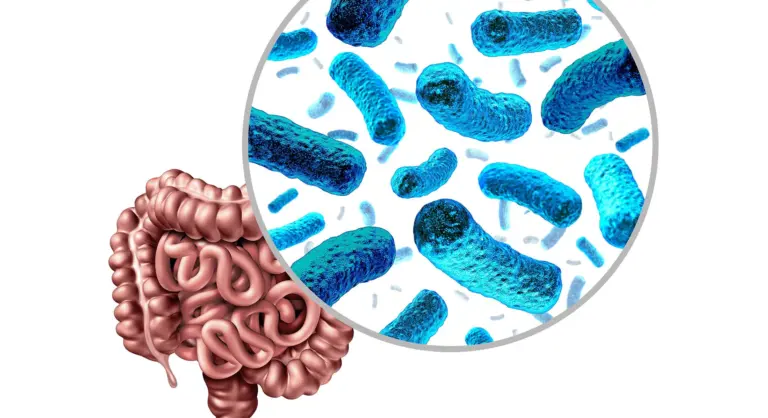
- The human gut microbiota refers to the trillions of microbes, such as bacteria, viruses, fungi, and parasites, that live in the human gut.
- Previously, people referred to the gut microbiota as the microflora of the gut.
- The gut microbiome is the environment they live in.
- Establishment of the human gut microbiota:
- Infants inherit their first gut microbes during vaginal delivery or breastfeeding (chestfeeding).
- Later, your diet and other environmental exposures introduce new microbes to your biome.
- The gut microbiota assists in a range of bodily functions, including:
- harvesting energy from digested food
- protecting against pathogens
- regulating immune function
- strengthening the biochemical barriers of the gut and intestine
- Changes in microbiota composition can affect these functions.
- Disease:
- While there are beneficial bacteria in the gut, there are also harmful bacteria that can enter the Gastrointestinal (GI) tract and cause infection.
- These infections include food poisoning and other GI diseases that result in diarrhea and vomiting.
- Research suggests that bacterial populations in the GI system play a role in developing gut conditions, including inflammatory bowel diseases (IBD), such as Crohn’s disease and ulcerative colitis.
- Low microbial diversity in the gut also has links to obesity and type 2 diabetes.
- The status of the gut microbiota also has links to metabolic syndrome.
- Disturbing the microbiota with antibiotics can also lead to disease, including infections that become resistant to antibiotics.
Q1) What is Crohn’s disease?
Crohn’s disease is a chronic (long-lasting) disease that causes inflammation in your digestive tract. It can affect any part of your digestive tract, which runs from your mouth to your anus. But it usually affects your small intestine and the beginning of your large intestine.Crohn’s disease is an inflammatory bowel disease (IBD).
Source: Listen to your gut – it may be telling you something about your heart | Explained






 Last updated on March, 2026
→ UPSC Final Result 2025 is now out.
→ UPSC has released UPSC Toppers List 2025 with the Civil Services final result on its official website.
→ Anuj Agnihotri secured AIR 1 in the UPSC Civil Services Examination 2025.
→ UPSC Marksheet 2025 is now out.
→ UPSC Notification 2026 & UPSC IFoS Notification 2026 is now out on the official website at upsconline.nic.in.
→ UPSC Calendar 2026 has been released.
→ Check out the latest UPSC Syllabus 2026 here.
→ UPSC Prelims 2026 will be conducted on 24th May, 2026 & UPSC Mains 2026 will be conducted on 21st August 2026.
→ The UPSC Selection Process is of 3 stages-Prelims, Mains and Interview.
→ Prepare effectively with Vajiram & Ravi’s UPSC Prelims Test Series 2026 featuring full-length mock tests, detailed solutions, and performance analysis.
→ Enroll in Vajiram & Ravi’s UPSC Mains Test Series 2026 for structured answer writing practice, expert evaluation, and exam-oriented feedback.
→ Join Vajiram & Ravi’s Best UPSC Mentorship Program for personalized guidance, strategy planning, and one-to-one support from experienced mentors.
→ Shakti Dubey secures AIR 1 in UPSC CSE Exam 2024.
→ Also check Best UPSC Coaching in India