Controller General of Accounts (CGA)

Controller General of Accounts

Controller General of Accounts Latest News

Recently, the Controller General of Accounts (CGA) launched two major initiatives i.e. the Government Bank Dashboard and the Government Bank Manual in New Delhi.

About Controller General of Accounts

  • CGA is the Principal Accounting Adviser to the Government of India.
  • It was established in October 1975 to administer matters pertaining to the departmentalisation of the accounts of the Union. 
  • The CGA is responsible for the central government exchequer control and internal audits.
  • Nodal Ministry: Department of Expenditure, Ministry of Finance.

Functions of Controller General of Accounts

  • The Office of CGA smoothly and annually analyzes expenditure, revenues, borrowings, and various fiscal indicators for the Union Government. 
  • It further formulates policies relating to general principles, forms, and procedures of accounting for the Central and State Governments.
  • It administers the process of payments, receipts, and accounting in the Central Civil Ministries/ Departments. 
  • CGA is also responsible for coordination and monitoring the progress of the submission of corrective/remedial action taken notes (ATNs) on the recommendations contained in the Public Accounts Committee’s (PAC) reports as well as the Comptroller and Auditor General (CAG) reports through its web-based Audit Para Monitoring System (APMS).
  • It also looks after the pensions of Central government employees.

Source: PIB

Controller General of Accounts FAQs

Q1: What is the role of the CGA?

Ans: To maintain accounts of the Government of India

Q2: Under which ministry does the CGA function?

Ans: Ministry of Finance

Football for Schools (F4S) Programme

Football for Schools (F4S) programme

Football for Schools (F4S) Programme Latest News

Union Minister of State for Education & Development of North Eastern Region distributed football at PM SHRI Kendriya Vidyalaya, Dakshin Dinajpur, West Bengal, as part of the Football for Schools (F4S) initiative.

About Football for Schools (F4S) Programme

  • It is run by Fédération Internationale de Football Association (FIFA) in collaboration with UNESCO.
  • Aim: It aims to contribute to the education, development and empowerment of around 700 million children.
  • Objective: It seeks to make football more accessible to both boys and girls around the world by incorporating football activities into the education system, in partnership with relevant authorities and stakeholders.
  • The programme has been designed to promote targeted life skills and competencies through football and contribute to the United Nations’ Sustainable Development Goals (SDGs) and other priorities.
  • The F4S Programme is aligned with,
    • Global sport, education and health policies, including UNESCO’s Kazan Action Plan, the Education 2030: Incheon Declaration and Framework of Action, and the World Health Organization (WHO) Global Action Plan on Physical Activity (GAPPA).
  • It was launched in mid-2019 with pilot projects in Puerto Rico and Lebanon. The F4S Programme will be re-launched in other regions in 2021.
  • In India, the programme is implemented by the Department of School Education and Literacy, Ministry of Education (DoSEL), with support from the All India Football Federation (AIFF) and the Sports Authority of India (SAI).

Source: PIB

Football for Schools (F4S) Programme FAQs

Q1: What is the primary objective of the F4S Programme?

Ans: To empower learners with life skills through football

Q2: Which organizations are collaborating to implement F4S in India?

Ans: FIFA, AIFF, and SAI

Light Combat Helicopter Prachand

LCH Prachand

Light Combat Helicopter Prachand Latest News

Recently, the President of India undertook a sortie in the indigenous Light Combat Helicopter PRACHAND at Air Force Station Jaisalmer, Rajasthan.

About Light Combat Helicopter Prachand

  • It is an indigenously developed Light Combat Helicopter (LCH).
  • It is developed by state-run aerospace major Hindustan Aeronautics Ltd. 
  • It is the only attack helicopter in the world that can land and take off at an altitude of 5,000 metres (16,400 ft).

Features of Light Combat Helicopter Prachand

  • It is fitted with a 5.8-tonne twin-engine named Shakti engine, primarily designed for deployment in high-altitude areas. 
  • Its maximum speed is 268 kilometres per hour.
  • It has a range of 550 kilometres and endurance of over three hours.
  • It has the best stealth features, armored-shield systems, and dark-mode attack capability. 
  • Its crash-resistant landing gear gives it an added edge for better survivability, among other technologies like radar and IR signature.
  • A pressurised cabin offers protection from nuclear, biological, and chemical contingencies.
  • It is equipped with a countermeasure dispensing system that protects it from enemy radars or infrared seekers of enemy missiles.
  • The multi-role attack helicopter has been customised as per the requirements of the Indian armed forces to operate both in desert terrains and high-altitude sectors. 
  • The weapon complement includes a 20mm nose gun in the front, capable of firing 800 rounds per minute from a range of up to 2 km.

Source: PIB

LCH Prachand FAQs

Q1: Which organization developed LCH Prachand?

Ans: Hindustan Aeronautics Limited (HAL)

Q2: What is the primary objective of LCH Prachand?

Ans: To provide a high-altitude combat platform

Forest Owlet

Forest owlet

Forest Owlet Latest News

Recently, in Kuno National Park in Madhya Pradesh forest owl has been spotted 113 years after it was last seen.

About Forest Owlet

  • It is a member of the typical owl family, Strigidae.
  • It was first described in 1873. As it was not sighted after 1884, it was considered extinct for many years. In1997, it was rediscovered.
  • Habitat: It is mainly found in tropical and subtropical moist lowland woods, dense deciduous woodlands, open dry deciduous teak woods,and tropical and subtropical dry forests.
  • Distribution
    • It is endemic to the forests of central India. 
    • It was observed in Odisha, Chhattisgarh, Madhya Pradesh, Maharashtra, and Gujarat, and at a few locations in the Melghat Tiger Reserve in Maharashtra.
  • Features of Forest Owlet
    • It is a typical owlet with a rather unspotted crown, presence of full throat collar, thickly feathered legs, heavily banded wings, and a tail.
    • These birds are diurnal and have been observed to hunt during the day.
    • They eat rodents, reptiles such as lizards and skinks, and insects.
  • Conservation Status
    • IUCN Red List: Endangered
    • CITES:  Appendix I

Source: TOI

Forest owlet FAQs

Q1: What is the conservation status of the Forest Owlet?

Ans: Endangered

Q2: Where is the Forest Owlet primarily found?

Ans: Central India

Gypsum

Gypsum

Gypsum Latest News

Recently, scientists are studying gypsum in the Salar de Pajonales which is found on both the earth and Mars.

About Gypsum

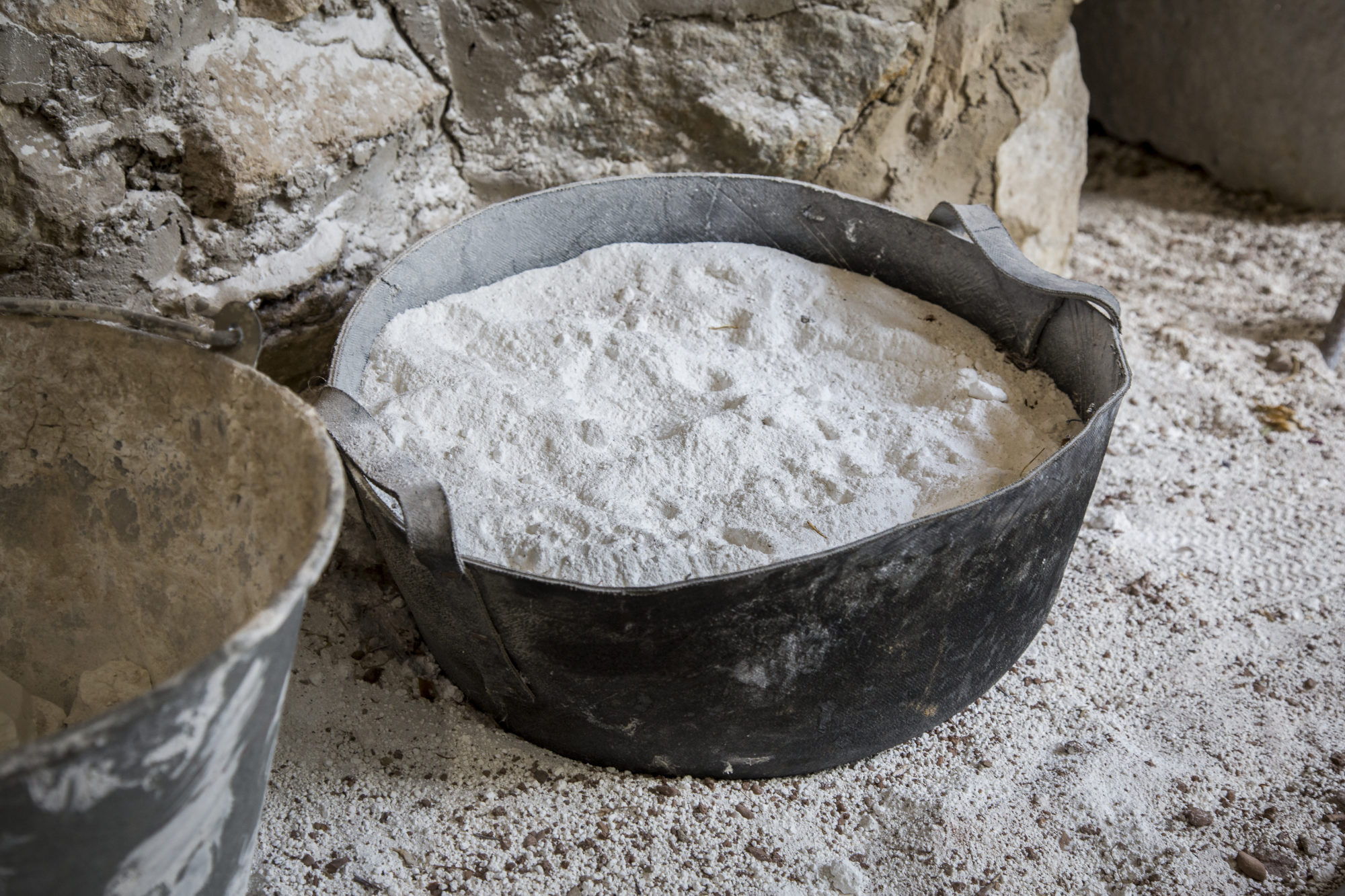
  • It is a sedimentary rock primarily composed of calcium sulfate dihydrate (CaSO4 · 2H2O) and anhydrite (CaSO4).
  • Gypsum is found in both crystal and rock forms. 
  • Occurrence: It commonly occurs in extensive beds alongside evaporite minerals like anhydrite and halite, especially in Permian and Triassic sedimentary formations.
  • It is often found in saline lakes and salt pans and constitutes a significant part of cap rock on salt domes,
  • It generally results from the evaporation of saline water and is one of the more common minerals in sedimentary conditions.
  • Gypsum that occurs in nature is called mineral gypsum.
  • In India, marine gypsum is recovered from salt pans during production of common salt in coastal regions, particularly in Gujarat and Tamil Nadu.

Applications of Gypsum

  • Agricultural use: It works as an agent to remove Saline/Alkaline ingredients in the soil. It acts more or less like manure.
  • Industrial use: It is used in manufacturing lime and in the cement industry and also used in manufacturing Plaster of Paris.

Source: TH

Gypsum FAQs

Q1: Gypsum is a type of?

Ans: Sedimentary rock

Q2: Gypsum is used in which of the following industries?

Ans: Construction, Agriculture and Pharmaceuticals

Carbon-14

What is Carbon-14

Carbon-14 Latest News

Martin Kamen and Samuel Ruben's discovery of the radioactive isotope carbon-14 in 1940 helped usher in a new era of dating artifacts from past civilizations.

About Carbon-14

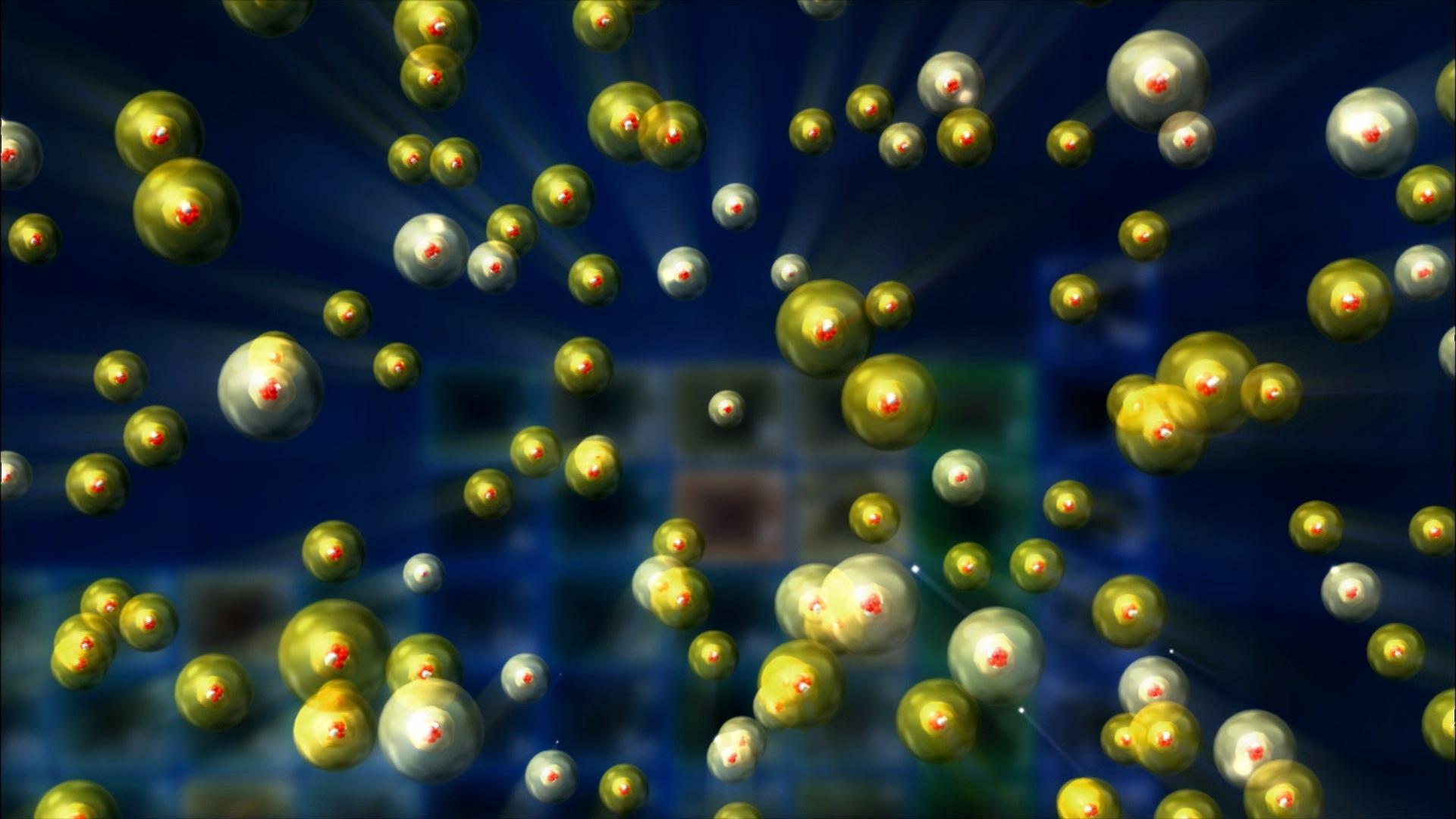
  • Carbon has three main isotopes: carbon-12, carbon-13, and carbon-14. The first two are stable.
  • Carbon-14 is a radioactive isotope of carbon.
  • It is created in the atmosphere through the bombardment of nitrogen by cosmic rays.
  • It has six protons and eight neutrons in its nucleus. 
  • By contrast, most of the carbon in our bodies and in the outside world, known as carbon-12, has six protons and six neutrons. 
  • Crucially, those two extra neutrons make the nucleus of a carbon-14 atom unstable so that it decays radioactively into an atom of nitrogen.
  • It is used in radiocarbon dating to determine the age of organic substances by measuring its decay over time.

What is Radiocarbon Dating, or Carbon-14 Dating?

  • It is a method that provides objective age estimates for carbon-based materials that originated from living organisms.
  • It is based on the fact that living organisms—like trees, plants, people, and animals—absorb carbon-14 into their tissue. 
  • When they die, the carbon-14 starts to change into other atoms over time. 
  • Carbon-14 has a half-life of approximately 5,730 years (i.e., half the amount of the isotope present at any instant will undergo spontaneous disintegration during the succeeding 5,730 years).
  • Because carbon-14 decays at this constant rate, an estimate of the date at which an organism died can be made by measuring the amount of its residual carbon-14. 
  • The technique was developed in the late 1940s at the University of Chicago by a team led by chemistry professor Willard Libby, who would later receive the Nobel Prize for the work.
  • It has proved to be a versatile technique of dating archaeological specimens from 500 to 50,000 years old.
  • Over the years, carbon-14 dating has also found applications in geology, hydrology, geophysics, atmospheric science, oceanography, paleoclimatology, and even biomedicine.

Source: LS


Carbon-14 FAQs

Q1: What is Carbon-14?

Ans: It is a radioactive isotope of carbon.

Q2: How is Carbon-14 formed in the atmosphere?

Ans: It is formed when cosmic rays bombard nitrogen atoms.

Q3: How many protons and neutrons are present in a Carbon-14 atom?

Ans: It has six protons and eight neutrons.

Q4: What is the primary use of Carbon-14?

Ans: It is used in radiocarbon dating to determine the age of organic materials.

Q5: What is the half-life of Carbon-14?

Ans: Approximately 5,730 years.

Sulawesi Island

Sulawesi Island

Sulawesi Island Latest News

In a limestone cave on the Indonesian island of Sulawesi, a hand stencil has been dated to at least 67,800 years ago, making it the oldest known example of rock art currently identified anywhere in the world.

About Sulawesi Island

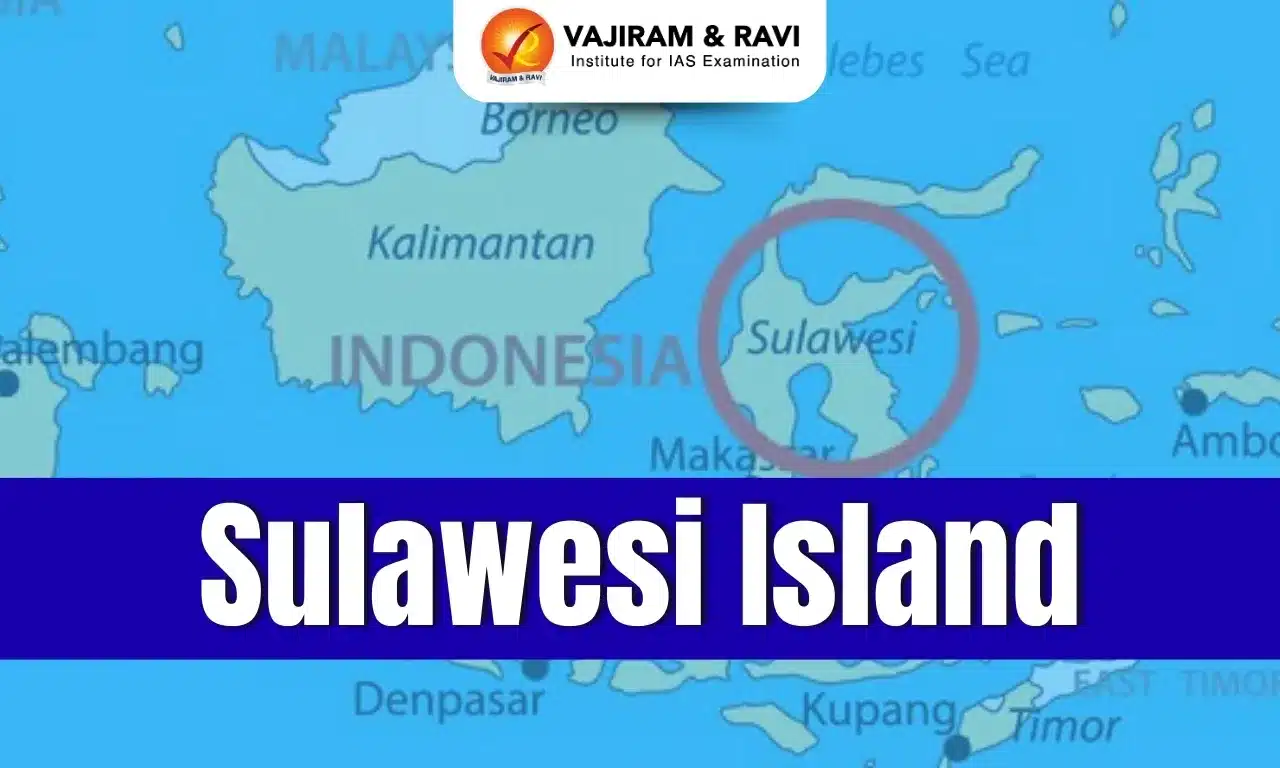
  • Sulawesi, formerly known as Celebes, is a large island in Southeast Asia, in the Indonesian archipelago.
  • It sits centrally within the Indonesian archipelago.
  • It is part of the island chain known as the Greater Sunda Islands. 
  • It is the 11th largest island in the world. It covers an area of 180,680.7 sq. km.
  • The island consists almost entirely of four interconnecting peninsulas. Three large bays, or gulfs, separate these peninsulas.
  • Makassar is the largest city on the island.
  • The island is surrounded on all sides by other big islands: Borneo to the west, the Philippines to the north, the Maluku Islands to the east, and Flores and Timor to the south.
  • The island is highly mountainous, with some active volcanoes.
  • The highest peak on the island of Sulawesi is Mt. Ratenkombola, which is also known simply as Mario.
  • Sulawesi is known for its rainforests, which once covered the entire island until human activity led to mass deforestation.
  • It is home to 127 types of native mammals. A large number, 62% (79 species), are endemic.
  • The island contains thirteen freshwater lakes, including the deepest lake, Matano, in Southeast Asia.
  • It has several remarkable prehistoric cave paintings depicting ancient hunts and animal life. 
  • Seven major ethnic groups inhabit Sulawesi: the Toala, Toraja, Buginese, Makassarese, Minahasan, Mori, and Gorontalese.

Source: TOI


Sulawesi Island FAQs

Q1: Where is Sulawesi Island located?

Ans: Sulawesi is located in Southeast Asia, centrally within the Indonesian archipelago.

Q2: Sulawesi is part of which island group?

Ans: It is part of the Greater Sunda Islands.

Q3: Which is the largest city on Sulawesi?

Ans: Makassar is the largest city.

Q4: What type of terrain dominates Sulawesi?

Ans: The island is highly mountainous and has some active volcanoes.

Porcelain

What is Porcelain

Porcelain Latest News

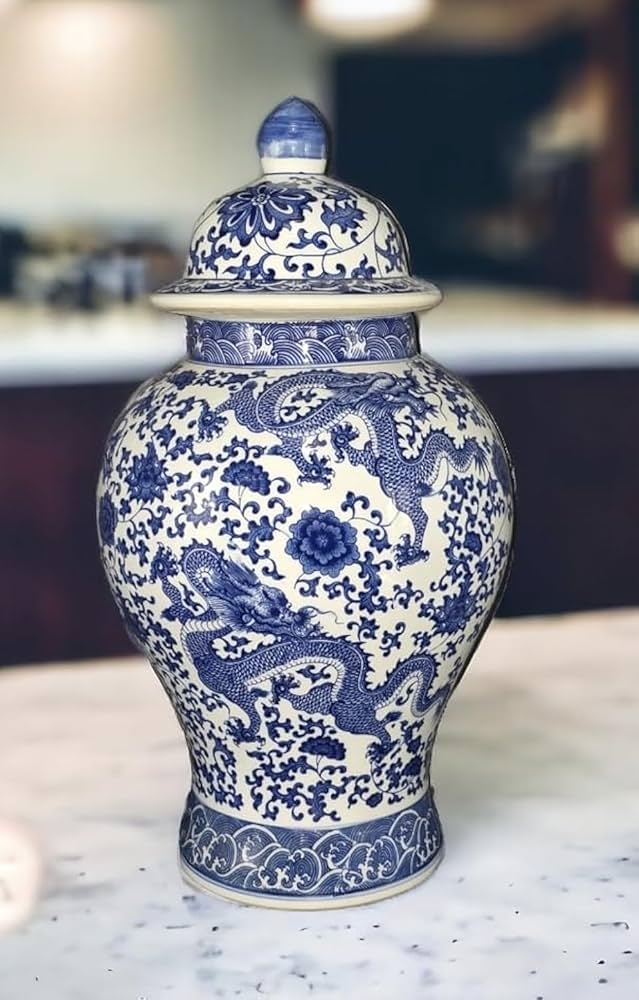
In the waters off Singapore, a recently uncovered shipwreck with a huge cargo of blue-and-white porcelain is shedding light on the storied Chinese craft produced during the turbulent era of the Mongol Empire.

About Porcelain

  • It is a type of ceramic material that is highly durable and has high-performance characteristics due to its production process.
  • It is made from a combination of natural materials including kaolin (china clay), feldspar, and quartz.
  • Porcelain was first made in China—in a primitive form during the Tang dynasty (618–907 CE) and in the form best known in the West during the Yuan dynasty (1279–1368 CE). 
  • The word porcelain is derived from porcellana, used by Marco Polo to describe the pottery he saw in China.
  • It is often called “china.”
  • There are three major types of porcelain historically used in dinnerware and decorative pieces: hard paste, soft paste, and bone china. 
    • Hard-paste porcelain dates back to antiquity in China and gets its durability from firing at a very high temperature. 
    • The exact composition of porcelain varies depending on its use and the manufacturer, though one common ingredient is kaolin, a soft white clay that is combined with other ingredients like mica, quartz, and feldspar.
    • Soft-paste porcelain was made by Europeans attempting to achieve the durability and translucence of Chinese porcelain.
      • It often incorporated materials like ground glass or soapstone and was fired at a lower temperature.
    • Finally, bone china incorporates up to 50% bone ash in its recipe and was developed during the mid-18th century in England. 
  • Properties of Porcelain:
    • High material density.
    • Smooth, glossy surface, which is particularly translucent and gives porcelain products a refined, elegant character.
    • High resistance to scratches and breakage, making it ideal for everyday use as well as special occasions.

Source: CNN


Porcelain FAQs

Q1: What is porcelain?

Ans: Porcelain is a highly durable ceramic material known for its high-performance characteristics and refined finish.

Q2: Which natural materials are primarily used to make porcelain?

Ans: Porcelain is made from kaolin (china clay), feldspar, and quartz.

Q3: Where was porcelain first produced?

Ans: Porcelain was first produced in China.

Q4: What are the key physical properties of porcelain?

Ans: Porcelain has high density, a smooth glossy and translucent surface, and strong resistance to scratches and breakage.

Gitchak nakana

What is Gitchak nakana

Gitchak nakana Latest News

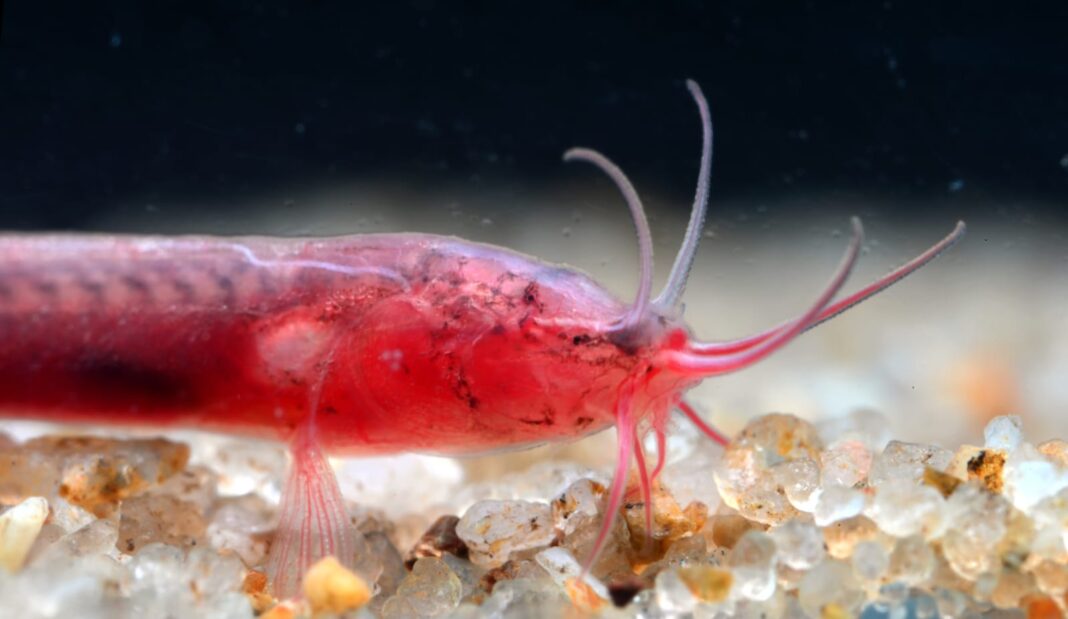
A new groundwater fish species, 'Gitchak Nakana', has been recently discovered in Assam.

About Gitchak nakana

  • It is a new species of groundwater fish.
  • This miniature, blind loach was discovered from a dug-out well in Assam, marking the first aquifer-dwelling (phreatobitic) fish recorded from Northeast India.
  • It belongs to a newly described genus within the family Cobitidae (loaches).
  • Named Gitchak nakana, the species draws from the Garo language, “Gitchak” meaning red, referencing its striking blood-red live colour, and “na-tok” and “kana” referring to a blind fish.
  • It grows to just 2 cm and displays classic subterranean adaptations, or troglomorphies: no externally visible eyes, a translucent, pigmentless body, and extreme miniaturization.
  • It is the most unusual among other groups due to the complete lack of a skull roof, with the brain covered dorsally only by skin.
  • It lives in aquifers, groundwater habitats far more difficult to access. 
    • While more than 300 fish species worldwide are known from subterranean habitats, the vast majority inhabit caves. 
    • Fewer than 10 percent are known from groundwater aquifers, making such discoveries rare.

Source: IT


Gitchak nakana FAQs

Q1: What is Gitchak nakana?

Ans: Gitchak nakana is a newly discovered species of groundwater-dwelling fish.

Q2: Where was Gitchak nakana discovered?

Ans: It was discovered in a dug-out well in Assam.

Q3: Why is the discovery of Gitchak nakana significant for Northeast India?

Ans: It is the first aquifer-dwelling (phreatobitic) fish recorded from the region.

Yadava Dynasty

Key Facts about Yadava Dynasty

Yadava Dynasty Latest News

Remains of a 12th-century Mandir-style stone pillar from the Seuna (Yadava) dynasty have been recently discovered near the Vena River in Hinganghat, Wardha district, Maharashtra.

About Yadava Dynasty

  • The Yadava Dynasty, also known as the Seuna Dynasty, were rulers of a 12th–14th-century Hindu kingdom of central India.
  • At its zenith they ruled a vast kingdom stretching from the River Tungabhadra to the River Narmada, including modern Maharashtra, the north of Karnataka, and parts of Madhya Pradesh.
  • Originally a feudatory of the Eastern Chalukyas of Kalyani, the dynasty became paramount in the Deccan under Bhillama (c. 1187–91), who founded Devagiri (later Daulatabad) as his capital. 
  • Under Bhillama’s grandson Singhana (reigned c. 1210–47), the dynasty declared independence and reached its height, as the Yadava campaigned against the Hoysalas in the south, the Kakatiyas in the east, and the Paramaras and Chalukyas in the north.
  • Later rulers continued expansionist wars with varying success. 
  • During the reign of the last Yadava king, Ramachandra (reigned 1271–c. 1309), a Muslim army commanded by the Delhi sultan Alauddin Khilji invaded the kingdom in 1294 and imposed tributary status. 
  • A later attempt to throw off the vassalage brought another Delhi army; Ramachandra was imprisoned but was later released and remained loyal to Delhi until his death. 
  • In a further attempt, his son and successor died in battle, and the kingdom was annexed by the Khaljī empire in 1317.
  • The foundations of Marathi culture were laid by the Yadavas, and the peculiarities of Maharashtra's social life developed during their rule.
  • The Hemadpanti architectural style (stone masonry without mortar) is associated with this period.

Source: ORG


Yadava Dynasty FAQs

Q1: What was another name for the Yadava Dynasty?

Ans: The Seuna Dynasty.

Q2: During which period did the Yadava Dynasty rule?

Ans: From the 12th to the 14th century.

Q3: Which modern Indian states were included in the Yadava kingdom?

Ans: Maharashtra, northern Karnataka, and parts of Madhya Pradesh.

Q4: Who founded Devagiri as the capital of the Yadava kingdom?

Ans: Bhillama

Q5: Which Delhi Sultan invaded the Yadava kingdom in 1294?

Ans: Alauddin Khilji.

Enquire Now