About Yen carry trade:
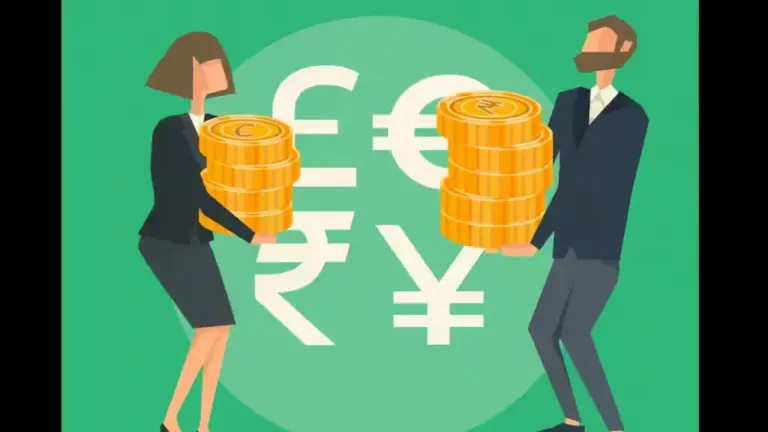
The Yen Carry Trade is a financial strategy used by investors to take advantage of the low-interest rates in Japan. Here’s a breakdown of how it works:
- Borrowing in Yen: Investors borrow money in Japanese yen, benefiting from the country’s historically low-interest rates.
- Investing in Higher-Yield Assets: The borrowed yen are then converted into another currency and invested in assets or instruments with higher yields, such as bonds, stocks, or real estate in countries with higher interest rates.
- Profit from Interest Rate Differential: The key to this strategy is the difference between the low borrowing costs in Japan and the higher returns on investments elsewhere. Investors aim to profit from this interest rate differential.
- Currency Risk: One significant risk in the yen carry trade is the fluctuation in exchange rates.
- If the yen appreciates significantly against the currency in which the investments are made, the cost of repaying the yen-denominated loan can increase, potentially offsetting the gains from the investment.
- Market Impact: The yen carry trade can influence global financial markets.
- Large-scale unwinding of these trades can lead to significant movements in currency exchange rates and affect market stability.
- Overall, the yen carry trade is a strategy that leverages low-interest rates in Japan to seek higher returns abroad, but it comes with risks, particularly related to currency fluctuations.
Q1. What is the difference between Debt and Equity?
“Debt” involves borrowing money to be repaid, plus interest, while “equity” involves raising money by selling interests in the company. Essentially you will have to decide whether you want to pay back a loan or give shareholders stock in your company.
Q2. What is the basic difference between FPI and FDI?
Foreign Direct Investment (FDI) involves foreign investors directly investing in another nation’s productive assets. Conversely, Foreign Portfolio Investment (FPI) entails investing in financial assets, like stocks and bonds, of entities situated in a different country.
Source: Yen Carry Trade blowback explained | Hindu | Indian Express






 Last updated on March, 2026
→ UPSC Final Result 2025 is now out.
→ UPSC has released UPSC Toppers List 2025 with the Civil Services final result on its official website.
→ Anuj Agnihotri secured AIR 1 in the UPSC Civil Services Examination 2025.
→ UPSC Marksheet 2025 is now out.
→ UPSC Notification 2026 & UPSC IFoS Notification 2026 is now out on the official website at upsconline.nic.in.
→ UPSC Calendar 2026 has been released.
→ Check out the latest UPSC Syllabus 2026 here.
→ UPSC Prelims 2026 will be conducted on 24th May, 2026 & UPSC Mains 2026 will be conducted on 21st August 2026.
→ The UPSC Selection Process is of 3 stages-Prelims, Mains and Interview.
→ Prepare effectively with Vajiram & Ravi’s UPSC Prelims Test Series 2026 featuring full-length mock tests, detailed solutions, and performance analysis.
→ Enroll in Vajiram & Ravi’s UPSC Mains Test Series 2026 for structured answer writing practice, expert evaluation, and exam-oriented feedback.
→ Join Vajiram & Ravi’s Best UPSC Mentorship Program for personalized guidance, strategy planning, and one-to-one support from experienced mentors.
→ Shakti Dubey secures AIR 1 in UPSC CSE Exam 2024.
→ Also check Best UPSC Coaching in India