
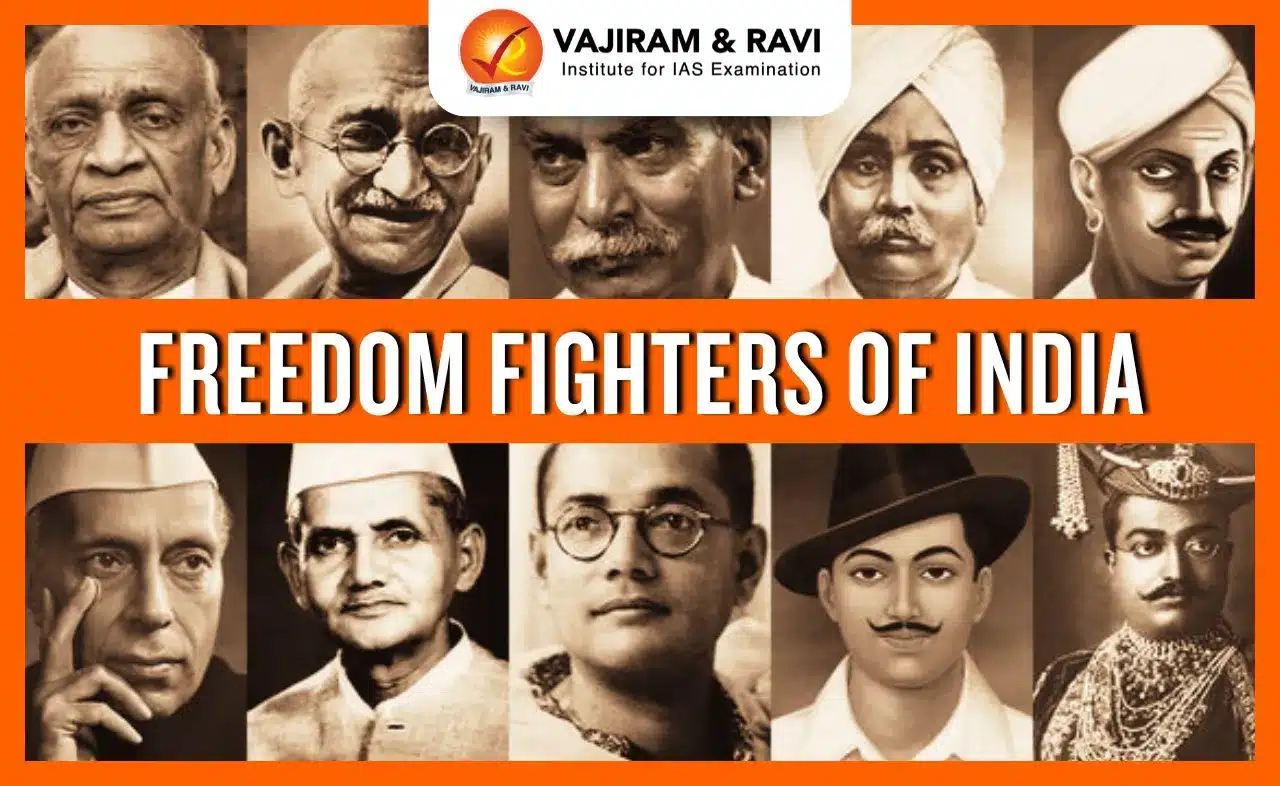
The Freedom of India was the result of the sacrifices of great freedom fighters who played a major role in its independence. Prominent leaders like Bhagat Singh, Mahatma Gandhi, Subhash Chandra Bose, Jawaharlal Nehru, Dr. Rajendra Prasad, Lala Lajpat Rai, Lal Bahadur Shastri, and Bal Gangadhar Tilak united the nation. Alongside them, countless patriots also contributed to India’s struggle against British rule. All the important freedom fighters' names have been shared below in the article.
Freedom Fighters of India
India became an independent and a democratic state on 15th August 1947, marking the freedom struggle by the Freedom Fighters of India who led the great revolutions. The 78th Independence Day will be celebrated on 15th August 2024 across the nation.
Freedom Fighters of India fought various struggles, movements, battles, and uprisings, with many of them sacrificing their lives for the nation's sovereignty. Keep reading the article to know about the Freedom Fighters of India from 1857 to 1947 and their Contributions.
List of Freedom Fighters of India from 1857 to 1947
India’s struggle for independence was shaped by legendary leaders like Mahatma Gandhi, Bhagat Singh, Subhas Chandra Bose, Jawaharlal Nehru, and Chandra Shekhar Azad, among others. Each freedom fighter played an important role in the Freedom Fight of India. Check out the List of Freedom Fighters of India from 1857 to 1947 below in the table:
| List of Freedom Fighters of India from 1857 to 1947 | |
| Freedom Fighters Name | Contributions and Roles |
|
Bal Gangadhar Tilak |
The Maker of Modern India, Swadeshi Movement |
|
Dr.Rajendra Prasad |
First President of the Republic of India |
|
Lal Bahadur Shastri |
White Revolution Green Revolution Second Prime Minister of India |
|
Sardar Vallabhbhai Bhai Patel |
Civil Disobedience Movement and Quit India Movement Unification of India |
|
Bhagat Singh |
One of the Most Influential Revolutionary |
|
Subhas Chandra Bose |
World War II Indian National Congress |
|
Mahatma Gandhi |
Father of the Nation, Civil Rights Activists in South Africa, Satyagraha, |
|
Jawaharlal Nehru |
First Prime Minister of India |
|
Gopal Krishna Gokhale |
Political guru of Mahatma Gandhi |
|
Chandra Shekhar Azad |
Reorganized the Hindustan Republican Association (HRA) under the new name of the Hindustan Socialist Republican Association(HSRA) |
|
Dadabhai Naoroji |
Unofficial Ambassador of India |
|
Tantia Tope |
Indian Rebellion of 1857 |
|
Bipin Chandra Pal |
Father of Revolutionary Thoughts |
|
Lala Lajpat Rai |
Punjab Kesari Against Simon Commission |
|
Ashfaqullah Khan |
Member of Hindustan Republican Association |
|
Nana Sahib |
Indian Rebellion of 1857 |
|
Sukhdev |
Chief of Punjab unit of HSRA(Hindustan Socialist Republican Association) |
|
Kunwar Singh |
Indian Rebellion of 1857 |
|
Mangal Pandey |
Sepoy mutiny of the Revolt of 1857 |
|
Vinayak Damodar Savarkar |
Leading figures of Hindu Mahasabha and formulators of Hindu Nationalist Philosophy |
|
Rani Lakshmi Bai |
Leading women in the rebellion of 1857 |
|
Begum Hazrat Mahal |
First female freedom fighter |
|
Kasturba Gandhi |
Quit India movement |
|
Kamla Nehru |
Protested against foreign liquors |
|
Vijay Laxmi Pandit |
First Indian women ambassador at UN. |
|
First Indian woman who acted as governor (UP) |
|
|
Aruna Asaf Ali |
Inquilab (Monthly journal) |
|
Madam Bhikaji Cama |
First Indian to hoist the Indian Non-cooperation flag on foreign soil, Mother India’s first cultural representative of USA’ |
|
Kamla Chattopadhyay |
The first woman to be elected to a legislative seat in India(madras province) |
|
Sucheta Kriplani |
First women Chief minister (UP) |
|
First woman president of INC, Home rule league. |
|
|
Kittur Chennamma |
First female ruler to rebel against the British |
|
First lady teacher in India |
|
|
Usha Mehta |
Organized Congress Radio popularly the Secret Congress Radio |
|
Lakshmi Sahgal |
India Democratic Women Association(IDWA)(1981 ) |
|
He is known as the father of the Constitution He was the First Law Minister of India |
|
|
Rani Gaidinliu |
She was Naga spiritual and political leader |
|
Prafulla Chaki |
Involved in the Muzaffarpur killing |
|
Chittaranjan Das |
Leader in the Non-cooperation Movement from Bengal and Founder of the Swaraj party |
|
Bhavabhushan Mitra |
Involved in Ghadar Mutiny |
|
Alluri Sitarama Raju |
|
|
Kanneganti Hanumanthu |
Palnadu Rebellion |
|
Parbati Giri |
She is also known as mother Teresa of Western Orissa. |
|
Tirupur Kumaran |
He was the founder of the DesaBandhu Youth Association |
|
Kanaiyalal Maneklal Munshi |
He was the founder of Bharatiya Vidya Bhavan |
|
Senapati Bapat |
He was the leader of the Mulshi Satyagraha |
|
Basawon Singh (Sinha) |
|
|
Kartar Singh Sarabha |
Lahore conspiracy |
|
Bagha Jatin |
The Howrah-Shibpur conspiracy case |
|
Jogesh Chandra Chatterjee |
|
|
Roshan Singh |
Kakori conspiracy |
|
Pingali Venkayya |
He was the designer of the flag on which our National Flag is based |
|
Veerapandiya Kattabomman |
He was an 18th-century Tamil chieftain. He refused to accept the sovereignty of the British East India Company and raised war against them. He was captured by the British and was hanged to death on 16 October 1799 |
|
Sachindra Bakshi |
Kakori conspiracy |
|
Rajendra Lahiri |
Kakori conspiracy |
|
Manmath Nath Gupta |
Kakori conspiracy |
|
Bahadur Shah Zafar |
Indian Rebellion of 1857 |
|
Chetram Jatav |
Indian Rebellion of 1857 |
|
Bakht Khan |
Indian Rebellion of 1857 |
Famous Freedom fighters of India
Here’s a brief overview of some of the Famous Freedom fighters of India and their contributions to the struggle for independence:
Mahatma Gandhi
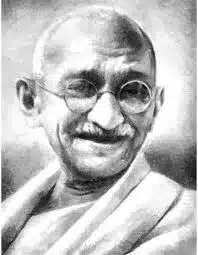
Mahatma Gandhi, born on 2nd October 1869 in Porbandar, Gujarat, is honored as the Father of the Nation. His birthday is celebrated as Gandhi Jayanti in India and recognized globally as the International Day of Non-Violence by the UNO. He was the son of Karamchand Gandhi and Putlibai, was mentored by Gopal Krishna Gokhale. His notable publications include Indian Opinion, Harijan, and Young India. Known as ‘Bapu’ and ‘Gandhiji’, his principles of non-violence and truth shaped India's freedom struggle.
Bal Gangadhar Tilak
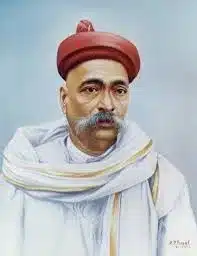
Bal Gangadhar Tilak was known as Lokmanya Tilak, he was a teacher, nationalist, and activist, and part of the Lal-Bal-Pal trio. As the first leader of the independence movement, he was titled “The Maker of Modern India” by Mahatma Gandhi. His famous slogan, "Swaraj is my birthright, and I shall have it!", became a rallying cry for freedom.
Dr. Rajendra Prasad
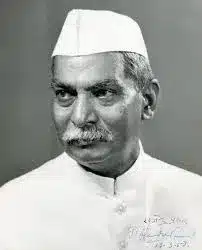
India’s first President (1950-1962), Dr. Rajendra Prasad was a lawyer, politician, and activist. A close associate of Mahatma Gandhi, he was jailed during the Satyagraha (1931) and Quit India Movement (1942). He also served as India’s Food and Agriculture Minister. Revered as “Ajata Shatru” (one with no enemies), he played a key role in shaping the nation.
Lal Bahadur Shastri
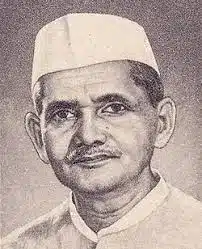
India’s 2nd Prime Minister and 6th Home Minister, Lal Bahadur Shastri is known for leading the White Revolution, increasing the milk production, and initiating the Green Revolution to enhance food security. He was known for his simplicity and dedication to the nation.
Sardar Vallabhbhai Bhai Patel
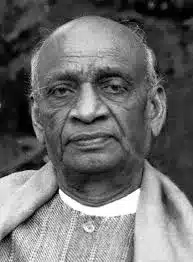
Sardar Vallabhbhai Patel (1875–1950), known as the "Iron Man of India", was India's first Deputy Prime Minister and Home Minister. A lawyer and statesman, he played a key role in integrating 562 princely states into India. His leadership in uniting the nation earned him the title "Unifier of India".
Bhagat Singh
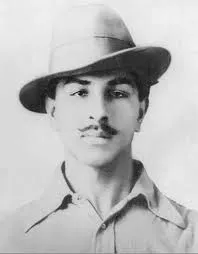
Bhagat Singh (1907-1931) became a national icon through his bravery and sacrifice. He sentenced to death of Lala Lajpat Rai by mistakenly killing a British officer and later threw bombs in the Central Legislative Assembly as a protest. His hunger strike in jail and martyrdom at 23 made him a legendary figure in India's independence movement.
Subhas Chandra Bose
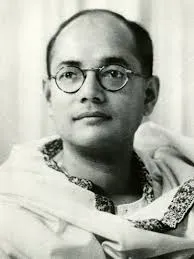
Famously called "Netaji", Subhas Chandra Bose (1897-1945) was a nationalist known for his militant approach toward independence. He founded Azad Hind Fauj (Indian National Army) and inspired millions with slogans like "Tum Mujhe Khoon Do, Main Tumhe Aazadi Dunga" and "Delhi Chalo". His socialist policies and strategic alliances aimed at ending British rule.
Jawaharlal Nehru
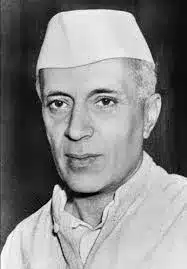
India’s first Prime Minister, Pt. Jawaharlal Nehru (1889-1964) played a key role in shaping modern India. Educated at Cambridge and London, he returned to India in 1912 and joined the freedom struggle. His love for children earned him the title "Chacha Nehru", and his birth anniversary (14th November) is celebrated as Children’s Day in India.
Gopal Krishna Gokhale
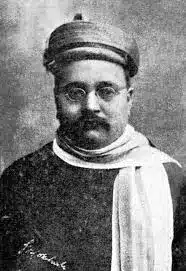
A moderate nationalist and social reformer, Gopal Krishna Gokhale (1866-1915) was instrumental in promoting education, economic reforms, and self-rule. He mentored Mahatma Gandhi, shaping his early political views. His dedication to social justice and gradualist approach made him a respected leader in India's fight for freedom.
Chandra Shekhar Azad
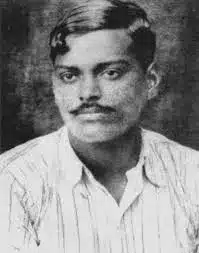
Chandra Shekhar Azad reorganized the Hindustan Republican Association (HRA) after Ramprasad Bismil's death. At 15, he was arrested for joining Gandhi’s Non-Cooperation Movement, famously declaring “Azad” (free) as his name.

Known as the "Grand Old Man of India," Dadabhai Naoroji was a founding member of the Indian National Congress (INC) and introduced the Drain of Wealth theory in his book Poverty and Un-British Rule in India.
Tantia Tope
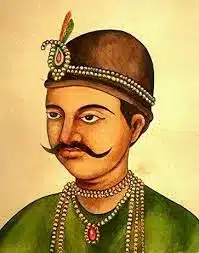
A commander in the 1857 Revolt, Tantia Tope fought the British alongside Rani Lakshmibai and Nana Saheb. Though lacking formal military training, he became one of India's most skilled rebel leaders.
Bipin Chandra Pal
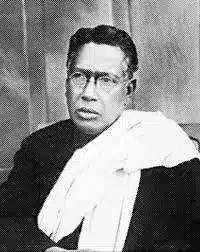
A member of the Lal-Bal-Pal trio, Bipin Chandra Pal was known as the "Father of Revolutionary Thoughts" and advocated Swaraj (self-rule). His works include Indian Nationalism and The Soul of India.
Lala Lajpat Rai
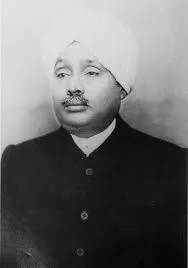
Nicknamed “Punjab Kesari” (Lion of Punjab), Lala Lajpat Rai was a social reformer and nationalist. He led the Simon Commission protest and surrender to injuries from police brutality.
Ashfaqullah Khan
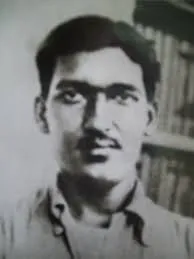
A revolutionary involved in the Kakori Train Robbery (1925), Ashfaqullah Khan was sentenced to death for challenging British rule alongside Ram Prasad Bismil.
Nana Saheb Peshwa II
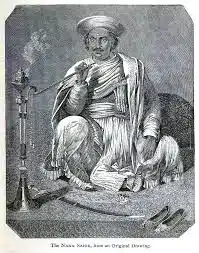
A leader of the 1857 Revolt, Nana Saheb fought against British injustice after being denied the pension of his adoptive father, Peshwa Baji Rao II.
Sukhdev Thapar
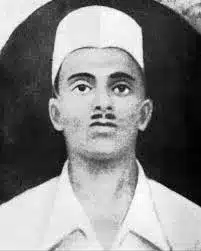
Born on 15 May 1907 in Ludhiana, Punjab, Sukhdev Thapar was a senior member of the Hindustan Socialist Republican Association (HSRA). He played a crucial role in India's freedom struggle alongside Bhagat Singh and Rajguru. At just 23 years old, he was hanged on 23 March 1931 by the British.
Kunwar Singh
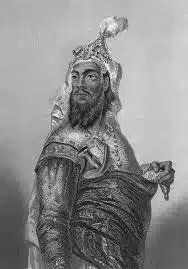
Also known as Veer Kunwar Singh, he was a chief organizer of the 1857 Revolt in Bihar. He belonged to the Ujjainiya clan in Bhojpur, Bihar, and fought bravely against British forces despite being in his 80s.
Mangal Pandey
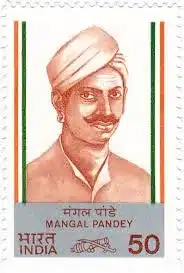
A soldier in the 34th Bengal Native Infantry, Mangal Pandey played a pivotal role in sparking the 1857 Revolt. His attack on British officers is considered the first major incident of the Sepoy Mutiny. In 1984, the Indian government issued a postage stamp in his honor.
Vinayak Damodar Savarkar
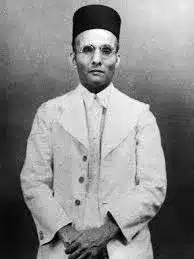
A revolutionary, writer, and activist, Vinayak Damodar Savarkar was a leading face of the Hindu Mahasabha. His book, The War of Independence, was banned by the British for promoting nationalist sentiments. Despite being an atheist, he advocated Hindu philosophy as a pragmatic nationalist.
Freedom Fighters of India FAQs
Q1: Who is the legend of the freedom fighter?
Ans: Mahatma Gandhi
Q2: Who is the freedom fighter queen?
Ans: Rani Lakshmibai, the Queen of Jhansi, stands as a prominent figure among female Indian freedom fighters.
Q3: Who is the brave woman in India?
Ans: Prominent brave women in India’s freedom struggle include Rani Lakshmibai, Rani Abbakka, Kittur Chennamma, Aruna Asaf Ali, and Sarojini Naidu.
Q4: Who is the best female fighter in India?
Ans: Rani Lakshmibai is often regarded as one of the bravest and most iconic women in India’s freedom struggle.
