Crisis in India’s Cooperative Sector, 47.05% of India’s Societies Defunct

Crisis in India’s Cooperative Sector

Cooperative societies are an important part of India’s economic and social system, especially for rural development and financial inclusion. However, recent data presented in Parliament by Union Cooperatives Minister Amit Shah highlights serious concerns. 

Extent of Crisis in India’s Cooperative Sector 

As per data presented by the Central government in Parliament out of 8.48 lakh cooperative societies, only 3.49 lakh are in profit, while 2.11 lakh are in loss, 1.41 lakh are non-functional, and 47,688 are under liquidation. 

Defunct Cooperatives

  • Uttar Pradesh has the highest percentage of defunct societies at 41.8% (16,997), followed by Madhya Pradesh with 34.4%, Rajasthan with 31.8%, Andhra Pradesh with 30.1%, and West Bengal with 27.8%. 
  • The condition of smaller States is even worse, Nagaland (72.7%), Delhi (67.1%), Sikkim (55.3%), Manipur (52%) and Chandigarh (46.4%).
  • Maharashtra, despite having the highest number of cooperatives (2.26 lakh), has the lowest share of defunct societies (1.21%). Similarly, Gujarat (7.25%), Karnataka (7.54%), and Haryana (8.23%) also have relatively low levels of defunct societies.

Although western and southern States have kept more cooperatives functional, many of them are still in loss, under liquidation, or lack proper financial data.

Loss Making Cooperatives 

Even among functional societies, the situation remains concerning. On average, around 31.75% of cooperatives in major States are running in loss. Telangana (47.22%), Haryana (41%), and Madhya Pradesh (38%) show particularly high levels of loss-making societies.

Cooperatives Under Liquidation 

Apart from loss-making societies, 47,688 cooperatives are under liquidation. Of these, about 93% (44,561) are concentrated in five States (Maharashtra, Gujarat, Telangana, Karnataka, and Madhya Pradesh) 

Sector-wise Challenges in Cooperative Societies

The crisis in India’s cooperative sector is concentrated in a few key sectors, where structural and financial challenges have led to large-scale distress.

Issues in Dairy Cooperatives

The dairy sector, which NABARD identifies as a crucial financial buffer against agricultural shocks, has seen 14,251 societies become non-functional or enter liquidation across the top five States. Key reasons for poor performance are:

  • Post-COVID fall in milk prices failed to cover rising costs, reducing cooperative profitability.
  • Milk production increased by 25% (Oct 2024-Mar 2025), but higher procurement costs due to unseasonal rains, geopolitical disruptions, and strong demand reduced cooperative margins.

Issues in Housing Cooperatives

Maharashtra and Gujarat top the list of non-functional or under-liquidation housing cooperatives. 

  • Housing cooperatives in Maharashtra, Gujarat, and Telangana are facing a financial crisis mainly because depositors lost money in scam-hit cooperative banks like PMC, New India, and Mumbai Bank.
  • Other issues plaguing the housing cooperatives are non-payment of maintenance charges by members, mismanagement of funds by committees and long-drawn redevelopment processes.

Issues in Credit and Thrift Societies

Credit and Thrift societies are member-owned financial cooperatives which promote the savings, credit, and insurance needs of their voluntary members. The terms and conditions of mutual aid are decided by the members themselves.

Gujarat, Telangana, and Madhya Pradesh have the highest number of non-functional Credit & Thrift societies, while 1,452 in Maharashtra and 1,424 in Madhya Pradesh are under liquidation. Key reasons for poor performance are: 

  • Majority of the Credit and Thrift Societies operate with very small capital (often below ₹1 lakh), making them financially weak.
  • They are not directly supervised by the Reserve Bank of India, leading to weak regulation.
  • Lending and interest rates are self-determined and often unsustainable.
  • High-cost lending increases defaults and pushes societies towards losses.
  • Poor management and lack of financial discipline further worsen their performance.

Issues in Labour Cooperatives

Labour cooperatives are worker-owned and democratically managed institutions that help workers in the unorganised sector secure fair wages, contracts, and income. 

In most States, they form only a small share of non-functional societies, but Telangana is an exception where weak financial capacity and inability to handle legal and tax requirements are key reasons for their poor performance.

  • Many construction-related cooperatives have gone bankrupt due to poor contracts and low earnings.
  • Heavy tax liabilities, such as high GST demands, have further increased their financial burden.

Women’s Welfare Cooperatives

Women’s cooperatives are generally functioning well across most States, but they face serious distress in some regions.Madhya Pradesh has the highest number of defunct women cooperatives (8,495), followed by Telangana (562 non-functional societies). Key reasons for poor performance are: 

  • Limited access to formal finance forces women to depend on informal sources like self-help groups (SHGs), restricting growth.
  • Lack of exposure to business networks reduces opportunities for expansion and market linkages.
  • Social barriers such as mobility restrictions and societal inhibitions limit active participation.
  • Although around 60% of women are aware of government schemes, only about 25% actually benefit due to poor implementation and access issues.
  • Lack of family support creates additional pressure, with nearly 80% of women struggling to balance work, household duties, and childcare.

Road Ahead for India’s Cooperative Sector

The government has taken steps through the National Cooperation Policy, 2025 to strengthen and expand the cooperative sector, with a focus on inclusion and diversification into new areas like transport, insurance, and green energy. However, further efforts are needed such as: 

  • Ensuring professional management, transparency, and reducing political interference in cooperative functioning.
  • Stronger regulatory oversight, especially for smaller credit and thrift societies, is required to ensure financial discipline and prevent failures.
  • Provide better access to institutional finance and support for loss-making but viable cooperatives.
  • Simplify GST compliance for small labour cooperatives,
  • Sector-specific reforms, particularly in dairy, housing, and labour cooperatives, are necessary to address their unique challenges.
  • Supporting women’s cooperatives through easier access to finance, market linkages, and social support systems will improve inclusiveness.
  • Maintaining a balance between Centre and State roles is important to ensure both effective policy implementation and cooperative autonomy.

Overall, while the government has initiated reforms, sustained and targeted measures are required to ensure long-term viability and inclusiveness of the cooperative sector.

Crisis in India’s Cooperative Sector FAQs

Q1: What is the current status of India's Cooperative Sector?

Ans: As per government data, out of 8.48 lakh cooperatives, only 3.49 lakh are profitable, while 2.11 lakh are in loss, 1.41 lakh are non-functional, and 47,688 are under liquidation, highlighting widespread distress.

Q2: Which States are most affected by the Crisis in India’s Cooperative Sector?

Ans: States like Uttar Pradesh, Madhya Pradesh, and Rajasthan have a high share of defunct societies, while smaller States such as Nagaland and Sikkim show even more severe levels of non-functionality.

Q3: What are the main reasons behind the Crisis in India’s Cooperative Sector?

Ans: The crisis is driven by poor governance, weak regulation, financial mismanagement, rising costs, and social constraints such as low participation and limited access to finance.

Q4: Which sectors are most affected by the Crisis in India’s Cooperative Sector?

Ans: The crisis is concentrated in key sectors like dairy, housing, credit and thrift, labour, and women’s cooperatives, where financial and structural issues are more pronounced.

Q5: What is the way forward to resolve the Crisis in India’s Cooperative Sector?

Ans: Addressing the crisis requires better governance, stronger regulation, improved financial support, sector-specific reforms, and greater participation to ensure long-term sustainability and inclusiveness.

Periodic Labour Force Survey (PLFS) Annual Report 2025, Key Highlights

Periodic Labour Force Survey (PLFS) Annual Report 2025

The Periodic Labour Force Survey (PLFS) Annual Report 2025 provides a comprehensive and data-driven picture of India’s labour market, highlighting trends in employment, unemployment, workforce participation, sectoral shifts, and wage patterns during the period January-December 2025.

About Periodic Labour Force Survey (PLFS)

Periodic Labour Force Survey (PLFS), launched in 2017 by the National Statistical Office (NSO), is India’s main source of data on employment, unemployment, and wages. It was introduced to provide more frequent and reliable labour market information compared to the earlier National Sample Survey (NSS) rounds. 

The PLFS uses a scientifically designed sampling method covering both rural and urban areas, and collects data on individuals’ work status, type of employment, and earnings. 

PLFS measures employment using two main approaches:

  • Usual Status: Based on a person’s activity over the past year. It is useful for long-term trends.
  • Current Weekly Status (CWS): Based on activity in the last 7 days. It captures short-term and seasonal changes.

This dual approach reflects India’s complex labour market, where people often shift between work, unemployment, and inactivity.

From 2025, the survey has undergone key methodological changes:

  • The survey cycle has shifted to a calendar year (January-December) from the earlier agricultural year (July-June).
  • The sample size has significantly increased to improve representativeness.
  • A rotational panel sampling design has been introduced to generate more frequent and dynamic estimates.

Key Highlights of Periodic Labour Force Survey (PLFS) Annual Report 2025

The Periodic Labour Force Survey (PLFS) Annual Report 2025 presents several important findings:

  • Labour Force Participation Rate (LFPR): Remained stable at 59.3%, with male LFPR at 79.1% and female LFPR at 40.0%, reflecting gradual improvement in women’s participation.
  • Worker Population Ratio (WPR): Estimated at 57.4%, showing consistency in employment levels across the country.
  • Unemployment Rate (UR): Declined to 3.1%, with rural unemployment at 2.4% and urban unemployment at 4.8%, indicating better employment conditions in rural areas.
  • Youth Unemployment: Reduced to 9.9% (age group 15-29 years), though still relatively high, highlighting challenges in youth employment.
  • Sectoral Distribution: Agriculture remains the largest employer but its share declined, while manufacturing and services sectors witnessed increased participation.
  • Rising Female Earnings: Women’s wages grew faster than men’s across categories, though a significant gender wage gap persists.
  • Increase in Salaried Jobs: Share of regular wage employment rose from 22.4% in 2024 to 23.6% in 2025, indicating improvement in job quality.
  • Education and Skills: Around 67.8% of people (15+) have at least secondary education, but only a small proportion received formal vocational training, indicating a skill gap.
  • Employment Size: About 61.6 crore people were employed in 2025, reflecting the scale of India’s workforce.

Key Labour Market Trends

Key Labour Market Trends show that India’s workforce is gradually shifting towards regular jobs, with more women participating, a move from agriculture to industry and services, and rising wages; however, challenges like unemployment, gender wage gaps, and youth underemployment continue to persist.

  • Employment Structure Transformation: The share of self-employment has declined, while regular wage/salaried employment has increased to 23.6%. This indicates a slow movement towards more formal and stable jobs, although a large proportion of the workforce still remains in informal or vulnerable employment.
  • Gender Dimensions of Employment: Female participation in the labour force has improved, with the Labour Force Participation Rate reaching 40%, but it still lags significantly behind male participation (79.1%). Women’s wages have grown faster than men’s in recent years; however, a substantial gender wage gap persists, with women earning only around 76% of male wages in salaried jobs and even less in self-employment. Social factors such as household responsibilities and care work continue to limit women’s workforce participation.
  • Rural-Urban Employment Divide: Rural areas exhibit lower unemployment rates due to the absorptive capacity of agriculture and informal sectors, while urban areas have higher unemployment but offer relatively better quality and higher-paying jobs. The Worker Population Ratio remains stronger in rural areas, whereas urban employment is more sensitive to economic cycles and structural changes.
  • Sectoral Shift in Employment: There is a noticeable decline in the share of employment in agriculture (from 44.8% to 43.0%), accompanied by an increase in manufacturing and services. This reflects a structural transformation of the Indian economy, where labour is gradually moving from low-productivity agriculture to higher-productivity sectors, although the pace of this transition remains moderate.
  • Education and Employment Linkages: The average years of schooling have increased to around 10 years, and higher education levels are associated with greater workforce participation. However, educated unemployment continues to be a concern, indicating a mismatch between the education system and labour market requirements, particularly in terms of skills and employability.
  • Youth Employment Challenges: While youth unemployment (15-29 years) has declined to 9.9%, it remains significantly higher than the overall unemployment rate. A considerable proportion of youth fall under the category of Not in Employment, Education or Training (NEET), reflecting underutilisation of India’s demographic dividend and the need for targeted employment and skill development policies.
  • Wage Trends and Inequality: Wages have increased across categories, with female wages growing at a faster rate than male wages. However, gender-based wage inequality persists across all forms of employment - salaried, self-employed, and casual labour.

Challenges Highlighted in PLFS Annual Report 2025

Despite positive trends, the Periodic Labour Force Survey (PLFS) Annual Report 2025 highlights several structural challenges:

  • Gender Wage Gap: Women earn significantly less than men across all categories of employment, reflecting deep-rooted inequalities.
  • Low Female Labour Participation: Social norms, unpaid care work, and lack of opportunities continue to restrict women’s participation in the workforce.
  • Youth Employment Concerns: High youth unemployment indicates a mismatch between education and industry requirements.
  • Dominance of Informal Sector: A large proportion of workers still lack formal contracts, job security, and social protection benefits.
  • Skill Deficit: Limited access to vocational and technical training reduces employability and productivity.
  • Regional Disparities: Employment opportunities vary significantly across states and regions, leading to uneven development.

Significance of PLFS Annual Report 2025

The Periodic Labour Force Survey (PLFS) Annual Report 2025 is highly significant in multiple ways:

  • Policy Formulation: Provides a strong empirical basis for designing employment and labour policies.
  • Economic Planning: Helps track structural transformation and sectoral shifts in the economy.
  • Inclusive Development: Highlights gaps in gender, youth, and regional employment, enabling targeted interventions.
  • Skill Development Strategy: Identifies the need for aligning education with labour market demands.
  • Monitoring Progress: Serves as a benchmark to evaluate government initiatives like skill development and employment schemes.

Way Forward

To build on the findings of the Periodic Labour Force Survey (PLFS) Annual Report 2025, a multi-pronged approach is needed:

  • Strengthen Skill Ecosystem: Expand vocational and technical training to bridge the skill gap and improve employability.
  • Enhance Female Workforce Participation: Provide supportive measures such as childcare facilities, safe workplaces, and flexible employment opportunities.
  • Promote Labour-Intensive Manufacturing: Focus on sectors like textiles, food processing, and MSMEs to generate large-scale employment.
  • Encourage Formalisation: Expand social security coverage and incentivise formal job creation.
  • Improve Job Quality: Focus not just on employment quantity but also on wages, job security, and working conditions.
  • Address Regional Imbalances: Promote balanced regional development through targeted investments and infrastructure.

Periodic Labour Force Survey (PLFS) Annual Report 2025 FAQs

Q1: What is the Periodic Labour Force Survey (PLFS) Annual Report 2025?

Ans: It is a comprehensive survey by the National Statistical Office providing data on employment, unemployment, workforce participation, sectoral distribution, and wages in India for the year 2025.

Q2: Who conducts the Periodic Labour Force Survey (PLFS)?

Ans: The National Statistical Office (NSO) conducts the PLFS.

Q3: What are the key labour market trends highlighted in Periodic Labour Force Survey (PLFS) Annual Report 2025?

Ans: The report shows a gradual shift from self-employment to regular wage jobs, increased female workforce participation, a movement from agriculture to manufacturing and services, rising wages, and persistent challenges like gender wage gaps and youth underemployment.

Q4: What are major challenges highlighted in the Periodic Labour Force Survey (PLFS) Annual Report 2025?

Ans: Gender wage gap, low female participation, informal sector dominance, skill deficit, youth unemployment, and regional disparities.

Q5: Why is the Periodic Labour Force Survey (PLFS) Annual Report 2025 important?

Ans: It guides policy, tracks structural changes, helps in skill development, and monitors employment schemes.

Ladakh Range, Location, Features, Biodiversity, Significance

Ladakh Range

The Ladakh Range is a significant mountain system located in central Ladakh in India, extending into Baltistan in Pakistan. It runs parallel to the Indus River and forms a major geographical barrier influencing regional drainage, climate and human settlement patterns across Ladakh. This range forms a part of the Trans-Himalayan system and is considered a southeastern extension of the Karakoram Range. It plays a key role in shaping Ladakh’s terrain and climate.

Ladakh Range

The Ladakh Range is a high altitude mountain system with an average elevation of about 6,000 metres and limited prominent peaks. 

  • Location: It is located in the Ladakh Union territory of India.
  • Extent: The range extends around 370 km from Baltistan to the Tibetan border, positioned between the Indus and Shyok valleys, forming a natural boundary in central Ladakh.
  • Rivers: It lies between the Indus River and Shyok River valleys and stretches for about 370 km.
  • Geological Composition: It is mainly composed of granitic rocks of the Ladakh batholith, bounded by the Shyok suture zone in the north and Indus suture zone in the south.
  • Elevation and Relief: The average height is about 6,000 metres, with crest lines reaching nearly 6,100 metres, though it lacks very high peaks compared to nearby ranges.
  • Major Passes: Important high passes include Chorbat (5,090 m), Digar La (5,400 m), Khardung La (5,602 m), Chang La (5,599 m) and Tsaka La (4,724 m).
  • Climatic Conditions: The region experiences a cold desert climate with less than 100 mm annual rainfall, extreme winters below 0°C and summer temperatures exceeding 30°C on lower slopes.

Ladakh Range Biodiversity

The Ladakh Range supports limited but specialized biodiversity due to its harsh cold desert conditions, low precipitation and extreme temperatures. 

  • Vegetation Type: Vegetation is sparse, consisting mainly of short grasses, scrub and drought resistant plants adapted to arid and cold climatic conditions with very low soil moisture.
  • Floral Adaptations: Plants such as shrubs and alpine grasses survive through deep root systems, short growing seasons and resistance to frost and strong winds.
  • Faunal Diversity: The region supports limited animal life, including species adapted to cold desert conditions, with low biomass but specialized survival mechanisms.
  • Ecological Constraints: Low precipitation, extreme cold and high altitude significantly restrict biodiversity, resulting in fragile ecosystems with slow regeneration rates.

Also Check: Mountain Ranges in India

Ladakh Range Significance

The Ladakh Range shapes Ladakh’s landscape, influences climate patterns and historically supported important trade routes linking Central Asia, Tibet and the Indian subcontinent.

  • Climatic Barrier: The range creates a rain shadow effect by blocking monsoon winds, making Ladakh a high altitude cold desert with very low annual rainfall.
  • Trade Route: Historic routes passed through passes like Khardung La, connecting Leh to Yarkand, Tibet and Srinagar, facilitating trade and cultural exchange.
  • Economic Role: Trade in pashmina wool from Tibet, especially after the Treaty of Tingmosgang (1684), contributed significantly to Ladakh’s prosperity.
  • Strategic Importance: The range provides natural defense and controls access routes in a geopolitically sensitive region between India, Pakistan and China.

Also Check: Aravalli Range

Ladakh Range Challenges

The Ladakh Range faces multiple environmental and developmental challenges due to its fragile ecosystem, extreme climate and increasing human activities in recent decades.

  • Harsh Climate: Extreme temperatures, low oxygen levels and minimal precipitation make habitation and infrastructure development difficult in most parts of the range.
  • Environmental Fragility: Sparse vegetation and thin soil cover lead to high vulnerability to erosion, landslides and ecological imbalance.
  • Limited Resources: Water scarcity and poor soil fertility restrict agriculture and economic activities, affecting livelihoods of local populations.
  • Climate Change Impact: Rising temperatures and irregular precipitation patterns increase risks of flash floods and ecological disturbances in the cold desert environment.
  • Infrastructure Constraints: Rugged terrain and high passes limit connectivity, making transportation and development projects costly and difficult.

Also Check: Vindhya Range

Ladakh Range Conservation Measures

Conservation of the Ladakh Range focuses on protecting its fragile ecosystem, promoting sustainable development and preserving its unique geographical and cultural features.

  • Sustainable Tourism: Regulating tourism activities helps reduce environmental pressure while supporting local livelihoods through eco friendly practices.
  • Water Resource Management: Traditional water conservation methods and modern techniques are used to manage scarce water resources efficiently.
  • Controlled Development: Infrastructure projects are planned carefully to avoid ecological damage and maintain the natural stability of the region.

Also Check: Balaghat Range

Ladakh Range FAQs

Q1: What is the Ladakh Range?

Ans: The Ladakh Range is a mountain range in central Ladakh, lying between the Indus and Shyok river valleys and extending about 370 km.

Q2: What is the average height of the Ladakh Range?

Ans: The Ladakh Range has an average elevation of about 6,000 metres, with most peaks not exceeding this height significantly.

Q3: Which rivers surround the Ladakh Range?

Ans: The Ladakh Range lies between the Indus River to the south and the Shyok River to the north, shaping regional drainage patterns.

Q4: Name some important passes in the Ladakh Range.

Ans: Major passes include Khardung La, Chang La, Digar La, Chorbat and Tsaka La, all located at elevations above 4,700 metres.

Q5: What type of climate is found in the Ladakh Range?

Ans: The Ladakh Range experiences a cold desert climate with very low rainfall, extreme winters below freezing and relatively warm summers on lower slopes.

Debt-to-GDP Ratio, Formula, Implications, Current Status

Debt-to-GDP Ratio

The Debt-to-GDP ratio is a way to measure a country’s financial health. It shows the size of a country’s total debt compared to the value of all goods and services it produces in a year, which is called the Gross Domestic Product (GDP). A higher ratio means the country owes a lot compared to what it produces, which could indicate potential difficulties in repaying debt. A lower ratio suggests the country’s debt is manageable. Economists and policymakers use this ratio to understand a country’s ability to meet its debt obligations and plan economic policies.

About Debt-to-GDP Ratio

  • It shows the ratio of a country’s public debt to its GDP.
  • It can also be thought of as the number of years it would take to repay the debt if all GDP were used for repayment.
  • A higher ratio means a higher risk of default, which could trigger financial panic in domestic and international markets.
  • A stable country can service its debt without affecting economic growth or needing constant refinancing.
  • Debt to GDP Ratio = Total Debt of Country / Total GDP of Country

Implications of a High Debt-to-GDP Ratio

A high debt-to-GDP ratio, generally above 70–90% of a country’s economic output, indicates that the nation may struggle to repay its debts. This raises the risk of default, increases borrowing costs, and can shake investor confidence, slowing long-term economic growth. It also limits the government’s ability to spend on development and may force austerity measures. Key Implications:

  • Higher Interest Payments: More debt means a larger share of government revenue goes toward interest, leaving less money for healthcare, education, and infrastructure.
  • Slower Economic Growth: Research shows that very high debt levels can reduce GDP growth, as resources are diverted from productive investment.
  • Crowding Out Private Investment: Heavy government borrowing reduces funds available for private sector investment, raising domestic interest rates.
  • Inflation and Currency Risks: To manage debt, governments may print more money, which can cause inflation and weaken the national currency.
  • Limited Fiscal Flexibility: High debt limits a government’s ability to borrow during emergencies like pandemics or recessions.
  • Credit Rating Downgrades: Rating agencies may lower the country’s credit rating, making future borrowing more expensive.

Implications of a Low Debt-to-GDP Ratio

A low debt-to-GDP ratio shows that a country owes less compared to what it produces in a year. It indicates strong fiscal health, builds investor confidence, and gives the government more room to borrow for future needs. With lower debt, governments spend less on interest payments, have more flexibility in policymaking, and are often able to attract foreign investment due to lower risk of default. Key Implications: 

  • Fiscal Stability: The economy can comfortably pay off its debt, showing responsible management of public finances.
  • Lower Risk & Borrowing Costs: Credit rating agencies see low debt as low risk, allowing governments to borrow at cheaper rates.
  • Greater Fiscal Space: Governments can borrow funds for emergencies or long-term development like infrastructure, healthcare, and education.
  • Support for Private Investment: With less government borrowing, more credit is available for businesses, boosting economic growth.
  • Economic Resilience: Low-debt countries can better handle recessions or economic shocks without major panic or default risk.
  • Policy Flexibility: Governments can implement countercyclical policies, spending more in downturns and saving in good times without worrying about high debt servicing costs.

India’s Current Debt-to-GDP Ratio

While presenting the Union Budget 2026-27, Finance Minister Smt. Nirmala Sitharaman stated that the government continues to meet its fiscal commitments without compromising social spending. The debt-to-GDP ratio is estimated at 55.6% in BE 2026-27, down from 56.1% in RE 2025-26. This decline will help free resources for priority sector spending by reducing interest payments.

Debt-to-GDP Ratio FAQs

Q1: What is the debt-to-GDP ratio?

Ans: The debt-to-GDP ratio measures a country’s total public debt compared to its annual economic output (GDP). It indicates how easily a country can repay its debts.

Q2: How is the debt-to-GDP ratio calculated?

Ans: It is calculated by dividing the total debt of a country by its GDP. The formula is: Debt-to-GDP = Total Debt / Total GDP.

Q3: What does a high debt-to-GDP ratio mean?

Ans: A high ratio, usually above 70-90%, suggests a country may struggle to repay debts. It increases default risk, raises borrowing costs, and limits government spending on development.

Q4: What are the consequences of a high debt-to-GDP ratio?

Ans: High debt can lead to higher interest payments, slower economic growth, reduced private investment, inflation and currency risks, limited fiscal flexibility, and possible credit rating downgrades.

Q5: What does a low debt-to-GDP ratio indicate?

Ans: A low ratio shows strong fiscal health, better investor confidence, and more flexibility for government spending and borrowing. It also reduces interest burdens and supports economic growth.

Global Education Monitoring (GEM) Report 2026, Key Highlights

Global Education Monitoring (GEM) Report 2026

With the 2030 deadline for achieving Sustainable Development Goal (SDG) 4 only a few years away, the  Global Education Monitoring Report has released its 2026 edition focusing on access and equity.

About Global Education Monitoring (GEM) Report 2026

  • The Global Education Monitoring (GEM) Report 2026 is an annual publication by UNESCO.
  • It provides a comprehensive assessment of global progress towards Sustainable Development Goal 4 (SDG 4), which aims to ensure inclusive and equitable quality education for all by 2030.
  • The 2026 edition of the report focuses specifically on issues of access and equity in education, highlighting the challenges faced by marginalized and vulnerable learners.
  • It analyses factors contributing to differences in educational progress across countries and regions, evaluating whether students have meaningful opportunities to learn, particularly those from disadvantaged backgrounds.
  • It examines education systems at all levels, including early childhood, primary, secondary, and post-secondary education, and assesses the roles of financing, teacher quality, infrastructure, and technology in promoting equitable learning outcomes.
  • The report includes 35 country case studies, highlighting successful policies and interventions that have helped reduce out-of-school populations and improve learning outcomes.
  • It also identifies countries where progress has been limited, providing insights into structural, economic, and social barriers that hinder educational development.

Global Education Monitoring (GEM) Report 2026 Key Highlights

The Global Education Monitoring (GEM) Report 2026 provides a detailed assessment of global progress towards inclusive and equitable quality education (SDG 4), highlighting both achievements and persistent challenges in education systems globally.

  • Progress in Enrollment: Since 2000, enrollment has increased by 30% in primary and secondary education globally, by 45% in early childhood education, and by 161% in postsecondary education.
  • Poor Quality Education: Despite improvements in enrollment rates, many students continue to face poor-quality education due to overcrowded classrooms, inadequately trained teachers, and insufficient learning materials, which limits their ability to achieve meaningful learning outcomes.
  • Improvement in Completion rates: Completion rate has increased from 77% to 88% in primary education, from 60% to 78% in lower secondary education, and from 37% to 61% in upper secondary education.
  • Out-of-School Populations: In 2024, approximately 273 million children, adolescents, and youth were out of school globally, which corresponds to one in six school-age individuals. 
    • This figure excludes an estimated 13 million children in conflict-affected countries, indicating the actual number of out-of-school learners is likely higher.
    • Certain countries have achieved remarkable reductions in out-of-school populations, including Madagascar and Togo for children, Morocco and Viet Nam for adolescents, Georgia and Turkiye for youth, and Cote d’Ivoire, which halved its out-of-school rates across all age groups.
  • Vulnerable populations: Vulnerable populations, including girls, children with disabilities, rural populations, and displaced learners, face systemic barriers that restrict both their access to education and their ability to participate fully in learning.
  • Digital divide: The report highlights the growing significance of digital education, noting that while technology has the potential to expand access, millions of learners lack access to devices, connectivity, and digital skills, which risks widening existing inequalities.
  • Declining Education Budgets: Financing remains a critical challenge, as only 22 per cent of countries met international benchmarks by spending at least 4 per cent of GDP or 15 per cent of public expenditure on education in 2023, and many countries have reduced education budgets since 2015.
  • Growing Shortage of Qualified Teachers: Only 11% of low-income countries require a bachelor’s degree for primary teachers, and only 78% of primary teachers are academically qualified (down from 89% in 2013). Urgent action is needed from governments to tackle this shortage of qualified teachers.

The report emphasizes that achieving universal and equitable education requires more than just enrollment; it necessitates addressing equity gaps, improving quality, ensuring affordability in higher education, and adopting systemic approaches tailored to local contexts.

Global Education Monitoring (GEM) Report 2026 FAQs

Q1: Who publishes the Global Education Monitoring (GEM) Report 2026?

Ans: UNESCO publishes the Global Education Monitoring (GEM) Report annually.

Q2: What is the main focus of the Global Education Monitoring (GEM) Report 2026?

Ans: The GEM Report 2026 emphasizes access and equity, analyzing barriers faced by marginalized and vulnerable learners and evaluating whether students have meaningful learning opportunities.

Q3: What levels of education does the Global Education Monitoring (GEM) Report 2026 cover?

Ans: Early childhood, primary, secondary, and post-secondary education.

Q4: What are the main challenges highlighted by the Global Education Monitoring (GEM) Report 2026?

Ans: Poor-quality education, rising out-of-school population, digital divide, teacher shortage, and declining education budgets.

Q5: What key policy measures does the Global Education Monitoring (GEM) Report 2026 recommend?

Ans: Increased public investment, focus on vulnerable groups, improving teacher quality, bridging the digital divide, and systemic approaches tailored to local contexts.

Maternal Mortality in India, Causes, Progress, Challenges, Solutions

Maternal Mortality in India

Recent findings published in The Lancet highlight that India still accounts for 1 in 10 global maternal deaths, despite significant progress over the past three decades. 

Maternal Mortality Meaning

Maternal mortality refers to the death of a woman during pregnancy, childbirth, or within 42 days of termination of pregnancy, from causes related to or aggravated by the pregnancy or its management, but not from accidental or incidental causes.

It is usually measured by the Maternal Mortality Ratio (MMR), which indicates the number of maternal deaths per 1 lakh (100,000) live births in a given period.

Extent and Trends of Maternal Mortality in India

India has made notable progress in reducing maternal mortality over time. Maternal deaths declined sharply from about 1.19 lakh in 1990 to 24,700 in 2023. Similarly, India's maternal mortality ratio of 2023 has reduced by nearly 80 per cent since 1990 from 508 per one lakh livebirths to 116 per one lakh livebirths, according to a new global analysis published in The Lancet Obstetrics, Gynaecology, and Women's Health journal.

According to the Sample Registration System (SRS) 2021-23, India’s MMR stands at 88 per lakh live births, indicating continued progress. 

According to the latest United Nations Maternal Mortality Estimation Inter-Agency Group (UN-MMEIG) Report, India has achieved an 86% reduction in MMR since 1990, which far exceeds the global average of 48%. Several factors have contributed to the decline in maternal deaths:

  • Increased institutional deliveries: More women are giving birth in hospitals, ensuring timely access to skilled care.
  • Better antenatal and postnatal care: Regular check-ups and monitoring have helped identify high-risk pregnancies early.
  • Government programmes: Targeted public health interventions, awareness campaigns, and schemes like Janani Suraksha Yojana have played a crucial role.

However, despite this progress, India remains among the highest-burden countries globally, alongside nations like Nigeria, Pakistan, and Ethiopia. According to a major study published in The Lancet Obstetrics, Gynaecology & Women’s Health, India accounted for about 24,700 maternal deaths in 2023, which is roughly one in ten maternal deaths worldwide. 

Globally, around 2.4 lakh women died in 2023 due to pregnancy and childbirth-related causes. The global MMR stands at about 190 deaths per lakh live births, which is still far above the Sustainable Development Goal (SDG) target of below 70. More than half of the countries have not yet achieved this target, indicating that maternal mortality remains a major global health challenge.

State-wise Disparities in India

Maternal mortality in India shows significant regional variation.

  • States like Kerala and Tamil Nadu have achieved near-global standards due to better healthcare infrastructure, higher institutional deliveries, and stronger public health systems. 
  • In contrast, States such as Uttar Pradesh, Bihar, and Madhya Pradesh continue to report high maternal mortality due to weaker health systems and socio-economic challenges.

This disparity highlights that national averages often mask deep regional inequalities.

Key Causes of Maternal Mortality in India

The study indicates that most maternal deaths in India are due to preventable causes, which reflects gaps in healthcare delivery. Major causes include: Haemorrhage, which remains the leading cause of maternal death, Hypertensive disorders such as preeclampsia, Infections due to poor postnatal care, Complications from pre-existing conditions. These causes are largely preventable with timely and quality medical intervention.

The most significant decline in maternal mortality occurred between 2000 and 2015. However, the pace of reduction has slowed in recent years, indicating that initial gains have been achieved, but deeper structural issues remain unresolved.

Structural Issues:

  • Quality of Healthcare Services: While institutional deliveries have increased, the quality of care remains uneven. Many healthcare facilities lack trained personnel, infrastructure, and emergency obstetric services, leading to avoidable deaths.
  • Delays in Access to Care: Delays in seeking care, reaching healthcare facilities, and receiving timely treatment continue to be major contributors to maternal mortality, especially in rural and remote areas.
  • Socio-economic and Regional Inequalities: Women from poorer and marginalized communities face higher risks due to limited access to healthcare, low awareness, and financial constraints.
  • Impact of COVID-19 Pandemic: The COVID-19 pandemic disrupted maternal healthcare services, reduced access to institutional care, and led to temporary increases in maternal deaths, affecting overall progress.

Way Forward

To meet the SDG goal of MMR below 70 by 2030, India must address persistent challenges in following ways: 

  • Strengthen public health systems: Improve the quality and availability of maternal health services, particularly in high-burden states.
  • Focus on high-risk pregnancies: Ensure timely identification and management of women with pre-existing conditions or pregnancy complications.
  • Reduce regional disparities: Invest in health infrastructure in lagging states such as Uttar Pradesh, Bihar, and Madhya Pradesh.
  • Expand awareness and access: Enhance education about maternal health and ensure that women can access skilled care before, during, and after childbirth.
  • Mitigate systemic shocks: Build resilience in maternal healthcare systems against pandemics, natural disasters, and other disruptions.

Maternal Mortality in India FAQs

Q1: What is maternal mortality in India?

Ans: Maternal mortality in India refers to the death of a woman during pregnancy, childbirth, or within 42 days of termination of pregnancy, from causes related to or aggravated by the pregnancy or its management.

Q2: What is the current maternal mortality situation in India?

Ans: India accounts for about 24,700 maternal deaths in 2023, which is nearly one in ten maternal deaths globally. The MMR has declined from 508 in 1990 to 116 per lakh live births in 2023, showing significant progress, though the pace has slowed in recent years.

Q3: What are the main causes of maternal mortality in India?

Ans: Most maternal deaths are due to largely preventable causes such as haemorrhage, hypertensive disorders, infections, and complications from pre-existing conditions, highlighting gaps in timely and quality healthcare.

Q4: Which states face high maternal mortality in India?

Ans: Uttar Pradesh, Bihar, and Madhya Pradesh continue to report high maternal mortality due to weak health systems, socio-economic challenges, and regional disparities in healthcare access.

Q5: What steps are needed to further reduce maternal mortality in India?

Ans: India needs to strengthen public health systems, focus on high-risk pregnancies, reduce regional disparities, expand awareness and access to skilled care, and build resilience against systemic shocks like pandemics and natural disasters to achieve the SDG target of MMR below 70 by 2030.

UPSC Daily Quiz 31 March 2026

UPSC Daily Quiz

[WpProQuiz 126]

UPSC Daily Quiz FAQs

Q1: What is the Daily UPSC Quiz?

Ans: The Daily UPSC Quiz is a set of practice questions based on current affairs, static subjects, and PYQs that help aspirants enhance retention and test conceptual clarity regularly.

Q2: How is the Daily Quiz useful for UPSC preparation?

Ans: Daily quizzes support learning, help in revision, improve time management, and boost accuracy for both UPSC Prelims and Mains through consistent practice.

Q3: Are the quiz questions based on the UPSC syllabus?

Ans: Yes, all questions are aligned with the UPSC Syllabus 2025, covering key areas like Polity, Economy, Environment, History, Geography, and Current Affairs.

Q4: Are solutions and explanations provided with the quiz?

Ans: Yes, each quiz includes detailed explanations and source references to enhance conceptual understanding and enable self-assessment.

Q5: Is the Daily UPSC Quiz suitable for both Prelims and Mains?

Ans: Primarily focused on Prelims (MCQ format), but it also indirectly helps in Mains by strengthening subject knowledge and factual clarity.

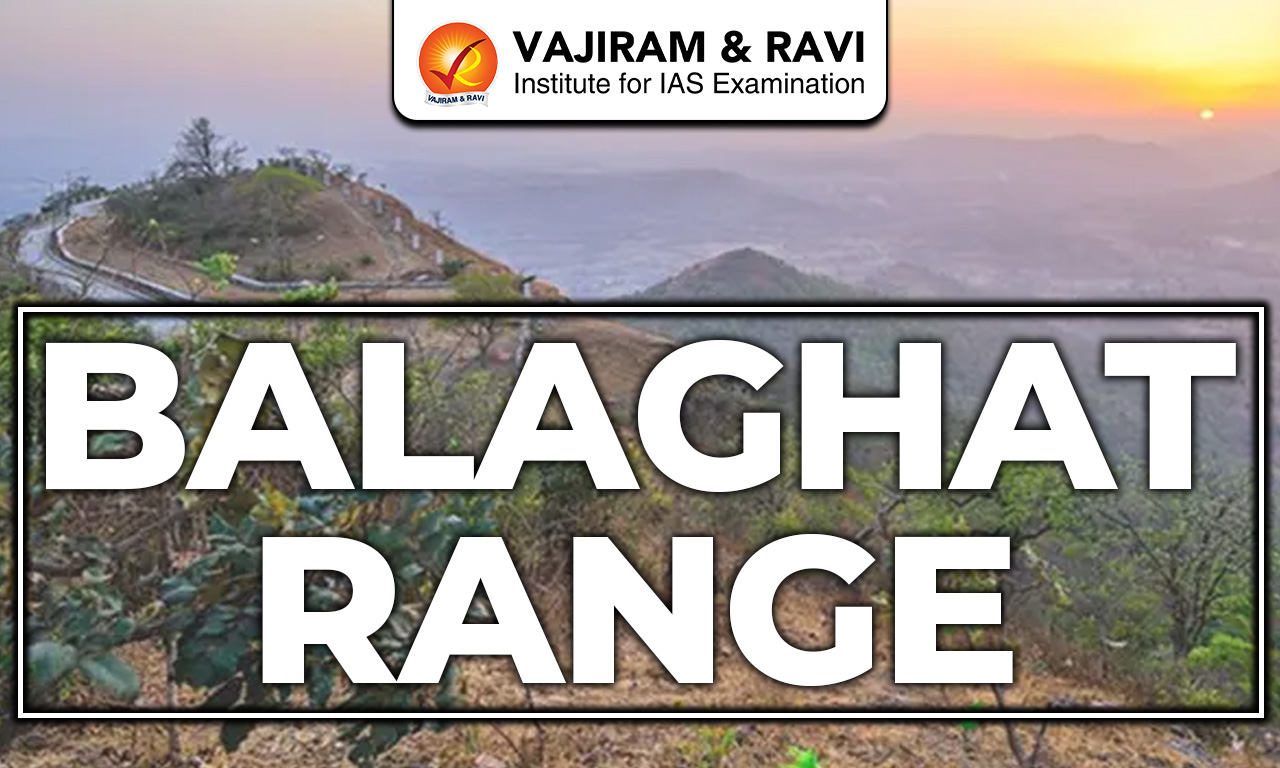
Balaghat Range, Location, Biodiversity, Conservation

Balaghat Range

Balaghat Range is a series of low elevation hills forming an important geographical feature of the Deccan Plateau. It originates from the Harishchandra Range of the Western Ghats and extends southeastward up to the Maharashtra and Karnataka border. The range plays a crucial role as a watershed by separating the Godavari River basin in the north from the Bhima River basin in the south and consequently influencing regional drainage and landforms.

Balaghat Range Features

The Balaghat Range represents a compact hill system with distinct geomorphological and hydrological characteristics, forming an essential part of the western Deccan Plateau landscape.

  • Location: It is located in the state of Maharashtra.
  • Extent: The range begins in the Harishchandra Range of the Western Ghats and stretches southeastward for nearly 320 km across Ahmednagar, Beed, Latur, Osmanabad and Solapur districts, ending near the Karnataka border.
  • Structure: It has a narrow width of about 5 to 9 kilometers, making it a compact hill system with continuous ridges and saddles that gradually widen towards the eastern side.
  • Elevation Pattern: The western section peaks are higher with elevations between 550 to 825 meters, while the eastern part gradually slopes down towards the Bhima River valley, showing decreasing altitude.
  • Topography: The hills are flat topped and separated by broad saddles, formed due to ancient lava flows of the Deccan Traps, giving a step like plateau structure.
  • Watershed Function: The range acts as a major divide between the Godavari basin in the north and the Bhima basin in the south, controlling drainage and river flow patterns.
  • Transport Connectivity: Important routes such as the Pune-Nashik Highway and the Dhond-Manmad Railway line pass through the range, enhancing regional connectivity across Maharashtra.

Balaghat Range Biodiversity

The Balaghat Range supports diverse ecological systems, with significant variation between the wetter western region and the drier eastern part.

  • Vegetation: The western slopes receive higher rainfall and support dense vegetation, while the eastern areas are dry, stony and sparsely vegetated with scrub forests and grasslands.
  • Floral Composition: The region hosts species like teak, bamboo and Terminalia, contributing to dry deciduous forest ecosystems.
  • Grassland Ecosystem: The eastern part contains Savanna type grasslands dominated by drought resistant grasses and shrubs, which help in soil conservation and support grazing activities.
  • Faunal Presence: The region supports animals such as Nilgai, Chital and small mammals along with reptiles and birds adapted to dry deciduous and grassland ecosystems.
  • Ecological Adaptation: Vegetation in the region is adapted to semi arid conditions, seasonal droughts and monsoon variability, ensuring survival in fluctuating climatic conditions.

Balaghat Range Significance

The Balaghat Range holds geographical, ecological and economic importance in the Deccan Plateau region due to its natural and human related functions.

  • Hydrological Importance: It acts as a major watershed dividing two important river basins, influencing groundwater recharge, surface runoff and irrigation systems in Maharashtra.
  • Agricultural Support: Valleys with black cotton soil support crops like jowar, bajra, pulses and cotton under rain fed conditions, contributing to the regional agrarian economy.
  • Pastoral Activities: The range supports shepherd communities, with sheep trails connecting villages and enabling livestock based livelihoods across the hilly terrain.
  • Settlement and Culture: Small villages and hilltop temples are scattered across the range, reflecting traditional settlement patterns and cultural practices linked to the landscape.
  • Environmental Role: The range helps in soil conservation, flood control and maintaining ecological balance by supporting forests, grasslands and biodiversity in a semi arid environment. 

Balaghat Range Conservation Measures

Conservation of the Balaghat Range focuses on maintaining its ecological balance, forest cover and watershed functions amid increasing human pressures.

  • Forest Protection: Parts of the range are designated as reserved forests under the Indian Forest Act 1927, ensuring regulation of deforestation, grazing and resource extraction.
  • Afforestation Efforts: Plantation activities are undertaken to restore degraded lands, especially in areas affected by deforestation and soil erosion due to human activities.
  • Control of Overgrazing: Measures are taken to manage livestock grazing, as excessive grazing leads to soil compaction, reduced water infiltration and vegetation loss.
  • Regulation of Mining: Small scale basalt quarrying is monitored to reduce environmental damage, habitat fragmentation and dust pollution in the region.
  • Invasive Species Management: Efforts are made to control invasive species like Lantana camara, which threaten native biodiversity and reduce the availability of forage.

Balaghat Range FAQs

Q1: What is the Balaghat Range?

Ans: Balaghat Range is a low elevation hill range in Maharashtra extending about 320 km from the Western Ghats, acting as a watershed between major river basins.

Q2: Which rivers are separated by the Balaghat Range?

Ans: The range separates the Godavari River basin in the north from the Bhima River basin in the south, influencing regional drainage patterns.

Q3: Which districts does the Balaghat Range pass through?

Ans: The Balaghat Range traverses Ahmednagar, Beed, Latur, Osmanabad and Solapur districts in Maharashtra.

Q4: What type of vegetation is found in the Balaghat Range?

Ans: The western region has dry deciduous forests with teak and bamboo, while the eastern part mainly consists of scrub vegetation and grasslands.

Q5: What type of landforms are seen in the Balaghat Range?

Ans: The range is characterized by flat topped hills, broad saddles and gently sloping plateaus formed due to ancient volcanic activity.

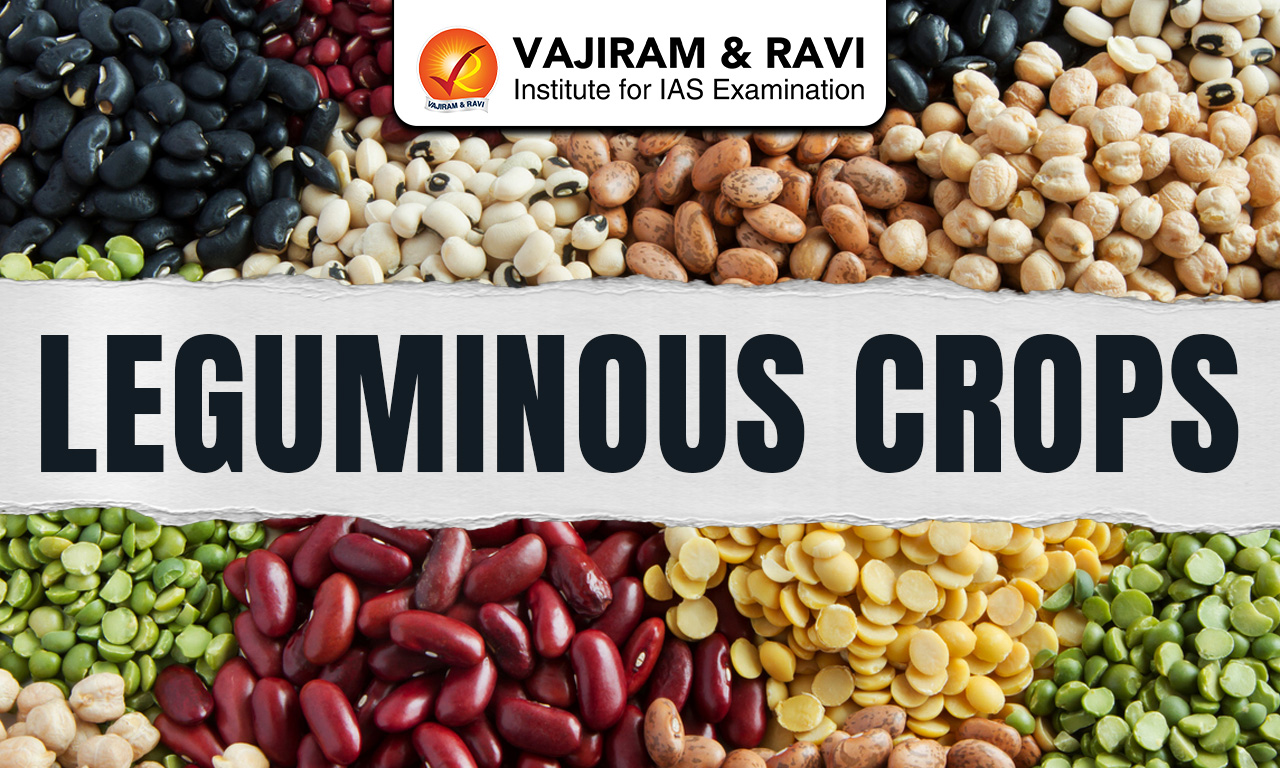
Leguminous Crops, Types, Benefits, and Agricultural Importance

Leguminous Crops

Leguminous crops are plants that produce seeds in pods, such as beans, peas, and lentils. They are an important part of agriculture and human diet due to their high nutritional value. These crops are also beneficial for the soil, as they help improve its fertility. Leguminous crops are widely grown and play a key role in farming and food supply.

About Leguminous Crops

  • Leguminous plants are those plants that produce seeds inside pods, such as beans, peas, and lentils. A special feature of these plants is that they can improve soil fertility. They have tiny nodules in their roots that contain helpful bacteria called Rhizobium. These bacteria take nitrogen from the air and convert it into a form that plants can use for growth.
  • Due to this nitrogen-fixing ability, leguminous plants reduce the need for chemical fertilizers and make the soil healthier for other crops as well. They are therefore very important in agriculture, crop rotation, and sustainable farming. In addition, many leguminous plants are rich in protein and are an important part of the human diet.

Leguminous Crops Types and Examples

  • Leguminous crops can be classified based on their uses:
  • Pulses: These are grown mainly for human consumption and are rich in protein. Examples include gram (chickpea), lentil, pigeon pea (arhar), and green gram.
  • Oilseeds: Crops like groundnut and soybean are used for extracting edible oils and also serve as protein-rich food.
  • Fodder Crops: Crops such as clover and alfalfa are used as nutritious feed for livestock.
  • India is the largest producer and consumer of pulses, and these crops play an important role in ensuring food and nutritional security.

Benefits of Leguminous Plants

Leguminous plants are very useful for both the environment and agriculture. They provide several important benefits:

  • Nitrogen Fixation: They improve soil fertility by adding nitrogen to the soil with the help of bacteria in their roots, which reduces the need for chemical fertilizers.
  • Crop Rotation: They are ideal for crop rotation because they restore essential nutrients in the soil, helping the next crop grow better.
  • Erosion Control: Many leguminous plants spread over the ground and protect the soil from being washed away by wind or water.
  • Biodiversity Support: They help maintain ecological balance by supporting useful insects and microorganisms in the soil.
  • Sustainable Agriculture: By reducing the use of synthetic fertilizers, they promote eco-friendly and sustainable farming practices.
  • Soil Improvement: They enhance soil structure, increase organic matter, and improve water retention capacity.
  • Low Input Cost: Farmers spend less on fertilizers, making cultivation more economical.

Importance in Agriculture

  • Leguminous crops improve soil fertility by fixing nitrogen from the air, reducing the need for chemical fertilizers and lowering cultivation costs.
  • They are essential in crop rotation, restoring nutrients in the soil for the next crop and supporting sustainable farming.
  • These crops enhance soil structure, increase organic matter, and help prevent soil erosion and land degradation.
  • Leguminous plants support mixed farming systems by providing both food for humans and fodder for livestock, contributing to overall agricultural productivity.

Role of Leguminous Plants in Nitrogen Enrichment

  • Plants cannot use nitrogen directly from the atmosphere. Leguminous plants help by converting atmospheric nitrogen (N₂) into a form they and other plants can use, such as ammonia (NH₃). 
  • This happens through a natural process called nitrogen fixation, which involves a symbiotic relationship with Rhizobium bacteria.
  • These bacteria form small nodules on the roots of leguminous plants. Inside these nodules, they convert nitrogen gas into ammonia, which the plant uses for growth. In return, the plant provides the bacteria with carbohydrates and a safe environment. 
  • This process naturally enriches the soil, reduces the need for chemical fertilizers, and benefits other crops grown in the same field.

Nutritional Value and Uses

  • Leguminous crops are an excellent source of plant-based protein, making them vital for countries like India where many people follow a vegetarian diet. They are also rich in fiber, vitamins, and minerals like iron and calcium.
    • Pulses (e.g., lentils, chickpeas) are consumed as food in various forms.
    • Oilseed legumes (e.g., soybean, groundnut) are used to produce edible oils.
    • Fodder legumes (e.g., clover, alfalfa) are used to feed livestock.
  • Apart from food, some leguminous crops are used in industries like food processing, animal feed production, and soil conservation practices. By improving soil fertility and providing nutritious food, these crops are crucial for sustainable agriculture and human nutrition.

Leguminous Crops FAQs

Q1: What are leguminous crops?

Ans: Leguminous crops are plants that produce seeds in pods, like beans, peas, and lentils, and are important for agriculture, nutrition, and soil fertility.

Q2: What is special about leguminous plants?

Ans: They have root nodules with Rhizobium bacteria that fix atmospheric nitrogen into a form plants can use, naturally enriching the soil.

Q3: What are the main types of leguminous crops?

Ans: Pulses (gram, lentil, pigeon pea), oilseeds (soybean, groundnut), and fodder crops (clover, alfalfa) are the main types, used for food, oil, and livestock feed.

Q4: How do leguminous crops benefit soil and agriculture?

Ans: They improve soil fertility, restore nutrients through crop rotation, prevent erosion, and support sustainable farming.

Q5: How do leguminous plants fix nitrogen?

Ans: Through a symbiotic relationship with Rhizobium bacteria in root nodules, atmospheric nitrogen is converted into ammonia, which plants use for growth.

Rann of Kutch, Location, Geography, Biodiversity, Conservation

Rann of Kutch

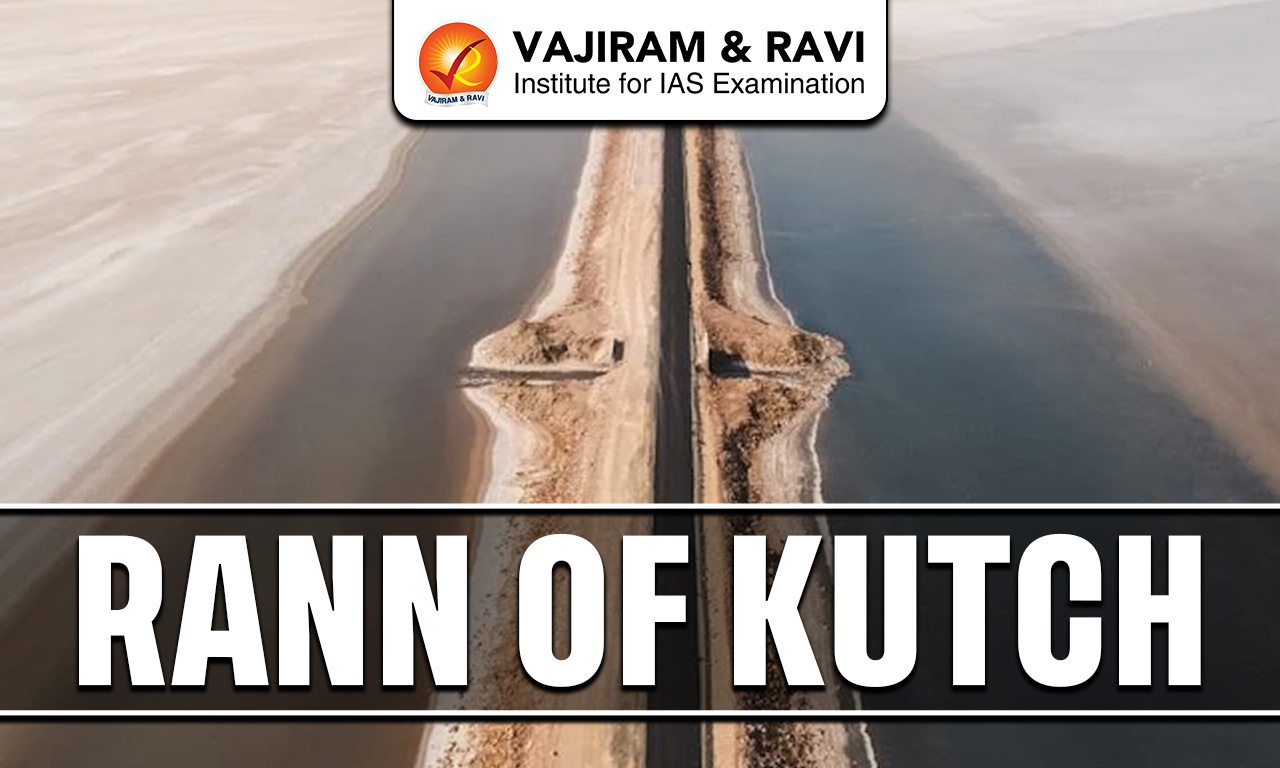
The Rann of Kutch is a vast salt marsh located in the northwestern Indian subcontinent. It  spans the India and Pakistan border and covers more than 27,000 km² of area. It lies mainly in the Kutch district of Gujarat with a small extension into Sindh province of Pakistan. It is considered to be formed from a former seabed of the Arabian Sea and transforms seasonally between a flooded wetland and a dry white salt desert, creating a unique and dynamic ecosystem.

Rann of Kutch Features

The Rann of Kutch is a distinctive geographical region known for its seasonal transformation, flat terrain, saline landscape and strategic location between desert and sea ecosystems. The key highlighting features have been listed below:

  • Location: It is situated in Gujarat’s Kutch district and extending into Sindh. It lies between the Thar Desert in the north and the Arabian Sea to the south, forming a transitional ecological zone.
  • Divisions: It is divided into the Great Rann in the north and the Little Rann in the southeast, with the latter extending towards the Gulf of Kutch and forming saline wetlands.
  • Extent: The region spans about 27,454 km². It is one of the largest salt deserts with vast white salt flats visible after monsoon evaporation.
  • Terrain: The surface is flat and close to sea level, with elevated islands called “bets” rising 2-3 metres, providing refuge to flora and fauna during seasonal flooding.
  • Hydrology: Rivers like Luni, Banas, Saraswati, Rupen, Machchhu and others flow into the Rann, while Kori Creek and Sir Creek connect it to the Indus delta region.
  • Climate: It experiences tropical semi arid conditions with summer temperatures reaching 50°C and highly seasonal rainfall concentrated during the southwest monsoon months of June to September.

Rann of Kutch Biodiversity

The Rann of Kutch hosts a unique mix of desert, grassland and wetland ecosystems, supporting diverse flora and fauna adapted to extreme salinity and climatic conditions.

  • Vegetation: Dominated by grasslands and thorn scrub, species include Apluda Aristata, Cenchrus, Cymbopogon and Eragrostis, while Prosopis Juliflora grows on elevated bets providing food and shelter.
  • Mammals: Around 50 species are found, including Indian Wild Ass (Equus Hemionus Khur), Chinkara, Nilgai, Blackbuck, Indian Wolf, Striped Hyena, Desert Wildcat and Caracal adapted to harsh environments.
  • Avifauna: Over 200 bird species exist, including Lesser Flamingo, Demoiselle Crane, Lesser Florican and Houbara Bustard, with wetlands acting as key migratory and breeding habitats.
  • Unique Ecosystem: It is the only large flooded grassland zone in the Indomalayan realm, combining marine, desert and wetland ecosystems within a single landscape.
  • Adaptations: Species survive extreme heat, salinity and seasonal flooding through behavioral and physiological adaptations, making it a biodiversity rich yet fragile ecosystem.

Rann of Kutch Conservation

The Rann of Kutch has several protected areas and conservation measures aimed at preserving its fragile ecosystem, endangered species and unique saline desert environment.

  • Protected Area Coverage: Around 20,946 km² of the region is designated as protected area, ensuring conservation of habitats, wildlife species and ecological processes in the salt marsh ecosystem.
  • Kutch Desert Wildlife Sanctuary: Established in 1986, it covers 7,506.22 km² in the Great Rann, protecting desert wildlife, migratory birds and saline wetland ecosystems.
  • Indian Wild Ass Sanctuary: Created in 1973 in the Little Rann, covering 4,953.71 km², it protects the last remaining population of Indian wild ass (khur), a flagship species.
  • International Protection: Pakistan’s Rann of Kutch Wildlife Sanctuary safeguards the northern portion of the Great Rann and adjacent Thar Desert, ensuring cross border ecological conservation.
  • Biosphere Reserve Status: Declared as a Biosphere Reserve in 2008, it focuses on conserving biodiversity, traditional communities and sustainable use of natural resources.

Rann of Kutch Significance

The Rann of Kutch holds immense importance due to its ecological uniqueness, cultural heritage, economic activities and strategic location along the international border.

  • Strategic Importance: Located along the India-Pakistan border, it has military and geopolitical significance, highlighted during the 1965 conflict and ongoing border management considerations.
  • Economic Role: It contributes significantly to salt production in India, especially in the Little Rann, where traditional salt farming supports local livelihoods.
  • Livelihood Support: Communities depend on animal husbandry, handicrafts and salt extraction, with groups like Rabari and Agariya sustaining traditional practices.
  • Cultural Heritage: Ancient sites like Dholavira of the Indus Civilization and the Rann Utsav festival showcase rich cultural traditions and historical continuity.
  • Environmental Value: It acts as an ecotone between marine and terrestrial systems, supporting biodiversity, migratory birds and maintaining ecological balance in arid regions.

Rann of Kutch Challenges

Despite its importance, the Rann of Kutch faces several environmental, ecological and socio-economic challenges that threaten its sustainability and biodiversity.

  • Climate Extremes: Rising temperatures, erratic rainfall and prolonged dry seasons due to climate change threaten the fragile wetland and desert ecosystem balance.
  • Habitat Degradation: Expansion of salt pans, industrial activities and infrastructure development disturb wildlife habitats and reduce ecological integrity.
  • Water Scarcity: Limited freshwater availability affects both human settlements and wildlife, especially during prolonged dry periods.
  • Human-Wildlife Conflict: Increasing human activity, livestock grazing and migration create conflicts, especially impacting species like the Indian Wild Ass and Nilgai.
  • Salinisation and Desertification: Overextraction of groundwater and intensive salt production increase soil salinity, degrading land quality and reducing productivity. 

Rann of Kutch FAQs

Q1: What is the Rann of Kutch famous for?

Ans: The Rann of Kutch is famous for its vast white salt desert, seasonal marshy landscape, rich biodiversity and cultural festival known as Rann Utsav.

Q2: Where is the Rann of Kutch located?

Ans: It is located in the Kutch district of Gujarat, India, with a small portion extending into the Sindh province of Pakistan along the India-Pakistan border.

Q3: What are the two divisions of the Rann of Kutch?

Ans: The region is divided into the Great Rann of Kutch in the north and the Little Rann of Kutch in the southeast.

Q4: Which famous animal is found in the Rann of Kutch?

Ans: The Indian Wild Ass (Equus Hemionus Khur) is the most notable species, mainly found in the Little Rann of Kutch.

Q5: Why does the Rann of Kutch appear white?

Ans: After monsoon waters evaporate, thick layers of salt crystallise on the surface, giving the region its characteristic white desert appearance.

Impact of West Asia War on Agriculture, Know about Major Impact

Impact of West Asia War on Agriculture

The ongoing West Asia conflict involving Israel, the United States, and Iran is triggering significant geopolitical and economic disruptions, with far-reaching consequences for global agriculture and India’s food security. The near shutdown of the Strait of Hormuz, a strategic chokepoint handling 20% of global oil shipments and nearly 30 per cent of fertilizer trade, has disrupted energy and nutrient supply chains, driving up costs and threatening crop productivity worldwide.

Global Fertilizer Crisis

The conflict has triggered an acute shortage of nitrogen and phosphate fertilizers:

  • Urea, the most widely used nitrogen fertilizer, has seen a 30-40 per cent price surge since the conflict began.
  • Qatar’s QAFCO urea plant (capacity 5.6 million tonnes) ceased operations due to energy supply disruptions.
  • Fertilizer shipments from the Gulf, which constitute over 30 per cent of global urea trade, are delayed or blocked.
  • The shortage is particularly critical as it coincides with planting season in major producing regions, including Europe, the U.S., and Asia. Delayed applications can reduce yields by 4-5 per cent, affecting both food availability and prices.
  • Developing nations are highly vulnerable. For example, Ethiopia relies on Gulf imports for over 90 per cent of nitrogen fertilizers, which were already strained prior to the war.

The crisis is exacerbated by rising LNG prices, a key feedstock for urea production, and the potential long-term uncertainty in shipping insurance and security even after the conflict ends.

India’s Fertilizer Dependence and Domestic Impacts

India, where agriculture sustains over 46 per cent of the population and contributes 16 per cent to GDP, is particularly exposed:

  • Fertilizer imports reached 177 LMT in 2023-24, while domestic consumption was 601 LMT, with MOP almost entirely imported and DAP meeting only 40 per cent of domestic demand.
  • 63 per cent of nitrogen fertilizers and 32 per cent of DAP come from Gulf nations, especially Saudi Arabia, Oman, and Qatar. Long-term agreements now secure 3.1 million tonnes of DAP annually from Saudi Arabia from 2025-26.
  • Domestic urea production remains 305-315 LMT, insufficient to meet consumption (~400 LMT), making imports essential.
  • Rising input costs, coupled with climate-induced stress and higher diesel expenses, threaten smallholder farmers’ incomes, particularly in Punjab, Haryana, Uttar Pradesh, Andhra Pradesh, and Telangana, where nitrogen-intensive crops such as rice are cultivated.

Impact on India’s Agricultural Exports

The Gulf’s proximity and large Indian diaspora have historically made it a natural market, but shipping disruptions, rising insurance costs, and logistical uncertainties now threaten exports.

India’s exports to West Asia, valued at $11.8 billion in 2025, are under threat due to logistical disruptions and rising insurance costs, according to the Global Trade Research Initiative (GTRI):

  • Major exports include rice ($4.43 billion), bananas, onions, spices, tea, coffee, meat, dairy, and processed foods.
  • Export disruptions have already caused domestic price fluctuations, for example, coconut prices fell from ₹22,000 to ₹12,000-13,000 per 1,000 coconuts as supplies were diverted to local markets.
  • Reduced fertilizer availability for export-oriented crops may lower yields, curtail export volumes, and indirectly exacerbate food inflation.

Policy and Strategic Interventions

India’s response must be multidimensional, addressing both immediate and long-term challenges:

  • Domestic Production and Reserves: Expand fertilizer production capacity and maintain strategic reserves for nitrogen, phosphate, and potassium fertilizers.
  • Diversification of Imports: Reduce dependence on Gulf nations by securing alternate sources and long-term procurement contracts.
  • Farmer Support and Subsidies: Continue targeted subsidies (e.g., $12.7 billion for urea in 2025–26) to buffer farmers from input cost shocks.
  • Sustainable Agriculture Practices: Promote organic fertilizers, balanced nutrient management, and crop diversification to reduce vulnerability to global supply shocks.
  • Export Resilience and Logistics: Explore alternative shipping routes and insurance mechanisms to safeguard critical agricultural exports.

Impact of West Asia War on Agriculture FAQs

Q1: What is the overall impact of the West Asia war on agriculture?

Ans: The West Asia war is disrupting global energy and fertilizer supply chains, increasing input costs, and threatening crop productivity, food security, and agricultural exports, particularly in countries dependent on Gulf imports.

Q2: How has the West Asia war affected global fertilizer supply?

Ans: The conflict has caused acute shortages of nitrogen and phosphate fertilizers, with urea prices surging by 30-40%, Qatar’s QAFCO plant shutting down, and Gulf shipments delayed or blocked.

Q3: Why is India particularly affected by the West Asia war in agriculture?

Ans: India depends heavily on Gulf nations for nitrogen fertilizers (63%) and DAP (32%), and domestic production is insufficient to meet demand, making farmers vulnerable to rising input costs and reduced crop yields.

Q4: What is the impact of the West Asia war on India’s agricultural exports?

Ans: Shipping disruptions, rising insurance costs, and logistical uncertainties threaten India’s exports to West Asia, valued at $11.8 billion in 2025, including rice, spices, fruits, and processed foods.

Q5: What policy measures can mitigate the impact of the West Asia war on agriculture?

Ans: India can expand domestic fertilizer production, diversify import sources, maintain strategic reserves, provide targeted subsidies to farmers, promote sustainable agriculture practices, and explore alternative export routes and insurance mechanisms.

Rangarajan Committee, Objectives, Highlights, Methodology

Rangarajan Committee

The Rangarajan Committee played an important role in shaping India’s economic and financial policies. It was formed to study key issues like poverty estimation, fiscal management, and the petroleum sector. The committee provided practical recommendations that helped the government improve policy decisions and economic planning.

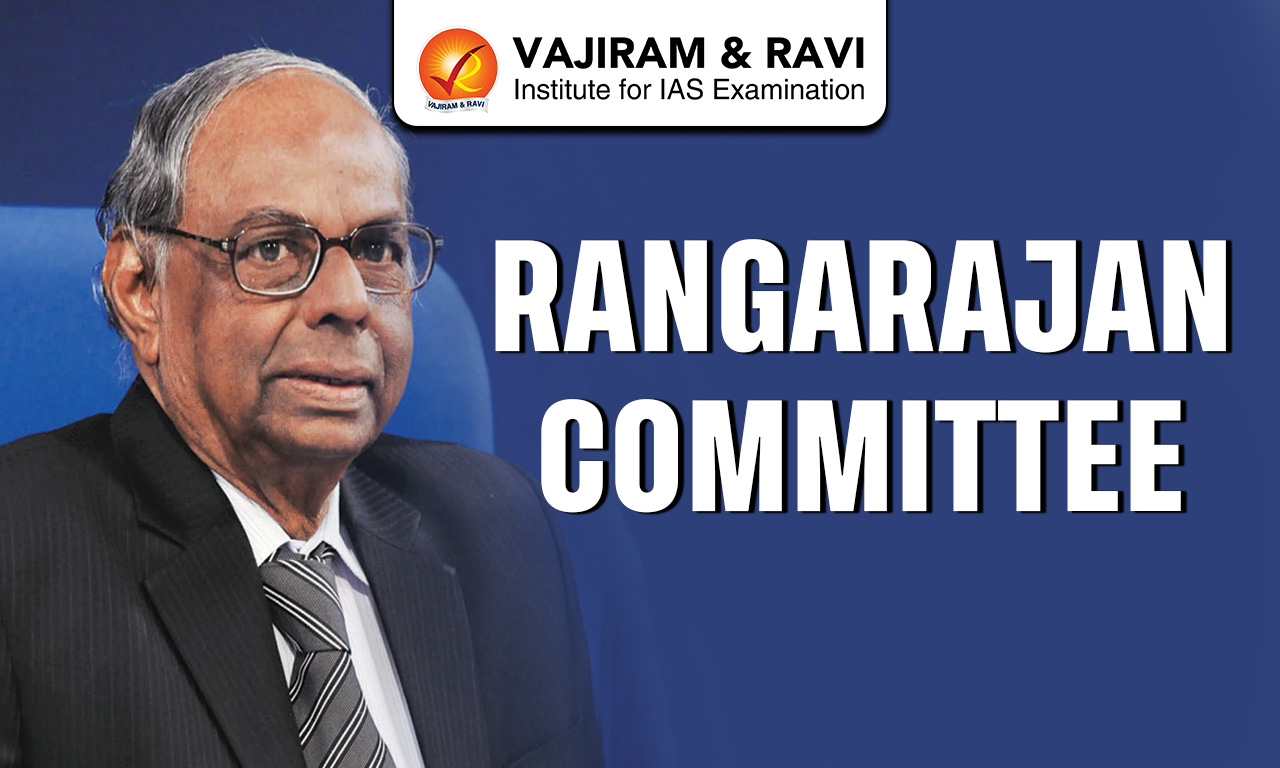
The committee is named after C. Rangarajan, a well-known economist and former Governor of the Reserve Bank of India.

Rangarajan Committee Objectives

The main objective of the committee was to review existing systems and suggest better policies for economic growth.

  • To create a broader poverty metric covering basic human needs.
  • To include costs of food, health, education, clothing, and shelter.
  • To move beyond the old calorie-based poverty estimation system.
  • To reflect real living conditions and cost of living in India.
  • To help the government design better welfare policies.

Key Highlights of the Rangarajan Committee Report

The Rangarajan Committee made several important observations and improvements over earlier poverty estimation methods:

  • Earlier, the Tendulkar Committee used a single urban poverty basket to estimate poverty for both rural and urban areas. The Rangarajan Committee returned to the older approach of having separate poverty baskets for rural and urban areas, making the estimates more realistic.
  • While the Tendulkar Committee moved away from calorie norms, the Rangarajan Committee reintroduced nutritional standards by considering calories, proteins, and fats together. It emphasized that nutrition should still be an important part of poverty estimation.
  • The committee preferred National Sample Survey Office (NSSO) consumption data over National Accounts Statistics (NAS), as NSSO data better reflects household-level consumption patterns.
  • It supported improved methods for adjusting price differences across states and over time, ensuring more accurate poverty estimates.
  • The committee noted that government spending on services like education and health is not fully captured in consumption surveys, which may lead to underestimation of actual living standards.
  • It rejected the use of non-consumption indicators (like assets or income) as the main basis for poverty measurement, stating that such methods are difficult to measure accurately. However, it also explored an alternative idea of identifying poverty based on a household’s ability to save.

Methodology Recommended by Rangarajan Committee

The committee proposed a detailed and scientific method to estimate poverty, based on both nutritional needs and essential non-food expenses.

  • The committee suggested that the poverty line should be based on a comprehensive consumption basket, including both food and essential non-food items like clothing, housing, education, and transport.
  • It adopted Monthly Per Capita Expenditure (MPCE) as the main basis for measuring poverty, focusing on how much a person spends to meet basic needs.
  • Nutritional requirements were included using standards given by the Indian Council of Medical Research, covering calories, proteins, and fats rather than just calorie intake.
  • It estimated average daily energy requirements as:
    • 2,155 kcal per person in rural areas
    • 2,090 kcal per person in urban areas
  • The committee allowed a ±10% variation range in calorie intake to account for differences in lifestyle and health conditions.
  • A food basket was designed that satisfies all nutritional norms (calories, protein, and fat), ensuring adequate nourishment.
  • For non-food expenses, it used median expenditure levels for basic needs such as clothing, rent, education, and transport.
  • Additional non-food expenses were included based on actual spending patterns of households that meet nutritional requirements.
  • The committee used Modified Mixed Reference Period (MMRP) data from NSSO surveys for more accurate consumption estimates.

Also Check: Kelkar Committee

Poverty Line Defined by Rangarajan Committee

The Rangarajan Committee introduced a new poverty line based on Monthly Per Capita Expenditure (MPCE). This means the minimum amount a person needs to spend per month to meet basic needs.

Unlike earlier methods, this approach considered real expenses faced by individuals in daily life.

  • Rural poverty line: ₹972 per person per month
  • Urban poverty line: ₹1,407 per person per month
  • Equivalent daily expenditure:
    • ₹32 per day in rural areas
    • ₹47 per day in urban areas
  • Based on 2011-12 price levels

This method helped in better understanding the actual cost of living and identifying poor households more accurately.

Key Changes Over Tendulkar Committee

The Rangarajan Committee made several important improvements over the earlier Tendulkar Committee, which had already moved away from strict calorie norms but still had limitations.

  • Expanded the consumption basket to include more essential services.
  • Included expenses on education, healthcare, rent, and transport.
  • Adopted a more detailed and realistic cost-of-living approach.
  • Used improved data collection methods like MMRP.
  • Provided separate and more accurate estimates for rural and urban areas.
  • Addressed criticisms of underestimation of poverty in earlier methods.

Rangarajan Committee Criticism

Although the committee made improvements, it also faced criticism from experts and policymakers.

  • The poverty line was still considered too low by many economists.
  • It was argued that the estimates did not fully capture urban poverty challenges.
  • Some believed that even higher standards should be used for a dignified life.
  • Implementation of its recommendations in policymaking was limited.

Rangarajan Committee FAQs

Q1: What is the Rangarajan Committee?

Ans: The Rangarajan Committee is a government-appointed committee formed in 2012 to review and improve the method of poverty estimation in India. It aimed to make poverty measurement more realistic by including both food and non-food expenses.

Q2: Who chaired the Rangarajan Committee?

Ans: The committee was chaired by C. Rangarajan, a renowned economist and former Governor of the Reserve Bank of India.

Q3: Why was the Rangarajan Committee formed?

Ans: The committee was formed to address the limitations of earlier poverty estimation methods and to develop a broader and more practical approach that reflects real living conditions.

Q4: What method did the Rangarajan Committee use to measure poverty?

Ans: It used the Monthly Per Capita Expenditure (MPCE) method, which calculates poverty based on the amount a person spends on basic needs every month.

Important Days in April 2026, National & International Days

Important Days in April 2026

The month of April is known for a mix of cultural festivals, religious observances and important national as well as international days. Important Days in April 2026 highlight themes such as heritage, social reform, harvest celebrations and spiritual traditions. April is a vibrant month that marks the peak time of the spring season in India. Understanding these important days helps in staying informed about major significant events.

Important Days in April 2026

Important Days in April 2026 include a variety of gazetted, restricted and regional holidays observed across different parts of India. These days are associated with festivals, historical personalities and seasonal celebrations. They reflect India’s cultural diversity and traditional values. The complete list below includes all major holidays and observances in April 2026 along with their significance.

List of Important Days in April 2026

The list for the Important Days in April 2026 has been tabulated below:

List of Important Days in April 2026

Date

Event / Occasion

Significance

1 April

Odisha Day, Guru Ravidas Jayanti, Union Budget Context

Marks the formation of Odisha state and honors Guru Ravidas; also associated with annual financial planning in India.

3 April

Good Friday

Observed by Christians to remember the crucifixion of Jesus Christ.

5 April

Easter

Celebrates the resurrection of Jesus Christ and symbolizes hope and renewal.

14 April

Vaisakhi

Harvest festival in Punjab

14 April

Vishu

New Year festival in Kerala.

14 April

Meshadi

Marks the solar new year as the Sun enters Aries (Mesha).

14 April

Dr. B.R. Ambedkar Jayanti

Honors the birth anniversary of the architect of the Indian Constitution.

15 April

Bohag Bihu

Assamese New Year and harvest festival celebrated with joy and cultural events.

15 April

Himachal Day

Celebrates the formation of Himachal Pradesh as a separate province.

30 April

Akshaya Tritiya

Auspicious Hindu day for new beginnings, investments and prosperity.

Major Important Days in April 2026 Explained

Significant Days of April 2026 has been explained here:

April 1: Odisha Day

Odisha Day is also known as Utkala Divas (Dibasa). It is celebrated to mark the formation of the state of Odisha in 1936. The day reflects the cultural identity and heritage of the region. People celebrate it with parades, cultural programs and traditional performances.

April 3: Good Friday

Good Friday is a significant day for Christians. It marks the crucifixion of Jesus Christ and is observed with prayers, fasting and church services. The day teaches values of sacrifice, faith and forgiveness.

April 5: Easter

Easter celebrates the resurrection of Jesus Christ. It symbolizes hope, renewal and new beginnings. People attend church services, share festive meals and exchange gifts such as Easter eggs.

April 14: Vaisakhi / Vishu / Meshadi / Ambedkar Jayanti

April 14 is one of the most important days in April as multiple festivals and observances fall on this date.

  • Vaisakhi marks the harvest season in Punjab and the formation of the Khalsa Panth.
  • Vishu is celebrated in Kerala as the Malayalam New Year with rituals and feasting.
  • Meshadi represents the solar new year in many regions of India.
  • Ambedkar Jayanti honors Dr. B.R. Ambedkar, who played a key role in drafting the Indian Constitution and promoting social equality.

April 15: Bohag Bihu and Himachal Day

Bohag Bihu is celebrated in Assam as the Assamese New Year and marks the beginning of the harvest season. It includes music, dance and community celebrations. On the same day, Himachal Day is observed to mark the creation of Himachal Pradesh as a separate province in 1948.

April 30: Akshaya Tritiya

Akshaya Tritiya is considered one of the most auspicious days in the Hindu calendar. It is believed that any activity started on this day brings long lasting success. People invest in gold, begin new ventures and perform religious rituals for prosperity.

Important Days in April 2026 FAQs

Q1: Why is April important in India?

Ans: April includes major festivals, cultural events and national observances that reflect India’s diversity and traditions.

Q2: What are the major Important Days in April 2026 in India?

Ans: April 14 is very important as it includes Ambedkar Jayanti and major festivals like Vaisakhi and Vishu.

Q3: What is the significance of Good Friday?

Ans: Good Friday marks the crucifixion of Jesus Christ and is observed with prayers and fasting.

Q4: Why is Akshaya Tritiya considered auspicious?

Ans: It is believed that any work started on this day brings success and prosperity.

Q5: What festivals are celebrated on April 15?

Ans: Bohag Bihu in Assam and Himachal Day are celebrated on April 15.

Khasi Hills, Location, Climate, Biodiversity and Culture

Khasi Hills

The Khasi Hills are a beautiful hilly region located in the state of Meghalaya in Northeast India. They are known for their lush green landscapes, pleasant climate, and heavy rainfall, these hills are an important part of the region’s natural beauty. The area is rich in forests, rivers, and unique biodiversity, making it both ecologically and culturally significant. The Khasi Hills are also home to indigenous communities with distinct traditions and ways of life, giving the region a unique identity.

About Khasi Hills

  • Location & Overview: The Khasi Hills are a low mountain range located on the Shillong Plateau in the state of Meghalaya. They are part of the larger Garo-Khasi-Jaintia Hills, which extend towards the Purvanchal Hills and the Patkai Hills.
  • Geographical Features: The Khasi Hills have a predominantly hilly terrain with lush green vegetation and are drained by tributaries of the Brahmaputra River and Surma River. They form part of the Meghalaya subtropical forests and are rich in biodiversity. The highest point is Shillong Peak.
  • Climate and Rainfall: The region receives very high rainfall, with Cherrapunji and Mawsynram among the wettest places in the world. The Cherrapunji scarp experiences intense monsoon rainfall, and the area is often called the “Scotland of the East.”
  • Natural & Unique Features: Famous for living root bridges made by guiding tree roots over time. Rich biodiversity with dense forests and unique plant and animal species.
  • People and Culture: The Khasi Hills are mainly inhabited by the Khasi tribe, which follows a matrilineal system where property and lineage pass through women. A large section of the population practices Christianity alongside traditional customs.
  • Economy and Agriculture: Agriculture is the main occupation, with rice as the primary crop grown in valleys and terraces. Shifting cultivation (jhum farming) is also practiced, though it is being gradually discouraged.

Khasi Hills FAQs

Q1: Where are the Khasi Hills located?

Ans: The Khasi Hills are located in the state of Meghalaya in Northeast India, on the Shillong Plateau, and form part of the Garo-Khasi-Jaintia Hills.

Q2: What are the main geographical features of the Khasi Hills?

Ans: They consist of hilly terrain with dense vegetation, are rich in biodiversity, and are drained by tributaries of the Brahmaputra River and Surma River. The highest point is Shillong Peak.

Q3: Why are the Khasi Hills famous for rainfall?

Ans: Places like Cherrapunji and Mawsynram receive some of the highest rainfall in the world due to heavy monsoon winds hitting the hills.

Q4: Why are the Khasi Hills called the “Scotland of the East”?

Ans: They are called the “Scotland of the East” because of their scenic beauty, lush greenery, rolling hills, and pleasant climate.

Q5: What are the unique natural features of the Khasi Hills?

Ans: The region is known for its living root bridges, formed by guiding tree roots, and its rich biodiversity with dense forests and diverse flora and fauna.

Article 317 of Indian Constitution, Provisions, Judgements, Significance

Article 317 of Indian Constitution

Article 317 of the Indian Constitution deals with the removal and suspension of the Chairman and members of Public Service Commissions (including the Union Public Service Commission and State Public Service Commissions)

Article 317 of the Indian Constitution Key Provisions

Removal on the Ground of Misbehaviour: Article 317(1) states that the Chairman or any other member of a Public Service Commission shall only be removed from his office by order of the President on the ground of misbehaviour subject to the provisions of Article 317(3). Before removal, the President must refer the matter to the Supreme Court of India, which conducts an inquiry in accordance with the procedures under Article 145.

The President can issue a removal order only if the Supreme Court recommends it.

Suspension During Inquiry: Article 317(2) provides for the suspension of a member during the Supreme Court inquiry.

  • For the Union or Joint Public Service Commission, the President may suspend the member.
  • For a State Public Service Commission, the Governor may suspend the member.

The suspension is temporary and continues only until the President receives the Supreme Court’s report and makes a final decision. This provision safeguards both the integrity of the inquiry and the effective functioning of the Commission.

Removal on Other Grounds: Article 317(3) allows the President to remove a member without a Supreme Court inquiry in certain circumstances:

  • If the member is declared insolvent.
  • If the member engages in paid employment outside the duties of the office.
  • If the member is, in the President’s opinion, unfit to continue in office by reason of infirmity of mind or body.

Misbehaviour and Conflict of Interest: Article 317(4) specifies what constitutes misbehaviour. A member is considered guilty of misbehaviour if they:

  • Are concerned or interested in any contract or agreement made by or on behalf of the Government of India or the Government of a State or 
  • Derive any profit or benefit from such contracts, except where the interest arises solely as a member of a company shared with others.

This provision ensures that Public Service Commissions members act with impartiality and do not have any conflicts of interest that could compromise the recruitment process.

Judgements Related to Article 317 of the Indian Constitution

In RE: Mepung Tadar Bage, the Supreme Court examined a Presidential reference under Article 317 of the Constitution seeking the removal of Ms. Mepung Tadar Bage, a member of the Arunachal Pradesh Public Service Commission, on grounds of alleged misbehaviour relating to the leakage of a Public Service Commission examination question paper. The Supreme Court clarified that: 

  • Misbehaviour under Article 317 requires proof of specific individual acts attributable to the member concerned, not merely systemic or procedural lapses affecting the Commission. 
  • Collective responsibility of the Commission does not automatically translate into individual misbehaviour of every member. 
  • Mere institutional failings or administrative inefficiencies are not sufficient to justify removal; there must be cogent evidence showing individual conduct undermining the office.

Article 317 of the Indian Constitution Significance

Article 317 is significant because it: 

  • Safeguards Institutional Autonomy: Article 317 ensures that the Chairman and members of Public Service Commissions cannot be removed arbitrarily, thereby preserving the independence and impartiality of these constitutional bodies.
  • Accountability: The article provides clear grounds for removal, including misbehaviour, insolvency, outside employment, or physical/mental incapacity, making members accountable while in office.
  • Prevention of Conflict of Interest: The explicit provision that involvement in government contracts constitutes misbehaviour ensures that PSC members act free from personal or financial bias, thereby maintaining integrity in public administration.
  • Maintains Credibility of Recruitment: By protecting ethical and competent functioning of PSCs, Article 317 ensures a fair, merit-based recruitment system in civil services, which is crucial for effective governance.

Article 317 of Indian Constitution FAQs

Q1: What does Article 317 of the Indian Constitution provide for?

Ans: Article 317 of the Indian Constitution provides for the removal and suspension of the Chairman and members of the Union Public Service Commission and State Public Service Commissions, ensuring both accountability and independence.

Q2: How is removal carried out under Article 317 of the Indian Constitution on grounds of misbehaviour?

Ans: Under Article 317 of the Indian Constitution, removal on the ground of misbehaviour is done by the President only after a reference to the Supreme Court, which conducts an inquiry and recommends whether removal is justified.

Q3: What is the provision for suspension under Article 317 of the Indian Constitution?

Ans: Article 317 of the Indian Constitution allows suspension during the inquiry process, where the President can suspend members of the Union or Joint Public Service Commission and the Governor can suspend members of a State Public Service Commission until the final decision is taken.

Q4: In what cases can removal occur without Supreme Court inquiry under Article 317 of the Indian Constitution?

Ans: Under Article 317 of the Indian Constitution, the President may remove a member without Supreme Court inquiry if the person is insolvent, engages in paid employment outside official duties, or is unfit due to infirmity of mind or body.

Q5: What constitutes misbehaviour under Article 317 of the Indian Constitution?

Ans: Article 317 of the Indian Constitution defines misbehaviour to include situations where a member is involved in or benefits from government contracts, indicating a conflict of interest that compromises impartial functioning.

Kelkar Committee, Background, Recommendations, Impact

Kelkar Committee

The Kelkar Committee headed by Vijay Kelkar was constituted by the Union Finance Ministry in the Union Budget 2015-16 to address the growing challenges in the Public-Private Partnership (PPP) model in India. Many infrastructure projects in India were facing delays, financial stress, and contractual disputes under the PPP model. To revive investor confidence and improve project implementation, the committee suggested comprehensive reforms.

Kelkar Committee Background

  • The PPP model was widely adopted in India for infrastructure development in sectors like roads, ports, airports, and power during the 2000s.
  • Over time, many PPP projects became stressed due to issues such as land acquisition delays, environmental clearances, and regulatory bottlenecks.
  • Private sector participation declined significantly as projects became financially unviable and risky.
  • There was an imbalance in risk-sharing between the government and private players, with most risks being borne by the private sector.
  • Frequent policy changes and lack of contractual clarity created uncertainty for investors and developers.
  • Dispute resolution mechanisms were slow and inefficient, leading to long-pending conflicts between stakeholders.
  • Banks and financial institutions faced rising non-performing assets (NPAs) due to stalled PPP projects.
  • The need was felt to restore investor confidence and revive infrastructure growth through reforms in PPP framework.
  • In this context, the Kelkar Committee was set up to review existing PPP mechanisms and suggest measures for their revival and improvement.
  • The committee focused on strengthening governance, institutional capacity, and financial sustainability of PPP projects.

Recommendations of the Kelkar Committee

The recommendations of the Kelkar Committee focuses on improving governance, transparency, financing, and dispute resolution in infrastructure projects.

  • Strengthening PPP Framework: Focus on three pillars Governance, Institutions, and Capacity to make PPP projects more efficient and reliable.
  • Establishment of 3PI (PPP Institute of Excellence): A dedicated institution should be created to support research, training, and capacity building for PPP projects.
  • Amendment to Prevention of Corruption Law: The Prevention of Corruption Act, 1988 should be amended to penalize corruption while protecting honest officials who make genuine decisions.
  • Avoid Swiss Challenge Method: This method should be avoided as it reduces transparency and discourages fair competition.
  • Discouraging Unsolicited Proposals: Such proposals should be minimized as they create unequal opportunities among bidders.
  • Innovative Financing Mechanisms: Banks and financial institutions should issue deep discount bonds (zero coupon bonds) to provide long-term, low-cost funding and reduce initial financial burden.
  • Equity Divestment After Project Completion: After successful completion, project equity can be sold to long-term investors, including foreign institutional investors, to fund new infrastructure projects.
  • Independent Sectoral Regulators: Set up independent regulators in sectors adopting PPP to ensure fair decisions and reduce political or bureaucratic interference.
  • Unified Regulatory Approach: Regulators should follow a consistent and coordinated approach across sectors.
  • Revision of Model Concession Agreement (MCA): Risk-sharing provisions should be revisited to ensure balanced allocation of risks instead of a “one-size-fits-all” model.
  • Protection to Private Sector: Private players should be safeguarded against sudden policy changes or economic shocks.
  • PPP Law Framework: A comprehensive PPP law should be enacted with Parliamentary approval to provide clarity, authority, and accountability.
  • Infrastructure PPP Project Review Committee (IPRC): Should be established to review stressed projects and provide time-bound recommendations.
  • Infrastructure PPP Adjudication Tribunal (IPAT): A specialized tribunal should be created for speedy dispute resolution.
  • Efficient Dispute Resolution System: A flexible and quick mechanism is needed to resolve conflicts and allow restructuring of projects when required.
  • Limit Role of Public Sector in PPP Bidding: State-owned enterprises and PSUs should not compete in PPP projects, as the model is intended to leverage private sector efficiency.
  • Expansion to New Sectors: PPP model should be extended to healthcare, social sectors, and urban transport.
  • Avoid PPP for Small Projects: PPP should not be used for small-scale projects due to high transaction and administrative costs. 

Impact on Infrastructure Development

The recommendations of the Kelkar Committee, chaired by Vijay Kelkar, aim to transform infrastructure development in India by making the Public-Private Partnership (PPP) model more efficient, transparent, and sustainable.

  • Revival of Stalled Projects: Mechanisms like the Infrastructure PPP Project Review Committee (IPRC) help resolve stressed projects, leading to faster completion of delayed infrastructure works.
  • Improved Investor Confidence: Clear policies, better risk-sharing, and legal protection encourage private and foreign investors to participate in infrastructure projects.
  • Better Risk Allocation: Balanced distribution of risks between government and private players reduces financial stress and project failures.
  • Faster Project Execution: Streamlined approval processes and strong governance reduce delays caused by bureaucracy and regulatory hurdles.
  • Enhanced Transparency and Accountability: Regulators minimize corruption and improve trust in the system.
  • Access to Long-Term Financing: Innovative instruments like zero-coupon bonds ensure availability of low-cost funds, improving project viability.
  • Reduction in Non-Performing Assets (NPAs): Timely completion and restructuring of projects help reduce bad loans in the banking sector.

Kelkar Committee FAQs

Q1: What is the Kelkar Committee?

Ans: The Kelkar Committee is an expert panel headed by Vijay Kelkar, set up by the Government of India to recommend reforms in the Public-Private Partnership (PPP) model and improve infrastructure development.

Q2: When was the Kelkar Committee formed?

Ans: The committee on PPP reforms was constituted in 2015–16 as part of the Union Budget to address issues affecting infrastructure projects.

Q3: Why was the Kelkar Committee formed?

Ans: It was formed due to multiple challenges in PPP projects such as delays, financial stress, poor risk allocation, and lack of investor confidence.

Q4: What is 3PI recommended by the Kelkar Committee?

Ans: 3PI stands for Public Private Partnership Institute of Excellence, proposed to support research, training, and capacity building in PPP projects.

Q5: What changes were suggested in the legal framework?

Ans: The committee recommended amending the Prevention of Corruption Act, 1988 and introducing a comprehensive PPP law with Parliamentary approval.

Plan vs Non-Plan Expenditure, Meaning, Differences

Plan vs Non-Plan Expenditure

The classification of Plan and Non-Plan Expenditure was an important feature of India’s budgeting system during the era of Five-Year Plans. It helped distinguish between development-oriented spending and routine government expenditure. This system was closely linked with centralized planning under the Planning Commission.

While Plan Expenditure focused on growth, infrastructure, and welfare programs, Non-Plan Expenditure ensured the smooth functioning of government operations. However, over time, this distinction became less relevant and was eventually abolished in 2016 to improve transparency and efficiency in public finance.

What is Plan Expenditure?

Plan Expenditure refers to the government spending on programs and schemes included in India’s Five-Year Plans, aimed at promoting economic growth and development. It focuses on creating infrastructure, improving social services, and strengthening key sectors like agriculture, industry, and education. This type of expenditure was guided by the Planning Commission and was considered crucial for long-term national development.

  • It is incurred on development-oriented activities mentioned in Five-Year Plans
  • Focuses on economic growth, infrastructure development, and social welfare
  • Includes both revenue and capital expenditure components
  • Covers sectors like agriculture, irrigation, power, transport, education, and healthcare
  • Aims at asset creation and capacity building in the economy
  • Helps in reducing poverty and generating employment opportunities
  • Includes Central Plan Expenditure and Central Assistance to State Plans
  • Considered flexible and policy-driven spending based on government priorities
  • Evaluated through targets, outcomes, and performance indicators
  • Played a key role in implementing major government schemes and development programs

What is Non-Plan Expenditure?

Non-Plan Expenditure refers to the government spending on activities and services that are not included in the Five-Year Plans. It is mainly used for the day-to-day functioning of the government, ensuring administration, security, and continuity of public services. This type of expenditure is essential for maintaining the existing system and meeting committed financial obligations.

  • It includes routine and administrative expenses of the government
  • Not linked to development programs under Five-Year Plans
  • Covers both revenue and capital expenditure components
  • Includes interest payments on public debt, which form a major share
  • Comprises defence expenditure for national security
  • Includes salaries and pensions of government employees
  • Covers subsidies such as food, fertilizer, and fuel subsidies
  • Ensures maintenance of existing infrastructure and services
  • Considered non-flexible or committed expenditure due to legal obligations
  • Plays a crucial role in ensuring stability and smooth functioning of governance

Difference Between Plan and Non-Plan Expenditure

The difference between Plan and Non-Plan Expenditure lies in their purpose and nature of spending in government budgeting. While Plan Expenditure focuses on development and growth-oriented activities, Non-Plan Expenditure ensures the smooth functioning and maintenance of government operations.

Difference Between Plan and Non-Plan Expenditure

Basis

Plan Expenditure

Non-Plan Expenditure

Meaning

Spending on programs included in Five-Year Plans

Spending on activities outside Five-Year Plans

Objective

Economic development and growth

Routine functioning of government

Nature

Developmental and investment-oriented

Administrative and maintenance-oriented

Scope

New projects and expansion of services

Existing services and obligations

Flexibility

Flexible and policy-driven

Mostly fixed and committed

Focus

Asset creation and capacity building

Maintenance and operational efficiency

Evaluation

Based on targets and outcomes

Not strictly outcome-based

Examples

Infrastructure, agriculture, education, healthcare

Defence, pensions, subsidies, interest payments

Importance

Drives long-term economic growth

Ensures stability and smooth governance

Perception

Considered productive expenditure

Often seen as non-productive (though essential)

Why Was the Plan and Non-Plan Classification Abolished in 2016?

The Plan and Non-Plan classification was abolished in 2016 by the Government of India to improve the efficiency, transparency, and clarity of public expenditure. This reform was implemented based on the recommendations of the C. Rangarajan Committee and marked a major shift in India’s budgeting approach.

  • The classification failed to provide a holistic and accurate picture of government expenditure, as it artificially divided spending
  • It created a misleading distinction between “productive” (plan) and “non-productive” (non-plan) expenditure, leading to biased allocation
  • Essential Non-Plan expenditures like maintenance, salaries, and defence were often neglected despite their importance
  • It hindered outcome-based budgeting, as only Plan Expenditure was evaluated for performance and results
  • There was significant overlap between plan and non-plan components, making classification complex and confusing
  • It reduced the efficiency of resource allocation and financial planning
  • With the replacement of the Planning Commission by the NITI Aayog, the relevance of Five-Year Plans declined
  • The government aimed to adopt a more internationally accepted and logical classification system
  • It was replaced by Revenue Expenditure and Capital Expenditure, which provide better clarity on asset creation and fiscal impact

Plan vs Non-Plan Expenditure FAQs

Q1: What is Plan Expenditure?

Ans: Plan Expenditure refers to government spending on development programs included in the Five-Year Plans, aimed at economic growth, infrastructure development, and social welfare.

Q2: What is Non-Plan Expenditure?

Ans: Non-Plan Expenditure is the spending on routine government functions such as salaries, defence, subsidies, and interest payments, which are not part of Five-Year Plans.

Q3: What is the main difference between Plan and Non-Plan Expenditure?

Ans: Plan Expenditure focuses on development and asset creation, whereas Non-Plan Expenditure focuses on administrative and maintenance functions.

Q4: Is Non-Plan Expenditure less important than Plan Expenditure?

Ans: No, Non-Plan Expenditure is equally important as it ensures the smooth functioning of government operations and essential services.

Q5: Why was the Plan and Non-Plan classification abolished?

Ans: It was abolished in 2016 to remove confusion, improve transparency, and adopt a more efficient budgeting system based on Revenue and Capital Expenditure.

Agray- Anti Submarine Warfare Shallow Water Craft

Agray- Anti Submarine Warfare Shallow Water Craft

Agray- Anti Submarine Warfare Shallow Water Craft Latest News

Recently, the Agray - anti-submarine warfare shallow water craft was delivered to the Indian Navy.

About Agray- Anti Submarine Warfare Shallow Water Craft

  • It is the fourth of eight Anti-Submarine Warfare Shallow Water Craft.
  • It is indigenously designed and built by Garden Reach Shipbuilders and Engineers (GRSE), Kolkata.
  • It is a reincarnation of the erstwhile INS Agray, the fourth of the 1241 PE Class of Patrol Vessels, decommissioned in 2017.
  • The ASW SWCs have been designed and constructed by GRSE in compliance with the classification standards of the Indian Register of Shipping (IRS).

Features of Agray- Anti Submarine Warfare Shallow Water Craft

  • Propulsion: Waterjet propulsion—the largest Indian naval warships to use this technology
  • Armaments
    • It is the largest Indian Naval warship propelled by waterjets.
    • It is equipped with state-of-the-art Lightweight Torpedoes, Indigenous Rocket Launchers and shallow water SONAR, enabling effective detection.
  • Sensors: Advanced shallow water SONAR systems
  • Significance: The induction of the ship will further augment the Indian Navy’s anti-submarine and mine-warfare capabilities, as well as coastal surveillance.

Source: PIB

Agray- Anti submarine warfare shallow water craft FAQs

Q1: What is the primary role of the Agray-class ASW craft?

Ans: Anti-submarine warfare

Q2: What is the propulsion system used in ASW SWC?

Ans: Waterjet propulsion

Bhavasagara Referral Centre

Bhavasagara Referral Centre

Bhavasagara Referral Centre Latest News

Recently, the Ministry of Environment, Forest and Climate Change (MoEFCC) has officially designated the Center for Marine Living Resources & Ecology's “Bhavasagara” Referral Centre as a National Repository for Deep-Sea Fauna.

About Bhavasagara Referral Centre

  • It is designated as a National Repository for Deep-Sea Fauna.
  • It was conferred under the provisions of the Biological Diversity Act, 2002.
  • It establishes the Centre as a critical national facility for the preservation, study, and documentation of India's vast deep-sea biological heritage.
  • It currently serves as a vital scientific hub, housing an extensive collection of over 3,500 taxonomically identified and geo-referenced voucher specimens.
  • The collection spans a diverse range of marine life, from invertebrates—including cnidarians, annelids, molluscs, arthropods, and echinoderms—to vertebrates such as elasmobranchs and teleostean fishes.
  • Under the Biological Diversity Act, the Repository is authorized to:
    • Maintain Secure Custody: Preserve representative biological samples as voucher specimens along with critical associated data, such as DNA sequences, for future scientific reference.
    • Hold Type Specimens: Act as the official custodian for any new deep-sea species discovered within Indian waters.
    • Capacity Building: Foster expertise in deep-sea taxonomy, aligning with the goals of the UN Decade of Ocean Science for Sustainable Development (2021–2030).

Source: PIB

Bhavasagara Referral Centre FAQs

Q1: What is the Bhavasagara Referral Centre designated as?

Ans: National Repository for Deep-Sea Fauna

Q2: Under which act is the Bhavasagara Referral Centre recognized?

Ans: Biological Diversity Act, 2002

20 Cities Towards Zero Waste Initiative

20 Cities Towards Zero Waste Initiative

20 Cities Towards Zero Waste Initiative Latest News

Recently, Varkala has been named in the inaugural 20 Cities Towards Zero Waste initiative.

About 20 Cities Towards Zero Waste Initiative

  • It is an initiative led by the UN Secretary-General’s Advisory Board on Zero Waste, with support from UN-Habitat and the UN Environment Programme (UNEP).
  • It highlights cities demonstrating ambitious and innovative approaches to reducing waste, advancing circular economy solutions, and building more sustainable, resilient, and inclusive urban systems.
  • It aims to
    • Recognize city leadership and innovation
    • Promote exchange of good practices and lessons learned
    • Inspire other cities to accelerate their transition toward zero waste
    • Support implementation of circular economy approaches at the local level

Key Facts about United Nations Environment Programme

  • It is the leading global authority on the environment.
  • It was founded in 1972 after a UN General Assembly resolution.
  • Mandate: It was conceived to monitor the state of the environment and coordinate responses to the world’s greatest environmental challenges. 
  • Headquarters: Nairobi, Kenya.
  • Functions
    • It develops and supports global environmental treaties, such as the CBD, CITES, and Minamata Convention.
    • Hosts secretariats of major environmental conventions and supports the negotiation of new environmental agreements.
    • It publishes authoritative research and assessments, including the Global Environment Outlook and Emissions Gap Report.
    • It supports developing countries with environmental capacity building, funding, and technical assistance.

Source: UNEP

20 Cities Towards Zero Waste Initiative FAQs

Q1: Which Indian city is part of the UN's '20 Cities Towards Zero Waste' initiative?

Ans: Varkala

Q2: What is the primary goal of the 'Cities Towards Zero Waste' initiative?

Ans: To achieve zero waste and promote circular economy

Convention on the Conservation of Migratory Species

Convention on the Conservation of Migratory Species

Convention on the Conservation of Migratory Species Latest News

Recently, at 15th Conference of Parties (COP15) to the Convention on the Conservation of Migratory Species of Wild Animals (CMS) forty new species were added to the protected list category.

About Convention on the Conservation of Migratory Species

  • It is also known as the Bonn Convention, is an environmental treaty under the aegis of the United Nations Environment Programme. 
  • It provides a global platform for the conservation and sustainable use of migratory animals and their habitats. 
  • It was signed in Bonn, Germany, on 23 June 1979.
  • It is the only global and UN-based intergovernmental organisation established exclusively for the conservation and management of terrestrial, aquatic and avian migratory species throughout their range.
  • The parties to the convention acknowledge the importance of conserving migratory species, and the need to pay special attention to species whose conservation status is unfavourable.
  • Activities by CMS Parties may range from legally binding treaties (called Agreements) to less formal instruments, such as Memoranda of Understanding.
  • The Conference of Parties (COP) is the decision-making organ of this convention. 
  • It has two Appendices. 
    • Appendix I lists endangered migratory species and includes prohibitions regarding the take of these species.
    • Appendix II lists species that have an ‘unfavourable conservation status’ (as per the conditions set out in the Convention) and encourages range states to draft range-wide agreements for conservation and management o

Convention on the Conservation of Migratory Species FAQs

Q1: What is the primary objective of the Convention on the Conservation of Migratory Species (CMS)?

Ans: To conserve migratory species throughout their range

Q2: When was the Convention on the Conservation of Migratory Species (CMS) signed?

Ans: 1979

PM e-Drive Scheme

PM e-Drive Scheme

PM e-Drive Scheme Latest News

Recently, the Ministry of Heavy Industries has extended subsidies for electric two-wheelers till 31 July 2026, and for electric rikshaw and electric carts till 31 March 2028 under the PM E- DRIVE scheme.

About PM e-Drive Scheme

  • The PM E-DRIVE (Electric Drive Revolution in Innovative Vehicle Enhancement) scheme is a flagship initiative launched in October 2024.
  • It came into effect from October 1, 2024.
  • Its primary aim is to accelerate the adoption of electric vehicles (EVs), establish charging infrastructure, and build a robust EV manufacturing ecosystem in the country.
  • The key objective is to speed up the transition to EVs by offering upfront incentives for EV purchases and encouraging the development of charging infrastructure. 
  • The PM E-DRIVE scheme to be implemented through the following key components:
    • Subsidies: Demand incentives to be provided for electric vehicles such as e-2 wheelers (e-2W), e-3 wheelers (e-3W), e-ambulances, e-trucks, and other emerging categories of EVs.
    • Grants for creation of capital assets: Funding to be provided for the acquisition of electric buses (e-buses), the establishment of a comprehensive network of charging stations, and the upgrading testing facilities of the Ministry of Heavy Industries (MHI).
    • Administration of the Scheme including IEC (Information, Education & Communication) activities and fee for project management agency (PMA).
  • Under this, states are encouraged to offer additional fiscal and non-fiscal incentives, such as road tax waivers, reduced toll and parking fees, and permit exemptions, to further promote EV adoption. 
  • The scheme will be overseen by an inter-ministerial body, the Project Implementation and Sanctioning Committee (PISC), chaired by the Secretary of Heavy Industries. 
    • The PISC will be responsible for monitoring progress and ensuring the scheme’s successful rollout.
    • It will also have the authority to address any challenges, including revising incentives, increasing the number of e-buses, and approving guidelines for testing agencies.
  • To qualify for the PM E-DRIVE incentives, vehicles must be registered as “Motor Vehicles” under the Central Motor Vehicle Rules (CMVR) and equipped with advanced battery technology.

Source: LM

PM e-Drive Scheme FAQs

Q1: What is the primary objective of the PM e-Drive Scheme?

Ans: To accelerate the adoption of electric vehicles

Q2: Which vehicles are eligible for subsidy under the PM E-Drive Scheme?

Ans: Electric two-wheelers and three-wheelers and Electric ambulances and trucks

Navegaon-Nagzira Tiger Reserve

Navegaon-Nagzira Tiger Reserve

Navegaon-Nagzira Tiger Reserve Latest News

The Navegaon Nagzira Tiger Reserve (NNTR) in Maharashtra’s Gondia will get control of the buffer notified area in its vicinity from April 1.

About Navegaon-Nagzira Tiger Reserve

  • Location: It is located in the state of Maharashtra.
  • It is located in the heart of the central Indian Tiger Landscape, which contributes almost 1/6 of the total tiger population of the country.
    • It was declared a tiger reserve in 2013; it is the fifth tiger reserve in Maharashtra.
  • It comprises the notified areas of Nawegaon National Park, Nawegaon Wildlife Sanctuary, Nagzira Wildlife Sanctuary, New Nagzira Wildlife Sanctuary, and Koka Wildlife Sanctuary.
  • It has linkages with Kanha, Pench, and Tadoba Tiger Reserves.
  • Topography: The topography is undulating, and the highest point, viz. ‘Zenda Pahad’, is around 702 m above Mean Sea Level.
  • Vegetation: Southern Tropical Dry Deciduous
  • Flora: There are 364 species of plants, and the major trees are: Terminalia tomentosa, Lagerstroemia parviflora, Anogeisus lotifolia, Pterocarpus marsupium, Diospyrus melanoxylon, Ougeinia oogenesis, etc.
  • Fauna: The major wild animals are: Tiger, Panther, Small Indian Civet, Palm Civet, Wolf, Jackal, Wild Dog, Sloth Bear, Ratel, Common Giant Flying Squirrel, Gaur, Sambar, Chital, Four Horned Antelope, Mouse Deer, and Pangolin.

Source: TP

Navegaon-Nagzira Tiger Reserve FAQs

Q1: When was Navegaon-Nagzira Tiger Reserve notified as a Tiger Reserve?

Ans: 2013

Q2: What is the primary objective of Navegaon-Nagzira Tiger Reserve?

Ans: To conserve tigers and other wildlife

Electronics Components Manufacturing Scheme

Electronics Components Manufacturing Scheme

Electronics Component Manufacturing Scheme Latest News

Recently, the government approved the 29 applications under the fourth tranche of the Electronics Component Manufacturing Scheme.

About Electronics Component Manufacturing Scheme

  • It is the first dedicated production-linked incentive (PLI) scheme to promote the manufacturing of select passive electronic components, including resistors, capacitors, speakers, microphones, special ceramics, relays, switches, and connectors. 
  • Objective: To develop a robust component manufacturing ecosystem by attracting investments (global / domestic) across the value chain by integrating its domestic electronic industry with the Global Value Chains (GVCs).
  • The scheme will offer three incentive structures
    • Turnover-linked incentive (based on revenue)
    • Capex-linked incentive (for investments in plants & machinery)
    • Hybrid incentive model (a combination of both)
  • Incentives for incremental investments and turnover range from 1–10% depending on the year and the component.
  • Employment generation will be a mandatory requirement for all applicants, including both component manufacturers and capital equipment producers.
  • Tenure: This scheme has a tenure of six years, with a one-year gestation period.
  • The scheme focuses particularly on passive electronic components. In contrast, active components fall under the purview of the India Semiconductor Mission (ISM).
  • Significance: This scheme is set to benefit a number of industries, such as automobiles, consumer electronics, and electronics.

Source: PIB

Electronics Component Manufacturing Scheme FAQs

Q1: What is the primary objective of the Electronics Component Manufacturing Scheme?

Ans: To promote electronics manufacturing in India

Q2: Under which scheme has the Electronics Component Manufacturing Scheme been launched?

Ans: PLI Scheme

Jan Samarth Portal

Jan Samarth Portal

Jan Samarth Portal Latest News

Recently, over 41 lakh applications amounting to ₹1,06,306 Crores processed through Jan Samarth portal.

About Jan Samarth Portal

  • It was launched on 6th June 2022.
  • It was conceptualized with the twin objectives;
    • Increasing the reach of the Government sponsored schemes.
    • Streamlining the credit delivery process for all the stakeholders, through a multitude of credit linked Government schemes.
  • The portal facilitates ease of access to all beneficiaries, financial institutions, Central/State Government Agencies, and Nodal Agencies.

Features of the Jan Samarth Portal

  • It is a digital marketplace with front-end user interface for beneficiaries, integrated with a wide range of centralized data sources. 
  • It eases the loan application and disbursement process as the applicant can upload his application and the rule engine for approval of the applications is inbuilt.
  • Applicants can apply for a loan on the portal which is available on a 24/7 basis.
  • It provides a single-window facility for 15 Credit-linked Central Government Schemes application submissions and 254 Member Lending Institutions (including all Public Sector Banks) to choose from.
  • The portal will check eligibility, give in-principle sanction and send the application to the selected Bank branch.
  • It will also keep the beneficiaries updated at each stage of the journey, without necessitating multiple physical visits to bank branches.
  • It is available in 8 different languages catering to the credit needs of a diverse range of beneficiaries. 
  • It has a dedicated grievance redressal channel for both beneficiaries and Banks.

Source: PIB

Jan Samarth Portal FAQs

Q1: What is the primary objective of the Jan Samarth Portal?

Ans: To provide a single platform for credit-linked government schemes

Q2: What is the benefit of using the Jan Samarth Portal?

Ans: Single platform for multiple schemes

Kariba Dam

Kariba Dam

Kariba Dam Latest News

A 500MW Floating Solar Plant being designed by Green Hybrid Power in partnership with the Intensive Energy User Group is to be installed at Kariba Dam in Zimbabwe. 

About Kariba Dam

  • Location: It is a concrete arch dam across the Zambezi River at Kariba Gorge,
  • It is on the border between Zambia and Zimbabwe.
  • The construction of the dam was completed in 1959.
  • The 128-metre-high double-curvature concrete arch dam provides critical electricity to both countries. 
  • It had created the world’s largest human-made lake by volume, Lake Kariba.

Key Facts about Zambezi River

  • It is Africa’s 4th longest river and the continent’s longest east-flowing stream.
  • Course
    • It starts off in Angola’s southern highlands, at the source of a river called the Lungwebungu.
    • It flows for about 3,421 kilometers through Angola, Zambia, Namibia, Botswana, Zimbabwe, and Mozambique before emptying into the Indian Ocean.
  • Waterfalls: Victoria Falls and Chavuma Falls are on this river.
  • Dams: The Cohara Bassa and Kariba Dams, two of Africa’s major hydroelectric power sources, are located along the Zambezi’s course.
  • Tributaries: The main tributaries of the Zambezi River include the Shire, Kafue, Luangwa, Kabompo, and Cuando (Kwando) rivers.

Source: DTE

Kariba Dam FAQs

Q1: On which river is the Kariba Dam built?

Ans: Zambezi River

Q2: What is the primary purpose of the Kariba Dam?

Ans: Hydroelectric power generation

INS Dunagiri

INS Dunagiri

INS Dunagiri Latest News

Recently, INS Dunagiri was delivered to the Indian Navy.

About INS Dunagiri

  • It is the fifth ship of Nilgiri Class (Project 17A).
  • It was designed by Warship Design Bureau (WDB).
  • It was built at Garden Reach Shipbuilding and Engineers Ltd (GRSE).
  • It is the fifth P17A ship getting delivered to the Indian Navy.
  • It is a reincarnation of the erstwhile INS Dunagiri, a Leander-class frigate, that was part of the Indian Navy.

Features of INS Dunagiri

  • Propulsion: These ships are configured with Combined Diesel or Gas (CODOG) propulsion plants.
    • Comprising a diesel engine and a gas turbine that drive a Controllable Pitch Propeller (CPP) on each shaft, and state-of-the-art Integrated Platform Management System (IPMS)
  • Armaments: It comprises BrahMos SSM, MFSTAR and MRSAM complex, 76mm SRGM, and a combination of 30 mm and 12.7 mm close-in weapon system, along with rocket and torpedoes for anti- submarine warfare.

Source: PIB

INS Dunagiri FAQs

Q1: What is the name of the peak after which INS Dunagiri is named?

Ans: Dunagiri peak

Q2: What is the class of INS Dunagiri?

Ans: Nilgiri-class frigate

AI in Internal Security India’s Predictive Policing and Cybercrime Control Framework

Internal Security

Internal Security Latest News

  • The Ministry of Home Affairs is increasingly deploying AI tools for predictive policing, cybercrime detection, and financial fraud prevention. 

Artificial Intelligence in Internal Security

  • Artificial Intelligence is transforming governance and security frameworks globally.
  • In India, AI is being integrated into internal security systems to enhance surveillance, crime detection, and decision-making capabilities.
  • Role of AI in Internal Security
    • Enables predictive policing by analysing crime patterns. 
    • Facilitates real-time surveillance and monitoring. 
    • Enhances cybercrime detection through data analytics. 
    • Improves coordination among law enforcement agencies. 
    • AI acts as a force multiplier by enabling faster and more accurate responses to security threats.

Key Initiatives and Tools

  • India has developed multiple AI-driven tools to strengthen internal security.
  • Predictive Policing
    • AI systems analyse historical data to identify crime-prone areas and patterns.
    • This helps police forces deploy resources more efficiently and prevent crimes before they occur.
  • Dark Web Monitoring
    • AI-based tools monitor dark web platforms to track:
    • Phishing campaigns 
    • Fraud networks 
    • Criminal discussions 
    • This enhances the capability to detect cyber threats proactively.
  • Mule Hunter Application
    • The Mule Hunter system uses AI and machine learning to identify “mule accounts” used for financial fraud.
    • Developed in collaboration with RBI Innovation Hub. 
    • Uses behavioural and transaction data for suspect scoring. 
    • Enables real-time detection and blocking of fraudulent transactions. 
  • Surakshini Initiative
    • Surakshini is a proposed AI-based system for tackling online harmful content.
    • Focuses on Child Sexual Exploitative and Abuse Material (CSEAM) and Non-Consensual Intimate Imagery (NCII). 
    • Creates a hash database to prevent re-upload of such content. 
    • Shifts from reactive takedown to preventive monitoring. 
  • AI-based Complaint Systems
    • The government is upgrading the cybercrime helpline (1930) with AI-assisted complaint registration.
    • Supports regional languages. 
    • Improves accessibility and response time. 

News Summary

  • The Parliamentary Standing Committee report highlights the increasing role of AI in India’s internal security framework.
  • Expansion of AI in Security
    • As mentioned in the report, AI is being used as a “critical enabler” for enhancing operational capabilities across police forces and paramilitary units. 
    • This includes real-time surveillance, behavioural analysis, and crime pattern recognition.
  • Institutional Collaboration
    • The Ministry of Home Affairs is collaborating with institutions such as:
    • IIT Bombay for AI model development. 
    • Reserve Bank Innovation Hub for financial fraud detection. 
    • These collaborations aim to build robust and scalable AI systems.
  • Cybercrime Monitoring and Prevention
    • The Indian Cyber Crime Coordination Centre (I4C) is central to AI deployment. 
    • AI tools are used to monitor dark web activities and scam networks. 
    • Complaint registration is being modernised with AI support. 
    • Additionally, AI models are used to screen cyber tipline data for harmful content.
  • Financial Fraud Detection
    • The integration of Mule Hunter with banking systems allows:
    • Real-time suspect scoring of transactions. 
    • Early identification of fraudulent accounts. 
    • Prevention of financial cybercrimes. 
    • This marks a shift toward proactive fraud prevention.
  • Content Moderation and Online Safety
    • Surakshini will introduce a preventive content moderation framework. 
    • Automated hash-matching will prevent the upload of illegal content. 
    • Dashboard will track complaints, FIRs, and takedown timelines. 
    • This enhances transparency and coordination among agencies.
  • Emerging Technologies in Immigration
    • The Immigration, Visa Foreigners Registration and Tracking (IVFRT) 3.0 system, to be launched in April 2026, will integrate AI and blockchain.
    • Enables intelligent traveller profiling. 
    • Improves security and authenticity of records. 

Challenges and Concerns

  • Despite its advantages, AI deployment in internal security raises several concerns.
  • Privacy Issues: Increased surveillance may affect individual privacy rights. 
  • Data Security: Risk of misuse or breach of sensitive data. 
  • Algorithmic Bias: AI systems may reflect biases in training data. 
  • Technological Limitations: Some applications, such as document forgery detection, are still under development. 

Source: IE

Internal Security FAQs

Q1: What is predictive policing?

Ans: It uses AI to analyse data and predict potential crime hotspots.

Q2: What is the Mule Hunter application?

Ans: It is an AI-based tool to detect fraudulent bank accounts used in cybercrime.

Q3: What is the Surakshini initiative?

Ans: It is an AI system to prevent the spread of harmful online content.

Q4: Which agency leads AI-based cybercrime monitoring in India?

Ans: The Indian Cyber Crime Coordination Centre (I4C).

Q5: What is IVFRT 3.0?

Ans: It is an AI-enabled system for immigration and visa management in India.

RBI Forex Cap Explained, Why Banks Are Worried Amid Rupee Pressure

RBI Forex Cap

RBI Forex Cap Latest News

  • The RBI asked banks to limit their foreign currency exposure to $100 million per day to control the falling rupee, amid rising oil prices and inflation concerns due to the West Asia conflict. Banks must follow this rule by April 10.
  • However, the move did not stop the rupee from weakening—it fell below 95 per dollar and closed around 94.8, while oil prices stayed above $100 per barrel. 
  • The decision has also worried banks, as it may lead to financial losses due to market fluctuations.

RBI's Forex Cap: Stemming the Rupee's Fall

  • RBI introduced a cap on banks' foreign currency exposure to stabilise the sharply falling rupee and protect India's dwindling foreign exchange reserves, both of which have come under severe pressure since the West Asian conflict began in late February. 
  • The rupee has hit a historic low of ₹94.81 against the dollar — a fall of four per cent since the war started — having successively breached the 92, 93, and 94 levels in March alone. 

What the Cap Does

  • Previously, banks were allowed to hold net open positions (foreign currency exposure) up to 25% of their total capital. 
  • The RBI has now significantly tightened this limit. Banks have been directed to unwind large currency positions by April 10, a move designed to trigger a temporary surge in dollar supply and provide immediate relief to the rupee. 
  • Notably, the RBI has shifted its strategy from direct market intervention (selling dollars from reserves) to regulatory tightening — a deliberate move to preserve its forex "war chest".
  • Despite this shift in strategy, the RBI's earlier direct interventions have already taken a toll. 
  • Forex reserves have fallen by over $30 billion to $698.34 billion since the conflict began — a significant depletion driven by the central bank's dollar sales to defend the rupee.

The FPI Exodus: Fuelling the Pressure

  • A key driver of rupee weakness has been relentless foreign investor selling. 
  • Foreign Portfolio Investors (FPIs) were net sellers on every single trading day in March. 
  • Several factors have contributed to this sustained exodus:
    • weakness in global equity markets, 
    • the rupee's steady depreciation, 
    • fears of declining Gulf remittances, and 
    • concerns over the impact of high crude oil prices on India's growth and corporate earnings.

The Broader Warning

  • While the RBI's move signals heightened concern over currency volatility, it also underscores the fragility in India's external balances amid rising oil prices and capital outflows — a combination that will continue to test the central bank's resolve in the weeks ahead.

Why Banks Are Worried About the RBI’s Forex Cap

  • Banks are concerned about the RBI’s new forex exposure cap due to its quick implementation timeline. 
  • They have requested a transition period of about three months, as an immediate rollout could force them to adjust positions abruptly, increasing the risk of losses.

Risk of Large-Scale Losses

  • Banks currently hold large dollar positions, and enforcing the cap quickly may require them to unwind exposures worth $11–15 billion across the sector. 
  • Selling at unfavourable exchange rates could lead to mark-to-market losses, affecting their treasury books and reducing profits for the March quarter.
  • The new restrictions could also hurt banks’ earnings by limiting currency arbitrage opportunities between onshore and offshore markets. 
  • This would reduce an important source of trading income.

Broader Market Concerns

  • Stricter domestic rules may shift trading activity to offshore markets, where regulations are looser. 
  • This could encourage speculative bets against the rupee abroad, increasing volatility and potentially weakening the currency further.

More Measures Likely if Rupee Weakness Continues

  • Market observers believe that if the rupee continues to fall, the RBI may introduce additional measures to stabilise the currency and protect forex reserves.

Lessons from Past Crises

  • During earlier crises like the global financial crisis and taper tantrum, then RBI Governor Raghuram Rajan used multiple tools. 
  • These included attracting foreign inflows through the FCNR(B) scheme, which brought in over $30 billion, offering dollar swap windows for oil companies, and raising repo rates to control inflation and boost investor confidence.
    • An FCNR (B) — Foreign Currency Non-Resident (Bank) — account is a fixed deposit account for NRIs/PIOs to hold foreign currency in India.

Policy and Regulatory Interventions

  • The RBI also eased rules for foreign investments (FPIs and ECBs) and imposed import restrictions, especially on gold, to reduce outflows. 
  • These steps helped increase reserves and stabilise the rupee.
  • If the situation worsens, the RBI still has a range of tools—including attracting capital inflows, tightening monetary policy, and managing forex demand—to support the rupee and strengthen reserves.

Source: IE | ToI

RBI Forex Cap FAQs

Q1: What is the RBI forex cap?

Ans: RBI forex cap limits banks’ foreign currency exposure to $100 million daily. RBI forex cap aims to stabilise the rupee and protect forex reserves during volatility.

Q2: Why did RBI introduce the forex cap?

Ans: RBI forex cap was introduced to control rupee depreciation, manage capital outflows, and preserve forex reserves amid rising oil prices and global uncertainty.

Q3: Why are banks worried about RBI forex cap?

Ans: RBI forex cap forces banks to unwind large positions quickly, causing potential $11–15 billion sales, leading to mark-to-market losses and reduced trading income.

Q4: Did RBI forex cap stabilise the rupee?

Ans: RBI forex cap has not yet stabilised the rupee, which fell near 95 per dollar due to continued oil price pressure, FPI outflows, and global market uncertainty.

Q5: What further steps can RBI take?

Ans: RBI forex cap may be followed by measures like attracting foreign inflows, dollar swap schemes, rate hikes, and easing investment rules to stabilise the rupee and reserves.

Maoist Insurgency in India, Decline, Causes, and Risk of Revival Explained

Maoist Insurgency

Maoist Insurgency Latest News

  • The recent surrender of a top CPI (Maoist) leader signals a major collapse of the insurgency’s leadership and suggests the movement is nearing its end. 
  • However, while the armed struggle is declining, deeper issues of governance and inequality remain unresolved. 
  • The key challenge now is whether the state can convert its security success into lasting public trust, and whether far-left politics can still re-emerge in a changing but unequal India.

How the Indian State Gained the Upper Hand Over Maoists

  • Over the past decade, the Maoist movement has weakened due to sustained pressure on both its leadership and ground network. 
  • Top leaders from the Central Committee and Politburo have been eliminated, arrested, or surrendered, leading to a fragmented command structure. 
  • At the same time, improved intelligence, local police involvement, and specialised forces have reduced the Maoists’ traditional advantages in terrain and surprise.
  • Sustained military pressure, better governance outreach, and infrastructure development have together weakened the Maoist insurgency. Even Maoist leadership has acknowledged the decline, with cadres being advised to either relocate or surrender.

Strategic Policy and Security Push

  • The foundation of this success dates back to 2006, when the government identified Maoism as a major internal security threat
  • A comprehensive strategy was later implemented under the Ministry of Home Affairs, involving large deployment of central forces, modernisation of state police, and the “clear, hold and develop” approach. 
  • This meant clearing Maoist strongholds, maintaining control through camps, and extending governance through infrastructure and public services. 
  • Subsequent governments continued and intensified this strategy.

Infrastructure and Ground-Level Expansion

  • The state significantly expanded its presence in remote areas by building over 15,000 km of roads, installing 9,000+ mobile towers, fortifying 656 police stations, and setting up nearly 200 security camps in key Maoist regions, especially in Chhattisgarh and the Andhra–Odisha belt.

Sharp Decline in Violence and Influence

  • The results have been substantial. Maoist-related violence and deaths have fallen by over 80% since 2010. 
  • Affected districts have reduced from nearly 200 in the early 2000s to just 38 by 2025, with only 7 districts currently classified as LWE-affected, and just 3 as most affected (Bijapur, Narayanpur, Sukma).

Origins of Maoism in India

  • Maoism in India traces its roots to the Naxalbari uprising of 1967, where early groups viewed India as a “semi-feudal, semi-colonial” society. 
  • They believed armed struggle was necessary to secure land, dignity, and justice for the poor.

Spread Across Marginalised Regions

  • Over time, Maoists expanded across the “Red Corridor”, covering parts of Andhra Pradesh, Telangana, Bihar, Jharkhand, Chhattisgarh, and Odisha. 
  • They gained support by embedding themselves among landless peasants, Dalits, and Adivasis, especially in areas where the state was weak, exploitative, or absent.

Structural Causes Behind the Movement

  • Several deep-rooted issues created space for Maoism:
    • Unequal land distribution and failed land reforms 
    • Bonded labour and caste-based oppression 
    • Displacement without proper rehabilitation due to development projects 
    • Corruption and abuse by forest and police authorities 
    • Exclusion of tribal communities from decisions about land and resources

Role of Maoists in Local Governance

  • In many remote villages, Maoists acted as an alternative authority. 
  • They resolved disputes, enforced wages, and punished local elites, combining coercion with a sense of justice where formal governance was ineffective.

State Absence as a Key Factor

  • Experts note that Maoist influence grew not just due to poverty, but because of the absence or invisibility of the state. 
  • In many isolated regions, Maoists became the only functioning authority people experienced.

Managing the Vacuum After Maoist Decline

  • As Maoist influence fades, the key risk is not their return but the emergence of new alienation or criminal networks in areas where they once controlled power and resources. 
  • Recognising this, the government has identified 31 “Legacy Thrust” districts for continued security and development support to prevent relapse.

Focus on Development and Governance

  • The long-term solution lies in effective delivery of development—roads, schools, hospitals, and basic services. 
  • Past initiatives, such as infrastructure expansion in Andhra Pradesh and CRPF field hospitals in Chhattisgarh, showed that when the state delivers, people respond positively, even in conflict zones.

Building Local Institutions

  • A sustainable transition requires replacing external security dominance with local governance structures. 
  • This includes recruiting locals into police and administration, expanding police stations, and ensuring functioning schools, healthcare, and grievance redress systems.
  • Experts stress that success depends on strong political will and responsive bureaucracy. 
  • Clear direction from leadership must translate into effective governance on the ground to consolidate gains and prevent any resurgence.

Can Maoism Rise Again

  • Experts believe a full-scale revival of Maoism is unlikely, as the traditional model of controlling isolated regions has been weakened by better connectivity, roads, mobile networks, and social media, which have increased awareness and aspirations.
    • Earlier, Maoists thrived by dominating remote areas and acting as the only “state.”

Internal Decline of the Movement

  • The movement has also weakened from within. 
  • Declining ideological strength, infiltration of non-committed elements, and failure to attract educated youth have reduced its appeal and organisational strength.

Inequality: A Continuing Risk Factor

  • While some argue that poverty has not led to widespread urban insurgency, others caution that rising inequality and visible disparities could still create space for far-left ideas, especially if grievances deepen.
  • Instead of a return to armed insurgency, the future may see issue-based, non-violent or low-intensity radicalism in urban and peri-urban areas—focused on land rights, environmental concerns, and job insecurity.

Role of State Legitimacy

  • With access to multiple viewpoints through digital media, people are less likely to see violence as the only solution. 
  • However, the state’s credibility and governance, not just its security strength, will determine whether Maoist-like spaces re-emerge.

Source: IE

Maoist Insurgency FAQs

Q1: Why has the Maoist insurgency in India declined?

Ans: Maoist insurgency in India declined due to leadership losses, strong security operations, infrastructure expansion, and better governance, which weakened Maoist networks and reduced their territorial control.

Q2: What caused the Maoist insurgency in India?

Ans: Maoist insurgency in India emerged from land inequality, caste oppression, displacement, and absence of governance in tribal areas, allowing Maoists to gain support among marginalised communities.

Q3: How did the government counter Maoists?

Ans: Maoist insurgency in India was countered through the “clear, hold, develop” strategy, increased security deployment, improved intelligence, and infrastructure like roads, mobile towers, and police stations.

Q4: Can Maoist insurgency in India rise again?

Ans: Maoist insurgency in India is unlikely to return in its old form, but inequality and governance gaps may create space for issue-based or non-violent radical movements.

Q5: What should the government do after Maoist decline?

Ans: Maoist insurgency in India leaves a vacuum that must be filled with development, local governance, and institutional trust to prevent criminality or alienation in affected regions.

Regulation of Online Content in India, Explained

Online Content

Online Content Latest News

  • The Centre has proposed amendments to the IT Rules, 2021, to expand regulation over social media users and independent news creators. 

Regulation of Online Content in India

  • India regulates online content primarily through the Information Technology Act, 2000 and the Information Technology (Intermediary Guidelines and Digital Media Ethics Code) Rules, 2021.
  • Key Features of IT Rules, 2021
    • Provide a framework for the regulation of digital media and intermediaries. 
    • Introduce a three-tier grievance redressal mechanism. 
    • Require social media platforms to exercise due diligence. 
    • Enable government oversight over digital news and OTT platforms. 
  • Safe Harbour Provision
    • Section 79 of the IT Act grants “safe harbour” protection to intermediaries. 
    • Platforms are not liable for user-generated content if due diligence is followed. 
    • Failure to comply with government directions can result in loss of this protection. 
  • Role of Government
    • Ministry of Electronics and Information Technology (MeitY) regulates intermediaries. 
    • Ministry of Information and Broadcasting (MIB) oversees digital news and content. 
    • Blocking orders are issued under Section 69A of the IT Act
  • Significance
    • Helps tackle misinformation, fake news, and harmful content. 
    • Strengthens the accountability of digital platforms. 
    • Enables faster grievance redressal mechanisms. 

Proposed Amendments to IT Rules

  • The Centre has proposed significant changes to expand regulatory control over online content.
  • Inclusion of Individual Users
    • The rules may now apply to individual users posting news or current affairs content. 
    • Previously, regulation was limited to publishers and platforms. 
  • Direct Takedown and Blocking Powers
    • MIB may be empowered to issue direct blocking orders to users and platforms. 
    • It can also require users to modify or apologise for content. 
  • Expansion of the Inter-Departmental Committee
    • The Inter-Departmental Committee (IDC) will have broader powers. 
    • It can now hear a wider range of grievances beyond code violations. 
  • Legal Status of Advisories
    • Government advisories to platforms may become legally binding. 
    • Non-compliance could affect safe harbour protection. 

News Summary

  • The recent reports highlight a major shift in India’s approach to regulating online content.
  • Expansion of Regulatory Scope
    • Independent news creators on platforms such as YouTube, Instagram, and X may be brought under the regulatory framework. 
    • This includes individuals who may not be professional journalists but create content related to current affairs.
  • Increased Government Oversight
    • The proposed amendments empower the Ministry of Information and Broadcasting to:
      • Issue blocking orders directly. 
      • Seek information about creators from platforms. 
      • Enforce compliance through regulatory mechanisms. 
    • This marks a shift from platform-based regulation to direct regulation of users.
  • Changes in Takedown Mechanism
    • The government plans to allow takedown notices to be sent directly to individual users. 
    • Earlier, such notices were limited to online news publishers.
    • Additionally, the time window for compliance has reportedly been reduced significantly, increasing pressure on platforms to act quickly.
  • Impact on Social Media Platforms
    • Advisories will become part of due diligence obligations. 
    • Non-compliance could lead to legal liability. 
    • Platforms may take down content more aggressively to retain safe harbour. 
  • Concerns Over Freedom of Expression
    • The proposed changes have raised concerns among civil society groups.
    • Critics argue it may lead to excessive censorship. 
    • The Internet Freedom Foundation has termed it a major expansion of regulatory power. 
    • There are also concerns about potential misuse against dissenting or satirical content.
  • Recent Enforcement Trends
    • The reports indicate an increase in takedown orders in recent weeks.
    • Content related to political criticism and satire has been targeted. 
    • AI-generated deepfakes and misinformation are cited as key concerns. 
    • This reflects a tightening regulatory environment for digital content.

Challenges and Issues

  • Balancing Regulation and Free Speech: Ensuring regulation does not infringe Article 19(1)(a). 
  • Ambiguity in Definitions: Broad definitions may include unintended users. 
  • Over-compliance by Platforms: Fear of liability may lead to excessive content removal. 
  • Judicial Scrutiny: Some provisions of the IT Rules are already under court review. 

Source: TH | IE

Online Content FAQs

Q1: What are IT Rules, 2021?

Ans: They regulate intermediaries, digital media, and online content in India.

Q2: What is safe harbour protection?

Ans: It protects platforms from liability for user content if due diligence is followed.

Q3: What change is proposed for individual users?

Ans: Users may face direct takedown and blocking orders for their posts.

Q4: What is the role of the Inter-Departmental Committee?

Ans: It reviews grievances and oversees content regulation decisions.

Q5: Why are the amendments controversial?

Ans: They raise concerns about censorship and expansion of government control over online speech.

Opportunity Cost, Meaning, Types, Importance and Examples

Opportunity Cost

Opportunity cost is one of the most fundamental ideas in economics, shaping how individuals, businesses, and governments make decisions in a world of limited resources.

Opportunity Cost Meaning 

Opportunity cost refers to the value of the next best alternative that is forgone when a choice is made. In simple terms, whenever you choose one option, you give up another. The benefit you could have received from that alternative is your opportunity cost. It is also called alternative cost or economic cost.

For Example: Suppose a farmer has one acre of land. He can either grow wheat (earning ₹20,000) or rice (earning ₹15,000). If he chooses wheat, his opportunity cost is ₹15,000, the income he gave up by not growing rice.

The concept of Opportunity Cost is rooted in the economic problem of scarcity (limited resources and unlimited wants). Because resources such as time, money, land, and labor are scarce, every decision involves trade-offs.
Thus, opportunity cost is essentially the “cost of scarcity.”

Also Read: Cash Reserve Ratio (CRR)

Types of Opportunity Cost

Economists divide costs into two types:

  • Explicit Opportunity Cost: Explicit costs are direct, out-of-pocket payments . It includes wages paid to workers, rent paid for office space, money spent on raw materials etc 
  • Implicit Opportunity Cost: Implicit costs are the opportunity costs of using resources you already own. If a person uses their own building to run a business, they pay no rent but they give up the rent they could have earned by leasing that building to someone else. That forgone rent is an implicit cost.

Key Features of Opportunity Cost

Opportunity cost has certain defining features that shape its role in economic decision-making:

  • Based on Choice: It arises only when there are multiple alternatives.
  • Implicit Cost (Not Always Monetary): It may not involve actual financial loss but includes time, effort, or satisfaction.
  • Subjective in Nature: It varies from person to person depending on preferences and priorities.
  • Forward-Looking Concept: It is used in planning and decision-making, not in accounting records.

Opportunity Cost Curve (Production Possibility Frontier – PPF)

Opportunity cost is graphically represented through the Production Possibility Frontier (PPF). The production possibility frontier (PPF) is a curve showing the maximum quantities of two products that can be produced with a finite resource, illustrating trade-offs in production. The PPF is also referred to as the production possibility curve.

Points on the PPF indicate efficient utilization of resources, points inside show inefficiency or unemployment, and points outside are unattainable with current capacity. The curve is typically downward sloping and concave to the origin, indicating increasing opportunity cost due to imperfect adaptability of resources. 

The PPF is useful in analysing economic growth (through outward shifts), resource allocation, policy trade-offs such as defence versus welfare spending, and structural transformation in an economy. 

Opportunity Cost Importance 

Opportunity cost is crucial for rational decision-making:

  • Efficient Resource Allocation: Helps choose the most productive use of scarce resources by comparing alternatives.
  • Cost-Benefit Analysis: Enables policymakers to evaluate trade-offs and select options with maximum net benefit.
  • Time Management: Assists individuals in prioritizing activities by understanding what is forgone.
  • Public Policy: Guides budgeting and resource allocation to maximize social welfare and economic efficiency.

Opportunity Cost FAQs

Q1: What is the Opportunity Cost?

Ans: Opportunity Cost refers to the value of the next best alternative that is forgone when a choice is made. It highlights the trade-offs involved in every economic decision.

Q2: Why is Opportunity Cost important?

Ans: Opportunity Cost is important because it helps individuals and policymakers make rational decisions by comparing alternatives and selecting the option that provides the highest benefit.

Q3: Is the opportunity cost always monetary?

Ans: No, Opportunity Cost is not always monetary. It can include non-monetary factors such as time, effort, satisfaction, or missed opportunities.

Q4: What is the difference between explicit and implicit Opportunity Cost?

Ans: Explicit Opportunity Cost involves direct monetary payments, while implicit Opportunity Cost refers to the value of benefits forgone when using self-owned resources.

Q5: How does Opportunity Cost relate to the Production Possibility Frontier (PPF)?

Ans: Opportunity Cost is represented by the slope of the PPF, showing how much of one good must be sacrificed to produce more of another.

SEZ Reforms, Strengthening Exports and Manufacturing Ecosystem

SEZ Reforms 2026

Special Economic Zones (SEZs) are duty-free areas established to promote trade, investment, and industrial growth, with the Union Budget 2026-27 reinforcing their importance through targeted reforms and incentives to boost exports and India’s global competitiveness.
About Special Economic Zone (SEZ)

Special Economic Zone (SEZ) is a geographically delineated duty-free area deemed to be foreign territory for the operations of trade, duties, and tariffs. The SEZ Act, 2005, provides the legal framework for these zones.

Established with the objectives of generating additional economic activity, boosting exports, attracting domestic and foreign investment, creating employment opportunities, and developing world-class infrastructure, SEZs serve as engines of export-led growth. 

India has 368 notified SEZs, which have enhanced global competitiveness, facilitated the growth of specialized industrial clusters, and positioned India as an attractive investment destination. 

Evolution of Special Economic Zones (SEZs) in India

India was one of the first countries in Asia to adopt the Export Processing Zone (EPZ) model, setting up the first EPZ at Kandla in 1965. While EPZs initiated export promotion, their impact was limited due to procedural bottlenecks, inadequate infrastructure, and a complex fiscal regime. To address these issues, the government introduced the SEZ Policy in 2000, followed by the enactment of the SEZ Act, 2005, and SEZ Rules, 2006.

These legal frameworks provided a simplified regulatory environment, single-window clearances, fiscal incentives, and guidelines for environmental compliance. Subsequent amendments, including those in June 2025 for semiconductor and electronic component manufacturing, have further strengthened the SEZ framework to attract strategic high-tech investments.

Special Economic Zones (SEZs) in India Significance

Special Economic Zones (SEZs) have played a transformative role in India’s economic landscape:

  • Export Promotion: SEZs serve as engines of export-led growth. Exports from operational SEZs in 2025-26 (till December) amounted to ₹11.70 lakh crore, a 32% increase from the previous year.
  • Investment Attraction: SEZs have attracted total investments of ₹7.86 lakh crore as of December 2025, from both domestic and foreign investors.
  • Employment Generation: SEZs provide direct and indirect employment. As of December 2025, they employed over 31.73 lakh people.
  • Infrastructure Development: SEZs facilitate world-class industrial clusters and port-led hubs such as Mundra Port, Kandla Port, and sector-focused ecosystems like Sri City and GIFT City.
  • Innovation and Technology Advancement: SEZs encourage technological adoption, research, and high-value manufacturing, particularly in sectors like electronics and semiconductors.
  • Global Competitiveness: By offering a stable policy environment, SEZs position India as a reliable destination for trade and investment.

Key Government Reforms for Special Economic Zones (SEZs) 

The Government of India has introduced a range of targeted  incentives and reforms to enhance the operational efficiency, investment attractiveness, and export-oriented character of Special Economic Zones (SEZs).

One-Time Concessional DTA Sales: 

  • As a special one-time measure, the Union Budget 2026–27 proposed that eligible SEZ manufacturing units be permitted to sell a prescribed proportion of their output in the Domestic Tariff Area (DTA) at concessional duty rates instead of standard customs duties.
  • The quantity of such sales will be limited to a prescribed proportion of their exports. Necessary regulatory amendments will be undertaken to operationalize this provision while ensuring a level playing field for units operating in the DTA.
  • This reform is expected to achieve economies of scale, improve production efficiency, and strengthen resilience against global market volatility.

Support for Semiconductor and Electronics Manufacturing: 

  • In June 2025, the Government notified two new SEZs- one at Sanand, Gujarat, and another at Dharwad, Karnataka- for the manufacturing of semiconductors and electronic components, respectively.
  • Amendments include relaxed land encumbrance norms, eligibility of leased or mortgaged land, DTA sales of semiconductor products, and inclusion of the value of free-of-cost goods in Net Foreign Exchange (NFE) calculations.

These measures are designed to attract pioneering investments, expand domestic capacity in high-tech sectors, reduce import dependence, and generate high-skilled employment.

Incentives for Cloud and Data-Centre Operations: 

  • Tax incentives for cloud and data-centre operations within SEZs are extended to attract global technology firms.
  • This is expected to strengthen India’s digital infrastructure, encourage technology-led investment, and boost the knowledge economy.

Regulatory Simplification and Ease of Doing Business: 

  • SEZ units benefit from duty-free import/domestic procurement for development, operation, and maintenance.
  • They enjoy exemption from Central Sales Tax, Service Tax, and State sales tax, now subsumed under GST, with supplies to SEZs zero-rated under IGST.
  • Single-window clearances continue to streamline approvals, reducing procedural delays and improving operational efficiency.

Implications of SEZ Reforms

  • Export Enhancement: Improved DTA access and operational flexibility will reduce export costs, strengthen supply chains, and enhance integration into global value chains.
  • Strengthening Domestic Manufacturing: Targeted SEZs for high-tech sectors like semiconductors will reduce import dependence and expand domestic manufacturing capabilities.
  • Employment Generation: Expansion of high-value and high-tech industries within SEZs will generate skilled employment opportunities.
  • Investment Attraction: World-class infrastructure, stable policy support, and fiscal incentives will increase domestic and foreign investor confidence, promoting long-term investment.
  • Economic Resilience: Reforms enhance SEZs’ capacity to adapt to global market disruptions and strengthen India’s position in international trade.

Challenges Faced by SEZs

Despite their significant contributions to exports, investment, and employment, SEZs in India face several structural and operational challenges that can limit their effectiveness.

  • Land Acquisition Issues: Difficulty in acquiring contiguous land parcels for setting up SEZs, leading to project delays.
  • Uneven Regional Distribution: Concentration of SEZs in a few states limits balanced regional industrial development.
  • Regulatory Disputes: Occasional conflicts over exemptions, approvals, and compliance with SEZ rules.
  • Infrastructure Gaps: Some SEZs face inadequate connectivity, power, and logistics facilities.
  • Maintaining Export Orientation: Ensuring that domestic sales and incentives do not dilute the export-focused character.

Way Forward

To enhance the effectiveness of SEZs and ensure they continue to drive export-led growth, the government must adopt strategic measures addressing policy, infrastructure, skills, and regional balance.

  • Policy Stability: Ensure a predictable and consistent SEZ policy framework to attract long-term investment.
  • Improved Infrastructure: Develop robust transport, power, and logistics support within and around SEZs.
  • Skill Development: Focus on high-skilled workforce creation to support advanced manufacturing and service sectors.
  • Targeted Incentives: Customize incentives for strategic and high-tech industries to encourage innovation and domestic production.
  • Balanced Regional Expansion: Promote SEZs in underdeveloped regions to ensure equitable economic growth across states.

SEZ Reforms FAQs

Q1: What are Special Economic Zones (SEZs)?

Ans: Special Economic Zones (SEZs) are duty-free areas treated as foreign territory for trade, duties, and tariffs, established to promote exports, attract investment, generate employment, and develop world-class infrastructure.

Q2: What is the significance of SEZs in India?

Ans: SEZs drive export-led growth, attract domestic and foreign investment, generate direct and indirect employment, foster technological advancement, and enhance India’s global competitiveness.
Q3: How did SEZs evolve in India?

Ans: India adopted the Export Processing Zone (EPZ) model in 1965 at Kandla, later introducing the SEZ Policy in 2000, followed by the SEZ Act, 2005 and SEZ Rules, 2006 to provide a simplified regulatory framework and fiscal incentives.

Q4: What are the key reforms for SEZs under Union Budget 2026-27?

Ans: The Budget 2026–27 introduced targeted reforms allowing one-time concessional DTA sales.

Q5: What challenges do SEZs face in India?

Ans: SEZs face challenges such as land acquisition issues, uneven regional distribution, regulatory disputes, infrastructure gaps, and the need to maintain their export-focused character.

Payments Vision 2028, Objectives, Major Initiatives, Significance

Payments Vision 2028

The Reserve Bank of India (RBI) recently announced its ‘Payments Vision 2028’, outlining a roadmap to strengthen and expand India’s rapidly growing digital payments ecosystem.

About Payments Vision 2028

Payments Vision 2028 is a strategic roadmap released by the Reserve Bank of India (RBI) to guide the development of India’s digital payments ecosystem up to 2028. It builds on the strong foundation of India’s rapidly expanding digital payments landscape, which has emerged as one of the most advanced in the world.

India’s ecosystem, led by platforms like the Unified Payments Interface (UPI), enables instant, low-cost, and widely accessible transactions, contributing to financial inclusion and economic formalisation. However, the rapid growth of digital payments has also brought challenges such as rising fraud risks, infrastructure stress, and cross-border inefficiencies.

Anchored in the theme “Shaping India’s Payment Frontier”, Payments Vision 2028 seeks to address these challenges while taking the ecosystem to the next level. Key focus areas of the Vision include:

  • User Empowerment: Enhancing customer control and accessibility
  • Safety and Security: Strengthening protection against fraud
  • Efficiency and Innovation: Improving speed, cost, and technology adoption
  • Global Integration: Streamlining cross-border payments

Overall, the Vision aims to consolidate India’s leadership in digital payments by making the system more secure, resilient, inclusive, and globally competitive

Major Initiatives under Payments Vision 2028

Payments Vision 2028 outlines several key initiatives aimed at making India’s digital payments ecosystem more secure, efficient, and user-friendly.

  • Interoperability for TReDS: The RBI proposes linking different platforms under the Trade Receivables Discounting System (TReDS) so that they can work seamlessly with each other. This will improve price discovery, speed up invoice financing, and ensure better access to credit for MSMEs, thereby easing their working capital constraints.
  • ‘Switch On/Off’ Facility for Payments: A user-friendly feature will allow individuals to enable or disable different digital payment modes (such as UPI, cards, etc.) as per their needs. This will give users greater control over transactions and significantly reduce the risk of fraud and unauthorized usage.
  • Reforms in Cross-Border Payments: The RBI plans to simplify and streamline international payment processes under the Payment and Settlement Systems Act, 2007 and Foreign Exchange Management Act, 1999. This is expected to make cross-border transactions faster, cheaper, and more efficient, thereby facilitating trade and remittances.
  • Shared Liability Framework: A new framework is being considered where responsibility for unauthorized digital transactions will be shared between the issuing bank and the receiving bank. This will ensure accountability, faster resolution of disputes, and greater trust among users.
  • Strengthening Security and System Resilience: The Vision emphasizes improving the overall strength of the payment ecosystem by upgrading infrastructure, enhancing cybersecurity measures, and using advanced technologies like AI for fraud detection. This will ensure that the system remains stable, secure, and capable of handling large transaction volumes.

Payments Vision 2028 Significance

Payments Vision 2028 holds immense significance as it aims to consolidate India’s leadership in digital payments while addressing emerging challenges in a rapidly evolving financial landscape.

  • Strengthening Trust in Digital Payments: Enhanced security measures and user control mechanisms will build greater confidence among users, which is essential for sustained digital adoption.
  • Boosting MSME Growth: Improved TReDS functionality will ensure better access to credit for MSMEs, addressing their working capital needs.
  • Enhancing Global Competitiveness: Efficient cross-border payment systems will integrate India more closely with global financial networks and trade systems.
  • Promoting Financial Inclusion: User-centric innovations will make digital payments more accessible to underserved and rural populations.
  • Supporting Digital Economy: A robust payment ecosystem will facilitate: Growth of e-commerce, Expansion of fintech sector and Formalisation of economic activities.

Challenges and Concerns

Despite its forward-looking approach, Payments Vision 2028 faces several key challenges:

  • Cybersecurity Threats: Rising digital frauds like phishing and malware require stronger real-time monitoring and robust security systems.
  • Digital Divide: Limited internet access and digital literacy in rural areas restrict inclusive adoption.
  • Regulatory Complexity: Coordination among institutions under frameworks like the Payment and Settlement Systems Act, 2007 and Foreign Exchange Management Act, 1999 remains a challenge.
  • Data Privacy Issues: Increasing data generation raises concerns about misuse and the need for strong protection mechanisms.
  • Operational Risks: High transaction volumes demand resilient infrastructure to avoid disruptions and ensure system stability.

Way Forward

To ensure the effective implementation of Payments Vision 2028 and strengthen India’s digital payments ecosystem, the following steps are essential:

  • Strengthen Cybersecurity Frameworks: Adopt advanced technologies like AI-based fraud detection and real-time monitoring to prevent cyber threats and enhance user trust.
  • Bridge the Digital Divide: Expand internet connectivity, improve digital infrastructure, and promote digital literacy to ensure inclusive access, especially in rural areas.
  • Enhance Regulatory Coordination: Ensure better coordination among regulators and streamline processes under laws like the Payment and Settlement Systems Act, 2007 and Foreign Exchange Management Act, 1999.
  • Strengthen Data Protection: Develop robust data governance frameworks to safeguard user information while promoting innovation.
  • Build Resilient Infrastructure: Invest in scalable and secure payment infrastructure to handle high transaction volumes and ensure uninterrupted services.
  • Promote Global Integration: Expand international linkages of payment systems (such as UPI) to facilitate seamless cross-border transactions and enhance India’s global financial presence.

Payments Vision 2028 FAQs

Q1: What is Payments Vision 2028?

Ans: Payments Vision 2028 is a strategic roadmap released by the Reserve Bank of India to strengthen and expand India’s digital payments ecosystem with a focus on security, efficiency, and global competitiveness.

Q2: What is the main objective of Payments Vision 2028?

Ans: The main objective of Payments Vision 2028 is to make India’s payment systems more secure, user-friendly, innovative, and globally integrated while sustaining its leadership in digital transactions.

Q3: Why is Payments Vision 2028 important for India?

Ans: Payments Vision 2028 is important because it addresses emerging challenges like cyber fraud, infrastructure stress, and cross-border inefficiencies while supporting financial inclusion and digital economic growth.

Q4: How does Payments Vision 2028 benefit users?

Ans: Payments Vision 2028 enhances user control and safety through features like transaction control mechanisms, better fraud protection, and improved grievance redressal systems.

Q5: What changes are proposed for cross-border payments in Payments Vision 2028?

Ans: Payments Vision 2028 aims to make cross-border transactions faster, cheaper, and more efficient by streamlining processes under the Payment and Settlement Systems Act, 2007 and Foreign Exchange Management Act, 1999.

Credit Rating Agencies (CRAs), Role, Functions, Top Agencies in India

Credit Rating Agencies (CRAs)

Credit Rating Agencies (CRAs) are organizations that assess and rate the ability of companies, banks, or governments to repay their borrowed money. They give ratings that show how safe or risky it is to lend money to a particular borrower.

About Credit Rating Agencies (CRAs)

  • Credit Rating Agencies (CRAs) are organizations that check and evaluate how reliable a borrower is when it comes to repaying money. These borrowers can be companies, banks, or even governments that raise money through loans or bonds.
  • In simple terms, a CRA gives a rating (like grades) to show how safe it is to lend money to a particular entity. This rating is based on the agency’s opinion about whether the borrower will repay the money on time and in full.
  • These ratings are forward-looking, which means they try to predict the future ability of the borrower to repay its debts. A higher rating means lower risk (safer investment), while a lower rating indicates higher risk.
  • Credit ratings are very useful for investors because they help them understand the level of risk before investing their money. It also gives an idea about the financial strength and stability of the organization issuing the bonds or taking loans.

Key Functions of Credit Rating Agencies (CRAs)

  • Assessing Creditworthiness: CRAs study the financial condition of companies, banks, or governments to check whether they can repay their loans on time.
  • Giving Credit Ratings: They assign ratings (like grades) to bonds, loans, and other debt instruments, showing how risky or safe an investment is.
  • Improving Market Transparency: By providing clear and standardized ratings, CRAs make the financial market more transparent and easy to understand.
  • Helping Investors: Their ratings guide investors in making better decisions by clearly showing the level of risk involved.
  • Supporting Financial Stability: CRAs help regulators and financial institutions keep an eye on risks in the system, which helps maintain overall stability in the economy.
  • Building Trust in Markets: By giving independent opinions, CRAs increase confidence among investors and make borrowing and lending smoother.

Credit Rating vs Credit Bureau 

  • Credit Rating Agencies (CRAs): CRAs evaluate how likely a company or government is to repay its future debts. They give ratings that help investors understand the risk before investing.
  • Credit Bureaus: Credit bureaus collect and maintain records of an individual’s past borrowing and repayment behaviour, such as loans, credit cards, and payment history. This helps banks decide whether to give a loan to a person.

Regulation of Credit Rating Agencies (CRAs) in India

  • In India, Credit Rating Agencies are mainly regulated by the Securities and Exchange Board of India (SEBI) under the SEBI (Credit Rating Agencies) Regulations, 1999 of the SEBI Act, 1992. These rules ensure that CRAs work in a fair, transparent, and responsible manner.
  • Transparency in Methods: CRAs must clearly explain how they give ratings, so that investors understand the basis of their decisions.
  • Avoiding Conflict of Interest: Since CRAs are often paid by the issuer, they must follow strict rules to remain unbiased and independent.
  • Regular Review of Ratings: Ratings are not permanent. CRAs must regularly review and update them, especially if the financial condition of the borrower changes.
  • Internal Control Systems: CRAs must have proper systems for audit, compliance, and handling complaints to ensure smooth functioning.
  • SEBI Oversight: SEBI monitors the activities of CRAs and can take action or impose penalties if rules are violated.
  • Other Regulators Involved:

Top Credit Rating Agencies in India

India has several credit rating agencies that evaluate how safe it is to lend money to companies, banks, and governments. These agencies help investors understand the level of risk before investing. Major Credit Rating Agencies in India:

  • CRISIL Limited (1987): India’s first and one of the largest rating agencies. It is supported by S&P Global and provides ratings, research, and risk advisory services.
  • ICRA Limited (1991): Backed by Moody’s, it focuses on rating companies, debt instruments, and structured finance products.
  • CARE Ratings Limited (1993): An independent agency known for rating corporates, infrastructure projects, and small and medium enterprises (SMEs).
  • India Ratings & Research (1999): Part of the Fitch Group, it provides ratings for corporates, financial institutions, and government-related entities.
  • Acuité Ratings & Research Limited (formerly SMERA): Specializes in rating MSMEs and helps small businesses get easier access to loans.
  • Brickwork Ratings India Pvt. Ltd. (2007): Focuses on rating bank loans, SMEs, and municipal bonds.
  • Infomerics Valuation and Rating Pvt. Ltd.: Provides credit ratings and risk analysis across different industries.

SEBI Guidelines on Standardization of Rating Scales

  • The Securities and Exchange Board of India (SEBI) has created a common system for credit ratings so that they are clear and easy to compare. Common Rating Symbols:
  • All CRAs use standard symbols like AAA, AA, A, BBB, BB, B, C, and D to show the level of risk in an investment.
  • Agency Name with Rating: The rating should include the name of the credit rating agency as a prefix, so investors know who has given the rating.
  • Use of + / – Signs: Plus (+) and minus (–) signs are used from AA to C categories to show small differences within the same rating level.
  • Rating Watch: It shows the likely short-term change in a rating (whether it may go up or down soon).
  • Rating Outlook: It shows the expected near to medium-term direction of the rating, such as stable, positive, or negative.

The “Big Three” Credit Rating Agencies

  • The global credit rating market is mainly dominated by three major agencies: S & P Global Ratings, Moody's Investors Service, and Fitch Ratings. Together, they control around 95% of the global credit rating industry.
  • These agencies evaluate how likely it is that companies and governments will repay their debts. Their ratings play a very important role in the global financial system because they influence investor decisions, international capital flows, and even the borrowing costs of countries and corporations. About the Big Three:
    • S&P Global Ratings: One of the oldest and largest rating agencies, known for its wide global presence and long history in financial analysis.
    • Moody’s Investors Service: Established in 1909, it is part of Moody’s Corporation and is well-known for its detailed research and ratings.
    • Fitch Ratings: Headquartered in New York and London, it is widely used for rating corporate debt, banks, and infrastructure projects.

Factors Affecting Credit Ratings 

  • Current Income and Cash Flow: The regular income and cash available with a company or borrower are checked to see if they can repay their loans on time.
  • Market Conditions and Future Outlook: Agencies look at the overall market situation and any possible risks (like economic slowdown or industry problems) that may affect repayment in the future.
  • Level of Debt: The total amount of money already borrowed and the type of debt are important. Higher debt usually means higher risk.
  • Past Payment History: A good track record of repaying loans on time improves the rating, while delays or defaults lower it.
  • Management and Financial Stability: The quality of management and overall financial health of the organization also play a role in determining credit ratings.

Credit Rating Agencies (CRAs) FAQs

Q1: What are Credit Rating Agencies (CRAs)?

Ans: CRAs are organizations that evaluate and rate how capable companies, banks, or governments are in repaying their debts, helping investors understand the level of risk.

Q2: Why are credit ratings important?

Ans: Credit ratings help investors make informed decisions by showing whether an investment is safe or risky and indicating the financial strength of the borrower.

Q3: What is the difference between CRAs and credit bureaus?

Ans: CRAs assess the future ability to repay debt, while credit bureaus record an individual’s past repayment history.

Q4: Who regulates CRAs in India?

Ans: CRAs in India are regulated by the Securities and Exchange Board of India (SEBI) under the SEBI (Credit Rating Agencies) Regulations, 1999.

Q5: What are the major credit rating agencies in India?

Ans: Some major CRAs include CRISIL Limited, ICRA Limited, CARE Ratings Limited, and India Ratings & Research.

Mahavir Jayanti 2026, History, Significance, Celebrations

Mahavir Jayanti 2025

Mahavir Jayanti 2026 traces its roots in Jainism, celebrating the birth of Lord Mahavir, the 24th and last Tirthankara. Celebrated on 31st March, this year marks the 2624th birth anniversary of Lord Mahavir. The day is celebrated every year with the aim of reflecting core values of Jain philosophy- Ahimsa (non-violence), Satya (truth), Asteya(non-stealing), Brahmacharya (celibacy) and Aparigrapha (non-attachment). The day includes praying, charity, and celebration by Jain communities in India and all over the world.

Mahavir Jayanti 2026 Overview

Mahavir Jayanti 2026 is celebrated this year on 31st March 2026 and observed every year on Trayodashi Tithi of Shukla Paksha in Chaitra month. 

Overview  Details

Festival Name

Mahavir Jayanti / Mahaveer Janma Kalyanak

Date in 2026

31st March 2026

Tithi

Trayodashi Tithi (Shukla Paksha, Chaitra month)Trayodashi Tithi (Shukla Paksha, Chaitra month)

Birth Anniversary

2624th

Birthplace

Kundalagrama (Vaishali, Bihar)

Parents

King Siddhartha and Queen Trishala

Key Teachings

Ahimsa, Satya, Asteya, Brahmacharya, Aparigraha

Major Celebration Events

Rath Yatra, Temple Worship, Prayers, Charity

Observed In

India, Nepal, UK, USA (by Jain diaspora)

Mahavir Jayanti 2026 Historical Background

  • Lord Mahavir was born in Kundalagrama in 599 BC, in the present Vaishali district of Bihar. 
  • Son of King Siddhartha and Queen Trishala, Mahavir’s birth name was Vardhamana. 
  • After reaching the age of 30, Vardhaman renounced worldly life and his kingdom in the search of truth. 
  • After spending 12 years in penance, he attained Kevala Jnana. 
  • Founder of Jain religion, he promoted the idea of spiritual liberation. 
  • Lord Mahavir attained Moksha(liberation) at the age of 72 in 527 BC.

Who was Lord Mahavir?

Lord Mahavir, birth name Vardhamana was born in the present day Vaishali district in Bihar, India. Born in a royal kshatriya family, he gave up all his worldly pleasures in the search of truth. In his journey of 12 years, after intense penance and meditation, he attained Kevala Jnana(omniscience). His teachings focused on: 

  • Ahimsa (non-violence)
  • Satya (Truthfulness)
  • Asteya (Non-Stealing)
  • Brahmacharya ( Celibacy)
  • Aparigraha (non-possessiveness) 

At the age of 72, he attained Moksha in 527 BCE at Pavapuri, Bihar.

Mahavir Jayanti 2026 Significance

Mahavir Jayanti is significant due to the following reasons: 

  • The day celebrates the teachings of Lord Mahavir on his birth date. 
  • It aims to spread awareness about the Jain values like non-violence, minimalism and truth. 
  • The day motivates us to reflect on detachment from material life. 
  • Mahavir Jayanti helps us focus on spiritual cleansing and community service. 

Mahavir Jayanti 2026 Celebrations

Mahavir Jayanti is celebrated in the following manner: 

  • Devotees visit temples and offer prayers with traditional rituals.
  • Sacred Jain Agamas (holy scriptures) are read and reflected upon.
  • Acts of charity, including feeding the poor and supporting the underprivileged, are widely undertaken.
  • Grand Rath Yatras (chariot processions) are organized, carrying the idol of Lord Mahavir with devotional songs.
  • Hymns are sung, and followers engage in meditation on Lord Mahavir’s teachings.
  • Celebrations take place not only across India but also among Jain communities in Nepal, the UK, and the USA.

Mahavir Jayanti 2026 FAQs

Q1: What is Mahavir Jayanti 2026?

Ans: Mahavir Jayanti 2026 is a significant Jain festival celebrated on March 31, marking the birth anniversary of Lord Mahavir, the 24th Tirthankara.

Q2: Why is there a holiday on March 31, 2026?

Ans: March 31, 2026, is a public holiday in observance of Mahavir Jayanti, honoring Lord Mahavir's birth.

Q3: Is Mahavir Jayanti a national holiday?

Ans: Mahavir Jayanti is a public holiday in several Indian states; however, it is not a nationwide holiday, and observance may vary by region.

Q4: Who is the wife of Lord Mahavir?

Ans: Lord Mahavir was married to Princess Yashoda, and they had a daughter named Priyadarshana.

Q5: Who is the son of Buddha?

Ans: Buddha's son was Rāhula, who later became one of his prominent disciples.

Daily Editorial Analysis 31 March 2026

Daily-Editorial-Analysis

The Continued Pursuit of the Perfect Election 

Context

  • Elections in India are a regular democratic exercise shaped by constitutional timelines and administrative planning.
  • However, recent Assembly elections in Assam, Kerala, Puducherry, Tamil Nadu, and West Bengal stand out due to the Special Intensive Revision (SIR) of electoral rolls and heightened political tensions between State governments and the Centre.
  • These elections reflect both the sophistication and the strain within India’s democratic framework.

The Scale and Logistical Brilliance of Elections

  • Conducting elections across 2.19 lakh polling stations for a vast electorate of 17.4 crore voters is an extraordinary administrative effort.
  • Polling teams traverse remote terrain, forests, hills, and riverine regions to ensure inclusive participation, even for a handful of voters.
  • This reflects a deep commitment to universal franchise and electoral access.
  • Over 25 lakh officials, including security personnel, micro-observers, and administrative staff, are deployed.
  • Legal provisions ensure their allegiance to the Election Commission of India, reinforcing institutional neutrality.
  • The appointment of central observers and reshuffling of officials aim to ensure free and fair elections, though such steps sometimes trigger political friction.
  • A significant development is the reduction in multi-phase polling, particularly in politically sensitive regions.
  • In West Bengal, polling has been reduced from eight phases in 2021 to two phases, indicating improved election management and stronger security coordination.

The Persistent ‘Four M’ Challenges

  • Indian elections continue to face the four Ms: Money power, Muscle power, Misinformation, and MCC violations.
  • While electronic voting machines and strong security have reduced overt coercion, other challenges have intensified.
  • The role of electoral inducements, cash, gifts, and welfare promises, remains deeply embedded in political competition.
  • Seizures of illicit materials worth thousands of crores highlight the scale of this issue.
  • Freebies, cash transfers, and fiscally questionable promises often distort voter choice and undermine electoral integrity.
  • Misinformation, including fake news and deepfakes, has become a critical concern in the digital era. Despite regulatory efforts such as pre-certification of advertisements and monitoring of campaign content, enforcement remains uneven.
  • The rapid spread of misleading narratives challenges the ability of voters to make informed decisions.
  • Violations of the Model Code of Conduct (MCC), especially appeals based on caste, religion, and ethnicity, continue to threaten social harmony.
  • In diverse regions like Kerala and politically polarised areas like West Bengal, such tactics can intensify divisions. Balancing free speech with necessary regulation remains a complex issue.

Technological and Institutional Innovations

  • To address these challenges, the Election Commission of India has introduced measures aimed at enhancing transparency, accountability, and voter participation.
  • Initiatives such as live webcasting, stricter monitoring of campaign expenditure, and improved media regulation aim to curb malpractice.
  • Citizen-centric reforms have strengthened engagement. The SVEEP programme has improved voter awareness, while innovations like home voting for senior citizens and persons with disabilities ensure inclusive democracy.
  • Additional measures such as better-designed voting interfaces and secure polling environments enhance voter convenience.
  • The SIR process has improved the accuracy of electoral rolls by removing ineligible entries, contributing to higher voter turnout, which traditionally ranges between 70% and 80%.
  • These steps collectively strengthen democratic participation and trust in the system.

The Ethical Responsibility of the Voter

  • The integrity of elections ultimately depends on the civic responsibility of voters. Citizens must resist inducements, reject misinformation, and exercise independent judgment.
  • Voting is not merely a procedural act but a moral obligation tied to the values of the Constitution of India.
  • Allowing false narratives, divisive rhetoric, or material incentives to influence decisions weakens democracy.
  • Strengthening civic awareness and encouraging critical thinking are essential to preserving the sanctity of elections.
  • An informed electorate acts as the strongest safeguard against manipulation and corruption.

Conclusion

  • Elections in India embody a remarkable blend of scale, innovation, and democratic commitment.
  • Despite challenges posed by money power, misinformation, and political polarisation, continuous reforms and institutional vigilance sustain the credibility of the process.
  • The role of the Election Commission of India remains central, but the ultimate success of elections lies in the hands of responsible citizens.
  • Each election is not just a political contest but a reaffirmation of democratic values, electoral integrity, and the collective will of the people.

The Continued Pursuit of the Perfect Election FAQs

Q1. What makes elections in India unique?
Ans. Elections in India are unique due to their vast scale, complex logistics, and commitment to inclusive participation.

Q2. What is the role of the Election Commission of India?
Ans. The Election Commission of India ensures free, fair, and transparent conduct of elections.

Q3. What are the “four Ms” in Indian elections?
Ans. The four Ms refer to Money power, Muscle power, Misinformation, and Model Code of Conduct violations.

Q4. How does misinformation affect elections?
Ans. Misinformation misleads voters and undermines informed decision-making.

Q5. What is the responsibility of voters in a democracy?

Ans. Voters must make informed and ethical choices while resisting inducements and false narratives.

Source: The Hindu


Ensuring Federalism Within Delimitation

Context

  • The principle of democratic representation in India, as outlined in Article 81, requires that parliamentary seats be distributed among States in proportion to their population.
  • This principle functioned effectively in earlier decades when population differences were limited.
  • However, with India now the world’s most populous nation and significant demographic divergence across States, strict adherence to population-based allocation raises concerns of fairness.
  • The upcoming Census 2026 and subsequent delimitation exercise present an opportunity to reassess this framework.

Changing Demographic Realities

  • The 84th Constitutional Amendment Act (2002) extended the freeze on parliamentary seats to encourage population stabilisation.
  • Over time, most States have made progress toward achieving the Total Fertility Rate (TFR) of 2.1, the level required for stable population growth.
  • Yet, disparities persist, with some States maintaining higher fertility rates than others. This uneven progress has created a paradox.
  • States that achieved early success in controlling population growth now exhibit lower population increases, while others continue to grow rapidly.
  • If representation is based solely on population, high-fertility States could gain greater political representation, while low-fertility States may lose influence despite better governance outcomes. This imbalance challenges the principle of equitable representation.

The Case for Demographic Performance

  • A more balanced approach involves incorporating Demographic Performance (DemPer) into seat allocation.
  • This method draws from the framework of the Finance Commission, which uses both population size and demographic efficiency in distributing resources.
  • Similarly, delimitation can combine population with performance indicators.
  • Under this approach, the existing 543 Lok Sabha seats remain unchanged, while additional seats are allocated based on both population and DemPer.
  • Two components define DemPer: early achievement of replacement-level fertility (with a 10% weightage) and the rate of fertility decline between 2005 and 2021 (with a 90% weightage).
  • This model ensures that all States gain seats, with more populous States receiving higher absolute increases, while protecting the proportional share of better-performing States.
  • It maintains the dominance of population as a criterion but introduces fairness by rewarding sustained efforts in population control.

Federalism and Democratic Equity

  • India’s democracy is not only about numerical equality but also about ensuring a fair voice for all States.
  • A purely population-based system risks undermining federal stability and creating regional resentment.
  • Recognising demographic performance aligns representation with good governance and reinforces incentives for responsible policymaking.
  • Importantly, the issue extends beyond a simple north-south divide, as several northern and smaller States have also achieved significant progress in controlling population growth.
  • By balancing democratic equality with federal fairness, the delimitation process can enhance the legitimacy of representation while preserving national unity.

Determining the Size of the Lok Sabha

  • Another key consideration is the size of the Lok Sabha. In 1971, each Member of Parliament represented around 10–11 lakh people.
  • With India’s population now exceeding 1.4 billion, expanding the number of seats is necessary to maintain effective representation.
  • However, an excessively large legislature may weaken the quality of debate and decision-making.
  • A cap of around 700 seats offers a practical compromise, ensuring adequate representation while preserving the efficiency and deliberative capacity of Parliament.

Conclusion

  • The forthcoming delimitation exercise represents a critical moment for India’s democracy.
  • While population-based representation remains essential, it must be complemented by considerations of demographic performance.
  • Integrating DemPer into seat allocation provides a balanced approach that rewards population control efforts, safeguards equitable representation, and strengthens the foundations of cooperative federalism.
  • Such a framework ensures that democracy reflects not only numbers but also fairness, promoting both national unity and institutional stability in an increasingly diverse and populous nation.

Ensuring Federalism Within Delimitation FAQs

Q1. What does Article 81 of the Constitution mandate?
Ans. Article 81 mandates that parliamentary seats be distributed among States in proportion to their population.

Q2. Why is population-based delimitation considered problematic today?
Ans. Population-based delimitation is problematic because States have experienced uneven demographic growth, leading to potential unfair representation.

Q3. What is Demographic Performance (DemPer)?
Ans. Demographic Performance is a criterion that evaluates States based on their success in controlling population growth.

Q4. How does the proposed model allocate additional Lok Sabha seats?
Ans. The proposed model allocates additional seats based on both population size and demographic performance.

Q5. What is the suggested ideal size of the Lok Sabha?
Ans. The suggested ideal size of the Lok Sabha is around 700 seats to balance representation and efficiency.

Source: The Hindu

Daily Editorial Analysis 31 March 2026 FAQs

Q1: What is editorial analysis?

Ans: Editorial analysis is the critical examination and interpretation of newspaper editorials to extract key insights, arguments, and perspectives relevant to UPSC preparation.

Q2: What is an editorial analyst?

Ans: An editorial analyst is someone who studies and breaks down editorials to highlight their relevance, structure, and usefulness for competitive exams like the UPSC.

Q3: What is an editorial for UPSC?

Ans: For UPSC, an editorial refers to opinion-based articles in reputed newspapers that provide analysis on current affairs, governance, policy, and socio-economic issues.

Q4: What are the sources of UPSC Editorial Analysis?

Ans: Key sources include editorials from The Hindu and Indian Express.

Q5: Can Editorial Analysis help in Mains Answer Writing?

Ans: Yes, editorial analysis enhances content quality, analytical depth, and structure in Mains answer writing.

Enquire Now