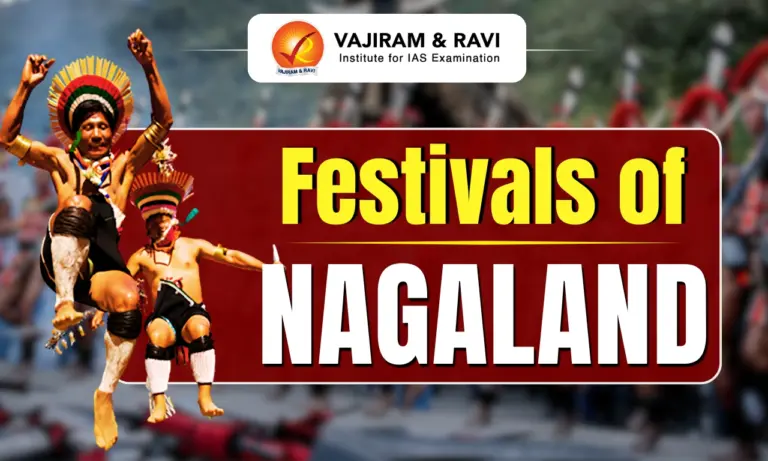
The Festivals of Nagaland showcase the rich cultural heritage, traditions, and customs of the state’s diverse Naga tribes. Celebrated throughout the year, these festivals are closely linked to agriculture, harvest, thanksgiving, and community life. They play an important role in preserving tribal culture, promoting unity, and attracting tourists from across the world.
Top 10 Famous Festivals of Nagaland 2026
The major festivals of Nagaland include the Hornbill Festival, Moatsu Festival, Sekrenyi Festival, Tokhu Emong Festival, Tuluni Festival, Aoling Festival, Naknyulem Festival, Tsokum Festival, Mimkut Festival, and Monyu Festival. These festivals are celebrated by different Naga tribes to mark important agricultural seasons, express gratitude for a good harvest, and preserve their unique cultural traditions. They are known for colorful folk dances, traditional music, community feasts, and tribal rituals.
1. Hornbill Festival
The Hornbill Festival is the most famous festival of Nagaland, celebrated as the “Festival of Festivals.” It showcases the culture, traditions, music, dance, cuisine, and handicrafts of all major Naga tribes.
- Celebration: Held annually from 1-10 December.
- Venue: Organized at Kisama Heritage Village near Kohima.
- Participation: Brings together all major Naga tribes.
- Cultural Events: Features folk dances, tribal music, and cultural performances.
- Traditional Attire: Participants wear colorful tribal costumes and ornaments.
- Handicrafts: Showcases bamboo crafts, handloom products, and tribal artifacts.
- Food Festival: Offers authentic Naga cuisine and local delicacies.
- Indigenous Sports: Includes archery, Naga wrestling, and traditional games.
- Tourism: Attracts thousands of domestic and international tourists.
- Importance: Promotes Naga culture, tribal unity, and tourism.


2. Moatsu Festival
The Moatsu Festival is celebrated by the Ao Tribe after the completion of the sowing season. It is a thanksgiving festival that celebrates friendship, prosperity, and community harmony.
- Celebration: Observed in the first week of May.
- Tribe: Celebrated by the Ao Naga Tribe.
- Purpose: Marks the end of the sowing season.
- Thanksgiving: Prayers are offered for a good harvest and prosperity.
- Community Feasts: Families and villagers celebrate with traditional meals.
- Cultural Performances: Includes folk dances, songs, and music.
- Traditional Customs: Elders share tribal traditions with younger generations.
- Social Bonding: Strengthens friendship and community relationships.
- Importance: Preserves the heritage of the Ao Tribe.
3. Sekrenyi Festival
The Sekrenyi Festival is the principal festival of the Angami Tribe, celebrated as a purification and renewal festival. It symbolizes good health, courage, prosperity, and spiritual well-being.
- Celebration: Celebrated every year in February.
- Tribe: Observed by the Angami Naga Tribe.
- Purpose: Marks purification and a new beginning.
- Rituals: Traditional cleansing ceremonies are performed.
- Prayers: People seek blessings for health and prosperity.
- Cultural Events: Features folk dances, songs, and tribal music.
- Traditional Dress: Participants wear colorful tribal attire.
- Community Feasts: Families gather for celebrations and meals.
- Youth Participation: Young people learn tribal customs and traditions.
- Importance: Preserves the cultural identity of the Angami Tribe.
4. Tokhu Emong Festival
The Tokhu Emong Festival is the main harvest festival of the Lotha Tribe. It celebrates a successful harvest while promoting gratitude, forgiveness, and community harmony.
- Celebration: Held annually in November.
- Tribe: Celebrated by the Lotha Naga Tribe.
- Purpose: Marks the completion of the harvest season.
- Community Feasts: Families enjoy traditional meals together.
- Reconciliation: Old disputes are resolved during the festival.
- Cultural Programs: Includes folk dances and traditional music.
- Traditional Attire: People wear colorful tribal costumes.
- Social Unity: Strengthens friendship and village harmony.
- Importance: Preserves the traditions of the Lotha Tribe.
5. Tuluni Festival
The Tuluni Festival is one of the most important festivals of the Sumi Tribe, celebrated during the peak agricultural season. It symbolizes prosperity, abundance, friendship, and strong community ties.
- Celebration: Celebrated annually in July.
- Tribe: Observed by the Sumi Naga Tribe.
- Purpose: Marks the mid-agricultural season.
- Community Feasts: Families gather for traditional meals.
- Rice Beer: Sharing Tuluni (rice beer) symbolizes friendship and unity.
- Marriage Ceremonies: Engagements and weddings are commonly held.
- Cultural Events: Features folk dances, songs, and music.
- Community Bonding: Promotes peace, cooperation, and social harmony.
- Importance: Preserves the cultural heritage of the Sumi Tribe.
6. Aoling Festival
The Aoling Festival is the most important festival of the Konyak Tribe, celebrated to welcome the spring season and the beginning of a new agricultural year. It marks the end of the old year and prays for a prosperous harvest.
- Celebration: Celebrated annually in the first week of April.
- Tribe: Observed by the Konyak Naga Tribe.
- Purpose: Welcomes spring and the new agricultural cycle.
- Agricultural Significance: Farmers pray for a good harvest and prosperity.
- Traditional Rituals: Special ceremonies are performed for peace and well-being.
- Cultural Performances: Features warrior dances, folk songs, and tribal music.
- Traditional Attire: People wear colorful Konyak costumes, bead necklaces, and headgear.
- Community Feasts: Families and villagers celebrate with traditional food.
- Social Unity: Strengthens friendship and community bonding.
- Importance: Preserves the rich cultural heritage and traditions of the Konyak Tribe.
7. Naknyulem Festival
The Naknyulem Festival is the main festival of the Chang Tribe, celebrated to strengthen friendship, unity, and community harmony. It is observed after the completion of agricultural activities and reflects the tribe’s rich cultural traditions.
- Celebration: Celebrated annually in July.
- Tribe: Observed by the Chang Naga Tribe.
- Purpose: Celebrates friendship, unity, and social harmony.
- Traditional Rituals: Special customs are performed for peace and prosperity.
- Community Feasts: Families gather to enjoy traditional meals.
- Cultural Performances: Includes folk dances, songs, and tribal music.
- Traditional Attire: Participants wear colorful tribal costumes and ornaments.
- Community Bonding: Encourages cooperation and strengthens social ties.
- Importance: Preserves the cultural heritage of the Chang Tribe.
8. Tsokum Festival
The Tsokum Festival is an important harvest festival of the Khiamniungan Tribe, celebrated to express gratitude for nature’s blessings and a successful harvest. It reflects the tribe’s close connection with agriculture and community life.
- Celebration: Celebrated after the harvest season.
- Tribe: Observed by the Khiamniungan Naga Tribe.
- Purpose: Offers thanksgiving for a good harvest and prosperity.
- Traditional Rituals: Ceremonies are performed to seek future blessings.
- Community Feasts: Villagers celebrate with traditional food and gatherings.
- Cultural Performances: Features folk dances, songs, and tribal music.
- Traditional Attire: People wear colorful tribal dresses and ornaments.
- Social Unity: Strengthens cooperation and community relationships.
- Agricultural Importance: Highlights the importance of farming in tribal life.
- Importance: Preserves the traditions and customs of the Khiamniungan Tribe.
9. Mimkut Festival
The Mimkut Festival is a traditional harvest festival celebrated by the Kuki Tribe after the maize harvest. It is observed to thank nature for a successful crop and to honor ancestors.
- Celebration: Celebrated after the maize harvest.
- Tribe: Observed by the Kuki Tribe.
- Purpose: Expresses gratitude for a good harvest and remembers ancestors.
- Traditional Rituals: Ceremonies are performed to honor departed family members.
- Community Feasts: Families gather for festive meals and celebrations.
- Cultural Performances: Includes folk dances, songs, and traditional music.
- Traditional Attire: Participants wear colorful tribal costumes.
- Social Bonding: Strengthens unity among families and the community.
- Agricultural Significance: Celebrates the successful maize harvest.
- Importance: Preserves the cultural heritage and traditions of the Kuki Tribe.
10. Monyu Festival
The Monyu Festival is the principal festival of the Phom Tribe, celebrated after the completion of the sowing season. It marks the beginning of a new agricultural cycle and symbolizes peace, prosperity, and community harmony.
- Celebration: Celebrated annually in April.
- Tribe: Observed by the Phom Naga Tribe.
- Purpose: Marks the completion of the sowing season and welcomes a prosperous year.
- Traditional Rituals: Special ceremonies are performed for peace, good health, and prosperity.
- Community Feasts: Families and villagers celebrate with traditional food and local delicacies.
- Cultural Performances: Features folk dances, songs, and tribal music.
- Traditional Attire: Participants wear colorful Phom tribal costumes and ornaments.
- Social Bonding: Strengthens friendship, unity, and cooperation within the community.
- Agricultural Significance: Celebrates the beginning of a successful farming season.
- Importance: Preserves the rich cultural heritage and traditional customs of the Phom Tribe.
Festivals of Nagaland Significance
The Festivals of Nagaland are a vibrant expression of the state’s tribal heritage, cultural diversity, and agricultural traditions. Celebrated by different Naga tribes throughout the year, these festivals preserve ancient customs, strengthen community bonds, and showcase the unique identity of Nagaland.
- Preserve Tribal Heritage: Help protect the traditions, customs, languages, and rituals of various Naga tribes.
- Promote Cultural Identity: Reflect the unique cultural values and way of life of different tribal communities.
- Celebrate Agriculture: Mark important farming activities such as sowing, harvesting, and thanksgiving for a good crop.
- Strengthen Community Bonds: Bring families and villages together through feasts, dances, and cultural celebrations.
- Promote Peace and Harmony: Encourage friendship, cooperation, forgiveness, and unity among communities.
- Preserve Folk Arts: Keep traditional folk dances, music, songs, and indigenous games alive for future generations.
- Support Local Artisans: Provide a platform to showcase and sell handicrafts, handloom products, and traditional artworks.
- Pass on Traditional Knowledge: Allow elders to share cultural values, customs, and tribal history with younger generations.
- Strengthen State Identity: Showcase Nagaland’s rich cultural diversity and promote pride in its unique tribal heritage.

 Last updated on Sep, 2026
→ UPSC 2027 Notification will be released on 13 January 2027 at upsconline.nic.in.
→ Asian Games 2026 are being held in Aichi-Nagoya, Japan, from 19 September to 4 October.
→ Check out the latest UPSC Syllabus here.
→ Download UPSC Model Answers for Mains 2026
→ UPSC Mains Question Paper 2026 is out now for Essay & GS Paper 1, 2, 3 & 4.
→ UPSC Calendar 2027 has been released.
→ Enroll in Vajiram & Ravi’s UPSC Mains Test Series 2027 for structured answer writing practice, expert evaluation, and exam-oriented feedback.
→ Join Vajiram & Ravi’s UPSC Mentorship Program 2027 for personalized guidance, strategy planning, and one-to-one support from experienced mentors.
→ Go through the UPSC Mains Previous Year Papers to enhance your preparation.
→ UPSC has released UPSC Toppers List 2025 with the Civil Services final result on its official website.
→ Also check Best UPSC Coaching in India
Festivals of Nagaland FAQs
Q1. Which is the most famous festival of Nagaland?+
Q2. Why is the Hornbill Festival called the "Festival of Festivals"?+
Q3. How many major festivals are celebrated in Nagaland?+
Q4. Why are the Festivals of Nagaland celebrated?+
Q5. Which tribe celebrates the Moatsu Festival?+
Tags: fairs and festivals of india festivals festivals of nagaland