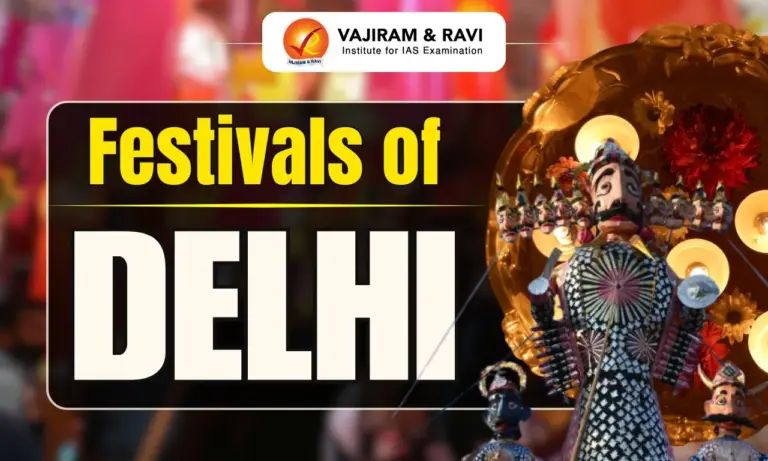
Delhi is the traditional and present capital of India. It reflects India’s cultural diversity through Festivals of Delhi 2026. It is located between the Yamuna River and the Aravalli hills and is influenced by Haryana, Rajasthan, Uttar Pradesh and Punjab. People from every part of the country have made Delhi their home, making it a truly cosmopolitan city. As a result, festivals of different religions and communities are celebrated with equal enthusiasm, showcasing the spirit of unity in diversity and preserving the city’s rich cultural heritage.
Festivals of Delhi 2026
Festivals of Delhi 2026 represent its long history, diverse population and shared cultural traditions. The city celebrates national, religious and seasonal festivals throughout the year, bringing together people from different languages, faiths and regions. From grand national ceremonies at historic landmarks to colourful community celebrations in neighbourhoods, every festival reflects Delhi’s inclusive culture. Music, dance, traditional food, fairs, processions, religious rituals and cultural performances make these celebrations an important part of the city’s social and cultural identity.
List of Main Festivals of Delhi 2026
Delhi celebrates national, religious and seasonal festivals throughout the year, reflecting its multicultural society, historical importance and rich cultural traditions. The list of major Festivals of Delhi 2026 include:
Republic Day
It is celebrated every year on 26 January to mark the enforcement of the Constitution of India in 1950, officially establishing India as a sovereign democratic republic.
- Republic Day Parade: The main attraction is the grand parade with tableaux beginning from Rashtrapati Bhavan and proceeding towards India Gate, featuring the Armed Forces, marching contingents and cultural tableaux from different states.
- National Significance: The President hoists the national flag, presents gallantry awards and honours distinguished citizens, making Delhi the centre of the country’s Republic Day celebrations.
Independence Day
It is celebrated every year on 15 August to commemorate India’s independence in 1947 following the transfer of legislative sovereignty under the Indian Independence Act.
- Red Fort Ceremony: The Prime Minister receives the Guard of Honour, hoists the national flag and delivers the Address to the Nation from the historic Red Fort.
- Public Celebrations: March pasts, National Cadet Corps performances, state exhibitions, kite flying events and patriotic programmes are organised across Delhi.
- City Decoration: Government buildings, roads, schools and public spaces are decorated with national flags, lights and colourful displays before the celebrations.
Holi
Holi marks the arrival of spring and celebrates joy, colours and the victory of good over evil through vibrant community celebrations.
- Observance: It is celebrated on the full moon day of Phalguna, generally falling in March, according to the Hindu calendar.
- Religious Significance: The festival commemorates the story of Prahlad and Holika, symbolising the victory of devotion and righteousness over evil.
- Celebrations: People perform Holika Dahan on the previous evening and celebrate with colours, gulaal, flowers, water balloons and festive foods like Gujiya, Dahi Bhalle and Masala Mathri.
Diwali
Diwali is the festival of lights celebrated across Delhi with decorations, prayers, fairs and vibrant cultural activities.
- Observance: Celebrated on the Amavasya of Kartik, approximately 20 days after Dussehra, usually during October or November.
- Religious Importance: The festival honours the return of Lord Ram after 14 years of exile, symbolising the triumph of light over darkness and good over evil.
- Celebrations: Homes and workplaces are cleaned, decorated with diyas, candles and lights, while families perform Lakshmi Puja and celebrate together.
- Delhi Attractions: Markets and fairs across the city become festive, while Dilli Haat, INA, hosts a popular Diwali Bazaar featuring handicrafts, cultural performances and festive shopping.
Dussehra
Dussehra commemorates Lord Ram’s victory over Ravana and remains one of Delhi’s largest cultural festivals.
- Observance: Celebrated on the tenth day of Navratri, usually during September or October and is also known as Vijayadashami.
- Historical Significance: The festival celebrates the victory of Lord Ram over the ten headed king Ravana, representing the triumph of truth over evil.
- Major Events: Grand Ram Lila performances narrate the Ramayana, followed by Ravana Dahan, where giant effigies of Ravana are ceremonially burnt.
- Delhi Celebrations: Ramlila Maidan and performances are organised that attract large crowds with elaborate stage effects and fireworks.
Durga Puja
Durga Puja showcases Delhi’s vibrant Bengali culture through elaborate pandals, rituals and community celebrations.
- Observance: Celebrated during Ashvina (September-October) and honours Goddess Durga’s victory over the buffalo demon Mahishasura.
- Religious Rituals: Beautiful idols of Goddess Durga are installed in pandals, with celebrations continuing from Sashti to Vijayadashami, ending with idol immersion.
- Community Celebrations: Devotional songs, dhak performances, cultural events and traditional puja bhog are central attractions.
- Delhi Locations: Chittaranjan Park, popularly called Mini Bengal, along with Minto Road, Kashmere Gate and Civil Lines, hosts some of Delhi’s largest Durga Puja celebrations.
Eid-ul-Fitr
Eid-ul-Fitr celebrates the completion of Ramadan with prayers, charity and community gatherings across Delhi.
- Observance: Celebrated after the completion of the holy month of Ramadan, marking the end of month long fasting.
- Religious Significance: Muslims offer special morning prayers, exchange greetings of ‘Eid Mubarak’, promote forgiveness and distribute gifts to the needy.
- Celebrations: The festival continues for one to three days with family gatherings, fairs, traditional foods and charitable activities.
- Delhi Celebrations: Jama Masjid, one of India’s largest mosques, attracts thousands of worshippers.
Guru Nanak Jayanti
Guru Nanak Jayanti is the most sacred Sikh festival celebrated with devotion, processions and community service.
- Observance: Celebrated on Kartik Purnima, generally during November, marking the birth anniversary of Guru Nanak Dev, founder of Sikhism.
- Religious Significance: Devotees organise Prabhat Pheris, Kirtan, Katha, Asaa-ki-Vaar and community Langars in gurudwaras.
- Delhi Celebrations: Colourful Nagar Kirtans begin from Gurudwara Sis Ganj Sahib, led by the Panj Pyaras, with decorated streets and devotional singing.
- Unique Feature: Delhi celebrates the occasion with eco-friendly laser shows, while gurudwaras begin religious ceremonies from 4:00 a.m., welcoming thousands of devotees.
Lohri
Lohri is a popular winter harvest festival celebrated mainly by Delhi’s Punjabi community.
- Observance: Celebrated every year on 13 January, marking the end of winter and the beginning of longer days after the winter solstice.
- Agricultural Importance: The festival is associated with the successful harvest of Rabi crops, while the following day, Makar Sankranti, is regarded as a financial New Year by many Punjabi farmers.
- Celebrations: Families light bonfires, sing traditional Lohri songs and offer peanuts, sesame seeds, popcorn and beaten rice into the sacred fire.
- Delhi Attractions: Dilli Haat, Janakpuri, hosts traditional Lohri celebrations featuring bonfires, Bhangra performances, folk music and distribution of festive sweets.
Christmas
Christmas brings festive decorations, prayers and celebrations across Delhi’s churches, markets and public spaces.
- Observance: Celebrated every year on 25 December to commemorate the birth of Jesus Christ.
- Religious Celebrations: Churches conduct special prayer services, while homes are decorated with Christmas trees, wreaths, garlands and festive lights.
- Delhi Celebrations: Sacred Heart Cathedral hosts one of Delhi’s largest midnight Mass services, attracting thousands of worshippers and visitors.
New Year
New Year marks the beginning of the Gregorian calendar with citywide celebrations, entertainment and public gatherings.
- Observance: Celebrated every year on 1 January, marking the first day of the Gregorian and Julian calendar year.
- Celebrations: People welcome the New Year through parties, concerts, fireworks, family gatherings and midnight celebrations on 31 December.
- Public Gatherings: Many people also celebrate around India Gate and Connaught Place, where illuminated surroundings and cultural programmes create a vibrant festive atmosphere.
Phool walon ki Sair Festival of Delhi
Phool walon ki Sair is Delhi’s traditional flower festival celebrating communal harmony and shared cultural heritage.
- Observance: Organised during late September or early October, this historic flower festival reflects Delhi’s long tradition of communal harmony.
- Cultural Importance: The festival symbolises unity by bringing together people from different religious communities through floral offerings and cultural programmes.
- Celebrations: Flower processions, traditional performances and community participation form the main attractions of this heritage festival.
Qutub Festival
Qutub Festival celebrates Delhi’s artistic traditions through music, dance and cultural performances at one of the city’s historic monuments.
- Observance: Usually organised during November or December, highlighting Delhi’s cultural heritage and performing arts.
- Major Attractions: Classical music, folk performances, traditional dances and cultural programmes are presented against the backdrop of the historic Qutub complex.
- Significance: The festival promotes India’s artistic traditions while showcasing Delhi’s historical and architectural legacy.
International Mango Festival
The International Mango Festival celebrates India’s rich mango diversity through exhibitions, competitions and cultural activities.
- Observance: Organised every year during July, bringing together mango growers, experts and visitors from different regions.
- Festival Highlights: Mango exhibitions, tasting sessions, competitions and displays of numerous mango varieties make it one of Delhi’s unique seasonal events.
- Importance: The festival promotes India’s mango heritage while encouraging interaction between growers, consumers and horticulture enthusiasts.


 Last updated on Oct, 2026
→ UPSC 2027 Notification will be released on 13 January 2027 at upsconline.nic.in.
→ Check Nobel Prize 2026 Winners List here.
→ Download PIB PRiSM Monthly Magazine 2026 here.
→ Check UPSC Monthly Current Affairs Magazine The Recitals here.
→ Check out the latest UPSC Syllabus here.
→ Download UPSC Model Answers for Mains 2026
→ UPSC Mains Question Paper 2026 is out now for Essay & GS Paper 1, 2, 3 & 4.
→ UPSC Calendar 2027 has been released.
→ Enroll in Vajiram & Ravi’s UPSC Mains Test Series 2027 for structured answer writing practice, expert evaluation, and exam-oriented feedback.
→ Join Vajiram & Ravi’s UPSC Mentorship Program 2027 for personalized guidance, strategy planning, and one-to-one support from experienced mentors.
→ Go through the UPSC Mains Previous Year Papers to enhance your preparation.
→ UPSC has released UPSC Toppers List 2025 with the Civil Services final result on its official website.
→ Also check Best UPSC Coaching in India
Festivals of Delhi 2026 FAQs
Q1. Which are the main Festivals of Delhi 2026?+
Q2. Why is Delhi known for celebrating diverse festivals?+
Q3. Where are Republic Day and Independence Day celebrated in Delhi?+
Q4. What is the famous Phool walon ki Sair festival in Delhi?+
Q5. Which places are famous for festival celebrations in Delhi?+
Q6. When is the International Mango Festival celebrated in Delhi?+
Tags: fairs and festivals of india festival festivals festivals of delhi festivals of states